When I started Cutting Edge Lawn & Landscaping in May 2020, I did what most people do when they want to learn something quickly: I watched a lot of YouTube. Lawn care channels, landscaping content, turf management videos — hours of it, through the winter before my first season and into the early months of running the business.
A lot of it was good content, produced by clearly experienced people who knew what they were talking about. By around month six of actually working on lawns across Greater Sudbury, I’d mostly stopped watching.
Not because the content was bad. Because it was teaching me things that didn’t apply here — and in some cases, things that would have produced genuinely bad results if I’d applied them directly in our climate and our soil.
I’m Ryan Lingenfelter, owner of Cutting Edge Lawn & Landscaping in Garson, Ontario. Here’s the specific disconnect I kept running into, and what I actually pay attention to instead.
What I Was Watching — And Why It Made Sense at First
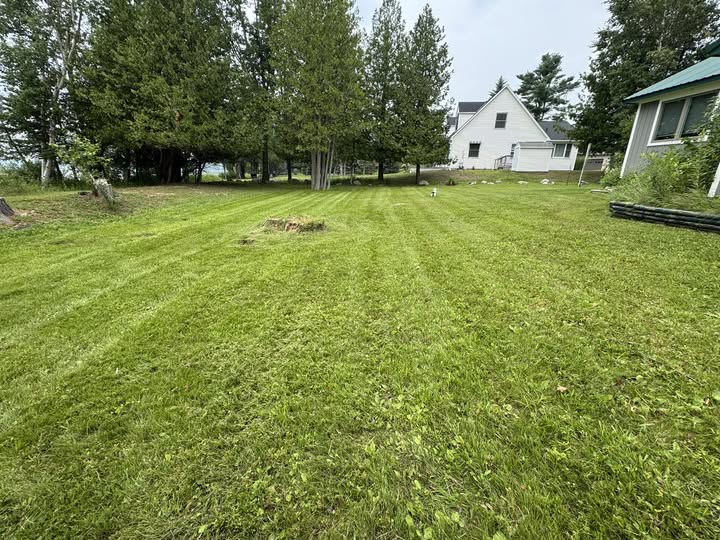
The most popular lawn care content on YouTube is predominantly produced in the United States — specifically, a lot of it comes from the transition zone and southern states. Channels with hundreds of thousands of subscribers, produced by people who genuinely know their local conditions and are producing accurate advice for those conditions.
The appeal of this content is obvious. It’s visually compelling, the before-and-after results are dramatic, the producers are enthusiastic and clearly knowledgeable, and the production quality is high. If you’re trying to learn the fundamentals of lawn care quickly, it feels like exactly what you need.
And the fundamentals are genuinely transferable — the basic biology of grass, the principle that roots need air and water and nutrient access, the importance of sharp blades and consistent mowing. None of that changes based on where you are.
But the specific application — the timing, the products, the techniques, the priorities — that’s where the US content kept running into problems when I tried to apply it in Sudbury. The advice was accurate for the context it was created in. That context just wasn’t here.
The First Problem I Noticed — The Climate Gap
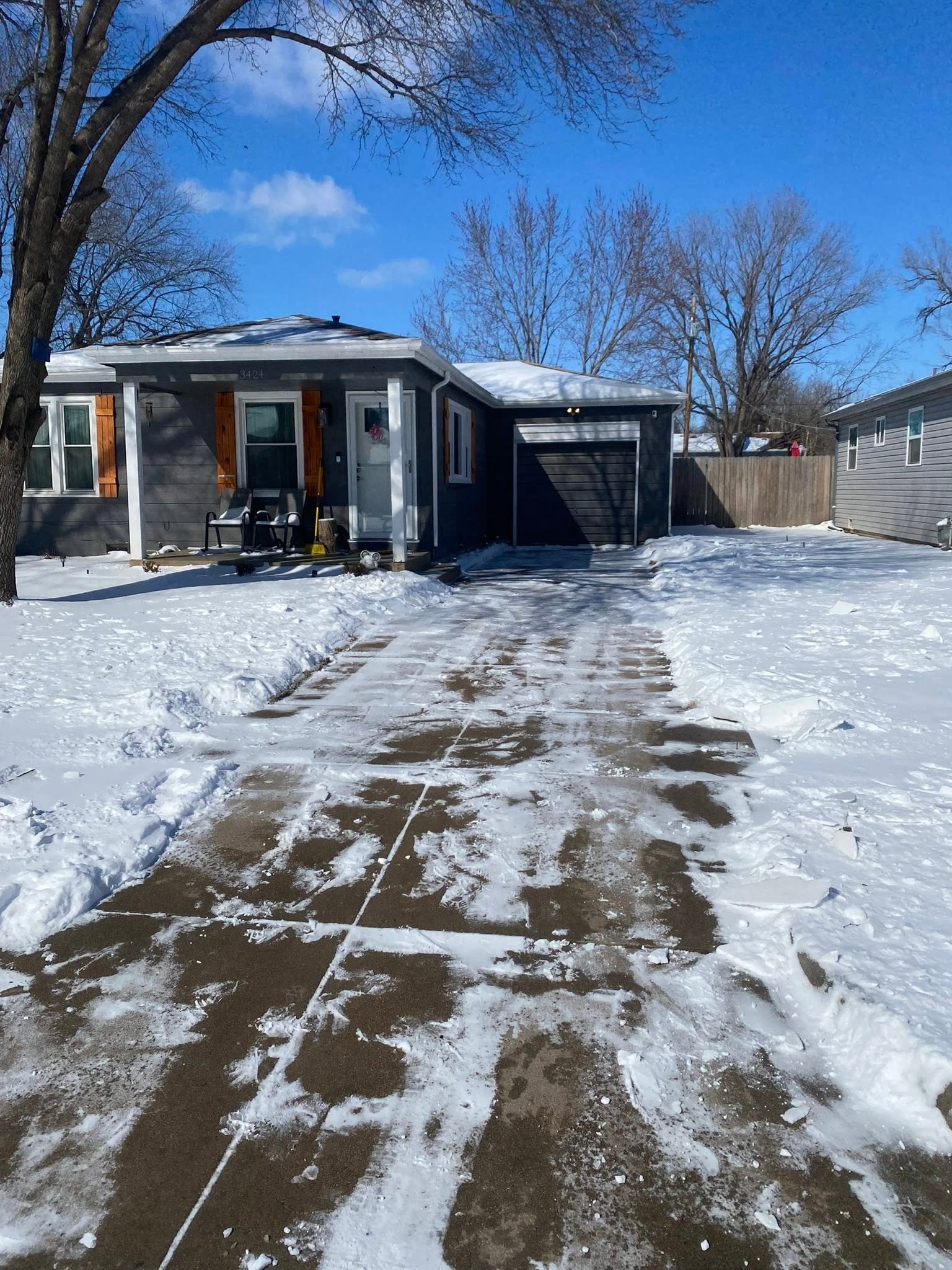
The most immediately obvious disconnect was timing. Popular lawn care YouTube content from the southern and transition zone states operates on a completely different seasonal calendar than Greater Sudbury.
A channel based in North Carolina or Kentucky is talking about fertilizer applications in February. March is when they’re doing their first pre-emergent. By April they’re mowing weekly. Their summer heat discussion is about lawns dealing with 35 to 38 degree heat for months — genuinely brutal conditions that require specific management strategies developed for that sustained heat load.
In Greater Sudbury, February is February. March is still winter. My first mow of the season is typically late May. Our summer heat is real but compressed — a few genuinely hot weeks rather than months of sustained extreme heat. And our fall window, which those channels barely discuss because their growing season extends deep into November, is one of the two most important work windows in our entire calendar.
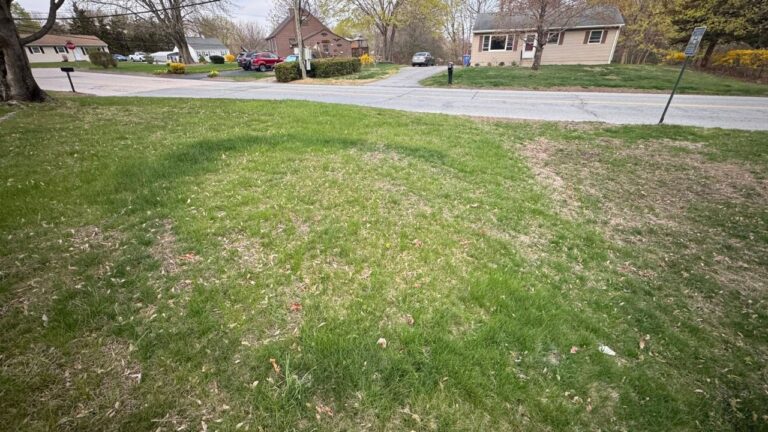
I wrote about the spring window specifically in the 2-week spring window that makes or breaks Sudbury lawns all summer — that window doesn’t exist as a meaningful concept in most of the climates producing popular lawn care YouTube content. Neither does our specific pattern of freeze-thaw damage, our specific snow mould season, or the particular challenges of maintaining turf through a Sudbury winter in a way that comes out of spring in recoverable shape.
I’d watch a video that was technically excellent advice for its climate and try to apply it to Sudbury, and either the timing was wrong by two months, the intensity of the treatment was calibrated for a different heat load, or the product being recommended wasn’t even available or appropriate in Ontario. The content was good. The context was incompatible.
The Second Problem — The Soil Assumption
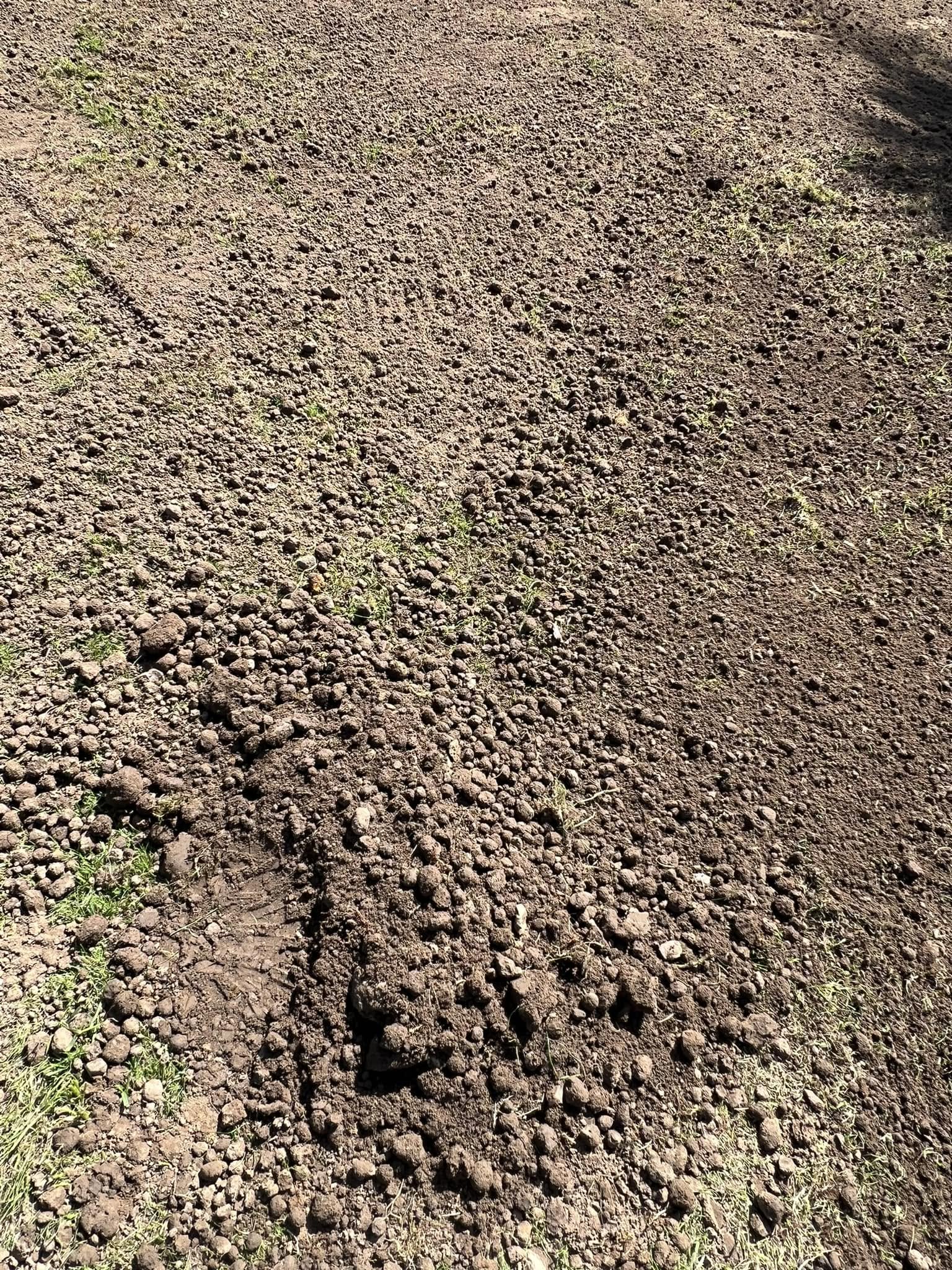
The second major disconnect was soil. A significant proportion of popular US lawn care content — particularly the high-production-value content that gets the most views — is created on soil types that are genuinely very different from what’s under most Greater Sudbury residential properties.
Sandy loam soil that drains quickly, absorbs water easily, and doesn’t compact the same way clay does — that soil responds to lawn care interventions very differently than Sudbury’s clay-heavy profiles. Products and techniques calibrated for quick-draining sandy soil can behave completely differently on clay. Watering advice that works perfectly for sand can waterlog clay. Fertilizer applications that are routine on loam can burn shallow-rooted grass on compacted clay where the roots can’t access or process the nutrients the same way.
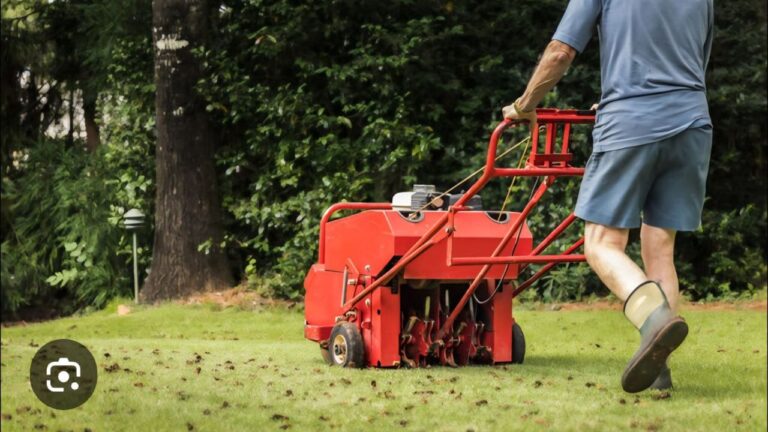
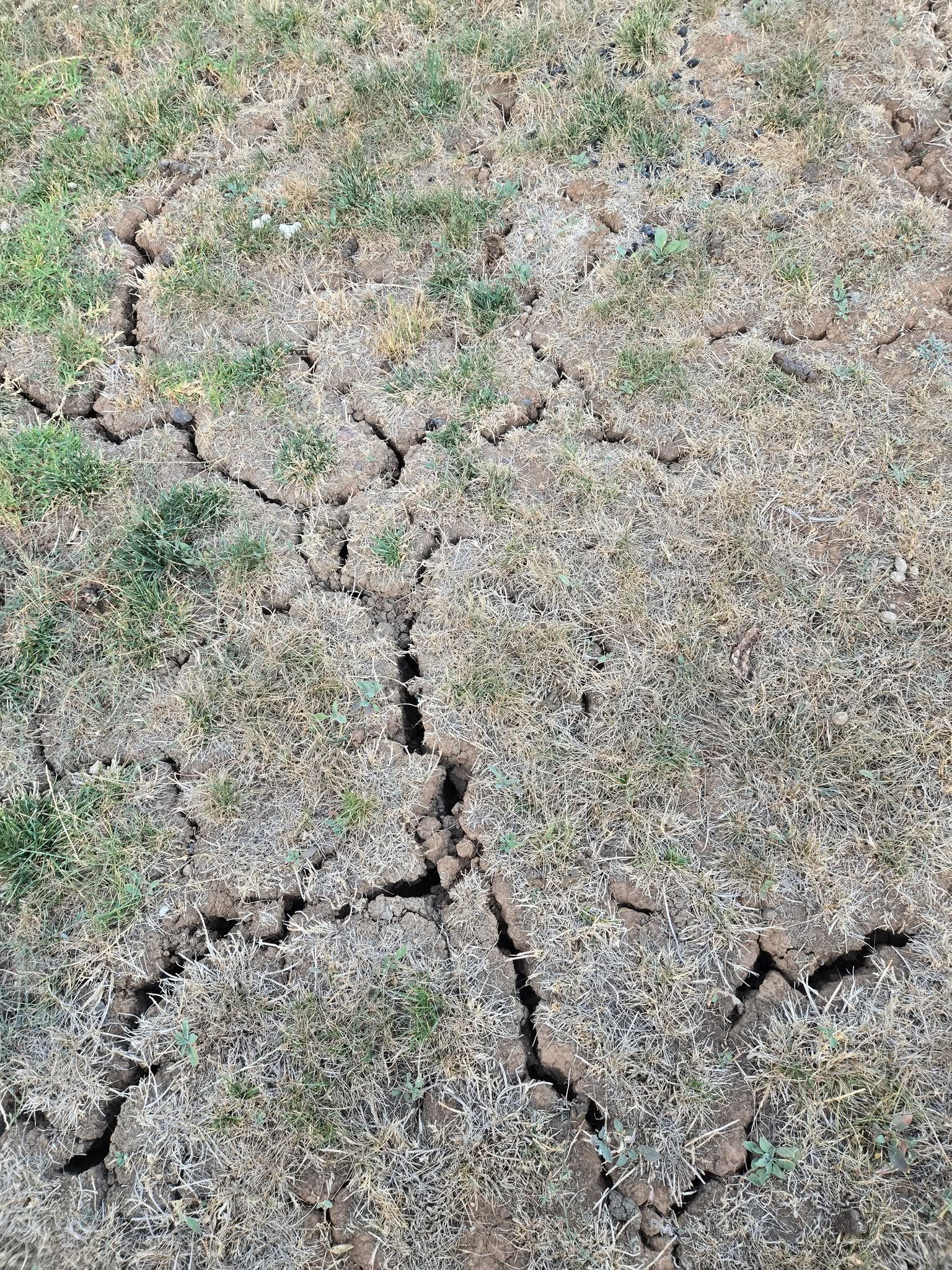
The specific issue I’ve written about most extensively — compaction as the single most common cause of lawn failure across Greater Sudbury — is genuinely less of a dominant issue in many of the regions producing the most-watched lawn care content. American YouTube channels don’t talk about compaction and aeration the same way I do because on their soil types, it’s less consistently the central problem. Their audiences don’t need to hear “aerate every year” as strongly as mine do, because their soil doesn’t compact and seal itself the way Sudbury clay does through our freeze-thaw cycles.
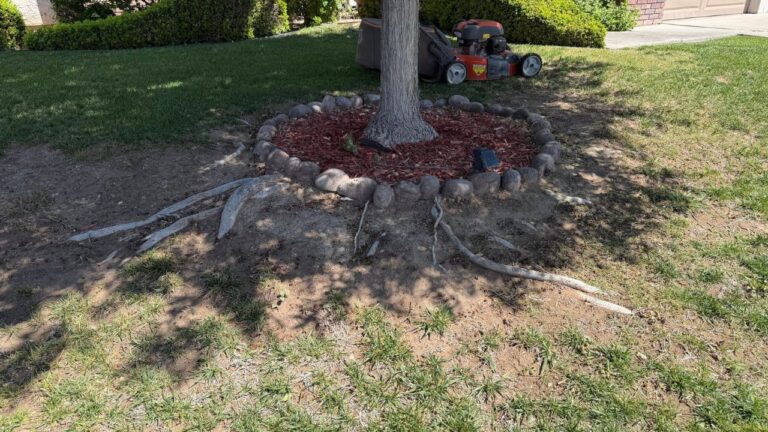
I’ve described this in detail in the most common thing I find under dead Sudbury lawns — the compaction problem I find on almost every struggling property here is not a universal lawn problem globally. It’s specific to our soil type and our climate. YouTube content calibrated for different soil types systematically underemphasizes the thing that matters most here.
What Actually Works in Sudbury — The Real Adjustments
Here’s what I actually pay attention to now, after five years of working specifically on Greater Sudbury properties, as a replacement for the generic content I used to watch.
Ontario-Specific Agronomic Information
The Ontario Ministry of Agriculture, Food and Rural Affairs publishes factsheets and guides specifically calibrated for Ontario soil types, Ontario climate, and Ontario-registered products. Not glamorous content, but accurate to where we actually are. University of Guelph extension resources are similarly grounded in Ontario-specific conditions rather than generalized North American advice.
Local Supplier Knowledge
The experience I described in the Garson property that made me call my supplier with questions I’d never asked before is a good example of what I mean. My local sod supplier has been operating in Northern Ontario for decades. They know the geological conditions, the soil profiles, the specific timing that works here rather than in a generalized temperate climate. That kind of local knowledge, accumulated through years of working specifically in this region, is worth more than any amount of generalist content created for a different context.
What I’ve Learned from the Properties Themselves
The notes I keep on every property I work on — which I described in detail in why I keep notes on every Sudbury lawn I work on — have taught me more about what actually works here than any external content source. Five years of tracking what interventions produced what results, on what soil types, in what seasons, against what specific problems — that’s a dataset calibrated entirely to our specific conditions rather than to a generalized ideal.
Attending to the Signs Specific to Our Climate
Snow mould patterns. The specific way Sudbury’s freeze-thaw cycles affect different soil profiles. Grub timing in our specific summer window. The difference between a lawn going dormant appropriately in July heat and a lawn dying from something that needs intervention — I wrote about exactly this distinction in why Sudbury lawns go brown in July and when to actually worry. None of this is well-covered by content created for different climates.
What This Means for You as a Sudbury Homeowner
If you’ve been following lawn care advice from popular YouTube channels and finding that it doesn’t quite produce the results you expected — this is likely why. The advice may be completely accurate for the context it was created in. Our context is different enough that direct application without adjustment often underperforms.
The most important adjustments for Sudbury specifically:
Shift all timing advice later than the videos suggest — our season is compressed and starts later than most of the content assumes. What they describe for April, we’re doing in late May.
Take aeration more seriously than any general content source suggests — on our clay soil, it’s more consistently the central issue than it is in most other contexts.
Don’t assume watering advice calibrated for sandy or loamy soil applies directly to Sudbury clay — the infiltration dynamics are genuinely different and the cycle-and-soak approach I described in the Val Caron watering story is specific to how our soil behaves.
And when something isn’t working despite following advice carefully — the problem is usually that the advice wasn’t calibrated for our specific conditions, not that you did something wrong. A proper local assessment is worth more than another hour of general content.
Questions About What Actually Applies to Your Sudbury Lawn?
If you’ve been trying to figure out which pieces of lawn care advice actually apply in Greater Sudbury and which ones don’t — or if you just want a straight assessment of what your specific property needs — reach out.
📞 Call or text me: 705-507-6787
Or fill out the free quote form here — I get back to everyone same day.
— Ryan Lingenfelter
Owner, Cutting Edge Lawn & Landscaping
Garson, Ontario
Related Articles
- The One Thing I Always Find Under a Dead Sudbury Lawn
- The 2-Week Window in Sudbury That Makes or Breaks Your Lawn All Summer
- Why I Keep Notes on Every Sudbury Lawn I Work On
- The Sudbury Property That Made Me Call My Supplier and Ask Questions I’d Never Asked Before
- Why Your Sudbury Lawn Goes Brown in July — And When to Actually Worry
- A Sudbury Homeowner Asked Me to Watch Her Water the Lawn — Here’s What I Saw