
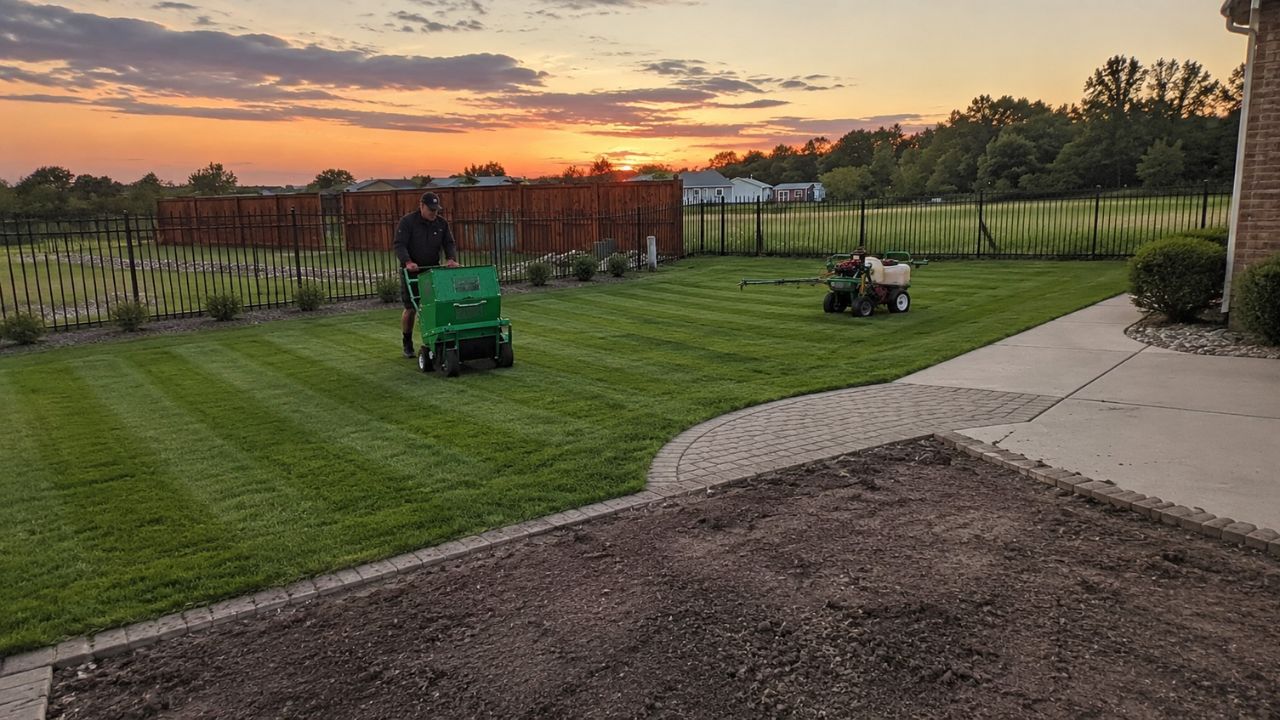
I want to tell you something I don’t usually lead with in these articles.
Since the first season of running Cutting Edge Lawn & Landscaping in 2020, I’ve kept notes on every property I’ve worked on across Greater Sudbury. Not elaborate records — a notebook, then eventually a phone app, with basic information about each property. What I found when I got there. What work was done. What the soil looked like. What the drainage situation was. What was causing whatever problem the homeowner had called about.
I started doing it because I thought it would help me remember details about recurring clients — if someone called back a year later, I’d know what I’d found on the first visit without having to start from scratch.
But over time, those notes became something more interesting than a client reference file. They became a pattern library. Hundreds of Sudbury properties, documented over five years. And the patterns that emerged from reading back through them are the most useful things I know about lawn care in this region.
I’m going to share the most important of those patterns with you in this article — because I think they’re genuinely useful for any homeowner in Greater Sudbury who wants to understand why their lawn does what it does.
Why I Started Taking Notes in the First Place
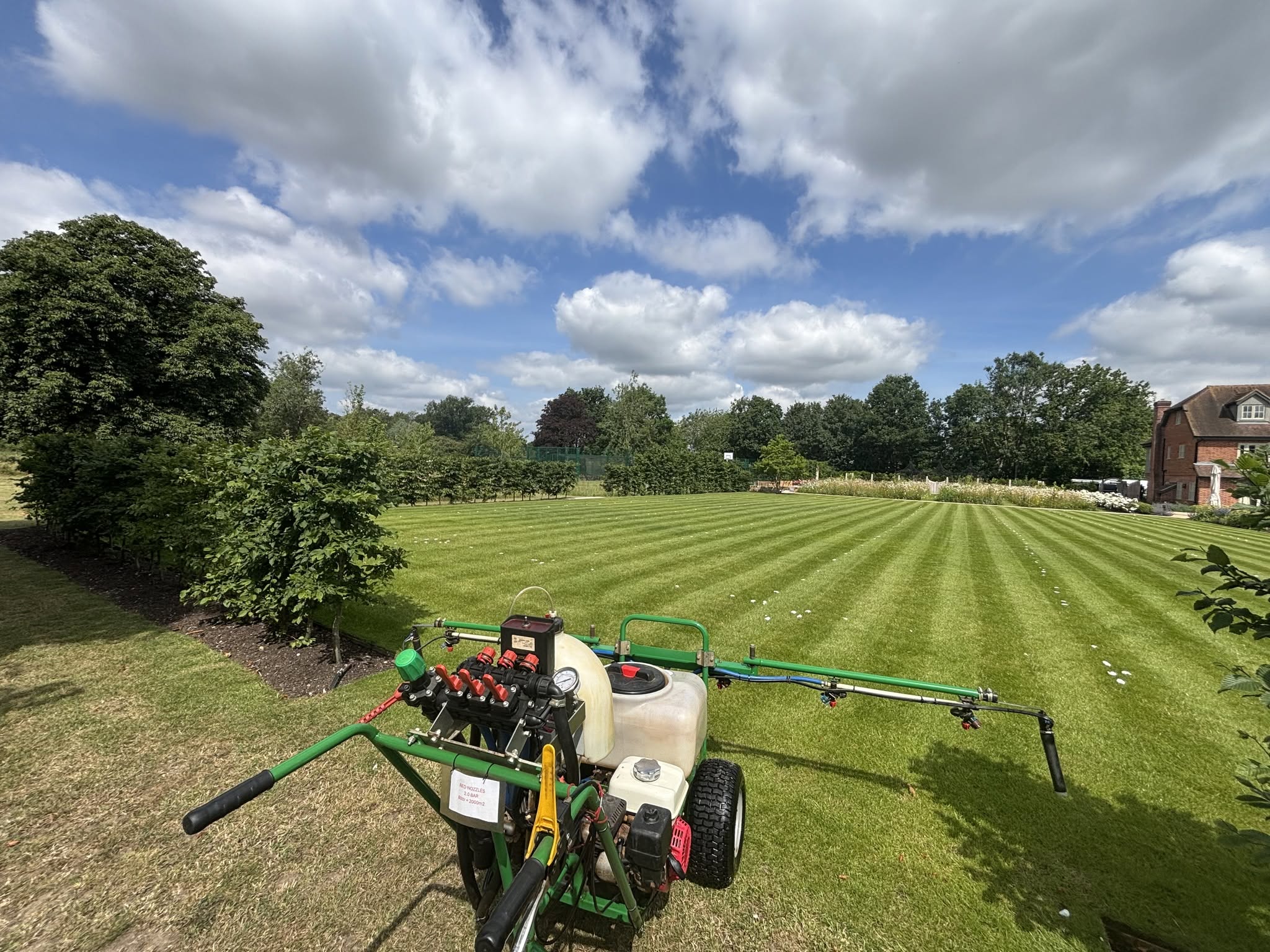
The first time I went back to a property for a second visit without notes, I walked up to the front door and realized I couldn’t reliably remember what I’d found the previous year. Was there a drainage issue in the back corner? Had we aerated or just overseeded? What was the thatch depth when we’d started?
I could remember the general picture but not the specifics. And the specifics are what matter in lawn care. The difference between a drainage issue that was addressed and one that was noted-but-not-fixed is significant. The difference between soil that was tilled to four inches and soil that got a surface aeration is significant. You can’t make good decisions about a property’s future without accurate information about its past.
So I started writing things down. Immediately after every job, sometimes during — quick notes on the soil test results, drainage observations, what work was done, what was left for future attention, anything notable about the property.
Within a year I had notes on close to a hundred properties. Within three years, several hundred. By now — five years in — I have detailed notes on a significant portion of the residential and commercial properties I’ve worked on across Garson, Hanmer, Val Caron, Chelmsford, Lively, Azilda, Capreol, and the city proper.
And reading back through those notes periodically — looking for what they show in aggregate rather than for any individual property — has taught me things about Greater Sudbury’s lawns that I couldn’t have learned any other way.
What the Notes Revealed — Pattern 1: The Compaction Timeline
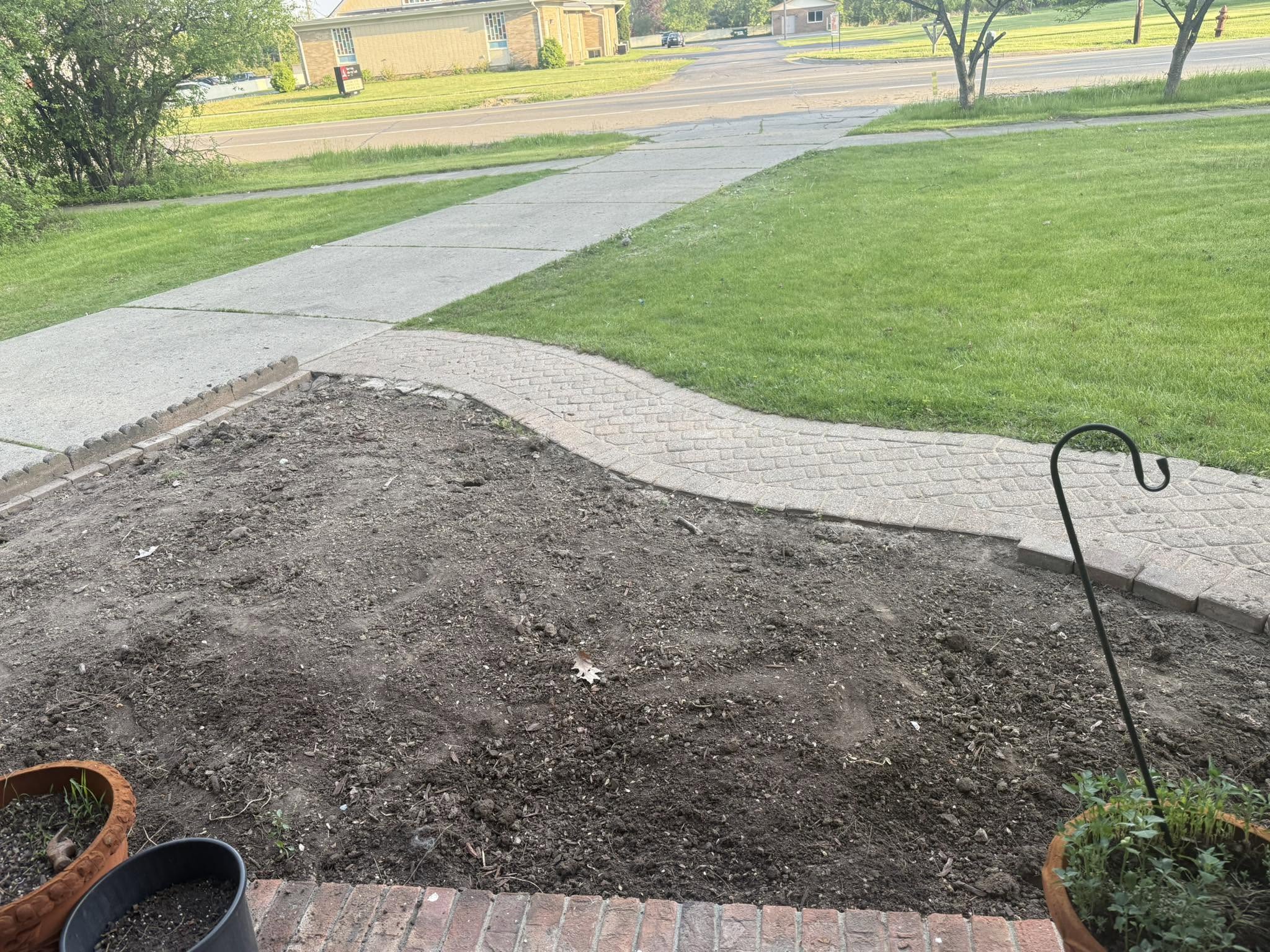
The first pattern that emerged clearly from the notes was about compaction — specifically, how fast it returns after treatment on Sudbury’s clay-heavy soil.
I’d known compaction was a central issue on most Greater Sudbury properties before I started keeping detailed notes. I’ve documented it thoroughly in the most common thing I find under dead Sudbury lawns — compaction is the answer in the overwhelming majority of cases. What I didn’t have before the notes was a clear picture of the timeline.
Here’s what the data shows. On a property where we’ve done proper soil rehabilitation — full tilling, topsoil incorporation, fresh sod — the compaction reads low on the screwdriver test for about 18 to 24 months without intervention. After two full Sudbury winters, without aeration, the compaction has typically returned to somewhere between 50 and 70 percent of what it was originally.
On properties where we’ve done aeration without full tilling — working with the existing soil rather than replacing it — compaction returns faster. Sometimes within a single winter on the most clay-heavy lots.
What this means practically: on Greater Sudbury clay, annual aeration is not a nice-to-have. It’s the minimum maintenance cycle to prevent compaction from rebuilding to damaging levels. Properties that get aerated every fall hold their soil structure meaningfully better than properties that get aerated every other year.
I’ve seen this play out in the long-term notes on recurring clients. The properties that have been aerated consistently every fall look better year over year. The properties where aeration gets skipped — for whatever reason — show measurable decline in screwdriver test results within two seasons.
I covered the practical implications of this in what to expect from lawn aeration in Sudbury — the compaction timeline is one of the reasons I recommend annual fall aeration for any Greater Sudbury property on clay soil, without exception.
Pattern 2: The Mowing Height Divide
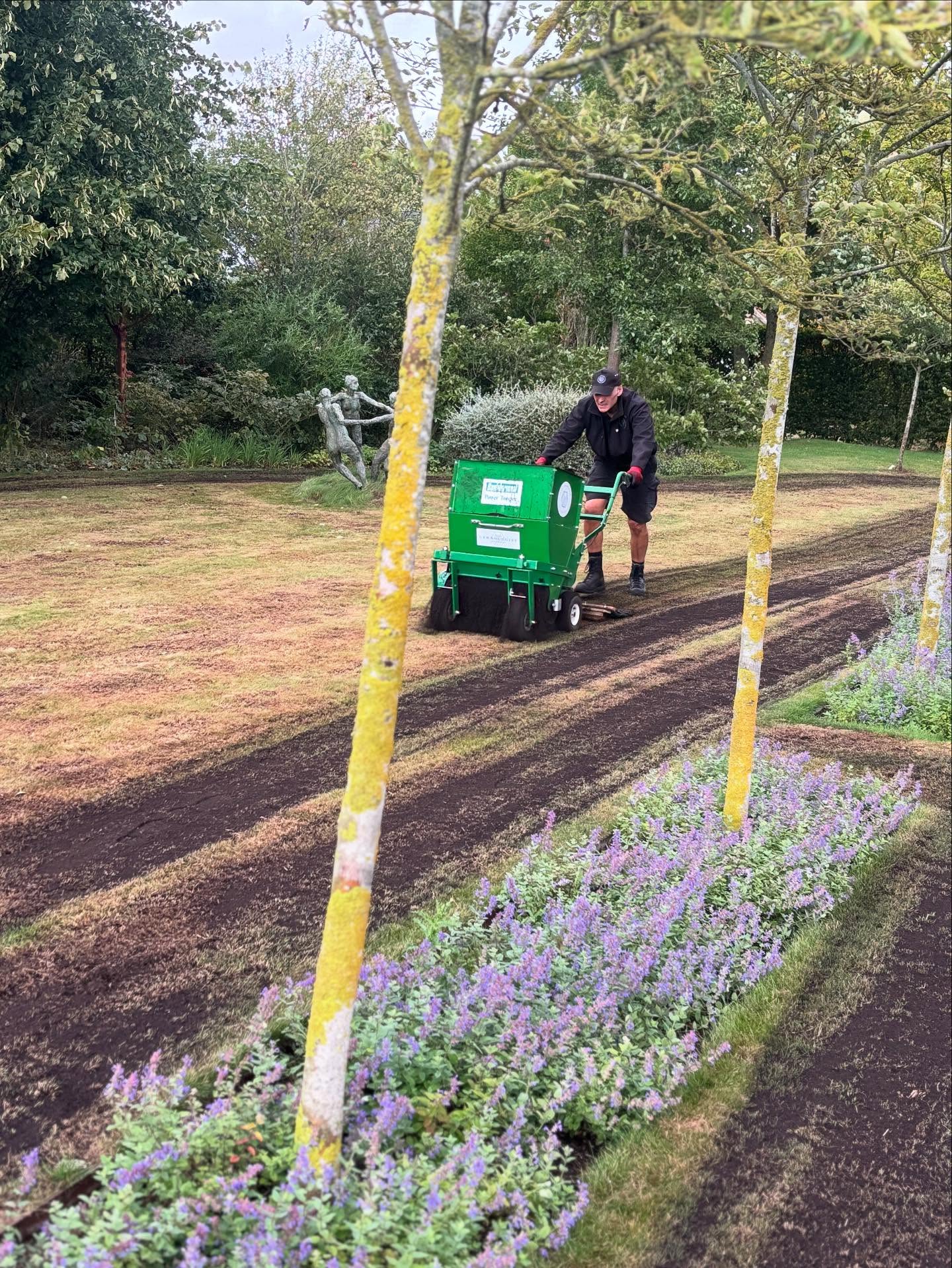
The second pattern that jumped out from the notes was one I’d suspected but couldn’t quantify until I had the data: properties maintained at the correct mowing height look dramatically better over multiple seasons than properties that have been cut short.
In the notes, I started tracking cutting height on first-visit assessments — either by measuring directly or by asking the homeowner what height their current provider was using. Over time, a clear divide emerged.
Properties coming to me after being maintained by operators cutting at 1.5 to 2 inches consistently showed three to four times the frequency of thin patches, weed establishment, and summer browning compared to properties where the cutting height had been at 3 inches or above. The difference wasn’t subtle. You could see it in the notes — the first-visit descriptions of these two groups read like descriptions of completely different lawns even when the properties were similar in size, location, and soil type.
What the notes also showed was how long the damage from chronic short cutting takes to reverse. A property that has been cut at 1.5 inches for two or three seasons has shallow root systems, depleted crown health, and weed-infested thin spots that take a full growing season of correct-height maintenance to meaningfully improve — and sometimes two seasons. It’s not a quick fix.
This is why I’m specific — sometimes to the point of being repetitive about it — on cutting height in almost everything I write. It’s the single most impactful factor under a lawn care company’s direct control, and the notes make it impossible to minimize.
I’ve covered what this looks like in practice in the most common lawn mowing mistake I see every week in Sudbury and in what you’re really paying for across the $30 to $80 price range — cutting height is one of the clearest markers of the quality difference between price points.
Pattern 3: The Drainage Blind Spot
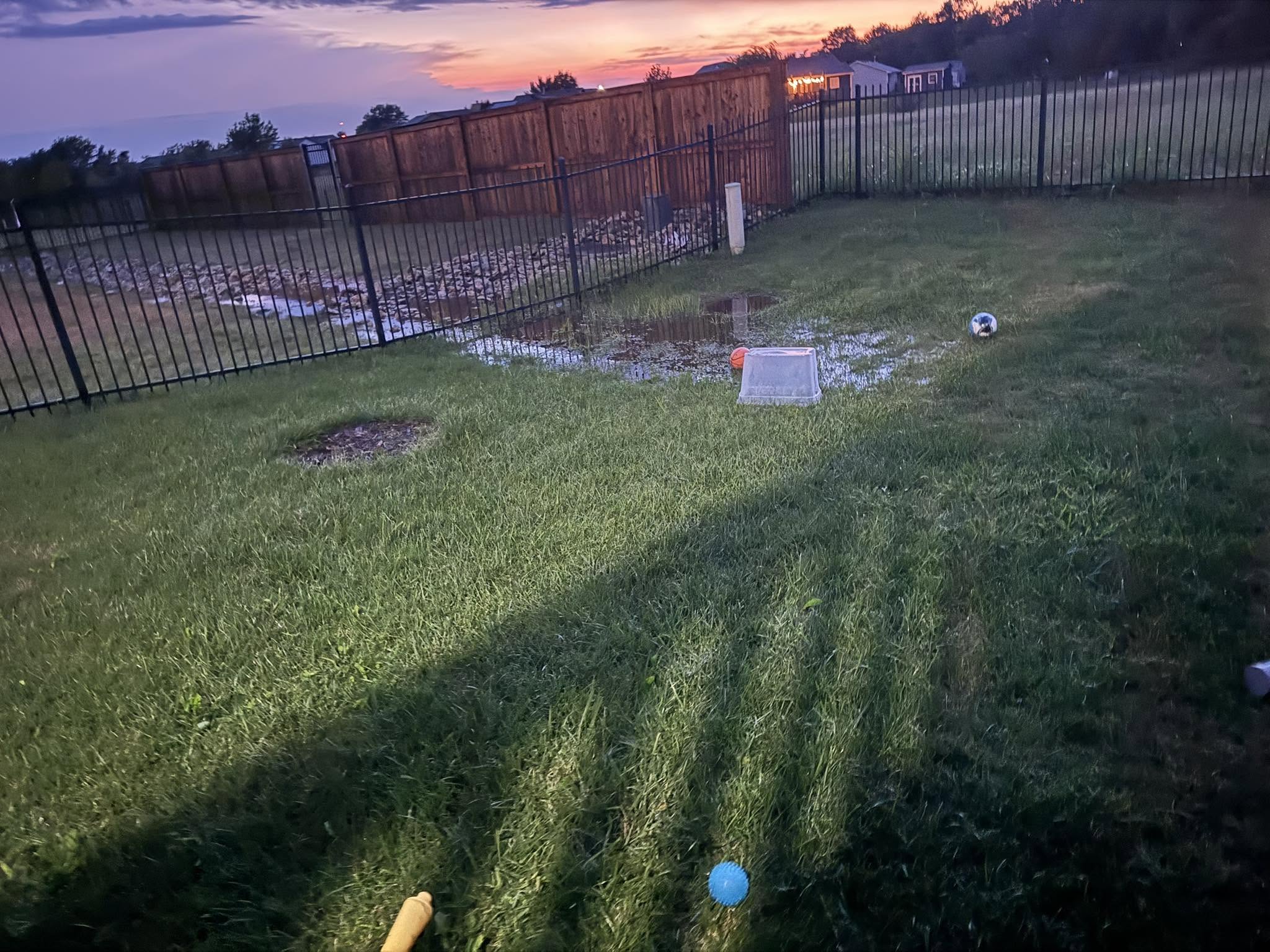
The third pattern from the notes is the one I find most interesting — and the one that took me the longest to fully appreciate.
When I look at the notes on properties where I was called for a second or third visit after previous work hadn’t lasted, drainage problems are present in a remarkable proportion of the cases. Not always severe. Not always obviously the primary cause. But present — and unaddressed in the previous work.
Here’s what the pattern looks like in the notes. First visit: lawn failing, bare patches, thin coverage. I note a drainage issue — usually a low spot, a grade problem, or an eaverstrough situation — alongside the compaction and thatch findings. We do the soil work and sod. Lawn looks good. Second visit, one to two years later: the lawn has declined in the same areas that had drainage issues on the first visit. The areas with good drainage are still holding. The areas with the drainage problem are failing again.
What this shows is that drainage problems are the most persistent underlying cause of recurring lawn failure in Greater Sudbury. Compaction can be addressed with aeration. Thatch can be managed. But a grade issue that directs water to the same corner every time it rains will keep creating the same waterlogged-then-dry conditions indefinitely, regardless of what sod or seed or soil amendments you put down.
I’ve told specific stories about this in the Val Caron homeowner I turned down three times before finally saying yes — the drainage had to be fixed before the sod work would hold. And in the client who wanted artificial turf — her drainage problem was contributing to exactly the kind of persistent failure that had convinced her natural grass was hopeless.
The notes pattern on this is consistent: fix the drainage and the lawn holds. Don’t fix it and the lawn fails in the same place again, regardless of everything else you do.
Pattern 4: The Spring Window Is Real
A fourth pattern from the notes that I want to mention briefly: the properties that get aeration and overseeding done in the two-to-three week window of late May in Sudbury show consistently better results than properties where the same work is done two or three weeks later.
I track completion dates in the notes alongside outcome observations — how the lawn looked at follow-up, how it handled summer heat, how the overseeding took. The late-May window, when soil temperatures are warm but air temperatures are still cool and we haven’t entered summer heat yet, produces germination rates and establishment results that mid-June work simply doesn’t match.
I’ve written about this in detail in the 2-week window that makes or breaks Sudbury lawns all summer. The notes give me confidence that this isn’t just theory — it shows up consistently in the outcome data across hundreds of properties over five years.
Pattern 5: Fall Prep Determines Spring Results
The final pattern I want to share is one that took a few years of notes to see clearly, because it requires comparing fall prep documentation to the following spring’s assessment.
Properties where I have notes showing proper fall preparation — correct final mow height, fall aeration, overseeding, leaves cleared before snowfall — consistently come out of winter in better shape than comparable properties where fall prep was skipped or incomplete. The spring screwdriver test numbers are better. Snow mould damage is less severe. The lawn establishes faster in spring and handles the transition to summer heat more effectively.
This seems obvious in principle. But seeing it documented consistently across many properties over multiple years makes it concrete rather than theoretical. The lawn you have in July is meaningfully determined by what happened in October.
The full fall preparation sequence is in how to prepare your Sudbury lawn for winter — the October checklist. And the spring recovery pattern for lawns that didn’t get proper fall prep is covered in snow mould in Sudbury — what it is and what to do about it.
What These Patterns Mean for Your Lawn
I want to give you a practical summary of what five years of notes across Greater Sudbury actually means for how you should think about your own lawn.
First: compaction will return without annual aeration on Sudbury clay. Not might return. Will return. Annual fall aeration is the minimum maintenance cycle to prevent it.
Second: cutting height is the single most controllable factor in long-term lawn health. 3 inches. Non-negotiable for cool-season turf in our climate.
Third: if you have areas that fail repeatedly in the same spots, there is almost certainly a drainage problem in those spots. Fixing the surface without fixing the drainage will produce the same result again.
Fourth: late May is the best window in Sudbury for aeration, overseeding, and spring restoration work. Missing that window by even two to three weeks produces meaningfully worse results.
Fifth: fall prep — specifically getting the aeration and final mow right before winter — determines how well the lawn comes out the following spring. It’s not optional maintenance for a Sudbury lawn.
None of these are things I invented. They’re patterns that emerged from documenting what actually happened on hundreds of properties in this specific region over five years. That’s what makes them worth paying attention to.
Want to Talk About What the Pattern Looks Like on Your Property?
If you want an honest assessment of where your lawn actually stands — soil condition, drainage, the maintenance history and what it means — reach out. I’ll come out, walk the property, do the assessment properly, and tell you what I find.
📞 Call or text me: 705-507-6787
Or fill out the free quote form here — I get back to everyone same day.
— Ryan Lingenfelter
Owner, Cutting Edge Lawn & Landscaping
Garson, Ontario
Related Articles
- The One Thing I Always Find Under a Dead Sudbury Lawn
- 1,000 Lawn Jobs in Greater Sudbury — What Almost Every Property Has in Common
- The 2-Week Window in Sudbury That Makes or Breaks Your Lawn All Summer
- How to Prepare Your Sudbury Lawn for Winter — October Checklist
- Lawn Aeration Near Me in Sudbury — Cost, What to Expect, and What to Ask
- The One Lawn Mowing Mistake I See Every Week in Sudbury
- Snow Mould in Sudbury — What It Is and What to Do About It
