
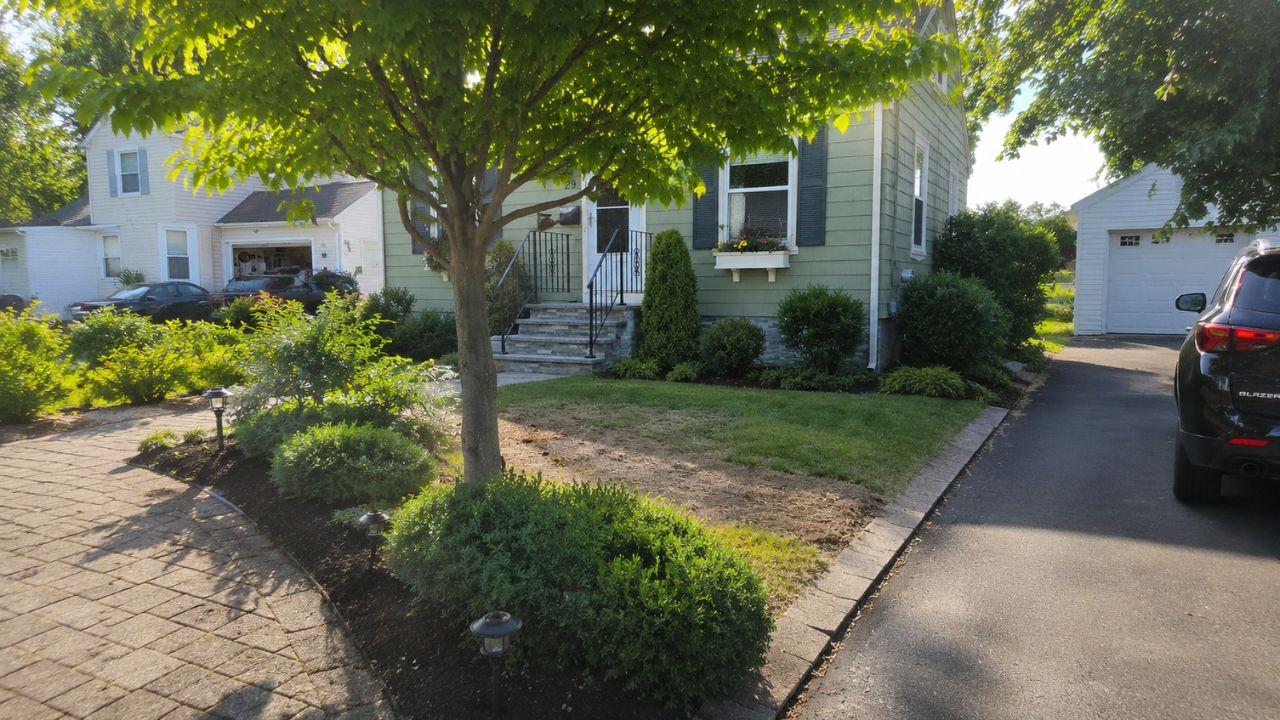
I want to talk to you about something most people in Sudbury don’t realize until it’s too late in the season.
There’s a window — roughly two weeks, usually sitting somewhere between mid-May and the end of May depending on the year — where the decisions you make about your lawn determine how it looks for the entire summer.
Do the right things in that window? Your lawn comes out thick, green, and healthy by June. Miss it? You spend the rest of the summer fighting thin patches, bare spots, and compacted soil that just won’t respond no matter what you throw at it.
I’m Ryan Lingenfelter, owner of Cutting Edge Lawn & Landscaping in Garson, Ontario. I’ve been working on lawns across Greater Sudbury since 2020 — Val Caron, Hanmer, Lively, Chelmsford, Azilda, all of it. And every single spring, I see the same thing: homeowners who waited just a little too long and now have an uphill battle on their hands.
Let me walk you through exactly what this window is, why it matters specifically here in Sudbury, and what you need to do before it closes.
Why Sudbury’s Spring Window Is Different From Anywhere Else

Sudbury is not Southern Ontario. We don’t have the same mild springs. Our winters are hard, our ground freezes deep, and our spring thaw is unpredictable. One week it’s 18 degrees, the next week there’s a frost warning.
That creates a very specific challenge for lawn recovery.
After a Sudbury winter, your lawn has been under snow load for four to five months. The soil is compacted from freeze-thaw cycles. There’s a thick layer of dead thatch sitting on top blocking water, air, and light from reaching the soil. And if you’ve got clay-heavy soil — which a huge portion of properties in Greater Sudbury do — drainage is already a problem before any of this.
Here’s the thing about grass: cool-season turf like the Kentucky bluegrass and fescue blends we grow here does its best growing in soil temperatures between 10°C and 18°C. In Sudbury, that window is short. Once temperatures push past 25–28°C regularly in late June and July, growth slows way down and the lawn shifts into stress mode.
That means you have roughly two to three weeks in late May where the soil is warm enough for seeds to germinate and roots to establish, but not so hot that the grass is already stressed.
That’s your window. And it’s not long.
Step One: Core Aeration — Do This First, Before Anything Else
If you only do one thing for your Sudbury lawn this spring, make it core aeration. I mean that.

I know it doesn’t look like much when it’s being done. You end up with a bunch of little soil plugs scattered across the lawn and for a day or two it looks worse than when you started. But what’s happening underneath the surface is the most important thing you can do for your lawn’s long-term health.
Core aeration pulls out small plugs of soil — usually 2 to 3 inches deep — across the entire lawn. Those holes do a few things:
- Break up compaction. After a Sudbury winter, the soil is dense. Roots can’t push through compacted soil. Aeration gives them pathways to grow deeper.
- Improve drainage. Water moves through aerated soil instead of sitting on top and drowning shallow roots — which is a major problem with Sudbury’s clay-heavy ground.
- Allow air and nutrients to reach roots. Grass needs oxygen in the root zone. Compacted soil cuts that off. Aeration restores it.
- Reduce thatch. Thatch is the layer of dead organic matter between the grass blades and the soil. A thin layer is fine, but when it gets thick it blocks water and creates a barrier. The soil cores pulled up during aeration contain microbes that help break it down.
The reason you do this at the start of the window — not the end of it — is because you want the lawn to have as much recovery time as possible while soil temperatures are still in that ideal range. Aerate early, then immediately follow up with the next steps.
And do not aerate a dry lawn. The soil needs to be moist for the aerator tines to pull clean cores. A day after a good rain, or after a watering, is ideal.
Step Two: Overseed the Bare Spots — or Make the Call on Sod
Right after aeration is the best possible time to overseed. The holes in the soil give seeds direct contact with the earth — instead of just sitting on top of compacted ground where half of them will wash away or dry out before germinating.

Walk your lawn and be honest with yourself about what you’re looking at.
If you have bare patches smaller than roughly 2 feet across, overseeding is the right call. Use a quality cool-season seed blend — something with Kentucky bluegrass, fine fescue, or perennial ryegrass. Don’t cheap out on seed. The $8 bag at the hardware store is full of fillers and you’ll be disappointed.
Spread the seed, work it lightly into the aeration holes with a rake, and keep it consistently moist for the next 10–14 days. Germination in Sudbury spring temps usually takes 10–21 days depending on the grass type and how warm it gets.
But here’s where I’ll be straight with you: if your bare areas are large — we’re talking more than a third of your total lawn — overseeding is probably not the right answer.
Sod gives you instant coverage, zero germination waiting period, and in most cases a healthier, denser result for large areas. The timing works in your favour too — sod laid in late May has the whole early summer to establish roots before the heat hits.
I’ve put together a full guide on sod installation in Sudbury if you want to understand when it makes sense versus seed. The honest answer is it depends on your lawn’s condition and how much coverage you need.
Step Three: Fertilize — But Do It Right
Spring fertilizing is one of those things where people either skip it entirely or overdo it. Both are problems.
After aeration, your lawn is primed to absorb nutrients. The holes act like little funnels straight to the root zone. This is when a quality slow-release granular fertilizer does the most good.
What you’re looking for in a spring fertilizer is a higher nitrogen number — nitrogen is what drives green, leafy growth. Something like a 24-0-10 or 28-0-6 ratio is typical for spring lawns. Phosphorus (the middle number) isn’t needed much unless you’re establishing new grass.
Apply it right after aeration, before any rain if possible. Water it in if rain isn’t coming within 24–48 hours.
What you do not want to do is apply a quick-release high-nitrogen fertilizer in hot, dry conditions. That burns the lawn. It creates a flush of fast growth that looks great for two weeks and then crashes. Slow-release is always the better choice for the long game.
Step Four: The First Mow of the Season — Timing It Right
I get asked about this all the time: when should I do my first mow?
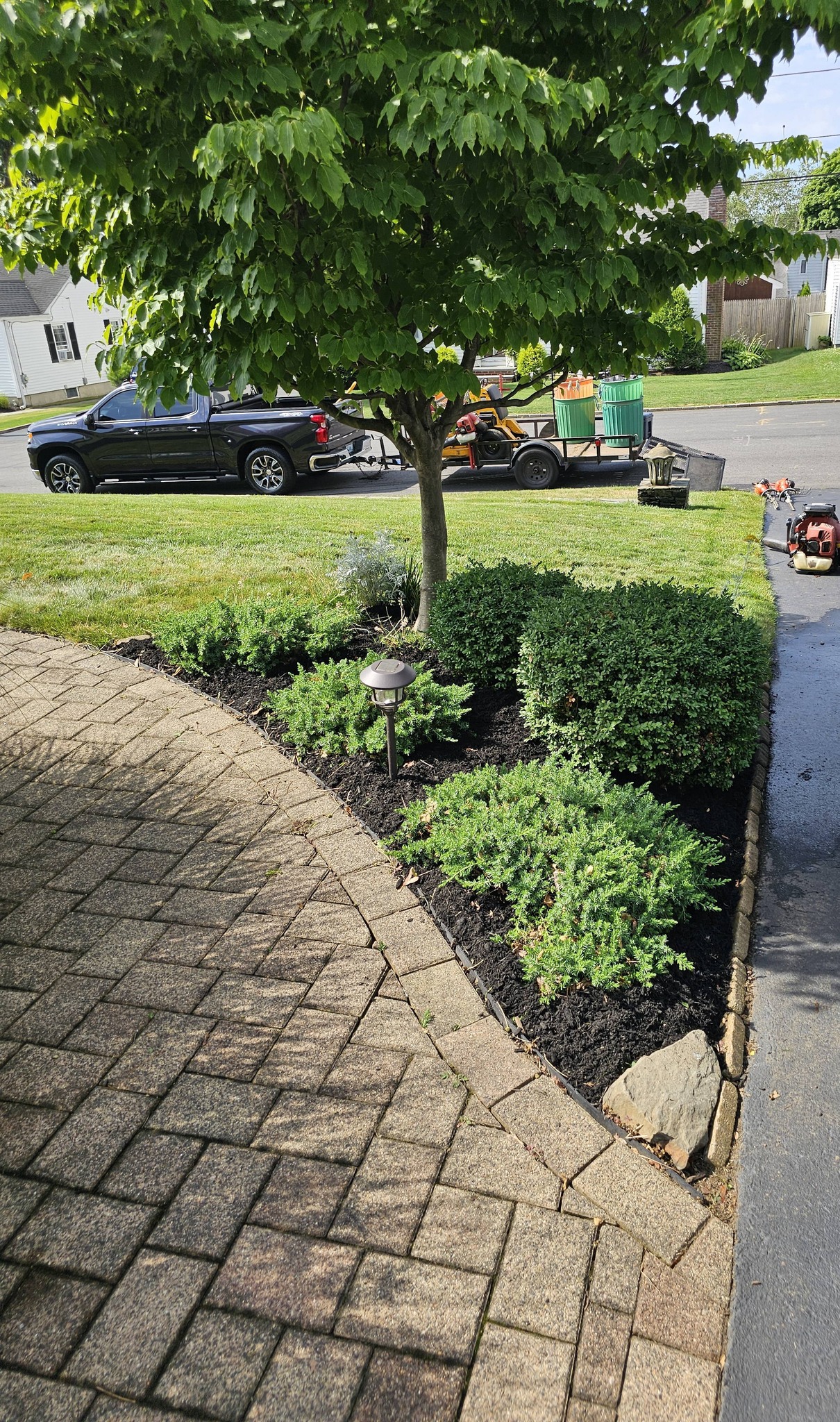
Here’s my rule: wait until the grass reaches about 3.5 to 4 inches, then cut it down to about 2.5 to 3 inches. Never take off more than a third of the blade in a single mow — that’s a rule that applies all season, but it matters even more in spring when the lawn is still coming out of dormancy.
Cutting too short too early is one of the most common mistakes I see. Scalping a lawn in spring — even accidentally — sets it back weeks. Short grass means less leaf surface, which means less photosynthesis, which means slower root development right when you need it most.
Also: make sure your mower blade is sharp. A dull blade tears the grass instead of cutting it cleanly. Torn grass is stressed grass. It turns brown at the tips, it’s more susceptible to disease, and it just looks rough. A sharp blade makes a cleaner cut that heals faster.
Your first mow should also include clean edging along your driveway, sidewalks, and garden beds. It sounds like a small thing but clean edges immediately make the whole lawn look more intentional and well-maintained.
What Happens If You Miss the Window
I want to be real with you here because I think it’s more useful than sugarcoating it.
If you miss this spring window — if you get to late June and haven’t done aeration, haven’t overseeded the bare spots, haven’t fertilized — you’re not completely out of options. But your options get worse.
Overseeding in July in Sudbury is a gamble. The soil is warm enough to germinate seed but the summer heat puts new seedlings under stress immediately. They need more water, more attention, and even then the results are often patchy.
Compaction doesn’t fix itself. A lawn that goes through another full summer on tight, compacted soil just gets harder and harder to recover. You can aerate in fall — and fall aeration is actually excellent — but you’ve lost the spring growth opportunity.
The two-week window doesn’t come back around until next May.
I’m not saying this to scare you. I’m saying it because I’ve seen homeowners wait, and wait, and wait — and then spend twice the money in the fall trying to fix what a couple of early-season steps could have prevented entirely.
Is Your Window Still Open?
If you’re reading this and it’s still May — you’ve got time. Probably not a lot of it, but enough to make a real difference this season.
If you’re not sure what your lawn actually needs, I’m happy to come out and take a look. I’ll give you a straight assessment — not a sales pitch, just an honest look at what’s going on with your soil and grass and what makes sense to do right now.
A lot of people are surprised that it doesn’t take much. Sometimes it’s aeration and a bag of fertilizer. Sometimes it’s a small sod section in a problem area. Sometimes the lawn is actually in better shape than the homeowner thought and they just needed to know what to do first.
📞 Call or text me: 705-507-6787
Or fill out the free quote form here — I get back to everyone same day.
— Ryan Lingenfelter
Owner, Cutting Edge Lawn & Landscaping
Garson, Ontario
Related Articles
- Core Aeration Services in Greater Sudbury
- Sod Installation in Sudbury — When It Makes Sense
- I Replaced a Sudbury Homeowner’s Dead Lawn in 4 Days — Here’s Exactly What We Did
- Grass Cutting Services in Greater Sudbury
