
‘Lawn Aeration Near Me’ in Sudbury: What to Expect, What It Costs, and What to Ask Before Booking
If you’ve been searching “lawn aeration near me” in Greater Sudbury, you’ve probably found a mix of results — some local, some not, some with prices listed, most without. And you’re probably trying to figure out what aeration actually involves, whether it’s worth the cost, and how to choose someone reliable.
I’m Ryan Lingenfelter, owner of Cutting Edge Lawn & Landscaping in Garson, Ontario. I’ve been providing core aeration services across Greater Sudbury since 2020 — Garson, Hanmer, Val Caron, Chelmsford, Lively, Azilda, Capreol, and the city proper.
This article gives you everything you need to make a good decision: what aeration actually is, what it costs in Sudbury right now, what to expect on the day, and the specific questions to ask any company before you book.
What Core Aeration Actually Is — And What It Isn’t

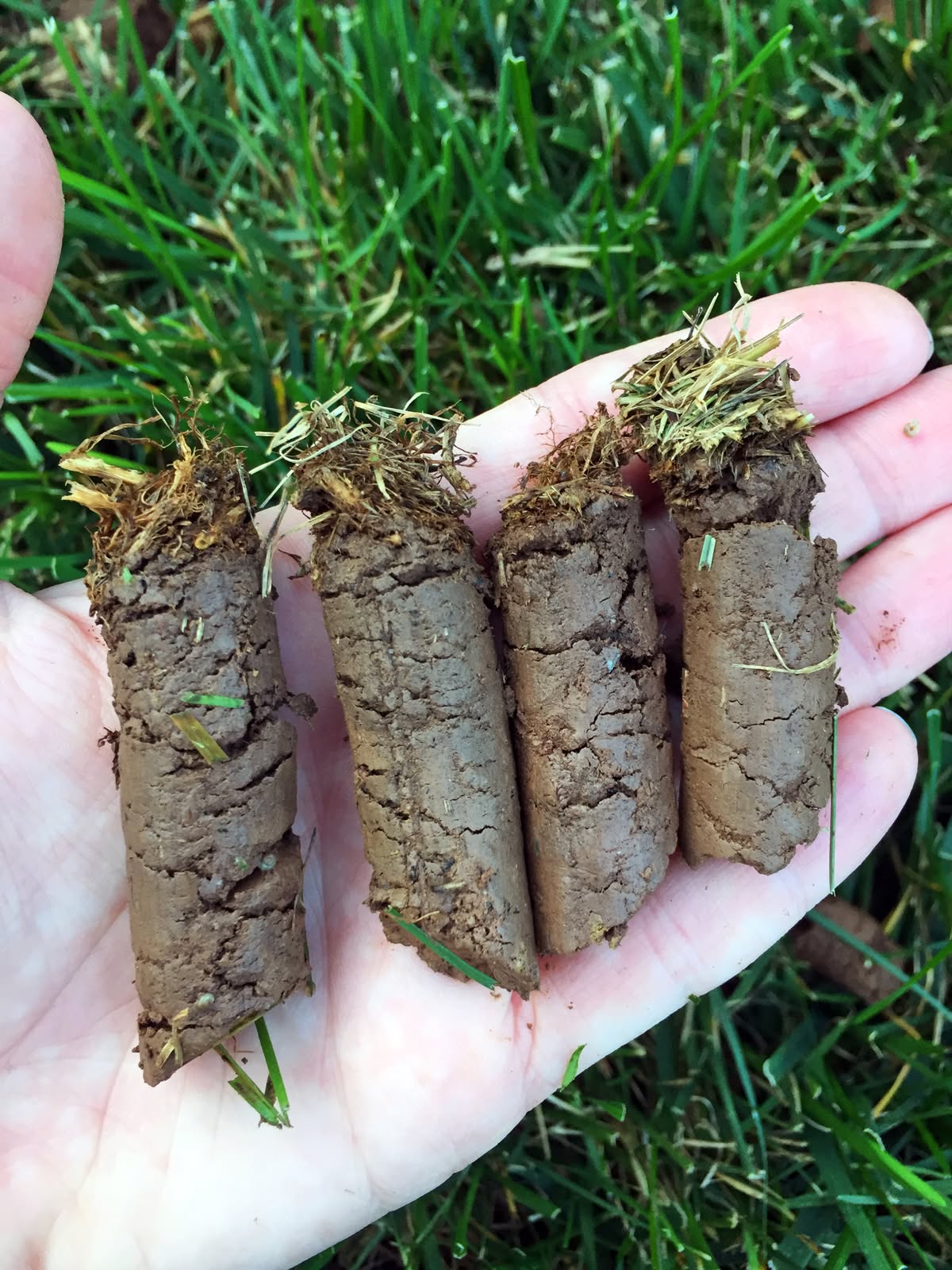
Core aeration is the process of mechanically removing small plugs of soil — typically two to three inches deep — across the entire lawn surface. A core aerator uses hollow tines that punch into the ground and pull out cylindrical soil cores, leaving holes throughout the lawn.
Those holes do several things that matter significantly for Sudbury lawns specifically:
Break up compaction. The clay-heavy soil common across Greater Sudbury compacts easily under foot traffic, mowing equipment, and the aggressive freeze-thaw cycles of our winters. Compacted soil prevents roots from going deep, blocks water from penetrating to the root zone, and cuts off air circulation that grass roots need to survive. Core aeration mechanically breaks that compaction in a way that surface treatments — fertilizer, seed, water — cannot.
Create pathways for water, air, and nutrients. Each hole is a direct channel from the surface to four to six inches below — exactly where the roots need to go. Water that was running off a compacted surface now has entry points. Fertilizer applied after aeration reaches the root zone directly instead of sitting on the surface.
Reduce thatch. Thatch is the layer of dead organic material between the grass blades and the soil. The soil cores pulled up during aeration contain microbes that help break down thatch when they’re deposited back on the surface. Annual aeration is one of the most effective thatch management tools available.
Improve overseeding results dramatically. Seed broadcast over an aerated lawn falls into the holes and makes direct soil contact — the single most important factor in germination. Seed on a non-aerated surface sits on top of thatch or compacted soil and has a significantly lower germination rate.
What core aeration is not: it’s not the same as spike aeration, which uses solid tines to poke holes rather than removing cores. Spike aeration doesn’t relieve compaction — it can actually increase it by pushing soil particles together rather than removing them. If a company is offering “aeration” with a spike attachment or spike shoes, that’s not the same service and doesn’t produce the same results. Ask specifically whether they use a core aerator with hollow tines.
What Lawn Aeration Costs in Sudbury in 2026

Here are the honest numbers for core aeration on residential properties in Greater Sudbury right now.
Small residential lot (under 3,000 sq ft of lawn): $80 to $120
Medium residential lot (3,000 to 6,000 sq ft): $120 to $180
Large residential lot (6,000 to 10,000 sq ft): $180 to $250
Acreage and rural properties: Quoted individually — too many variables for a useful general range.
These numbers reflect professional core aeration with commercial equipment in Greater Sudbury in 2026. If you’re seeing quotes significantly below these numbers, the same questions apply as with any lawn service — is this spike aeration rather than core? Is the equipment residential grade? Is the company insured?
I’ve covered the broader pricing and value question in detail in “Are You the Cheapest?” — I’ve Been Asked This 100 Times. The principle applies to aeration as much as any other service: the cheapest option is often not the best value when you account for the full outcome.
Is Aeration Worth the Cost?
On Sudbury’s clay-heavy soil — yes, unambiguously. Core aeration on a compacted Sudbury lawn produces visible improvement within four to six weeks and meaningful improvement in how the lawn handles summer heat, drought, and disease pressure through the rest of the season.
I’ve documented in detail what the most common thing I find under dead Sudbury lawns is — compaction is the answer in the vast majority of cases. Aeration is the most cost-effective treatment for that compaction when the lawn still has viable grass worth saving. For lawns where compaction has progressed to the point of significant bare coverage, full restoration with tilling may be the right path — but for most Sudbury residential lawns that are thin and struggling, annual aeration combined with overseeding is the highest-value maintenance investment you can make.
Spring vs Fall — Which Is Better in Sudbury?
Both are effective. Fall is arguably slightly better for Sudbury specifically because the soil is still warm from summer, the grass is shifting energy from leaf growth to root development, and overseeding immediately after fall aeration has excellent germination conditions with warm soil and cooling air temperatures.
Spring aeration is excellent for properties that went through winter with severe compaction and need soil rehabilitation before the growing season starts. I’ve covered the full timing question in the 2-week window that makes or breaks Sudbury lawns all summer — spring aeration in that window is one of the most impactful things you can do for a Sudbury lawn.
If you can only do it once a year — fall is my recommendation for most Sudbury properties. If budget allows, spring and fall combined produces the best results on clay-heavy soil that compacts quickly.
What to Expect on Aeration Day — Start to Finish
Here’s exactly what happens from the time we arrive to when we’re done — so you know what you’re getting and what to do afterward.
Before We Arrive
Water the lawn the day before aeration if the soil is dry. Core aerators need moist soil to pull clean plugs — dry, hard soil produces shallow, broken cores that don’t relieve compaction effectively. If there’s been rain in the past day or two, additional watering isn’t necessary.
Mark any sprinkler heads, shallow irrigation lines, or buried utilities in the lawn area. Aerator tines go two to three inches deep — most sprinkler heads are at or below this depth and can be damaged if the operator doesn’t know where they are. We work around marked locations.
The lawn doesn’t need to be mowed short for aeration — normal mowing height is fine. If it’s significantly overgrown, a mow before aeration is helpful but not required.
During the Job
A standard residential aeration takes 30 to 60 minutes depending on the size and complexity of the property. We make two passes in different directions — this produces better coverage and more consistent compaction relief than a single pass.
The aerator pulls out cores approximately every four to six inches. After the job, the lawn will be covered in small soil cylinders — this is what it’s supposed to look like. It looks worse before it looks better.
We work around obstacles — garden beds, trees, structures — and make sure the entire lawn area is covered evenly. Edges and corners that the machine can’t reach get hand-aerator treatment.
After Aeration — What You See
The soil cores on the surface break down naturally within two to four weeks — rain and normal lawn activity works them back into the thatch. You don’t need to rake them up or remove them. In fact, you shouldn’t — those cores contain microbes that help break down thatch and return organic matter to the soil surface.
The lawn will look rough for a week or two. This is normal. By week three to four, the holes are filling in and the grass is visibly responding — greener, fuller, more consistent.
If you’re overseeding: Do it immediately after aeration, the same day if possible. Spread seed at the recommended rate, rake it lightly to work it into the holes, and keep the seeded areas consistently moist for the next 10 to 14 days. Fall overseeding timing in Sudbury aligns perfectly with fall aeration — warm soil, cooling air, ideal germination conditions.
If you’re fertilizing: Apply fertilizer immediately after aeration. The holes carry nutrients directly to the root zone — the most efficient fertilizer application timing you can get.
I’ve covered the full fall preparation sequence in detail in how to prepare your Sudbury lawn for winter — the October checklist. Aeration is step two in that sequence for a reason — everything that comes after it works better because of it.
What to Ask Before You Book Any Aeration Company in Sudbury

Not all aeration services are equal. Here are the specific questions that separate companies doing it properly from companies going through the motions.
“Do you use a core aerator with hollow tines, or spike aeration?”
This is the most important question. Core aeration removes plugs — spike aeration pokes holes. Only core aeration relieves compaction. If they use spike equipment, it’s not the same service regardless of what they call it.
“How many passes do you make?”
One pass is minimum. Two passes in different directions produces significantly better coverage and compaction relief. A company that only does one pass is doing half the job for the same price.
“Do you mark sprinkler heads before starting?”
A professional company asks about sprinkler systems and works around marked locations. A company that doesn’t ask is a company that damages irrigation systems regularly.
“Are you insured?”
Same question that applies to any lawn service. Commercial liability insurance protects your property. Ask for confirmation before anyone starts work.
“Do you recommend overseeding at the same time?”
A knowledgeable aeration company will discuss overseeding — the combination is significantly more effective than aeration alone for Sudbury lawns with thin coverage. If they never mention it, that’s a gap in their approach.
“What should I do before and after?”
A professional company gives you preparation and aftercare guidance — water the day before, leave the cores on the lawn, water in fertilizer if applied. If they can’t explain what to do, they don’t fully understand what they’re doing.
I’ve covered the broader question of what separates professional from amateur lawn care in detail in what professional lawn care actually means in Sudbury. The principles apply specifically to aeration as much as any other service.
Ready to Book Aeration in Greater Sudbury?
If you’re in Greater Sudbury and you want core aeration done properly — with commercial equipment, two passes, and honest aftercare guidance — reach out. I’ll give you a straight quote for your specific property and get you on the schedule.
Spring and fall booking fills up faster than most people expect in Sudbury. If aeration is on your list for this season, earlier is better.
📞 Call or text me: 705-507-6787
Or fill out the free quote form here — I get back to everyone same day.
— Ryan Lingenfelter
Owner, Cutting Edge Lawn & Landscaping
Garson, Ontario
Related Articles
- Core Aeration Services in Greater Sudbury — Full Details
- The One Thing I Always Find Under a Dead Sudbury Lawn
- The 2-Week Window in Sudbury That Makes or Breaks Your Lawn All Summer
- How to Prepare Your Sudbury Lawn for Winter — October Checklist
- 1,000 Lawn Jobs in Greater Sudbury — What Almost Every Property Has in Common
- “Are You the Cheapest?” — I’ve Been Asked This 100 Times. Here’s My Honest Answer.
- What Professional Lawn Care Actually Means in Sudbury
