
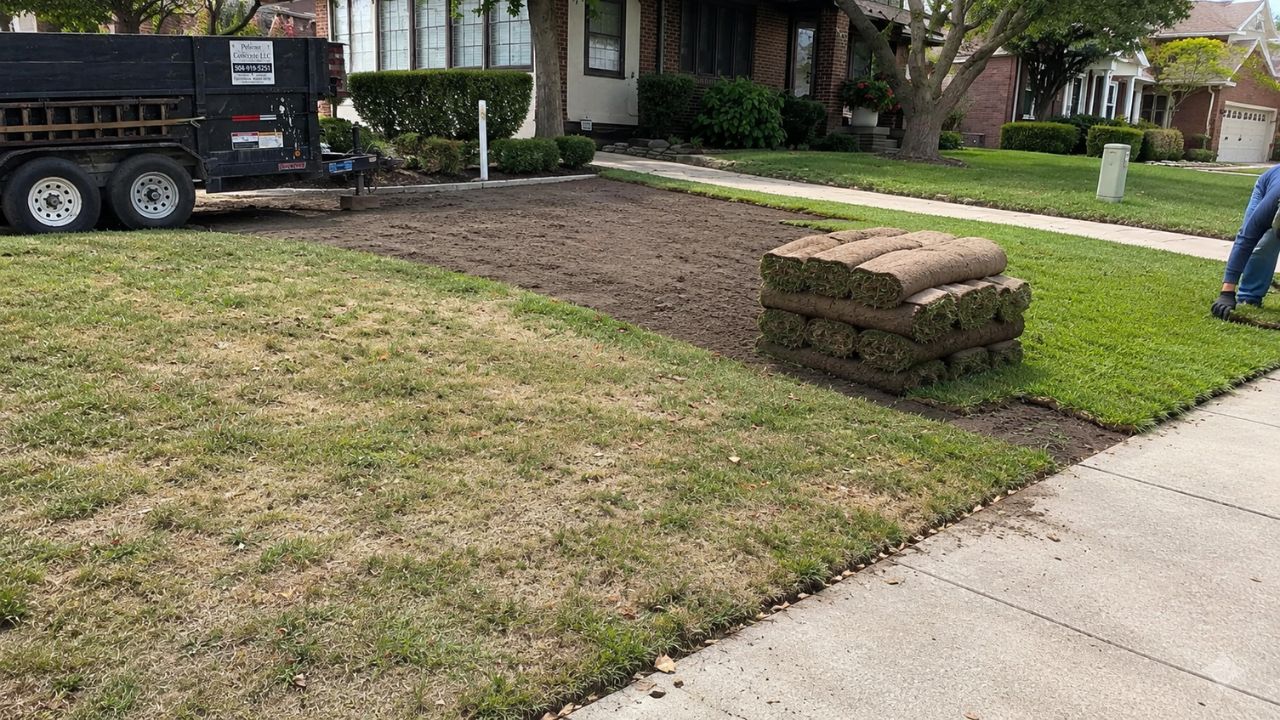
I want to tell you about the job that humbled me.
Not in a dramatic way — I didn’t fail at the job. The sod went down, it established, the homeowner was happy. But in the process of getting there, I ran into something I hadn’t encountered before in five years of sod installations across Greater Sudbury. And rather than working around it or hoping for the best, I stopped, picked up the phone, and had a conversation with my sod supplier that I should have had years earlier.
What I learned in that conversation changed how I approach soil assessment on certain types of properties. And I think it’s genuinely useful information for any homeowner in Greater Sudbury who’s had sod fail repeatedly without a clear explanation.
I’m Ryan Lingenfelter, owner of Cutting Edge Lawn & Landscaping in Garson, Ontario. Here’s the full story.
The Property — What Made It Different
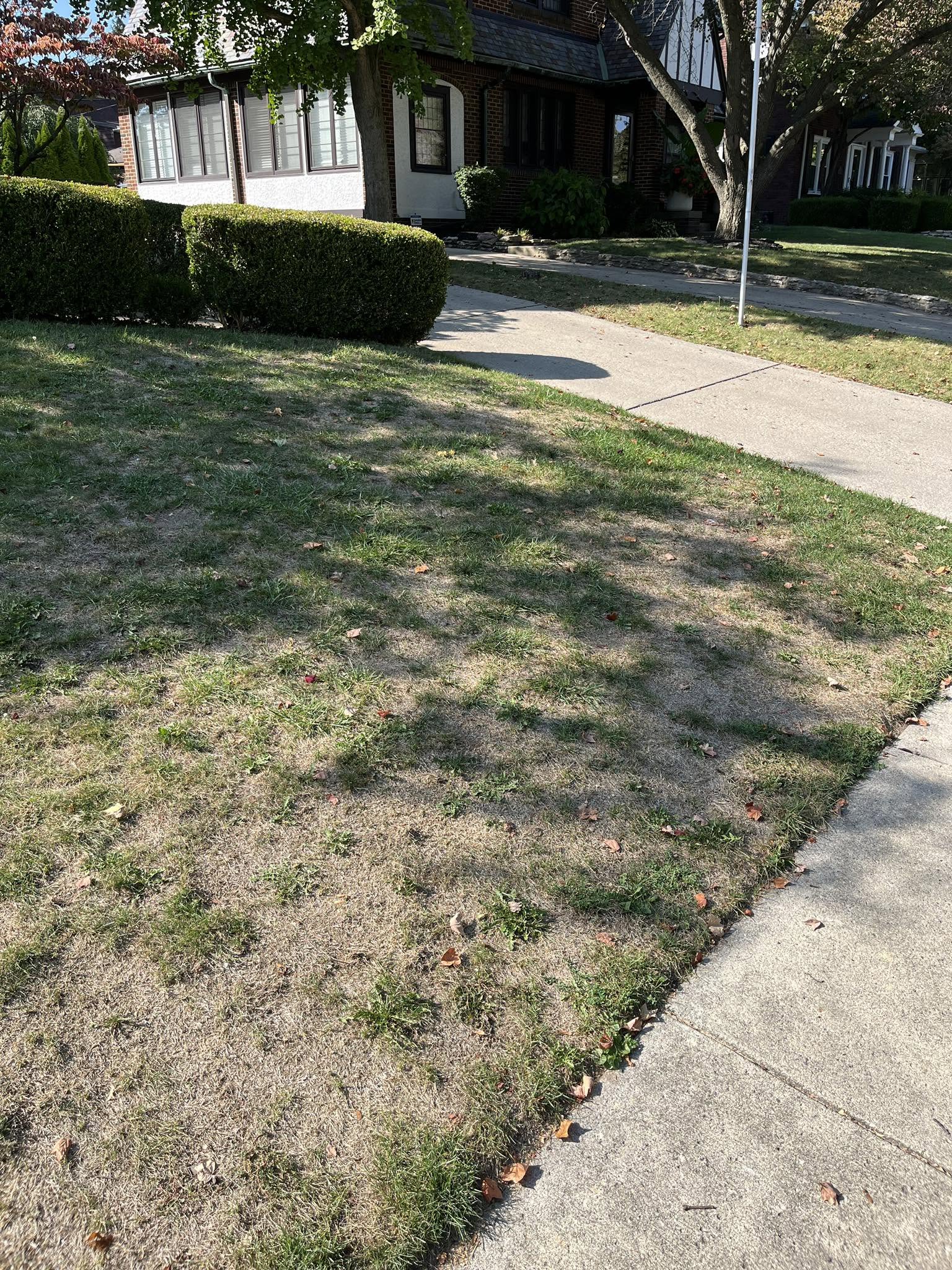
The property was in Garson — a residential lot on a street I knew well, similar in size and layout to dozens of properties I’d worked on in the area. The homeowner, a man named Paul, had called me about a full backyard sod installation. Standard enough job on the surface.
When I did the site visit and started the soil assessment, the first few things were familiar. Moderate compaction — screwdriver stopping at about two inches, typical for Garson clay that hadn’t been aerated in a few years. Thatch layer of about half an inch. Drainage looked fine — good grade toward the back fence, no pooling areas.
Then I dug down a bit deeper than I usually do during an assessment — I was checking the depth of the clay layer to understand what kind of topsoil incorporation we’d need — and I hit something unexpected.
About four inches down, the soil changed completely. Instead of continuing as clay, it became a pale, almost whitish-grey material with a completely different texture. Not rock, not hardpan — something with an almost chalky, slightly granular quality that I hadn’t seen in that form before.
I dug in a few other spots across the backyard. Same thing, at roughly the same depth. The white-grey layer was consistent across the whole area, sitting about three to four inches below the surface.
I stood there for a moment trying to identify what I was looking at from my own knowledge. I had a theory — this looked like it could be a layer of fill material from construction, or possibly a mineral deposit associated with Sudbury’s unique geological history — but I wasn’t certain. And I wasn’t willing to lay sod on something I didn’t understand.
I told Paul I needed to make a call before we went any further.
The Call to My Supplier — What I Asked
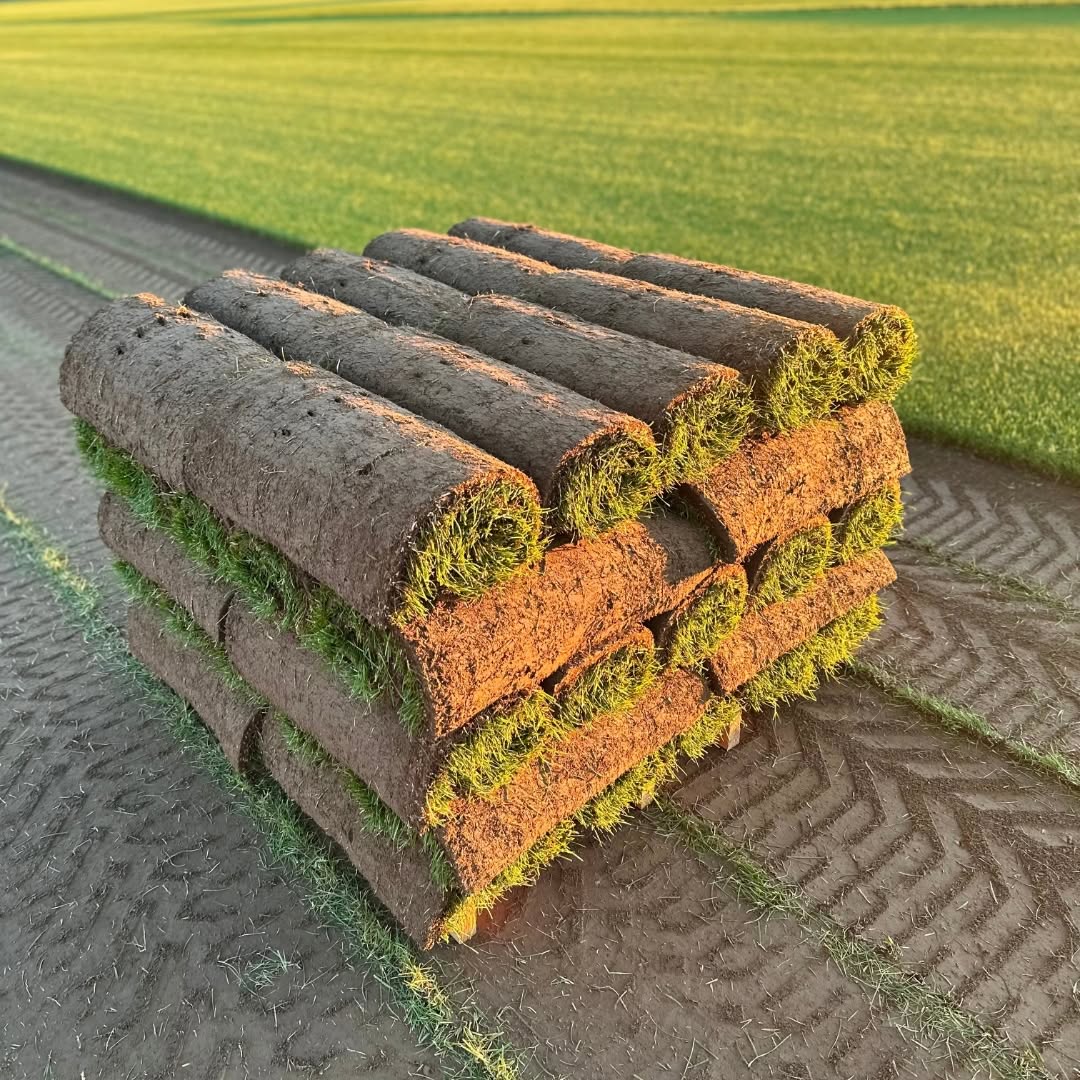
My sod supplier has been in this business in Northern Ontario for decades. They’ve seen more soil conditions across this region than almost anyone. If there was someone who could tell me what I was looking at, it was them.
I described what I’d found. The depth. The colour. The texture. The location in Garson.
There was a pause on the other end of the line. Then: “Does it have a slightly chalky feel? Does it crumble more than clay would?”
Yes, exactly.
What I had found, my supplier explained, was consistent with a calcium carbonate-rich deposit — essentially a layer of naturally occurring limestone-adjacent material that appears in certain areas of Greater Sudbury due to the region’s unique geology. It’s not universal — it doesn’t appear on every property — but it occurs on a subset of lots in certain areas, particularly in some parts of Garson and Chelmsford, often as a band at a consistent depth that was exposed or shifted during residential development.
Here’s why it matters for sod: calcium carbonate deposits elevate soil pH significantly. Most cool-season turf grasses prefer a soil pH between 6.0 and 7.0 — slightly acidic to neutral. The area immediately above and around a calcium carbonate layer can have pH readings well above 7.5, sometimes approaching 8.0 or higher.
At that pH level, grass has difficulty accessing nutrients even when they’re present. Iron and manganese become less available. The grass shows deficiency symptoms — yellowing, thin growth, poor establishment — even on fertilized soil. It’s not that the soil is infertile. It’s that the chemistry is preventing the grass from using the fertility that’s there.
I asked the obvious follow-up question: had my supplier ever seen sod laid over this material without pH correction?
Yes, he said. It usually establishes okay initially and then slowly declines over one to two seasons. The grass goes thin, yellows, loses density. The homeowner assumes the sod is wrong or their watering is wrong. They redo it. Same result. Neither the sod nor the watering is the problem.
I thought about how many times I’d heard that exact pattern described by homeowners across Greater Sudbury — sod laid, looks okay for a season, declines for no obvious reason, redone with the same result. I’d attributed most of those cases to drainage issues or compaction that wasn’t properly addressed. And often that was right. But now I was holding a piece of the picture I hadn’t had before.
I asked my supplier what the solution was.
What I Learned — And Why It Changed My Approach
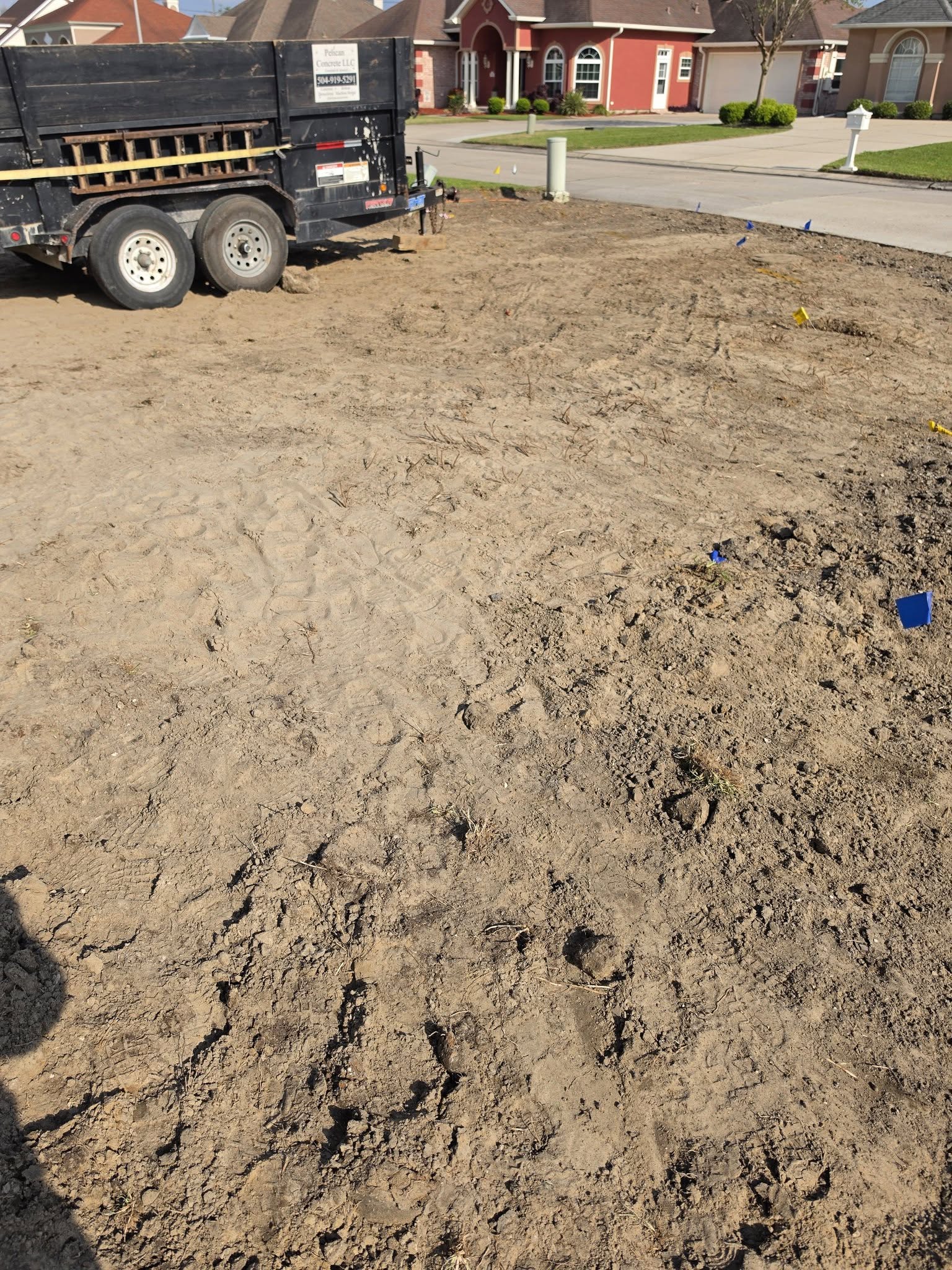
The solution my supplier described was pH correction combined with a topsoil buffer sufficient to separate the sod roots from the problematic layer during establishment.
Here’s the specific approach:
Step 1 — pH Testing
First, establish what you’re actually dealing with. A basic soil pH test — inexpensive, available at garden centres, or done professionally — tells you whether the pH is elevated and by how much. If you’re getting readings above 7.5 consistently, the calcium carbonate deposit or similar alkaline material is likely influencing the root zone.
This is something I now do on properties in certain areas of Garson and Chelmsford during assessment — particularly on properties where sod has failed before without a clear drainage or compaction explanation. I’ve added pH testing to the standard assessment protocol for these cases.
Step 2 — Sulphur Application
Elemental sulphur incorporated into the soil acidifies the pH over time as soil bacteria convert it. The amount required depends on how alkaline the soil is and the soil type — clay soils require more sulphur to shift pH than sandy soils. For significant alkalinity, this is a process that takes one to two seasons to fully take effect rather than an immediate fix.
For cases where the calcium carbonate layer is at a shallow depth and affecting the immediate root zone, sulphur application before sod installation gives the amendment time to begin working during the establishment period.
Step 3 — Adequate Topsoil Buffer
Bringing in quality topsoil — four to six inches — and properly incorporating it creates a buffer zone between the sod roots and the problematic layer during the critical establishment period. The roots establish in the amended topsoil, and by the time they reach the alkaline layer, the pH correction has had time to work.
This is more topsoil than I would typically bring in on a standard restoration — but on a property where the underlying material is pH-problematic, it’s the margin that makes the difference between sod that holds and sod that slowly declines.
My supplier also told me something that I think is important to share: the properties most likely to have this issue in Greater Sudbury are ones where the previous lawn history involves repeated unexplained sod or grass failure without a clear drainage or compaction cause. If you’ve had sod fail twice in the same area, on a property that’s been properly drained and properly prepared, pH might be worth testing before the third attempt.
I’ve documented the patterns I see most consistently across Sudbury properties in why I keep notes on every Sudbury lawn I work on — pH issues from mineral deposits are now one of the things I watch for specifically on certain properties, particularly ones with a history of unexplained failure.
What the Property Looks Like Now — And What I Do Differently
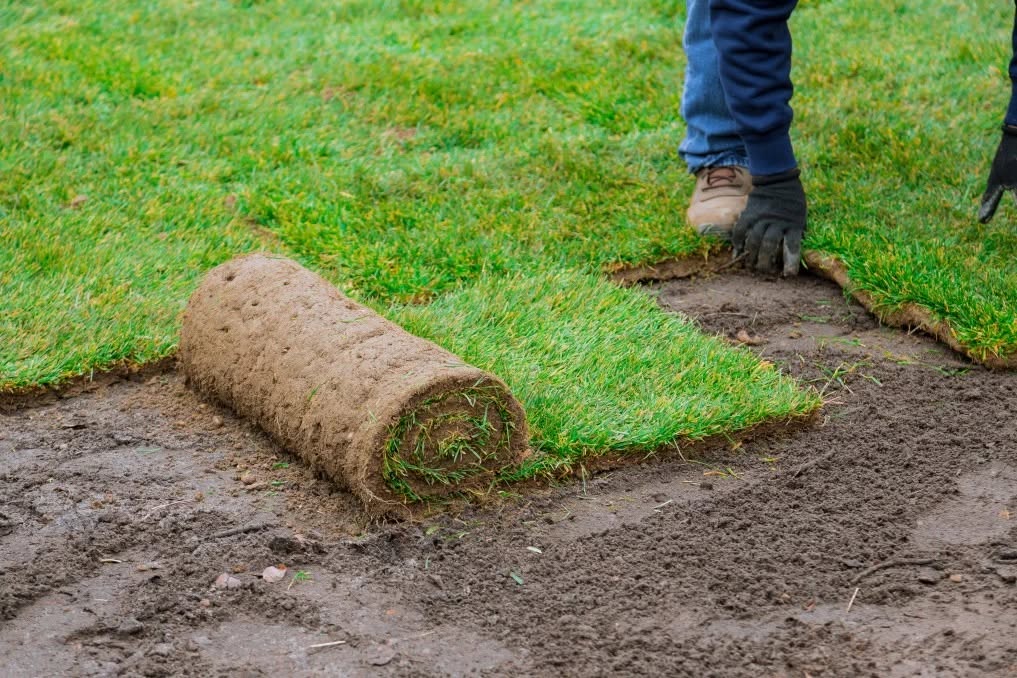
On Paul’s property in Garson, we did the following sequence.
First, proper pH testing across the backyard to confirm and map the extent of the elevated pH zone. The readings were consistent — the entire backyard was running between 7.6 and 7.9. Elevated, but addressable.
Sulphur incorporated into the soil preparation — tilled in at the appropriate rate for clay soil with that pH level. We also applied an acidifying fertilizer rather than a standard starter fertilizer to begin shifting the chemistry from the first day of establishment.
Quality topsoil — five inches throughout the backyard, significantly more than a standard prep — incorporated to create the buffer zone my supplier had recommended.
Then fresh sod, same day as delivery. The full sequence of why same-day installation matters for sod quality is in how long sod can stay rolled up before it dies — this is the standard I hold regardless of what the soil situation is.
Paul followed the watering schedule carefully. I’ve covered exactly what new sod needs in what happens if you don’t water new sod in Sudbury’s first two weeks.
By six weeks after installation, the sod was established across the full backyard. By the following spring — the real test, after a Sudbury winter — it had come through cleanly. Paul sent me a photo in May: the lawn was greening up evenly, no thin sections, no yellowing.
He told me he’d had sod installed on part of that backyard eight years earlier, by a different company, and it had gone thin and died within two seasons. Nobody had tested the soil. Nobody had asked about the history. The underlying chemistry had never been identified.
Eight years of a declining lawn, two rounds of failed sod, and the solution was a pH test and a proper amendment. Not complex. Just something that requires actually looking beneath the surface.
What This Changed About How I Work
The honest answer is that this job made me realize there was a category of problem I hadn’t been systematically looking for. In five years across Greater Sudbury, I’d developed solid protocols for compaction, drainage, thatch — the most common causes of lawn failure in this region. I’d documented them in what almost every struggling Sudbury property has in common. But pH from geological deposits wasn’t on that list in a systematic way.
It is now.
For properties in certain areas of Greater Sudbury — particularly Garson, parts of Chelmsford, and some areas around the city proper where residential development occurred over geological formations with carbonate content — pH testing is now part of my standard assessment when the history suggests unexplained failure.
I’ve also had a more thorough conversation with my supplier about which areas are most likely to have this issue — which is the kind of local knowledge that only comes from decades of working specifically in this region and talking to people who’ve been doing the same.
The broader lesson is one I think is worth stating directly: even after five years and hundreds of properties, there are still things to learn. The right response when you encounter something unfamiliar isn’t to work around it or hope for the best. It’s to call someone who knows more than you do and ask the question.
That call with my supplier cost me twenty minutes. The knowledge it produced has changed how I assess properties and will likely prevent failures on future jobs that I wouldn’t have been able to explain otherwise.
Has Your Sod Failed Repeatedly Without a Clear Explanation?
If you’ve had sod installed on your Sudbury property more than once and it keeps declining in the same areas — particularly if the drainage is fine and compaction doesn’t seem to be the issue — reach out. A proper assessment that includes pH testing is worth doing before another round of sod installation.
There’s always a reason. Sometimes finding it requires asking questions that haven’t been asked before.
📞 Call or text me: 705-507-6787
Or fill out the free quote form here — I get back to everyone same day.
— Ryan Lingenfelter
Owner, Cutting Edge Lawn & Landscaping
Garson, Ontario
Related Articles
- Why I Keep Notes on Every Sudbury Lawn I Work On — And What 5 Years Has Taught Me
- 1,000 Lawn Jobs in Greater Sudbury — What Almost Every Property Has in Common
- The One Thing I Always Find Under a Dead Sudbury Lawn
- How Long Can Sod Stay Rolled Up Before It Dies?
- What Happens If You Don’t Water New Sod in Sudbury’s First Two Weeks
- I Replaced a Sudbury Homeowner’s Dead Lawn in 4 Days
- Sod Installation in Greater Sudbury — Services and Pricing
