
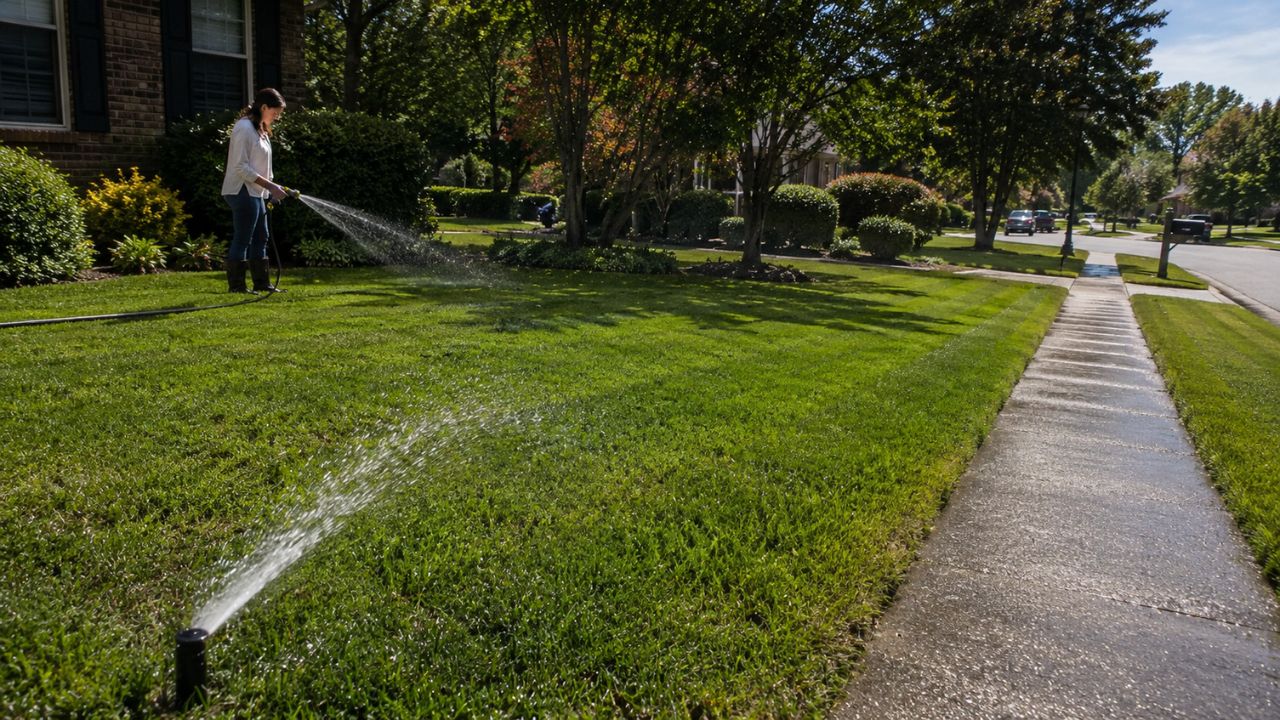
A few times every season someone asks me whether they should install a sprinkler system. Usually it comes up after a difficult July — the lawn went brown during a dry stretch, they spent two weeks dragging hoses around, and they’re wondering if there’s a better way.
It’s a reasonable question. And it has a more nuanced answer than most irrigation companies will give you.
I’m Ryan Lingenfelter, owner of Cutting Edge Lawn & Landscaping in Garson, Ontario. Since 2020, I’ve maintained and assessed properties across Greater Sudbury — Garson, Val Caron, Hanmer, Lively, Chelmsford, Azilda, Capreol. I’m not an irrigation installer — I’ll be upfront about that. But I work on lawns every day and I understand what watering actually does to a Sudbury lawn, what the alternatives to a sprinkler system look like, and when the investment genuinely makes sense versus when it doesn’t.
Here’s the honest picture.
What a Lawn Sprinkler System Actually Costs in Sudbury — Real Numbers
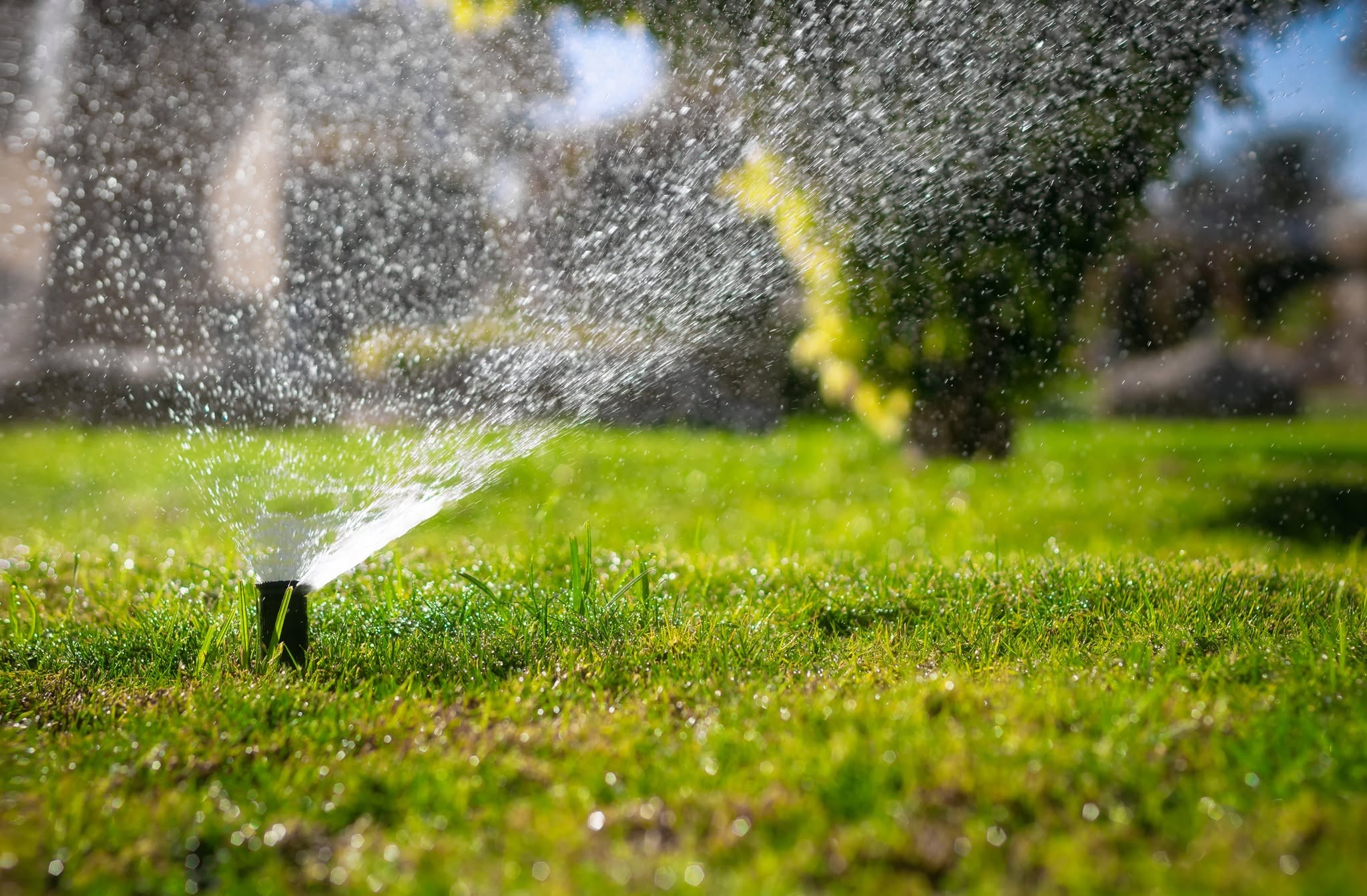
The price range for an in-ground irrigation system in Greater Sudbury varies significantly based on property size, soil conditions, number of zones, and the contractor doing the work. Here’s what the market actually looks like.
Standard residential lot — 3,000 to 6,000 sq ft of turf: $3,500 to $6,500 for a basic in-ground system installed. This covers the main zones for front and back lawn, basic controller, and standard heads. It does not include drip irrigation for garden beds, smart controllers with weather sensors, or anything above the baseline.
Larger residential property — 6,000 to 12,000+ sq ft: $6,000 to $12,000+. More zones, more heads, more pipe, more labour. Sudbury’s Canadian Shield bedrock creates complications on some properties — if the installer hits rock close to the surface, costs increase.
Smart system upgrades: A rain sensor that prevents the system from running during or after rainfall adds $100 to $200 but pays for itself quickly in water savings. A weather-based smart controller that adjusts automatically to forecast conditions adds $300 to $600 to the system cost but is worth it on a larger property where overwatering costs are real.
Annual winterization: Every Sudbury in-ground system needs to be blown out before freeze-up. This is not optional — water left in pipes through a Sudbury winter breaks heads and fittings. Professional winterization runs $75 to $150 per year depending on system size. Add this to your cost calculation before deciding.
Spring startup: Annual spring startup — checking heads, testing zones, adjusting coverage — runs $75 to $125. Combined with winterization, you’re looking at $150 to $275 in annual maintenance costs on top of the installation.
Total five-year cost of ownership on a standard Sudbury residential system: installation ($4,500) plus five years of winterization and startup ($1,000 to $1,400) plus any repairs = roughly $5,500 to $7,000 over five years before water costs.
What Sudbury’s Specific Conditions Mean for Sprinkler Systems
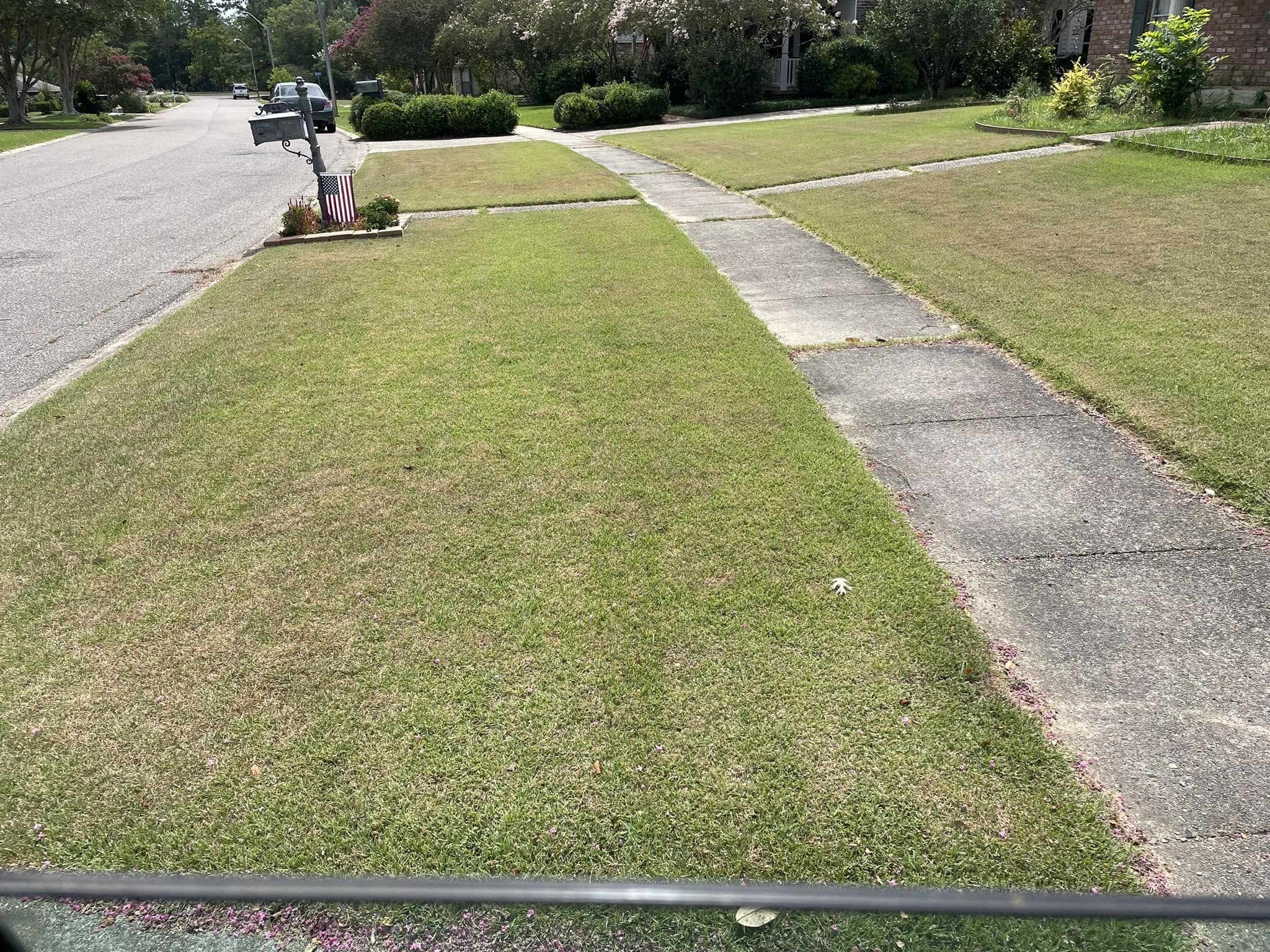
Most sprinkler system information is written for southern Ontario or American markets. Sudbury has specific conditions that change the calculus on irrigation in ways that generic advice doesn’t address.
The frost depth issue. Sudbury’s frost depth regularly exceeds a metre in a hard winter. Every in-ground irrigation system in this city needs to be installed deep enough to avoid the freeze line on the lateral lines — and every single season it needs to be completely blown out before freeze-up. Miss the winterization window and you’re looking at cracked pipes and damaged heads in the spring. This is not a minor inconvenience — it’s a real risk that adds to the ongoing cost and management requirement of owning a system in Sudbury. This is one of the factors that makes Sudbury genuinely more demanding on all in-ground infrastructure than southern Ontario. I’ve covered what makes Sudbury specifically challenging in the Sudbury lawn challenges article here.
Clay soil and water absorption. Sudbury’s clay-heavy soil is slow to absorb water. A sprinkler system set to run for 20 minutes per zone on clay may produce significant runoff rather than penetration — the water runs off the surface faster than the clay absorbs it. This is exactly the opposite of what deep infrequent watering accomplishes. A sprinkler system on Sudbury clay needs to be programmed for shorter, more frequent cycles within each zone to allow absorption between passes — a technique called cycle and soak. Without proper programming for Sudbury’s soil type, a sprinkler system can produce worse watering results than a homeowner with a hose doing it correctly. I’ve explained what proper watering actually looks like on Sudbury clay in the Sudbury watering guide here.
The City of Sudbury’s water restrictions. Greater Sudbury has seasonal outdoor watering restrictions. Before installing an automated irrigation system, check current City of Sudbury bylaws on watering days and times — your system needs to be programmed in compliance. Automated systems that run on restricted days can result in fines. This is worth confirming with the City before installation.
Sudbury’s variable rainfall. Some Sudbury summers are dry enough to justify automated irrigation. Others get enough rainfall through July and August that a system barely runs. The investment case for a sprinkler system is stronger in consistent-drought years and weaker in wet years. Sudbury’s precipitation is variable enough that this should factor into your decision.
When a Sprinkler System Actually Makes Sense in Sudbury

With all of that context, here’s when I think the investment genuinely pays off in Greater Sudbury.
Large properties where manual watering is genuinely impractical. A 10,000+ square foot lawn with multiple distinct zones — front, back, side yards — takes real time to water manually and effectively. Moving hoses, setting timers, making sure everything gets covered — on a large property, the time cost of manual watering is significant. If the lawn is large enough that proper manual watering takes 45 minutes or more per session, the case for automation gets stronger.
Properties with genuinely diverse watering needs. A property with lawn areas, garden beds with different plants, and sloped areas that need different irrigation approaches benefits from a zoned system that can deliver the right amount of water to each area on its own schedule. Manual watering handles this poorly — you end up either overwatering some areas or underwatering others.
Vacation properties or situations where the homeowner is frequently away. If the property is going to be unattended for weeks at a time during the growing season, an automated system with a rain sensor is the only reliable way to maintain watering consistency. Asking a neighbour to move hoses is not a substitute for a properly programmed system on a property that matters to you.
Homeowners who know they won’t do manual watering consistently. The honest truth is that some homeowners don’t water, or water inconsistently, because the manual process is inconvenient. If the choice is between a properly programmed automated system and essentially no consistent watering — the system wins. A lawn that gets consistent automated irrigation, even imperfectly, almost always outperforms a lawn that gets manual watering inconsistently.
New sod installations. New sod in Sudbury needs twice-daily watering for the first two weeks to establish properly. On a large property, meeting that requirement manually is demanding. If you’re installing sod on a significant area, having an irrigation system — or at least planning for one — as part of the installation project makes the establishment period dramatically more manageable. The full soil prep and establishment process is in the sod installation guide here.
When a Sprinkler System Is Not the Answer
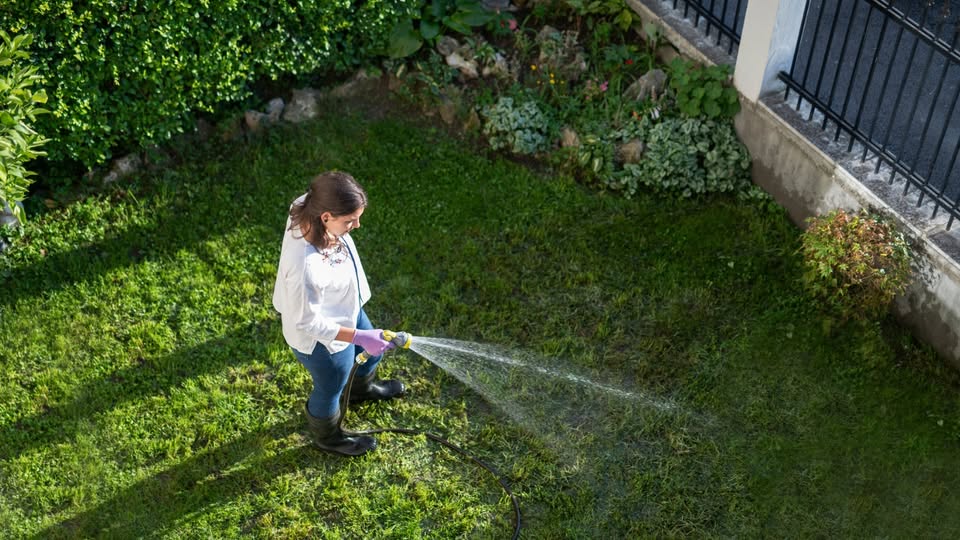
Here’s the part that irrigation companies won’t tell you, but I will.
If your lawn is going brown in July because of compaction and shallow roots, a sprinkler system won’t fix it. This is the most important thing in this article. A lawn that browns out in July on Sudbury clay almost always does so because of shallow roots from incorrect mowing height and compacted soil — not because it’s not getting enough water. Watering more — automated or manual — doesn’t solve a root depth problem. It masks it temporarily while the underlying issue continues.
I’ve walked properties in Sudbury that have automated irrigation systems and still go patchy and brown in July. The system is running. The water is getting to the surface. But the roots are 2 inches deep in compacted clay and they can’t access moisture that soaks in 4 inches. More water on that lawn is not the answer. Aeration and correct mowing height is the answer. A $5,000 sprinkler system on a lawn that needs a $49 core aeration is a significant mismatch between problem and solution.
Before spending on irrigation, do the screwdriver test I described in the property assessment article here. If the screwdriver stops at 1 to 2 inches, the soil is compacted and the problem is compaction, not irrigation. Fix that first. Get core aeration done, maintain the correct mowing height for one full season, and see how the lawn performs in July before deciding whether an irrigation system is necessary.
If your lawn is small and you have time to water manually with a hose and timer, a sprinkler system is hard to justify financially. The $4,500+ installation cost plus ongoing maintenance on a standard Sudbury residential lot, compared to spending 15 minutes twice a week moving a hose with an oscillating sprinkler and a timer — the math doesn’t work in favour of the system for most homeowners with standard lots. A quality oscillating sprinkler and a simple timer costs $50 to $100 and does the same job for a standard residential lawn.
If the lawn has drainage or grading problems, an irrigation system will make them worse. Adding more water to a property with pooling issues doesn’t help the grass — it compounds the conditions that are already killing it. Fix drainage first. I’ve covered the drainage problem in detail in the bare patches and drainage article here.
The Honest Alternative — What Actually Works for Most Sudbury Lawns
For the majority of standard Greater Sudbury residential properties, the right answer to “should I get a sprinkler system?” is: not yet. Do these things first and see how the lawn performs.
First — aerate annually in late May or early June. This is the most impactful single thing you can do for a Sudbury lawn’s ability to access moisture. Open soil absorbs water. Compacted clay sheds it. Annual core aeration changes how effectively any watering — manual or automated — reaches the root zone.
Second — mow at 3 inches every cut. Root depth follows blade height. Three-inch grass builds a root system that reaches moisture 5 to 7 inches into the soil. That depth is what keeps a Sudbury lawn green in July. The full mowing height argument is in the May mowing mistake article.
Third — water correctly with what you have. Deep and infrequent — one inch of water per session, once or twice a week, applied slowly enough that Sudbury clay absorbs it rather than sheeting off. An oscillating sprinkler with a timer and a rain gauge to measure output is all you need for a standard residential lot. Get the technique right before investing in automated equipment to do the same technique automatically.
Do all three consistently for one full Sudbury summer and see where the lawn is in September. Most homeowners who do this find that the July browning either stops or reduces significantly — because the problem was root depth and water delivery technique, not the absence of an automated system.
If after a full season of correct watering technique, proper mowing height, and annual aeration the lawn is still struggling with drought stress — then the conversation about automated irrigation becomes more meaningful. At that point you’ve eliminated the most common fixable causes and the case for a system is stronger.
If You Want to Talk Through Your Specific Property
Every property in Greater Sudbury is different — lot size, soil depth, existing compaction, sun exposure, drainage. Whether a sprinkler system makes sense for your specific property depends on those specific conditions, not a general recommendation.
If you want someone to walk your property and give you an honest assessment of what your lawn actually needs — whether that’s aeration, a change in mowing height, a conversation about irrigation, or something else — give me a call. I’ll tell you what I see before anything is priced or decided.
📞 705-507-6787
🔗 Get a Free Quote
📍 Serving Greater Sudbury — Garson, Val Caron, Hanmer, Lively, Chelmsford, Azilda, Capreol
— Ryan
Frequently Asked Questions
How much does a lawn sprinkler system cost in Sudbury Ontario?
In-ground irrigation system installation in Greater Sudbury typically runs $3,500 to $6,500 for a standard residential lot and $6,000 to $12,000+ for larger properties. Add annual winterization ($75 to $150) and spring startup ($75 to $125) every year — these are not optional in Sudbury’s climate. Total five-year cost of ownership on a standard system including installation and maintenance runs $5,500 to $7,000 before water costs. Get multiple quotes and ask specifically about frost depth requirements and Sudbury-specific installation considerations before committing.
Do I need a sprinkler system for my Sudbury lawn?
For most standard Greater Sudbury residential lawns, no — not before addressing the more common causes of summer drought stress. A lawn that browns in July usually does so because of shallow roots from incorrect mowing height and compacted soil, not inadequate water. Annual core aeration, mowing at 3 inches consistently, and correct manual watering technique resolves July browning on most Sudbury properties without irrigation system investment. A sprinkler system makes stronger sense on large properties, vacation properties, or new sod installations where consistent automated coverage is genuinely difficult to achieve manually.
What are the ongoing costs of a sprinkler system in Sudbury?
Annual winterization ($75 to $150) and spring startup ($75 to $125) are required every year — skipping winterization in Sudbury’s climate risks cracked pipes and damaged heads. Occasional head and valve repairs add to costs over time. Budget $150 to $275 per year in routine maintenance costs on top of installation. Smart controllers and rain sensors reduce water costs but add upfront cost. Factor all of this into the five-year cost before deciding.
Why does my Sudbury lawn go brown in July even when I water it?
Almost always shallow roots from compacted soil and incorrect mowing height — not insufficient watering. Clay-heavy Sudbury soil compacts hard under freeze-thaw cycles, and grass roots hit that compaction layer and stop growing deeper. Shallow roots run out of accessible moisture within days of the clay surface drying out in July heat. More water on a compacted lawn doesn’t solve the root depth problem — it masks it temporarily. Core aeration to break the compaction and mowing at 3 inches to build root depth are the actual fixes. Most homeowners who do both find their July browning significantly reduced or eliminated without additional irrigation.
Does Sudbury’s frost depth affect sprinkler systems?
Yes — significantly. Sudbury’s frost can penetrate over a metre in a hard winter, which means in-ground irrigation systems must be fully winterized every fall without exception. Water left in pipes and heads through a Sudbury winter causes cracking and damage that requires expensive spring repairs. Professional winterization — blowing the system out with compressed air — is a required annual cost for every in-ground system in this climate. It’s not optional and it’s not a DIY job on most systems. Factor $75 to $150 per year into your cost calculation before installation.
Is manual watering effective for a Sudbury lawn without a sprinkler system?
Yes — with the right technique. Deep and infrequent watering: one inch of water per session, once or twice per week, applied slowly enough that Sudbury clay absorbs it rather than running off. An oscillating sprinkler with a timer and a rain gauge to measure output handles a standard residential Sudbury lawn effectively. The technique matters more than the equipment — a homeowner watering correctly with a $30 oscillating sprinkler produces better results than one with an automated system programmed incorrectly for Sudbury’s clay soil absorption rate.
Ryan Lingenfelter is the owner of Cutting Edge Lawn & Landscaping in Garson, Ontario. Since 2020, his crew has provided full lawn care services across Greater Sudbury — Garson, Val Caron, Hanmer, Lively, Chelmsford, Azilda, and Capreol. Cutting Edge is licensed, insured, BBB A+ rated, and ThreeBest Rated for lawn care services in Sudbury.
📞 Phone: 705-507-6787
📍 Service Area: Greater Sudbury, Ontario
🔗 Free Quote: cuttingedgelawn.ca/quote
Helpful Lawn Care Services in Sudbury
- Core Aeration for Healthy Lawns
- Grass Cutting Services in Sudbury
- Sod Installation in Sudbury
- Property Cleanup Services
- Mulch & Decorative Stone
- Hedge Trimming Services
Continue Reading
- How to Water Your Lawn in Sudbury Without Wasting Water
- What Happens to a Sudbury Lawn That Never Gets Aerated
- Why Sudbury Is One of the Hardest Places in Ontario to Maintain a Lawn
