

When I walk a new property in Greater Sudbury, one of the first things I do is the screwdriver test. Push a standard screwdriver into the soil with moderate force and see how far it goes.
On a properly maintained lawn that’s been aerated regularly, it should go 4 to 6 inches without significant resistance. On most properties I walk for the first time — lawns that have never been aerated, or haven’t been aerated in years — it stops at an inch. Sometimes less.
I’m Ryan Lingenfelter, owner of Cutting Edge Lawn & Landscaping in Garson, Ontario. Since 2020, I’ve maintained and restored lawns across Greater Sudbury — Garson, Val Caron, Hanmer, Lively, Chelmsford, Azilda, Capreol. I’ve walked lawns that haven’t been aerated in 5 years, 10 years, and in a few cases, ever. And I can describe exactly what that looks like — year by year — because the pattern is remarkably consistent.
This article is for anyone who’s been skipping aeration and wondering if it actually matters. It does. Here’s the evidence.
Why Sudbury Clay Makes Aeration Non-Negotiable
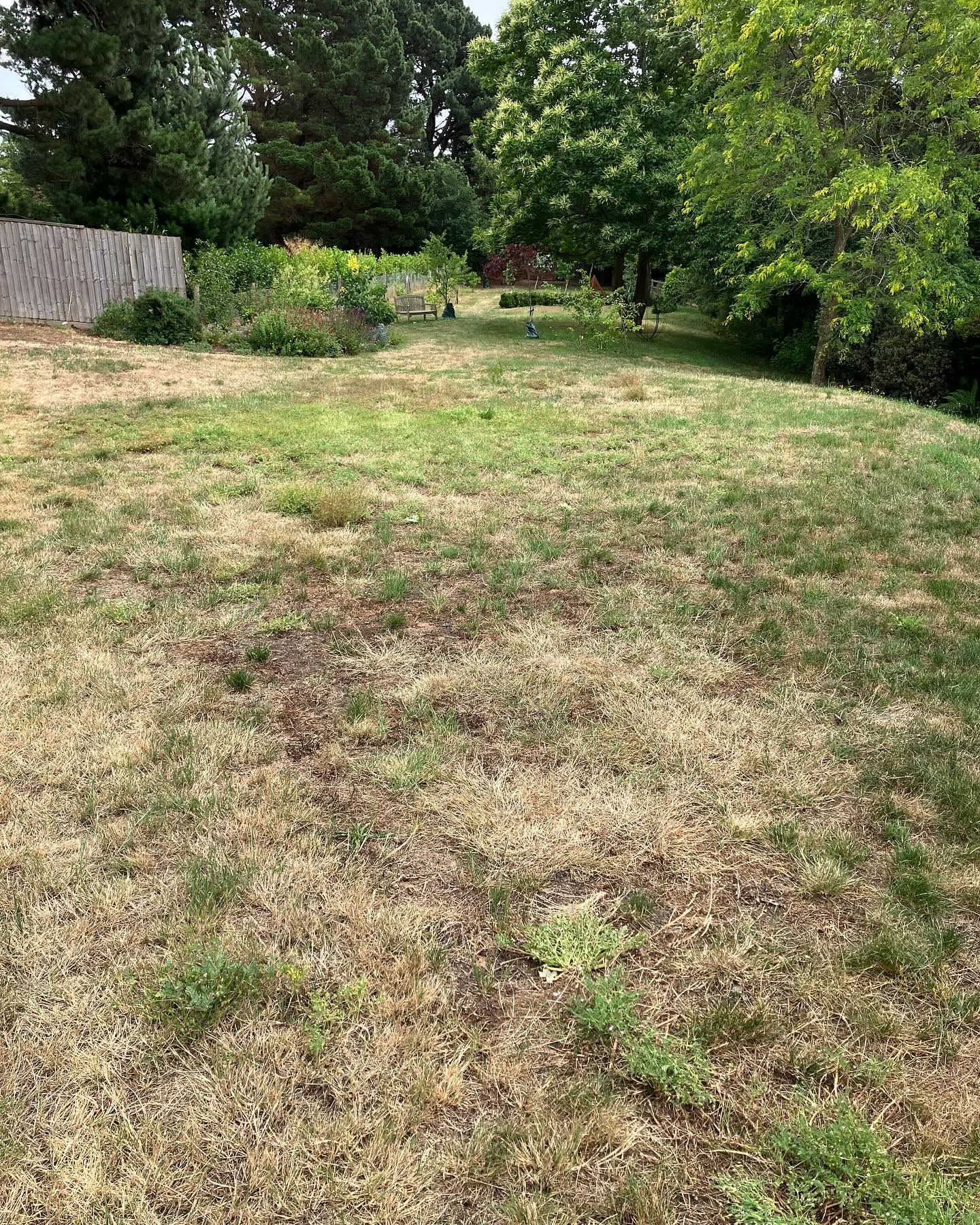
Before I walk through the year-by-year picture, I want to explain why the aeration question is more consequential in Sudbury than in most of Ontario.
Greater Sudbury sits on Canadian Shield bedrock covered by heavy glacial clay. That clay has two characteristics that make it uniquely problematic for lawns. First, it compacts hard — harder than the loamier soils in southern Ontario. Second, Sudbury’s freeze-thaw cycle drives the compaction deeper every single winter. Water gets into the clay during fall, freezes and expands, then thaws and contracts. Repeat that process for 5 months and the result is clay that’s denser every spring than it was the previous fall.
In a milder climate with loamier soil, a lawn might tolerate 2 to 3 years without aeration before showing significant decline. In Sudbury, the compaction cycle is aggressive enough that skipping even one or two years produces visible results. Skipping aeration for 5 or more years produces a lawn that’s fundamentally compromised — not just underperforming, but structurally damaged in a way that takes genuine effort to reverse.
This is why I say annual aeration on Sudbury clay isn’t optional maintenance. It’s the intervention that resets the compaction cycle every year before it compounds into something harder to fix. Everything I’ve described about why Sudbury is genuinely harder on lawns than most of Ontario is covered in more detail in the Sudbury lawn challenges article here.
Year 1 — The Compaction Starts Quietly
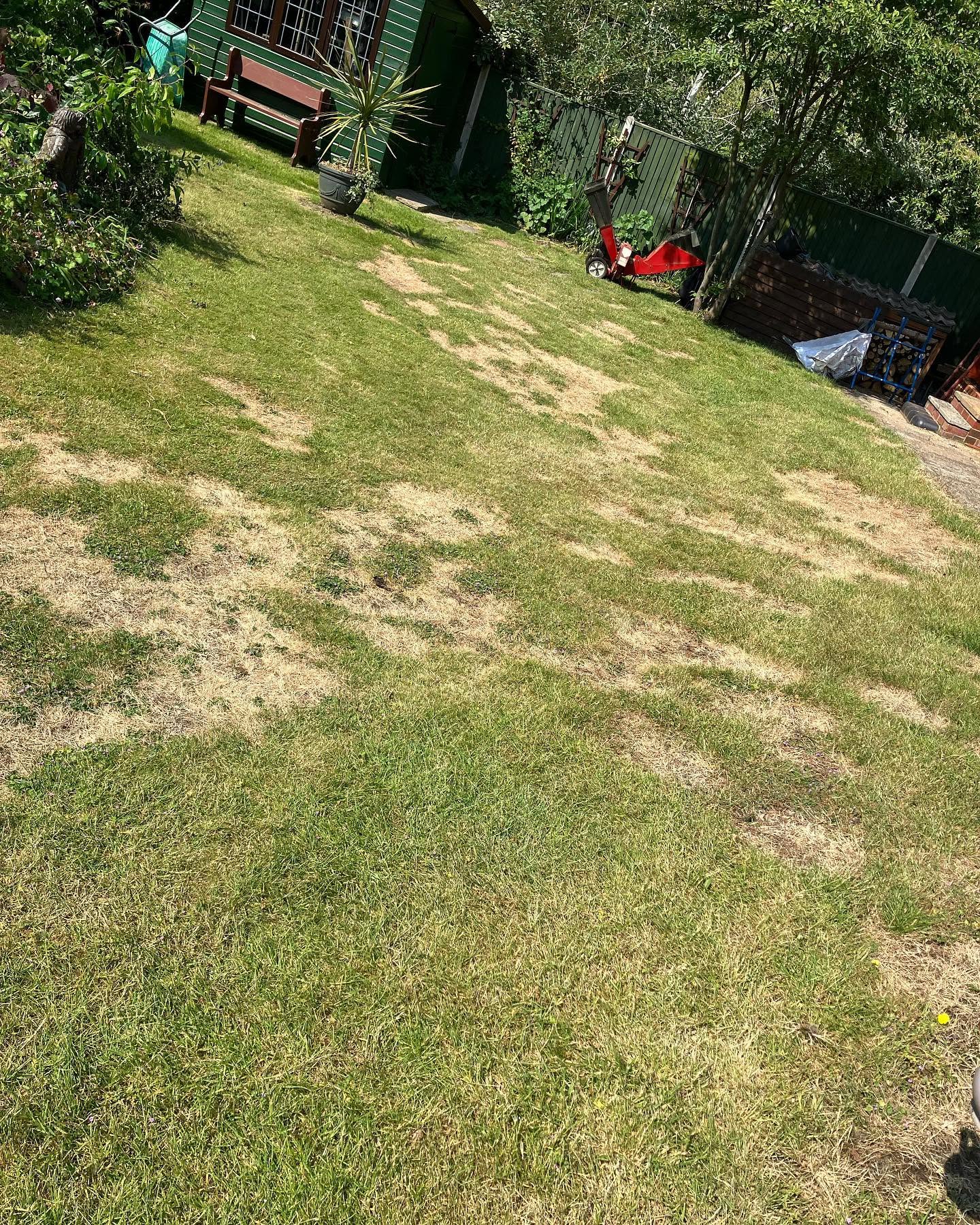
In the first year without aeration, you probably won’t notice anything. The lawn that went into the season looking fine will come out looking essentially the same. The grass is still green, still growing, still responding normally to cutting and watering.
What’s happening below the surface is invisible at this stage but already in motion. Sudbury’s freeze-thaw cycle has compressed the soil slightly from the previous year. Foot traffic through the season — normal walking patterns, the weight of a mower running the same lines repeatedly — has created the beginning of compaction in the high-traffic zones. The pore spaces in the clay that allow roots to grow and water to penetrate are slightly smaller than they were at the start of the season.
The lawn tells you nothing at year one. The compaction process is cumulative — it doesn’t produce visible symptoms until it reaches a threshold. That threshold is coming, but year one keeps it hidden.
This is the year when most homeowners decide aeration probably isn’t necessary. The lawn looked fine without it. They’ll do it next year. Next year becomes the year after. The compaction keeps accumulating.
Years 2 to 3 — The First Signs Show Up in July
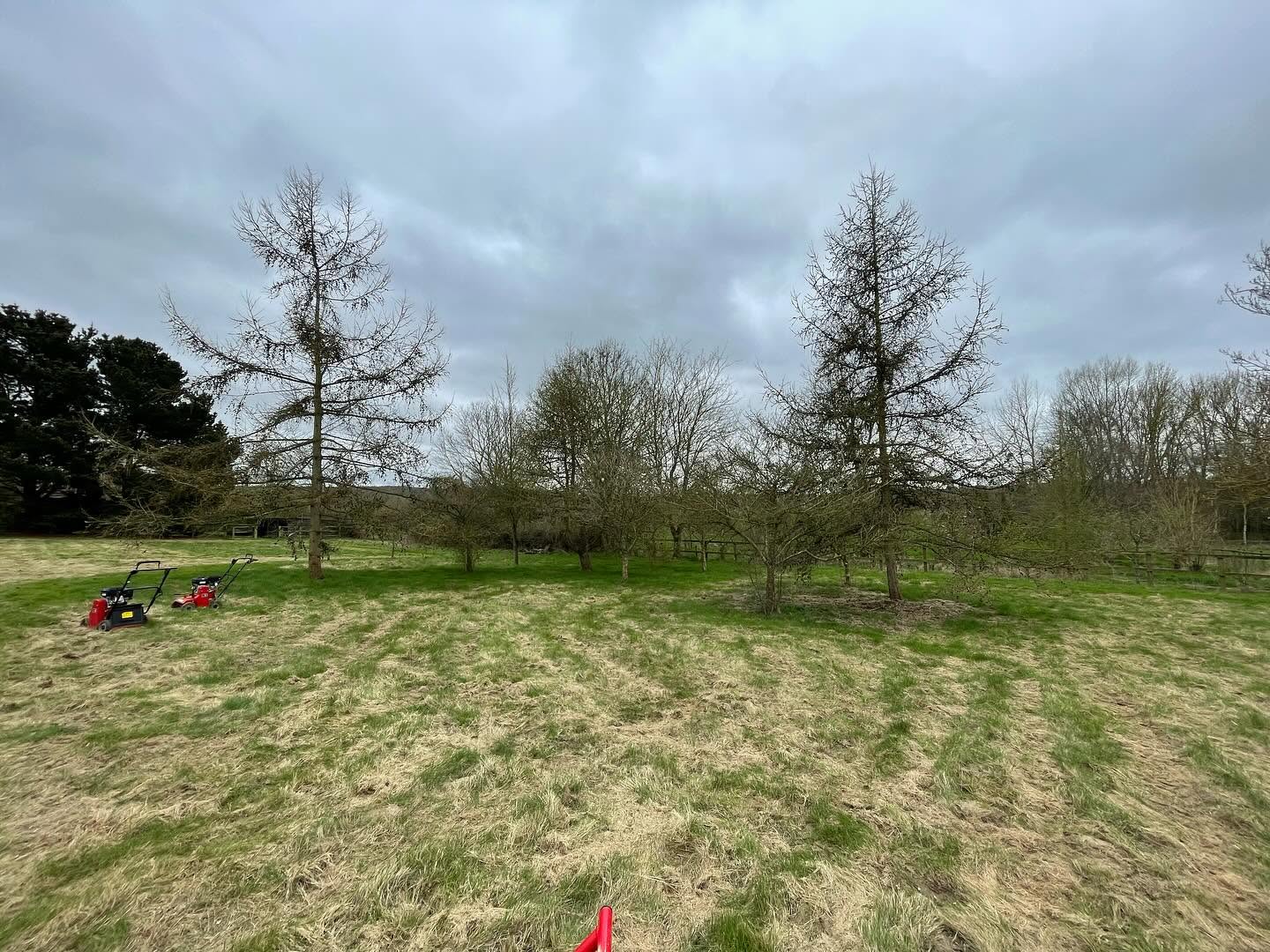
By the second and third year without aeration, Sudbury’s freeze-thaw cycle has compacted the clay meaningfully. The screwdriver test still goes in 2 to 3 inches, but with noticeably more resistance than on a freshly aerated lawn. The pore spaces that allow root growth are closing up.
The first visible sign shows up in July — specifically during the first real heat stretch with no rain. The lawn goes brown faster than it did in previous years. Not dramatically, not all at once, but noticeably sooner and more extensively than the same property two summers ago.
What’s happening: the grass roots that once had adequate depth are now hitting the compaction layer. Instead of growing down to 5 or 6 inches where Sudbury’s clay holds deep moisture, the roots are crowding into the top 2 to 3 inches of soil. When the clay surface dries out in July heat — which it does quickly — those shallow roots run out of accessible moisture within days. The lawn goes into stress and dormancy.
The homeowner at this stage usually blames the summer. “It was a dry July.” Maybe it was. But their neighbour’s lawn, on the same street, with the same rainfall, maintained on a regular aeration schedule, is still green. The difference isn’t the weather. It’s the root depth. I’ve covered exactly why mowing height and root depth are connected in the May mowing mistake article — the compaction effect on roots is the same mechanism working from the soil up instead of from the mower down.
Also appearing at years 2 to 3: the first weeds moving into thinning areas. Dandelions and plantain specifically thrive in compacted soil — they’ve evolved for exactly these conditions. Where the grass is thinning because roots are struggling, weed seeds are finding the bare soil they need to germinate. The weed coverage at this stage is still manageable, scattered rather than pervasive. But it’s the beginning of a trend that compounds in the years ahead. The full picture of why weeds follow compaction is in the weeds article here.
Years 4 to 5 — Visible Decline Across the Lawn

By year four or five without aeration, the lawn is in visible decline. Not struggling in July specifically — struggling consistently. The green that came back strong in spring is thinner than it was two years ago. The recovery from heat and drought stress takes longer. The weed coverage has expanded from scattered to substantial.
The screwdriver test at this stage stops within an inch. The clay is hard enough to feel almost like concrete in dry conditions. I’ve done this test in front of homeowners at year four or five without aeration and they’re always surprised by how little the screwdriver penetrates. They knew the lawn was struggling. They didn’t know the soil had become this hard.
What’s happening structurally: the compaction layer has moved to the surface. In the early years, adequate root depth was still possible because the compression hadn’t reached the top layer. By year four or five, even the top inch or two of soil is dense enough to restrict root development. The grass plants are essentially living in a thin surface layer with no depth available to them.
Water runs off instead of soaking in. This is one of the most visible signs on a compacted Sudbury lawn at this stage — watch what happens when it rains heavily. Water sheets across the lawn surface and runs off the sides rather than soaking in. The clay surface has become almost impermeable. The grass that needs that water can’t access it even when it’s falling directly on the lawn. You can water a compacted lawn for 30 minutes and have the moisture sitting in the top half inch rather than reaching the root zone.
Bare patches start appearing. The high-traffic areas — the path from the door to the gate, the area where the kids play, the corner where the dog runs — start showing bare soil by years four or five. The grass in those areas has lost the root depth to handle traffic stress on top of the compaction stress. Once bare soil is exposed, weeds claim it quickly. The bare patch problem that results from compaction is covered in detail in the bare patches article here.
Spring recovery is slower. A lawn at year four or five without aeration comes out of every Sudbury winter more slowly than it used to. The root system that needs warm soil to activate is compressed into a thin surface layer that warms and cools faster and less stably than deeper soil. May greening is patchy and uneven rather than consistent.
Year 6 and Beyond — What I Actually See on These Properties
I want to stop describing hypotheticals and tell you what I actually see when I walk a Sudbury property that hasn’t been aerated in 6, 8, or 10 years. Because I’ve walked enough of them that the picture is very specific.
The lawn at this stage isn’t a lawn in the functional sense. It’s a mixture of compacted soil, surviving grass in isolated patches, pervasive weed coverage, and bare areas in the high-traffic zones. The screwdriver test is almost a formality — the resistance is immediately obvious just by walking on the surface. The soil doesn’t give under foot the way healthy lawn soil does.
The watering situation has become absurd. Homeowners at this stage are often watering heavily trying to keep anything alive — and the water is running off because the soil can’t absorb it. I’ve seen properties where the homeowner had been running sprinklers for 45 minutes daily and the soil 2 inches down was bone dry. The compaction had become a near-perfect barrier.
Weed coverage at year 6 or beyond is usually 40 to 60 percent or more of the visible surface. Not because of bad luck or high weed pressure in the neighbourhood — because the grass has lost the ability to compete. Healthy dense grass crowds out weed germination by shading the soil surface. Thin stressed grass on compacted soil can’t do that. The weeds are filling exactly the gaps that the failing grass has left.
Recovery from this stage is possible — I’ve documented exactly what it looks like in the worst lawn restoration article here. But it requires genuine intervention: multiple aeration passes, significant overseeding, weed treatment, and a full season of correct maintenance before the lawn performs like a healthy lawn again. The cost — in time, effort, or money — is substantially higher than the cumulative cost of annual aeration would have been over those same years.
What Annual Aeration Actually Prevents — The Comparison
Let me put this in concrete terms, because I think the year-by-year picture makes the value of aeration clear but the comparison is worth stating directly.
A Sudbury residential property that’s been aerated every year since installation: by year 6, the lawn is performing better than it was at year 2. Root systems have deepened over time as the annual aeration creates access for growth. The soil structure has improved as organic matter from broken-down aeration plugs accumulates. The lawn handles July heat better with each passing season. Weed pressure is low because the grass is thick enough to shade out germination. The screwdriver test goes 5 or 6 inches with ease.
The same property that skipped aeration: by year 6, the lawn is in visible decline and heading toward a restoration conversation. Root systems have compressed upward rather than deepened. The soil has hardened progressively. Weed pressure is substantial. Recovery requires real work.
Annual core aeration in Sudbury starts at $49. Over 6 years, that’s under $300. The restoration work on a lawn that went 6 years without aeration typically runs several hundred to several thousand dollars depending on the extent of the damage and how much overseeding and repair is needed. The math isn’t close.
If Your Sudbury Lawn Has Never Been Aerated
If you’ve read this and recognized your lawn somewhere in the year-by-year description — year two, year four, or the harder picture of year six and beyond — here’s what to actually do.
Start with aeration. Now, if it’s late May through June. If it’s later in the season, fall aeration in late August to September is the second-best window. The compaction doesn’t reverse itself and waiting for a better time usually means another winter of freeze-thaw cycles driving it deeper.
After aeration, overseed any thin or bare areas while the soil is open — the aeration holes are ideal germination conditions. Get on a mowing schedule at 3 inches and stay there. Switch to deep infrequent watering. The full step-by-step process for a struggling Sudbury lawn is in the lawn repair guide here.
If the lawn is far enough gone that you’re not sure whether restoration or replacement makes more sense, call me. I’ll walk the property and tell you honestly which situation you’re in before anything is priced.
📞 705-507-6787
🔗 Get a Free Quote
📍 Serving Greater Sudbury — Garson, Val Caron, Hanmer, Lively, Chelmsford, Azilda, Capreol
— Ryan
Frequently Asked Questions
What happens if you never aerate your lawn in Sudbury Ontario?
Without annual aeration, Sudbury’s clay soil compacts progressively under freeze-thaw cycles. By years 2 to 3, lawns brown out faster in July as roots lose depth. By years 4 to 5, water runs off rather than soaking in, bare patches appear in high-traffic areas, and weed coverage expands significantly. By year 6 and beyond, the lawn is in genuine decline — a mixture of compacted soil, thin stressed grass, and pervasive weeds that requires real restoration work to reverse. Annual aeration prevents this cycle by resetting the compaction every year before it compounds.
How often should I aerate my lawn in Greater Sudbury?
Every year. Southern Ontario lawn advice often suggests aerating every 2 to 3 years — that interval is too long for Sudbury’s clay-heavy soil and aggressive freeze-thaw cycle. The compaction that Sudbury winters drive into clay soil requires annual intervention to keep the root zone open. Late May to mid-June is the best window for spring aeration in Greater Sudbury. Fall aeration in late August to September is also effective and pairs well with overseeding.
Can a Sudbury lawn recover after years without aeration?
Yes — but the extent of the recovery work scales with how long aeration was skipped. A lawn at year 3 or 4 without aeration typically responds well to a single thorough aeration, overseeding of thin areas, and a season of correct maintenance. A lawn at year 6 or beyond needs more significant intervention — potentially multiple aeration passes, substantial overseeding, weed treatment, and a full season of proper maintenance before it performs like a healthy lawn. Recovery is always possible; it just takes longer and costs more the further the compaction has progressed.
Why does my Sudbury lawn look thin and weedy even though I water and mow it?
Compaction from never aerating is the most likely cause. Watering a compacted Sudbury lawn is largely ineffective because the hardened clay surface sheds water rather than absorbing it — the moisture sits in the top half inch or runs off rather than reaching the root zone. Thin grass on compacted soil can’t compete with weeds, which thrive in exactly these conditions. The fix starts with aeration to break the compaction, not more watering or weed treatment over the same compacted surface.
Is core aeration worth it for a Sudbury lawn?
It’s the highest-value single service on any Greater Sudbury property. The compaction cycle that Sudbury’s clay soil and freeze-thaw winters create is the underlying cause of most lawn problems in this city — thin grass, drought stress, weed encroachment, bare patches, water runoff. Annual aeration at $49 and up resets that cycle every year. The cumulative cost of 6 years of annual aeration is a fraction of the restoration cost on a lawn that skipped it. On Sudbury’s specific soil type, aeration isn’t optional if the goal is a lawn that improves rather than declines over time.
What is the best time to aerate a lawn in Sudbury Ontario?
Late May to mid-June for spring aeration — after the ground has fully thawed and dried enough for equipment but before peak summer heat. This timing gives the lawn the full growing season to respond to the aeration. Fall aeration in late August to September is the second-best window and pairs well with overseeding, since cooler fall temperatures provide ideal germination conditions for new seed applied into the aeration holes.
Ryan Lingenfelter is the owner of Cutting Edge Lawn & Landscaping in Garson, Ontario. Since 2020, his crew has provided full lawn care services across Greater Sudbury — Garson, Val Caron, Hanmer, Lively, Chelmsford, Azilda, and Capreol. Cutting Edge is licensed, insured, BBB A+ rated, and ThreeBest Rated for lawn care services in Sudbury.
📞 Phone: 705-507-6787
📍 Service Area: Greater Sudbury, Ontario
🔗 Free Quote: cuttingedgelawn.ca/quote
Helpful Lawn Care Services in Sudbury
- Core Aeration for Healthy Lawns
- Grass Cutting Services in Sudbury
- Sod Installation in Sudbury
- Property Cleanup Services
- Mulch & Decorative Stone
- Hedge Trimming Services
Continue Reading
- How to Fix a Sudbury Lawn Step by Step — Start Here
- The Worst Sudbury Lawn I’ve Ever Seen — And How We Brought It Back
- My Sudbury Lawn Has Weeds Everywhere — Here’s What I Actually Do About It
