

October in Sudbury is the month most homeowners mentally check out from their lawn.
The grass stopped growing aggressively weeks ago. The leaves are coming down. The weather is unpredictable — warm one week, frost warnings the next. And after a full spring and summer of mowing, watering, and keeping up with everything, most people are done thinking about yard work by the time Thanksgiving passes.
I understand it. But October is also the month where what you do — or don’t do — has the single biggest impact on what your lawn looks like next May.
I’ve been doing fall cleanups and seasonal prep across Greater Sudbury since 2020. The lawns that come through our winters well are almost always the ones that got proper attention in October. The ones that look rough in spring — patchy, compacted, slow to green up — are usually the ones where fall prep was skipped or rushed.
Here’s exactly what I do on Sudbury properties in October, and why each step matters.
Why October Is the Most Important Month for Your Lawn
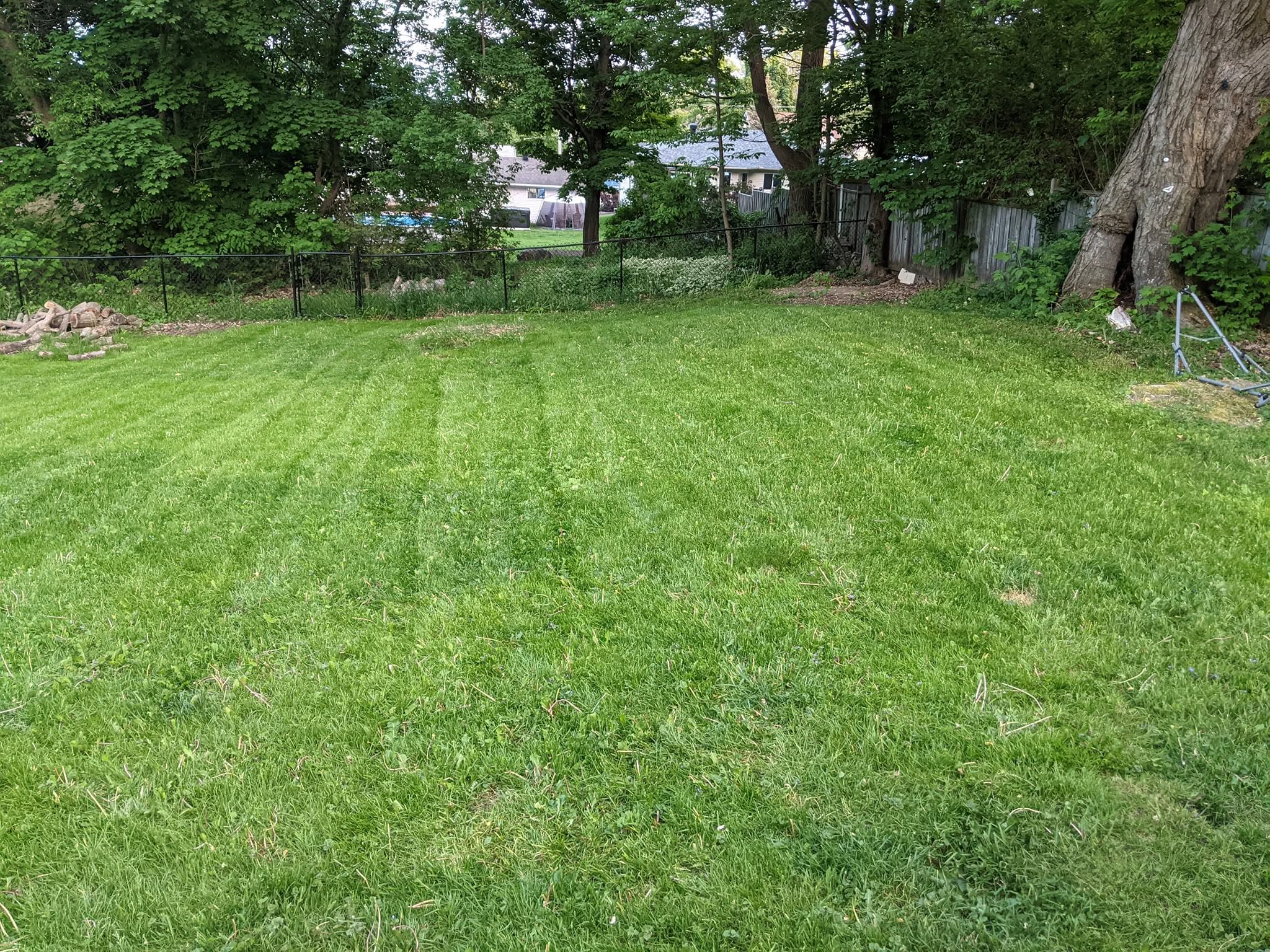
Before I get into the specific tasks, I want to explain why fall prep matters as much as it does in Sudbury specifically — because if you understand the why, you’ll actually follow through on the what.
Sudbury winters are long and hard. The ground freezes deep. The snow load is heavy. The freeze-thaw cycles in late winter and early spring are aggressive. By the time your lawn comes out from under the snow in May, it’s been under stress for five to six months.
What determines how well your lawn survives that stress is largely set in October. The root reserves the grass builds heading into dormancy, the soil condition it goes into winter with, the surface condition that either protects the crowns or leaves them exposed — all of that is determined by what happens in the last few weeks before the ground freezes.
Think of it this way: your lawn in May is mostly a product of your October. A lawn that went into winter with strong roots, open soil, and a clean surface will green up faster, recover from winter damage more easily, and need less intervention in spring. A lawn that went in compacted, under-fed, and buried under a mat of leaves will struggle from the first thaw onward.
That’s why I take October seriously on every property I work on. And it’s why I’m writing this now — so you can too, even if you’re handling it yourself.
The Fall Aeration Window Most Sudbury Homeowners Miss
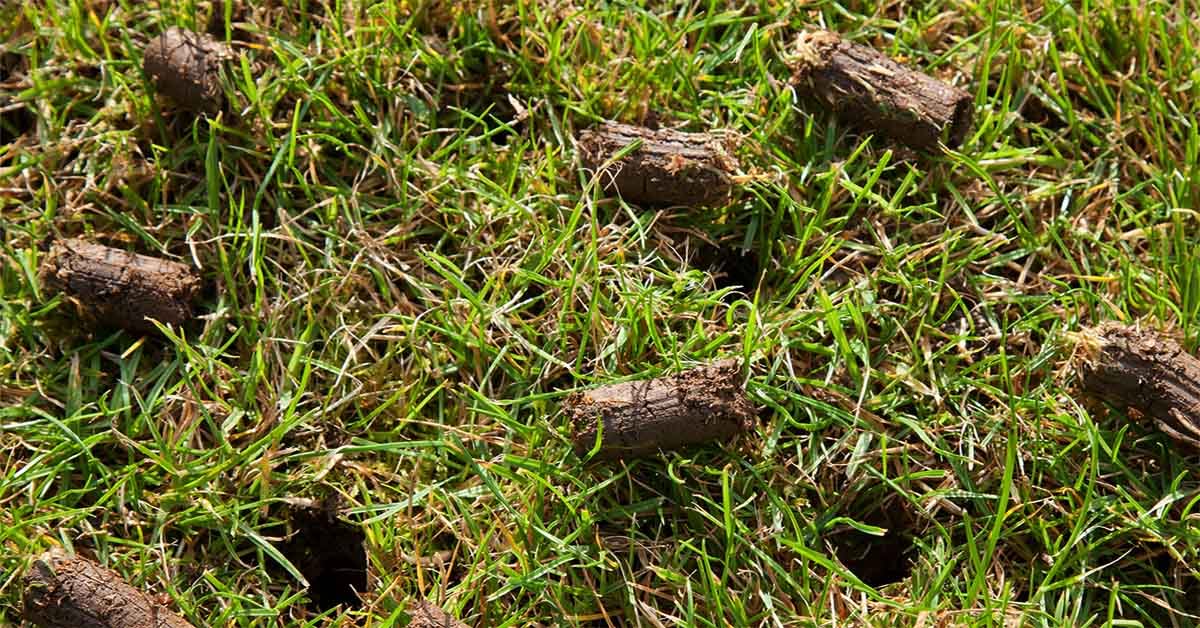
Most people know about spring aeration. Fewer people know that fall aeration — done at the right time in September to early October — is equally valuable on Sudbury lawns, and in some ways more impactful for winter preparation.
I’ve written extensively about the spring aeration window and why timing matters so much in our climate. Fall aeration works on the same principle but serves a slightly different purpose.
Here’s why fall aeration matters in Sudbury specifically.
It Opens the Soil Before Winter Sets It
By October, Sudbury soil has been compacted by a full season of foot traffic, mowing equipment, and summer heat. That compaction doesn’t go away over winter — it gets worse as freeze-thaw cycles in spring push and compress the soil further. Aerating in fall opens the soil before it freezes, creating channels that allow water, oxygen, and nutrients to reach the root zone right through the freeze-thaw period and into early spring.
On properties where I aerate in fall, the lawns consistently green up faster the following spring than on properties that only get spring aeration. The soil is in better condition going in and comes out of winter in better shape.
It Pairs Perfectly With Fall Overseeding
September and early October are an excellent time to overseed thin or bare areas in Sudbury. The soil is still warm from summer, ground temperatures are ideal for germination, and the new grass has several weeks to establish roots before the ground freezes. Seed dropped into aeration holes in early October has a genuine chance of establishing before winter on most Sudbury properties.
If you have areas that didn’t fill in properly after spring seeding, or sections that thinned over summer, fall aeration and overseeding is your second chance before you’re waiting until next May.
Timing for Fall Aeration in Sudbury
In Greater Sudbury, the fall aeration window is roughly mid-September through the first week of October. After that, ground temperatures drop enough that new grass seed won’t establish before freeze, and the aeration benefit — while still present — is reduced. Don’t wait until late October thinking you still have time. By then the window has closed.
If you missed the fall window, spring aeration is your next opportunity. The spring window in Sudbury is the last week of May through the second week of June — mark it now so you don’t miss it.
Fall Fertilizer — The One Application That Actually Matters

If you only fertilize your lawn once a year, make it fall. Not spring. Fall.
I know that goes against what a lot of people have been told. The conventional wisdom is that spring fertilizer gets the lawn going after winter. And spring fertilizer does have a role — I use it on many properties. But the fall application is more important for long-term lawn health in Sudbury’s climate, and here’s why.
Roots Keep Growing After the Blades Stop
When air temperatures drop in October and the grass stops visibly growing, the root system is still active. Soil temperatures at root depth stay above freezing longer than surface temperatures do, and roots continue to grow and store carbohydrates right up until the ground freezes solid.
A fall fertilizer application feeds that root activity directly. The grass takes up nutrients and builds the carbohydrate reserves it needs to survive winter and green up quickly in spring. A lawn that goes into winter with strong root reserves comes out of winter faster and with less die-off than one that went in nutrient-depleted.
Timing the Fall Application
In Sudbury, I apply fall fertilizer in late September to mid-October — after the lawn has slowed its blade growth but while the soil is still warm enough for root activity. Applying too late, after the ground is near freezing, means the fertilizer sits on the surface without being taken up and washes away with snowmelt. Applying too early, while the lawn is still actively growing blades, pushes top growth that goes into winter too lush and vulnerable to snow mould.
The target is that window when the grass has shifted into root mode but the soil hasn’t shut down yet. In most years in Greater Sudbury, that’s the last two weeks of September through the first week of October.
What Product to Use
For fall applications I use a fertilizer with lower nitrogen and higher potassium than a spring formula. Potassium strengthens cell walls and improves cold hardiness — it’s the nutrient that directly supports winter survival. High nitrogen in fall pushes blade growth you don’t want heading into winter. Look for a product labelled as a “winterizer” or “fall lawn fertilizer” — these formulations are specifically designed for the root-building, cold-hardening purpose.
Leaves, Cleanup, and the Last Mow
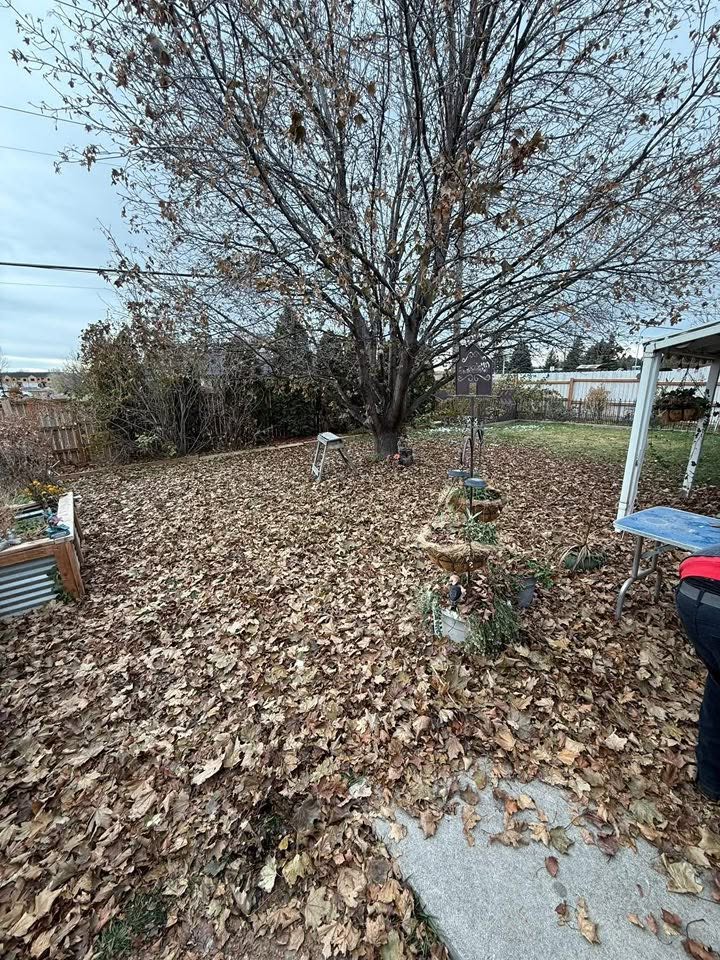
These three things — leaf removal, fall cleanup, and the final mow of the season — are the surface preparation steps that determine the condition your lawn goes into winter with.
Leaf Removal: Do It Before They Mat
Leaving leaves on a Sudbury lawn over winter is one of the most reliable ways to create spring problems. A thick layer of wet, frozen, matted leaves over a lawn for five months creates perfect conditions for snow mould development, smothers the grass underneath by blocking oxygen exchange, and creates a mat that slows spring green-up significantly.
I know the timing is tricky. Remove leaves too early in October and you’re doing it again when the rest come down. Wait until all the leaves have fallen and in Sudbury you risk having them freeze to the lawn surface before you get a chance to remove them. The practical approach is two passes — one in mid-October to get the bulk of the early-dropping leaves, and a second pass in late October or early November before the first hard freeze locks everything in place.
Mulching leaves with the mower is a reasonable approach for light leaf coverage. The chopped material breaks down over winter and adds organic matter to the soil. But for heavy leaf coverage — which is most Sudbury properties with mature trees — mulching alone isn’t enough. The chopped leaf layer still smothers the grass if it’s too thick. Bag or blow and remove the bulk of it.
The Last Mow of the Season
The height at which you do your final mow of the year matters more than most people realize, and it’s one of the things I see done wrong most consistently on Sudbury properties.
The goal is to finish the season at approximately 2.5 to 3 inches of blade height. Here’s why that specific range matters.
Too long — 4 inches or more going into winter — and the long blades mat down under snow, creating the damp, airless conditions that snow mould thrives in. The matted grass also takes longer to dry out in spring and slows the lawn’s ability to green up and start growing again. Snow mould is one of the most common winter damage issues I see on Sudbury lawns in spring, and excess blade length going into winter is a significant contributing factor.
Too short — under 2 inches — and you’ve stressed the grass heading into dormancy and reduced the crown protection that taller grass provides during freeze-thaw cycles in late winter and early spring.
2.5 to 3 inches is the practical sweet spot for Sudbury conditions. Bring the lawn down to that height gradually over the last two or three mows of the season rather than dropping it all at once. Never cut more than one-third of the blade in a single mow — even in fall, that rule applies.
The Fall Cleanup Itself
Beyond leaves, a proper fall cleanup involves clearing beds of spent annuals and dead plant material, cutting back perennials where appropriate, removing debris from around structures, and doing a final edge-cleanup pass to go into winter with the property tidy.
On properties where we’ve identified grub activity during the season, the fall cleanup is also when I do the nematode treatment assessment — making sure the August application has been done and evaluating whether any additional intervention is needed before the ground freezes. Grub populations that aren’t addressed in the fall will continue doing root damage right up until the soil freezes, and whatever damage they’ve done by October will fully reveal itself the following May.
What to Skip in October — Common Mistakes That Cause Spring Problems
Just as important as what to do in October is what not to do. A few things I see regularly on Sudbury properties that create unnecessary problems.
Don’t seed after mid-October. The ground temperature in Sudbury drops below the threshold for reliable grass germination after mid-October in most years. Seed applied after that point either won’t germinate at all or germinates too weakly to survive the winter. You’re wasting seed and creating bare spots that are more vulnerable to weed establishment in spring. Wait until the spring recovery sequence and do it properly then.
Don’t aerate after the first week of October. Same principle — too late for the seed that should follow aeration to establish, and the soil benefit is reduced once ground temperatures have dropped significantly. If you missed the fall window, spring is the next opportunity.
Don’t apply high-nitrogen fertilizer in October. High nitrogen pushes blade growth heading into winter. That lush, tender growth goes dormant slowly and is more vulnerable to snow mould and freeze damage. Use a fall-specific low-nitrogen, high-potassium formula.
Don’t leave bare soil exposed going into winter. If you have areas where the lawn died out over summer and weren’t reseeded in fall, those bare patches going into winter will be worse in spring — weed seeds will colonize them, erosion from snowmelt will displace topsoil, and freeze-thaw heaving will further disturb the surface. If you missed the fall seeding window, at minimum cover bare areas with straw or erosion mat to protect the soil surface through winter.
The October Checklist I Use on Sudbury Properties
Here’s the condensed version — everything in order of when it should happen through October.
- Early to mid-September: Fall aeration. Overseed thin and bare areas immediately after. This is time-sensitive — don’t push it past the first week of October.
- Late September to first week of October: Fall fertilizer application with a winterizer formula. Soil still warm, roots still active.
- Mid-October: First leaf removal pass. Get the bulk of the early-dropping leaves off the lawn surface.
- Last two weeks of October: Final mow of the season, bringing the lawn down to 2.5 to 3 inches gradually. Second leaf removal pass. Final cleanup of beds and debris.
- Before first hard freeze: Everything off the lawn. Leaves removed, cleanup complete, hoses drained and stored, equipment winterized.
That’s the full sequence. None of it is complicated, but the timing on each step matters — especially the aeration and fertilizer applications, which have narrow windows that are easy to miss if you’re not paying attention to soil temperatures.
What Skipping October Prep Actually Costs You in Spring
I want to be direct about this because I think it helps people follow through when they understand the actual consequence.
When I do spring assessments on properties that had poor fall prep, the pattern is consistent. Heavier snow mould from long grass going into winter. More compaction because the soil wasn’t aerated in fall. Slower green-up because the roots went into winter nutrient-depleted. More bare patches because bare areas weren’t protected. More weed pressure in spring because the lawn came out of winter weak and weeds moved into the gaps.
Fixing those spring problems — aeration, overseeding, patching, deciding whether to repair or replace sections — takes more time and costs more money than the October prep that would have prevented most of it. The math is straightforward: an hour or two of fall work in October saves a full spring recovery process in May.
I’ve written about what spring lawn damage looks like and how to read it in detail. Most of the damage types I describe in that article — snow mould, compaction, bare patches, slow green-up — are directly connected to what happened, or didn’t happen, in October.
If You Want Help With the Fall Work
Everything I’ve described in this article is something most homeowners can handle themselves with the right timing and a few hours of work. But if you’d rather have it handled properly without spending your October weekends on it, that’s what we’re here for.
Cutting Edge Lawn does fall aeration, overseeding, fertilization, cleanup, and final mowing across all of Greater Sudbury through the fall season. If you want to book a full fall service or just have a specific piece of it handled, call me and we’ll figure out what makes sense for your property.
For a full breakdown of everything we do across the season, the complete service breakdown covers it all in one place.
Call or text: 705-507-6787
Or fill out the free quote form on the site.
We cover Garson, Val Caron, Hanmer, Lively, Chelmsford, Azilda, Capreol, and surrounding areas.
— Ryan Lingenfelter
Cutting Edge Lawn & Landscaping
Garson, Ontario
705-507-6787
