

I’ve been running Cutting Edge Lawn & Landscaping in Garson since 2020. In that time I’ve maintained, assessed, repaired, and transformed lawns across Greater Sudbury — Garson, Val Caron, Hanmer, Lively, Chelmsford, Azilda, Capreol, and everywhere in between.
Over those six seasons I’ve written a lot of individual articles about specific problems, specific services, and specific situations. This article is the one I’d hand someone who wanted everything in one place — a complete reference for maintaining a lawn in Greater Sudbury in 2026, written from ground-level experience in this specific climate and on this specific soil.
Not generic lawn care advice. Sudbury lawn care advice. There’s a difference, and it matters more than most homeowners realize.
The Sudbury lawn calendar — what to do and when
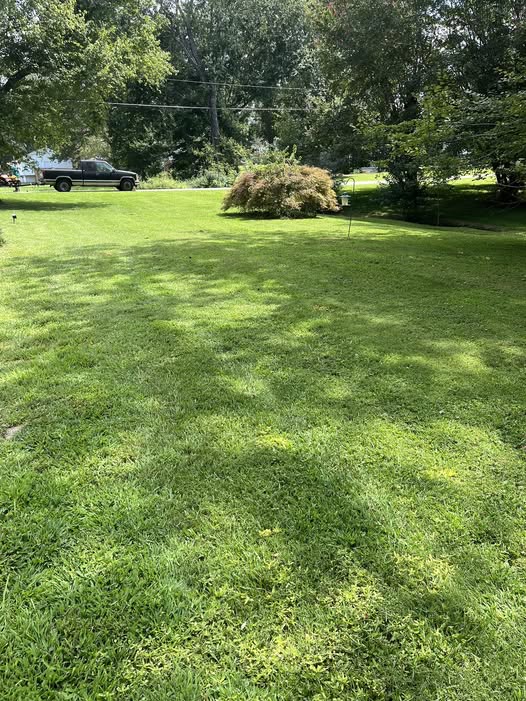
The most important thing to understand about lawn care in Greater Sudbury is that our growing season window is compressed compared to most of the lawn care advice you’ll find online. We have a shorter spring establishment period, a hotter and drier July than most southern Ontario content assumes, and a fall that ends faster than the advice written for the Kitchener-Waterloo area would suggest. The seasonal calendar below is built specifically for this region.
April — mostly wait. The ground is still cold. Soil temperature at four inches in April in Greater Sudbury is typically below 5 degrees Celsius. The grass is coming out of dormancy but isn’t in active growth. This is not the time to fertilize, overseed, or aerate — despite what most bag programs suggest. What April is good for: cleaning up winter debris, raking out matted dead material from the surface, getting your equipment serviced and ready, and booking the services you need for May before schedules fill up. Lawn care companies in Sudbury book out fast in spring. If you want a May aeration slot, call in April.
Late April to mid-May — first cut, done right. Once the grass is consistently growing and the ground isn’t saturated, the first cut of the season can happen. Cut at three and a half inches — higher than your summer maintenance height. The grass is just waking up. Taking it down short on the first cut stresses the root system before it’s had a chance to establish. Bag the clippings on the first cut of the season — there’s often matted dead material at the surface that should come off rather than being mulched back in.
Late May to mid-June — the most important window of the year. This is when the most impactful lawn care work happens in Greater Sudbury. Soil temperature is consistently above 10 degrees. The grass is in aggressive active growth. The freeze-thaw cycle is behind us. This is the window for core aeration, overseeding, starter fertilizing, and sod installation. Everything in this window produces better results than the same work done at any other time of year. If there’s one thing to take from this entire article: prioritise late May to mid-June for any serious lawn work. I covered the specific science behind why this window works for aeration in the article on the best time to aerate a Sudbury lawn and for overseeding in the article on when to overseed a Sudbury lawn.
June 1 — watering bylaw kicks in. Greater Sudbury’s outdoor watering bylaw takes effect June 1 and runs through September 30. Odd-numbered addresses water on odd dates, even-numbered addresses on even dates. First violation is a $300 fine. Repeat violations can reach $5,000. If you have an automated irrigation system, update the controller schedule before June 1. I covered the bylaw in full detail and what it means practically for lawn watering in the article on Sudbury lawn care news 2026.
Late June through August — maintain and protect. This is not the time for major interventions. The grass is under seasonal heat stress and needs consistency, not disruption. Weekly cuts at three inches. Deep watering once a week on your permitted bylaw day. Watch for the early warning signs of heat stress — the blue-grey tint that means the grass is losing more water than it’s taking in. Don’t fertilize heavily in this period. A light balanced application in late June is fine. Heavy nitrogen in July pushes growth that stresses the plant in heat.
Late August to mid-September — pre-fall window. As temperatures moderate and nights cool down, a second opportunity opens for overseeding and light renovation work. This window is significantly shorter and less reliable than the late May window in Sudbury — our frost risk arrives fast — but for lawns that need a second round of overseeding or light dethatching, early September is the time. Apply a winterizer fertilizer in late August to early September — lower nitrogen, higher potassium — to support the grass in hardening off before winter.
October — last cut and shutdown. The last cut of the season in Greater Sudbury typically happens in October. Cut to about two and a half inches for the final cut — slightly shorter than the summer maintenance height to reduce the risk of snow mould forming on long grass under the first snow. Blow out your irrigation system before the first hard frost. Clean and service your equipment before storage. Mark any obstacles in the lawn — irrigation heads, garden borders, decorative elements — before snow covers them so spring cleanup and snowplowing don’t cause damage.
The five things that make Sudbury lawns different from everywhere else
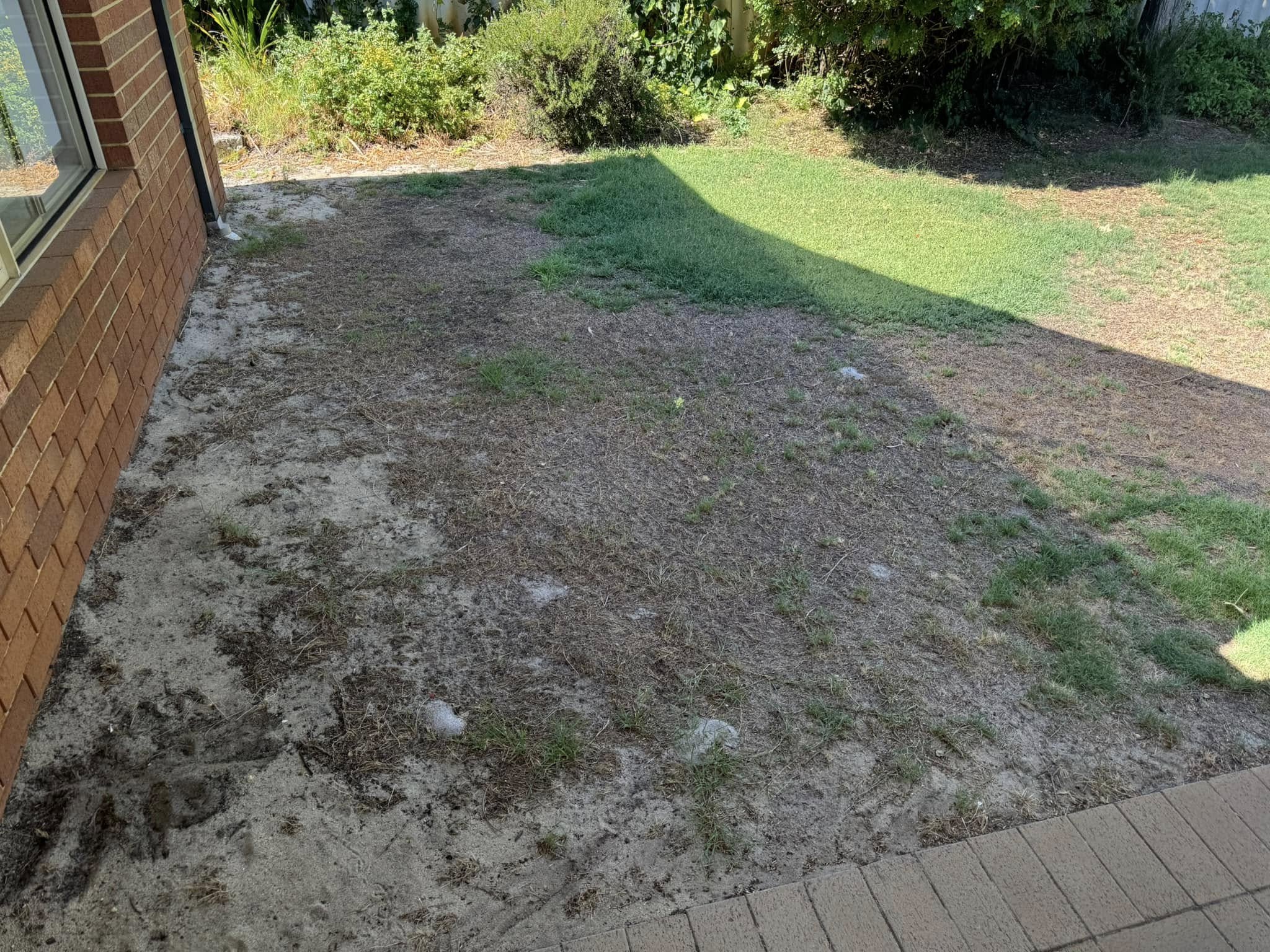
Most lawn care content online is written for southern Ontario, the American Midwest, or generic “cool season grass” regions. Some of it applies here. A lot of it doesn’t. Here are the five things specific to Greater Sudbury that should shape how you approach your lawn.
One — clay-influenced soil that compacts easily. Much of Greater Sudbury has soil with a significant clay component. Clay compacts under foot traffic and equipment pressure more readily than sandy or loamy soil. Compact clay limits root penetration, slows water and nutrient movement, and heats up faster on the surface in summer. This is why aeration matters more in Sudbury than in regions with lighter soils — and why a lawn here that hasn’t been aerated in two or three years shows the effects much faster than the same lawn in a sandier soil region would. I’ve written about the specific soil conditions in different parts of Sudbury — including the heavier clay found in parts of Hanmer — in the article on lawn care in Hanmer since 2020.
Two — freeze-thaw cycle that stresses soil structure every spring. Greater Sudbury’s winters are hard on soil. Repeated freezing and thawing through November and then again in March and April creates physical stress on the soil structure — compacting it, disturbing root systems that were establishing in fall, and leaving the surface in a different condition than it was in October. Spring renovation work needs to account for this. The soil in late April often looks workable but may still be cold and biologically inactive — which is why the late May window is so much more effective than early May for most services.
Three — a compressed growing season with a specifically vulnerable July. Our growing season runs from roughly mid-May to mid-October — about five months. Within that window, mid-July to early August is the most stressful period for cool-season grasses. Temperatures consistently above 28 to 30 degrees combined with the dry spells that hit most summers create conditions where a lawn with shallow roots and thick thatch can go from looking healthy to seriously damaged in ten days. The lawn that looked fine in spring and was brown by August is one of the most common calls I get — I went through exactly why it happens and how to prevent it in the article on the Sudbury lawn that looked fine in May and was dead by August.
Four — the watering bylaw limits what you can do reactively in summer. Most of the Greater Sudbury region is on municipal water and subject to the odd-even watering schedule from June 1 to September 30. This means you can’t respond to a heat stress event by watering every day until the lawn recovers. Your watering schedule is constrained regardless of what the lawn needs. The practical implication is that preparation matters more here than in regions without watering restrictions. A lawn with deep roots, managed thatch, and proper cutting height can handle the bylaw-restricted watering schedule through a July heat stretch. A lawn without those foundations can’t — and you’re limited in how quickly you can intervene.
Five — fall comes fast and hard. Most online advice about fall lawn care is written for climates with a long, warm autumn. Greater Sudbury doesn’t have that. Our first killing frost arrives on average in late September — earlier in some years and in some parts of the region. That compresses the fall overseeding window significantly and is why I consistently recommend spring as the primary season for aeration and overseeding in this climate rather than fall, contrary to what you’ll find in most generic lawn care content. A full comparison is in the article on spring vs fall aeration in Sudbury.
The most common mistakes I see across Greater Sudbury — and exactly how to fix them
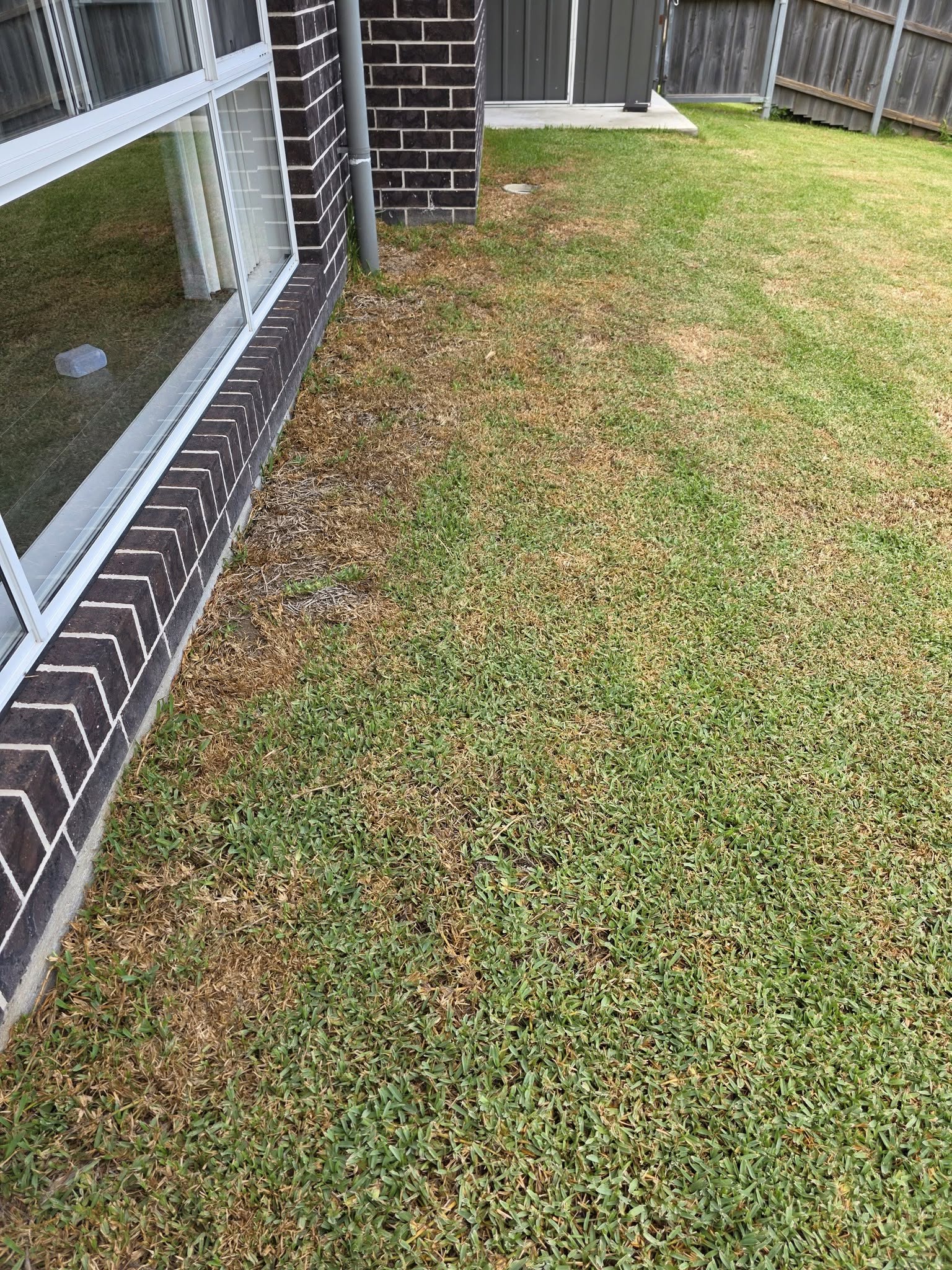
After six seasons and hundreds of properties, here are the mistakes I see most consistently — on properties maintained by homeowners and on properties that have been under professional lawn care.
Cutting too short. The single most common and most damaging mistake on Sudbury lawns. I see this on a majority of properties I assess. Mowers set at two inches or below, cutting a lawn that should be maintained at three to three and a half inches through summer. The effects compound over the season — shallow roots, soil heat stress, moisture evaporation, weeds moving into thin turf. I demonstrated the full damage this causes in the story of the Sudbury homeowner whose lawn problem was a 10-second fix — a mower deck adjustment that produced dramatic visible improvement within six weeks without any other intervention. Check your mower deck height today. If it’s below three inches, move it up before your next cut.
Daily light watering instead of deep weekly watering. Watering twenty minutes every day keeps the surface moist and trains roots to stay shallow. Shallow roots can’t handle any dry stretch. The result is a lawn that requires daily watering to survive and browns within days when the water stops for any reason. Switch to one deep session per week — long enough to get moisture four to five inches down — and the roots will follow the moisture deeper within four to six weeks. This is also the correct approach under the city’s odd-even watering bylaw. I walked through the full effects of daily light watering in the article on the Lively homeowner whose lawn looked worse by September.
Fertilizing without addressing compaction first. Fertilizer applied to compacted soil stays near the surface instead of moving to the root zone. Homeowners fertilize, see limited results, apply more, see limited results, and eventually conclude their soil just doesn’t respond to fertilizer. The soil is fine. The compaction is preventing the nutrients from reaching where they need to go. Aerate first. Then fertilize into open, biologically active soil. The full explanation of when fertilizing works and when it doesn’t is in the article on what I tell Sudbury homeowners about fertilizing.
Overseeding at the wrong time. Seed put down in early May germinates poorly because the soil is still cold. Seed put down in late June faces immediate summer heat stress before it can root. Seed put down in September in Sudbury is racing against frost and often loses. The late May to mid-June window is where overseeding in Greater Sudbury belongs — specific reasons are in the article on when to overseed a Sudbury lawn.
Ignoring thatch until it’s a serious problem. Thatch builds slowly and invisibly. A lawn with an inch of thatch looks fine in May. In July, that same thatch layer becomes hydrophobic — water runs off instead of soaking through, the grass is cut off from its water supply even when the sprinkler is running, and the lawn browns in sections that the homeowner can’t explain. On my 52-property assessment this spring, more than 70 percent of lawns had problematic thatch levels — most of them without the homeowner knowing it was there. The full article on what I found on 52 Sudbury properties covers this in detail.
Spending money on surface treatments before fixing structural problems. Fertilizer, weed control, overseeding — all of these are surface treatments. Applied to a lawn with compaction, drainage problems, or inadequate topsoil, they produce limited results. The homeowner tries them, doesn’t see improvement, tries more, still doesn’t see improvement, and eventually concludes the property just has a bad lawn. The lawn is usually fine. The structure underneath it isn’t. Fix the structure and the surface treatments start working the way they’re supposed to. The decision framework for when surface repair is enough and when structural work needs to come first is in the article on lawn repair in Sudbury — patch, reseed, or replace.
What to expect when you hire lawn care in Sudbury — and how to evaluate who you’re hiring
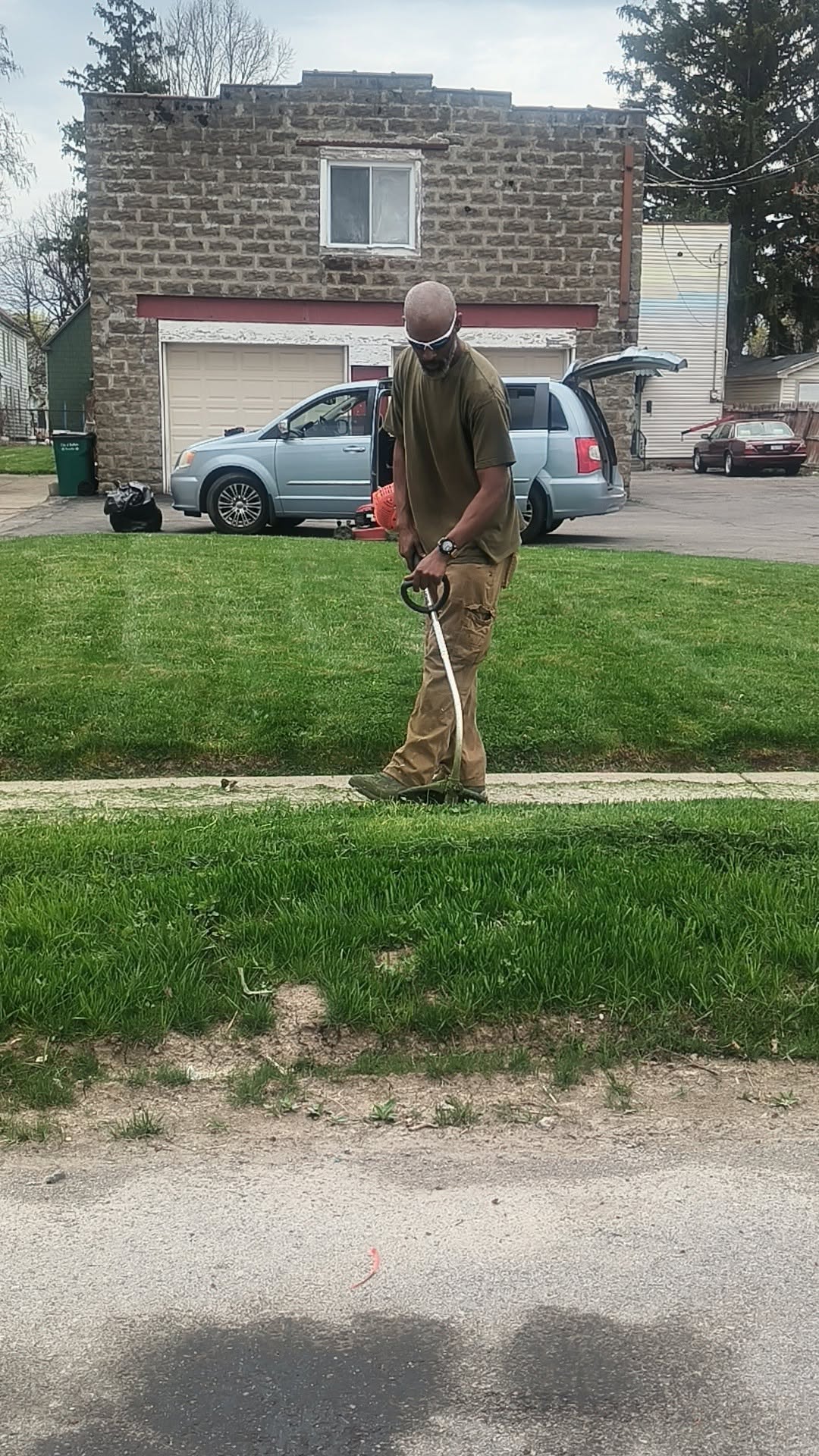
The lawn care industry in Greater Sudbury ranges from sole operators with a pickup truck and a mower to established companies with full crews and comprehensive service offerings. Both ends of that range can do excellent work. Neither end automatically does. Here’s how to evaluate who you’re actually hiring.
What a basic cutting service should include: Mowing at the agreed height, string trimming around obstacles and along edges, edging along hard surfaces (driveway, walkways), and blowing or sweeping clippings from hard surfaces. If a company’s cutting service doesn’t include edging and cleanup, that should be reflected in the price — and you should know what you’re getting before you sign anything.
Pricing that should concern you: Weekly cutting on a standard Sudbury residential lot for under $40 per cut. Either the service is incomplete — no edging, no cleanup, inconsistent scheduling — or the company is competing on price in a way that isn’t sustainable and affects reliability mid-season. I’ve heard too many stories of companies that sign contracts in spring and start cancelling or ghosting clients by July when they’ve taken on more work than they can handle. A fair price for reliable service is worth more than a low price for unreliable service. The full 2026 pricing breakdown for all lawn care services in Sudbury is in the article on Sudbury lawn care news and pricing 2026.
Questions worth asking before you hire anyone:
- What height do you cut at? The answer should be three inches minimum in summer — not “whatever the customer wants” and not a number below two and a half.
- Are you licensed and insured? In Ontario, commercial lawn care operators should carry liability insurance. Ask for confirmation before work starts on your property.
- How do you handle missed cuts? Weather delays happen. A professional company has a clear policy for rescheduling and communicates proactively when they can’t make a scheduled visit. A company that ghosts you when it misses a cut will ghost you every time.
- Who specifically will be working on my property? On larger crews, the quality can vary significantly between workers. Knowing who is assigned to your property and whether they’re the same person each visit matters for consistency.
- Do you assess the property or just maintain it? The best lawn care relationships I’ve seen are ones where the person cutting the lawn is paying enough attention to notice when something changes — a new soft spot, a thatch issue developing, a grub damage section starting — and mentions it to the homeowner rather than just mowing over it week after week.
The value of a free assessment before committing: Most reputable lawn care operators in Greater Sudbury will walk a property with you before quoting. That conversation is informative beyond just the price — it tells you whether the person has actually looked at your lawn or is just measuring the square footage and giving you a number. Someone who gets on their knees and looks at the thatch layer, checks the root depth, asks about your watering routine, and notices the soft corner near the fence before you mention it — that’s someone who will manage your lawn as a system rather than just as a surface to cut. I offer free assessments with no obligation and I’d encourage you to expect the same from anyone you’re seriously considering.
Red flags to watch for: Pressure to sign a full-season contract before any assessment has been done. Vague answers on what’s included in the service. Pricing that seems too low for what’s being promised. No clear communication channel for issues or questions. Asking for full payment upfront. A company that does good work doesn’t need to pressure you to commit before you’ve had a chance to evaluate them.
If you’re in Greater Sudbury and want to talk through what your lawn needs this season — or get a second opinion on a quote you’ve received — give me a call. I’ll come look at the property, tell you what I see, and give you a straight answer on what it needs and what it should cost.
📞 705-507-6787 | Get a free quote online
— Ryan Lingenfelter
Owner, Cutting Edge Lawn & Landscaping
Garson, Ontario · 705-507-6787
