
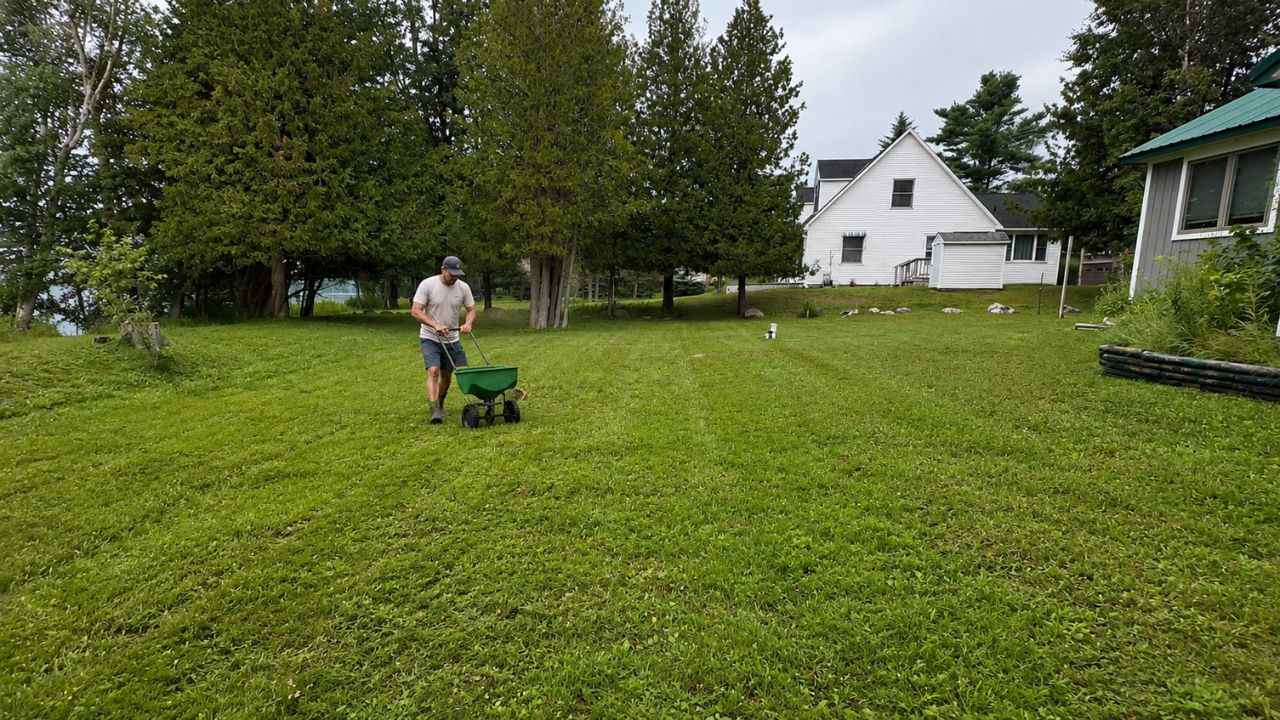
Every spring I talk to homeowners who overseeded last year and got nothing. They bought good seed, spread it carefully, watered it — and almost none of it took. Maybe a few thin patches filled in slightly. Most of the bare areas stayed bare. They want to know what they did wrong.
Usually the answer is timing. Not the wrong seed. Not the wrong technique. They seeded outside the window — often by just a few weeks — and the conditions weren’t right for germination and establishment. The seed sat there, maybe germinated weakly, and then either cooked in summer heat before it could root or froze in fall before it could establish.
In Greater Sudbury the overseeding window is real and it’s specific. Miss it and you’re mostly wasting seed. Hit it and the results are dramatic. Here’s exactly what that window is, why it works, and what to do to make sure the seed you put down this season actually becomes lawn.
Why Overseeding Fails for Most Sudbury Homeowners
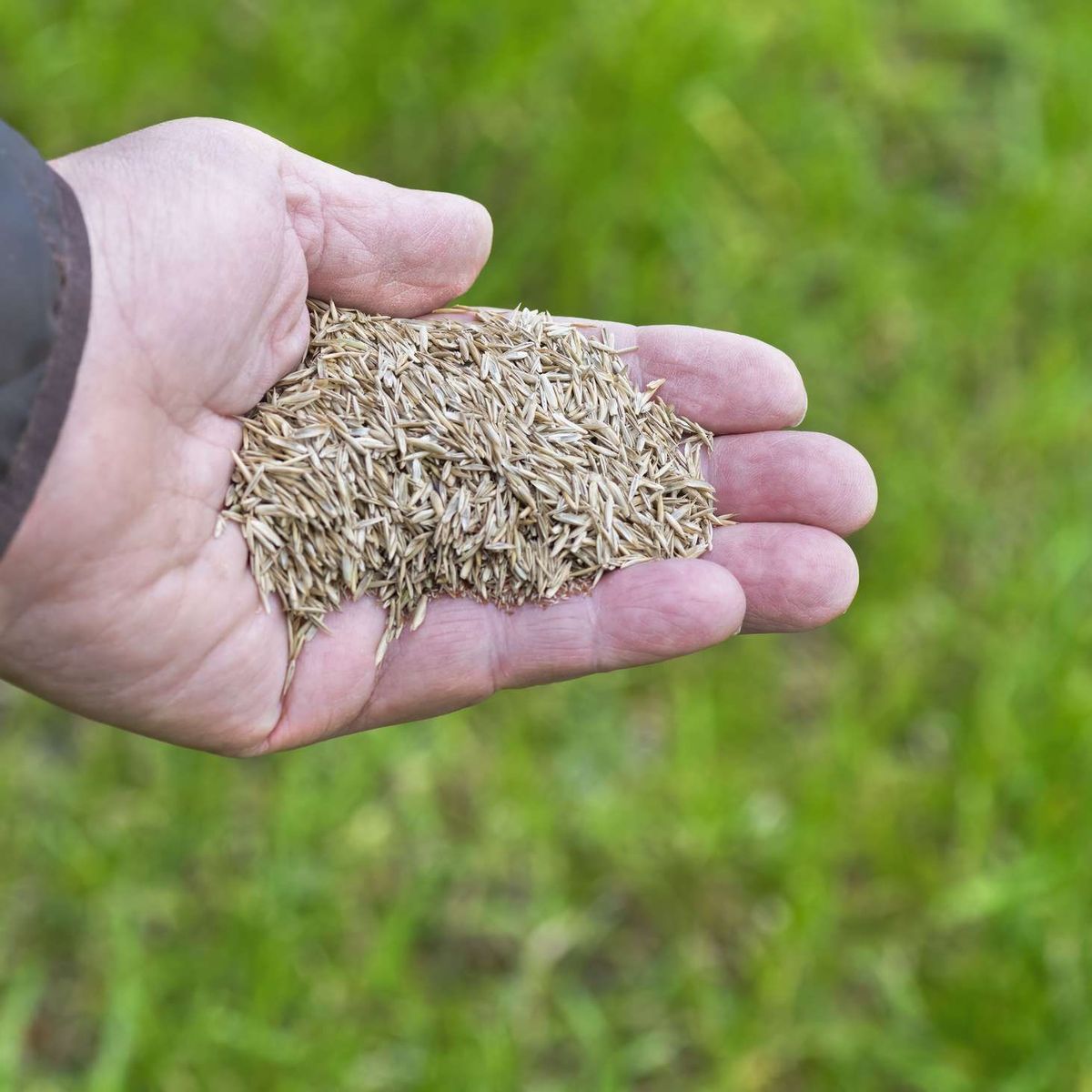
Before I talk about timing I want to explain why overseeding fails so often — because timing is only part of it. Most overseeding failures I see come from one or more of the same three mistakes.
Mistake one: seeding on unprepped surface. Grass seed needs contact with soil to germinate. Not thatch. Not dead organic matter. Actual soil. When you broadcast seed onto an unprepared lawn surface, a significant percentage of it lands on thatch, old clippings, and debris — material where it can’t make soil contact and won’t germinate. The seed that does reach soil often lands in the small gaps between existing grass plants where there’s competition for moisture and light from day one.
I see homeowners spread fifty dollars of quality seed on a lawn that hasn’t been aerated or dethatched and then wonder why nothing happened. The seed was fine. It just never had a chance to do what seed does because it was never in contact with what it needed. This is exactly why I always pair overseeding with core aeration — it’s the one prep step that solves the soil contact problem completely.
Mistake two: wrong timing. This is the big one and I’ll go deep on it below. Seeding too early in spring means the soil is still cold and germination is weak or delayed until conditions improve — by which point the window may have passed. Seeding too late in spring means seedlings are establishing during the hottest part of summer, which stresses them before they’ve rooted. Seeding in fall in Sudbury is a gamble that usually loses because our frost window is too tight for reliable establishment.
Mistake three: inconsistent watering after seeding. Grass seed that has begun germinating needs consistent surface moisture for the first two to three weeks. Not deep watering — the seedlings don’t have roots yet. Light frequent moisture to keep the top quarter inch of soil from drying out. Most homeowners water well for the first few days, get busy, skip a few days, come back, and find the germination that started has stalled or died. New seedlings are incredibly vulnerable to drying out. One dry spell of three or four days in the first two weeks after germination can kill everything that was just starting to come in.
All three of these are fixable. But fixing them starts with understanding the timing correctly, because getting the window right makes everything else easier.
The Exact Window — and Why It’s Shorter Than You Think
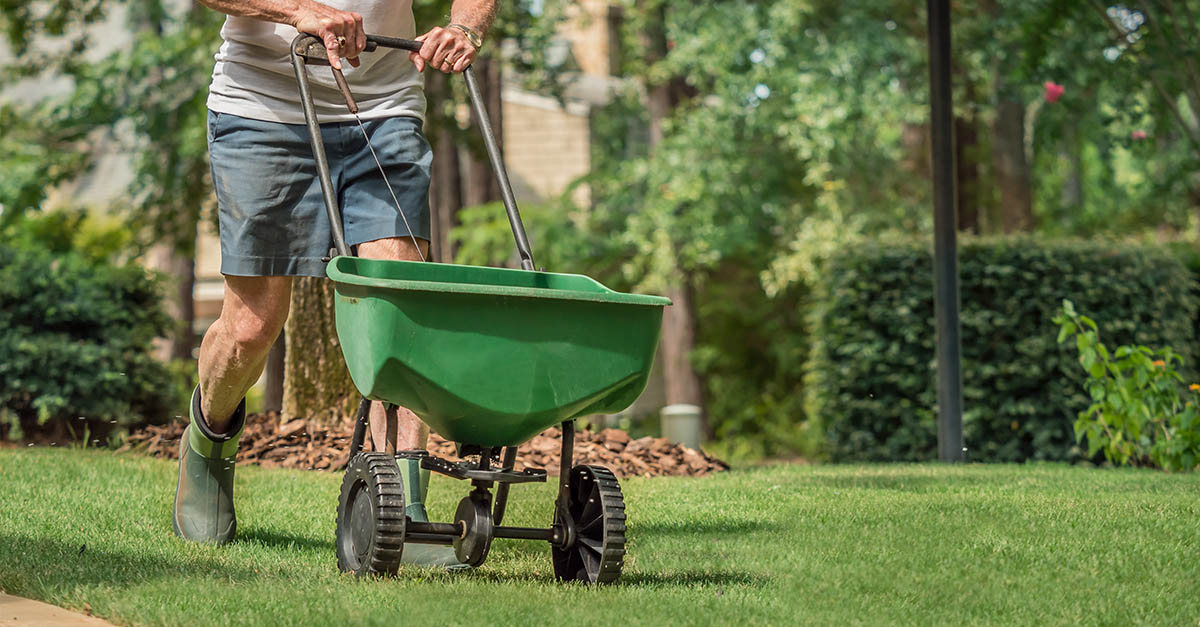
For Greater Sudbury, the overseeding window I target is late May to mid-June — specifically, roughly May 20 through June 10 in a typical year.
Here’s why those dates specifically.
Cool-season grass seed — the fescue, Kentucky bluegrass, and ryegrass mixes that perform in Sudbury — germinates best when soil temperature at one inch depth is consistently between 10 and 18 degrees Celsius. Below 10 degrees germination is slow and unreliable. Above 18 degrees the soil surface dries too quickly for seedlings to establish without intensive watering, and the heat stress on new seedlings accelerates.
In Greater Sudbury, soil temperature at one inch depth doesn’t consistently reach 10 degrees until around the third week of May in most years. Before that — even when the air temperature feels warm — the soil is still cold from winter and germination will be poor. Seeding in early May feels like the right time because it’s spring and things are growing, but the soil temperature data says otherwise. I’ve seen homeowners seed in the first week of May, get almost nothing for three weeks, and then see a little late germination in early June — by which point the window for good establishment is already narrowing.
The reason the window closes in mid-June is not that germination stops — it’s that the conditions for establishment get harder. New seedlings that germinate in late June are immediately facing July heat. Their root systems are only days old. They have no reserves, no depth, no ability to handle a hot dry stretch. A stretch of 30-degree days that a mature lawn handles without damage will kill seedlings that are two weeks old. I’ve watched excellent germination in late June turn into nothing by mid-July because the seedlings simply couldn’t survive their first summer heat exposure before they were established.
That gives you roughly three weeks of optimal window in most Sudbury years. Some years the spring is warmer and the window opens a few days earlier. Some years a cold May pushes it slightly later. But late May to June 10 is the target, and the closer you are to the centre of that window the better your results will be.
What to Do Before You Put a Single Seed Down
Surface preparation is what separates overseeding that works from overseeding that wastes your money. Here’s the sequence I follow on every property before a seed goes down.
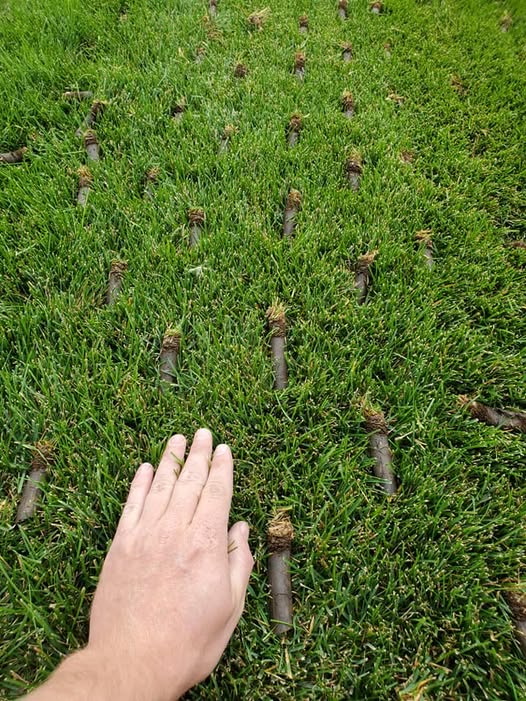
Aerate first. Core aeration before overseeding is the single highest-impact thing you can do to improve germination rates. The aeration holes create direct seed-to-soil contact points across the entire lawn — every hole is a pocket where seed lands in soil, not on thatch, and has protected moisture and direct root access from day one. Germination rates in aeration holes are dramatically higher than germination on an unprepared surface. On properties where I aerate before overseeding versus properties where I overseed without aeration, the difference in coverage is visible within three weeks. Aerate first. Every time. If you want to understand exactly what core aeration costs in Sudbury and what the process looks like, I broke it all down here.
Check the thatch layer. If your thatch is over an inch, power dethatch before aeration, not after. Aeration through a thick thatch layer produces shorter, less effective plugs because the tines are passing through organic material before they reach soil. Remove the heavy thatch first, then aerate, then seed. If your thatch is under an inch, aeration alone is sufficient — the plugs will break up the thatch naturally over the following weeks.
Cut the existing lawn short before seeding. Not scalped — but shorter than your normal maintenance height. Cut to about two inches before overseeding. This reduces the competition from existing grass for light in the days after germination, when new seedlings are tiny and need as much sun as they can get. Cutting short also helps the seed reach the soil surface more easily when it’s broadcast.
Don’t fertilize immediately before seeding. A standard nitrogen fertilizer applied right before overseeding pushes the existing grass into aggressive growth, which increases competition with your new seedlings. Use a starter fertilizer — lower nitrogen, higher phosphorus — applied at the same time as seeding. Phosphorus supports root development, which is exactly what new seedlings need in their first weeks.
How to Overseed Properly — The Sequence That Actually Works
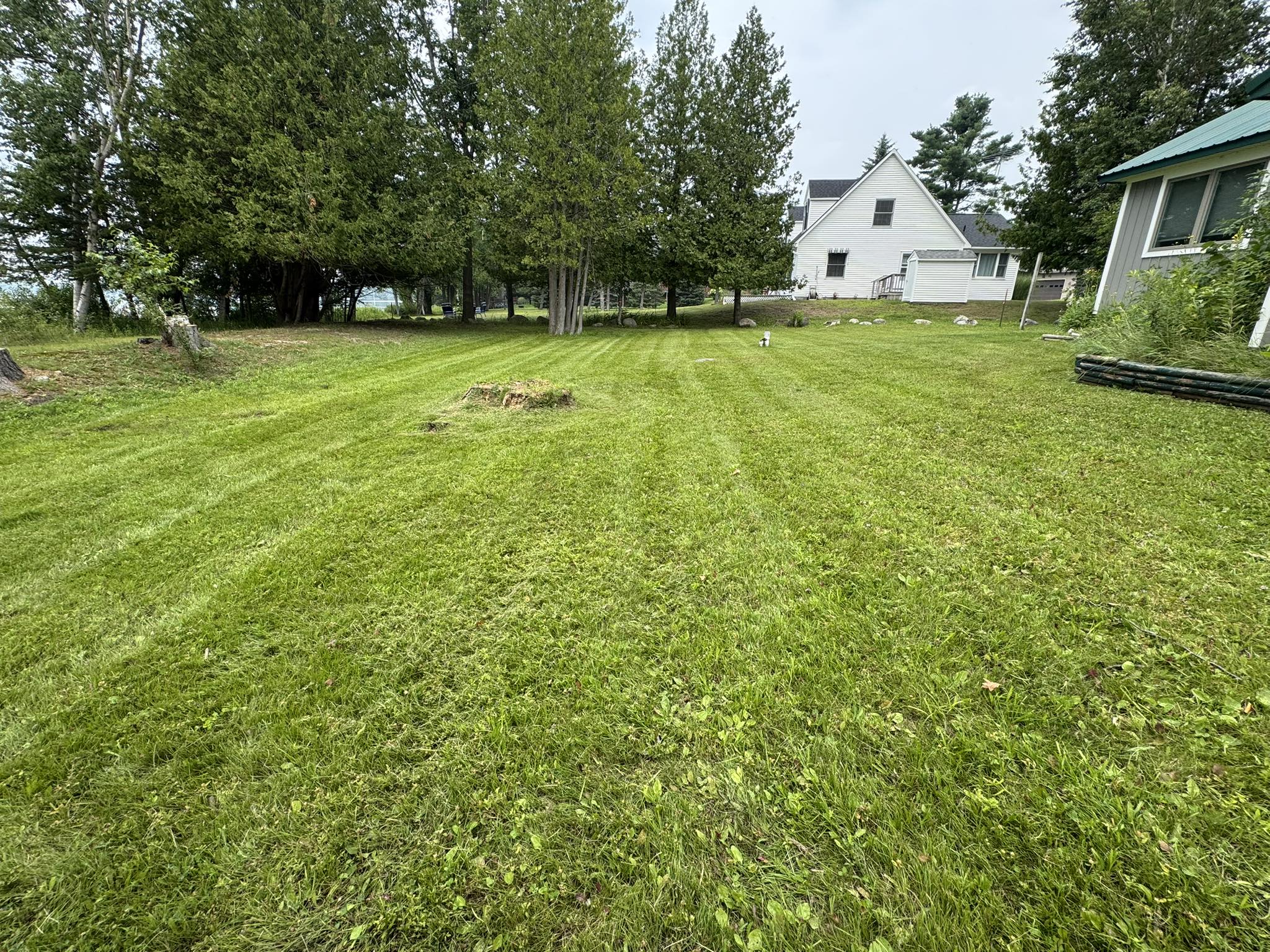
Seed selection matters for this climate. For Greater Sudbury I use mixes that are heavy on creeping red fescue and chewings fescue, with some Kentucky bluegrass for recovery and spreading ability. Pure ryegrass mixes germinate fast — which looks impressive — but ryegrass doesn’t have the winter hardiness or drought tolerance for Sudbury summers and winters. It comes in strong and declines fast. A fescue-dominant mix with bluegrass takes a few more days to germinate but the lawn it produces handles our climate significantly better over multiple seasons. If you’re unsure whether overseeding is the right call or whether your lawn needs a full sod installation instead, here’s how I think through that decision.
Seed rate for overseeding vs new lawn. For overseeding an existing lawn, I use about three to four pounds of seed per 1,000 square feet — roughly double the rate on the bag recommendation. The bag rate is written for ideal conditions. Overseeding a real lawn with competition from existing plants means you need more seed to get the coverage you want. For bare patches specifically, go heavier — five to six pounds per 1,000 square feet on areas with no existing grass.
Broadcast in two passes at right angles. Half the seed going north-south, half going east-west. This gives you the most even coverage and avoids the streaky germination pattern that comes from a single-direction spread.
Rake lightly after seeding. Not deep raking — a light pass with a leaf rake to work seed into the surface and improve soil contact. You want the seed pressed against or slightly into the soil, not sitting on top of it where it can dry out or blow away.
Water immediately and consistently for three weeks. Right after seeding, water the entire area until the soil surface is visibly moist. For the following three weeks — until germination is well established — water lightly once or twice per day in the morning, enough to keep the top quarter inch of soil from drying out. Not deep watering. Frequent light moisture. Once you see consistent germination across the seeded area and the new grass is about an inch tall, you can shift to the normal deep weekly watering schedule.
First cut of new grass at three and a half inches. Wait until new grass is at least three inches tall before the first cut. Cut high — three and a half inches — and make sure your mower blade is sharp. A dull blade tears rather than cuts, which can pull young seedlings out of the ground before they’re rooted. After the first cut, maintain at three inches through the rest of the season.
Done in the right window with the right prep, overseeding in Sudbury produces visible results within three weeks and a noticeably thicker, more even lawn by the end of the same season. Miss the window by even two or three weeks and the same inputs produce a fraction of the result.
If you want me to come out and do the aeration and overseeding properly this season — or if you just want to walk the property and figure out what your lawn actually needs — give me a call. The window is open right now.
📞 705-507-6787 | Get a free quote online
— Ryan Lingenfelter
Owner, Cutting Edge Lawn & Landscaping
Garson, Ontario · 705-507-6787
