

Every spring, most Sudbury homeowners do roughly the same thing with their lawn — whatever they did last spring. They repeat the sequence. Maybe they adjust a little based on what happened over winter, but the basic approach is a continuation of the previous year’s approach rather than a fresh evaluation of what this year actually needs.
I understand why. The seasonal routine feels like the right thing — it was fine before, it’ll probably be fine again. Changing it requires thinking it through, and thinking it through requires time and a specific kind of attention that’s easy to defer when the snow has just melted and there are twelve other things to manage.
But there’s a question that, if asked at the start of every growing season, changes the quality of everything that follows. Not a complicated question. Not one that requires expertise to answer. Just the right question, asked at the right time, honestly.
Here it is: “What did this lawn actually need last year that it didn’t get?”
What the Question Actually Is

The question is a backwards-looking one, which is what makes it different from the questions most homeowners are asking in spring. Most spring lawn questions look forward: what should I do this year? What services do I need? When should I aerate?
Those are useful questions. But they’re answerable in generic terms — general timing guidance, standard service recommendations, reasonable defaults for a Sudbury property in spring. The forward-looking questions don’t require last year to be specifically understood.
The backwards-looking question — what did this lawn actually need last year that it didn’t get — requires something different. It requires knowing what happened. What the lawn looked like through the summer. Where it struggled. What recovered and what didn’t. What you tried and what didn’t work the way you expected. What you planned to do and then didn’t get to.
The answer to that question is the most specific and accurate lawn care information you have access to, and it’s information that only exists because you lived with this specific property through the previous season. No one else has it. I can probe the soil and assess the surface, but I can’t tell you that the back corner started thinning in late June, or that the section near the fence went brown faster than everywhere else despite receiving the same water, or that the aeration you booked for May was too early because the ground was still wet and the plugs came out muddy.
You know those things. The question makes you use them.
Why Nobody Asks It — The Default Mode Most Homeowners Are Stuck In
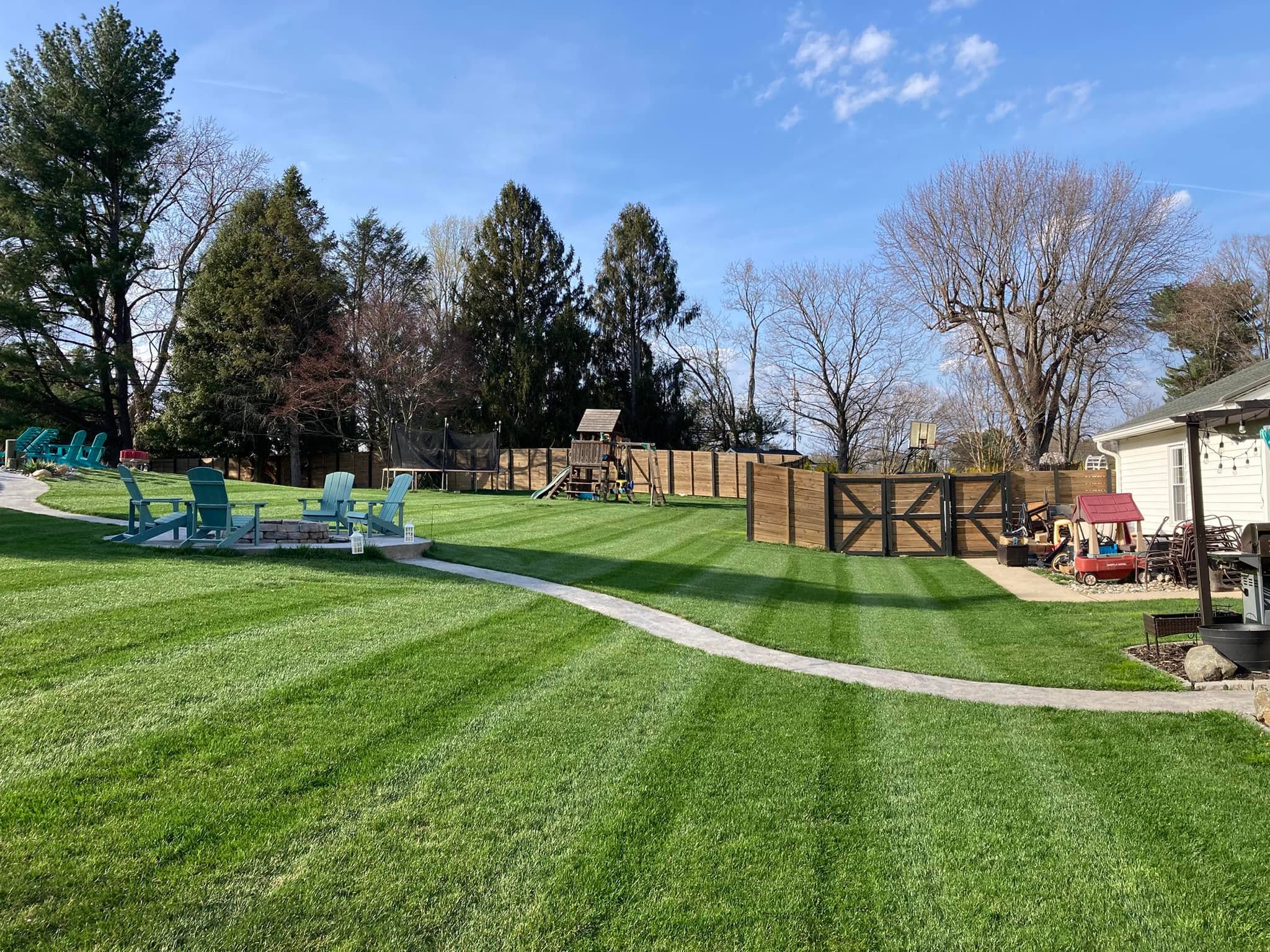
The reason this question doesn’t get asked isn’t that homeowners don’t care about their lawns. Most of the people I work with care significantly. It’s that the way we tend to approach seasonal routines is additive rather than evaluative — we add new things to the list when something goes wrong, but we don’t regularly step back and ask whether the list itself is right.
The default mode is: spring arrives, the lawn needs attention, we do what we did before plus or minus whatever was most noticeable in the way things went sideways. The section that went brown badly last August gets more watering this year. The area where the seed didn’t take gets seeded again in fall. The hedge that got too long gets trimmed earlier. Adjustments are made at the margin, in response to specific failures, without asking whether the overall approach is correctly matched to what the property actually needs.
I made exactly this kind of mistake in my first years — repeating patterns without evaluating them honestly. I wrote about some of those mistakes in the 47 mistakes piece. Several of them persisted longer than they should have because I was in the same default mode — doing what I did before, adjusting at the margin when things went noticeably wrong, not stopping to ask whether the approach itself needed to be different.
The backwards-looking question breaks that mode. It forces a genuine evaluation rather than a marginal adjustment. And on a Sudbury property — where the conditions are specific enough that the right approach for this year may be genuinely different from last year based on what the previous season revealed — that evaluation is worth making explicitly rather than leaving it to the cumulative drift of year-by-year adjustments.
The Three Versions of the Answer — and What Each One Changes
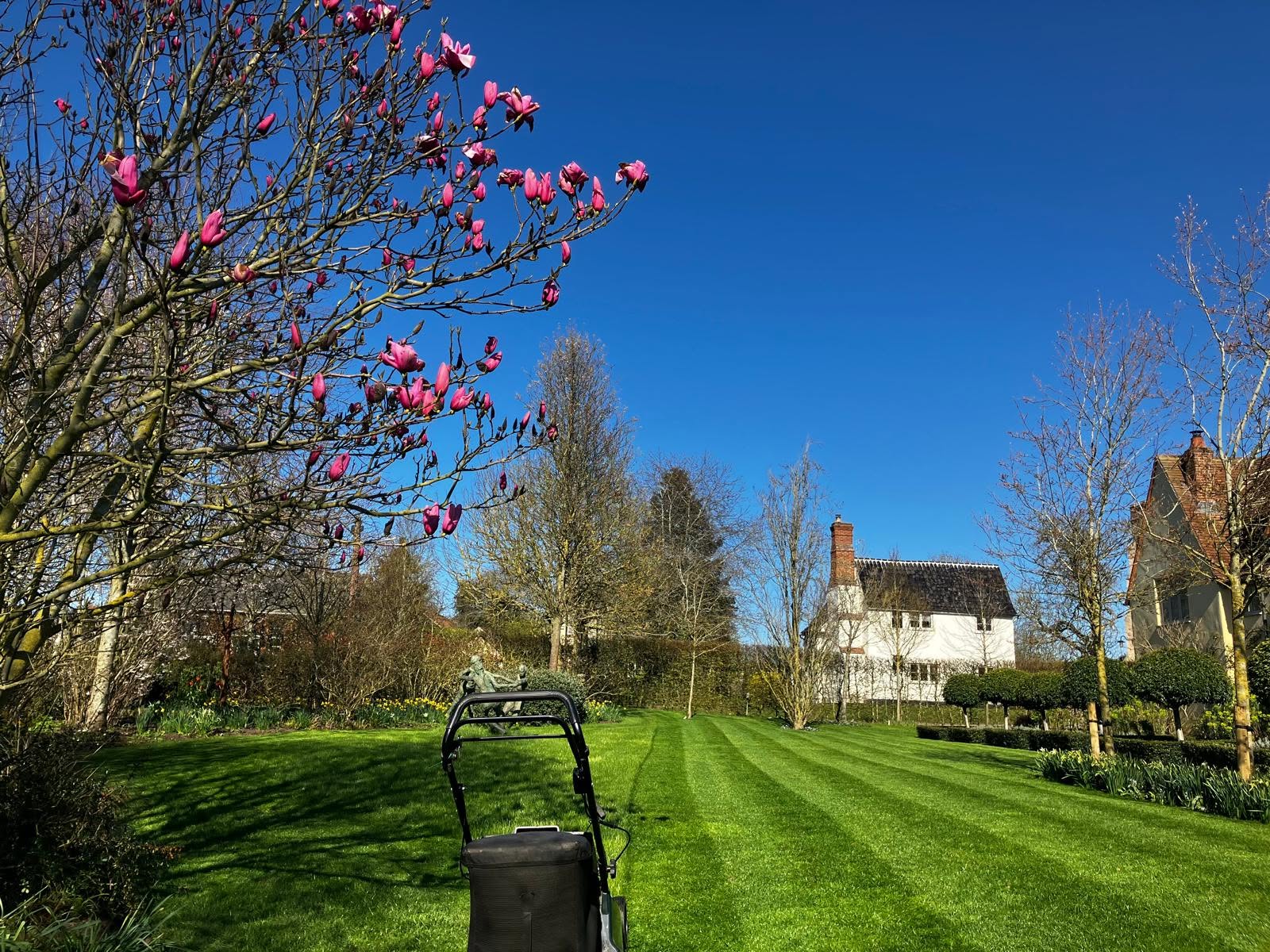
When I walk a property in spring and ask the homeowner what their lawn actually needed last year that it didn’t get, the answers cluster into three categories. Each one changes what the season’s priorities should be.
Answer Version One: “It needed water” — or “It needed better watering”
This is the most common answer, and the most important follow-up question to it is: why didn’t it get the water it needed?
Sometimes the answer is simple — there was an unusually dry stretch and they didn’t water enough. But more often, the “needed better watering” answer traces back to either a timer that was set wrong for the season (something I described in detail in the sprinkler timer piece) or to shallow roots that exhausted available moisture too quickly because the watering approach had been training roots to stay near the surface.
If last year’s answer is “needed water,” this year’s priority isn’t just “water more.” It’s understanding why the watering wasn’t adequate — because the same conditions that produced the drought stress last year will produce it again unless the root depth situation or the watering schedule is corrected. Watering more without fixing shallow roots just means watering more often for the same marginal result.
For properties where this is the answer, the first-season priority is core aeration in the right June window to open the soil for deeper root penetration, combined with a shift to deep infrequent watering to encourage roots downward rather than keeping them at the surface.
Answer Version Two: “It needed earlier attention” — or “I was always a week behind”
This answer usually describes a season where things kept getting ahead of the homeowner — grass that got too long between mows, a cleanup that didn’t happen until after leaves were frozen into the surface, seeding that got pushed back until too late in fall to establish properly.
The surface problem here looks like scheduling or time management. But the underlying issue is often that the approach requires more active management than the homeowner can reliably sustain — more frequent intervention, more specific timing, more decisions to make. The right fix isn’t just trying harder to be on time. It’s structuring the season so that the most time-sensitive things happen automatically or with professional help, and the things that can tolerate more flexibility are handled at whatever pace works.
For homeowners in this category, the question is which things actually have to happen at specific times and which don’t. Aeration timing is specific — miss the window and the benefit drops significantly, as I described in the 7 days in June article. Mowing frequency is more flexible — it matters, but the consequences of being off by a week are much smaller than the consequences of aerating in early May versus late May. Structuring the season around what’s genuinely time-critical versus what’s flexible produces a more manageable plan and better outcomes than treating everything as equally urgent.
Answer Version Three: “I don’t know — I didn’t really track it”
This is the most honest version of the answer, and in some ways the most useful. It means last year’s approach was on automatic — done by habit without specific attention to what was working and what wasn’t. And it means this year’s starting point is genuinely unclear, which is better to acknowledge upfront than to pretend otherwise.
For properties where the answer is “I don’t know,” the first-season priority is building the observation habit — the five-check walk I described in the reading a lawn like a pro article — so that next year’s answer to the backwards-looking question is specific rather than vague. You can’t optimize for what you’re not tracking. The first year of paying attention is often the most valuable year, not because you change everything, but because you develop the baseline that makes the following years’ decisions actually data-driven rather than habitual.
Making the Question a Habit — What Annual Reflection Actually Produces
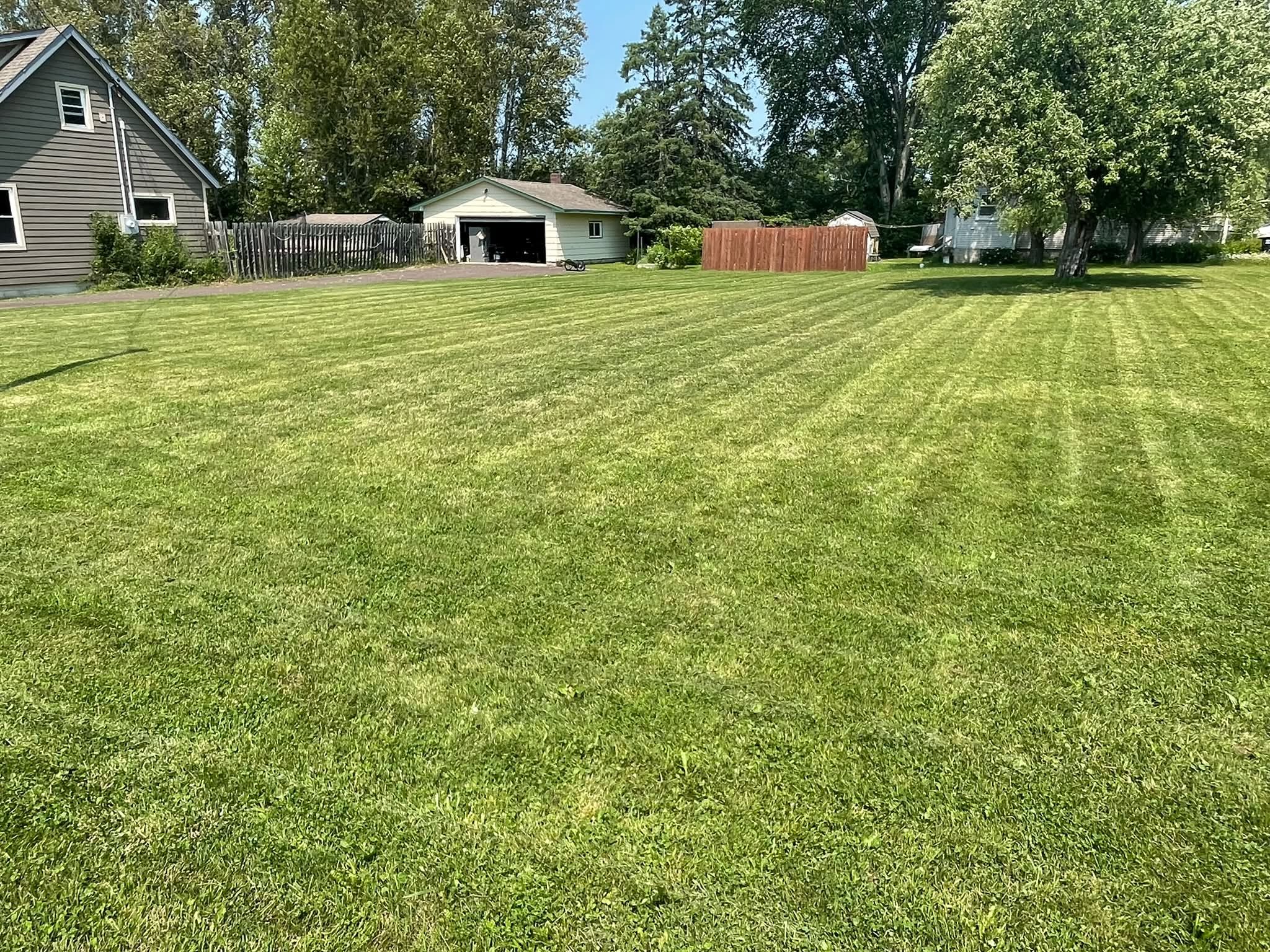
The compounding effect of asking this question every spring, honestly, is significant — and it’s the kind of compounding that produces the lawns I described in the lawns next door piece that look visibly better than adjacent properties after seven years of doing roughly the right things consistently.
Year one of asking the question: you identify the one or two things that most specifically held the lawn back last season. Those things get prioritized this season. The improvements they produce are noticeable but not dramatic.
Year three of asking the question: the most significant problems have been addressed. The lawn’s baseline is meaningfully better than year one. The question this year reveals smaller, more specific gaps — a section that needs topsoil, a drainage adjustment in one area, a timing refinement in the fall prep sequence. Each year’s answer is more specific because each year’s problems are more specific.
Year seven: the backwards-looking question mostly confirms that last year went well. The gaps are small. The maintenance is increasingly about maintaining what’s working rather than correcting what isn’t. The lawn that looked rough in year one looks like the neighbour’s lawn that everyone wonders about in year seven.
That trajectory — from rough to genuinely good over several years — is what the annual question produces when it’s asked honestly and the answer actually shapes the season’s priorities. It’s not a dramatic transformation. It’s the result of consistently doing the right things for the specific property, in the right sequence, based on what the previous year actually revealed rather than what a generic spring checklist assumes.
I’ve written about the long-term view of property care in the 15-year planning piece for young homeowners. The annual question is the mechanism that makes that long-term trajectory actually work — the thing that keeps the approach calibrated to reality rather than drifting on autopilot.
For homeowners who leave for winter — snowbirds who are only back for the growing season — the question takes a slightly different form: what did I come back to this spring that tells me what the lawn needed last fall before I left? The snowbird lawn care piece covers what to look for on return, and the answer to that assessment is the backwards-looking question for that specific situation.
Ask It Now — Before the Season Gets Away From You
I’m writing this in early July 2026. For most Sudbury properties, about six weeks of the growing season have passed. Which means the backwards-looking question for this season is partially answerable right now — not at the end of the season, but based on what has already happened in May and June.
What did your lawn actually need in May and June that it didn’t get? Was the aeration booked in the right window or did it happen too early when the soil was still wet? Did the section that always struggles look better or worse than last spring? Did the seeding from fall establish or did it fail again?
Those answers, available right now from the first weeks of the season, are the most specific lawn care information you have access to. And the most useful thing you can do with them is let them shape what happens next — in July, in September, in October — rather than saving the reflection for next spring when the details are less clear.
If the answer to the question is “I’m not sure what went wrong or how to address it” — that’s what a property walk is for. I can come out, look at what the season has produced so far, and tell you what I see. The conversation is free. The information is specific to your property. And it’s significantly more useful than any generic spring checklist.
For everything we do across the season, the complete service breakdown covers it all.
Call or text: 705-507-6787
Or fill out the free quote form on the site.
We cover Garson, Val Caron, Hanmer, Lively, Chelmsford, Azilda, Capreol, and surrounding areas.
— Ryan Lingenfelter
Cutting Edge Lawn & Landscaping
Garson, Ontario
705-507-6787
