
Every September and October, a portion of my customer base starts having the same conversation with me — a version of it, anyway. It goes roughly like this.
“We’re heading south in early November. We’ll be back sometime in April. What do we do with the lawn?”
Sudbury has a meaningful snowbird population. People who’ve spent their working years here, retired, and now split their time between the winters they grew up with and somewhere warmer that doesn’t require a snow blower. They’re often the most conscientious property owners I work with — they care about maintaining what they’ve built, they just can’t be here to do it themselves for five months of the year.
The lawn question is real and the answer has specific parts. Here’s the full version of what I tell them.
Why the Lawn You Leave in November Is Not the Lawn You Come Back To
I want to start with the honest framing, because I think it helps snowbirds make better decisions about what to prioritize before they leave.
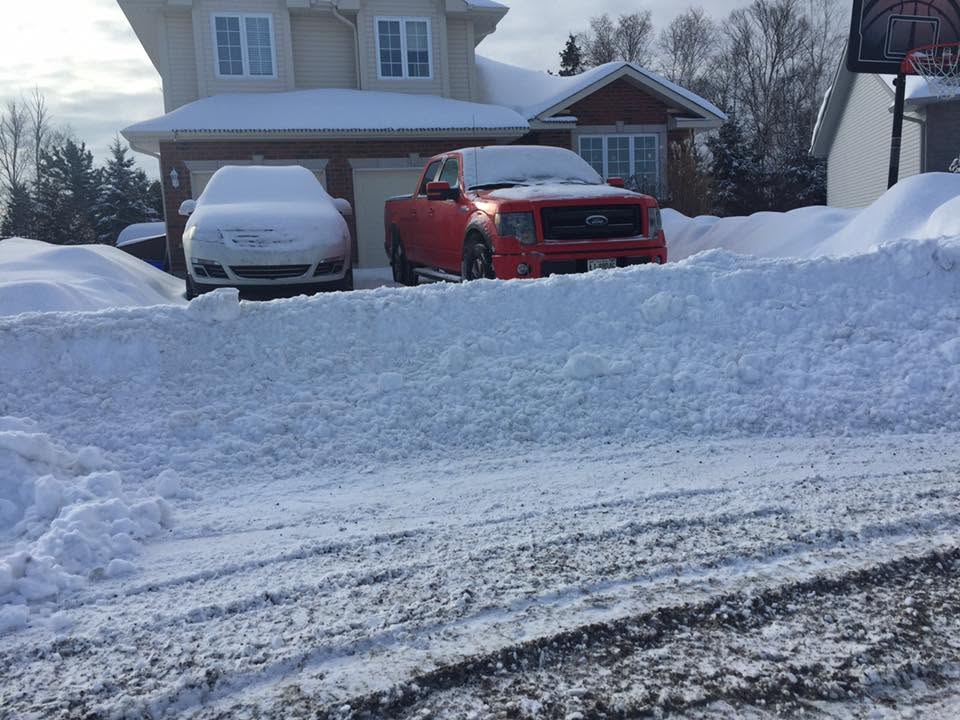
A Sudbury lawn between November and April goes through a lot. Snow load — and Sudbury gets significant snow load — compresses the grass surface for months. Freeze-thaw cycles in late winter and early spring heave the soil, disrupt surface grass plants, and create the conditions for snow mould development. Any debris, leaves, or long grass that goes into winter under the snow creates exactly the damp, airless environment that snow mould fungus thrives in.
When you come back in April, the lawn will look different from when you left. That’s not negotiable — it’s just what a Sudbury winter does, and it happens to every property regardless of whether the owners are here or in Florida. The difference between a lawn that needs a normal spring recovery and one that needs significant intervention is almost entirely determined by the condition it went into winter in.
That’s what makes the pre-departure work important. You can’t control what the winter does. You can control what you leave for the winter to work with.
The Pre-Departure Checklist — What Has to Happen Before You Lock the Door
Here’s what I tell every snowbird customer needs to happen before they leave, in order of priority.
Leaf Removal — All of It
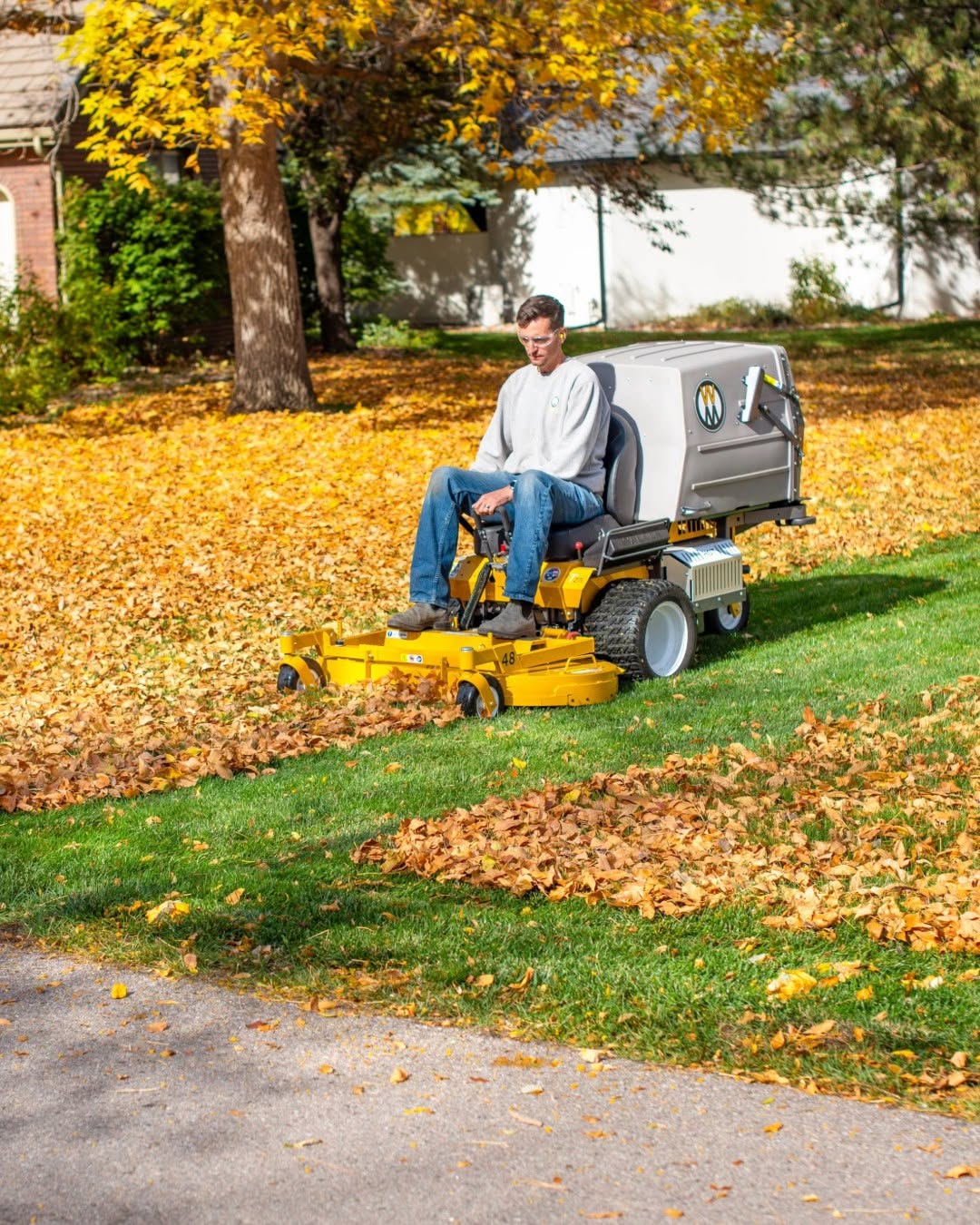
This is the most important pre-departure task, and the one that has the biggest impact on what the lawn looks like in April. Leaves left on a Sudbury lawn over winter create a mat under the snow that’s the primary driver of snow mould damage. A thick mat of leaves — wet, frozen, sitting directly on the grass for five months — creates the worst possible conditions for the grass underneath it.
The timing challenge for snowbirds is real: if you leave in early November, some trees may not have finished dropping by then. The practical solution is a final leaf removal pass as close to your departure date as possible, even if it’s not every last leaf. Getting 90 percent of the leaves off in late October before you leave is dramatically better than leaving them all and hoping a neighbour handles it.
I’ve written about exactly what happens when fall cleanup gets skipped in the article on fall cleanup consequences. For snowbirds, that article is worth reading before you book your departure flight — it gives you a clear picture of what you’re coming back to if the cleanup doesn’t happen.
The Final Mow at the Right Height
The last mow of the season needs to bring the lawn down to 2.5 to 3 inches. Not lower — shorter grass heading into winter loses the crown protection that taller grass provides. Not higher — long grass mats under snow, creates the same snow mould conditions as leaves, and takes longer to dry out in spring.
For snowbirds leaving in early November, timing the final mow can be tricky because the grass may still be growing slowly in October. The approach I recommend: do a final mow in the last week of October or very early November, as close to departure as the weather allows, aiming for 2.5 to 3 inches. If the grass grows another half inch before it fully goes dormant, that’s fine — the goal is to avoid going into winter at 5 or 6 inches.
Fall Fertilizer — This One Is Worth Doing Even If You’re Leaving
Fall fertilizer applied in late September to mid-October feeds the root system while soil temperatures are still warm enough for uptake. The nutrients help the lawn build the carbohydrate reserves it needs to survive winter and green up quickly in spring — and those benefits carry through whether you’re here to see them or not.
This is the one pre-departure task that needs to happen earlier than your departure date — ideally late September, well before a November departure. If you’re leaving in early November and it’s already mid-October, you may still have a short window. I’d rather apply it a little late than skip it entirely, but late September is the target.
The full breakdown of what fall fertilizer does and when to apply it in Sudbury is in the October prep article — that’s the most complete guide to the fall sequence I’ve written and it applies directly to snowbird pre-departure planning.
Clear the Lawn Surface of Anything That Shouldn’t Winter There
Hoses, lawn furniture, toys, decorations, anything sitting on the grass — all of it needs to come off the lawn before you leave. Objects sitting on grass over winter kill the grass underneath them. A lawn chair left on the lawn from October to April will produce a dead patch in that exact shape when you come back. This sounds obvious but I see it every spring on properties where owners have been away — objects they forgot about or didn’t get to before leaving, sitting in dead grass patches in April.
Address Any Known Bare Patches Before Departure — or Accept That They’ll Be Worse
If you have bare patches going into November, those bare patches will be more vulnerable over winter than grass-covered sections. Bare soil has no insulation from the grass plant, is more susceptible to freeze-thaw heaving, and is prime real estate for weed seeds to establish in spring before you get back to address it.
The seeding window closes around mid-October in Sudbury, so if you’re reading this in late September or early October and you have bare patches, that’s still a window to get seed down. Do it before you leave rather than leaving bare soil for five months. If you’re past mid-October, the seeding window is likely closed — in that case, at minimum put a light covering of straw over the bare areas to protect the soil surface through winter.
What to Arrange While You’re Gone

The lawn itself doesn’t need active maintenance between November and April in Sudbury — it’s dormant under snow. But there are two things worth arranging before you leave.
Someone to Check for Ice Sheeting in Late Winter
In late February and March in Sudbury, freeze-thaw cycles can create ice sheets on lawns — water from early snowmelt that refreezes overnight as a solid layer on the grass surface. Grass trapped under a solid ice sheet for more than about 30 days can suffocate. It’s not a common problem on all properties, but on lower-lying sections or areas where water tends to pool, it can happen.
If you have a neighbour or friend who’s checking on the property anyway, ask them to look for significant ice sheeting in late February or early March. If there’s a solid ice sheet in a low spot, carefully making drainage channels in the ice — not removing it entirely, just giving the water somewhere to flow — can prevent extended suffocation damage. This is a niche problem, but for properties with known drainage low spots, it’s worth mentioning.
Someone Available in April When You Get Back
When you return in April, the lawn will need assessment before anything else. Having someone you trust who can walk the property with you in the first few days back — or who can walk it before you arrive and give you a report — means you can plan the spring work before you’re standing in the yard feeling overwhelmed by what you’re looking at.
That’s a call I’m happy to take. If you’re a snowbird and you want me to do a spring assessment on your property in April — either before you arrive or shortly after — I can walk it, tell you what winter did to it, and give you a specific plan for what needs to happen and in what order. That kind of phone-ahead arrangement is something I’ve done with several repeat customers who spend winters away.
Coming Back in April — What to Expect and What Not to Panic About
When you pull into the driveway after five months away, the lawn is almost certainly going to look worse than when you left. Here’s how to read what you’re seeing without panicking.
The Matted Pale Sections — Usually Snow Mould
Circular, bleached, matted patches of grass are almost always snow mould. If the pre-departure cleanup happened properly — leaves off, right mow height — snow mould patches will be smaller and less numerous than if it didn’t. Either way, most snow mould is less severe than it looks in April. Rake the affected areas firmly to break up the mat and improve airflow. In most cases, the grass underneath is dormant but alive, and the patches will fill in within a few weeks once the weather warms. I’ve written a detailed guide to reading winter lawn damage — that article will walk you through exactly what you’re looking at.
The Uneven, Bumpy Surface — Usually Frost Heaving
If the lawn surface looks more uneven than you left it — small bumps and ridges, areas where the turf has lifted slightly — that’s frost heaving from the freeze-thaw cycles over winter. Minor heaving settles on its own as the soil warms. Significant heaving that’s created noticeably bumpy areas benefits from a light rolling with a lawn roller in early spring when the soil is moist but not saturated.
Patches That Pull Up Like Carpet — Check for Grubs Before Doing Anything
If any sections lift when you pull gently — detached from the soil underneath, coming up with almost no resistance — don’t assume it’s weather damage and reseed or sod. Pull back a piece and look underneath. If you find pale C-shaped grubs, that’s a grub damage situation and the repair needs to account for grub treatment before anything else goes down. Reseeding or sodding over an active grub population produces the same result the following spring.
The General Slowness — Normal
Sudbury lawns in April green up slowly. The soil is still cold from winter, and the grass won’t actively grow until soil temperatures rise. If you come back in early April and the lawn looks brown and dormant, that’s not damage — that’s spring in Sudbury. Give it until late May before you assess what’s dead versus what’s just dormant.
For the full step-by-step of what spring recovery looks like — assessment, raking, aeration, overseeding in the right window — the winter recovery guide covers it in detail. That’s the article to read in April when you’re standing in the yard deciding what to do next.
The Snowbird-Specific Service I Offer
For customers who leave Sudbury for the winter, I offer a specific pre-departure service in October — fall cleanup, final mow at the right height, and a walk of the property to flag anything that should be addressed before departure — and a spring return service in May that includes the full assessment, cleanup, aeration, and overseeding in the right window.
These two bookends — handled properly on both ends — are what protect a property during a five-month absence. The winter itself is beyond anyone’s control. What happens right before and right after is entirely manageable with the right plan.
A lot of my snowbird customers are also the homeowners I’ve written about in the piece on lawn care on a fixed income — retired folks who care about the property but want their money going to the things that actually matter rather than a comprehensive service program they don’t need. The pre-departure and spring return arrangement is exactly that: the two things that actually matter, without the rest.
For everything we do across the full service range, the complete service breakdown covers it all.
If you’re a Sudbury snowbird and you want to sort out the lawn before you leave this fall — or if you’ve just come back and you’re looking at an April lawn that needs some help — call me.
Call or text: 705-507-6787
Or fill out the free quote form on the site.
We cover Garson, Val Caron, Hanmer, Lively, Chelmsford, Azilda, Capreol, and surrounding areas.
— Ryan Lingenfelter
Cutting Edge Lawn & Landscaping
Garson, Ontario
705-507-6787
