
Every spring, within the first few weeks of doing assessments and cleanups across Greater Sudbury, I see a version of the same thing.
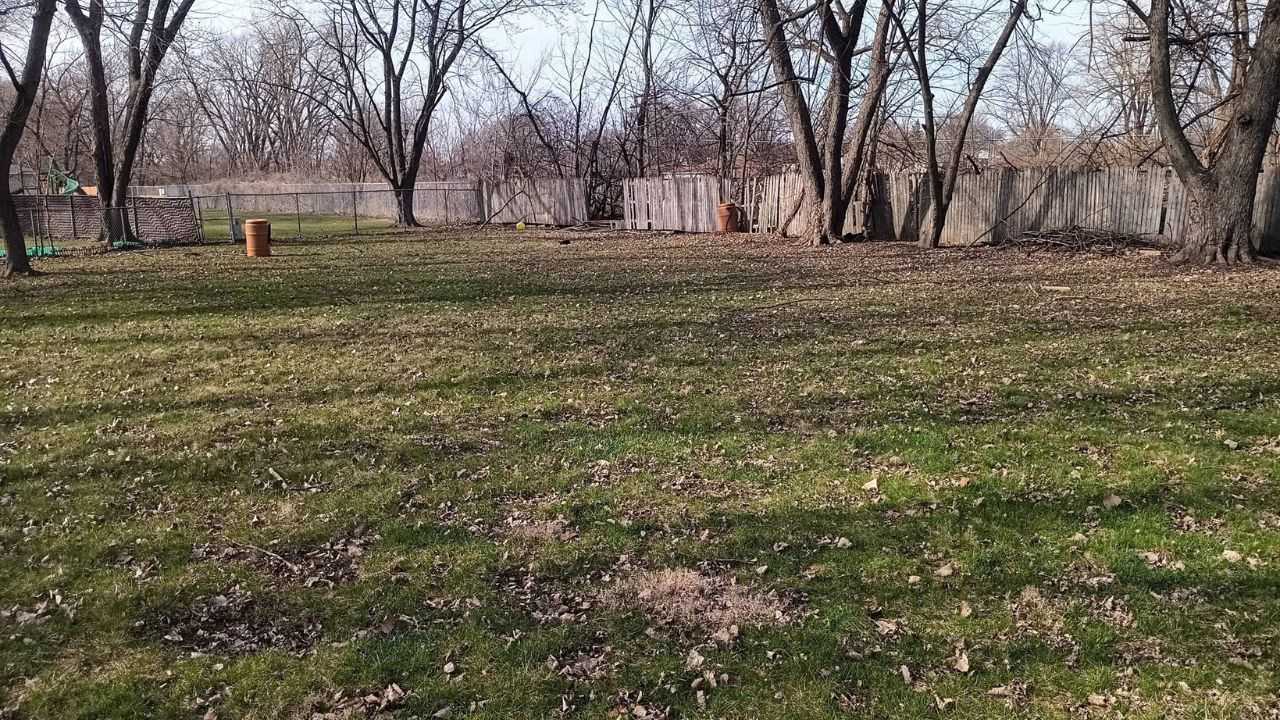
A homeowner walks me to their backyard and I can already tell, before they say a word, that fall cleanup didn’t happen last year. The lawn tells the story clearly — matted, pale sections where leaves sat all winter, thick thatch buildup that didn’t get raked out, grass that’s slow to green up even in the sections that aren’t visibly damaged. Sometimes there are still leaves frozen into the lawn surface from the previous October, now thawed out and decomposing into the grass.
The homeowner usually says something like: “It was a busy fall. We kept meaning to get to it.”
And I understand that. Fall is busy. The weather turns fast in Sudbury. One week it’s reasonable to be outside working on the yard, the next week there’s frost, and suddenly it feels like the window has passed. I’ve had my own falls where certain things didn’t get done the way they should have.
But I’ve also been walking Sudbury properties every spring for years, and I’ve seen enough of what skipping fall cleanup looks like by May that I want to lay it out clearly — not to make anyone feel bad about last year, but because I think people genuinely underestimate how much carries forward.
The Property That Made Me Start Writing This Down
There’s one property in particular that I keep coming back to when I think about this.
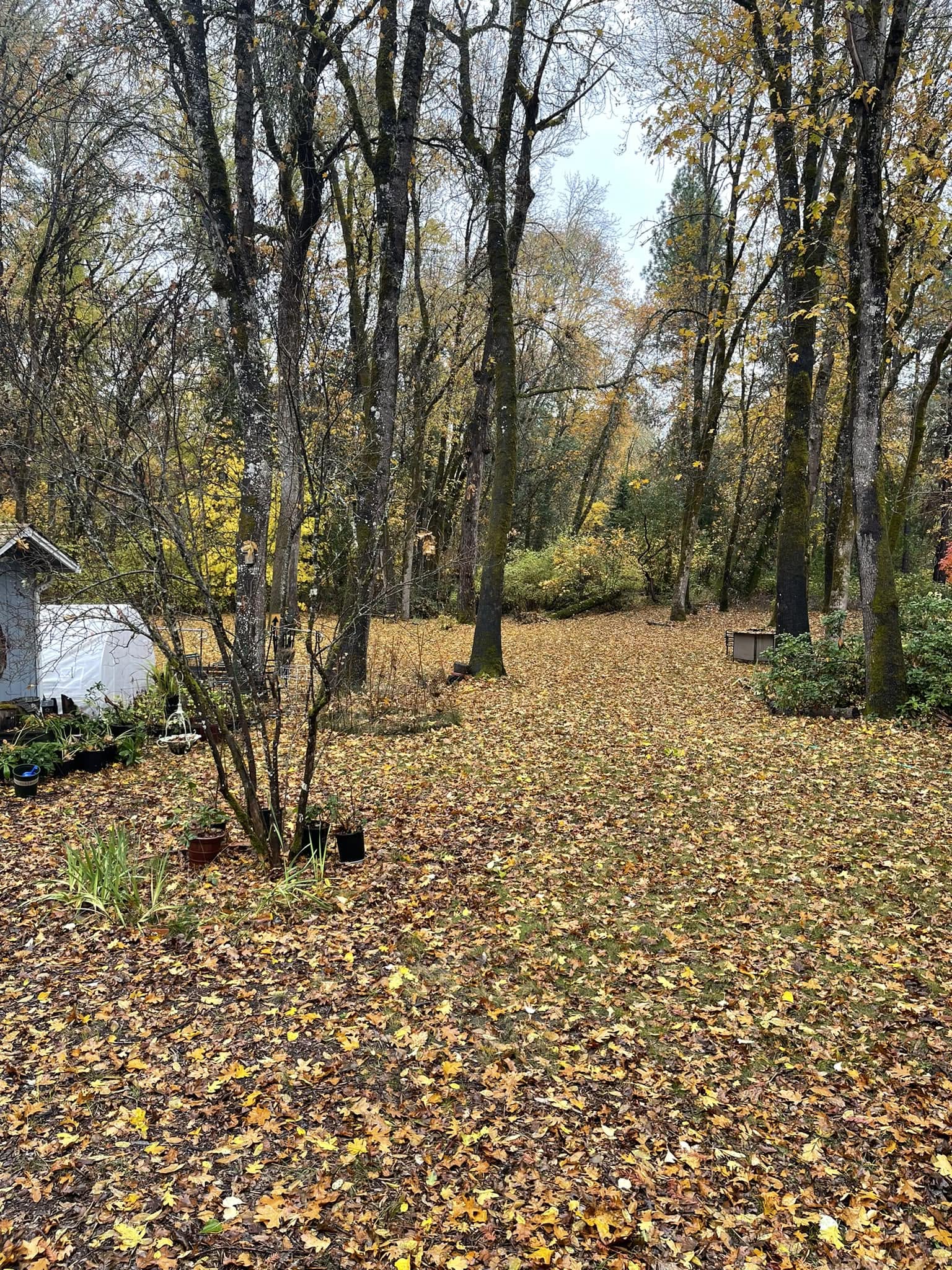
A homeowner in Hanmer called me in mid-May a couple of years ago. He’d bought the house the previous summer — the previous owners had moved out in September and let the property go completely through the fall. No cleanup, no final mow, no leaf removal. The house sat empty through October and November with the lawn untouched, and then snow came and covered all of it.
When I got there in May, it was one of the worse spring lawns I’d seen in a while. Not because the lawn had been bad to begin with — by all accounts it had been reasonable before the previous owners left. But five months under snow, on top of a full layer of unraked leaves and long grass that hadn’t had a final mow, had done real damage.
Snow mould across roughly 60 percent of the lawn — large, overlapping patches of matted, bleached grass that in the worst areas had killed the crowns completely, not just damaged the blades. Thatch so thick in places that water was sheeting off the surface instead of penetrating. And underneath all of it, sections where the grass had simply suffocated under the combined weight of leaves and heavy snow and hadn’t come back at all.
That property needed a full spring intervention — aggressive raking, aeration, overseeding across large sections, and in the worst areas, sod patching. The cost and effort of all of that significantly exceeded what a proper fall cleanup would have cost the previous September.
That’s the version of this story that’s stayed with me. But I see smaller versions of it every spring, on properties where the fall cleanup was partial or skipped for a year, and the consequences are more moderate but still real.
What Skipping Fall Cleanup Actually Does to a Sudbury Lawn
Let me walk through the specific mechanisms — what actually happens when fall cleanup is skipped and why Sudbury conditions make each of them worse than they’d be in most of Ontario.
Leaf Matting and Snow Mould
This is the most direct and most common consequence. When leaves sit on a Sudbury lawn and snow falls on top of them, you get a compressed layer of wet organic material sitting directly on the grass surface for four to five months. That environment — dark, damp, no airflow — is exactly what snow mould fungus needs to develop.
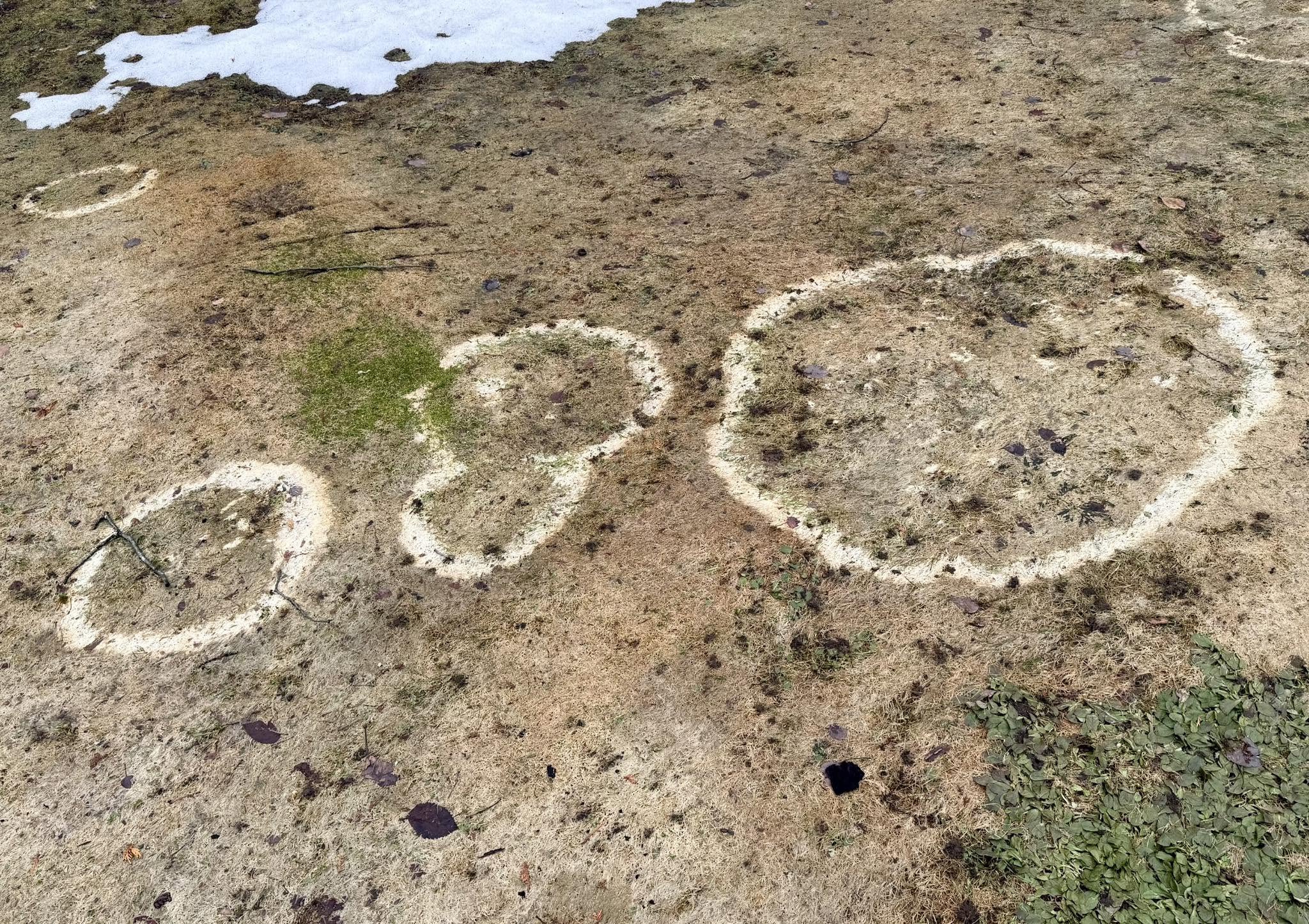
Snow mould produces the circular, bleached patches I describe in my guide to reading winter lawn damage. Mild cases affect only the blades and the grass recovers with raking and warmth. Severe cases — which are significantly more likely when there’s a full leaf layer under the snow — kill the crowns and require reseeding or patching.
In Sudbury specifically, our snow load is heavier than most of Ontario and it sits longer. That extra weight compresses the leaf layer more thoroughly and extends the time the grass spends under those conditions. Snow mould that might be a cosmetic issue in a milder Ontario climate becomes a genuine recovery project here.
Oxygen Starvation Under a Thick Thatch Layer
Beyond the leaves themselves, a lawn that didn’t get a proper fall raking goes into winter with whatever thatch accumulated over the summer still in place. Thatch is the layer of dead grass stems, roots, and debris that builds up between the green blades and the soil surface.
A thin thatch layer — under half an inch — is actually beneficial, providing some insulation for the soil. A thick thatch layer blocks oxygen exchange between the soil and the air, traps moisture, and creates a barrier that water and nutrients can’t penetrate efficiently. Going into a Sudbury winter with thick thatch means the lawn spends five months with compromised gas exchange — and comes out slower, patchier, and more prone to disease than it would have with a clean surface.
The Last Mow Height Problem
I’ve written about the right final mow height in my October prep article — 2.5 to 3 inches is the target for Sudbury lawns heading into winter. When fall cleanup is skipped, the last mow often doesn’t happen either, or it happened in September when the grass was still at summer height and nothing was done after.
Long grass going into winter mats under snow. Matted grass creates the same airflow-blocking problem as unraked leaves, and it’s the grass itself that becomes the breeding ground for snow mould rather than the leaves on top of it. A lawn that went into winter at 4 or 5 inches — or longer — will have noticeably more snow mould come spring than the same lawn at 2.5 to 3 inches, even if everything else was equal.
Weeds Get a Head Start
A Sudbury lawn in spring is competing against weed seeds that have been sitting in the soil all winter, ready to germinate the moment conditions are right. A healthy, dense lawn with no bare spots wins that competition — the established grass crowds out the weed seedlings before they can establish. A lawn coming out of winter with snow mould patches, dead areas, and thin sections from a skipped fall cleanup has gaps, and weeds fill gaps.
Every bare patch from winter damage that wasn’t preventable is a spot where weeds have a chance to establish before the grass recovers. Skipping fall cleanup increases the number of those patches and makes them larger than they would have been — which means more weed pressure in spring, on top of all the other recovery work that needs to happen.
The Compounding Problem Most People Don’t See Coming
The thing that makes skipping fall cleanup particularly costly isn’t just what it does to the lawn in the immediate following spring. It’s what it does over two or three years when it becomes a pattern.
Here’s what I’ve seen happen on properties where fall cleanup has been skipped or significantly shortcut for multiple consecutive years.
Year one skip: more snow mould than normal, some thin patches, a slower green-up in spring. Manageable with good spring recovery work — aggressive raking, core aeration, overseeding the thin spots. The lawn comes back to roughly where it was.
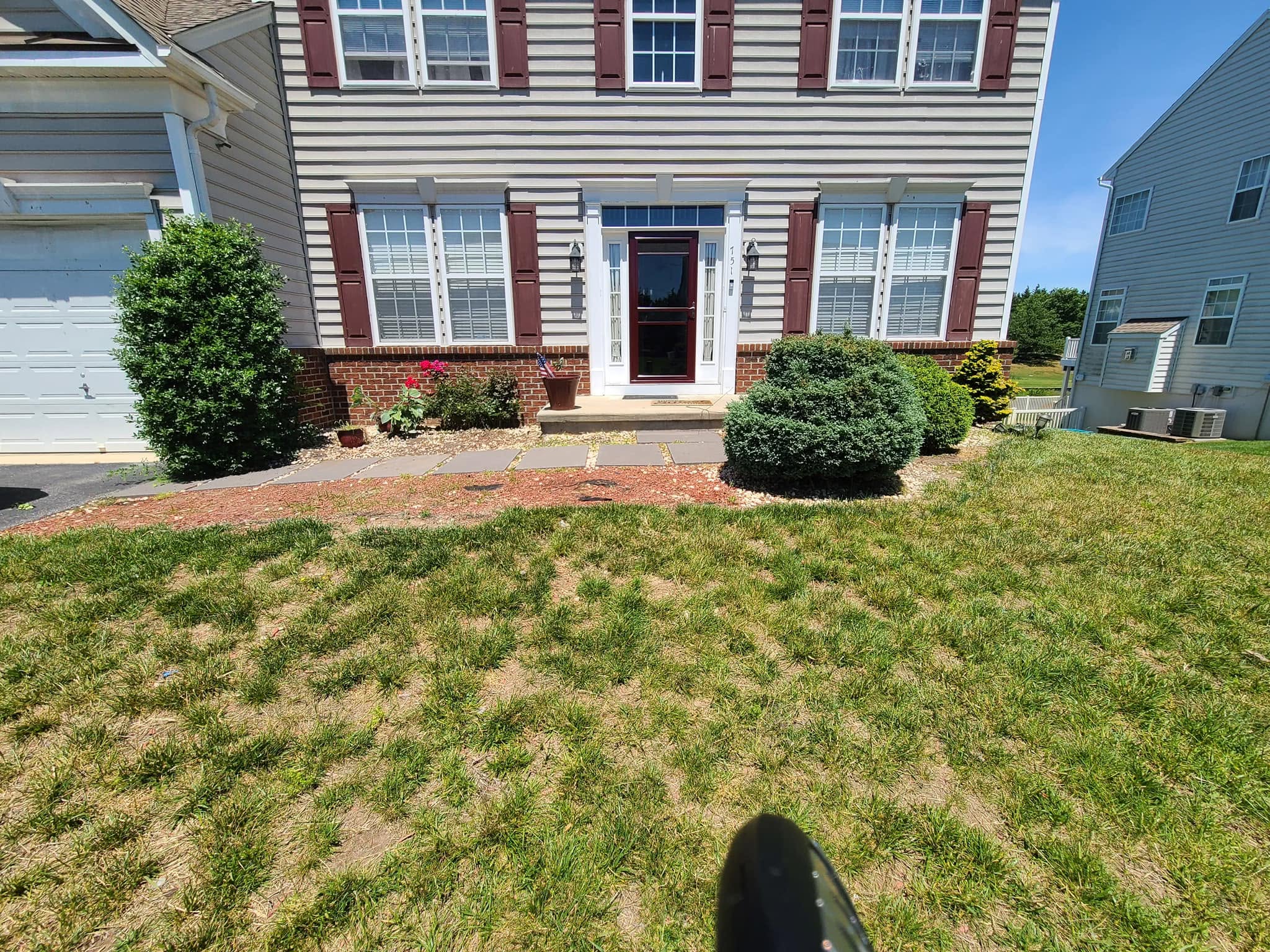
Year two skip, starting from a lawn that’s already slightly weaker than it was two years ago: the snow mould is worse because the thatch layer is thicker from two years of accumulation. The thin patches are larger. The weed pressure is higher because weeds successfully colonized some of the previous year’s patches. The spring recovery takes more effort and the result isn’t quite as good.
Year three: the lawn that was fine three years ago is now genuinely struggling. The bare patches are large enough that seeding alone won’t fill them in before weeds take over. The thatch layer has been compounding for three years. The soil is more compacted because the aeration and organic matter that would have come from proper fall prep hasn’t been happening. Now you’re looking at whether the repair-vs-replace conversation is necessary — which it might not have been if year one had been handled properly.
I’ve had this exact conversation with homeowners who couldn’t understand why their lawn had gotten to the state it was in when they’d “never had problems before.” Usually, when we talk through the last few falls, the answer is that there had been a couple of years where fall cleanup didn’t really happen, and the effects compounded until they crossed the threshold of being obviously visible.
What a Proper Fall Cleanup Actually Involves

I want to be clear that I’m not talking about a two-hour rake and done. A proper Sudbury fall cleanup has specific components that all matter, and doing part of it isn’t the same as doing it properly.
Leaf Removal — Twice if Needed
In most parts of Greater Sudbury, getting all the leaves off the lawn in one pass is difficult because different trees drop at different times through October. The practical approach is two passes — mid-October to get the bulk of the early leaves, and late October to early November to get the rest before the ground freezes. Doing only one pass risks leaving the second wave of leaves to freeze into the lawn surface.
Mulching with the mower works for light leaf coverage. For heavy coverage — which is most mature tree-heavy properties in Sudbury — mulching alone leaves too thick a layer on the surface. Bag or blow and remove the bulk.
Firm Raking to Break Up Thatch
Beyond the leaves, a proper cleanup includes raking firm enough to break up the matted grass layer and pull out the accumulated thatch from the season. This isn’t a gentle pass with a leaf rake — it’s a real raking that clears debris and opens up the surface before winter. This step is what prevents the oxygen-starvation problem I described earlier.
The Final Mow at the Right Height
Bringing the lawn down to 2.5 to 3 inches gradually over the last two or three mows of the season, not all at once. If the lawn is at 4 or 5 inches heading into November, it needs to come down, and doing it one-third at a time over a few mows is the right approach even at the end of the season.
Edge and Bed Cleanup
Cleaning out dead annual material from beds, doing a final edge-cleanup pass on lawn borders, and removing any debris from around the property sets the lawn up to come out of winter in the cleanest possible state.
For a full breakdown of what the fall window looks like and everything that should happen before the ground freezes, the October prep guide covers the complete sequence.
If Last Fall Was a Skip — Here’s What Spring Actually Takes
If you’re reading this and thinking about a fall that didn’t really happen on your property — here’s an honest picture of what spring recovery involves, and where to go for the specifics.
The spring recovery sequence after a skipped fall cleanup is more intensive than a normal spring assessment. It starts with a thorough raking — more aggressive than normal, because you’re clearing both the fall debris and the winter damage in one go. Then an honest assessment of what’s actually there versus what’s coming back on its own, which I’ve written about in the winter damage reading guide.
From there, the recovery depends on what the assessment shows. In most cases — where the lawn is damaged but still has enough viable grass to work with — the sequence is aeration, overseeding the damaged sections, and a slow-release fertilizer. For larger dead areas, the winter recovery step-by-step walks through exactly what that looks like.
If the damage is significant enough that repair becomes a question rather than an assumption, the replace vs repair guide is where to start. And if you’d rather have someone come out and assess it in person — no charge for that — call me and I’ll tell you honestly what I see and what I think the right approach is.
For the full picture of what we do across the season — fall cleanups included — the complete service breakdown covers it all.
Call or text: 705-507-6787
Or fill out the free quote form on the site.
We cover Garson, Val Caron, Hanmer, Lively, Chelmsford, Azilda, Capreol, and surrounding areas.
— Ryan Lingenfelter
Cutting Edge Lawn & Landscaping
Garson, Ontario
705-507-6787
