
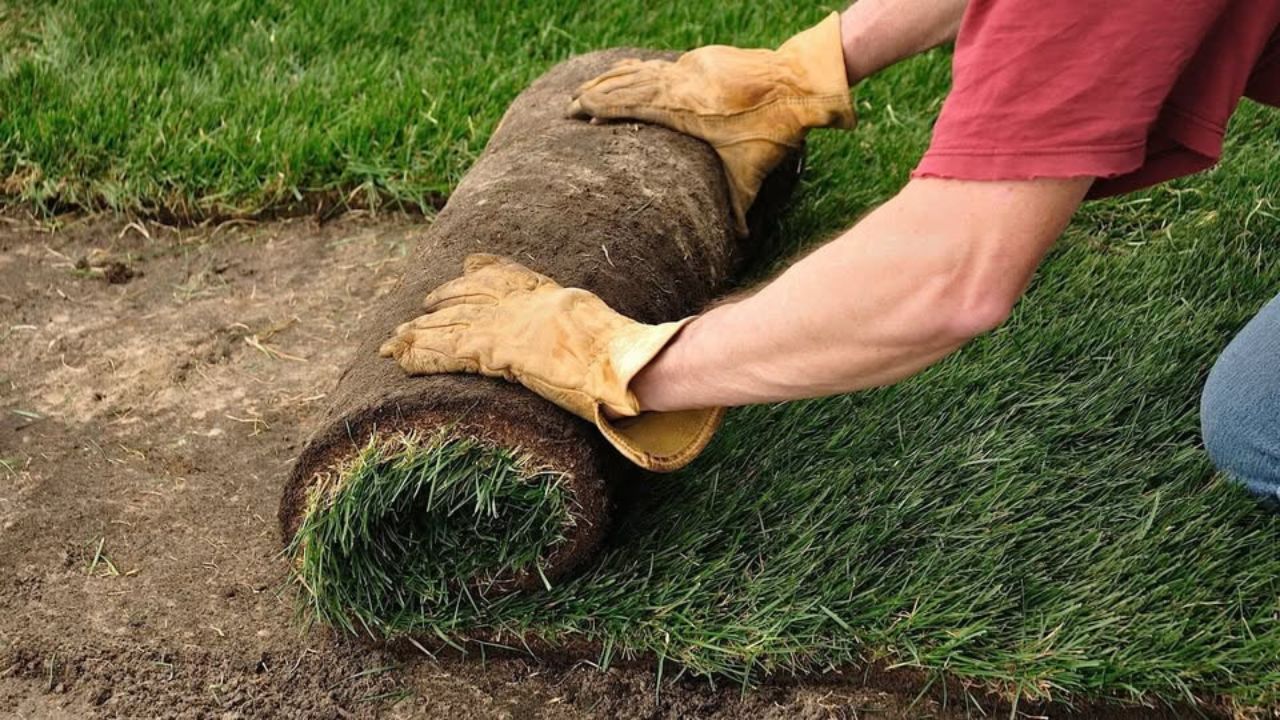
This question comes up fairly often when I’m booking fall sod jobs, and I want to give it a proper answer rather than the quick version I sometimes give on the phone.
“Does it matter if we do it in August or wait until September? We’re trying to figure out the right time.”
The short answer is: yes, it matters, but probably not in the way most people expect. August isn’t automatically better than September, and September isn’t automatically too late. The difference between the two is specific — there are real trade-offs in both directions — and the right choice depends on your property and what you’re trying to achieve.
Here’s the full breakdown, based on what I’ve actually seen on Sudbury properties across multiple fall seasons.
Why This Question Comes Up and Why It Matters
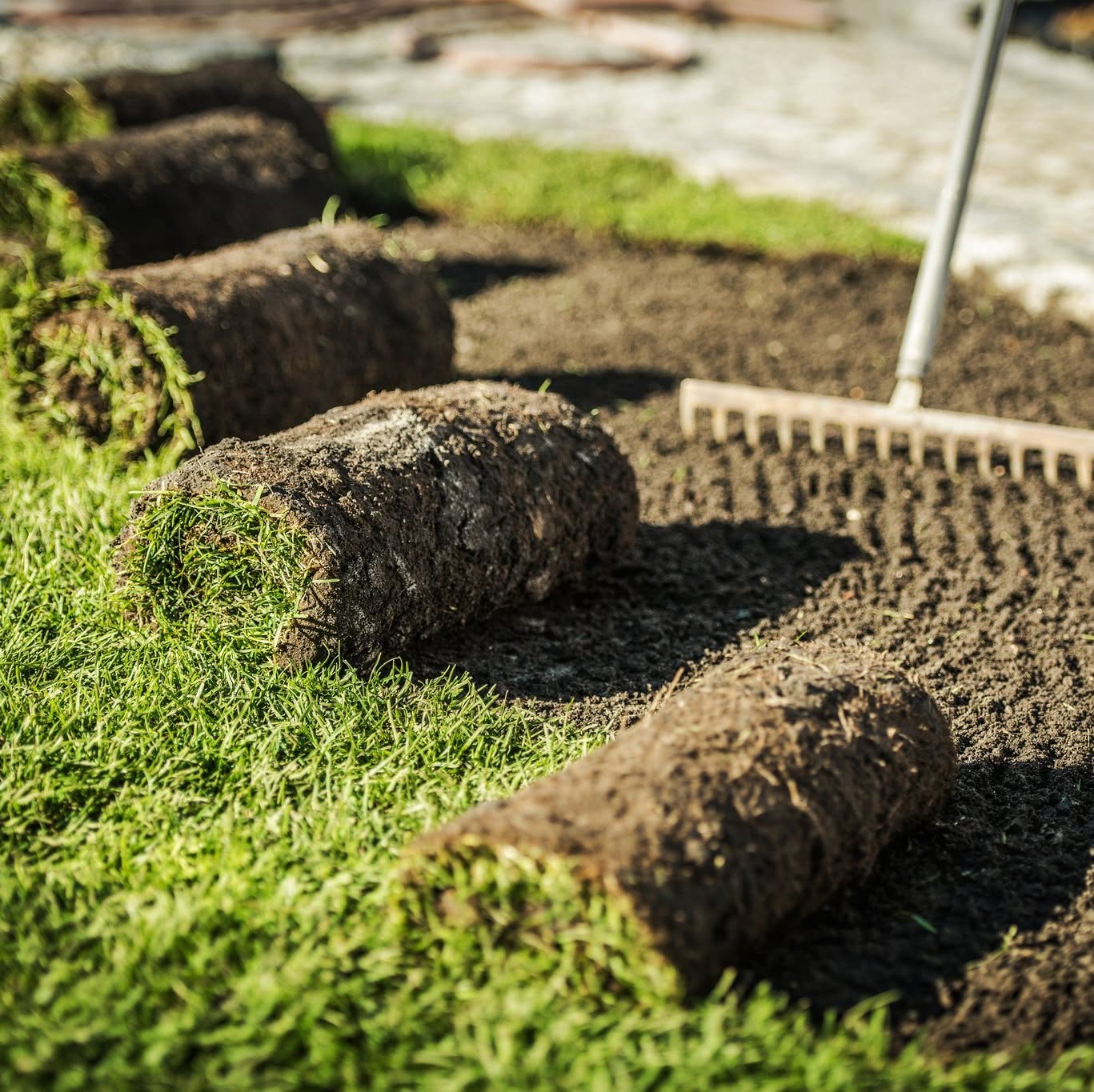
Most people asking this question are in one of two situations.
The first: they’ve been thinking about a sod job since spring, life got busy, and now it’s late summer and they’re wondering if they’ve missed the window or if fall can still work. The answer is usually that fall can absolutely work — but the specific timing within fall matters for Sudbury’s climate in ways it might not in milder parts of Ontario.
The second: they’ve done a spring or summer repair that didn’t work out the way they hoped, the replace vs repair decision has shifted toward replacement, and they want to know if doing the sod job now — in late summer or early fall — is better than waiting until next spring.
In both cases, the August vs September question is real and the answer has meaningful practical consequences. I’ve installed sod in both months on Sudbury properties, and the experiences and outcomes are different enough that I think it’s worth laying out specifically what each one looks like.
What August Sod Looks Like in Sudbury
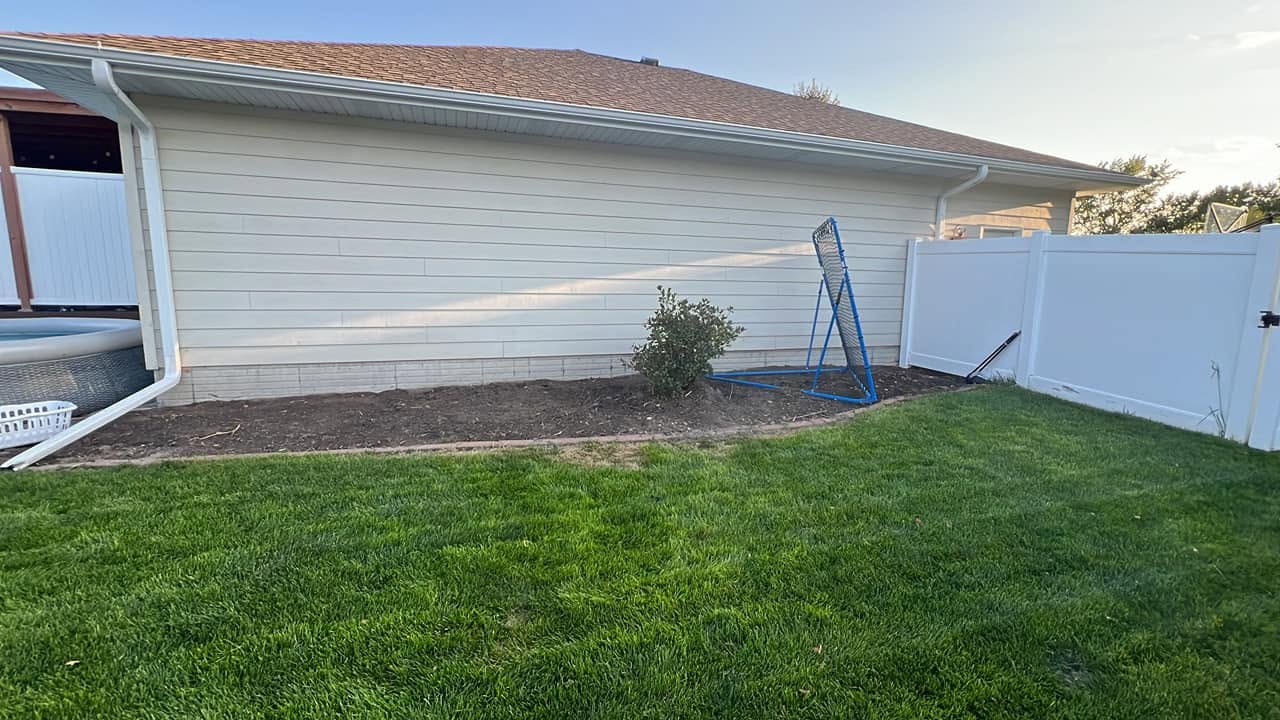
August sod in Sudbury has a specific set of advantages and a specific set of challenges. Let me go through both honestly.
The Advantages of August Installation
Soil temperatures are at their warmest. This is the biggest single advantage of August sod. Grass roots grow fastest in warm soil — generally in the range of 15 to 24 degrees Celsius at root depth. In Sudbury, August soil temperatures are typically in that range, which means new sod roots actively and aggressively after installation. The sod knits into the prepared soil faster in August than in any other month we’d consider installing it.
Faster rooting matters because it’s what determines when the sod is truly established — when it can handle foot traffic, when it’s resilient enough to handle stress, and when you know the installation has succeeded. An August installation that gets adequate water can be fully rooted by mid-September, giving you six to eight weeks of growing season where you can assess the result and address any problem areas before the ground freezes.
More recovery time before winter. If something doesn’t go quite right — a section that doesn’t root as well, an edge that dries out, a spot that needs addressing — you have time to catch it and fix it before winter arrives. A problem noticed in September on an August installation can still be resolved in September. That buffer doesn’t exist with late September sod.
You get to see the lawn looking established before the season ends. This sounds like a small thing, but I’ve had homeowners tell me it matters — seeing the lawn look the way it’s supposed to look, green and filled in, before the snow comes. With August sod that establishes well, you get that. With September sod, you’re essentially trusting the result until the following spring.
The Challenges of August Installation
Watering demand is higher and less forgiving. The same warm temperatures that drive fast rooting also drive fast moisture loss from the sod surface. I’ve described the watering requirements for new sod in the full sod installation walkthrough — deep daily watering for the first two weeks, every other day for the following two weeks. In August heat, that schedule is non-negotiable. Sod that dries out even partially in the first week of an August installation can fail in the edges and corners quickly, because there’s less margin for error when temperatures are high and evaporation is fast.
This is the main reason August sod sometimes has problems that September sod wouldn’t: not the installation itself, but the watering commitment in the weeks after. If you know you’ll be away for a week in late August, or if you’re not confident you can maintain the watering schedule through a potential heat stretch, August is riskier than September for that reason alone.
Sod stress from summer heat. Sod that’s been harvested and rolled in August is coming off fields that have been through a full summer growing season. The grass itself is sometimes under more heat stress at harvest than spring or fall sod. Quality suppliers manage this well, but it’s worth knowing that the sod you’re receiving in August has had a harder summer than the sod you’d receive in May or September.
What September Sod Looks Like in Sudbury
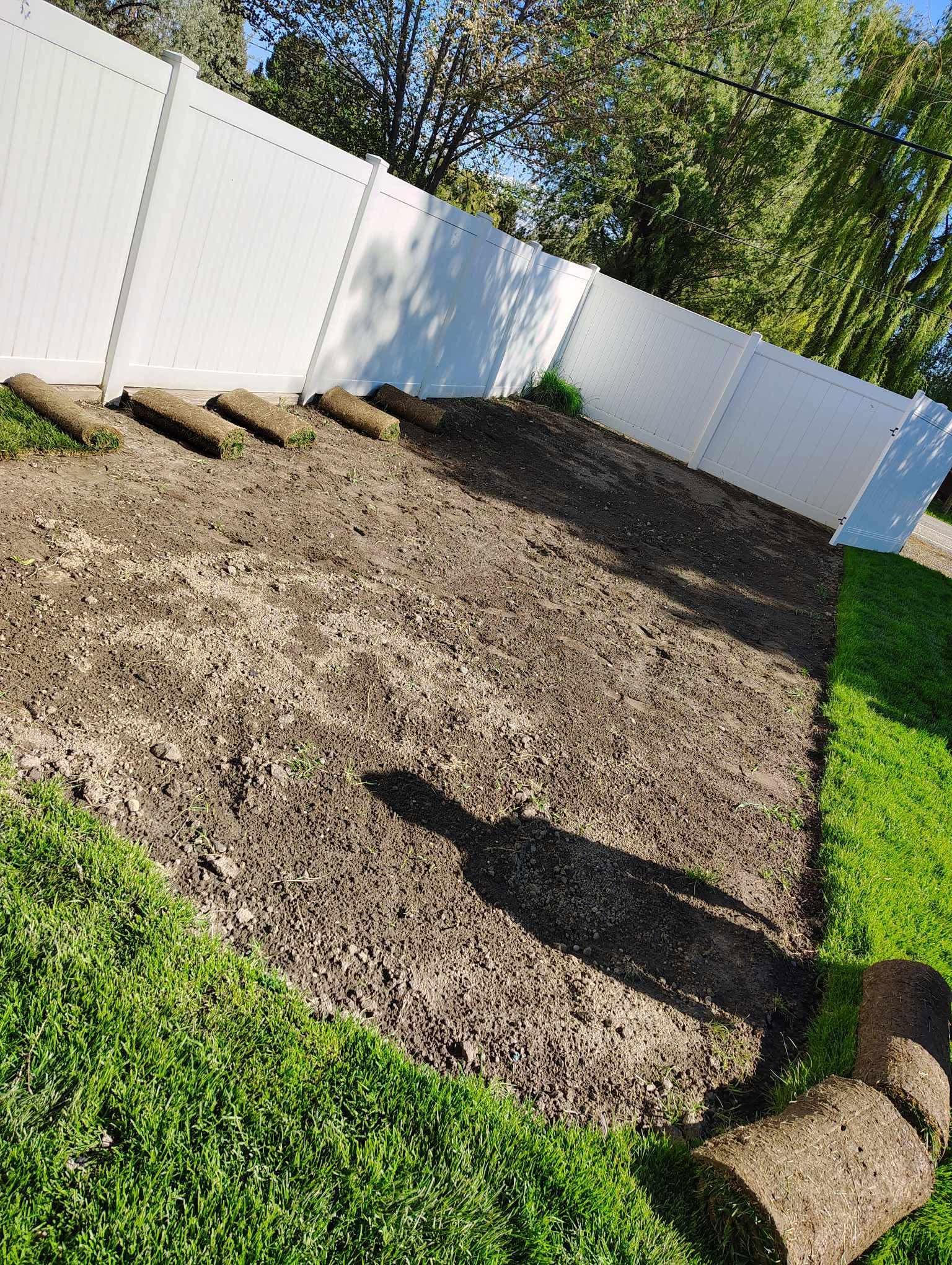
September sod in Sudbury is a different experience — genuinely good in several ways, with one real constraint that determines how late into the month it can work.
The Advantages of September Installation
Cooler temperatures reduce watering pressure dramatically. This is the reversal of August’s main challenge. September air temperatures in Sudbury are meaningfully cooler than August, which means evaporation from the sod surface is slower and the watering schedule is more forgiving. Sod installed in early September can still be watered daily as a precaution, but the consequences of missing a day or having a slightly lighter watering session are much less severe than in August heat. For homeowners who have concerns about maintaining the strict August watering schedule, September is often the more practical choice.
Sod quality at harvest is often excellent. September sod comes off fields that have had the summer to recover from spring harvest activity and are going into the cooler part of the season in good condition. The grass is dense, the roots are well-established in the roll, and the sod itself tends to be in very good shape at harvest.
Soil temperatures are still adequate for rooting. This is the key technical fact about September sod in Sudbury. Soil temperatures at root depth in early to mid-September are typically still in the 12 to 18 degree range — cooler than August, but above the threshold where rooting becomes slow or unreliable. Early September sod roots more slowly than August sod but it does root, and it does so with less stress on the grass than August heat creates.
The Real Constraint — The September Window Is Narrower Than People Think
Here’s where I need to be direct, because this is the part of the September sod conversation that surprises people.
In Sudbury, the window for September sod installation that I’m confident about is early to mid-September — roughly the first two weeks. After that, soil temperatures in our climate start dropping toward the point where rooting becomes unreliable, and the risk of an early frost threatening newly installed sod increases significantly.
By the third or fourth week of September in most years, I’m having a much more cautious conversation with homeowners about whether fall sod still makes sense or whether we should wait until spring. The issue isn’t that late September is always a failure — sometimes the weather cooperates and late September installations work out fine. The issue is that in Sudbury’s climate, you’re rolling the dice on the weather in a way you’re not when you install in early September or August.
An early frost on sod that hasn’t rooted yet can kill it. Sod that hasn’t rooted is physically vulnerable — it can shift, it can dry out unevenly, and it can’t access moisture from the soil beneath it the way established sod can. A cold snap that established sod would handle easily can set back or kill sod that’s only been down for two weeks and hasn’t rooted.
This is the same principle I’ve written about in the context of the most expensive October mistake — seed put down too late in the season. Sod put down too late has more margin than seed because it arrives with an existing root system, but it still has a rooting threshold below which the installation won’t hold through a Sudbury winter reliably.
The Side-by-Side Comparison — What I’ve Seen on Sudbury Properties
I want to give you something concrete here rather than just principles.
On properties where I’ve done August installations with good watering follow-through, the sod has typically been fully rooted by mid-to-late September. By the time the first frost comes, the lawn looks established, the colour is uniform, and the sod pieces aren’t distinguishable from each other — it reads as one lawn. Those lawns go into winter in a strong position and come out in spring looking like second-year lawns — settled, dense, not showing the seam lines at all.
On properties where the August watering wasn’t maintained consistently — a week away, an irrigation system that wasn’t set up in time, a homeowner who underestimated the demand — the August installations have had edge failures and corner drying in the first two weeks. Those situations are fixable if caught early, but they require going back to replace failed sections, which adds cost and extends the timeline.
On early September installations — first two weeks — with the more forgiving watering conditions, I’ve had consistently good results. The rooting takes a bit longer than August, but by mid-October the sod is established, and even with a couple of light frosts in October the established root system holds the sod in place and protects it going into winter. These lawns come out of winter in solid shape.
On late September installations — third week of September and beyond — results have been variable in a way that August and early September aren’t. Some have worked fine when the fall was mild. Some have come out of winter with sections that didn’t root properly and needed to be replaced in spring. The unpredictability is the problem — it’s not that late September always fails, it’s that I can’t tell you with confidence it will work, and I don’t want to install something I’m not confident in.
How to Decide Which Timing Is Right for Your Property
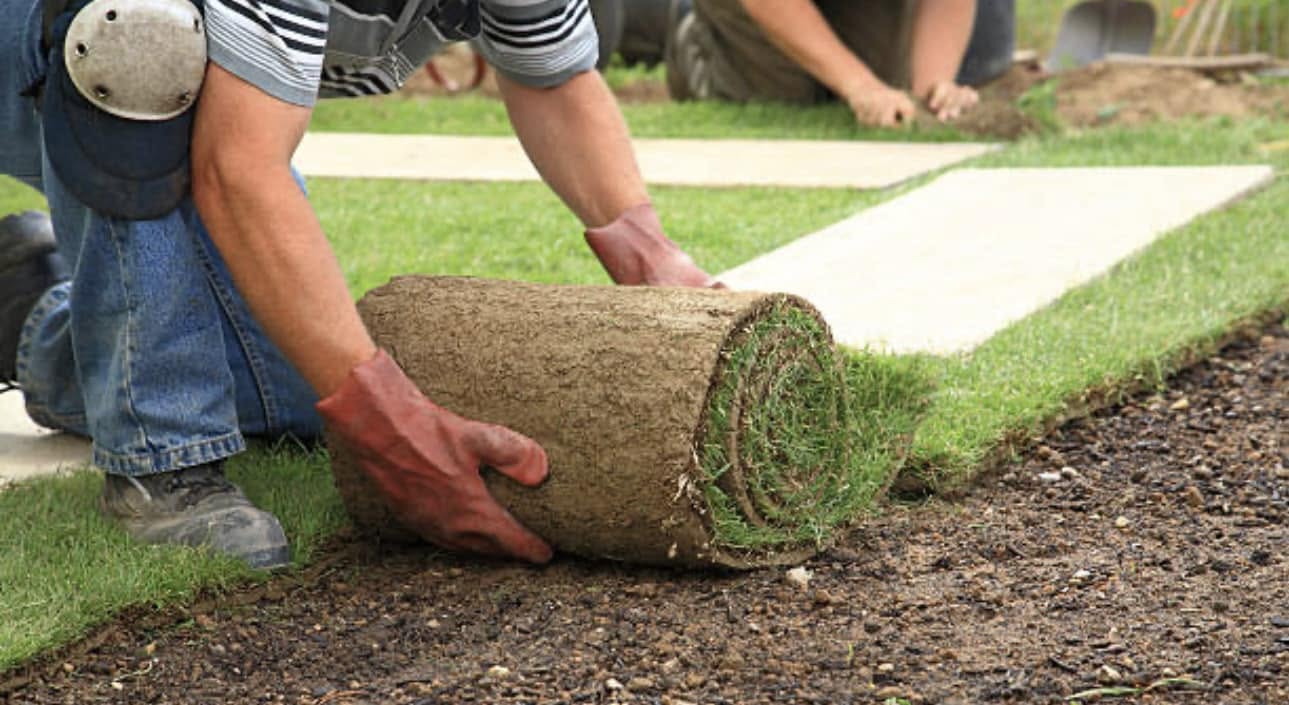
Here’s how I’d walk through this decision with someone calling me in late July or August.
If You Can Commit to the August Watering Schedule
August is the better choice. Faster rooting, more recovery time before winter, and you get to see the lawn established before the season ends. The commitment required is real — deep daily watering for two weeks, every other day for two more — but the payoff is a lawn that goes into winter fully established. If you have an irrigation system already set up, August becomes significantly easier. If you’re watering by hand or with a sprinkler on a timer, it’s still manageable with some intention.
If Watering Consistency in August Is Uncertain
Early September is the right call. The cooler temperatures give you more margin for error in the watering schedule, the sod quality is excellent, and you still have enough growing season for the sod to root before the ground freezes — if you install in the first two weeks of the month. I’d push you to book it early in September rather than waiting until mid-month, because the window is real.
If You’re Past Mid-September
This is the honest conversation: in most years, I’d recommend waiting until spring rather than pushing for a late September or October installation that carries real risk of failure. A failed sod installation in October — sections that didn’t root and need to be replaced — costs more than spring installation would have. The October prep you do this fall sets the lawn up better, and spring installation in the right window gives you a full growing season to get the new lawn established.
There are exceptions — if the property has specific circumstances where waiting creates its own problems, or if the weather forecast shows an unusually warm extended fall, I’ll discuss it. But the default recommendation after mid-September in Sudbury is to plan for spring.
What Both Timings Have in Common
Regardless of whether you’re doing August or early September, two things don’t change.
First, soil preparation is what determines whether the sod holds long-term — not the timing. Sod laid over inadequate topsoil or poorly prepared ground will struggle no matter when it’s installed. The full prep process I’ve described in the installation day walkthrough applies in August and September equally.
Second, the first spring after any fall sod installation should include core aeration in the late May to early June window. New sod compacts in the first season as the soil settles and the root system densifies. First-spring aeration keeps the soil from locking up and sets the lawn up to perform well for years.
For everything related to what we offer across the full service range — sod, aeration, cleanup, seeding — the complete service breakdown covers it in one place.
If you’re trying to figure out whether August or September makes more sense for your specific property and situation, call me and I’ll talk it through with you. The answer isn’t always the same for every property.
Call or text: 705-507-6787
Or fill out the free quote form on the site.
We cover Garson, Val Caron, Hanmer, Lively, Chelmsford, Azilda, Capreol, and surrounding areas.
— Ryan Lingenfelter
Cutting Edge Lawn & Landscaping
Garson, Ontario
705-507-6787
