
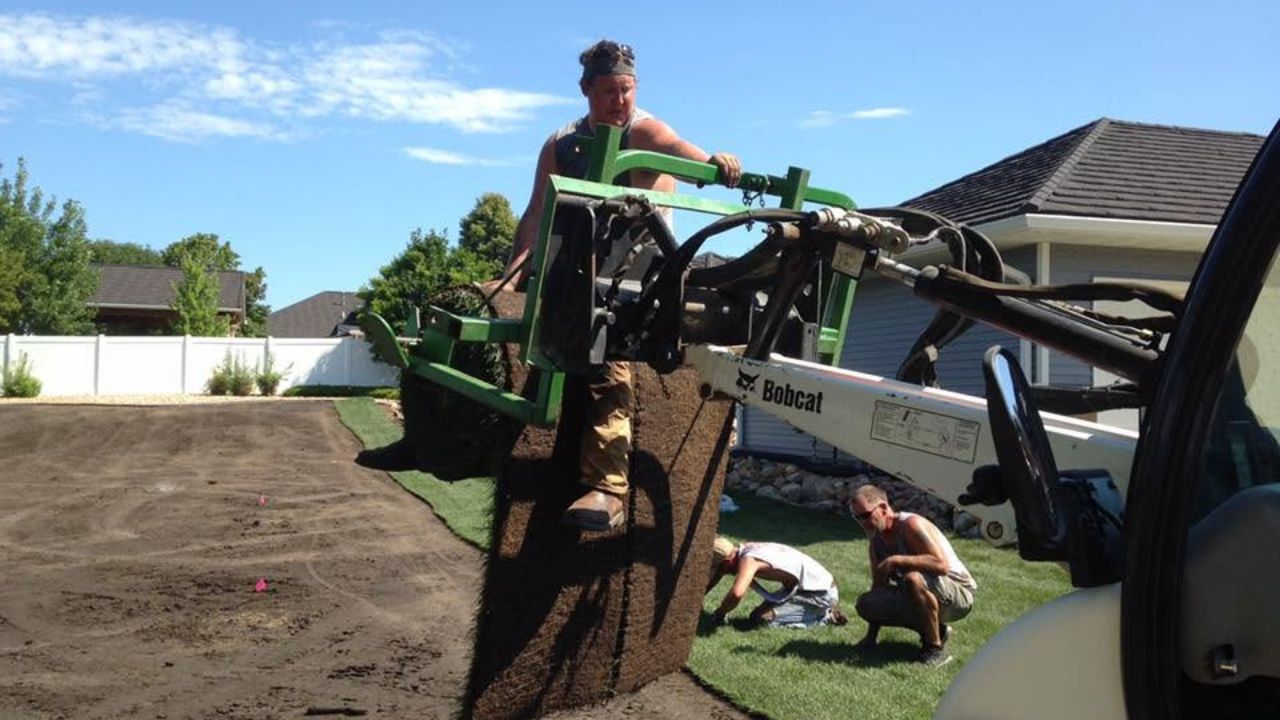
I started Cutting Edge Lawn in 2020. I’d been working on lawns before that — helping out, learning, picking things up — but 2020 was the first year I was running jobs myself, making the calls, giving the quotes, and being accountable for the results.
I made a lot of mistakes that year.
47 is the number I landed on when I actually tried to count them properly — everything from small misjudgements that didn’t cause real harm to a few that I’m still embarrassed about when I drive past those properties. Some of them taught me things I use every single day. Some of them I’ve written about indirectly across dozens of articles without ever naming them as mistakes I personally made.
This article is the direct version. Five mistakes from that first year that still sit with me — not because the outcomes were all catastrophic, but because I see versions of the same mistakes made constantly, by other companies and by homeowners doing their own lawn care, and every time I see them I think about 2020.
Why I’m Counting and Why 47 Is Probably Low
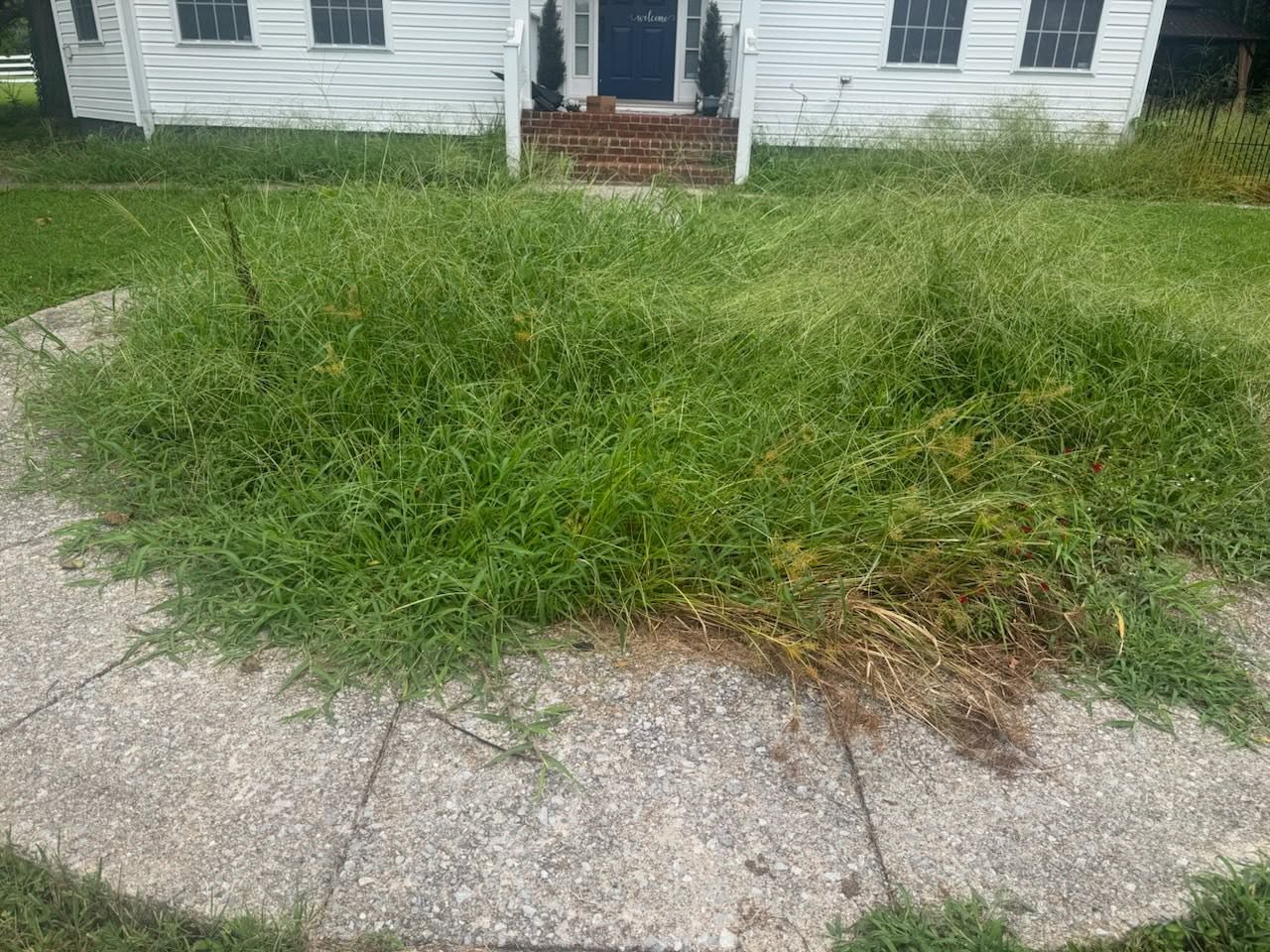
Before I get into the five, I want to explain the 47, because I think the number matters for the point I’m trying to make.
I didn’t keep a mistake log in 2020. The 47 is a reconstruction — something I put together a couple of years ago when I was trying to think clearly about what I’d actually learned versus what I thought I’d learned. I went through that first year property by property, job by job, and tried to be honest about every place where what I did wasn’t the right thing, didn’t produce the result I’d told the customer to expect, or — worse — was the right thing done at the wrong time.
I stopped at 47 not because I ran out of mistakes but because I got tired of counting. The real number is higher.
I’m telling you this because I think there’s a version of lawn care advice — including some of what I write on this site — that can read as if I had all of this figured out from the start. I didn’t. I had a lot of relevant experience going into 2020, but running your own jobs is different from assisting on other people’s jobs, and Sudbury’s specific conditions — the Shield soil, the narrow timing windows, the specific ways the freeze-thaw cycles here are harder than most of Ontario — are things I had to learn by getting them wrong, not by reading about them.
The five mistakes below are the ones that shaped the most about how I work now. And based on what I hear in customer calls — I’ve been tracking those patterns carefully — they’re also the ones that come up most often in what goes wrong on other properties across this city.
Mistake 1 and 2 — The Timing Ones That Cost Me the Most
Mistake 1: Aerating Too Early Because the Customer Wanted It Done Early
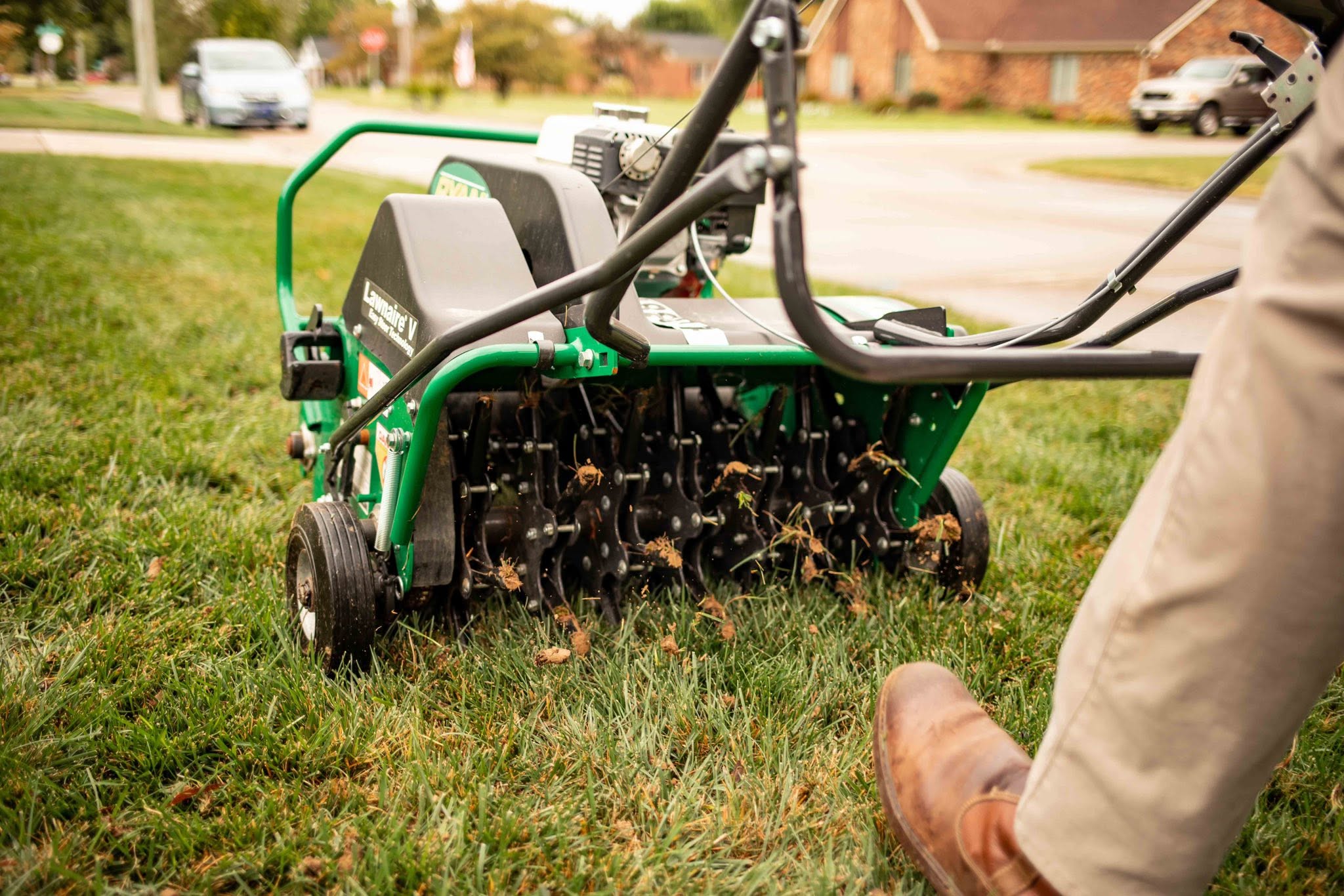
In my first spring — May 2020 — I had a customer in Val Caron who wanted aeration done early. She was eager, the weather had been nice for a week, and she kept checking in on whether we could move the date up. I was new enough that I didn’t push back the way I should have. We did the aeration in early May.
The soil was still saturated from snowmelt. The tines pulled up muddy slugs instead of clean plugs. The aeration holes sealed over within a day or two as the wet soil compressed back. The lawn got essentially zero benefit from the service.
She paid for it. I refunded part of it. I never told her explicitly that I’d made the mistake of doing it too early because she’d asked for it too early — which was itself a failure of communication that I’d fix differently now.
The right window for spring aeration in Sudbury is the last week of May through roughly the second week of June, and I now hold that window even when customers push for earlier. If they push hard enough, I explain exactly what I saw in May 2020 — muddy slugs, sealed holes, a service that cost money and produced nothing. That story is usually persuasive in a way that abstract timing advice isn’t.
I’ve written about why those specific 7 days matter more than people realize. What I don’t say in that article as explicitly as I’m saying here is that I learned the importance of that window partly by being wrong about it myself.
Mistake 2: Assuming Fall Timing Was Flexible
Same year, fall. I had a backlog of jobs and a few of them — overseeding specifically — got pushed into late October. I knew in theory that late October was pushing it for Sudbury, but I told myself the weather was warm enough and the soil temperatures were probably fine.
They weren’t. The seed didn’t establish. Two properties I’d overseeded in late October came back the following spring with almost no new growth in the seeded areas. I had to go back in spring and redo the work — at no charge, because the failure was my call and my responsibility, even if the timing had been partly driven by a schedule I hadn’t managed well enough.
This is now one of the things I’m most direct about with customers who call late in the season. The fall window before the ground freezes is narrow and the seeding component of it closes earlier than people expect. I’d rather tell a customer in October that we need to wait until spring than redo work in May at my own cost.
Mistake 3 and 4 — The Ones I’m Embarrassed to Admit
Mistake 3: Missing a Grub Problem That Should Have Been Obvious
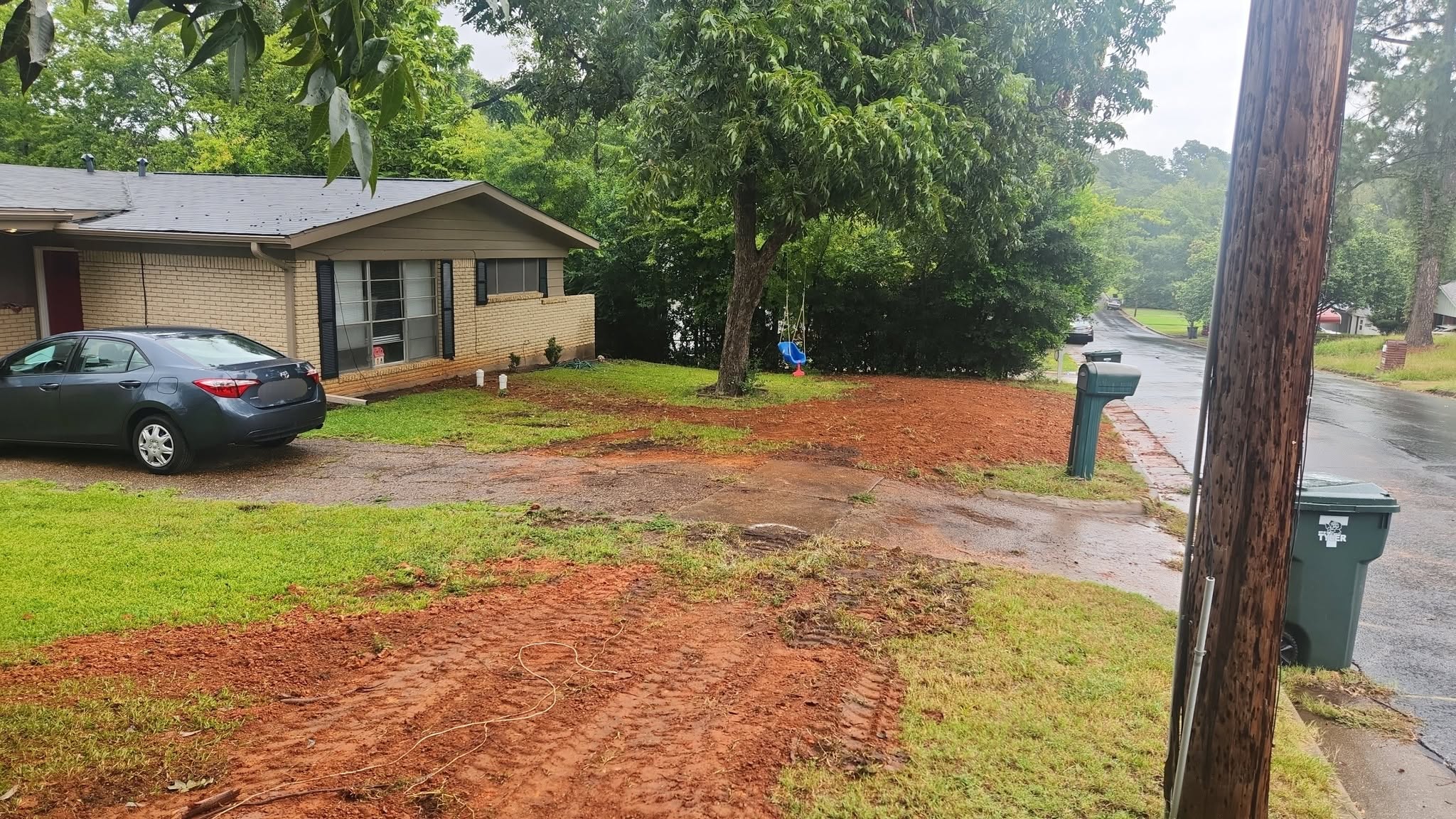
There was a property in Hanmer in my first year where a section of the back lawn had been struggling for at least two years before the homeowner called me. He described it accurately — thin, yellowing, always the first to go brown in summer. I did the assessment, found significant compaction, recommended aeration and overseeding. We did it. The section improved for about six weeks and then declined again.
I convinced myself the first round hadn’t been enough and recommended a second round of overseeding in fall. Same result — improvement, then decline.
It was the following spring, when I was on the property doing a different job and walked through that section, that I finally pulled back a piece of the struggling turf and found the grubs. A significant population. They’d been there the whole time. The two rounds of overseeding I’d done — neither of which held — were treating a surface problem on top of an active grub infestation that was resetting the root system every winter.
I should have checked for grubs in the initial assessment. The pattern — persistent struggle in a specific section despite correct treatment — was exactly the pattern I now know to investigate more deeply. I wrote about this specifically in the piece about what happens when grub damage goes undiagnosed on a Sudbury property. That article exists partly because of this mistake.
The homeowner was patient with me, more patient than I deserved. When I finally diagnosed and treated the grub problem correctly, the section recovered the following season. But I’d cost him two seasons of proper treatment and two rounds of overseeding that didn’t hold.
Mistake 4: Quoting Before Walking the Property
This one I’m more embarrassed about because it’s a process failure rather than a knowledge failure. In my first year, I quoted a few jobs over the phone without walking the property first — usually sod jobs, where I thought the scope was clear enough from the description.
On two of those jobs, the property was meaningfully different from what I’d quoted for. One had a drainage problem in the section being sodded that required grading work not included in the quote. One had soil depth issues — thin topsoil over compacted fill — that meant proper soil prep was more involved than I’d priced for.
Both jobs I completed at the quoted price, absorbing the difference. Both required work I hadn’t anticipated because I hadn’t seen the property before committing to a number.
I haven’t quoted a sod job without walking the property since. I’ve had customers push back on this — “can’t you just give me a ballpark?” — and the answer is that I can give a range over the phone, but I won’t give a firm number until I’ve seen what I’m actually dealing with. The assessment before the quote is the only way to make sure the quote means something.
Mistake 5 — The One That Changed How I Run Every Job
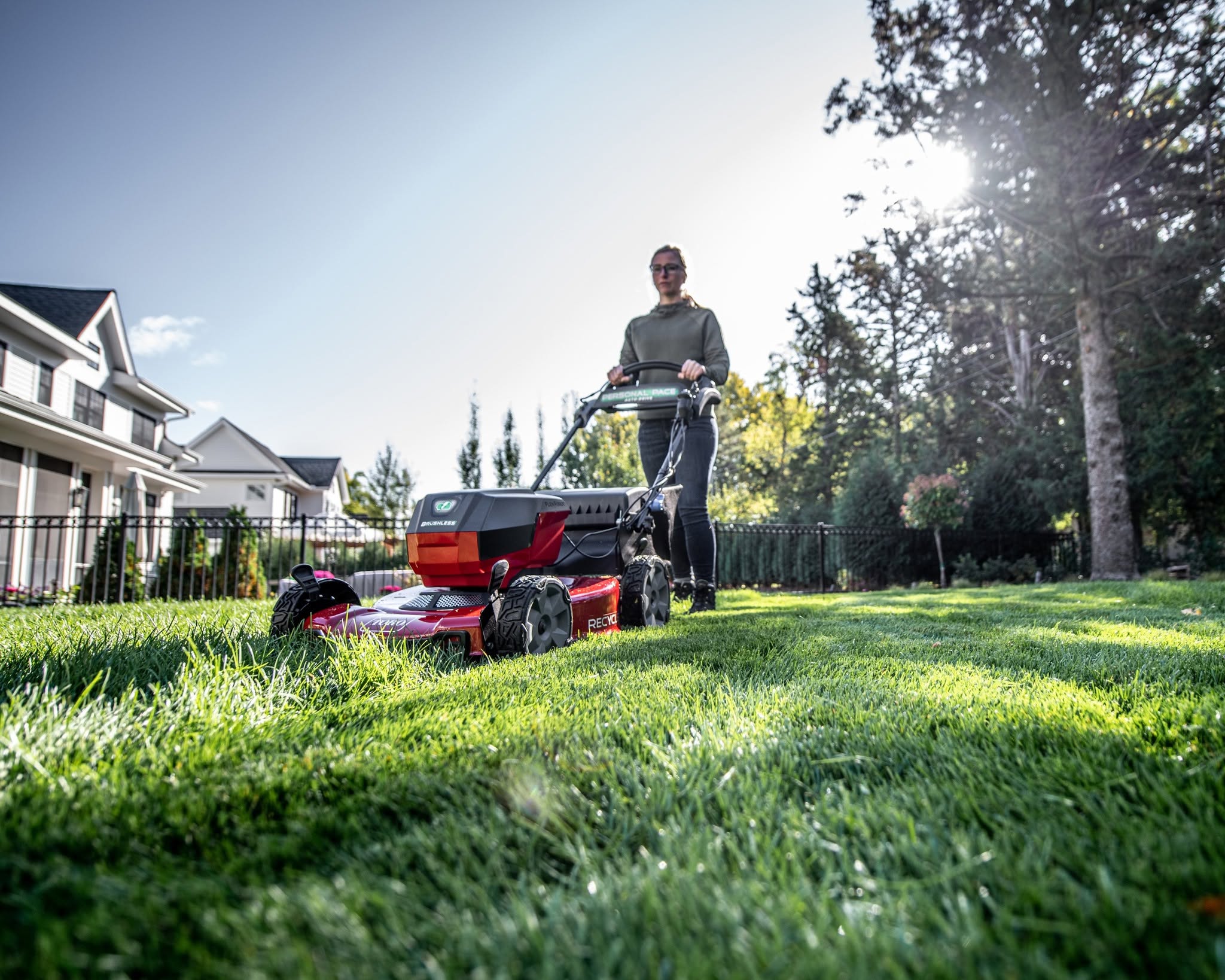
Mistake 5: Not Telling Customers What to Expect After I Left
This one isn’t dramatic. Nobody got a bad lawn from it. But it’s the one that changed the most about how I operate day to day, which is why it bothers me the most in retrospect.
In my first year, I’d finish a job, load the truck, and leave. If the job had gone well — and most of them did — I figured the customer would be pleased when they saw the result. What I didn’t do consistently was have a conversation before I left about what the lawn would look like over the next two weeks, what was normal, what wasn’t, and what the customer’s role was in the outcome.
So customers would see the aeration plugs sitting on their lawn and wonder if something had gone wrong. Or they’d overseed in the holes and then water twice the first day and nothing after that, because I hadn’t been specific about what “water consistently” meant. Or they’d see the seeded section looking different from the surrounding lawn six weeks later and assume the overseeding hadn’t worked, not knowing that’s normal and that it evens out.
I got calls I shouldn’t have gotten, from customers who were worried about things that were completely normal, because I hadn’t told them to expect those things. And I probably got some calls I didn’t get — from customers who assumed the job had failed and just didn’t book again — because the outcome looked wrong to them and I wasn’t there to explain that it was right.
Now, before I leave any job, there’s a specific conversation. What the lawn will look like in three days. What it will look like in two weeks. What the customer needs to do in that window. What to call me about if something looks unexpected. This is a non-negotiable part of the job for me — as much as the aeration itself, as much as the seeding, as much as any of the physical work.
Dana has reinforced this more than anyone. Since she’s been involved in the business in a day-to-day way, the post-job communication has gotten more consistent and more specific, partly because she asks the questions I sometimes forget to ask before we leave a property. The jobs where something follows up wrong are almost always the ones where the end-of-job conversation was rushed or skipped.
What These Five Have in Common
Looking at all five together, there’s a thread running through them that I think is worth naming.
Four of the five mistakes came from prioritizing speed or convenience — doing the aeration when the customer wanted it rather than when the soil was ready, quoting without walking the property because walking properties takes time, leaving without the full end-of-job conversation because loading the truck and getting to the next job felt more pressing.
The fifth — missing the grub diagnosis — came from not going far enough with the question “why isn’t this working?” I did the obvious assessment, found the obvious problem (compaction), and didn’t push far enough to find the actual problem underneath it.
Both of those failure modes — rushing through process and stopping the diagnosis too early — are things I now actively resist. Not always successfully. I still catch myself sometimes moving too fast or accepting the first explanation when the second one would have been more accurate. But I catch it more often than I did in 2020, because I can trace most of the things that went wrong in that year back to one of those two modes.
If you’re a homeowner doing your own lawn care, both failure modes apply to you too. Doing things when it’s convenient rather than when conditions are right costs more in the long run than waiting for the right window. And accepting the first obvious explanation for a lawn problem — it looks bad so it must need seed — without asking whether something underneath is causing the surface symptom leads to treatments that don’t hold.
The full service breakdown covers everything we do and how we approach it. If you want the version of lawn care in Sudbury that doesn’t repeat the mistakes I made in 2020, call me.
Call or text: 705-507-6787
Or fill out the free quote form on the site.
We cover Garson, Val Caron, Hanmer, Lively, Chelmsford, Azilda, Capreol, and surrounding areas.
— Ryan Lingenfelter
Cutting Edge Lawn & Landscaping
Garson, Ontario
705-507-6787
