
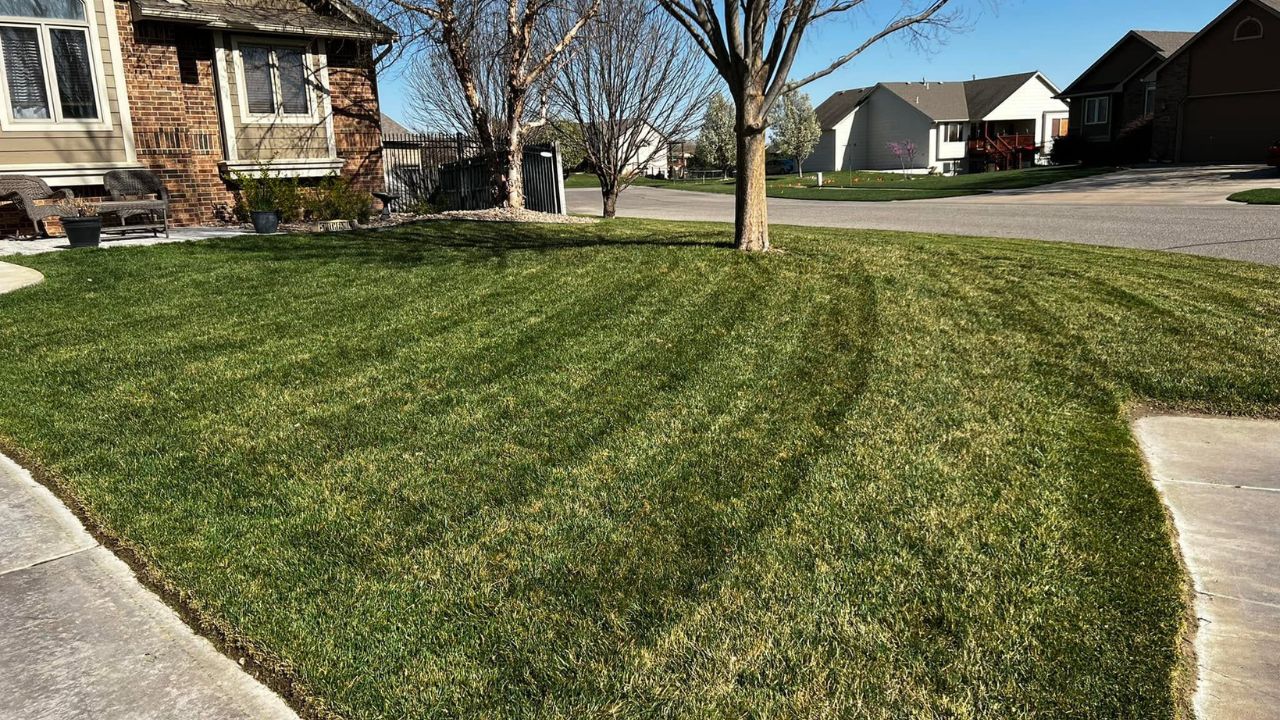
I got called out to two properties on the same street in Lively within about three weeks of each other, for what sounded on the phone like completely unrelated reasons. One homeowner, Janice, wanted advice on maintaining a lawn that was already doing well. Her next-door neighbour, Rob, called shortly after, frustrated that his lawn kept struggling no matter what he did.
When I got to Rob’s property and we started talking, it became clear these two situations weren’t unrelated at all. Rob mentioned, almost as an aside, that he and Janice had compared notes on lawn care a couple of years earlier and had essentially adopted the same routine — same mowing schedule, same fertilizer brand and timing, similar watering habits. Two neighbours, genuinely doing the same things, with completely different results.
This is one of the clearest real-world examples I’ve encountered of something I’ve written about before in why I’ve never given the same lawn care plan to two properties — except this time, the two homeowners had run the experiment themselves, unintentionally, by adopting an identical routine and watching it produce opposite results.
I’m Ryan Lingenfelter, owner of Cutting Edge Lawn & Landscaping in Garson, Ontario. Here’s what I found when I actually tested both properties.
The Two Properties — And the Identical Routine
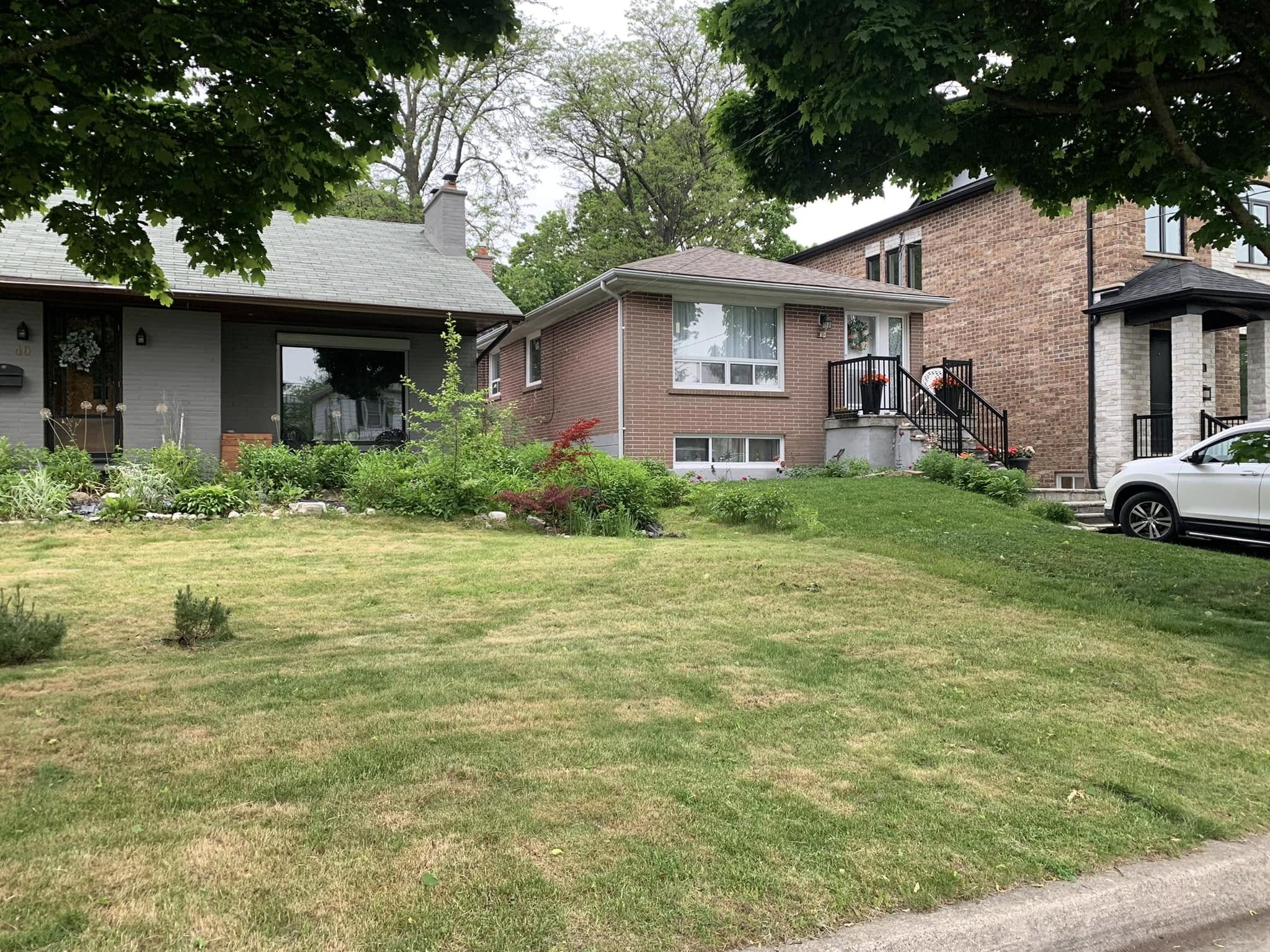
Janice and Rob’s houses sit directly beside each other, similar lot sizes, both built around the same time in the early 2000s. Their lawns share a property line, which made the contrast even more visually obvious — you could stand at the boundary and see a genuinely healthy, dense lawn on one side and a thin, patchy one on the other, divided by nothing more than an invisible line.
When I asked both homeowners to walk me through their actual routines, they matched closely enough that I could rule out the most common explanations right away. Both mowed weekly during peak season at roughly 3 inches — Rob had specifically raised his deck height after reading some of my mowing height guidance, so if anything his technique was slightly more correct than average. Both watered two to three times per week, deeply, avoiding evening watering. Both applied a similar fertilizer program on a similar schedule. Both had their lawns aerated by a third company two years earlier, around the same time.
This ruled out the obvious culprits I usually check first — mowing height, watering technique, basic maintenance neglect. Both homeowners were doing the fundamentals correctly. So the explanation for the divergence had to be something underneath the surface, something that predated their identical routines and that their identical efforts weren’t addressing.
What I Found When I Tested Both Lawns Properly
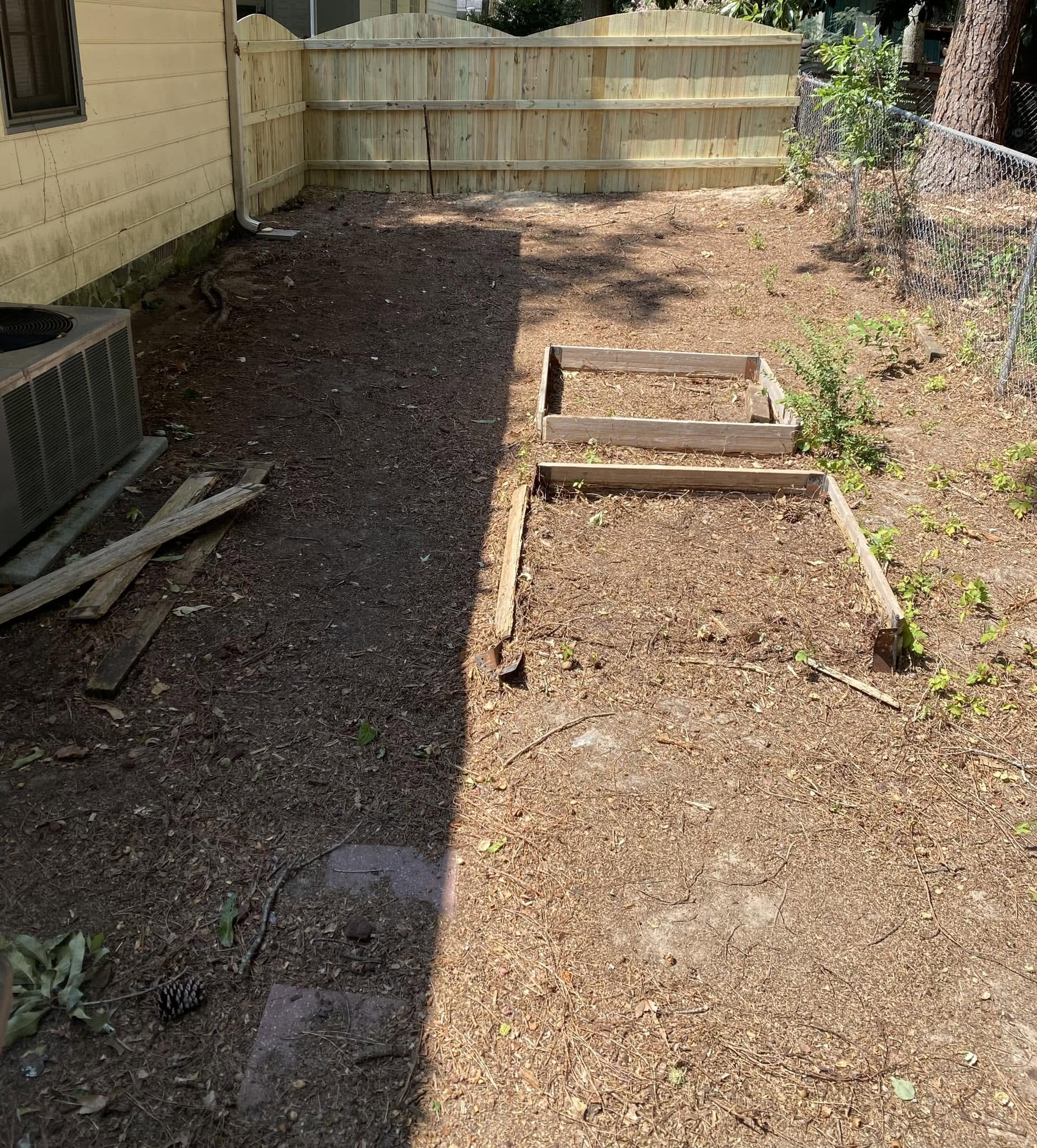
I did a full assessment on both properties on the same afternoon, specifically so the comparison would be as controlled as possible — same day, same weather, same time since the last rain.
On Janice’s side, the screwdriver test went in close to three and a half inches with normal pressure across most of the lawn — genuinely excellent for Greater Sudbury clay. Thatch was thin, well-managed by the aeration two years earlier and consistent mowing since. Drainage was fine. By every standard measure I check, this was a healthy, well-functioning lawn.
On Rob’s side, the screwdriver test told an immediately different story — stopping at about an inch and a half in most spots, despite the same aeration history and the same maintenance routine since. That’s a significant gap between two properties that had supposedly received the same treatment. Something had either undone the benefit of that aeration on Rob’s side, or the aeration itself hadn’t penetrated as effectively there in the first place, or there was an ongoing factor actively recompacting his soil faster than Janice’s.
I checked the obvious next variable — foot traffic patterns. Rob mentioned that his backyard got significantly more use than Janice’s; he had two kids who played out there regularly, plus a dog, while Janice’s yard saw comparatively light use. That’s a real factor and likely part of the story, but foot traffic alone usually doesn’t explain a gap this large between two properties that received identical aeration treatment two years apart, especially with both having been mowed and watered consistently since.
I kept digging — literally. And the more interesting difference showed up when I checked the soil composition itself, below the topsoil layer both properties presumably had similar versions of when they were originally built.
The Hidden Variable Neither Homeowner Could See
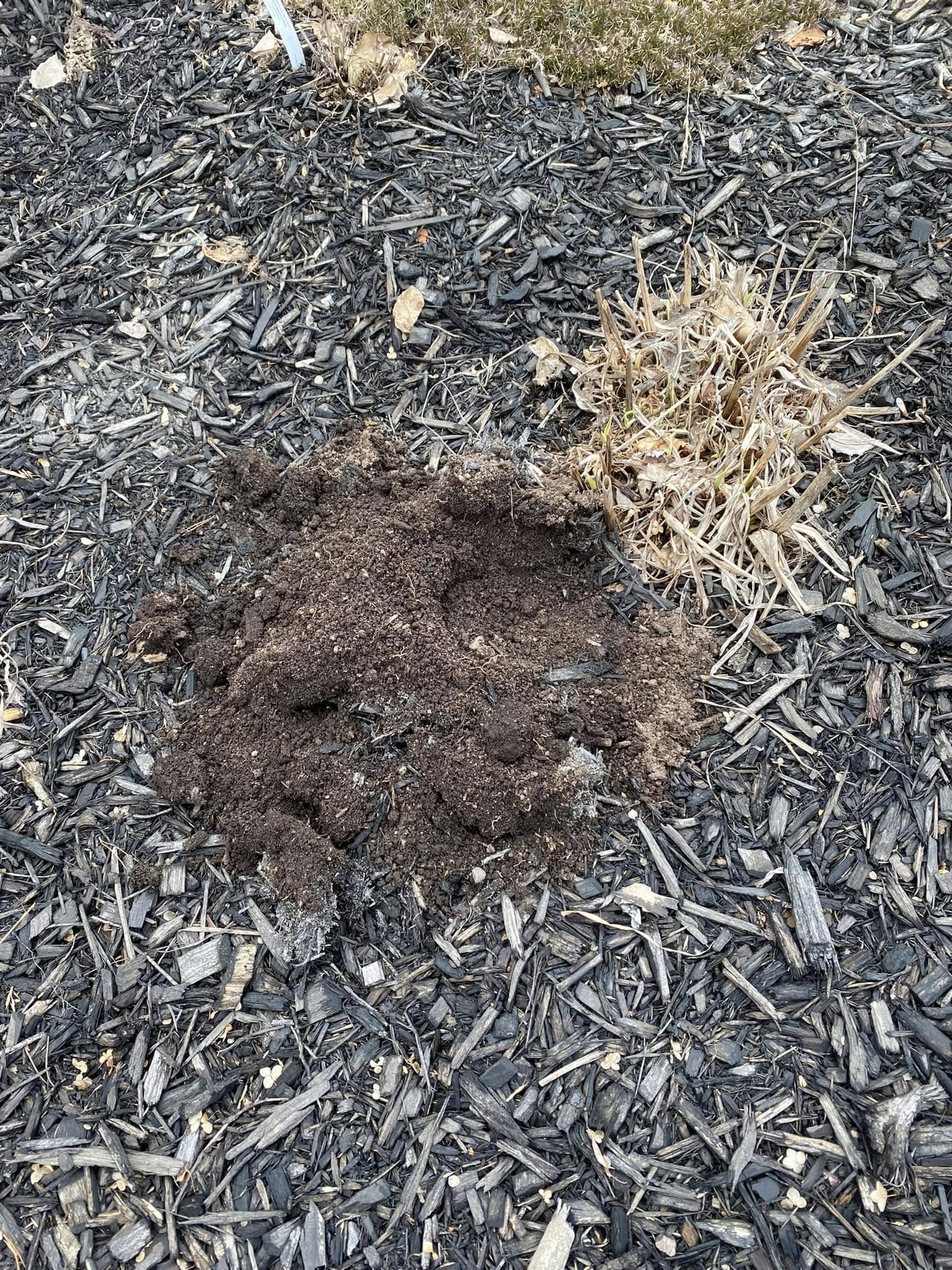
When I dug down past the topsoil on Rob’s property, at roughly four to five inches, I hit a noticeably denser, more clay-heavy layer than what I found at the same depth on Janice’s side. This wasn’t visible from the surface and wasn’t something either homeowner had any way of knowing without someone actually digging down and comparing.
This kind of variation between two adjacent residential lots is more common in Greater Sudbury than people might expect, and it traces back to how these subdivisions were actually built. When a development goes in, grading and fill work doesn’t always result in perfectly uniform subsurface conditions across every single lot, even ones built around the same time by the same builder. Sometimes one lot received fill material from a different source than its neighbour. Sometimes the original grading disturbed the native soil to different depths on different lots depending on how the site was originally contoured. The visible topsoil layer that gets installed at the end of construction can look identical on the surface while masking real differences a few inches down.
On Rob’s property, that denser clay layer sitting closer to the surface meant his soil compacted faster and more severely under the same foot traffic and weather conditions than Janice’s did, because there was less of a buffer of looser, better-structured soil above it. The aeration two years earlier had helped, but with a denser layer close to the surface and heavier foot traffic from kids and a dog, the compaction had rebuilt faster on his side than the same treatment allowed for on Janice’s.
This is the kind of thing I’ve started testing for more systematically since the experience I described in the Garson property that made me call my supplier and ask questions I’d never asked before — when two seemingly similar properties produce meaningfully different results from the same treatment, the explanation is very often something specific to the subsurface conditions that isn’t visible without actually digging and comparing, rather than anything either homeowner did differently.
What Changed Once We Adjusted for the Real Difference
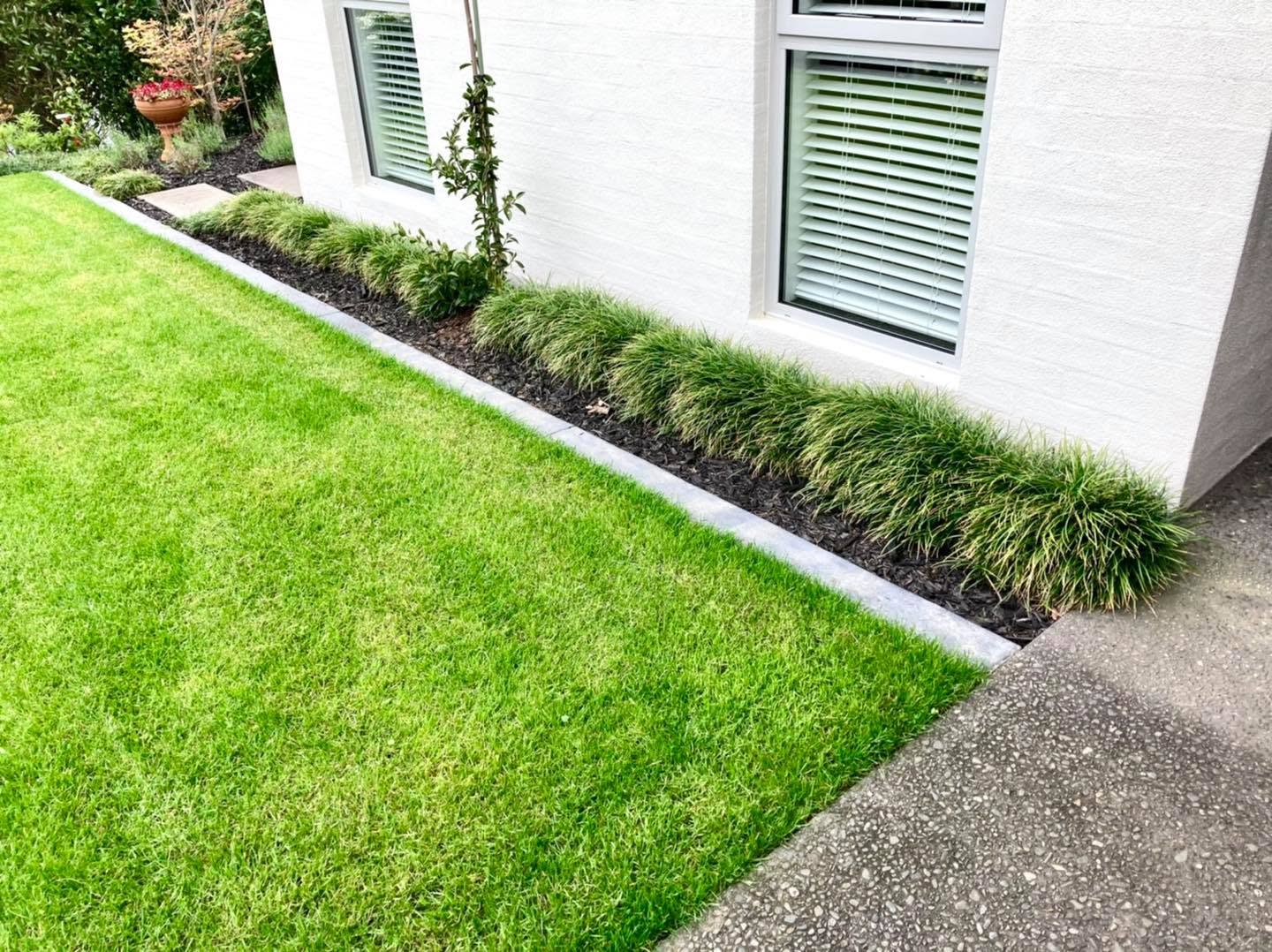
Once I understood that Rob’s property had a denser clay layer sitting closer to the surface, the plan for his lawn changed meaningfully from what I’d have recommended without that information — and from the generic “more of the same” approach that had produced his frustrating results so far.
Instead of a standard single aeration pass, I recommended a more aggressive double-pass aeration specifically targeting that compacted layer, combined with a heavier topsoil incorporation than I’d typically use on a recovery job — essentially building up a thicker buffer layer above the dense clay to give roots more room to establish before hitting resistance. I also recommended a twice-yearly aeration schedule for his property specifically, rather than the standard annual fall aeration I’d suggested for Janice’s lawn, which was already performing well on a once-a-year rhythm.
For the foot traffic factor, I suggested a simple practical adjustment — a stepping stone path through the section of yard the kids and dog used most heavily, to concentrate the compaction-causing traffic onto a surface designed for it rather than letting it compress the same strip of lawn repeatedly.
By the following summer, Rob’s screwdriver test results had improved from an inch and a half to around two and a half inches — not quite matching Janice’s exceptional readings, which makes sense given his property’s underlying soil structure is genuinely more challenging, but a meaningful and visible improvement. The lawn’s coverage and density improved correspondingly. Rob’s lawn will likely always require somewhat more aggressive maintenance than Janice’s to achieve a comparable result, simply because of what’s sitting a few inches under the surface — but once the plan accounted for that real difference instead of assuming both properties needed identical treatment, the trajectory changed.
Why This Story Matters Beyond Rob and Janice
If you’ve ever looked at a neighbour’s lawn and wondered why theirs looks better despite doing what seems like the same amount of work, this is genuinely one of the most common explanations, alongside the more visible factors like sun exposure or existing tree shade. The subsurface soil conditions on two adjacent properties are not automatically identical, even when everything visible about the lots looks similar, and even when the original construction happened at the same time by the same builder.
This is part of why I keep coming back to the same underlying point across a lot of these articles: a lawn care plan based on what worked for someone else’s property, even a property right next door, is a reasonable starting point but not a guarantee of the same outcome. The only way to know what your specific lawn actually needs is to check your specific soil, not assume it matches your neighbour’s based on similar-looking grass on the surface.
If your lawn has been underperforming compared to a neighbour despite doing similar maintenance, it’s worth getting an actual assessment rather than assuming you’re simply doing something wrong.
📞 Call or text me: 705-507-6787
Or fill out the free quote form here — I get back to everyone same day.
— Ryan Lingenfelter
Owner, Cutting Edge Lawn & Landscaping
Garson, Ontario
Related Articles
- I’ve Never Given the Same Lawn Care Plan to Two Properties in Sudbury — Here’s Why
- The Sudbury Property That Made Me Call My Supplier and Ask Questions I’d Never Asked Before
- I Can Spot a Failing Sudbury Lawn in 10 Seconds — Here’s Exactly What I Look For
- “Do You Guarantee Results?” — Here’s My Honest Answer Every Single Time
- Lawn Aeration Near Me in Sudbury — Cost, What to Expect, and What to Ask
- A Hanmer Homeowner Proved Me Wrong About His Lawn — Here’s What Happened
