
By Ryan Lingenfelter — Owner, Cutting Edge Lawn & Landscaping · Garson, Ontario · Serving Greater Sudbury since 2020
After five years of doing this work across Greater Sudbury, I’ve had a lot of conversations about lawn care decisions. What to prioritize, what to skip, what’s worth the money and what isn’t. I’ve changed my mind about some things over that time — refined my recommendations based on what I’ve actually seen work and not work on Sudbury properties.
On aeration, I have not changed my mind once. Not slightly. Not in any direction.
I have never — not a single time — had a Sudbury homeowner come back to me and say they regretted getting their lawn aerated. I have had multiple homeowners come back and tell me they regretted skipping it. Sometimes one season later. Sometimes three seasons later, when they’re looking at a lawn that’s been declining steadily and they finally understand why.
That asymmetry — zero regrets one way, consistent regrets the other — is worth writing about. Here’s exactly why aeration is the one recommendation I never compromise on for Sudbury lawns.
What Aeration Actually Does — In Plain Language
Most homeowners have a vague understanding of what aeration is — something about holes in the lawn — but not a clear picture of what it actually accomplishes or why it matters specifically in Sudbury.
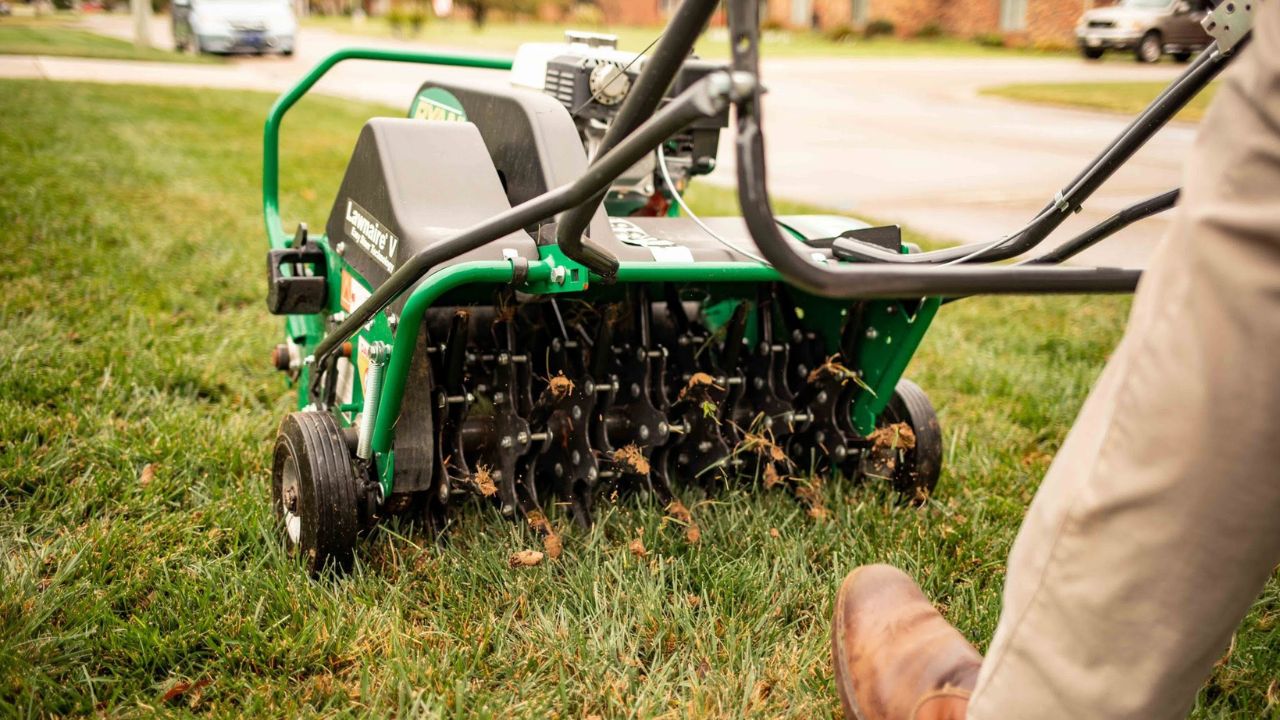
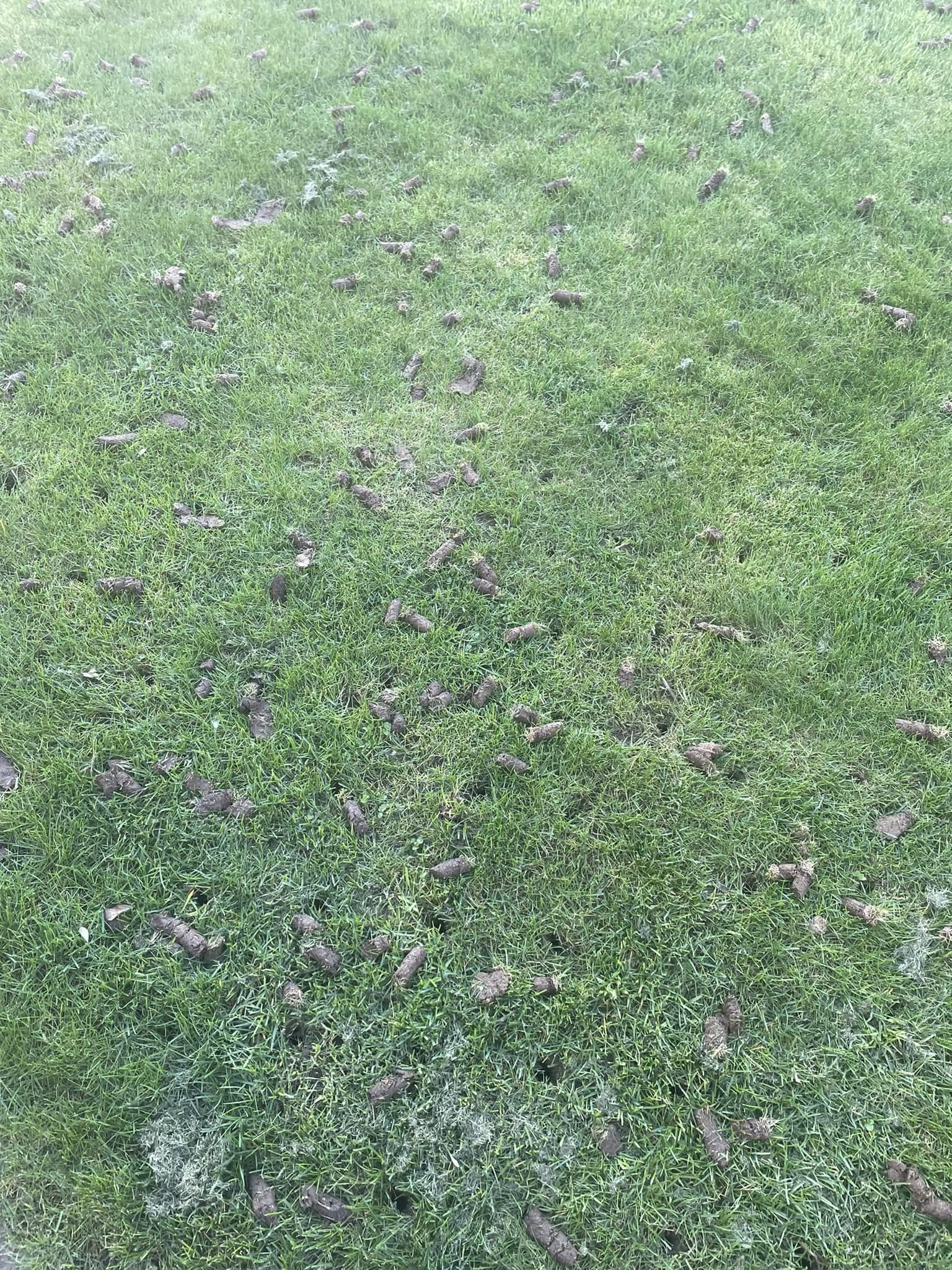
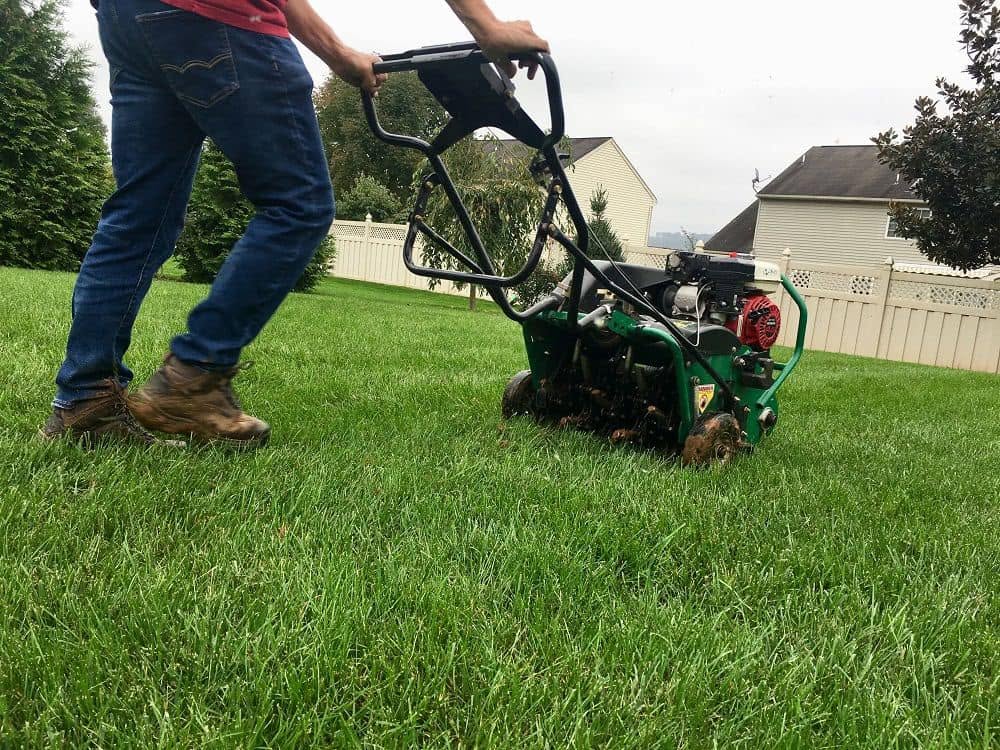
The machine pulls cylindrical plugs of soil out of the ground — typically three to four inches deep, spaced three to four inches apart across the whole property. Those holes do several things simultaneously.
They relieve compaction. Soil gets compacted by traffic, by the weight of snow sitting on it through a Sudbury winter, by freeze-thaw cycles working on it repeatedly over months. Compacted soil resists root penetration, sheds water rather than absorbing it, and limits the air movement that soil biology needs to stay healthy. Aeration breaks that compaction by physically opening channels through it. The immediate difference in how soil feels underfoot after aeration — more give, less resistance — reflects real structural change in the soil.
They create pathways for water, air, and nutrients. On compacted soil, water runs off rather than soaking in. Fertilizer sits on the surface rather than reaching the root zone. Aeration holes give water and nutrients a direct route to where grass roots actually are. Everything you apply to the lawn — fertilizer, water, overseeding — performs better on aerated soil than on sealed compacted soil.
They create ideal overseeding conditions. Seed dropped into an aeration hole has direct soil contact — the single most important factor in germination success. Seed dropped on an unaerated surface sits on thatch or compacted soil and often fails to germinate properly. This is why overseeding combined with aeration consistently outperforms overseeding alone.
They improve long-term soil health. The plugs pulled to the surface break down over a few weeks and reincorporate into the lawn, gradually improving the organic matter content of the thatch layer. Over multiple seasons of annual aeration, soil structure improves cumulatively — more porous, better drainage, more biologically active.
Why It Matters More in Sudbury Than Almost Anywhere Else in Ontario
Generic lawn care advice about aeration is written for places with deeper, more forgiving soil than what we have in Greater Sudbury. What’s true everywhere is amplified here.
Our winters are hard on soil structure. Sudbury’s freeze-thaw cycles are among the more severe in Ontario — the ground freezes solid, partially thaws, refreezes, repeatedly, over a winter that lasts longer than most of the province. Each freeze-thaw cycle compresses and disrupts soil structure. The lawn coming out of a Sudbury winter is in worse soil condition than it went in. Annual aeration addresses what winter does to the soil every single year.
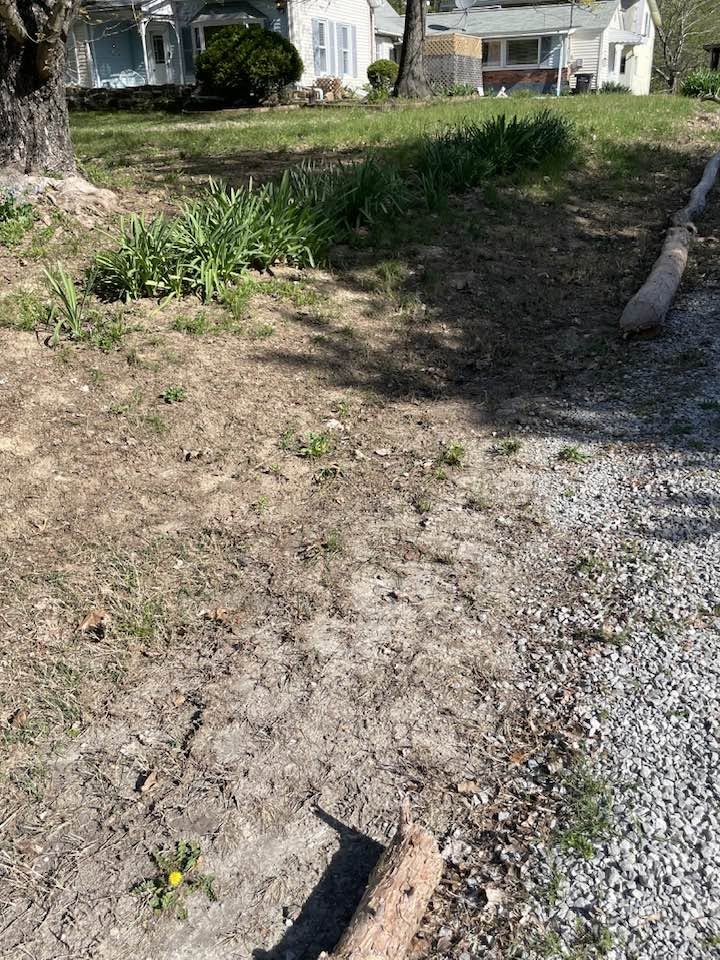
Our topsoil is shallow. The Canadian Shield means many Sudbury properties have limited topsoil depth before hitting bedrock, hardpan, or heavily compacted subsoil. Shallow topsoil compacts faster under the same pressure than deep topsoil does — there’s less soil volume to distribute the load. A lawn on twelve inches of topsoil over Shield rock reaches significant compaction faster than a lawn on three feet of southern Ontario topsoil. Annual aeration is more necessary here, not less.
Our soil is naturally more acidic. Acidic, compacted soil is less biologically active — the microorganisms that break down organic matter and cycle nutrients are suppressed. Aeration improves both the physical structure and the biological environment of the soil, which in Sudbury’s acidic conditions makes a more significant difference than in areas with naturally balanced pH.
I’ve watched the same street in Greater Sudbury over three years — the properties that received annual aeration improved consistently. The ones that didn’t stayed flat or declined. The difference is visible in how they hold up through July and how they look in September.
What Skipping It Actually Costs — Real Examples
The regrets I’ve heard about skipping aeration fall into a few consistent patterns.
“I overseeded three times and nothing ever took.” This is the most common one. Homeowners who’ve been overseeding on compacted, thatch-covered soil and wondering why germination is poor. The seed is sitting on the surface rather than reaching soil. The answer isn’t better seed or more seed — it’s aeration first so the seed has somewhere to actually go. Once they understand this, the previous seasons of failed overseeding make sense. Every bag of seed they bought was working against structural conditions that prevented germination.
“The lawn goes brown every July no matter what we do.” Summer drought stress in Sudbury is primarily a rooting depth problem. Grass with shallow roots — caused by compaction limiting root penetration — runs out of accessible moisture faster than grass with deeper roots. Consistent annual aeration improves rooting depth over time, which is the real fix for lawns that fail every summer. Homeowners who’ve been watering more rather than aerating have been addressing the symptom rather than the cause.
“We’ve been cutting it and fertilizing it for three years and it looks the same.” This is what happens when you do the surface maintenance without the foundation work. Cutting and fertilizing maintain what’s there — they don’t improve the soil conditions that determine what the lawn is capable of being. Three years of maintenance without aeration produces three years of the same lawn, maybe slightly declining as compaction increases and thatch builds. The pattern of surface care on top of unaddressed soil problems is one of the most common situations I walk into on new properties.
“I wish someone had told me to do this sooner.” This one is the hardest to hear, because it usually comes from someone who’s been spending money on lawn care for years and has spent several seasons with a lawn that wasn’t progressing the way they expected. The aeration wasn’t part of what previous services offered or recommended, and the years without it show in the soil structure now. It’s fixable — it just takes longer to undo several seasons of compaction than it would have taken to prevent it.
The One Question That Changes How Homeowners Think About It
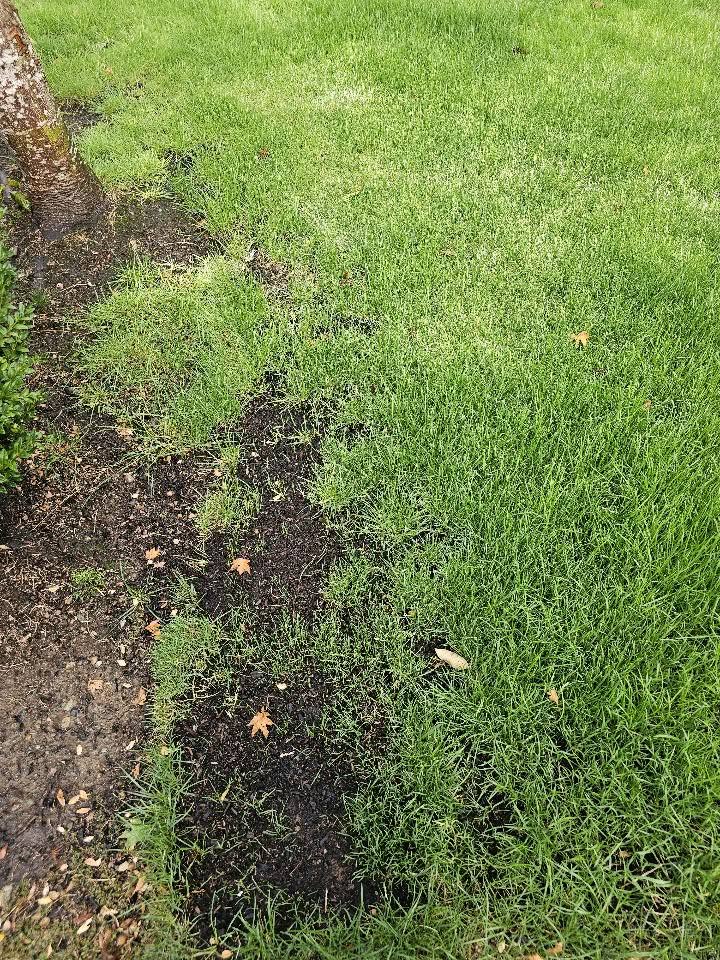
When homeowners are on the fence about aeration — usually because of cost or because they don’t understand why it’s necessary — I ask them one question.
“When did you last aerate?”
If the answer is never, or more than two years ago, that single answer explains most of what they’re unhappy about with their lawn. The summer browning, the failed overseeding, the fertilizer that doesn’t seem to be doing anything, the lawn that looks the same year after year despite consistent maintenance. These aren’t unrelated problems with separate causes. They’re symptoms of the same underlying condition — soil that’s too compacted to support the lawn that’s trying to grow in it.
The cost of annual core aeration is real. I’m not going to pretend it’s trivial. But compared to the cumulative cost of overseeding that doesn’t germinate, fertilizer that doesn’t reach roots, and a lawn that needs significant intervention after several years of decline — it’s not a close comparison. Annual aeration is the most cost-effective single investment in a Sudbury lawn’s long-term health. The best time to aerate in Sudbury is spring — late May once the ground has firmed up — with a second fall pass for properties that need it.
The homeowners I work with who’ve been aerating consistently for three or four years have lawns that look noticeably different from the ones around them. Not because of products or elaborate programs — because the soil underneath is in genuinely better condition, and everything done on the surface works better as a result. That’s a compounding benefit that builds every season aeration happens and reverses every season it doesn’t.
If you’ve never aerated your Sudbury property, or if it’s been a while, reach out. I’ll come take a look, tell you what I see in terms of compaction and soil condition, and give you an honest read on what a proper aeration program would do for your specific lawn. That first conversation costs nothing.
— Ryan Lingenfelter
Cutting Edge Lawn & Landscaping, Garson, Ontario
📞 705-507-6787
Serving all of Greater Sudbury — Garson, Hanmer, Val Caron, Lively, Chelmsford, Azilda, Capreol, and Sudbury proper. We offer core aeration, grass cutting, property cleanup, sod installation, and full lawn maintenance. Free quotes, no pressure.
Get a Free Quote |
Call 705-507-6787
