
It happens more than you’d expect. A homeowner calls — sometimes referred by a neighbour, sometimes they found me online — and before they describe what they need, they say something like: “I should warn you, it’s been a while.” Or: “I know it’s bad. I just want to know if it’s fixable.”
Two full seasons of no meaningful lawn care in Sudbury produces a specific result. Not random — specific. The same patterns show up every time, in roughly the same order of severity, and after enough of these properties I can read the situation fairly accurately before I’ve even stepped out of the truck.
Here’s exactly what I see, what it means, and — the part most homeowners want to know — what’s actually salvageable and what isn’t.
What the Lawn Looks Like From the Street
The first thing I notice from the truck is height and colour — and after two seasons of neglect, both are telling.
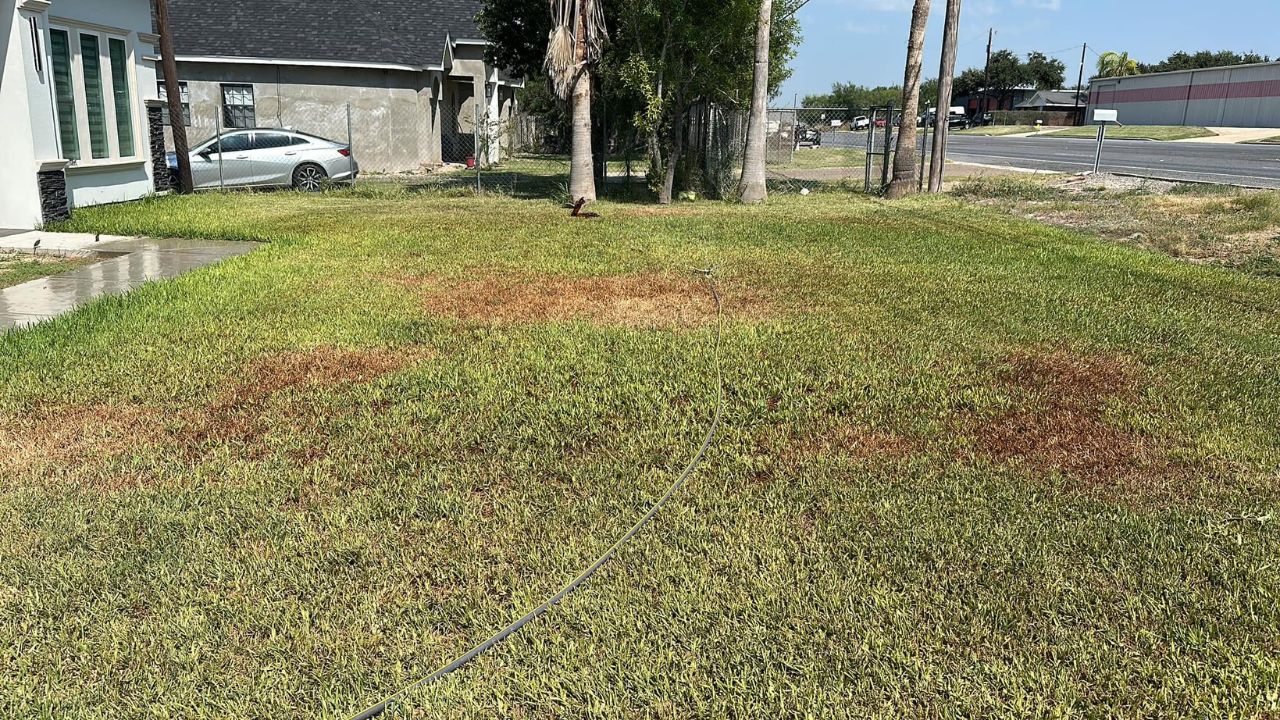
The height is almost never uniformly long. This surprises people — they assume a neglected lawn means a uniformly overgrown one. What actually happens is more uneven. The grass species that thrive under neglect — certain coarse fescues, creeping bentgrass, weedy grasses — have grown vigorously and are long and stemmy. The grass species that need proper conditions — Kentucky bluegrass especially — have thinned significantly or died out in sections, leaving shorter, sparser areas surrounded by taller growth. The result looks patchy and irregular rather than simply long.
The colour is multi-toned in a way that a maintained lawn never is. Yellows and pale greens where the managed grass species have been stressed or died. Dark greens where opportunistic weeds have filled in. Brown sections where bare soil has been exposed and dried. And across the whole property, a dull, unhealthy cast that comes from thatch buildup blocking light and air from reaching the soil surface.
From the street, before I’ve walked a single step, I already have a working picture. What those first seconds of observation tell me about the property’s underlying condition is usually accurate. The walk-through confirms the details.
What I Find When I Walk the Property
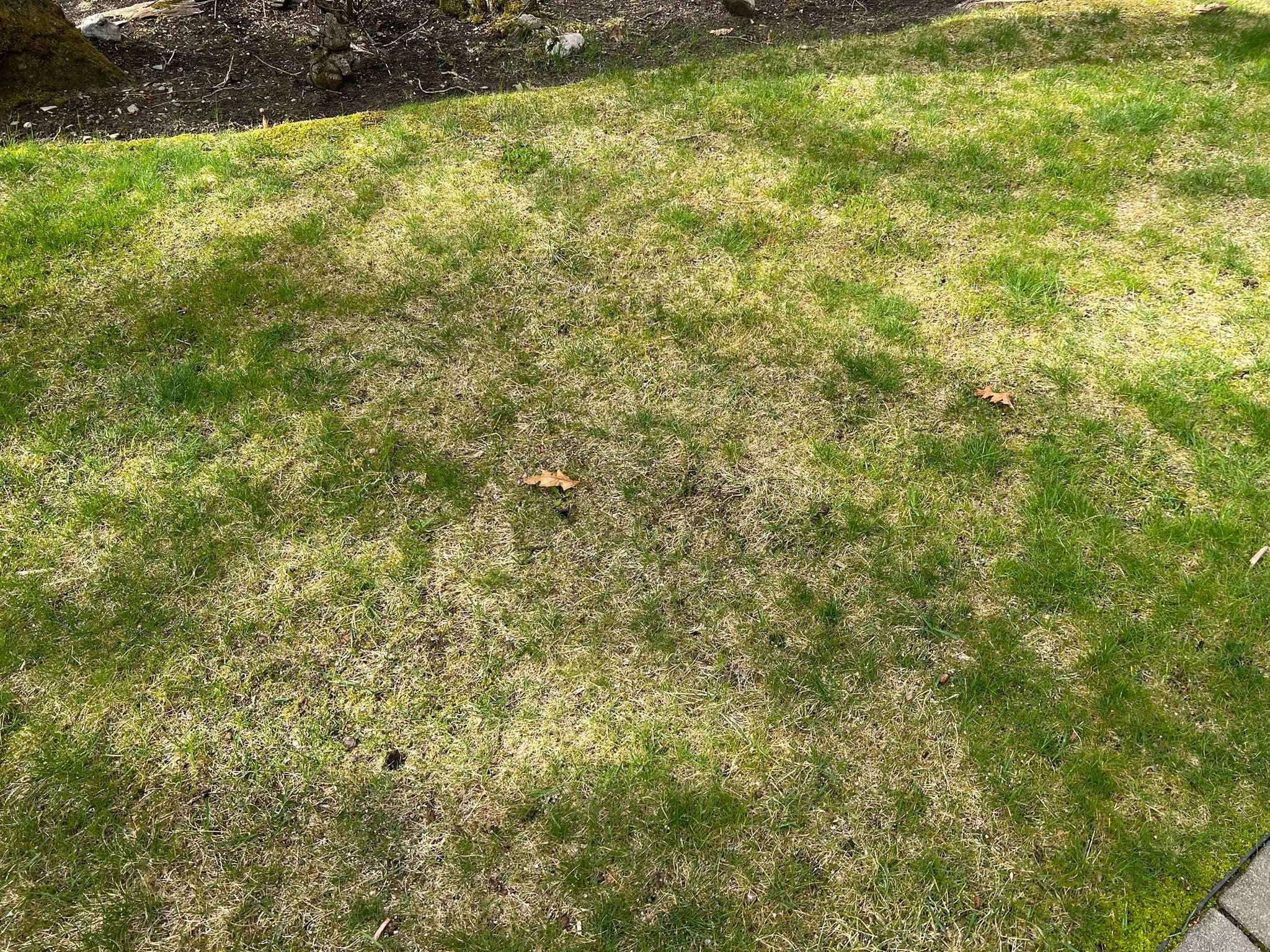
Walking a neglected Sudbury property is a specific experience. The ground has a particular feel — spongy in some spots from thick thatch, hard in others where soil has been compacted without any aeration to counteract it. In Sudbury’s climate with our shallow Canadian Shield soils, two seasons without aeration produces significant compaction. I can feel it underfoot before I’ve done anything else.
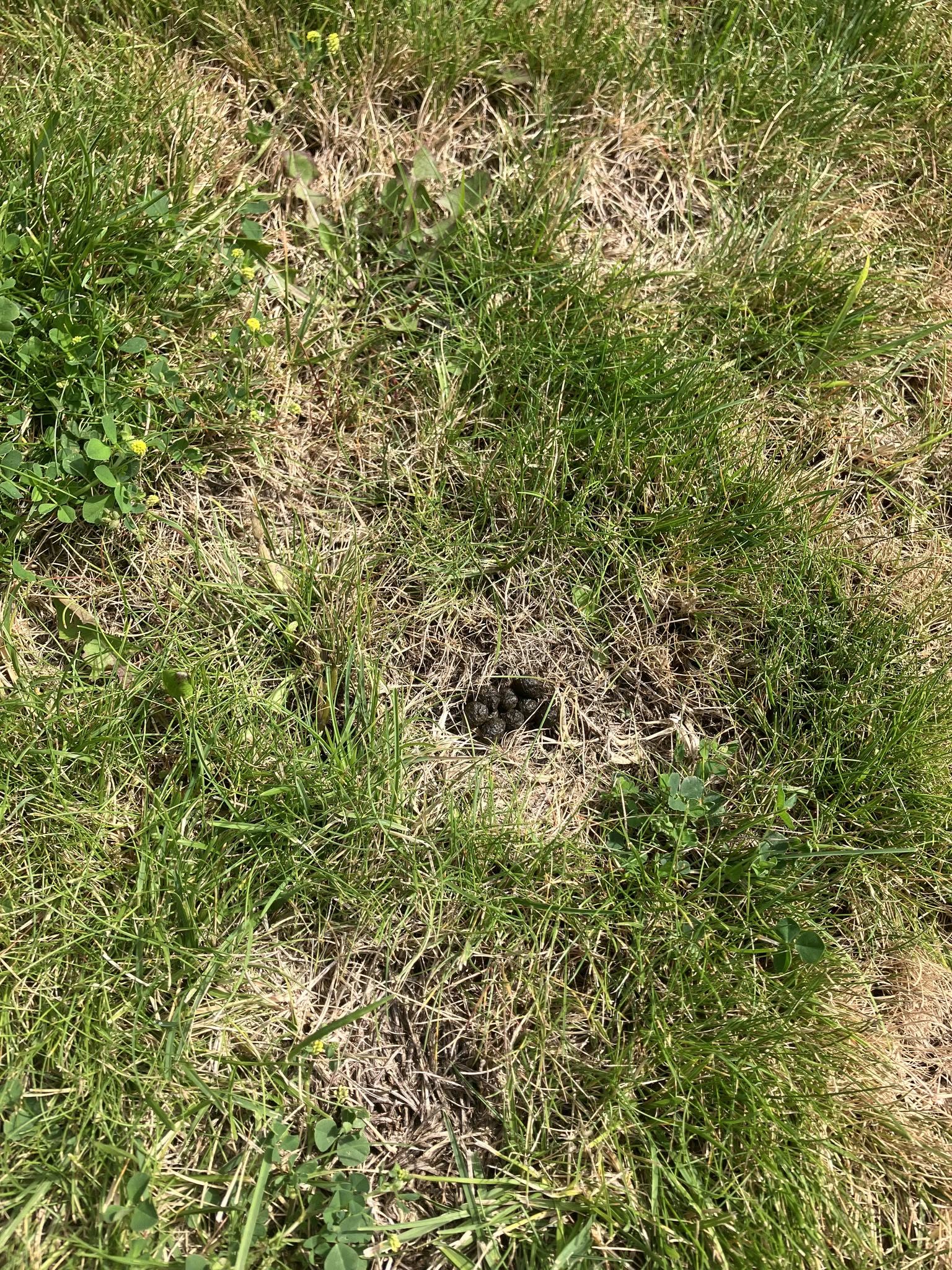
The thatch layer is almost always substantial. Two seasons of grass clippings, dead material, and organic debris accumulating without any cleanup produces a mat that can be an inch thick or more in some sections. This thatch layer is doing several harmful things simultaneously — blocking water from reaching the soil, harbouring fungal disease, preventing overseeding from making soil contact, and creating an environment that favours weeds and opportunistic grasses over the desirable species.
Weed coverage is significant. Dandelions are the obvious ones — visible from the street — but the more concerning weeds are the ones that have moved into the thin or bare areas. Annual bluegrass, creeping Charlie, broadleaf plantain. These aren’t just cosmetic problems. They’re competing directly with desirable grass for the soil space that needs to be reclaimed for the lawn to recover properly.
The edges — along driveways, walkways, garden beds — are ragged and overgrown. Two seasons of unmaintained edges creates a situation where the lawn has crept into hard surfaces and beds, and where the definition between lawn and non-lawn has blurred significantly. Restoring those edges is one of the first visible improvements after work starts, which matters for how quickly the property starts looking like it’s being cared for again.
What’s Actually Salvageable — and What Isn’t
This is the question every homeowner asks when I walk a neglected property. And the honest answer — the one I try to give rather than the one that sounds most encouraging — is nuanced.
What’s almost always salvageable: The soil. Two seasons of neglect damages the surface condition significantly but rarely damages the soil itself beyond what proper treatment can reverse. Compaction responds to core aeration. Thatch responds to removal. pH imbalance — common on Sudbury properties given our acidic Canadian Shield soil — responds to lime application. The soil, even on a badly neglected property, is usually workable.
What’s often salvageable: More of the existing grass than it looks like from the street. A lawn that looks 40 percent grass and 60 percent weeds or bare soil from the outside often has more living grass crowns than are visible — they’re just buried under thatch or suppressed by the weed competition. After a thorough spring cleanup that removes the thatch, clears the debris, and opens the surface, the remaining grass often responds with more recovery than the initial picture suggested.
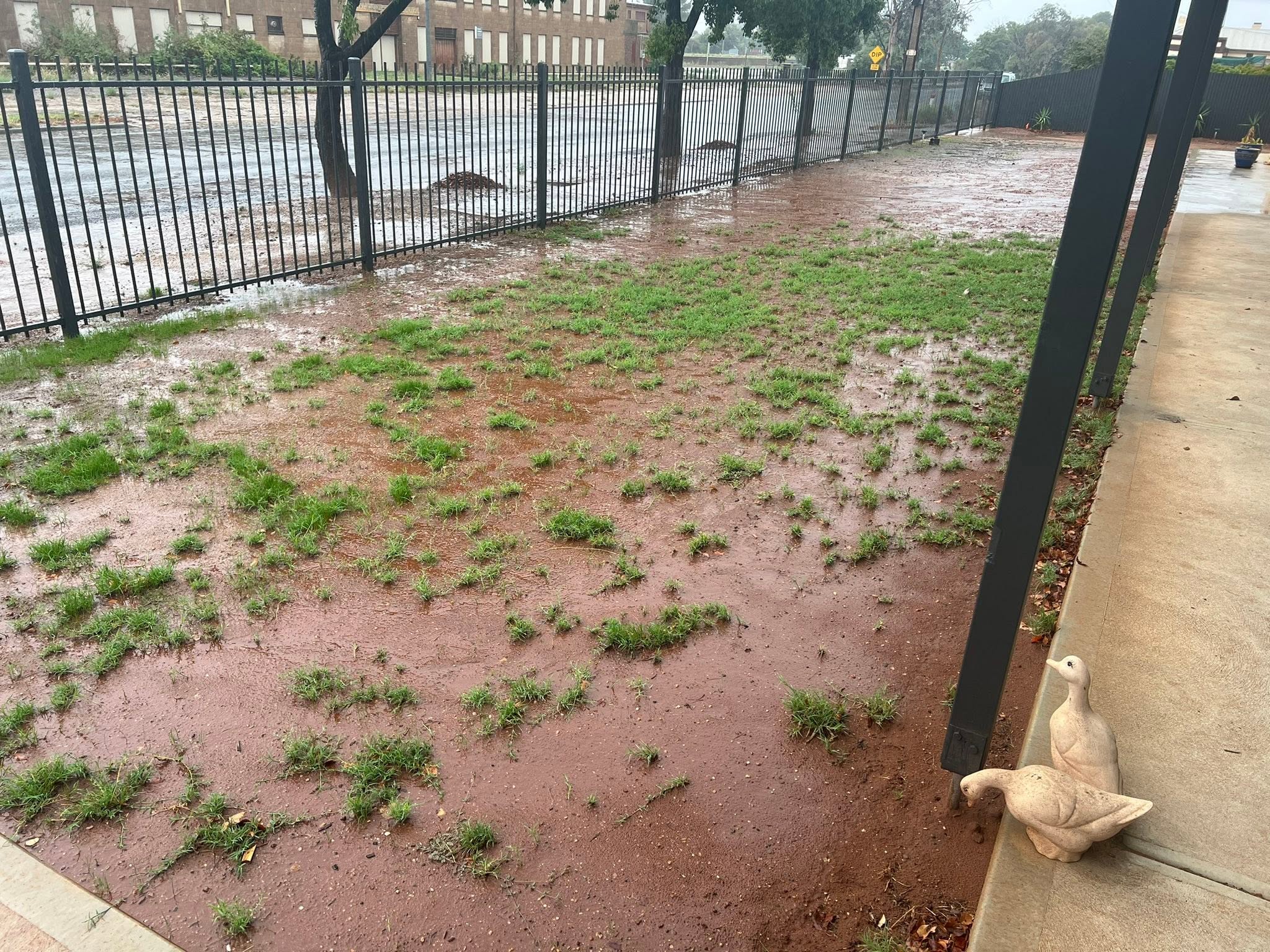
What usually isn’t salvageable: Specific sections where the soil has been bare long enough for the topsoil layer to have eroded, dried, or been displaced. On properties with significant slope and two seasons of no ground cover, topsoil loss can be real. Those sections need new soil before anything else. And grass species that were marginal for Sudbury’s conditions in the first place — varieties that were struggling before the neglect — aren’t coming back just because the surface conditions improve. Choosing the right grass seed for Sudbury’s specific conditions matters enormously when overseeding a recovering property.
The honest overall picture: Two full seasons of neglect in Sudbury is recoverable in most cases. Not in one visit — and not without the right foundation work done in the right order. But the idea that a badly neglected Sudbury lawn is gone beyond saving is almost always wrong. I’ve started from worse and ended up with a property the homeowner was proud of within a single season.
What the First Season of Recovery Actually Looks Like
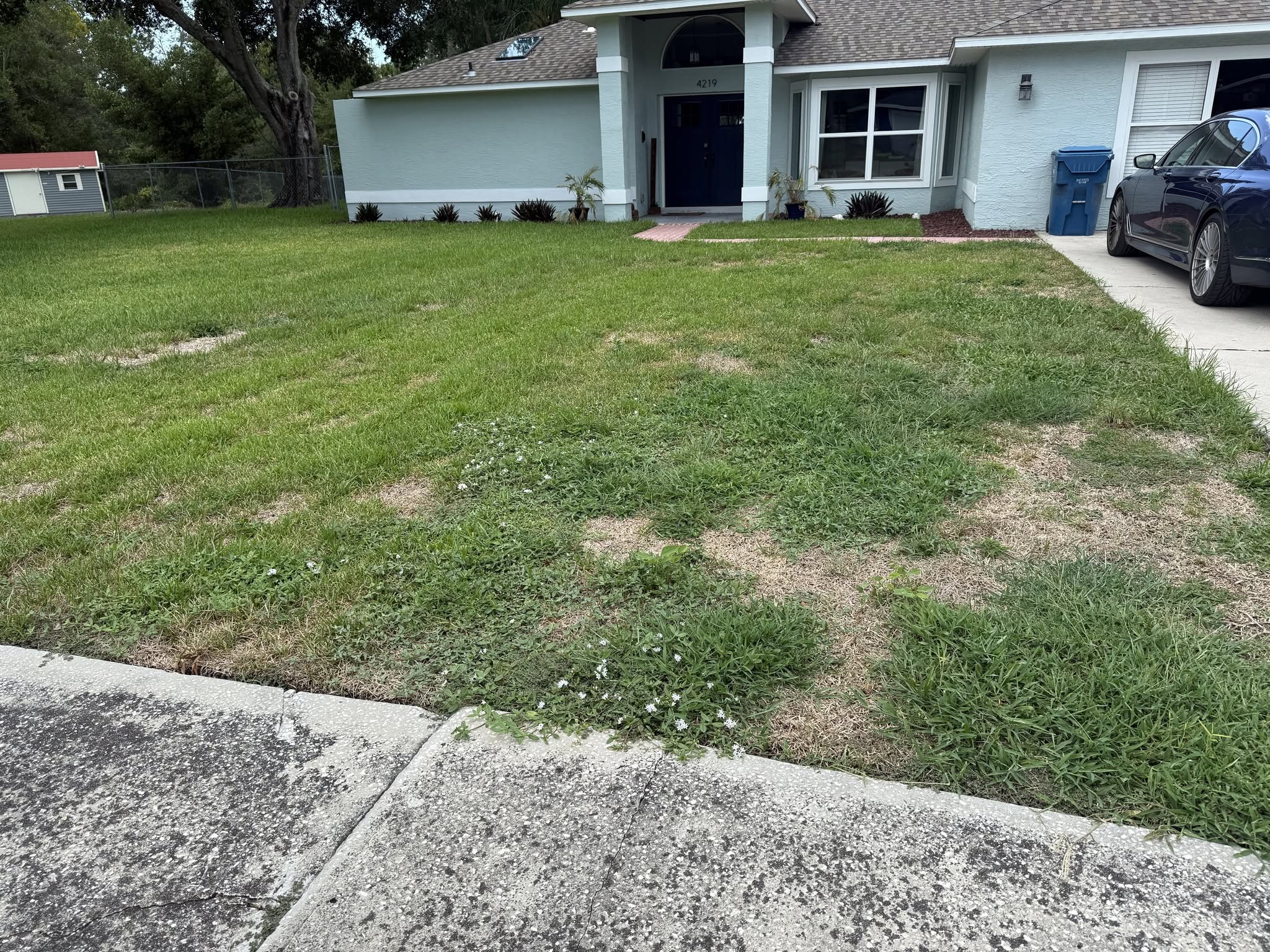
I want to be specific about what realistic recovery looks like, because I think homeowners sometimes expect either dramatic transformation or continued failure — and the reality is usually somewhere in between, in a way that’s actually encouraging if you understand what you’re looking at.
The first spring cleanup on a two-season neglected property is significant work. Removing the thatch mat, clearing debris, lifting the dead material that’s been suffocating the soil surface — this alone takes more time than a standard spring cleanup. But when it’s done, the property already looks better than it did. Not great — but like something is being done, which matters psychologically for a homeowner who’s been looking at decline.
Aeration after cleanup opens the soil up. The plugs look messy for a few days and then break down. What’s left is soil that water can actually enter and roots can actually penetrate — a completely different situation than the compacted, thatch-covered surface we started with.
Overseeding into the aeration holes gives new seed the soil contact it needs to germinate. With the right mix for Sudbury’s conditions, germination starts within two to three weeks. Through June, bare sections begin filling in. By July the lawn looks meaningfully better than it did in May — not finished, but moving in a clear direction.
The weeds don’t disappear immediately. They thin as the desirable grass gets more competitive with proper growing conditions, but weed management is an ongoing process through the first season. By October, most homeowners with a two-season neglected property that’s been properly treated are looking at something they’d describe as significantly improved — maybe 70 percent of where they want it to be, with the trajectory clearly positive heading into winter.
Season two is usually when it starts looking genuinely excellent. The soil is healthier, the desirable grass has had a full year to establish from the overseeding, and the foundation work from year one is compounding. This is the trajectory that homeowners who’d given up on their lawn discover when the right approach is applied consistently — the recovery happens, it just takes a full season to really show what it can become.
If you have a property in Greater Sudbury that’s been sitting without proper care — whether it’s two seasons or more — reach out before you decide it’s not worth trying. Come talk to me first. I’ll walk it with you, tell you honestly what I see, and give you a realistic picture of what recovery looks like for your specific property.
That conversation is always free. And it’s usually more encouraging than the homeowner expects.
— Ryan Lingenfelter
Cutting Edge Lawn & Landscaping, Garson, Ontario
📞 705-507-6787
Serving all of Greater Sudbury — Garson, Hanmer, Val Caron, Lively, Chelmsford, Azilda, Capreol, and Sudbury proper. We offer core aeration, property cleanup, grass cutting, sod installation, and full lawn maintenance. Free quotes, no pressure.
Get a Free Quote |
Call 705-507-6787
