
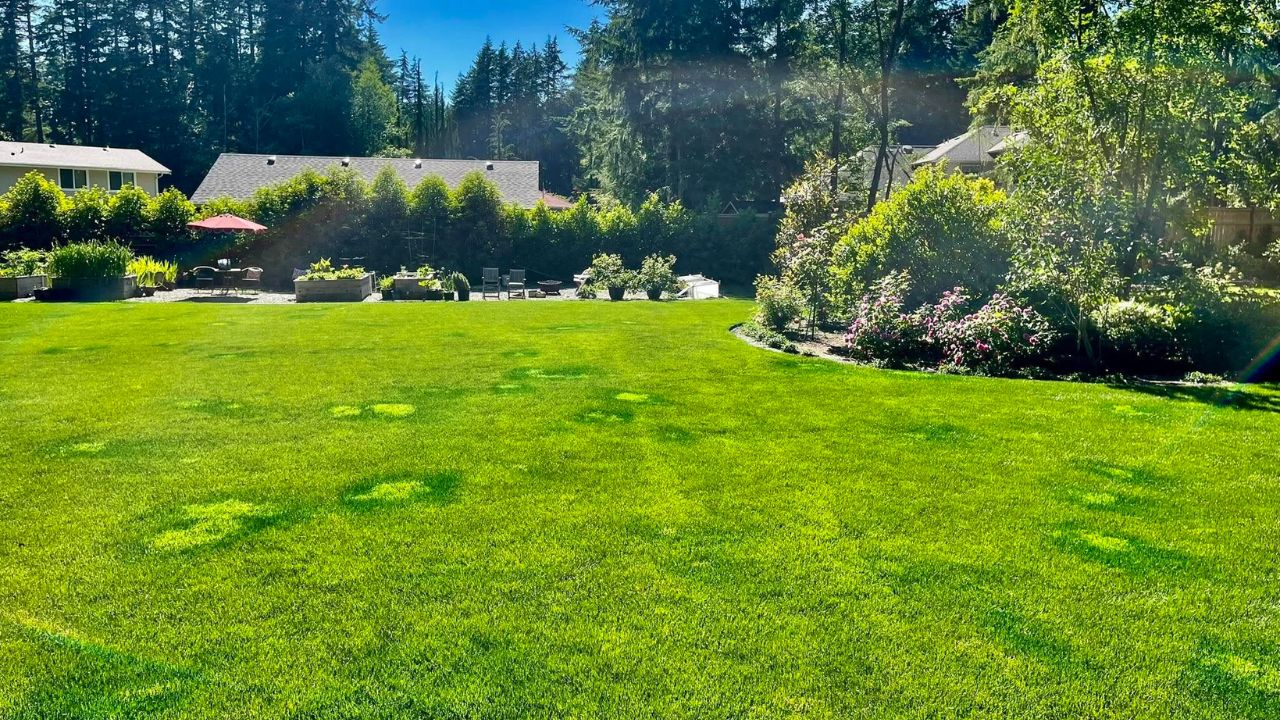
Two houses on the same street in Val Caron. Same builder, same year, same size lot, same southern exposure. I walked both properties within the same week last spring.
The plans I wrote up for each one had almost nothing in common.
I’m Ryan Lingenfelter, owner of Cutting Edge Lawn & Landscaping in Garson, Ontario. Since 2020, I’ve maintained over 500 properties across Greater Sudbury — Garson, Val Caron, Hanmer, Lively, Chelmsford, Azilda, Capreol. In five years I have never handed two properties the identical maintenance plan. Not because I’m trying to be different for the sake of it. Because no two lawns in this city are actually dealing with the same combination of conditions, even when everything on paper looks the same.
I want to walk through why that’s true and what it means for how I think about every new property I quote.
Same Street, Same Builder, Completely Different Lawns
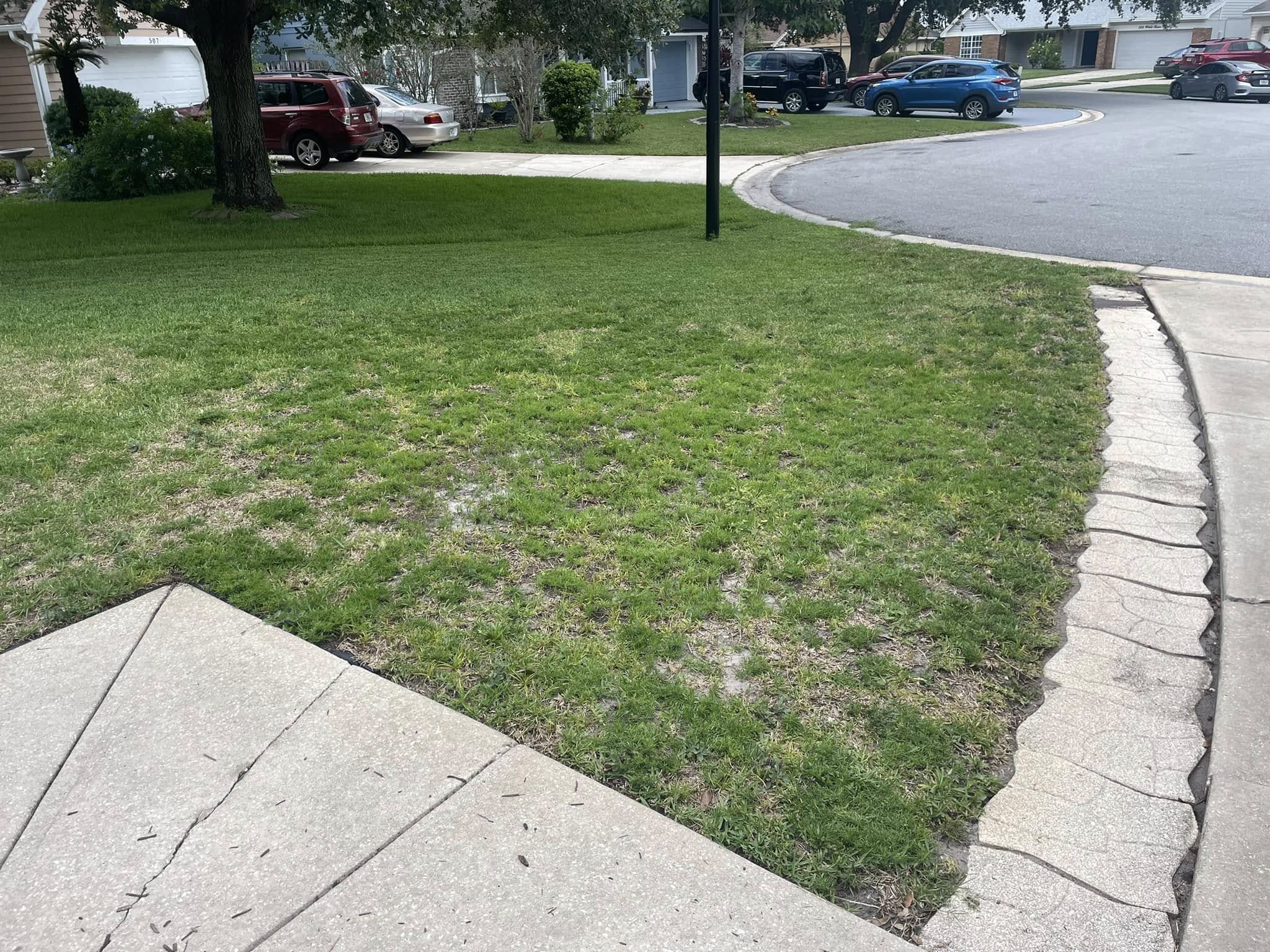
Going back to the Val Caron example. Both properties were built the same year by the same developer, identical lot dimensions, same orientation to the sun. If you were comparing them on a spec sheet, they’d look like the same lawn.
The first property had a screwdriver test that stopped around 4 inches — reasonable, not perfect, but workable soil. The grass was thinning in one specific area near the side fence where I could see the previous owner’s dog had clearly run the same path for years. Everything else was a fairly standard maintenance conversation: get on a regular cutting schedule, keep the height at 3 inches, address the worn path with overseeding once traffic patterns changed.
The second property — same street, same year — had a screwdriver test that stopped at barely an inch. Severely compacted. And there was a section in the backyard, maybe eight feet across, where the grass had clearly drowned at some point — dead in an oval shape that told me water was pooling there. When I asked the homeowner, she confirmed: “Yeah, that spot’s always wet in spring.”
Same builder. Same lot size. Completely different starting points. One property needed a maintenance schedule. The other needed aeration as a priority and a conversation about grading before anything else made sense. I’ve covered exactly what that screwdriver test tells me and why I do it on every single property in the first 60 seconds article here — it’s the single fastest way to know which of these two situations I’m walking into.
Why Identical Lots Develop Different Soil Conditions
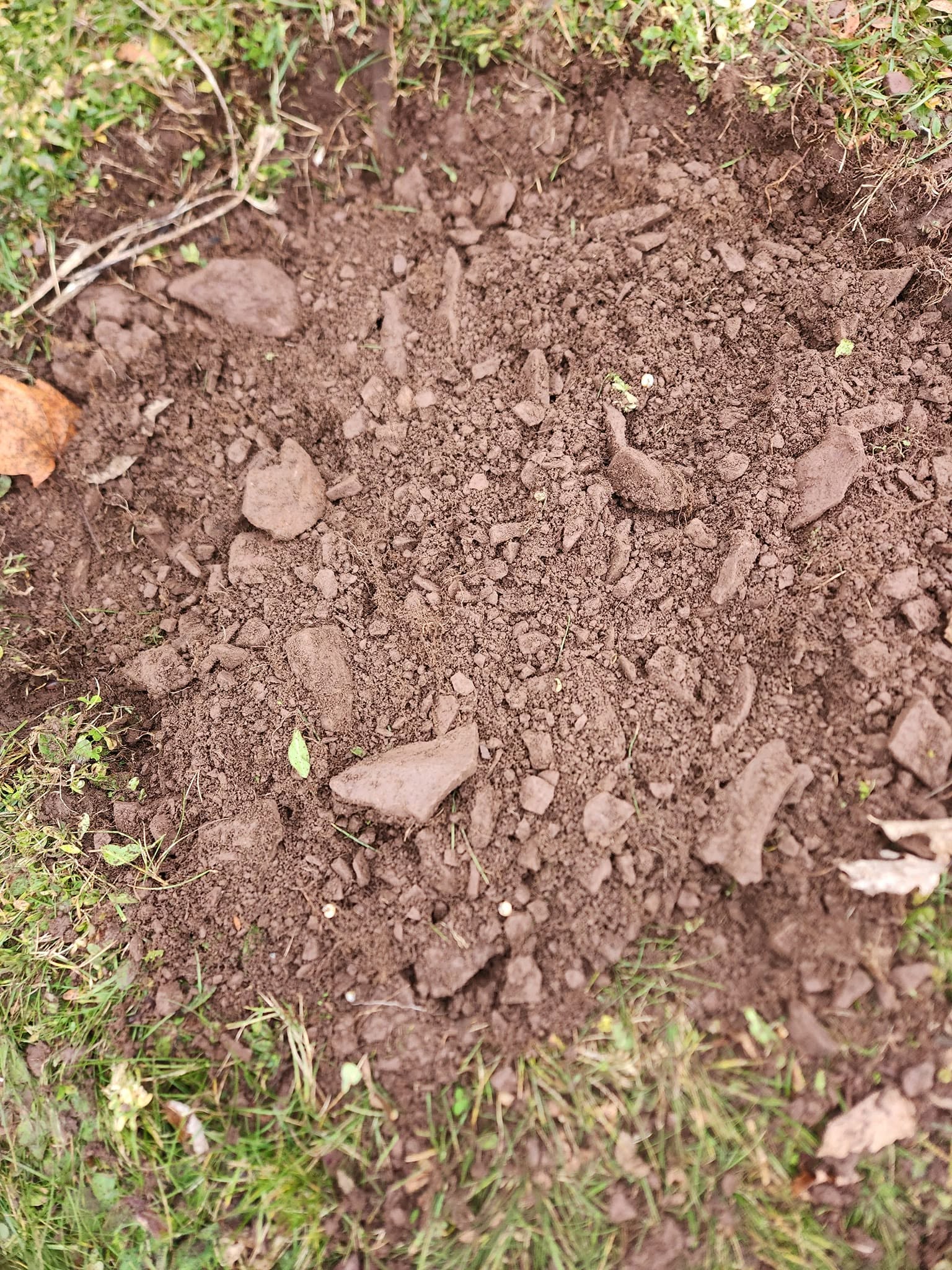
The soil under any two Sudbury properties built in the same subdivision started out nearly identical — the same glacial clay, graded by the same construction crew, topped with similar imported topsoil. So why does one property end up with soil I can push a screwdriver six inches into and the neighbour’s stops it at one?
Compaction is cumulative and it tracks exactly how a property has actually been used and maintained — not how it was built. A property where someone has been parking a trailer on the lawn every winter, or where kids have been running the same path to a treehouse for six years, or where a previous owner never aerated even once in fifteen years of ownership, will have meaningfully different soil structure than the house next door where none of that happened. I’ve gone into the mechanics of exactly why Sudbury’s clay responds this way to use and neglect in the soil science article here — the short version is that the freeze-thaw cycle compacts clay progressively, and anything that adds pressure on top of that natural cycle (traffic, equipment, lack of aeration) accelerates it.
Drainage tells a similar story. Two identical lots can end up with completely different water behaviour because of small grading differences that happened during construction, because one property had a fence installed that changed how snowmelt runs off, or because a downspout on one house empties closer to the lawn than on the other. None of this shows up on a property listing. It only shows up when you walk the lawn after a heavy rain or do a soil test in the right spot.
This is why I don’t quote properties over the phone based on square footage. A number that works for one 6,000 square foot lot in Garson can be completely wrong for another 6,000 square foot lot three streets over, because what’s actually happening in the soil and on the surface is the real variable — not the dimensions.
How Maintenance History Shapes What a Lawn Needs Today
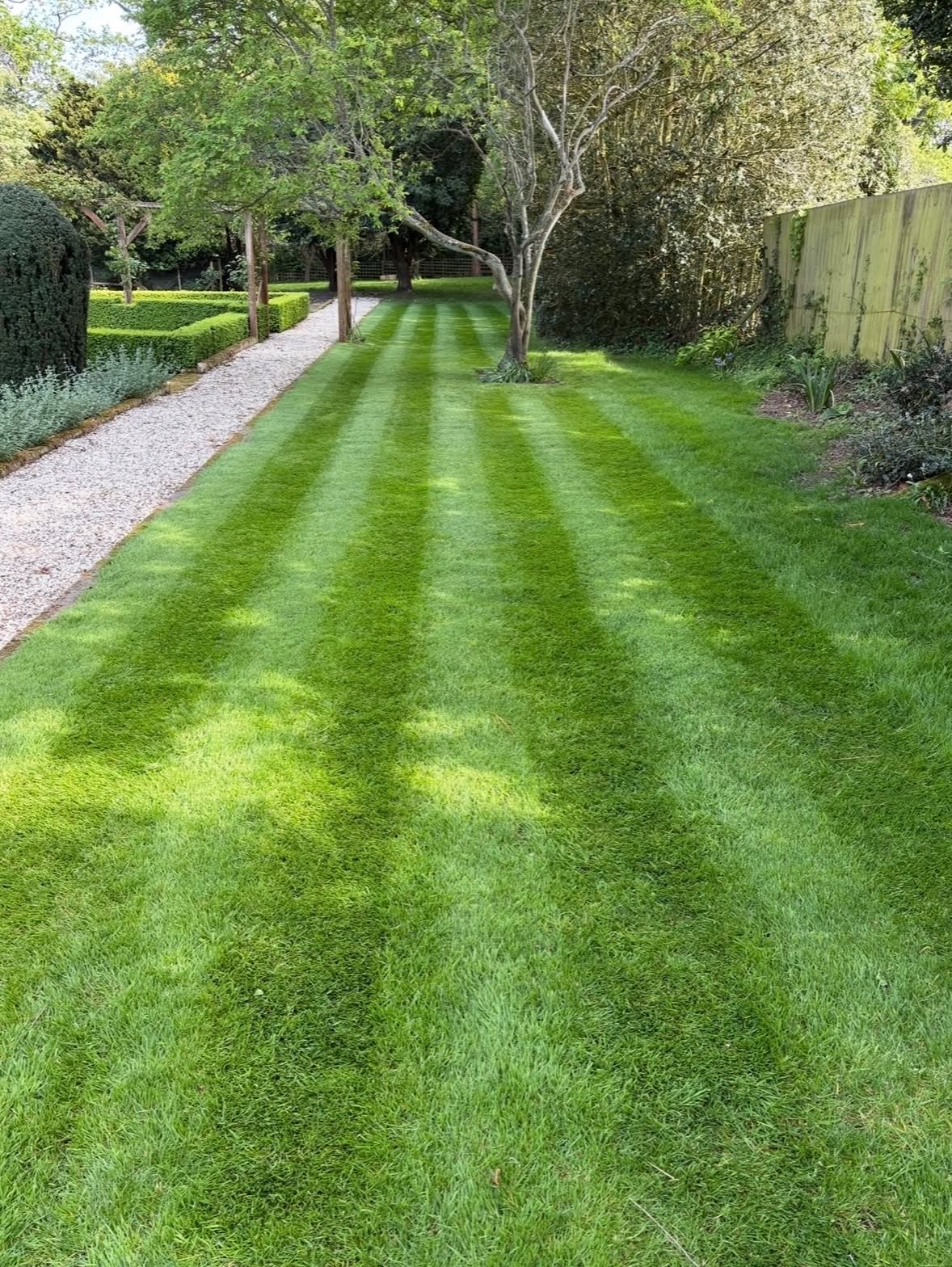
Beyond the physical soil conditions, every property comes with a history that determines what it needs right now — and that history is never the same twice.
A lawn that’s been cut at 1.5 inches for the last four summers has a different root system than the lawn next door that’s been maintained at 3 inches the whole time, even if they look similarly green from the street in May. The shallow-rooted one is going to struggle in the first dry stretch of July regardless of how much water goes on it, because the roots simply aren’t deep enough to reach what’s there. I’ve explained exactly why this height difference matters so much specifically on Sudbury’s clay in the mowing mistake article here — it’s the single most common reason I see two seemingly identical lawns perform completely differently by August.
Weed history matters too, and not just how many weeds are currently visible. A lawn where weeds have been allowed to go to seed for several seasons has a weed seed bank sitting in the soil that a neighbouring lawn — weeded consistently — simply doesn’t have. Two lawns with the same current weed coverage can need very different long-term plans because one is fighting an established seed bank and the other isn’t.
Previous grub damage, previous sod repairs, whether a property has ever had a proper fall cleanup or has gone into winter with leaves left on the lawn every year — all of this accumulates into a specific history that’s unique to that property. Two houses can look the same in a May drive-by and be carrying completely different underlying stories that only become visible when you actually walk the lawn and ask the right questions.
What Actually Goes Into Building a Plan for a Specific Property
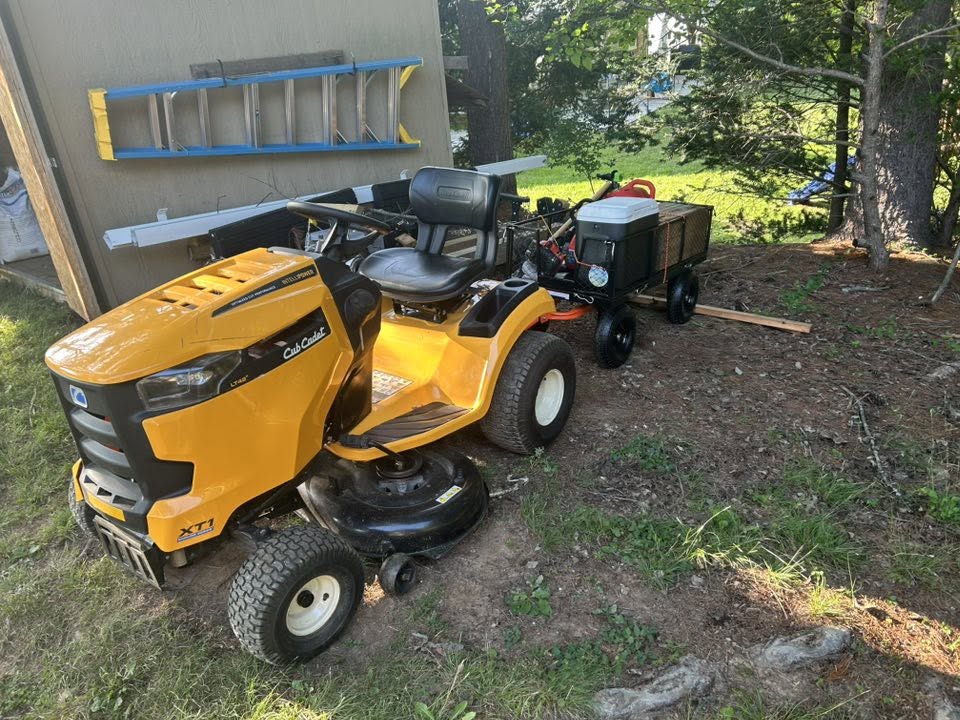
When I walk a new property, I’m running through the same checklist every time, but what I find determines a completely different set of recommendations.
The screwdriver test tells me whether compaction is the priority. If the soil is hard, aeration usually needs to happen before anything else gets meaningful traction — overseeding into compacted soil, or expecting a regular mowing schedule alone to fix a thin lawn, doesn’t address the actual cause.
The walk for drainage issues — low spots, areas that stay wet, grading that runs toward the house instead of away from it — tells me whether there’s a physical problem that lawn maintenance alone can’t solve. A property with a real drainage issue gets a different conversation entirely, sometimes involving regrading or a hardscape solution rather than more lawn care.
The mowing height and colour of the existing grass tells me about root depth and recent maintenance, which shapes how aggressive the recovery plan needs to be and how quickly I’d expect to see results. A lawn that’s been maintained reasonably well but just needs a tune-up gets a very different timeline than one that’s been scalped for three straight summers.
Asking about history — pets, kids, past issues, how long the current owner has lived there versus what they inherited from a previous owner — fills in the gaps that the physical walk alone doesn’t show. A worn path from a dog’s daily route isn’t a soil problem to fix with aeration; it’s a traffic pattern that needs a different kind of solution, like a stepping stone path or simply accepting that spot will need more frequent overseeding.
Every one of these factors can land differently on every property, and the combination is what actually determines the plan — not the lot size, not the builder, not what the neighbour’s lawn looks like.
What This Means If You’re Comparing Quotes
If you’ve gotten a lawn care quote in Sudbury that was given without anyone walking your property first — based purely on square footage or a phone description — that quote is built on an assumption that your lawn is average. Sometimes it is. Often, on the properties I walk across Greater Sudbury, it isn’t.
The honest version of a lawn care plan starts with someone actually looking at your specific soil, your specific drainage, your specific maintenance history — not a generic package applied because your lot is roughly the size of the last one. That’s the only way the plan is actually built for what your lawn needs instead of what an average Sudbury lawn supposedly needs.
If you want that kind of walk-through for your property — free, no obligation — give me a call.
📞 705-507-6787
🔗 Get a Free Quote
📍 Serving Greater Sudbury — Garson, Val Caron, Hanmer, Lively, Chelmsford, Azilda, Capreol
— Ryan
Frequently Asked Questions
Why do two similar-looking lawns in Sudbury need different care?
Even lawns built at the same time on the same street can develop very different soil compaction, drainage behaviour, and maintenance history over the years. One property might have severely compacted soil from years without aeration while the identical lot next door doesn’t. One might have a hidden drainage issue causing a dead patch every spring. These differences come from how the property has actually been used and maintained, not from the original construction — which is why a one-size lawn care plan rarely fits two properties equally well.
Should a lawn care company walk my property before giving a quote?
Yes — a proper assessment before quoting is the only way to know what a specific Sudbury lawn actually needs. A quote based on square footage alone assumes the property is average, and on Sudbury’s variable clay soil that assumption is frequently wrong. A real walk-through checks soil compaction with a simple screwdriver test, looks for drainage problems, and assesses the existing mowing height and grass condition — all of which shape what the right plan looks like.
How does maintenance history affect what a Sudbury lawn needs now?
Significantly. A lawn that’s been cut too short for several seasons has shallower roots and will struggle in summer heat regardless of how it’s watered going forward. A lawn where weeds have gone to seed repeatedly has an established weed seed bank in the soil that requires more sustained treatment than a lawn without that history. Past grub damage, previous neglect, or inconsistent fall cleanups all leave conditions in the soil and turf that a generic maintenance plan won’t address — which is why understanding a property’s specific history matters as much as its current appearance.
Why does soil compaction vary so much between Sudbury properties?
Sudbury’s clay soil compacts progressively under freeze-thaw cycles, and anything that adds extra pressure accelerates that process — vehicle or equipment traffic, lack of annual aeration, or heavy foot traffic in concentrated areas. Two identical lots can end up with very different compaction levels depending entirely on how they’ve been used and maintained, not how they were originally built. This is why a simple screwdriver test on a new property tells far more than the lot’s age or size.
Does Cutting Edge Lawn create individual plans for each Sudbury property?
Yes. Every property is walked and assessed before a plan or quote is given — checking soil compaction, drainage, existing mowing height and grass condition, and maintenance history. In five years of working across Greater Sudbury, no two properties have received the identical plan, because the combination of those factors is never quite the same twice, even on lots that look identical on paper.
Ryan Lingenfelter is the owner of Cutting Edge Lawn & Landscaping in Garson, Ontario. Since 2020, his crew has provided full lawn care services across Greater Sudbury — Garson, Val Caron, Hanmer, Lively, Chelmsford, Azilda, and Capreol. Cutting Edge is licensed, insured, BBB A+ rated, and ThreeBest Rated for lawn care services in Sudbury.
📞 Phone: 705-507-6787
📍 Service Area: Greater Sudbury, Ontario
🔗 Free Quote: cuttingedgelawn.ca/quote
Helpful Lawn Care Services in Sudbury
- Grass Cutting Services in Sudbury
- Core Aeration for Healthy Lawns
- Property Cleanup Services
- Sod Installation in Sudbury
Continue Reading
- What I Notice in the First 60 Seconds on Any Sudbury Property
- The Sudbury Lawn That Looked Fine in May and Was Half Dead by August
- What Sudbury Soil Actually Looks Like Under a Microscope
