
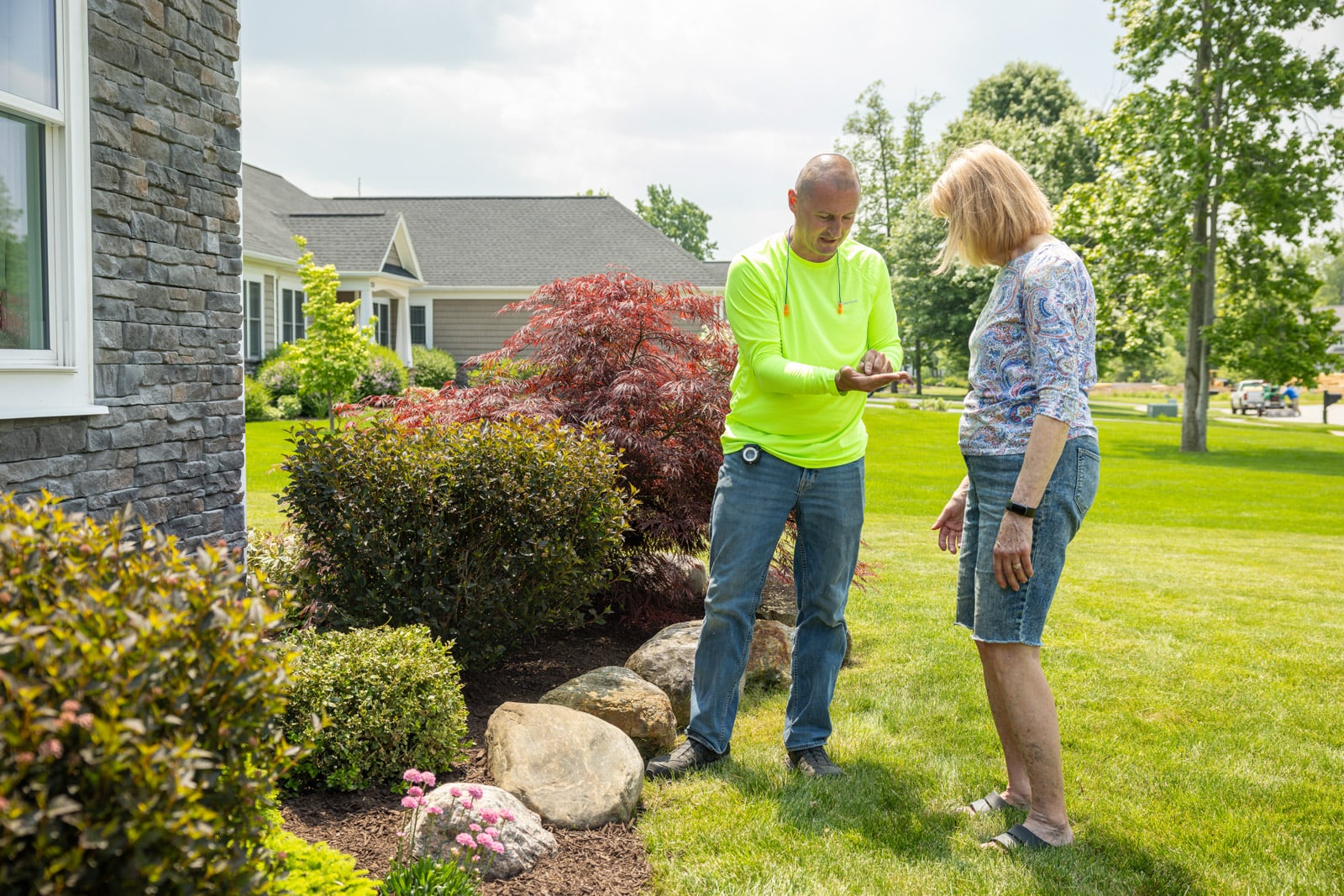
About six weeks ago, Dana — who handles most of our customer communication and scheduling — suggested I start actually writing down what people call about. Not to track numbers for a business reason, but because she’d noticed that certain calls kept coming in around the same topics and she thought if I looked at the pattern honestly, it might change how I explain things on the site and on the phone.
She was right. She usually is.
For 30 days — mid-May through mid-June 2026 — I kept a simple log of every inbound call and the primary reason for it. What the person was asking, what they actually needed, and in some cases what they thought they needed versus what turned out to be the real issue once I asked a few questions.
Here’s what the 30 days showed, and what I think it means for Sudbury homeowners trying to figure out what to do with their lawns.
Why I Started Tracking This — and What I Expected to Find
My expectation going in was that the calls would be roughly evenly distributed across the common spring topics — aeration inquiries, sod quotes, spring cleanups, the occasional question about a specific problem. I expected variety.
What I found instead was that about 80 percent of the calls — across 30 days, across different neighbourhoods, different property types, different ages of caller — clustered into five specific patterns. Same questions, same confusions, same gaps between what people thought was going on and what was actually going on, repeated over and over with different names and different properties.
That consistency surprised me. And it told me something I should have realized sooner: the things that confuse people about lawn care in Sudbury aren’t random. They’re predictable, and they’re predictable because they come from the same specific gaps in how lawn care information gets communicated to homeowners — usually too general, usually not Sudbury-specific, and usually focused on what to do rather than why timing and diagnosis matter more than the treatment itself.
Here’s what the five patterns were.
The Five Patterns That Came Up Again and Again
Pattern One: Calling in June About a Problem That Started in October
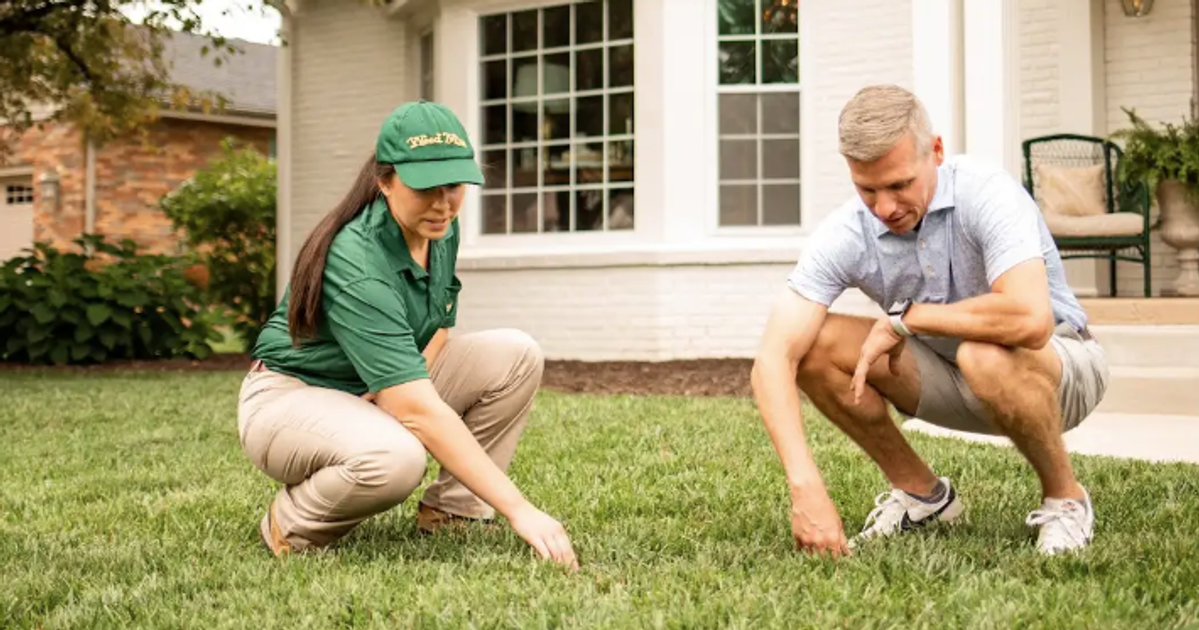
This was the single most common call type across the 30 days. A homeowner calls in late May or June about something that’s wrong with their lawn — bare patches, slow green-up, persistent thin sections — and in the course of the conversation it becomes clear that the origin of the problem was the previous fall.
Leaves that weren’t raked. A final mow that didn’t happen at the right height. Seed put down in mid-October that didn’t germinate but disturbed the soil surface. A section that was bare going into winter and went in without protection.
The call is about a June problem. The problem was set in motion in October. And the homeowner has spent the winter and spring assuming it was a spring issue — weather, winter damage, soil — rather than tracing it back to what happened the previous fall.
This pattern connects directly to something I’ve written about in two separate articles — the most expensive October lawn mistake and what happens when lawns don’t recover after winter. Both of those are essentially articles about October decisions showing up as June problems, written before I had the data to confirm that this is genuinely the most common call pattern I get.
What I tell these callers: we can address what’s in front of us now, and we should. But we also need to talk about what the fall looks like this year so we don’t have this same call in June 2027.
Pattern Two: Asking What to Do When the Real Question Is What’s Causing It
Second most common pattern, and the one that requires the most careful listening on the phone to catch.
The call sounds like: “I want to overseed my back lawn. Can you give me a quote?” Or: “I need sod on the side of the house. When can you come?” The homeowner has already diagnosed the problem and decided on the solution. They’re calling for the service, not the assessment.
In about half of these cases, the solution they’ve decided on is correct and I quote it and we book. In the other half, the conversation reveals that the solution they’ve decided on is addressing the symptom rather than the cause. They want to overseed because the grass is thin — but the grass is thin because of compaction, grubs, or drainage, and overseeding into those conditions will produce the same thin lawn in two seasons that it’s producing now.
I’ve written about why sod jobs fail and it’s a version of the same pattern — the solution is applied without diagnosing whether the conditions will allow that solution to hold. The most useful thing I can do on these calls is ask a few questions that distinguish “thin grass needing overseeding” from “thin grass that will stay thin regardless of what you overseed because of something that needs to be addressed first.”
Most callers are initially a little surprised when I start asking questions about what the thin sections look like, how long they’ve been thin, what the lawn does in dry weather. They called for a quote, not a diagnosis. But almost all of them end up grateful that the diagnosis happened before the quote, because it changes what the right solution actually is.
Pattern Three: The Equipment Question That’s Really a Frustration Question
This one came up more than I expected — probably once every three or four days through the tracking period. A homeowner calls asking about equipment. Which mower should they get. Whether they need a specific tool. What I use and why.
The surface question is about equipment. The actual question — the one underneath, that emerges when I ask a couple of follow-up questions — is almost always: “I’m doing everything I know how to do and my lawn still doesn’t look right. What am I missing?”
Equipment is the externally visible variable. If the lawn doesn’t look the way they want it to look, and they’re mowing it and watering it and doing what they think they should be doing, then maybe the mower is the problem. Or the sprinkler. Or the fertilizer brand.
The real answer is almost never the equipment. I wrote a whole piece on battery vs gas mowers in Sudbury because the question genuinely does matter for certain property situations — but the honest context for that piece is that the mower type is almost never what’s making the difference between a good lawn and a struggling one. Mowing height, mowing frequency, and what happens with aeration and soil health are far more significant than which type of motor powers the mower.
What I do with these callers is answer the equipment question directly and honestly, and then ask the follow-up question: “Tell me what the lawn actually looks like and what you’ve been doing with it.” That question almost always opens up the real conversation.
Pattern Four: Calling Too Late in the Season for the Best Solution
This pattern shows up in a specific form in spring and a different form in fall, but the underlying dynamic is the same: the caller is trying to do the right thing, but the timing means the best approach is no longer available and we have to work with second-best options.
In spring, it’s callers in late June or July asking about aeration and overseeding. The window for optimal results in Sudbury for both of those is late May through mid-June — by the time these calls come in, soil temperatures are rising toward summer levels and the establishment conditions aren’t ideal. We can still help, but the results won’t be as strong as they would have been four weeks earlier.
In fall, it’s callers in late October asking about seeding bare patches. As I’ve described, mid-October is effectively the close of the seeding window in Sudbury. Late October seeding almost never establishes before the ground freezes.
Both versions of this pattern come from the same root cause: homeowners who weren’t told that lawn care in Sudbury has specific windows, not general seasons. “Do it in spring” isn’t specific enough. “Do it in the last week of May through the second week of June” is specific enough — but that specificity rarely comes from generic lawn care advice, which is why these calls keep coming in after the window has closed.
What I do with these callers: tell them honestly what’s still available and what’s not, set realistic expectations for what the timing-adjusted approach will achieve, and have the conversation about next year’s calendar so the same thing doesn’t happen again.
Pattern Five: Calling About Sod When the Real Problem Is Soil
Last pattern, and one that connects to almost everything else I’ve written about Sudbury lawn care over the past year.
The call: “I want to redo my lawn with sod. Can you give me a quote for the whole back?” The symptom they’re describing — dead lawn, patchy lawn, lawn that won’t grow in a section — is real. The solution they’ve landed on — full sod replacement — may or may not be right depending on what’s actually causing the symptom.
In about a third of these calls, the cause is something that sod alone won’t fix: compaction that needs aeration before sod will thrive, grub damage that will kill new sod the same way it killed the old lawn, soil that’s too thin or too dense in a specific area and will produce the same results with new sod that it produced with the old grass.
Sod on top of an unfixed soil problem is an expensive temporary fix. I’ve described this enough times in enough articles that I sometimes worry I’m being repetitive about it — but the calls keep coming in that demonstrate the same gap. Homeowners see a surface problem and reach for a surface solution, without knowing to ask what’s underneath.
The One Call Type That Surprised Me Most
Beyond the five patterns, one specific type of call stood out enough that I want to describe it separately.
About once a week across the 30 days, I got a call from someone apologizing before they’d even explained why they were calling.
“I know this is probably a silly question but…”
“I don’t know much about lawn care so sorry if this sounds basic…”
“You’re probably busy but I just had a quick question and I didn’t want to waste your time…”
Every single one of these calls turned out to be a reasonable question about a real problem. Not one of them was silly or basic or a waste of time. Most of them were exactly the kind of question I’d want someone to ask before spending money on the wrong fix.
I think about what’s behind these calls — the hesitation, the apology upfront — and I think it comes from the experience of asking questions and being made to feel like you should already know the answer, or being upsold on something you didn’t need before you finished explaining what was actually happening. That experience makes people apologize before they’ve said anything, because they’re expecting to be judged or redirected before they’ve been heard.
I don’t operate that way. I’ve tried to make that clear in different ways across a lot of articles on this site — in the piece about how we check our work and what standard we hold ourselves to, in the way I’ve described the assessments I do before recommending anything. But the calls still come in with apologies, which tells me there’s a baseline expectation being brought to these conversations that I haven’t fully countered yet.
If you’re reading this and you have a question about your lawn that you’ve been hesitating to ask because it feels too basic — call. The question is almost certainly reasonable and the answer will probably help. That’s what the calls are for.
What These 30 Days Changed About How I Explain Things
A few specific things changed in how I approach calls and how I write based on what the 30-day tracking showed.
First: I now ask about the previous fall earlier in every spring call. The most common pattern — June problems from October decisions — means that getting the fall context early changes the whole diagnostic conversation. What happened last October tells me more about what’s wrong in May than almost any description of what the lawn currently looks like.
Second: I slow down the quote process when someone calls with a specific solution already decided. Not to be difficult, but because the half of those calls that turn out to be misdiagnosed situations benefit enormously from three or four questions before we start talking about price. A quote given before the cause is understood is just a number — it’s not useful information about what will actually fix the problem.
Third: I’ve started being more explicit about timing windows in every conversation, even when the caller hasn’t asked about timing. If someone calls in late June about aeration, I don’t just say “we can still do aeration.” I say “the optimal window has passed but here’s what we can do now and here’s what we should prioritize in the fall and next spring” — because the next call from the same person, if I don’t have that conversation, will be a June call in 2027 about the same thing.
Fourth: I’ve gotten better at hearing the real question underneath the stated question. The equipment calls that are really frustration calls. The sod quotes that are really soil problem calls. The seeding inquiries that are really diagnosis calls. Getting to the real question faster — without making the person feel like their stated question was wrong — is a skill that I think the 30-day tracking sharpened.
Dana’s suggestion to start tracking turned out to be, as she often is, exactly right. Not because the data revealed something I couldn’t have guessed, but because seeing it written down, in a pattern, across 30 days of real calls, makes it harder to dismiss. These aren’t edge cases. They’re the norm. And the approach I take to lawn care — diagnose before prescribing, explain timing specifically, be honest about what the right solution actually is — is a direct response to patterns that show up every single day.
For everything we do across the season, the complete service breakdown covers it all. If you’ve been holding back a question, this is the prompt to call.
Call or text: 705-507-6787
Or fill out the free quote form on the site.
We cover Garson, Val Caron, Hanmer, Lively, Chelmsford, Azilda, Capreol, and surrounding areas.
— Ryan Lingenfelter
Cutting Edge Lawn & Landscaping
Garson, Ontario
705-507-6787
