
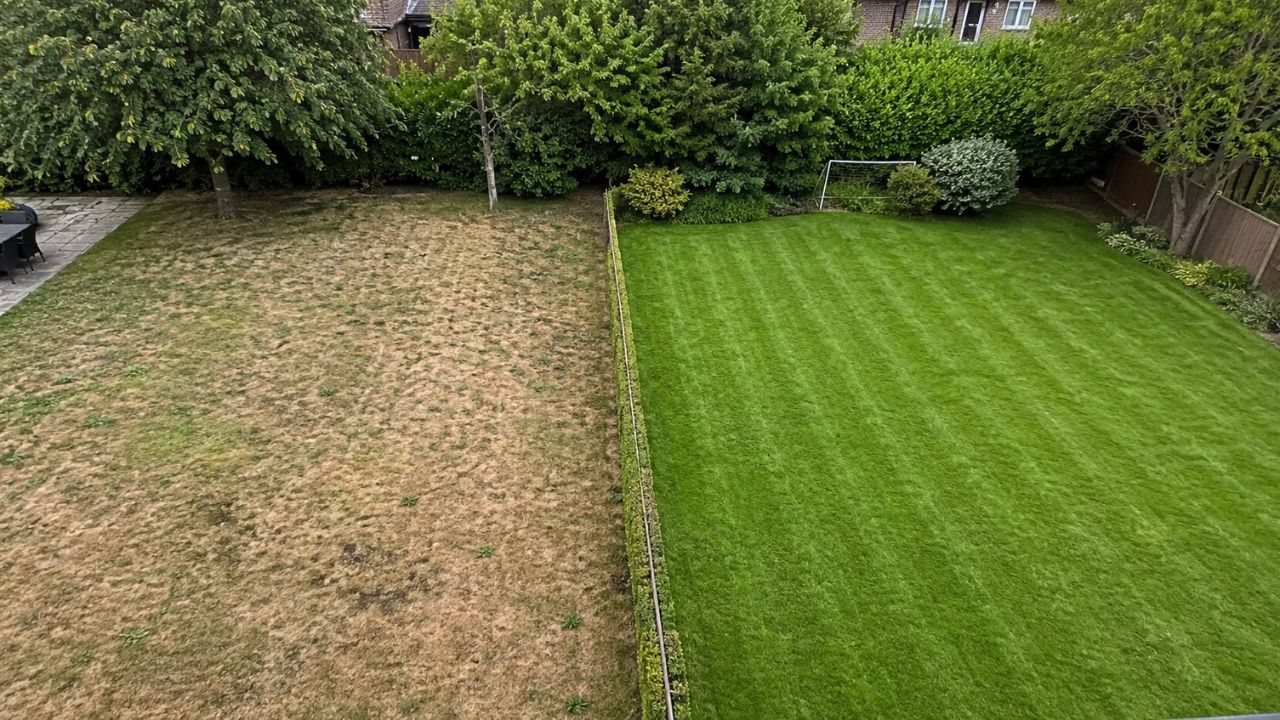
September is one of my favourite months to drive through Greater Sudbury. Not because of the colours — though those are good — but because September is the month when the entire summer’s worth of lawn maintenance decisions becomes visible all at once.
A lawn that was mowed correctly, aerated in spring, and watered properly through July and August looks a specific way in September. A lawn that wasn’t maintained well looks a different way. The gap between them is at its widest in September. May hides a lot of problems. September shows them all.
I’m Ryan Lingenfelter, owner of Cutting Edge Lawn & Landscaping in Garson, Ontario. Since 2020, I’ve maintained properties across Greater Sudbury — Garson, Val Caron, Hanmer, Lively, Chelmsford, Azilda, Capreol. This article is about what I actually see on Sudbury lawns in September — the ones that struggled through summer and the ones that didn’t — and what September tells me about what each lawn needs going into fall and winter.
What Most Sudbury Lawns Actually Look Like in September
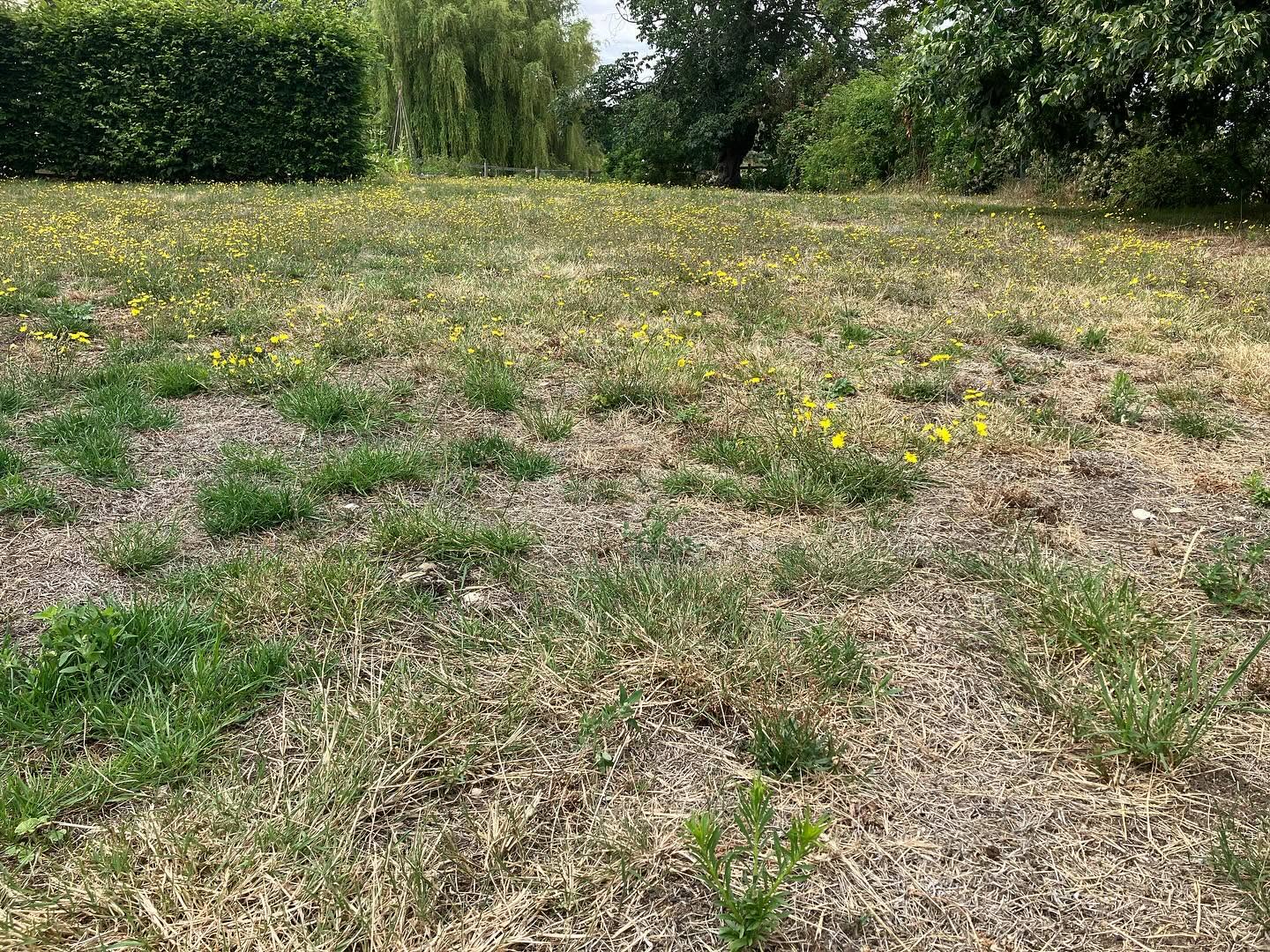
Let me be honest about what the majority of lawns across Greater Sudbury look like in September after a typical summer. Not the well-maintained ones — the average ones.
Thin. That’s the word that comes to mind first. The grass that’s there has thinned out compared to how it looked in May. The density that made everything look okay in spring is gone, and you can see soil between the blades in the spots that struggled through July heat. In the areas under trees, the shade stress has accumulated through the season and the grass is noticeably sparse.
Weedy in specific patterns. The bare spots that opened up during summer drought stress — the areas where shallow-rooted grass ran out of moisture and went dormant — have been claimed by crabgrass and other opportunistic annuals. Crabgrass is at its most visible in September, fully mature, pale green against the darker turf around it, sprawling across the areas it colonized when the grass thinned.
Brown patches in predictable places. High-traffic areas where compaction is worst. Low spots where drainage was an issue. Areas that were cut shortest. These are the spots that stressed earliest in July and never fully recovered. In September they’re still showing the damage from two months ago.
Overgrown edges. The edging that got done in June has grown back and wasn’t kept up through the season. Grass flopping over driveways, borders between lawn and garden beds blurred by spreading turf, the overall sense that maintenance fell off somewhere around mid-July when the heat arrived and the motivation went with it.
This isn’t a criticism — it’s just what I see on most properties across Sudbury in September, and it’s worth being honest about because it tells you something useful. The state of a lawn in September is a direct readout of what happened from May to August. The problems visible now are almost all fixable, but they don’t fix themselves over winter. They go into the ground as they are and come out in April slightly worse.
What a Well-Maintained Sudbury Lawn Looks Like in September

The contrast with a properly maintained lawn in September is significant enough that it’s visible from the street.
Dense. The grass is thick enough that you can’t see soil between blades in the main lawn area. The density that comes from three-inch mowing all season — roots deep enough to keep the plant healthy through July heat — is visible as actual turf coverage rather than scattered grass plants with gaps between them.
Consistently green. Not the bright spring green of May, but an even, settled green that hasn’t faded to yellow-brown in the stressed areas. A lawn that was aerated in late May and mowed at 3 inches through the summer still has colour in September because the roots were deep enough to access moisture when the clay surface dried out in July. The lawn didn’t go into severe drought stress, so it didn’t come out of it looking depleted.
Minimal crabgrass. Crabgrass colonizes thin and bare areas — it needs exposed warm soil to germinate. A dense lawn at proper mowing height shades the soil surface well enough that crabgrass doesn’t find the conditions it needs. The properties with the least crabgrass in September are the ones with the thickest turf, and that thickness came from correct summer maintenance. The weed connection is covered in detail in the weeds article here.
Clean edges. A property where edging was maintained through the season looks finished in September in a way that properties where it fell off don’t. Clean borders between lawn and hard surfaces, defined transitions to garden beds. These details are visible and they matter to how the whole property reads.
This is what’s possible on a Greater Sudbury residential lawn after a well-maintained summer. It’s not a luxury outcome — it’s what happens when the basics are done correctly and consistently. The basics being: mowing at 3 inches, annual aeration, and deep infrequent watering.
Why September Is Actually the Best Month to Fix Things

Here’s the part of the September lawn conversation that most homeowners don’t know — and it’s the most practically useful thing in this article.
September is the second-best month of the year to do the repair work that didn’t happen in spring. And in some ways it’s better than spring for specific jobs.
September aeration. Late August to mid-September is an excellent window for core aeration in Greater Sudbury. The soil is still workable, temperatures are cooling, and — critically — you have the entire fall growing period ahead for the lawn to respond before freeze-up. Aeration in September combined with overseeding at the same time takes advantage of both the open soil and the ideal germination conditions that Sudbury’s cooler September temperatures provide. If you missed the spring aeration window, September is the window to catch it. The full picture of what happens without aeration is in the year-by-year aeration article here.
Fall overseeding. September is actually better than June for overseeding on most Sudbury properties. Cooler temperatures mean the seed doesn’t dry out as quickly between watering, germination is more consistent, and new seedlings have time to establish before the ground freezes. The thin areas that opened up through summer drought stress — the patches that crabgrass is sitting in right now — are perfectly positioned for overseeding in September once the crabgrass dies off with the first frost. Scratch the surface, put quality perennial seed down, keep it moist for 14 to 21 days.
Weed management timing. The broadleaf weeds that have been holding on through summer — dandelions, plantain, creeping Charlie — are still actively growing in September and iron-based herbicide applications in early September are effective. Treating now removes the weeds before they go to seed, which matters for next season’s weed pressure. Treating after first frost doesn’t work — the plants need to be actively growing to absorb the product. Early September is the last reliable treatment window before the season closes.
Addressing bare patches before winter. Bare soil going into a Sudbury winter is an invitation — for weed seeds to establish, for erosion on any grade, for the freeze-thaw cycle to disturb the surface. Overseeding bare patches in September, keeping them moist through germination, and getting a few weeks of establishment before freeze-up is far better than leaving bare soil to go into winter and deal with in spring. The full bare patch repair process is in the bare patches article here.
What September Lawns Tell Me About What’s Coming in April
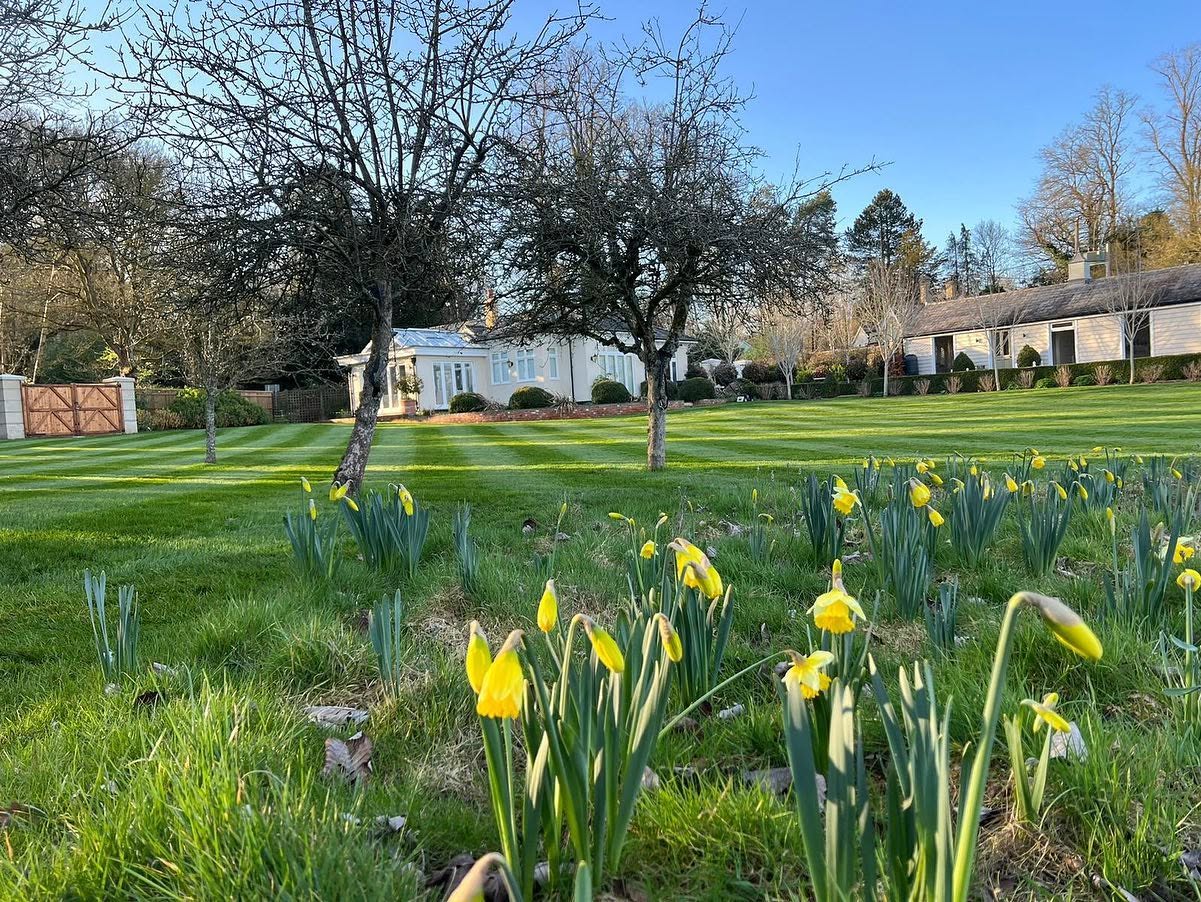
I can look at a Sudbury lawn in September and tell you fairly accurately what it’s going to look like in April when the snow pulls back.
A thick, dense, well-maintained September lawn that gets a proper fall cleanup — leaves cleared, final cut at 2 to 2.5 inches, no long grass going into winter — comes out of a Sudbury winter looking dormant but intact. Straw-brown from dormancy, which is normal and expected. But even. No significant snow mould patches. Minimal vole damage because the short grass gave the voles less cover and food. Ready to green up evenly once the soil warms in May.
A thin, patchy September lawn that goes into winter with leaves on it and long grass — which is what I see on most untreated properties — comes out of winter with compounding problems. Snow mould in the areas where the long grass matted under the snow. Vole tunnels where the population used the long grass cover to run through all winter. The thin spots that were thin in September are thinner in April after the winter stress. The bare spots that weren’t fixed in fall are still bare, and weed seeds have had the entire fall and winter to settle into them.
The difference between these two April outcomes starts in September. Not in April when you’re looking at the damage. The decisions that determine spring happen in the fall that precedes it. The fall prep process — last cut timing, leaf cleanup, what height to go into winter at — is covered in detail in the fall cleanup article here.
If your lawn is in the first category — maintained well through summer, looking solid in September — then fall prep is straightforward. Clear the leaves, do the final cut at 2 to 2.5 inches in mid to late October, and the lawn goes into winter in good shape.
If your lawn is in the second category — thin, patchy, weedy from a difficult summer — September is the time to do something about it. Aerate. Overseed the thin and bare spots. Treat the broadleaf weeds while they’re still growing. Get the lawn in as good a condition as possible before freeze-up so it comes out of winter with less to recover from. The full repair sequence is in the step-by-step lawn fix guide here.
If You Want Help Getting the Lawn Ready for Winter
If you’re looking at your lawn in September and recognizing it in the struggling description — thin, weedy, patchy from the summer — and you want professional help getting it into the best possible shape before freeze-up, give me a call.
We do fall aeration, overseeding, weed treatment, and property cleanups across Greater Sudbury through September and into October. The window for meaningful fall work is September to mid-October. After that the soil is cooling toward dormancy and the results are reduced.
📞 705-507-6787
🔗 Get a Free Quote
📍 Serving Greater Sudbury — Garson, Val Caron, Hanmer, Lively, Chelmsford, Azilda, Capreol
— Ryan
Frequently Asked Questions
What should I do with my Sudbury lawn in September?
September is one of the most productive months for lawn repair in Greater Sudbury. The highest-value tasks in order: core aeration if you haven’t done it this year, overseeding thin and bare areas while soil temperatures are still warm enough for germination, broadleaf weed treatment while plants are still actively growing, and beginning to think about fall cleanup timing. The window for effective September work in Sudbury is early to mid-September — after that the soil cools toward dormancy and results are reduced.
Is it too late to aerate my lawn in September in Sudbury?
No — late August to mid-September is an excellent aeration window in Greater Sudbury. Soil temperatures are still warm enough for grass roots to respond to the opened soil, and the cooler fall temperatures reduce the drought stress on newly aerated turf. September aeration paired with overseeding produces good establishment results before freeze-up. By late September the soil is cooling enough that the benefit diminishes. If you’re thinking about fall aeration in Sudbury, earlier in September is better than later.
Why does my Sudbury lawn look so thin in September?
Thinning through summer is almost always a combination of shallow roots from mowing too short and compacted soil that restricted root depth. Shallow-rooted grass goes into drought stress faster in July heat, sometimes goes fully dormant, and comes out of dormancy thinner than it went in. The bare and thin areas that opened up during summer drought stress are then colonized by crabgrass and other opportunistic weeds. Raising the mowing height to 3 inches and doing annual aeration reverses this pattern over one to two seasons — the lawn stops thinning in July because the roots have the depth they need to access moisture.
Can I overseed my Sudbury lawn in September?
Yes — September is actually better than June for overseeding in many situations. Cooler temperatures mean seed doesn’t dry out as quickly between watering, germination is more consistent, and new seedlings have time to establish before freeze-up. The crabgrass that’s visible in thin areas now will die with the first frost, leaving those areas ready for seed. Scratch the surface, apply quality perennial cool-season seed blend, water twice daily for 14 to 21 days through germination. Seedlings established by mid-October will overwinter and come back strongly in spring.
What does a well-maintained Sudbury lawn look like in September?
Dense, consistently green, with minimal crabgrass and clean edges. A lawn mowed at 3 inches all season with annual aeration has root depth that keeps the plant healthy through July heat — so by September it hasn’t been depleted by drought stress the way short-mowed shallow-rooted lawns are. The density that comes from thick, deep-rooted turf is visible as actual coverage rather than scattered grass with soil between blades. September is when the gap between well-maintained and poorly maintained Sudbury lawns is most clearly visible.
When should I do the last grass cut of the season in Sudbury?
Mid to late October — when grass growth has essentially stopped and overnight lows are consistently hitting -5 Celsius or below. The final cut height should be 2 to 2.5 inches — slightly shorter than the summer maintenance height to prevent snow mould, but never below 2 inches which exposes the crown to cold damage. Cutting the lawn at the wrong height going into winter or leaving it long is one of the most consequential fall mistakes in Sudbury — it determines directly how much snow mould and vole damage shows up in April.
Ryan Lingenfelter is the owner of Cutting Edge Lawn & Landscaping in Garson, Ontario. Since 2020, his crew has provided full lawn care services across Greater Sudbury — Garson, Val Caron, Hanmer, Lively, Chelmsford, Azilda, and Capreol. Cutting Edge is licensed, insured, BBB A+ rated, and ThreeBest Rated for lawn care services in Sudbury.
📞 Phone: 705-507-6787
📍 Service Area: Greater Sudbury, Ontario
🔗 Free Quote: cuttingedgelawn.ca/quote
Helpful Lawn Care Services in Sudbury
- Core Aeration for Healthy Lawns
- Grass Cutting Services in Sudbury
- Property Cleanup Services
- Sod Installation in Sudbury
- Mulch & Decorative Stone
- Hedge Trimming Services
Continue Reading
- What Happens to Sudbury Lawns That Skip Fall Cleanup
- What Happens to a Sudbury Lawn That Never Gets Aerated
- How to Fix a Sudbury Lawn Step by Step
