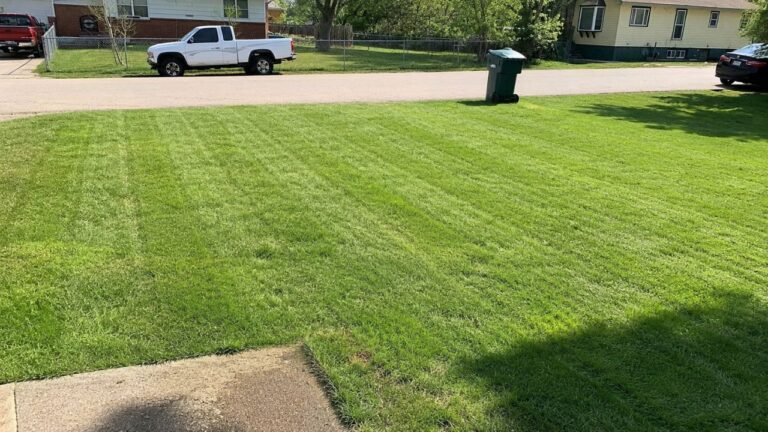
Every spring I meet a version of the same person.
They bought their house in the fall — maybe October, maybe late September. The lawn looked fine when they moved in. Grass was there. It was green enough. The yard was one of the things they liked about the property.
Then their first Sudbury winter happened. And when the snow pulled back in April, they called me.
“Ryan, I don’t know what happened. The lawn looks completely different than when we moved in. Half of it looks dead. There are patches everywhere. Is this normal?”
Sometimes it’s normal. Sometimes it’s fixable with basic spring care. Sometimes the lawn they bought was already struggling before they got there and the winter just finished it off. Either way — they didn’t know what they were looking at, didn’t know what to do first, and didn’t know what was actually worth spending money on in year one.
I’m Ryan Lingenfelter, owner of Cutting Edge Lawn & Landscaping in Garson, Ontario. Since 2020, I’ve worked on properties across Greater Sudbury — Garson, Val Caron, Hanmer, Lively, Chelmsford, Azilda, Capreol. New homeowners are some of the people I talk to most in spring, and I always wish I could have this conversation with them before they made the decisions they already made.
So here it is. Everything I wish new Sudbury homeowners knew before their first spring.
The Lawn You Bought in Fall Is Not the Lawn You’ll See in Spring
This is the one that surprises people most. A lawn that looked perfectly fine in September or October can look dramatically different by the time April comes around. Not because something went wrong necessarily — just because Sudbury winters are hard on lawns and what you see in fall doesn’t tell you the full story.

Here’s what happens. Fall grass slows its growth, goes a bit dormant, and looks reasonably uniform. Thin spots are less obvious. Weed coverage is less visible. The soil condition — whether it’s compacted clay that’s never been aerated or decent soil that’s been well-maintained — doesn’t show up in how the lawn looks in October.
Then Sudbury happens. Snow load compresses the soil. Freeze-thaw cycles compact the clay further. Voles run tunnels through the long grass under the snowpack. Snow mould spreads through sections that went into winter too long or with leaves sitting on them. The grass that was borderline in fall fails entirely in those conditions.
By April, what looked like a normal lawn in October might have bare patches from vole damage, grey circles from snow mould, and sections that are slow to green up because the soil underneath is packed harder than concrete.
None of this means you bought a bad property. It means you need to understand what your lawn is actually working with before you can fix it or maintain it properly. Which brings me to the first thing I always tell new homeowners to do.
Before You Do Anything Else — Walk the Lawn and Do the Screwdriver Test
Don’t call anyone. Don’t buy anything. Don’t start spreading seed or fertilizer. Before you spend a dollar on your lawn this spring, spend twenty minutes understanding what you’re actually dealing with.
Walk the entire property slowly. Look at the grass in each section and ask yourself: is this green and growing, thin and struggling, or dead? Get a rough sense of what percentage of the lawn is in each category. This tells you whether you’re dealing with a maintenance situation or a restoration situation — and those are very different conversations.
Then do the screwdriver test. Take a regular flathead screwdriver and push it straight into the soil in different spots around the property. A healthy, well-maintained Sudbury lawn should let you push the screwdriver in 4 to 6 inches without much resistance. If it stops at an inch or two — the soil is compacted. If it goes in easily — you have reasonable soil structure to work with.
On most Sudbury properties I visit in spring, especially in newer subdivisions, the screwdriver stops well before 4 inches. Garson’s east end, parts of Hanmer, newer sections of Val Caron — these areas often have thin topsoil scraped during construction sitting directly on hard clay. The previous owners may never have aerated once. You inherited that compaction along with the house.
Knowing whether your soil is compacted before you spend money on seed or fertilizer changes everything. Seed doesn’t establish in compacted soil. Fertilizer can’t reach the root zone through compacted clay. The screwdriver test takes two minutes and tells you the most important thing about your lawn’s situation.
What the Lawn Actually Needs in Year One — In the Right Order
Once you’ve walked the property and done the screwdriver test, you have enough information to make good decisions. Here’s the order I’d recommend for a new Sudbury homeowner going into their first spring.
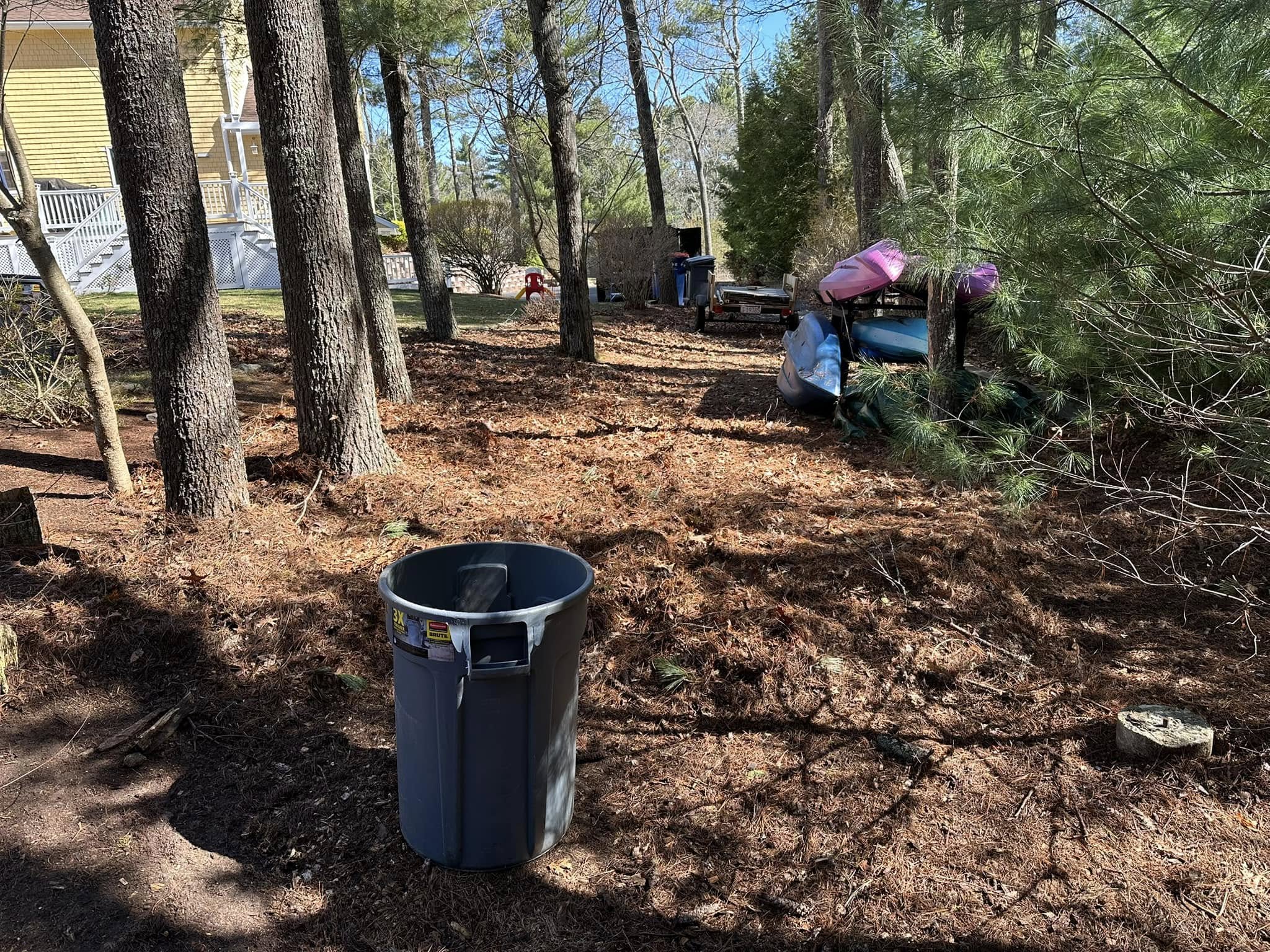
Step 1 — Spring cleanup first. Before anything else gets done, get the debris and winter material off the surface. Leaves that sat under the snow all winter, matted thatch, dead material from vole activity or snow mould — all of it needs to come off before you can see what you’re working with underneath and before any other service will be effective. A proper spring property cleanup is the starting point for everything else.
Step 2 — Core aeration if the soil is compacted. If the screwdriver test showed compaction — and on most Sudbury properties it will — core aeration in late May is the highest-return thing you can do in year one. It opens the clay, creates channels for water and nutrients to reach the roots, and gives any seed you put down after it the best possible chance of establishing. This is the service most new homeowners skip in year one and regret in year two when the lawn is still thin.
Step 3 — Assess what needs seed and what needs sod. After the cleanup and aeration, you’ll have a clear picture of what you’re working with. Thin areas with a healthy base of grass — overseed them after aeration. Sections that are more than 50% dead or bare — those are sod candidates. I wrote a full comparison in the sod vs seed guide here if you want to understand the decision in detail before spending money on either.
Step 4 — Get the mowing height right from the first cut. This is the single biggest mistake I see on new homeowners’ lawns. The first mow of the season sets the pattern for the whole year. Cut at 3 inches and leave it there. I mean it — 3 inches, every cut, all season. The number of lawns I’ve seen struggle through July because someone dropped the deck to make it look “neat” is significant. Short grass means shallow roots. Shallow roots means brown in July. I covered this in detail in the May mowing mistake article — it’s worth reading before your first cut.
Step 5 — Establish a watering routine that actually works on Sudbury clay. If you’ve never maintained a lawn in Sudbury before, the watering approach here is different from what works on lighter soils. Deep watering twice a week beats daily light watering every time. Clay soil absorbs water slowly — a cycle-and-soak approach (two shorter sessions with an hour between them) gets moisture to the roots more effectively than one continuous session. I covered the full approach in the Sudbury lawn watering guide here.
The Mistakes New Homeowners Make Most Often in Year One
I’ve had this first-spring conversation enough times that the mistakes are predictable. Here are the ones that cost people the most.

Seeding without aerating first. I see this constantly. New homeowner sees bare spots, buys a bag of quality seed, spreads it carefully, waters it dutifully for three weeks, and gets almost nothing. Not because the seed was bad or the watering was wrong — because they put it down on compacted clay soil without opening the surface first. Seed needs direct soil contact to germinate. On compacted Sudbury clay, most seed sits on the surface and never establishes. Aerate first. Always.
Treating every problem the same way. A bare patch from a drainage issue and a bare patch from vole activity look similar but need completely different responses. A section that’s thin because of shade and root competition from a tree needs a different grass mix than a section that’s thin because of compaction. Walking the property carefully and understanding what’s causing each problem before treating it is the difference between fixing the issue and spending money on something that doesn’t work.
Spending year one on the wrong things. The lawn care product industry is very good at selling things that feel productive — fertilizer in a bag with detailed instructions, weed killers that promise instant results, overseeding kits that suggest anyone can have a perfect lawn in 30 days. Most of these products work reasonably well on healthy, well-prepared soil. On compacted Sudbury clay with a shallow root system, they produce temporary results at best. The money you’re spending on product is better spent on aeration — which fixes the underlying problem — than on surface treatments that don’t reach the root zone.
Not getting the fall right. Most new homeowners are focused on spring. The fall is just as important. How your lawn goes into winter determines how it comes out. The right final cut height — 2 to 2.5 inches — prevents snow mould. Clearing leaves before the first snow prevents the matting that sets up vole activity. Doing a fall property cleanup in October means your first spring is significantly easier. New homeowners who skip fall cleanup in year one are often the ones calling me in April wondering what went wrong.
Waiting until August to call someone. Every year I get calls in late July from new homeowners who bought a house in fall, noticed the lawn was struggling in spring, decided to wait and see if it got better on its own, and are now looking at a property in rough shape in the hottest part of the season. May and June are when lawn problems are most fixable. By August, your options are narrower and the cost to fix things is higher. If your first spring looks rough, call in May — not August.
What to Actually Spend Money on in Year One
New homeowners have a lot of competing demands on their budget. I’m not here to tell you to spend everything on the lawn. But I want to be straight about what the highest-return investments are if your lawn is your priority.
Core aeration — worth every dollar on a Sudbury property. On Sudbury’s clay soil, annual aeration is maintenance, not a luxury. In year one on a property that’s never been aerated, it’s the most impactful single service you can book. $80 to $180 depending on lot size. You’ll see the difference within one season. I covered this fully in the core aeration timing guide here.
A proper spring cleanup — worth it once, especially in year one. You need to see what you’re working with. A thorough professional cleanup gets the debris and thatch off the surface, cleans the edges, and gives you a clear baseline. You can maintain it yourself after that if you want — but starting with a clean slate in year one makes everything easier.
Regular mowing at the right height — the highest-return thing that costs the least. Whether you’re cutting it yourself or hiring someone, 3 inches every cut all season. This is free if you’re doing it yourself. If you hire it done, our grass cutting service starts at $39 per visit. Nothing you can buy in a bag has as much impact on your lawn’s health as consistent proper mowing height. This is the one I’d prioritize above everything else if budget is tight.
What to skip in year one. Fancy fertilizer programs, weed-and-feed products, expensive lawn treatments — these can all have a place once your soil is in decent shape. In year one on a property you don’t fully understand yet, spending on aeration and proper mowing is more valuable than any product-based treatment.
How to Know If Your Lawn Is a Maintenance Situation or a Restoration Situation
This is the question that changes what year one actually looks like, and it’s worth addressing directly.
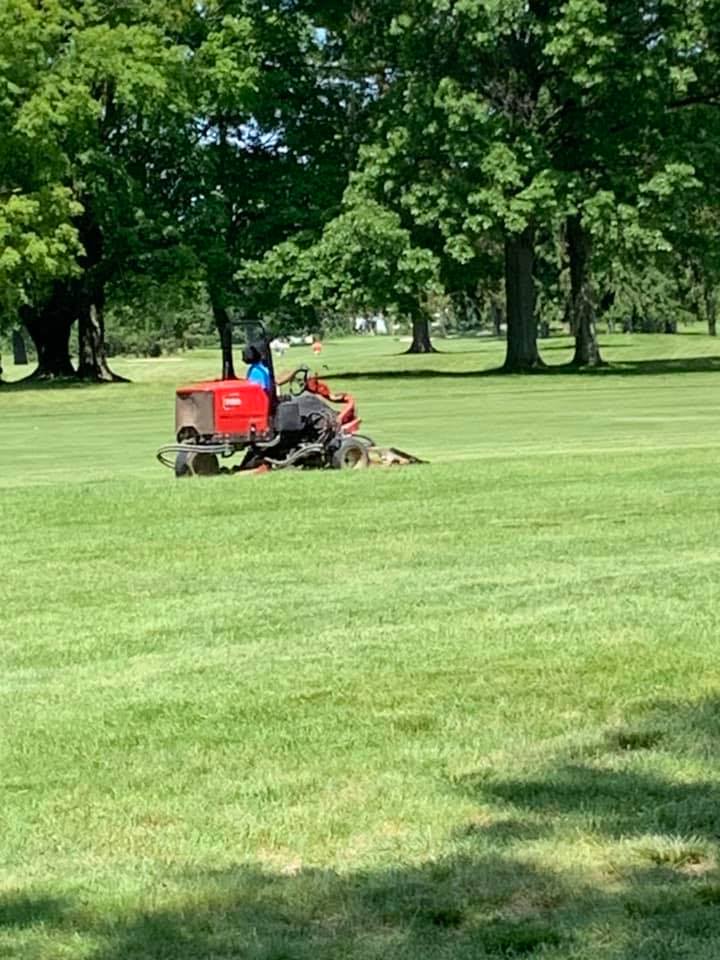
A maintenance situation means the lawn has a healthy base — 60% or more is decent live grass — and it needs proper care to perform well. Aeration, correct mowing height, adjusted watering, maybe some overseeding in thin spots. This lawn can be significantly improved within one season. Most newly purchased properties with average-condition lawns fall into this category.
A restoration situation means the lawn is mostly dead, mostly weeds, or has structural problems — drainage issues, severe compaction with no topsoil, sections where grass simply can’t grow without fundamental changes. This lawn needs more than maintenance. It needs a plan that might include partial or full sod, drainage correction, topsoil amendment, or some combination. The improvements take longer and cost more, but a clear-eyed plan in year one prevents another three years of spending money on things that don’t work.
The line between the two is roughly 50% live grass. More than 50% still alive — maintenance. Less than 50% alive — restoration. The screwdriver test and the property walk you did earlier tell you which side of that line you’re on.
If you’re not sure — call me. Walking properties and telling people honestly which situation they’re in is something I do on every quote call. It’s free and it takes twenty minutes. I’d rather you have the right information going into year one than spend money on the wrong approach and call me again in year two in the same position.
One Last Thing — The Neighbours Are a Better Resource Than the Internet
Sudbury lawns are specific. Canadian Shield soil, clay, freeze-thaw cycles, the particular growing season we have here — general lawn care advice written for southern Ontario or the United States doesn’t always apply.
Your neighbours who’ve been on their property for five or ten years know more about your specific area than most articles written for a general Canadian audience. Ask them what they’ve learned. Ask what services they use. Ask what they’d do differently in their first year.
And if you want someone to walk your specific property and tell you honestly what it needs — that’s exactly what a quote call is for.
📞 705-507-6787
🔗 Get a Free Quote
📍 Serving Greater Sudbury, Ontario
— Ryan
Frequently Asked Questions
What should a new homeowner do with their lawn in the first spring in Sudbury?
Start by walking the entire property and doing the screwdriver test — push a screwdriver into the soil in several spots to check for compaction. Then do a spring cleanup to clear winter debris before anything else. If the soil is compacted, book core aeration in late May before overseeding any bare or thin areas. Get the mowing height set to 3 inches from the first cut and leave it there. This sequence, done in order, gives a Sudbury lawn the best possible start in year one.
Why does a Sudbury lawn look worse in spring than it did when the house was purchased in fall?
Fall lawns don’t show their underlying problems as clearly as spring lawns do. Thin spots are less obvious in October. Soil compaction doesn’t show up visually until spring growth reveals which areas struggled. Sudbury winters add additional stress — snow mould from long grass going into winter, vole damage under the snowpack, freeze-thaw compaction — that creates visible damage by April that wasn’t present when you moved in. This is normal and fixable in most cases.
Should I aerate a lawn in the first year in a new Sudbury home?
Almost always yes. The majority of Sudbury properties — especially in newer subdivisions where topsoil was scraped during construction — have compacted clay soil that’s never been aerated or hasn’t been aerated in years. Core aeration in late May is the highest-return lawn service in year one. It opens the soil, allows roots to grow deeper, and makes every other lawn care effort more effective. Without it, seed won’t establish well and watering is less effective on clay.
How much should a new homeowner budget for lawn care in the first year in Sudbury?
For a standard residential lot in Greater Sudbury, year-one lawn care typically involves a spring cleanup ($150 to $450 depending on lot size and condition), core aeration ($80 to $180), any overseeding needed ($100 to $200), and a regular mowing schedule if you’re hiring it done ($600 to $900 for a full season). Total for a managed first year: $900 to $1,700 depending on how much the lawn needs. Properties that need partial sod or drainage correction add to that. Properties where the homeowner handles mowing themselves are significantly less.
What is the biggest lawn care mistake new Sudbury homeowners make?
Spreading grass seed on compacted soil without aerating first. It looks productive, feels like you’re addressing the problem, and almost never works on Sudbury’s clay-heavy soil. The seed doesn’t establish because it can’t make proper contact with the soil through the compacted surface. The second most common mistake is cutting the grass too short — below 3 inches — which produces shallow roots that can’t survive July heat. Both mistakes are easy to avoid once you know about them.
How do I know if my new Sudbury lawn needs restoration or just maintenance?
The rough rule is 50% live grass. If more than half the lawn is decent live turf, it’s a maintenance situation — proper aeration, mowing, watering, and overseeding of thin spots can produce significant improvement within one season. If less than half the lawn is alive — mostly dead grass, bare soil, and weeds — it’s a restoration situation that likely involves partial sod, soil amendment, or more significant intervention. The screwdriver test tells you about soil compaction; the lawn walk tells you about live grass coverage. Together they give you a clear picture of what year one actually requires.
Ryan Lingenfelter is the owner of Cutting Edge Lawn & Landscaping in Garson, Ontario. Since 2020, his crew has provided full lawn care services across Greater Sudbury — Garson, Val Caron, Hanmer, Lively, Chelmsford, Azilda, and Capreol. Cutting Edge is licensed, insured, BBB A+ rated, and ThreeBest Rated for lawn care services in Sudbury.
📞 Phone: 705-507-6787
📍 Service Area: Greater Sudbury, Ontario
🔗 Free Quote: cuttingedgelawn.ca/quote
Helpful Lawn Care Services in Sudbury
- Core Aeration for Healthy Lawns
- Property Cleanup Services
- Grass Cutting Services
- Sod Installation in Sudbury
- Mulch & Decorative Stone
- Hedge Trimming Services
Continue Reading
- My Sudbury Lawn Looked Dead After Winter — Here’s the Exact Order I Fixed It In
- Sod vs Seed in Sudbury — Which One Is Right for Your Lawn?
- The May Mistake That’s Killing Sudbury Lawns by July