
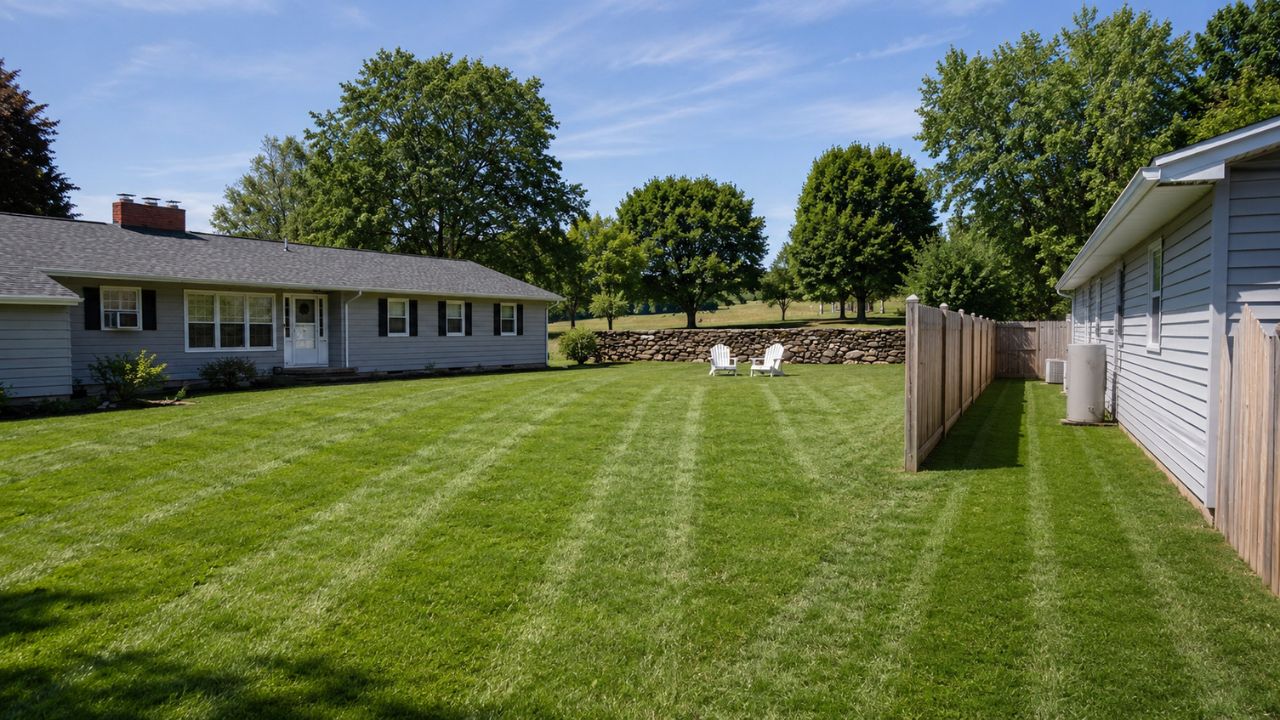
I’m Ryan Lingenfelter — owner of Cutting Edge Lawn & Landscaping in Garson, Ontario.
Every spring, I have a version of this conversation at least a dozen times.
A homeowner calls me. Their lawn is patchy, thin, or just plain dead in sections. They’ve already done some research. They know the two main options. And the first thing they ask me is:
“Ryan, should I sod it or seed it?”
It sounds like a simple question. It isn’t. The right answer depends on what’s actually wrong with the lawn, what your budget is, how quickly you need results, and — honestly — how realistic you’re willing to be about what your property needs.
I’ve laid sod on hundreds of Sudbury properties. I’ve also overseeded hundreds more. I’ve seen both approaches succeed and I’ve seen both fail. After five years of doing this work across Greater Sudbury — Garson, Val Caron, Hanmer, Lively, Chelmsford, Azilda, Capreol — I can tell you exactly when each one makes sense and when it doesn’t.
Here’s the real breakdown.
The Basic Difference Between Sod and Seed
Before I get into when to use each one, let me make sure we’re on the same page about what they actually are.
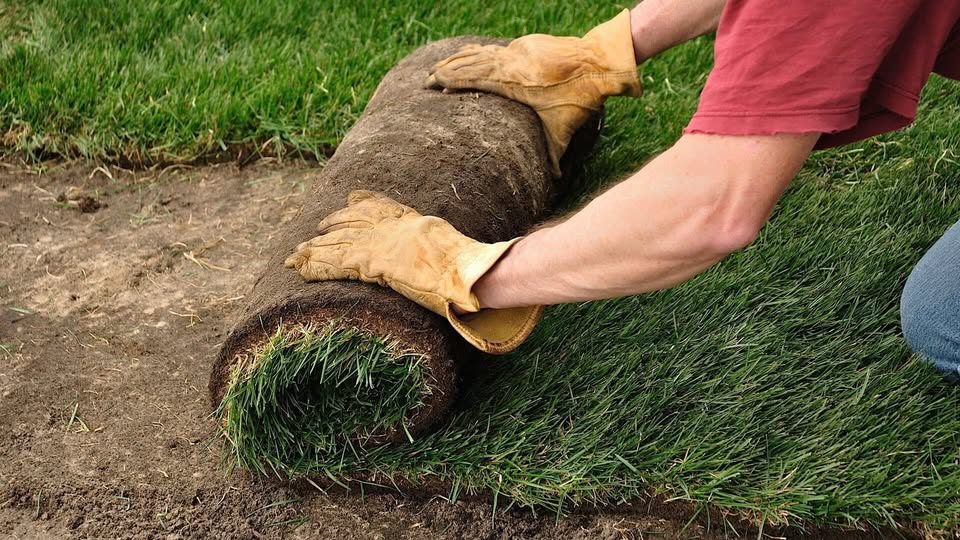
Sod is pre-grown grass. It’s harvested at a sod farm in large rolls or slabs — the grass, its root system, and a thin layer of soil all come together. You lay it on prepared ground, roll it down, water it, and within two to three weeks it roots into the soil beneath. You get an instant lawn.
Seed is exactly what it sounds like. You spread grass seed over prepared soil, keep it consistently moist, and wait for it to germinate and establish. It takes longer — typically six to twelve weeks before it looks like a real lawn — but it costs significantly less upfront.
Both approaches can produce a beautiful lawn. The question is which one is right for your specific situation.
When Sod Is the Right Choice in Sudbury
There are situations where sod isn’t just the better option — it’s the only option that makes practical sense. Here’s when I always recommend sod.
The Lawn Is More Than 50% Dead or Damaged
This is the clearest call I make on any property. When I walk a lawn and more than half of it is dead grass, bare soil, or weed coverage — that lawn is not a repair project. It’s a replacement project.
Overseeding into a lawn that’s mostly dead or mostly weeds is one of the most common money-wasting mistakes I see Sudbury homeowners make. The new seed germinates, it looks okay for a few weeks, and then the weeds reassert themselves because the underlying soil conditions that produced the weeds in the first place haven’t changed. You spend $150 on seed and six weeks later you’re back where you started.
When a lawn is beyond 50% gone, the right move is to strip it, prep the soil properly, and start fresh with sod. One clean replacement done right. You pay once and you’re done.
You Need Results Fast
Sod gives you an established-looking lawn in two to three weeks. Seed takes two to four months before it looks right — and that’s under ideal conditions.
If you’re selling the house this summer, if you’re hosting an outdoor event, if your kids need a usable backyard by July — seed can’t get you there in time. Sod can.
Slope or Erosion Areas
Seed on a slope washes away. Every time. You water it, it runs. Rain hits it, it moves. Slopes that are exposed to any kind of surface runoff need sod — the root mat holds the soil in place from day one while the roots are establishing. I’ve watched homeowners try to seed a slope three times in a row, spend money every time, and finally call me to sod it. The fourth attempt works because it’s sod.
High-Traffic Areas
Established sod handles foot traffic much sooner than seedlings can. If it’s a pathway area, a backyard where kids play, or a section that gets regular use — sod tolerates activity weeks earlier than new seed does. Seedlings are delicate and get killed by foot traffic before they’ve had time to establish.
Grub Damage
Grub damage — where you can pull up dead grass like a loose carpet — always calls for sod, not seed. The reason is that the grubs have destroyed the root system. Overseeding into soil where grubs have been active means the new seedlings’ roots run into the same problem. You need to deal with the grub population, prep the soil, and lay sod that can establish quickly before the next grub cycle. I covered the full sod process in detail in my 4-day lawn transformation article if you want to see exactly how that works.
When Seed Is the Right Choice in Sudbury
Seed gets a bad reputation because people use it in the wrong situations. When you use it correctly — at the right time, on the right lawn, with proper soil prep — it works extremely well and saves you significant money. Here’s when seed makes sense.
The Lawn Is Thin But Not Dead
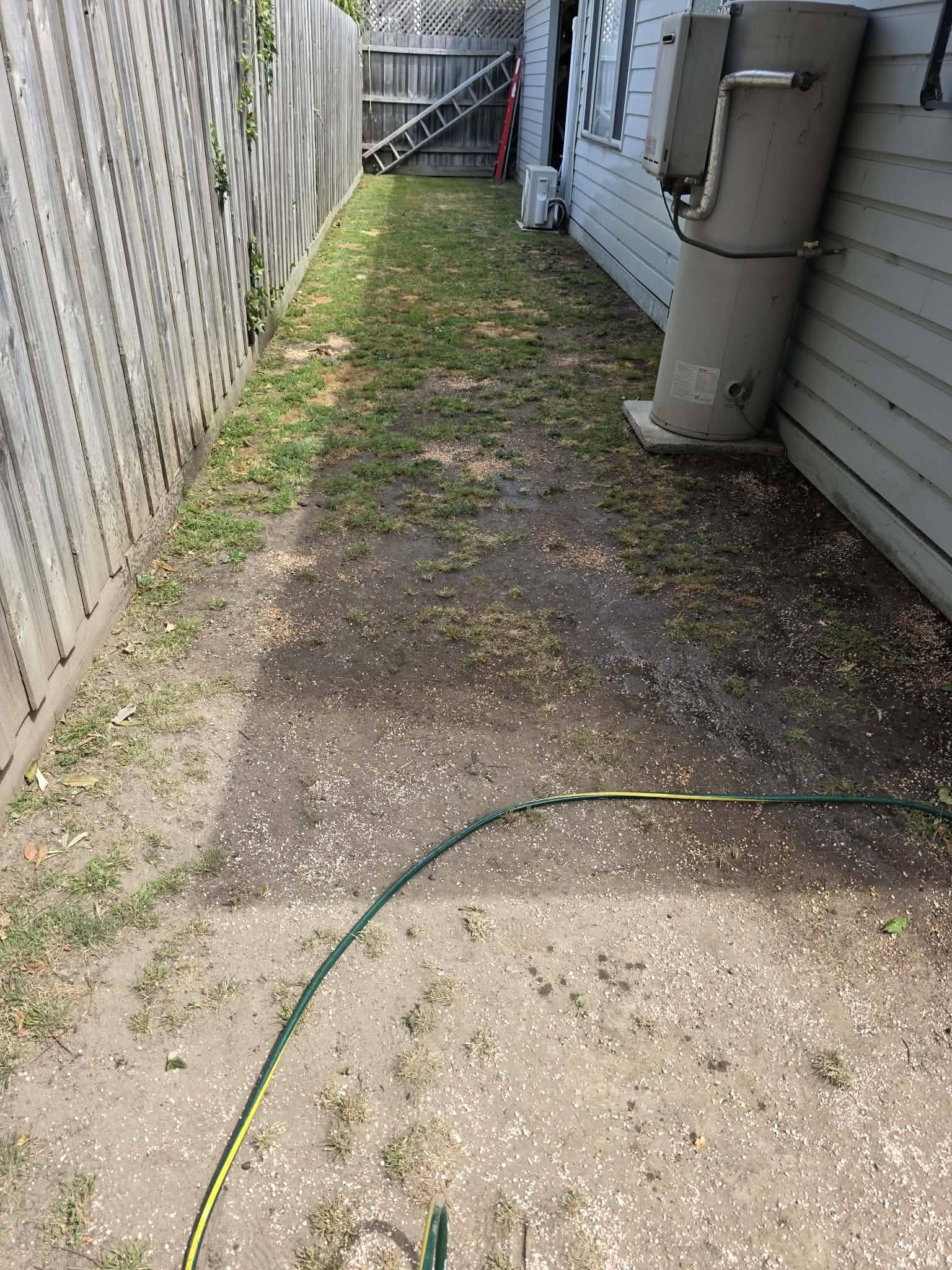
If your lawn still has a healthy base of grass — maybe 60 to 70% is decent turf and you’re just trying to fill in the thin spots — overseeding is the right call. You don’t need to replace what’s already there. You need to thicken what exists.
Aerate first, then overseed into the aeration holes. The holes give the seed direct soil contact, which is critical for germination. Seed dropped on the surface of a compacted, un-aerated lawn has a much lower success rate. I go into this in detail in my core aeration timing guide — the aeration and overseeding combination is one of the highest-return things you can do on a Sudbury property.
Budget Is the Primary Constraint
Honest answer: seeding costs a fraction of sodding. For a 2,000 square foot lawn, quality seed might run you $80 to $150 in materials. Sod for the same area would cost $800 to $1,500 installed. If budget is genuinely the limiting factor and the lawn has a healthy base to work with, seed is a completely legitimate choice.
Just be realistic about the timeline and the work involved. Seed requires consistent moisture for three to four weeks minimum. You’re watering once or twice a day. You’re keeping kids and pets off it for six to eight weeks. If you’re not prepared for that commitment, the seed won’t take and you’ll have spent money on nothing.
Large Open Areas With Good Soil
For very large properties — acreage, big backyards — sodding the entire area can become cost-prohibitive. If the soil is in decent shape and there’s no erosion risk, seeding large flat open areas is a practical and cost-effective approach. The key word is flat. Slopes get sod.
Late Summer Overseeding
Late August to mid-September is the best time to overseed in Sudbury. The soil is warm, the air is cooling, and there’s no summer heat stress to kill the seedlings. New grass seeded in late August has eight to ten weeks of ideal growing conditions before the ground freezes. It comes out of winter with an established root system.
Spring seeding in Sudbury is more difficult — the window between “too cold to germinate” and “too hot for seedlings to survive” is narrow, and summer heat hits before the new grass is really established. If you’re going to seed, late August is when I’d do it.
The Real Cost Difference — Sod vs Seed in Sudbury
Let me give you real numbers for Greater Sudbury in 2026.
Seeding (overseeding an existing lawn):
- DIY materials only: $80 – $200 depending on area size
- Professional aeration + overseeding: $250 – $450 for a standard residential lot
Sod installation (full replacement):
- Materials + installation: $0.85 – $1.20 per square foot installed
- 1,000 sq ft lawn: $850 – $1,200
- 2,000 sq ft lawn: $1,700 – $2,400
- Soil prep, grading, and removal of old lawn are additional if needed
That gap looks big. And it is. But here’s the question I ask every homeowner who hesitates at the sod price: how many years have you already been spending money trying to fix a lawn that isn’t getting better?
If you’ve spent $200 on seed, $150 on fertilizer, and $100 on weed control for the past three years trying to revive a lawn that needed to be replaced — that’s $1,350 spent on a problem that’s still there. The sod would have fixed it in year one.
The right solution isn’t always the cheapest one upfront. It’s the one that actually solves the problem.
The Sudbury Factor — Why the Right Choice Here Is Different From Everywhere Else
Most generic lawn care advice treats sod and seed as interchangeable options that work equally well anywhere. On Sudbury properties, that’s not true.
Sudbury sits on the Canadian Shield. Our soil is clay-heavy, compaction is severe after every winter, and topsoil depth is thin in many newer subdivisions. These conditions affect both sod and seed differently — and they push the calculation toward sod more often than advice written for southern Ontario would suggest.
Seed in compacted Sudbury clay fails more often than seed in loamy southern Ontario soil. Without proper aeration, the seed doesn’t establish. Most homeowners don’t aerate before seeding because they don’t know they need to, and the seed fails. They blame the seed or the weather. The real problem was the soil.
Sod on Sudbury clay needs proper prep to succeed. Laying sod on compacted, un-amended clay without tilling and bringing in topsoil first is a recipe for slow rooting and struggling grass. Sod is more forgiving than seed — the established root mat gives it a head start — but it still needs to root into something. We always till and bring in topsoil before laying sod on clay-heavy Sudbury lots.
The bottom line is that whatever approach you choose, the soil prep is what makes it work or fail. Skip the prep and you’re wasting money on either option.
The Question I Always Ask Before Recommending Either One
When a homeowner asks me sod or seed, the first thing I do is ask them to walk the lawn with me. I’m looking at three things:
What percentage of the lawn is actually alive? If it’s more than 50% gone, sod. If it’s mostly alive and just thin, seed.
What’s the condition of the soil? Clay, compaction, drainage issues — all of these need to be addressed before either approach will work. I push a screwdriver in. If it stops at an inch and a half, the soil isn’t ready for either sod or seed without aeration and amendment.
What’s the timeline? If they need results by August, seed isn’t going to get them there unless it’s already May and conditions are perfect. If they have flexibility and a healthy soil base to work with, seed is a real option.
Most of the time the answer is clear within five minutes of walking the property. The challenge is that a lot of homeowners have already decided what they want before they call me, and sometimes what they’ve decided on isn’t the right call for their specific lawn. My job is to tell them that honestly, even when it’s not what they want to hear.
The Short Answer — Which One Should You Choose?
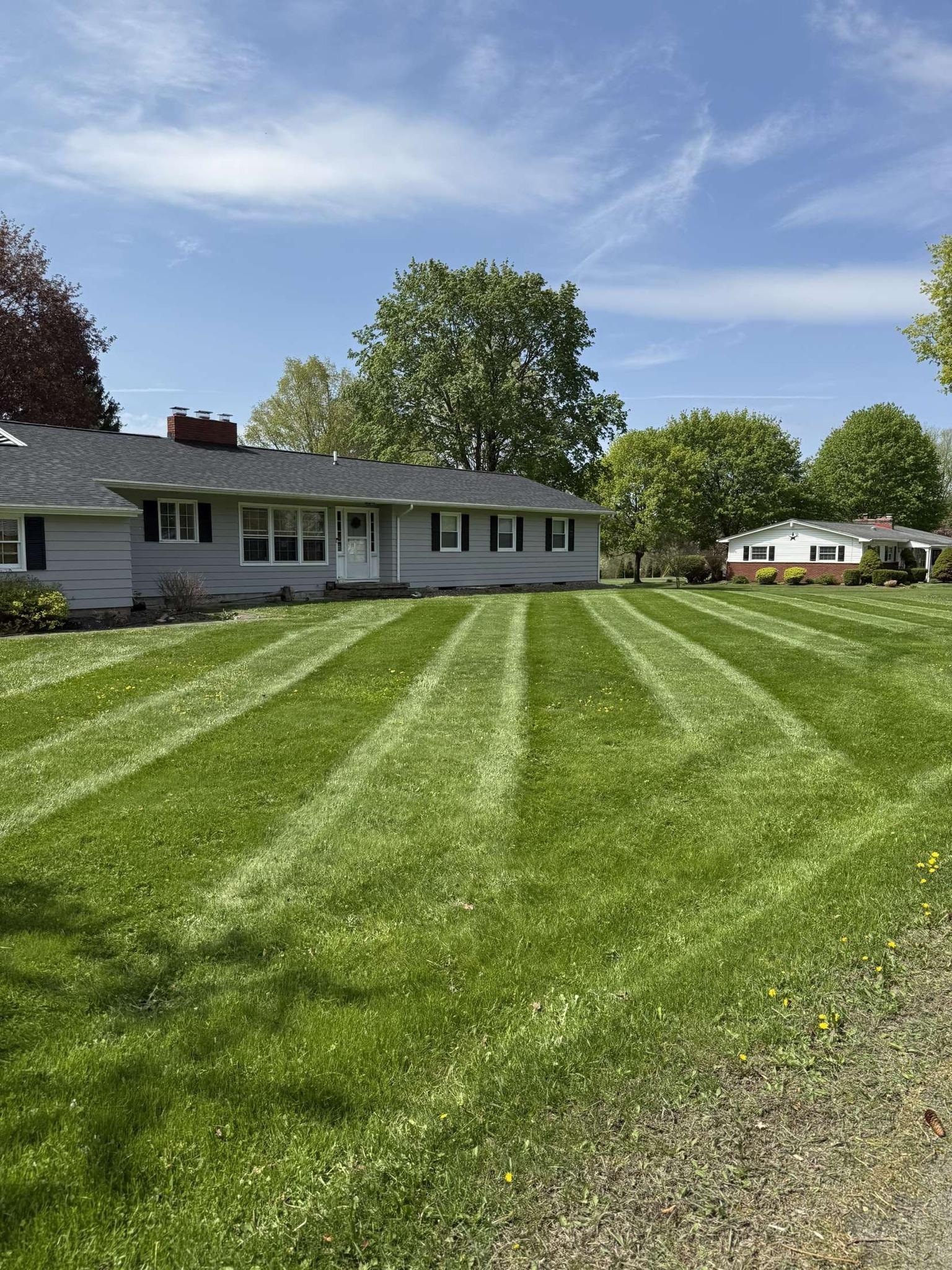
Choose sod if:
- More than 50% of your lawn is dead, bare, or weed-dominated
- You need results within a few weeks
- You have slope or erosion areas
- The damage is from grubs
- The area gets heavy foot traffic
Choose seed if:
- Your lawn is thin but mostly alive — 60% or more is decent grass
- Budget is the primary constraint
- You’re willing to commit to 4 to 6 weeks of consistent watering
- You’re overseeding in late August when conditions are ideal
- The area is large and flat with no erosion risk
In both cases: prep the soil first. Aerate before seeding. Till and bring in topsoil before sodding. Without soil prep, neither option performs well on Sudbury’s clay-heavy ground.
Not Sure Which One Your Lawn Needs?
That’s exactly what a quote call is for. I’ll come out, walk the property with you, look at what’s actually going on, and give you a straight answer about what makes sense — including whether it’s sod, seed, or something else entirely.
No pressure. No upselling. Just an honest look at your lawn and a real recommendation.
📞 Call or text me directly: 705-507-6787
Or fill out the free quote form here and I’ll get back to you same day.
We service Garson, Val Caron, Hanmer, Lively, Chelmsford, Azilda, Capreol, and all of Greater Sudbury.
— Ryan Lingenfelter
Owner, Cutting Edge Lawn & Landscaping
Garson, Ontario
Frequently Asked Questions
Is sod or seed better for a Sudbury lawn?
It depends on the condition of your existing lawn. If more than 50% of the lawn is dead, bare, or weed-dominated, sod is almost always the better choice — overseeding into a mostly-dead lawn rarely produces lasting results. If the lawn still has a healthy base and you’re just filling in thin spots, overseeding after core aeration is a cost-effective approach that works well on Sudbury properties.
How much does sod cost in Sudbury in 2026?
Sod installation in Greater Sudbury typically runs $0.85 to $1.20 per square foot installed, including materials and labour. A 1,000 square foot lawn runs approximately $850 to $1,200. Soil preparation — tilling, topsoil, grading — is additional if needed, which it often is on Sudbury’s clay-heavy lots. A free on-site quote gives you the most accurate number for your specific property.
When is the best time to seed a lawn in Sudbury?
Late August to mid-September is the best window for overseeding in Greater Sudbury. The soil is still warm enough for germination, the air is cooling, and there’s no summer heat stress to kill the seedlings. New grass seeded in late August has 8 to 10 weeks of ideal conditions before the ground freezes and comes out of winter with an established root system. Spring seeding is more difficult because the window between frost and summer heat is narrow.
Does sod work on Sudbury clay soil?
Yes, but only with proper preparation. Laying sod directly onto compacted Sudbury clay without tilling and amending the soil first will produce slow rooting and struggling grass. The sod needs to be able to push roots down into the soil beneath it within the first two weeks. On clay-heavy Sudbury lots, we always till the top 4 to 6 inches and bring in quality topsoil before laying sod. Done correctly, sod establishes reliably on Sudbury properties.
Can I overseed a lawn that has a lot of weeds in Sudbury?
Overseeding into a weed-heavy lawn rarely works well. The new grass seed competes with established weeds and usually loses. If your lawn has significant weed coverage — more than 30 to 40% — you’re better off addressing the weeds and the underlying compaction first, then overseeding or sodding once the soil is prepared. Aeration alone significantly reduces weed pressure over time by allowing grass to establish deeply enough to outcompete new weed germination.
How long before I can use my lawn after sodding in Sudbury?
Light foot traffic is generally fine after 3 weeks once the sod has started to root in — you can test by gently tugging a corner. If it resists, roots are taking hold. Full regular use — kids playing, mowing, entertaining — is typically fine after 4 to 6 weeks. The first mow should wait until the grass reaches about 3.5 inches, which usually happens around week 3 to 4 depending on weather and watering consistency.
Ryan Lingenfelter is the owner of Cutting Edge Lawn & Landscaping in Garson, Ontario. Since 2020, his crew has provided full lawn care and landscaping services across Greater Sudbury — Garson, Val Caron, Hanmer, Lively, Chelmsford, Azilda, and Capreol. Licensed, insured, BBB A+ rated, and ThreeBest Rated for lawn care services in Sudbury.
📞 Phone: 705-507-6787
📍 Service Area: Greater Sudbury, Ontario
🔗 Free Quote: cuttingedgelawn.ca/quote
Related Services
Continue Reading
- Dead Lawn to Green Sod in 4 Days — How We Did It
- Sod Installation in Sudbury — What 5 Years on the Ground Taught Me
- When Should You Actually Aerate Your Sudbury Lawn?
- How Much Does Lawn Care Actually Cost in Sudbury?
