
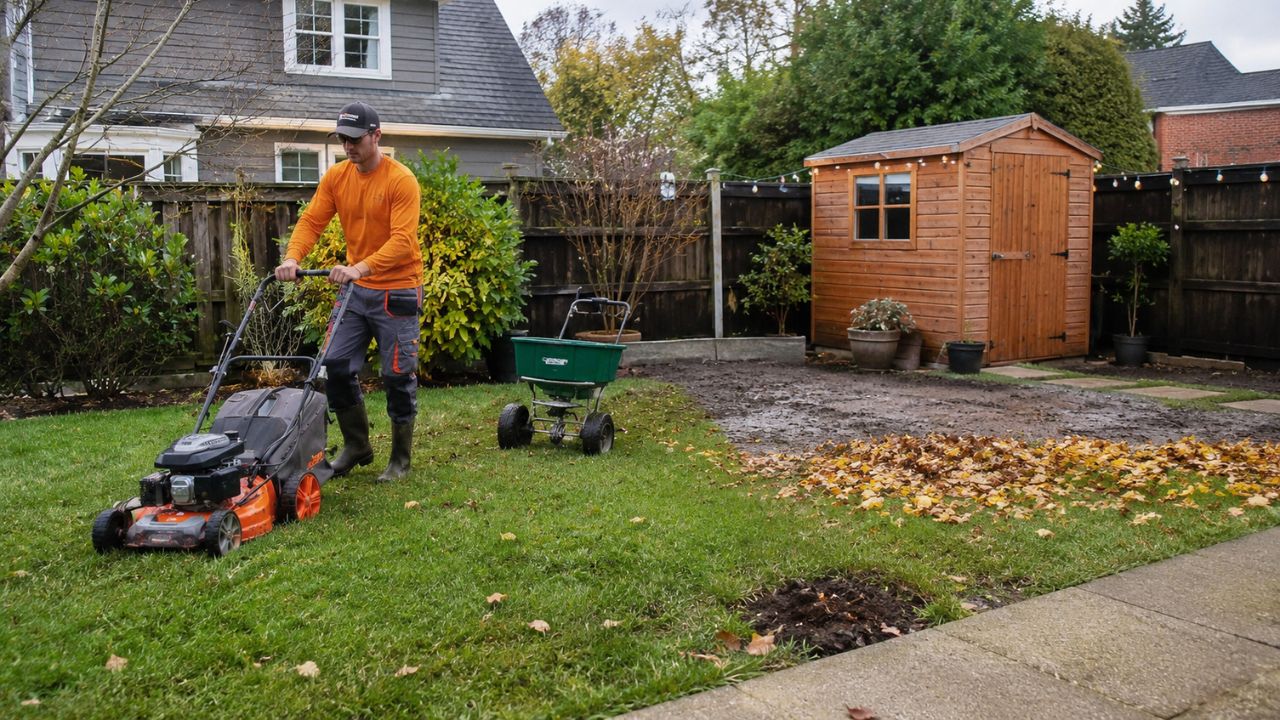
By Ryan Lingenfelter — Owner, Cutting Edge Lawn & Landscaping · Garson, Ontario · Serving Greater Sudbury since 2020
Every spring, I pull into driveways across Sudbury and see the same thing — lawns that look absolutely done. Yellow. Matted. Brown patches everywhere. And the homeowner is standing there wondering if they need to rip it all out and start fresh.
I get it. After a Sudbury winter — the snow load, the freeze-thaw cycles, the salt — your lawn takes a beating. But here’s what I tell every single customer: nine times out of ten, your lawn is not dead. It’s just stressed. And with the right steps, done in the right order, it comes back.
I’ve been doing this in Greater Sudbury since 2020. I’ve revived a lot of lawns that people were ready to give up on. Let me walk you through exactly what I do, and exactly why the order matters.
Step 1: Wait — Don’t Touch It Yet
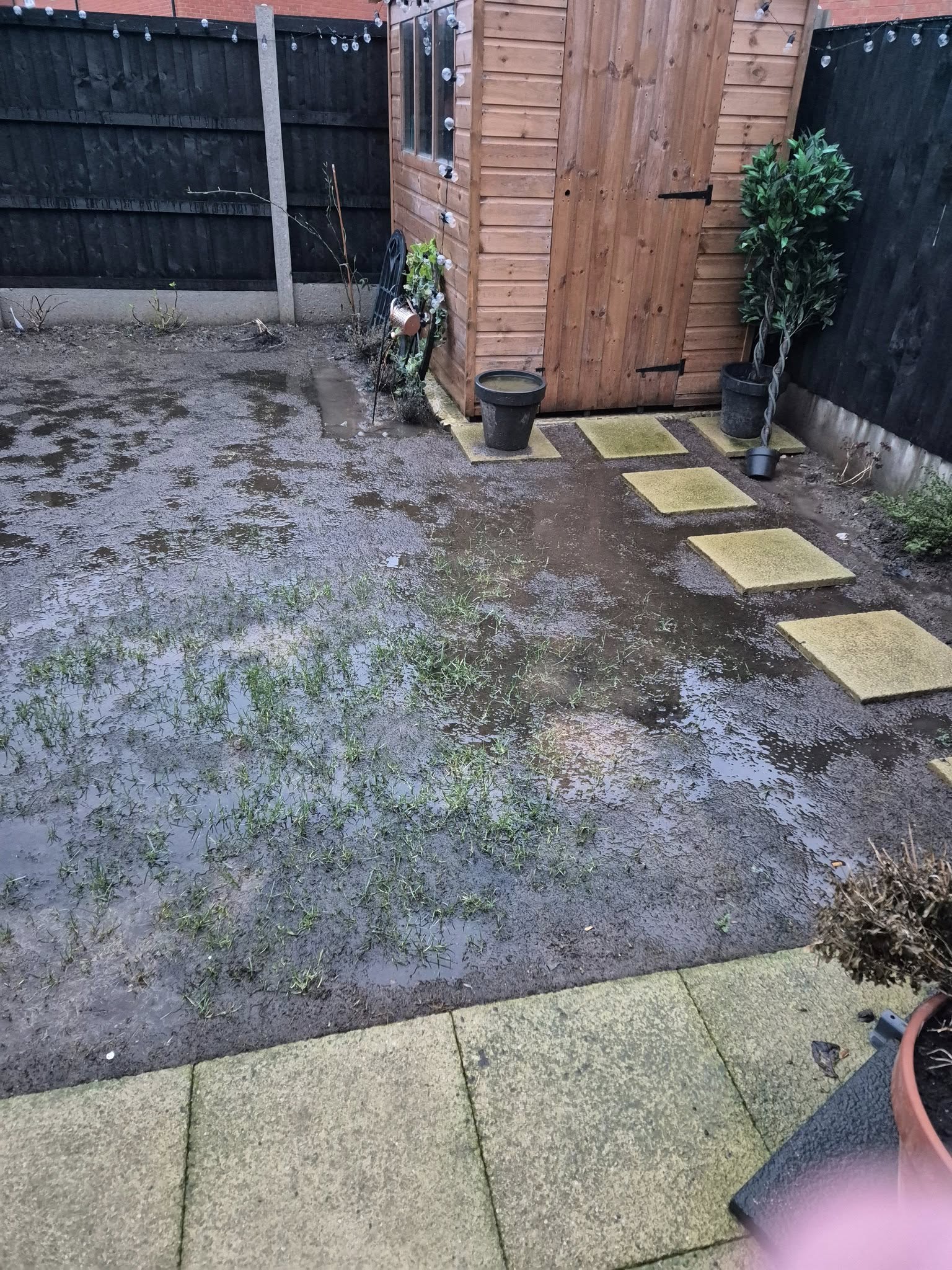
I know this feels counterintuitive, but the first thing I tell people is: don’t walk on your lawn or start raking the second the snow melts. In Sudbury, the ground stays saturated longer than people expect. When the soil is waterlogged, your lawn is at its most vulnerable. Walking on it compacts the soil and damages the grass crowns — the part of the grass that actually regrows.
My rule: wait until the lawn is dry enough that your footprint doesn’t leave a soggy impression. Usually that’s late April into early May around here, depending on the year. Patience here saves you a lot of problems later.
Step 2: Spring Property Cleanup — Remove the Debris First
Once the ground has firmed up, the first thing we actually do is a thorough spring property cleanup. That means clearing out all the dead leaves, sticks, matted grass clippings, and any garbage that got buried under the snow over winter.
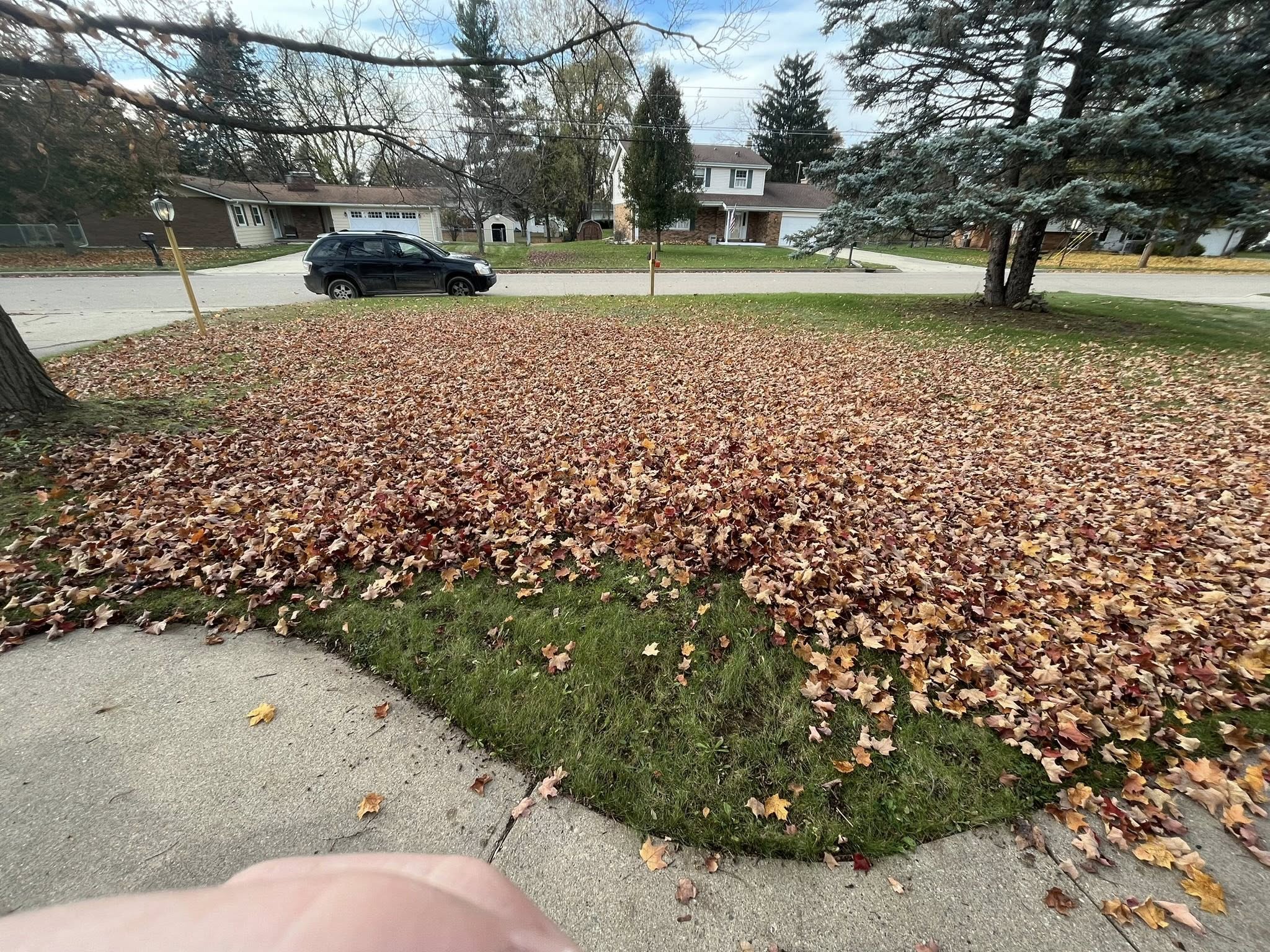
Why does this come before anything else? Because dead organic material sitting on top of your lawn blocks sunlight and traps moisture right at the soil surface. That creates the perfect condition for snow mould and fungal issues. Get it off the lawn before you do anything else.
We also do a light rake at this stage — not aggressive, just enough to lift the matted, dead grass (called “thatch”) so air and light can reach the soil underneath. You’ll be surprised how much better the lawn already looks after this step alone.
Sudbury-Specific Note: We get a lot of snow mold up here — that white or pink fuzzy layer you sometimes see when the snow first melts. Light raking breaks it up and exposes the grass to air. Most of the time, the grass underneath is still alive. Don’t panic when you see it.
Step 3: Core Aeration — This Is the One Most People Skip
If there’s one thing I wish more Sudbury homeowners knew about, it’s core aeration. This is where we pull small plugs of soil out of your lawn — about 2 to 3 inches deep, across the whole yard.

After a winter like ours, the soil gets seriously compacted from the weight of snow and ice. Compacted soil is like concrete for your grass roots — water can’t get in, fertilizer can’t reach the roots, and oxygen is cut off. Your lawn is essentially suffocating.
Core aeration breaks all of that up. It opens up channels so water, nutrients, and air get down to where the roots actually are. In my experience, lawns that get aerated in spring recover significantly faster than those that don’t. It’s not glamorous, but it’s probably the single most impactful thing you can do for a struggling Sudbury lawn.
Step 4: Overseeding — Fill In the Bare Spots While the Soil Is Open
Right after aeration is the best time to overseed — and that’s not a coincidence. The holes left by the aerator give seeds direct contact with the soil. They’re protected from birds, they stay moist, and they germinate faster.
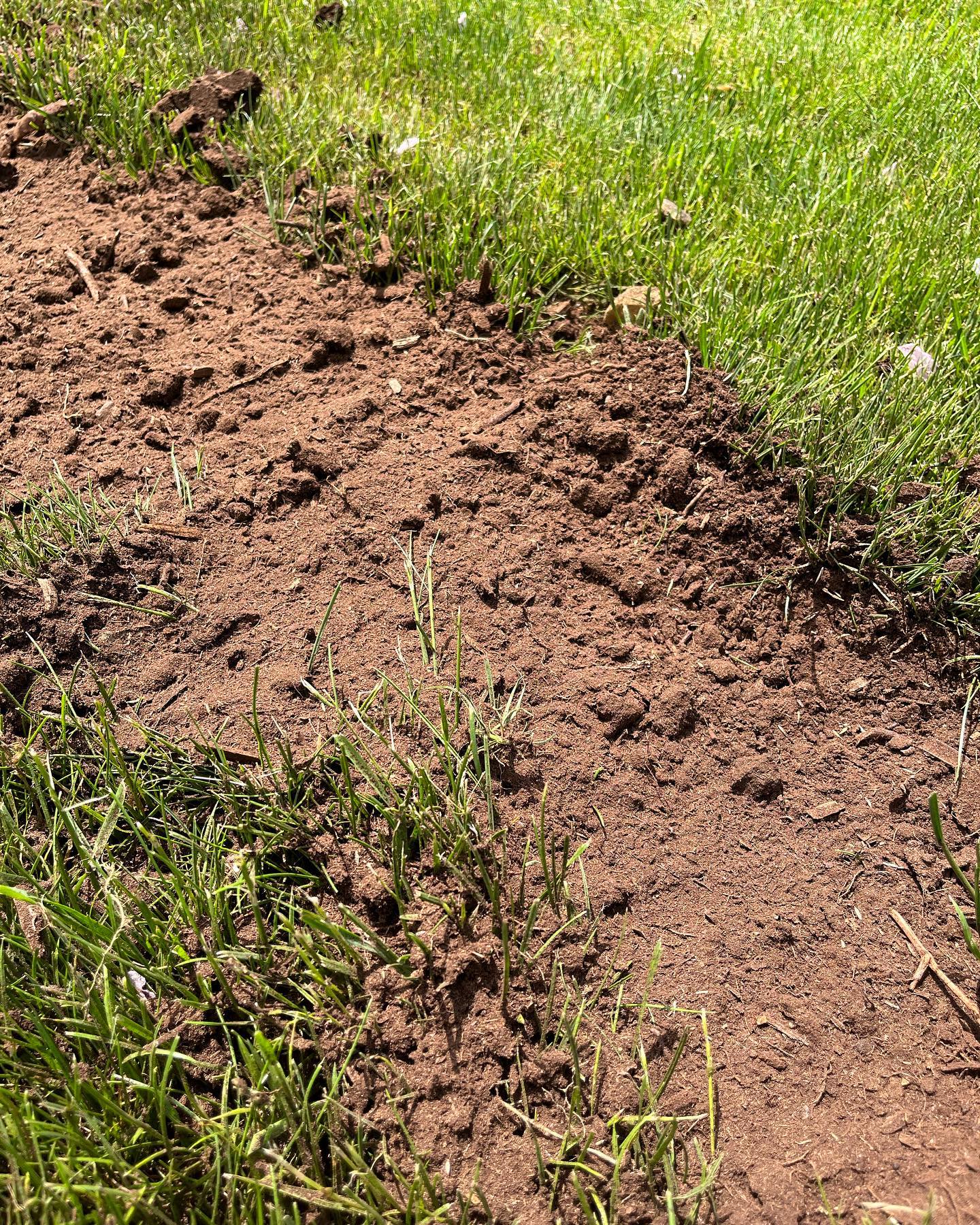
For Sudbury, I always recommend a cold-climate grass mix — something with a good amount of Kentucky bluegrass and fine fescue. These varieties handle our winters well and fill in thick over time. Don’t cheap out on seed here. The quality of your seed directly impacts what your lawn looks like two years from now.
If you’re overseeding, water lightly but consistently for the first two to three weeks. Don’t let those seeds dry out — they need moisture to germinate. And hold off on mowing until the new grass is at least 3 inches tall.
Step 5: Fertilize — But Timing Matters
Now that the lawn has been cleaned up, aerated, and seeded — then you fertilize. Not before. If you throw fertilizer on a compacted, thatch-covered lawn, you’re mostly wasting your money. The nutrients can’t get where they need to go.
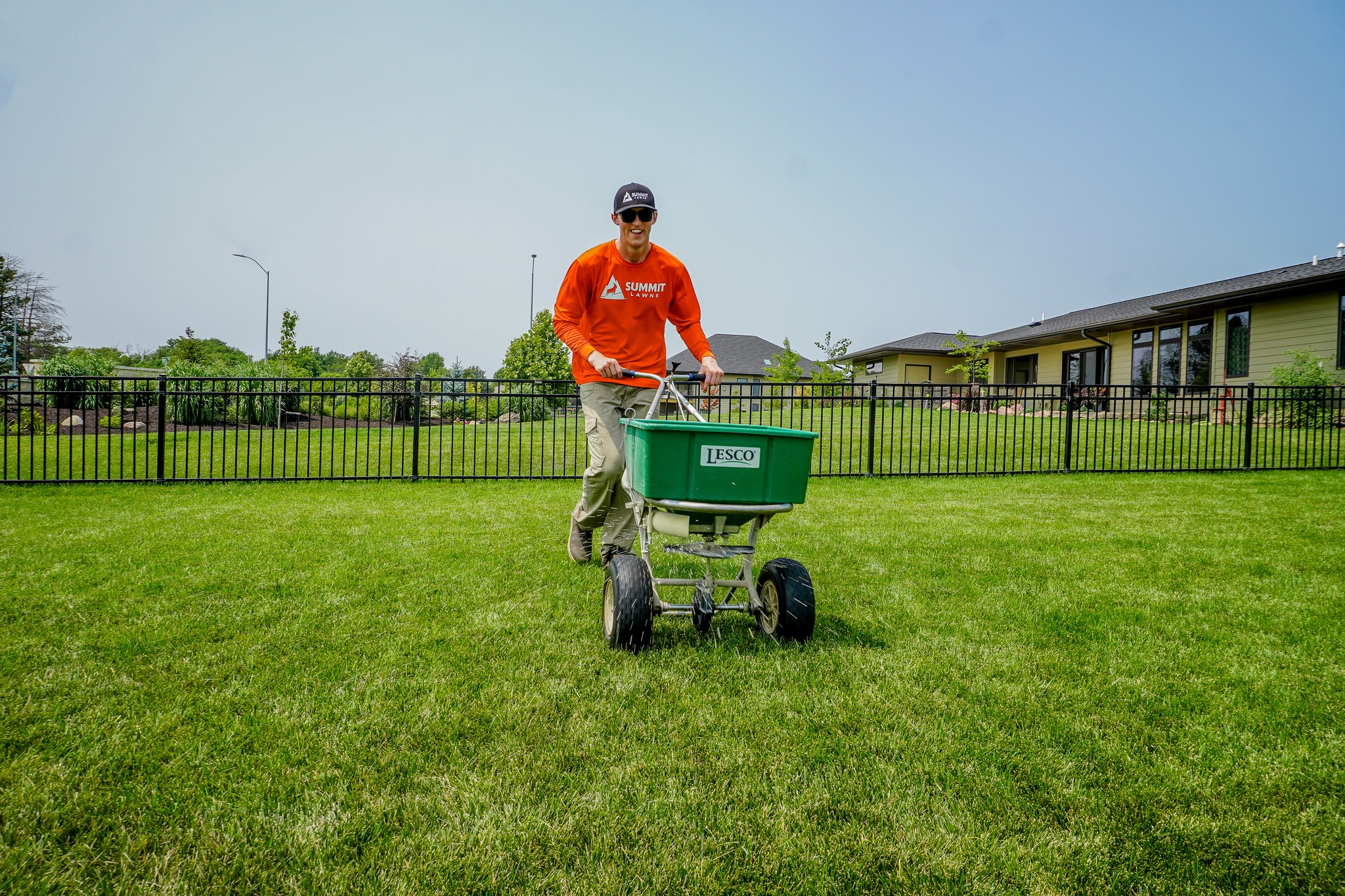
In spring, I use a starter fertilizer with a higher phosphorus content to support root development — especially important for any new seed you just put down. Come late spring and into summer, you switch to a balanced lawn fertilizer focused on green growth.
One thing I see people do wrong all the time: they fertilize once in May and call it done. Your lawn needs feeding throughout the season. Think of it like eating — one big meal in spring doesn’t carry you through to fall.
Step 6: Start Your Regular Grass Cutting Routine
Once the lawn is growing actively and you’ve given the new seed time to establish, it’s time to get into a consistent mowing schedule. In Sudbury, that usually kicks in properly by mid-to-late May, depending on the year.
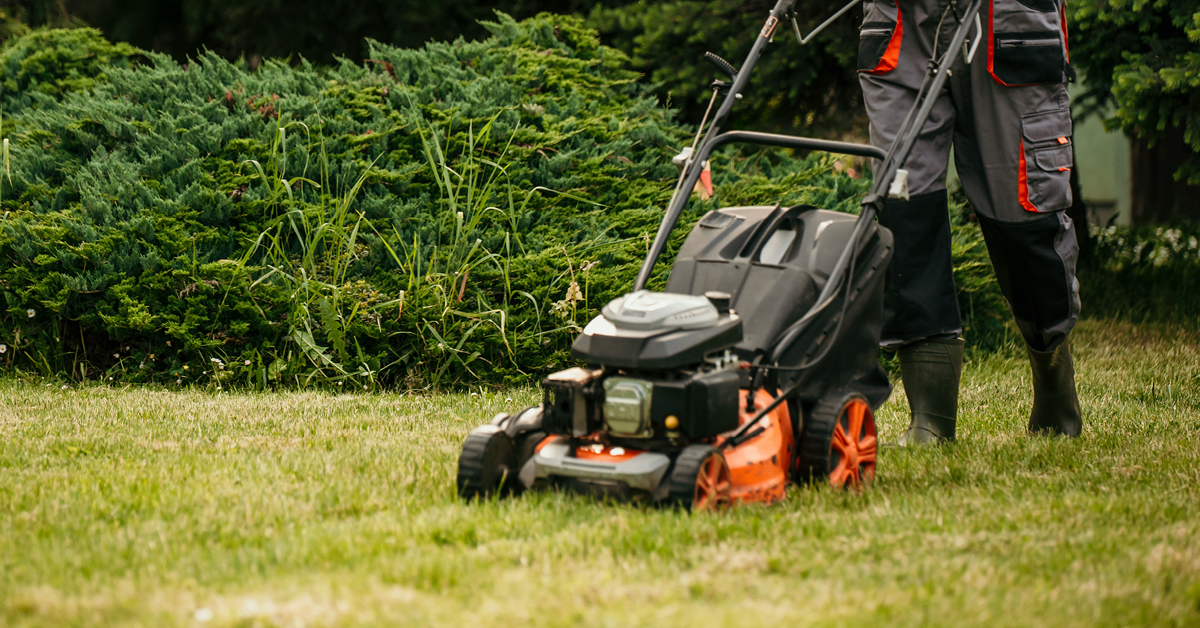
The number one mowing mistake I see? Cutting too short. People think short grass looks neat, but scalping your lawn actually stresses it out, dries it faster, and gives weeds room to move in. I always recommend keeping your grass at 2.5 to 3 inches through the season. Let it grow a little taller during hot dry spells.
Also, make sure your mower blade is sharp. A dull blade tears the grass rather than cutting it cleanly, which makes your lawn more susceptible to disease. It’s a small thing that makes a real difference.
The Order Matters — Here’s the Full Sequence
- Wait — Let the ground dry and firm up before you touch anything
- Spring Cleanup — Remove debris, light rake to lift thatch and break up snow mold
- Core Aeration — Open up the compacted soil so everything else actually works
- Overseeding — Fill bare spots right after aeration while the soil is open
- Fertilize — Use a starter fertilizer to support root growth and new seed
- Mow Regularly — Once growth is established, keep it at 2.5–3 inches
Follow that order, be patient, and water consistently — your Sudbury lawn will surprise you. Most lawns that look completely gone in early April are pushing new green growth by the end of May.
When Should You Just Call Someone?
Honestly? If more than 40–50% of your lawn is bare or dead-looking, doing this yourself becomes a real project. You’re dealing with large areas of overseeding, potentially multiple passes of aeration, and cleanup that takes serious time and equipment.
If your whole lawn looks rough, or you just don’t have the time to do this right, that’s what we’re here for. We service all of Greater Sudbury — Garson, Val Caron, Hanmer, Lively, Chelmsford, Azilda, Capreol, and Sudbury itself. We show up, we do the work properly, and we’re licensed and insured.
I’ve seen a lot of people try to shortcut this process — just throwing some seed on top of dead grass and hoping for the best. It almost never works. The prep work is what makes the difference between a lawn that comes back strong and one that looks patchy all summer.
If you have questions about your specific lawn, feel free to reach out. I’m always happy to take a look.
— Ryan Lingenfelter
Cutting Edge Lawn & Landscaping, Garson, Ontario
📞 705-507-6787
Want us to handle the whole thing? We offer spring property cleanup, core aeration, overseeding, and regular grass cutting across all of Greater Sudbury. Free quotes, no obligation.
Get a Free Quote |
Call 705-507-6787
