I want to tell you about a small change I made somewhere around year two of running Cutting Edge Lawn & Landscaping that turned out to matter more than almost anything else in how I approach a new property.
It’s not a diagnostic tool or a new piece of equipment. It’s a single question I started asking every homeowner before I picked up the screwdriver, before I checked the drainage, before I did anything on the property at all. And the answer to that one question consistently changes what I look for, what I expect to find, and — critically — whether the plan I end up recommending is the right plan for that specific lawn or just a generic plan that happens to be applied there.
I’m Ryan Lingenfelter, owner of Cutting Edge Lawn & Landscaping in Garson, Ontario. Here’s the question, why I started asking it, and what the answer actually reveals.
The Question — And Why It Took Me a While to Start Asking It
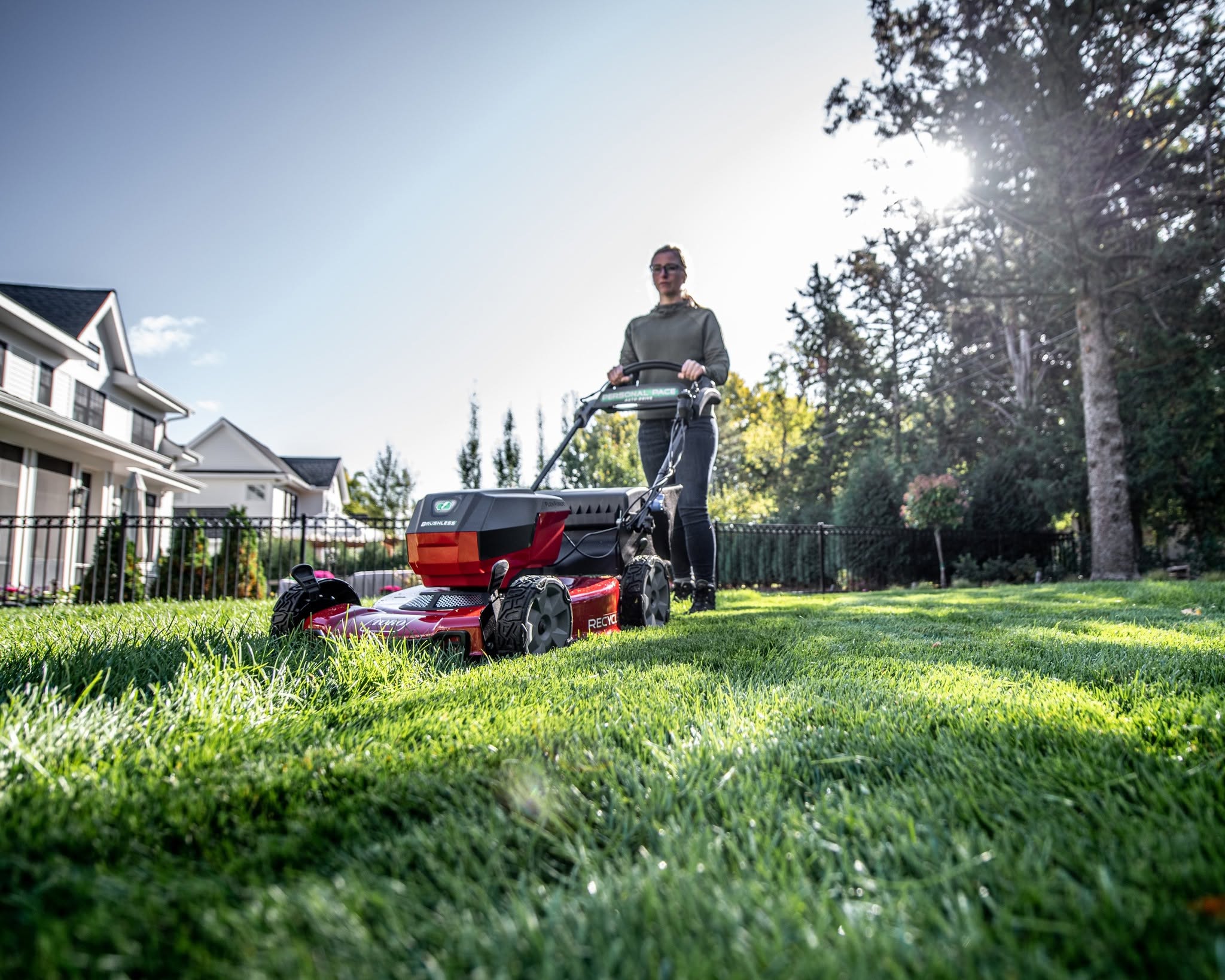
The question is this: “What’s the most frustrating thing that’s happened with this lawn in the past two or three years?”
Not “what’s wrong with the lawn right now” — I can see that. Not “what have you tried” — that comes later. Specifically, the most frustrating thing. The thing that’s made them feel like the lawn is working against them despite their efforts.
In my first year, I didn’t ask this. I’d arrive, do the soil assessment, check the drainage, look at the coverage, and build a plan based on what the physical evidence in front of me showed. That approach was technically correct but it was missing information I didn’t know I was missing — specifically, the pattern of problems over time rather than just the current snapshot.
The shift came from a job in Chelmsford in my second season. I’d done a thorough assessment, identified compaction as the primary issue, proposed aeration and overseeding as the plan. Standard stuff. But while I was writing up the quote, the homeowner mentioned casually that she’d had the same section re-sodded twice already and it kept dying in the same spot every other winter. That was information my assessment hadn’t caught — not because I’d done the assessment wrong, but because I’d only looked at the current state and hadn’t asked about the history.
The pattern she described pointed toward something my one-visit snapshot hadn’t revealed: a drainage problem that only became visible in certain weather conditions, producing that specific recurring failure in that specific section. If I’d proceeded with my original plan — aeration and overseeding — I’d have been applying the right treatment for the compaction while ignoring the drainage issue that was causing the recurring sod failure. The plan would have produced some improvement and then the same section would have failed again.
After that job, I started asking the frustration question first, every time, before the assessment. Not instead of the assessment — in addition to it. The physical evidence tells me what’s happening now. The answer to the frustration question tells me the pattern over time, which is often more diagnostic than any single visit can be.
What the Answer Reveals — Every Single Time
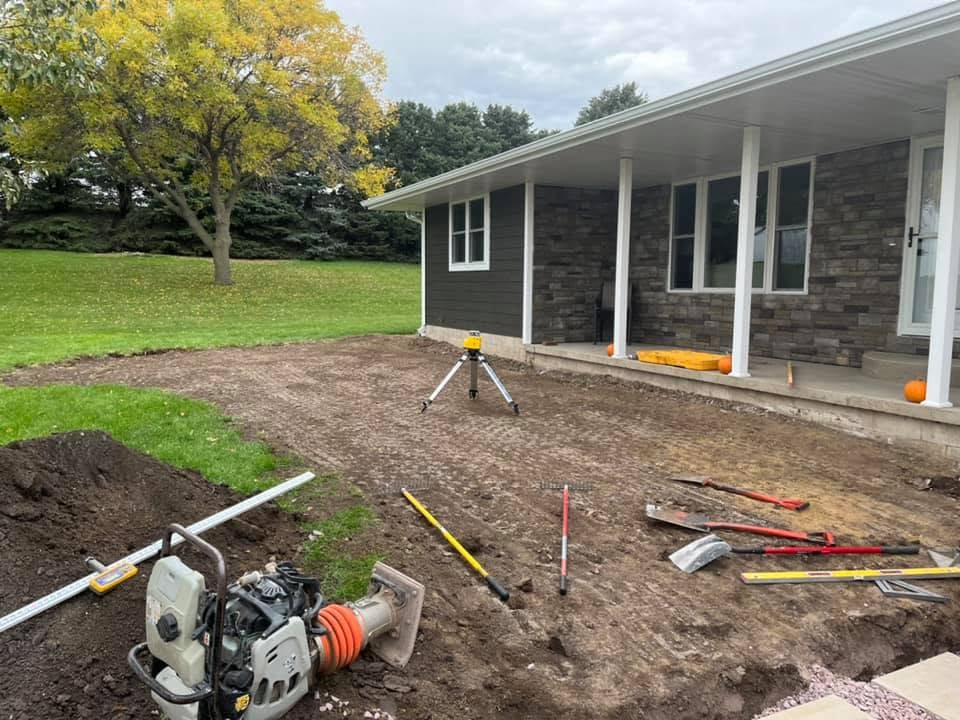
The frustration question consistently produces one of a few categories of answer, and each category tells me something specific about where to focus the assessment.
“It dies in the same spot every year, no matter what I do”
This answer almost always points toward a drainage or soil chemistry problem in that specific area rather than a general maintenance issue. When something fails reliably in the same location repeatedly, the cause is almost never random — it’s something site-specific to that zone that hasn’t been identified and addressed. The assessment that follows focuses intensely on what’s different about that specific area: drainage pattern, soil composition, proximity to hardscape, sun and shade exposure.
I’ve described what this pattern looks like and why it happens in the story of two Sudbury neighbours doing the identical routine with different results — the subsurface variation that explains it is exactly the kind of thing this question leads me to investigate.
“I’ve tried everything and nothing works”
This answer usually means one of two things. Either the underlying cause has never actually been identified — the homeowner has been treating visible symptoms rather than the root cause, and whatever they’ve tried hasn’t addressed what’s actually wrong. Or the identified cause has been treated but incompletely — the drainage was “addressed” in a way that didn’t fully solve it, or the compaction was aerated once without follow-up aeration to prevent it rebuilding.
Homeowners who say “I’ve tried everything” usually haven’t tried the right thing — not because they’re doing anything wrong, but because nobody has given them the right diagnosis. I wrote about this dynamic specifically in the Hanmer homeowner who left me a note on her door — she’d had three companies tell her three different things, none of which addressed what was actually happening in the soil.
“It looked great the first year and then slowly got worse”
This is the answer that tells me a previous restoration was done but the follow-up maintenance wasn’t maintained. A lawn that starts strong after sod installation or a recovery program and then gradually declines usually traces back to compaction rebuilding without annual aeration to prevent it, or cutting height creeping back down to a damaging level, or a drainage problem that wasn’t addressed at the time of the restoration and has been slowly doing damage since.
This pattern is exactly what I documented in the Chelmsford homeowner who called me back after two years — the restoration had been done properly but the maintenance rhythm hadn’t held, and the lawn had slowly drifted back toward where it had started.
“It’s never been good, as far as I know”
This answer usually points toward something foundational — either soil conditions that were never right to begin with, or a property history that includes fill material, construction disturbance, or other factors that predate the current owner. This is the answer that makes me want to dig deeper than the topsoil layer before proposing any plan, consistent with what I learned from the Garson property that made me call my supplier about soil chemistry questions I’d never thought to ask.
Three Real Examples — How the Answer Changed the Plan
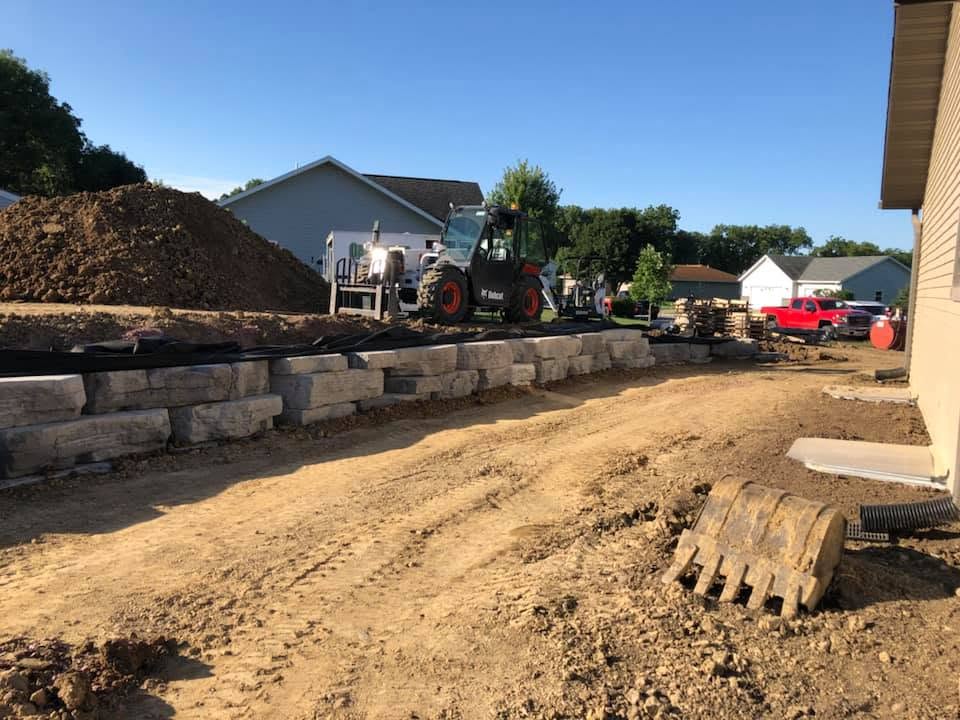
I want to give three specific examples of how the frustration question changed what I ended up recommending, compared to what I would have proposed if I’d gone straight to the physical assessment without asking it.
Example 1 — Lively, June 2024
Physical assessment showed moderate compaction and about 60 percent coverage — consistent with what I’d recommend aeration and overseeding to address. Standard plan.
Frustration question answer: “The back left corner keeps going completely bare every summer, even though I seed it every spring.”
What changed: I went back and looked specifically at the back left corner with drainage in mind. Found a subtle grade issue directing heat-amplified runoff from the neighbour’s driveway toward that corner — invisible unless you were specifically looking for it. Plan changed to include grade correction in that corner before any seed work, with clear explanation that seeding alone would produce the same result as the previous three springs.
Example 2 — Hanmer, April 2025
Physical assessment showed severe compaction, significant bare coverage, thick thatch. Plan would have been full restoration — strip, till, sod.
Frustration question answer: “We had it fully redone four years ago and it looked amazing for one summer. I have no idea what happened.”
What changed: A previous restoration that produced one good summer and then declined is a specific pattern that usually points toward a failure to maintain aeration after restoration, combined with cutting height gradually dropping back down. Rather than immediately recommending full re-restoration, I spent more time understanding what the maintenance had looked like in the intervening four years. Turned out: no aeration in any of the four years since, and mowing at 1.5 inches all season by whoever had been cutting it. Plan changed to aggressive double-pass aeration, immediate overseeding, and a specific conversation about the mowing contractor’s height settings before any of the work. Saved the homeowner a full restoration cost they didn’t actually need if the maintenance was corrected.
Example 3 — Val Caron, September 2024
Physical assessment showed thin coverage throughout, weedy, some bare patches. Nothing unusual.
Frustration question answer: “It’s always been like this. We’ve owned the house for eleven years and it’s never looked good.”
What changed: “Never been good” in an eleven-year-old house on Val Caron clay made me want to dig deeper before proposing anything. Found a compaction profile consistent with construction fill material that had never been properly rehabilitated — the house had been built on a lot where the topsoil was thin over dense clay subgrade, and the lawn had essentially been struggling since it was first installed. Plan required proper soil rehabilitation before any surface treatment would hold — more involved than what the physical assessment alone had suggested as necessary.
What Your Answer Would Tell Me About Your Lawn Right Now
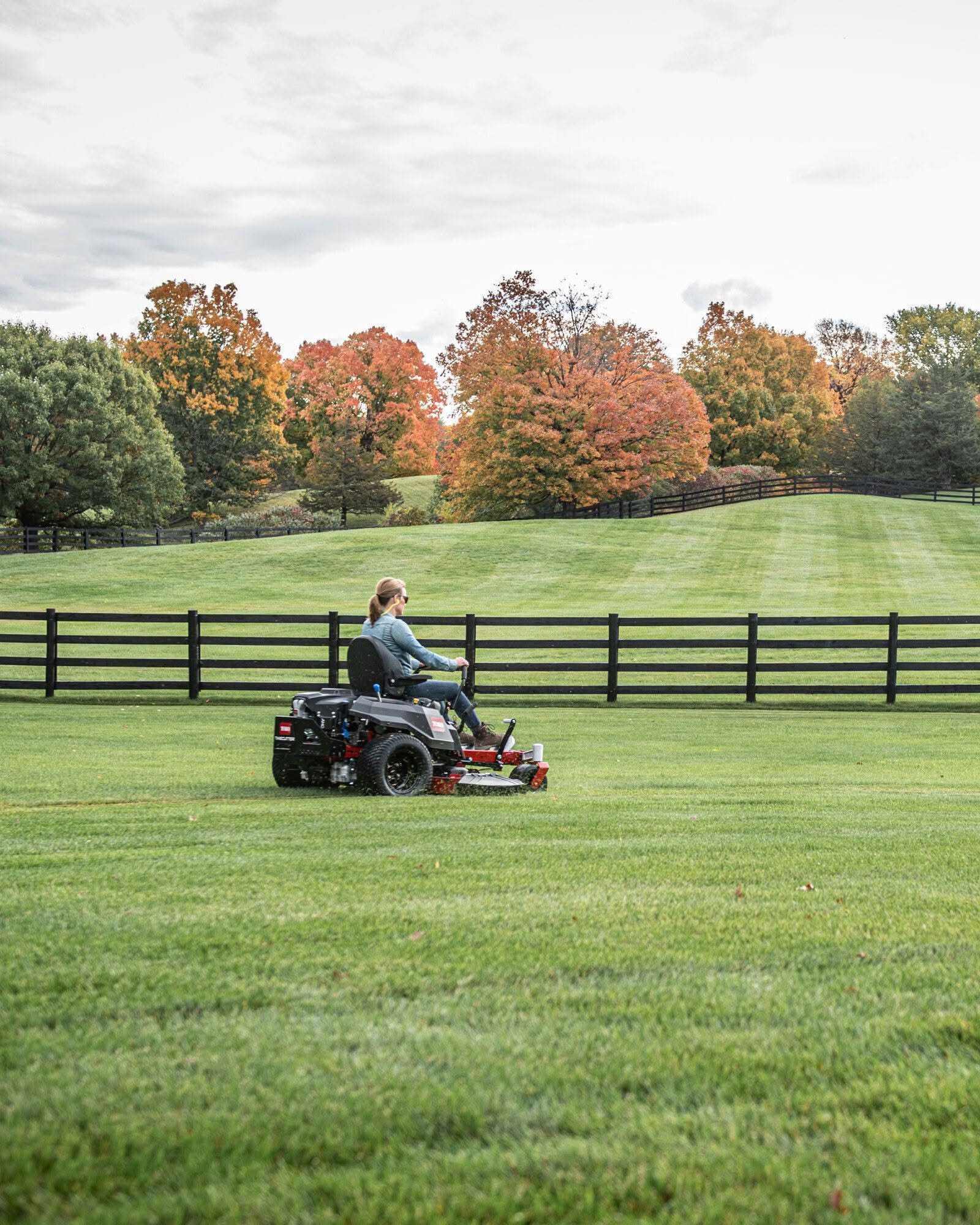
I want to invite you to think about your own answer to this question, because I think it’s genuinely useful even without me there to hear it.
What’s the most frustrating thing that’s happened with your lawn in the past two or three years? Not what it looks like right now — what has disappointed or frustrated you specifically, despite your efforts?
If the answer involves the same area failing repeatedly, that’s a drainage or localized soil signal. If it involves trying multiple things without seeing lasting improvement, that’s a diagnosis signal — the cause may not have been properly identified yet. If it involves a property that started well and has been declining, that’s a maintenance continuity signal. If it involves a lawn that’s never been good, that’s a foundational soil signal.
None of these answers by themselves give you the full picture — that still takes an actual assessment. But knowing which category your frustration falls into tells you what kind of assessment question to prioritize, and what to look for before accepting any plan that doesn’t specifically address it.
And if you want to have that conversation directly, you know where to reach me.
📞 Call or text me: 705-507-6787
Or fill out the free quote form here — I get back to everyone same day.
— Ryan Lingenfelter
Owner, Cutting Edge Lawn & Landscaping
Garson, Ontario
Related Articles
- Two Sudbury Neighbours Did the Exact Same Lawn Routine — Only One Lawn Thrived
- A Hanmer Customer Left Me a Note on Her Door — Here’s What It Said
- A Chelmsford Homeowner Called Me Back After 2 Years — The Lawn Told the Whole Story
- The Sudbury Property That Made Me Call My Supplier and Ask Questions I’d Never Asked Before
- I Can Spot a Failing Sudbury Lawn in 10 Seconds — Here’s Exactly What I Look For