
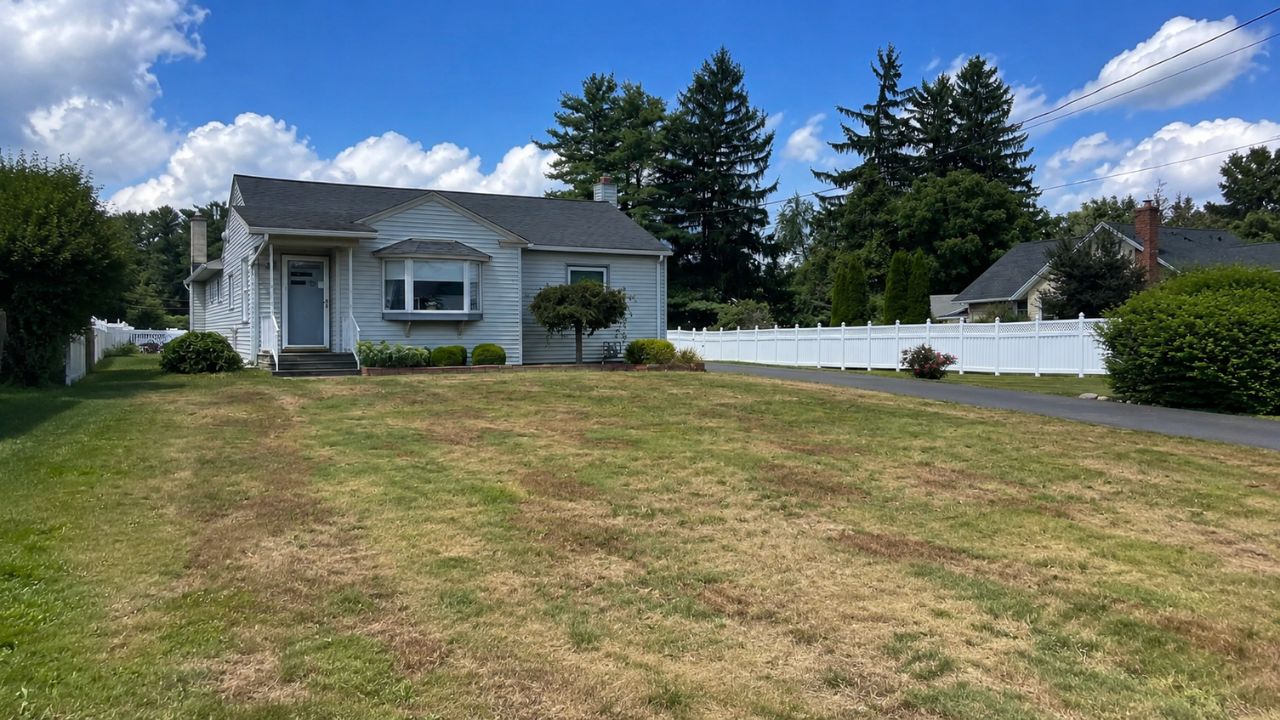
Most lawn companies don’t turn down work. I understand why — this is a business, and saying no to a paying job feels counterintuitive.
But I’ve turned down jobs before. Not many, but a few. And every time I’ve done it, it’s been for the same reason: the timing or the conditions weren’t right, and doing the work anyway would have meant taking someone’s money for a result I couldn’t stand behind.
Last summer I turned down a sod job in Val Caron. The homeowner — I’ll call him Dave — was frustrated when I said no. He’d been waiting weeks to get someone out, he had a lawn that looked terrible, and he wanted it fixed before his family came to visit in August.
I told him I understood. And I told him why I couldn’t do the job right now — and what would happen if I did it anyway.
Six weeks later, he called me back.
The First Call — Why I Said No
Dave called me in late July. He’d found us through Google — was looking for sod installation in the Sudbury area and wanted someone out to quote a full backyard replacement.
I went out the next day.
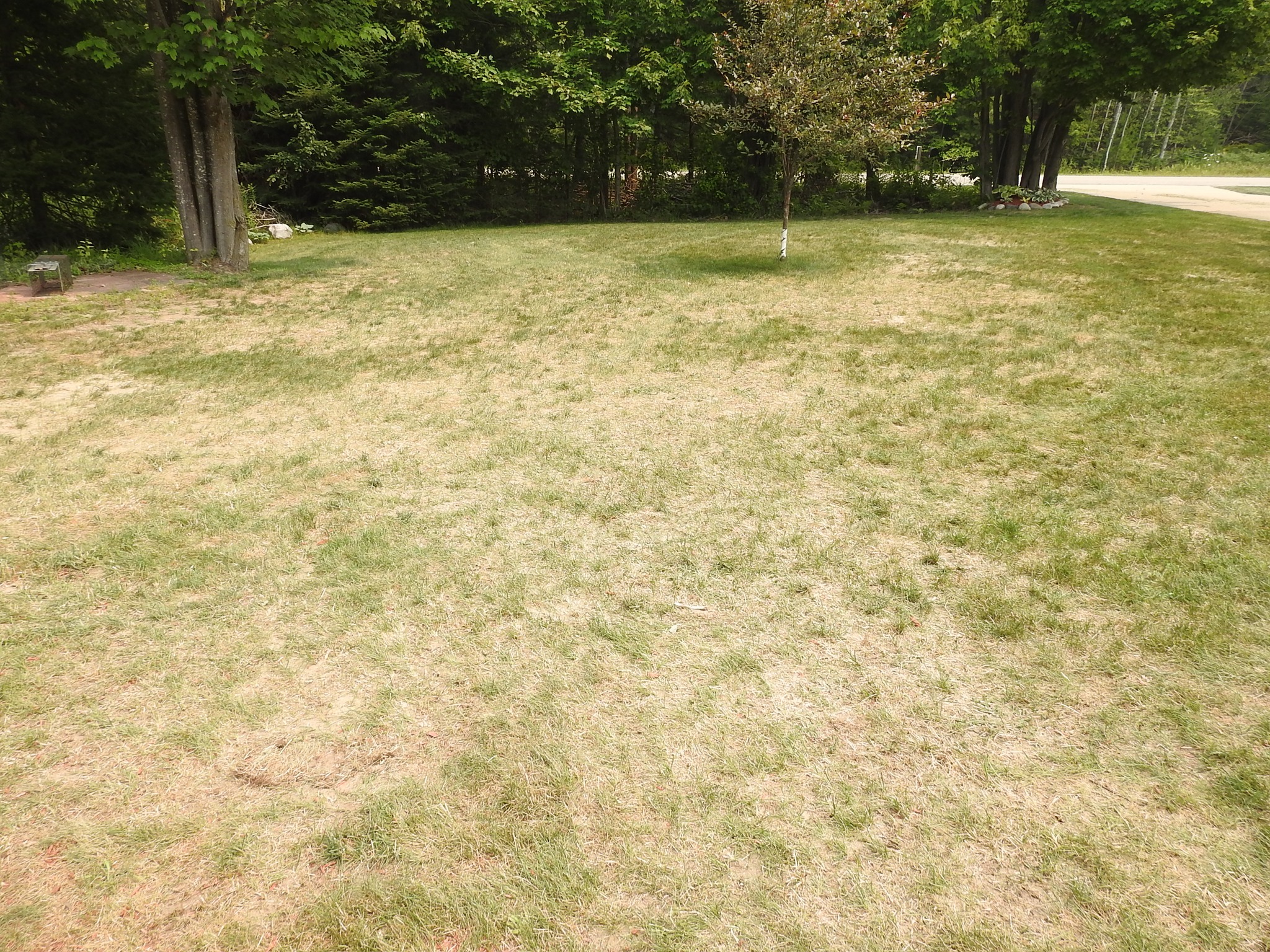
The backyard was about 900 square feet. The grass was thin, patchy, and burnt-looking — the kind of lawn that looks like it’s given up. Dave told me it had been declining for a couple of years but this summer had been particularly bad. He wanted the whole thing ripped out and replaced with fresh sod.
I understood the instinct. The lawn looked bad and he wanted it to look good. Fresh sod would make it look dramatically better immediately.
But there were two problems.
First, the timing. It was late July — the hottest part of a Sudbury summer. Soil temperatures were high, the air was dry, and we hadn’t had meaningful rain in almost three weeks. Laying sod in those conditions is survivable, but it requires intensive watering — twice a day minimum, sometimes three times on hot days — for the first two to three weeks. Miss a watering session during establishment in July heat and you can lose sections of sod in 24 hours. It’s a high-maintenance, high-risk situation.
Second — and this was the bigger issue — the lawn wasn’t just drought-stressed. When I did the screwdriver test across the yard, the soil was rock-hard in several spots. Classic compacted clay. And in the back corner, I found the same thing I find on a lot of Val Caron properties: a drainage problem. Water from the neighbouring property was running onto Dave’s lawn and pooling in that corner. The grass there wasn’t just drought-stressed — it was drowning intermittently and then baking dry. Nothing was going to survive long-term in that corner without fixing the drainage first.
If I laid sod over a drainage problem in July heat without addressing the compaction and the grade, two things would happen. The sod would establish okay in most of the yard — assuming perfect watering — and then struggle and die in that back corner within a season or two. Same problem, $3,500 later.
I told Dave all of this standing in his backyard.
He wasn’t thrilled. He’d been trying to get someone out for weeks, he had a deadline in mind, and now the guy standing in front of him was telling him he couldn’t do the job.
I told him I could do the job. I just wasn’t willing to do it right now in these conditions without fixing the underlying problems first — and fixing the drainage properly required the ground to be in better shape than it currently was after weeks without rain. I recommended we wait until late August at the earliest, ideally September, when temperatures had dropped and we’d had some rain to work the soil properly.
I also told him: if he wanted to hire someone else to do it now, I understood. But whoever did it should know about the drainage issue in that corner — and if they didn’t address it, he’d be back in the same situation.
He thanked me, said he’d think about it, and we left it there.
Six Weeks Later — The Second Call
Dave called me again in early September.
He told me he’d gotten two other quotes after I left. Both companies were willing to do the job immediately in July. One of them he’d actually booked — and then cancelled after thinking about what I’d said about the drainage. He didn’t want to spend the money and end up in the same spot.
He asked if I was still available and if the timing was better now.
I went back out to the property. September in Sudbury is a completely different situation than late July. Temperatures had dropped to the low 20s during the day. We’d had two decent rain events in the preceding weeks. The soil had some moisture back in it. And critically — we now had a six to eight week growing window before freeze-up, which is actually ideal for sod establishment. Sod laid in early September in Sudbury has cooler temperatures, lower evaporation stress, and enough time to root in before winter if watering is handled properly.
The conditions were right. The timing was right. Now we could do the job properly.
What We Found and What We Did

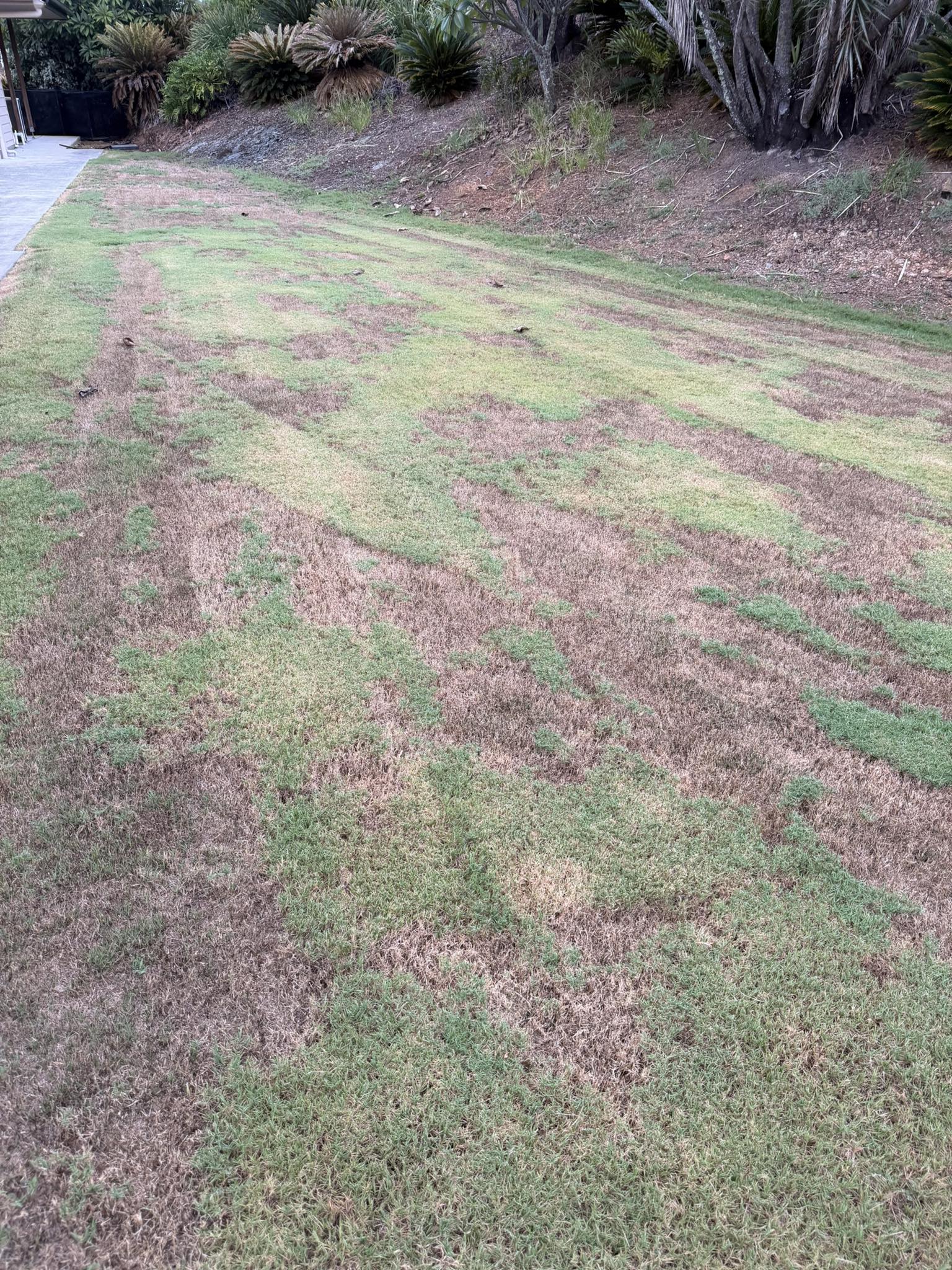
When I walked the property again in September, a few things had changed from July — and not for the better. Six more weeks of summer stress had taken the lawn from bad to worse. The thin sections were now completely bare. The drainage corner had gone through another wet-dry cycle and was compacted even harder than before.
But that actually made the decision-making easier. There was nothing worth saving. Full replacement was clearly the right call now, which simplified the project.
Here’s the sequence of what we did:
Drainage Fix First
Before anything else, we addressed the back corner. We regraded the area to direct water away from that corner and toward the fence line where it could drain off the property. We brought in quality topsoil to build the grade up properly. This took a few hours but it was the most important part of the whole job — without it, everything we did afterward would eventually fail in the same spot.
Full Removal
We stripped the entire backyard down to bare soil with a sod cutter. Everything came out — dead grass, thatch, the works. Hauled it all away. Clean slate.
Soil Preparation
We tilled the top four to six inches of soil across the entire area to break up that compaction. Then we spread a layer of quality topsoil and worked it in. For clay-heavy soil like what Dave had, this step is what separates a lawn that lasts from one that fails again in two years. The roots need somewhere to go — compacted clay doesn’t give them that.
Starter fertilizer went down before the sod.
Sod Installation
Fresh sod, delivered and laid the same day. We started from the straightest edge — the back fence line — and worked toward the house. Staggered joints, tight seams, rolled after installation to press the roots into contact with the soil underneath.
The whole job took a day and a half. Dave came home after day two and walked the yard. He was quiet for a minute and then said: “This is what I wanted in July.”
I told him it would have looked the same in July. The difference was whether it would still look like this in two years.
What the Lawn Looks Like Now
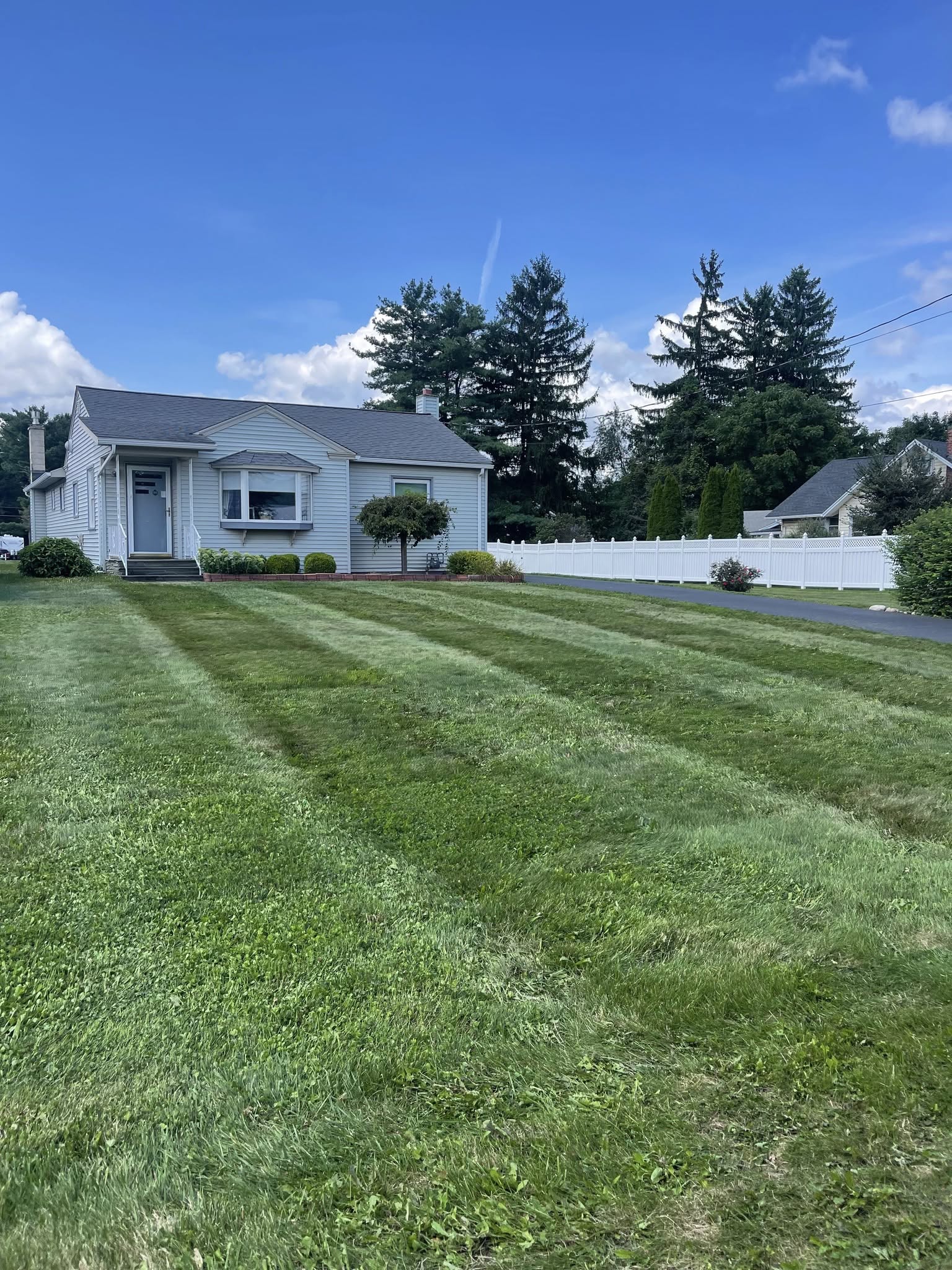
Dave followed the watering schedule properly through September and into October. The sod rooted in well before freeze-up — I could tell from the resistance when I did a tug test a few weeks after installation.
He sent me photos in May of the following spring. The lawn had come through winter in great shape. Thick, even, green. The drainage corner — the one that had never grown anything properly — had grass in it for the first time since he’d owned the property.
He also told me something that stuck with me. He said the company he’d almost hired in July had done a sod job for his neighbour around the same time he and I had our first conversation. By the following spring, that neighbour’s lawn already had thin patches developing in a few areas.
I don’t know the details of that job — there could be other factors. But I wasn’t surprised.
Why I’m Telling You This
I’m not sharing this story to make myself look good. I’m sharing it because I think it illustrates something that’s genuinely useful to know when you’re hiring any kind of lawn or landscaping company.
The right answer isn’t always “yes, we can do it now.” Sometimes the honest answer is “the timing isn’t right, and here’s why.” A company that’s willing to tell you that — even when it means walking away from a job — is a company that’s more focused on the result than the invoice.
I’ve built this business on that premise since 2020. It means I occasionally turn down work. It also means the work I do take on gets done properly and stands behind itself.
If your lawn is in rough shape and you’re not sure whether now is the right time to fix it — or what the right fix actually is — I’m happy to come out and give you a straight assessment. No pressure either way.
📞 Call or text me: 705-507-6787
Or fill out the free quote form here — I get back to everyone same day.
— Ryan Lingenfelter
Owner, Cutting Edge Lawn & Landscaping
Garson, Ontario
Related Articles
- I Replaced a Sudbury Homeowner’s Dead Lawn in 4 Days
- A Sudbury Client Wanted Turf — Here’s What We Did Instead
- Sod Installation in Greater Sudbury — Services and Pricing
- Core Aeration Services in Sudbury
- Why I Started Cutting Edge Lawn & Landscaping in Garson
