
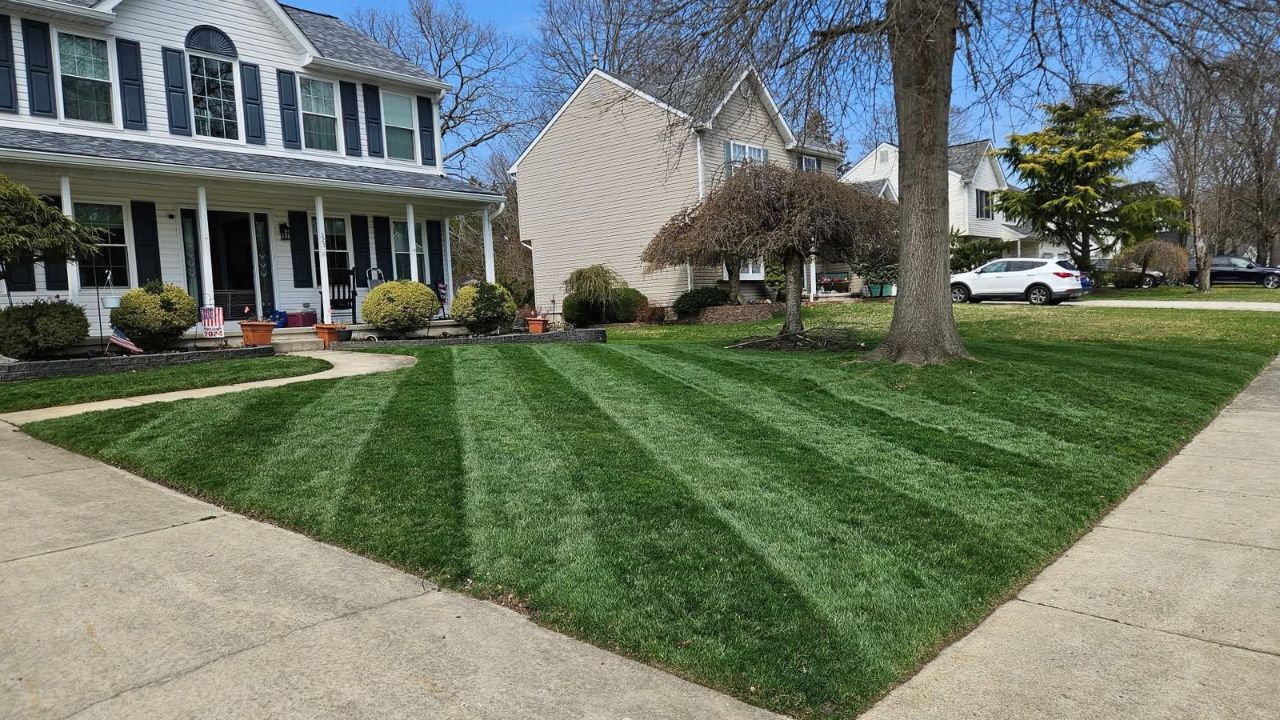
When I started Cutting Edge Lawn & Landscaping in May 2020, I knew what I knew — which was a combination of formal knowledge, things I’d learned from other people in the industry, and principles I’d absorbed from whatever resources I’d been able to find before my first season.
Five years and hundreds of properties later, most of what I knew then still holds. The fundamentals of lawn care don’t change: soil health matters, compaction is the central problem in this region, correct cutting height makes more difference than most people realize, timing is critical in Sudbury’s compressed season.
But there are specific things I told clients in 2020 and 2021 that I now know were incomplete. Some were too conservative — I was being cautious in ways that undersold what was actually achievable. Some were wrong outright — I was applying principles that didn’t fully account for what I was actually encountering in Greater Sudbury specifically. And some were just things I hadn’t learned yet that would have changed what I recommended.
I want to be direct about what those things were. I think it’s more useful than pretending the advice was always perfect.
I’m Ryan Lingenfelter, owner of Cutting Edge Lawn & Landscaping in Garson, Ontario.
Thing 1 — I Used to Treat Aeration as a One-Time Fix
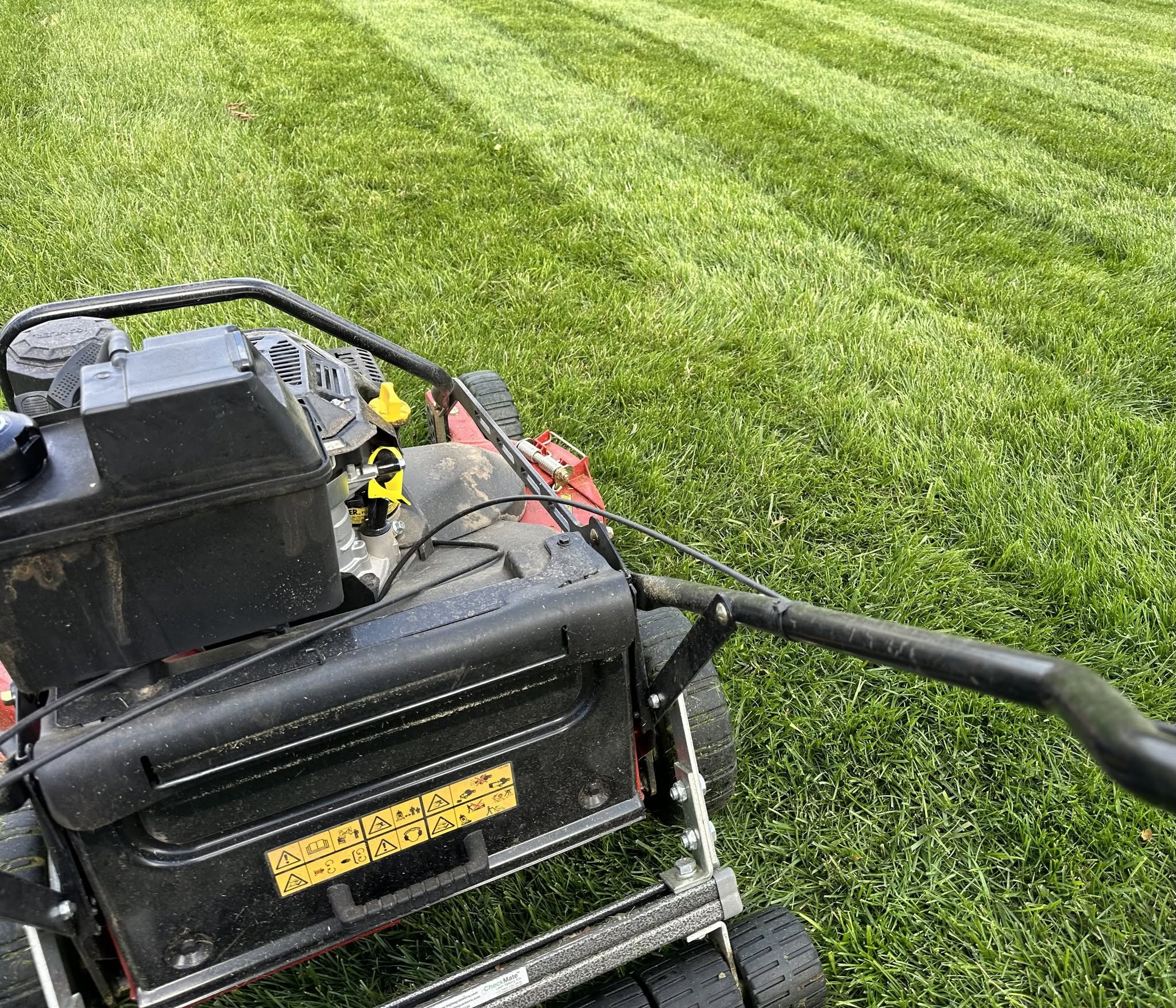
In 2020 and early 2021, when I recommended aeration to clients, I framed it as: do this, and you’ll see improvement. Which is true. But I wasn’t being explicit enough about the maintenance rhythm piece — that on Sudbury’s clay-heavy soil, the compaction rebuilds, and aeration needs to happen consistently year over year to maintain the improvement rather than just produce it once.
The result was that some clients did one aeration, saw genuine improvement, and then stopped. A year or two later they’d call me back with the same compaction problem I’d originally addressed. Not because the aeration hadn’t worked — because it needed to be part of an ongoing routine rather than a one-time correction.
The way I explain it now is different. I describe the annual cycle explicitly upfront: Sudbury winters add compaction every year through freeze-thaw cycling. Annual aeration prevents that from accumulating. One good aeration fixes what’s there today. Annual aeration prevents tomorrow’s version of the same problem from developing. Those are different things, and both matter.
The evidence for this has become clearer over five years of tracking what happens to properties that aerate annually versus ones that skip. The longitudinal picture — which I only had access to starting in 2022 and 2023 as those multi-year client relationships developed — makes the maintenance rhythm case clearly and specifically, in a way that I couldn’t have made from first principles alone in 2020.
Thing 2 — I Underestimated How Much Cutting Height Matters
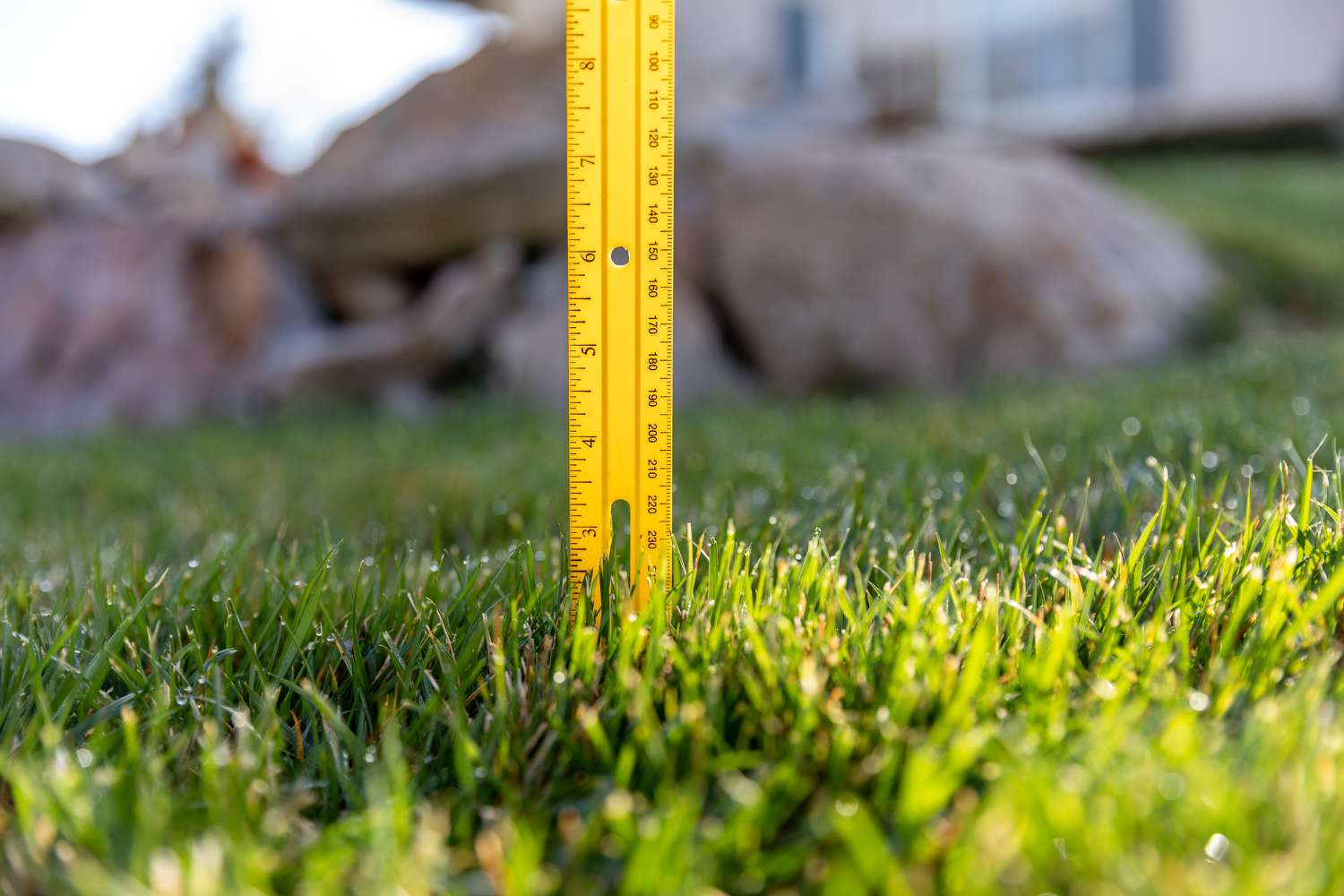
I knew cutting height mattered in 2020. I recommended 3 inches from the beginning, which was right. What I didn’t fully appreciate until I’d seen the multi-season data was how dramatically the outcomes diverged between properties that had been maintaining 3 inches and properties that had been cut consistently lower — even when everything else about the maintenance was identical.
I now understand this as one of the most impactful single variables in the whole Sudbury lawn picture. Not just because of what short cutting does to the grass directly, but because of how it interacts with compaction, summer heat stress, and the watering challenges specific to our clay soil. A lawn cut at 1.5 inches in Sudbury’s July heat is fighting on three fronts simultaneously in a way I didn’t fully grasp from reading about it — you only really understand it after watching it play out on dozens of actual properties in the actual conditions.
The practical change in how I communicate this: I used to mention cutting height as one of several maintenance factors. I now treat it as the single most important thing I can tell a homeowner to change if they’re only going to change one thing — and I’ve backed that claim with enough specific property-level observation that I feel confident saying it directly rather than hedging.
For anyone who wants the full mechanics of why this is true in Sudbury specifically — I’ve covered it in detail in what Sudbury lawns actually look like in September versus what they should. The difference between a well-managed and a poorly-managed lawn going into fall is more visible and more directly traceable to cutting height decisions than to almost any other factor.
Thing 3 — I Used to Skip pH Testing on New Assessments
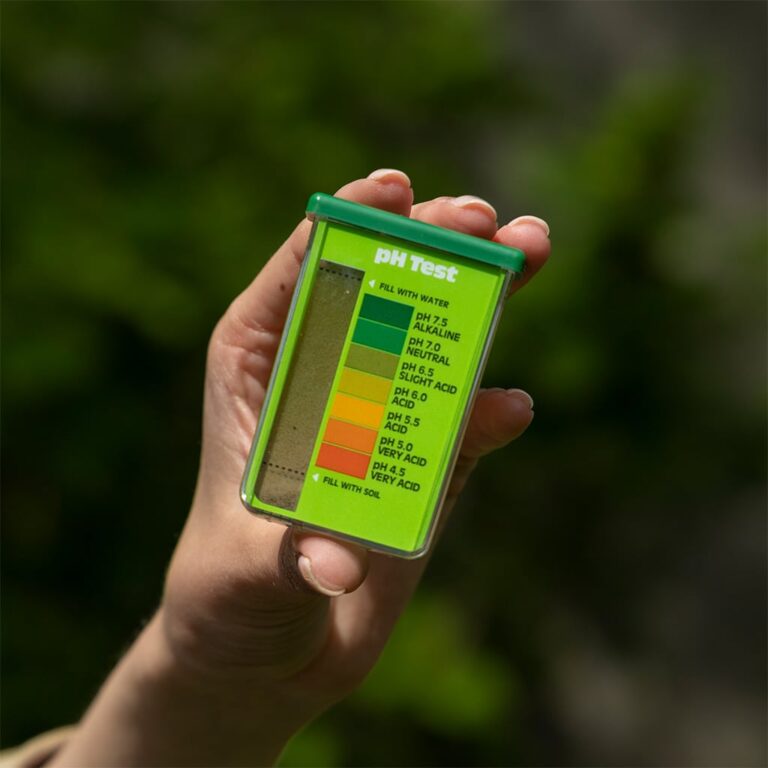
This one is the most concrete change in my actual assessment process. In 2020 and most of 2021, my standard assessment covered compaction, thatch, drainage, and grass coverage. Soil pH wasn’t part of the routine because I was approaching it the same way most general lawn care resources do — pH is usually assumed to be within normal range unless there’s a specific reason to think otherwise.
The specific property that changed my approach — which I’ve written about in detail in the Garson property that made me call my supplier and ask questions I’d never asked before — revealed that certain areas of Greater Sudbury have a real risk of elevated pH from natural geological deposits that I hadn’t been accounting for. On properties where previous sod had failed repeatedly without a clear drainage or compaction explanation, pH was sometimes the missing piece.
The change in my practice: I now include pH testing as a standard part of my assessment protocol on any property with a history of unexplained repeated failure, and on properties in areas of Greater Sudbury where I now know the geological profile makes elevated pH more likely. In 2020, I would have assessed the same property, found the compaction and addressed it, and been puzzled when the sod failed anyway. Now I test first and address the chemistry before the physical work, which is the order that actually produces lasting results.
This is also connected to what I’ve been tracking in why new subdivisions in Sudbury have some of the hardest lawns to grow — construction fill materials have a higher likelihood of introducing pH-affecting compounds than native soil, and pH testing on new build lots has caught issues I would have missed applying the 2020 assessment protocol.
Thing 4 — I Didn’t Set Expectations About the Ugly Middle Stage

This one isn’t about technical knowledge — it’s about communication. And I think it’s worth including because I’ve learned that communication failures produce almost the same outcomes as technical failures from the homeowner’s perspective.
In 2020, I would walk a client through what the restoration would involve and what the result would look like when it was done. I described the finished state well. What I didn’t describe adequately was the two-week window between “work completed” and “result visible” — the period where bare soil is exposed, aeration holes are open, overseeded areas look like dirt, and the whole property looks worse than it did before we started.
The result was preventable concerned calls and, in a couple of cases, genuinely worried clients who thought something had gone wrong when the process was in fact proceeding exactly as it should. I’ve now had enough of those conversations to know that setting this expectation explicitly before the work starts — not just describing the end result — eliminates almost all of that anxiety.
I wrote about a specific version of this situation in the Lively property that looked worse after we started than before. The work was right, the timeline was normal, the homeowner’s concern was completely understandable — and it was entirely preventable with better upfront communication about what week two looks like.
The 2020 version of my client communication described the destination. The current version describes the journey, specifically the part between the start and the destination that looks temporarily wrong before it looks right. That change cost me nothing to make and has meaningfully improved the experience of every restoration project I’ve done since.
Thing 5 — I Was Too Conservative About Achievable Results on Struggling Lawns
This one is harder to quantify but worth including. In 2020, when I assessed a severely struggling lawn, I tended to give conservative estimates of what was achievable — both because I didn’t want to overpromise and because I genuinely didn’t have enough long-term observation to know what was possible with sustained, correct intervention.
Five years of tracking outcomes has moved me toward more confidence in what the right work actually produces. A lawn that I might have described in 2020 as “improvable but probably never great” — severe compaction, thin coverage, a few drainage issues — I now know is often recoverable to genuinely good condition with two to three seasons of correct treatment, provided the underlying conditions are properly addressed.
This matters practically because conservative estimates sometimes discourage homeowners from attempting recovery at all, or lead them to accept a lesser outcome as the best available when better is actually achievable. The Hanmer homeowner I wrote about in the property that proved me wrong is the most direct example — my 2020-era conservatism would have set a ceiling that his effort and attention proved wasn’t real. I’m now more willing to say “this can actually be genuinely good” while being clear about what it takes to get there.
What Hasn’t Changed
I want to be clear that the fundamentals I started with in 2020 are still what I believe.
Compaction is the central lawn problem in Greater Sudbury. Aeration is the primary tool for addressing it. Cutting height matters more than most people realize. Drainage problems must be fixed before surface work, not after. The timing of work in our compressed season is critical — the spring window and fall window matter in ways that general lawn care advice underemphasizes. Local soil knowledge is worth more than imported generic advice.
None of that has changed. What’s changed is the depth of confidence I have in specific claims, the completeness of what I assess before recommending, and the quality of communication about what a process actually involves rather than just what it produces.
Five more years of this work in Greater Sudbury will probably change some things I currently believe with confidence. That’s how it should work. The goal isn’t to have always been right — it’s to be more right over time.
Want Advice Based on What I’ve Actually Learned — Not Just What I Knew in 2020?
If your lawn has been assessed before and the advice didn’t fully solve the problem, the missing piece might be in one of the areas I’ve described here — pH that wasn’t tested, annual aeration that wasn’t recommended as a rhythm rather than a fix, cutting height that wasn’t emphasized enough. Reach out for a current assessment.
📞 Call or text me: 705-507-6787
Or fill out the free quote form here — I get back to everyone same day.
— Ryan Lingenfelter
Owner, Cutting Edge Lawn & Landscaping
Garson, Ontario
Related Articles
- What Sudbury Lawns Actually Look Like in September vs What They Should
- The Sudbury Property That Made Me Call My Supplier and Ask Questions I’d Never Asked Before
- The Lively Property That Looked Worse After We Started — Here’s What Actually Happened
- A Hanmer Homeowner Proved Me Wrong About His Lawn — Here’s What Happened
- Why I Started Cutting Edge Lawn & Landscaping in Garson
