Before I ever pull into a driveway, I usually already have a reasonably accurate picture of what I’m about to find. Not because I’m guessing, and not because every lawn is the same — it’s because a handful of specific questions, asked in the first minute of a call, tell me a remarkable amount about what’s actually going on with a property.
I’m Ryan Lingenfelter, owner of Cutting Edge Lawn & Landscaping in Garson, Ontario. Since 2020, I’ve taken this same short list of questions through thousands of calls across Greater Sudbury — Garson, Val Caron, Hanmer, Lively, Chelmsford, Azilda, Capreol. I want to walk through exactly what I ask and why each answer narrows down what I’m going to find when I actually walk the property, because knowing this might help you give a clearer picture when you call any lawn care company, not just us.
“How Long Since the Lawn Was Last Cut or Maintained?”
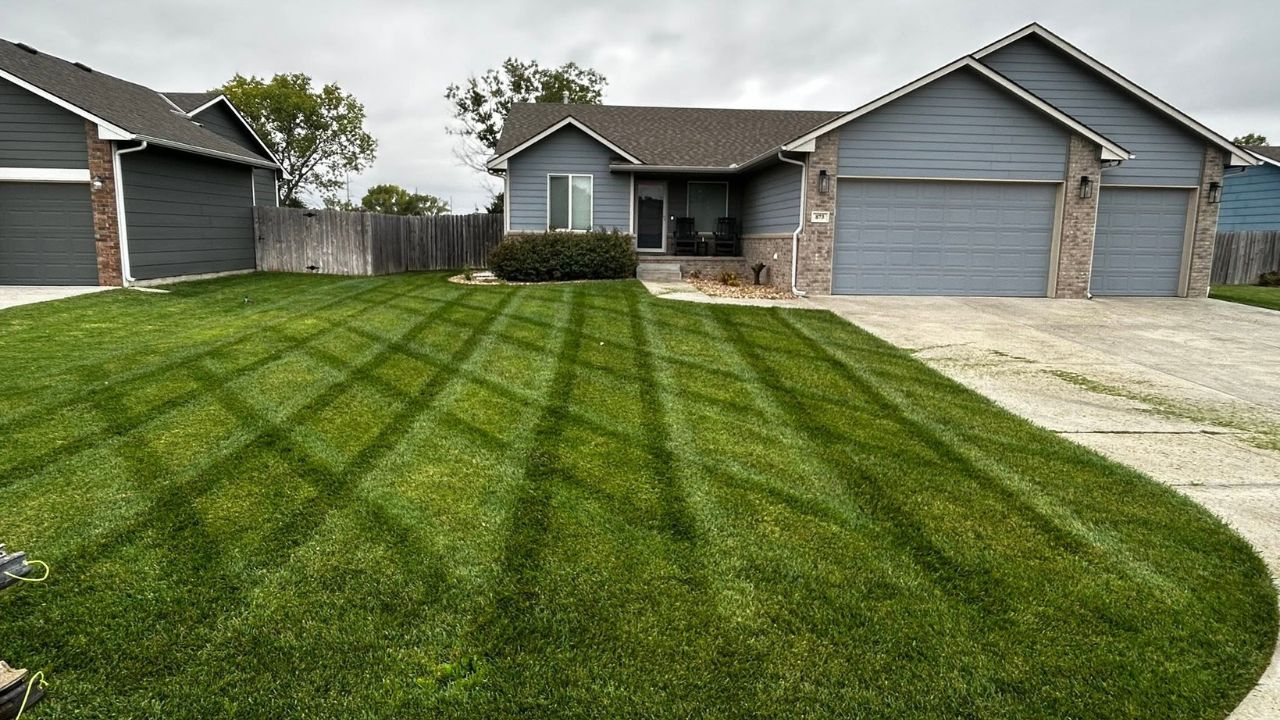
This is usually my first question, and the answer does more work than almost anything else on the call. A property that’s been on a regular two-week schedule all season is a fundamentally different conversation from one that hasn’t been touched since last fall.
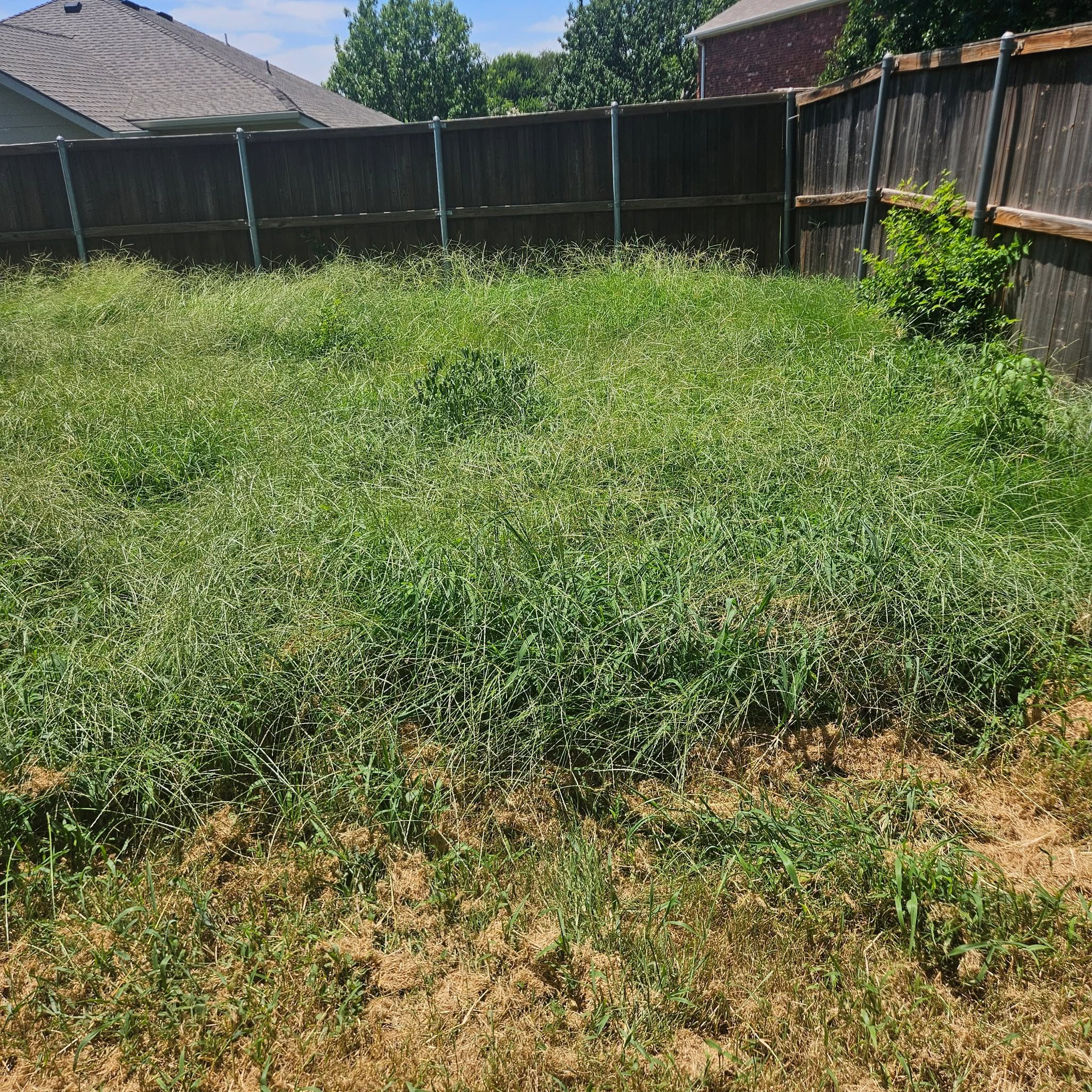
If someone tells me it’s been a week or two, I’m picturing a fairly standard maintenance situation — whatever specific issue they’re calling about is probably isolated rather than systemic. If the answer is “a few months” or “we just moved in and don’t know,” I’m already adjusting expectations toward something closer to a restoration than a simple cleanup. The grass height itself tells me about thatch buildup, about whether a multi-pass cut will be needed to avoid scalping, and often hints at the broader condition of the soil underneath, since neglect rarely affects just the height of the grass and nothing else.
This single answer reorganizes almost everything else I’m listening for on the rest of the call. I’ve written about what actually happens to a Sudbury lawn over an extended gap in maintenance in the skipped season article here — the timeline someone gives me on the phone tells me roughly where on that progression their property currently sits.
“Is It the Whole Lawn or a Specific Section?”
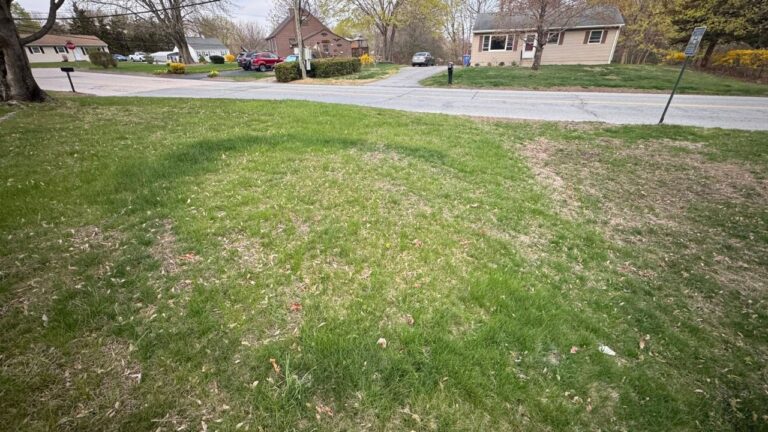
This question splits the call into two very different diagnostic paths immediately. Whole-lawn issues and specific-section issues have almost entirely different sets of likely causes, and knowing which category I’m dealing with focuses everything that follows.
If someone describes the entire lawn looking pale, thin, or stressed, I’m thinking about maintenance-level causes — mowing height, watering pattern, overall soil compaction, fertilizer timing. These are things that affect a property uniformly because they’re about how the whole lawn is being treated, not about a specific condition in one spot.
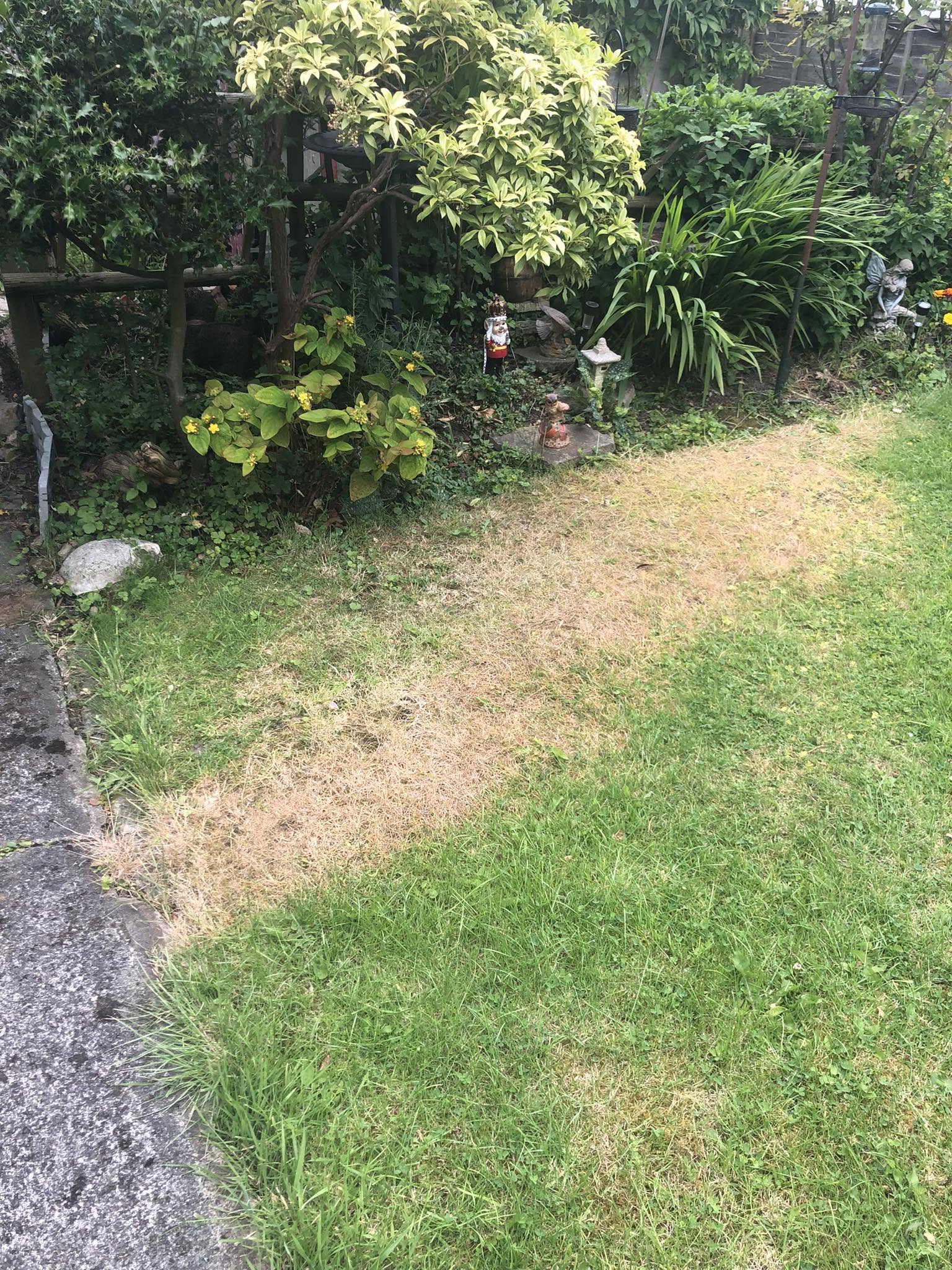
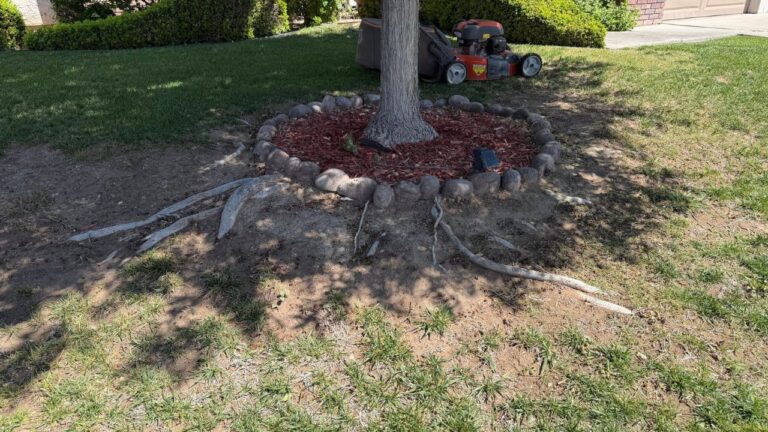
If someone describes a specific patch, corner, or strip that’s different from the rest of an otherwise fine lawn, I’m thinking about localized causes — drainage in a low spot, shade and root competition from a tree, a compaction hot spot near a path or driveway, grub activity, or a dog’s favourite corner of the yard. The fact that the rest of the lawn is fine rules out general maintenance issues almost immediately and points toward something specific to that location. I covered exactly how to read these localized patterns in the lawn problem reading guide here.
“What Does the Soil Feel Like When You Walk on It?”
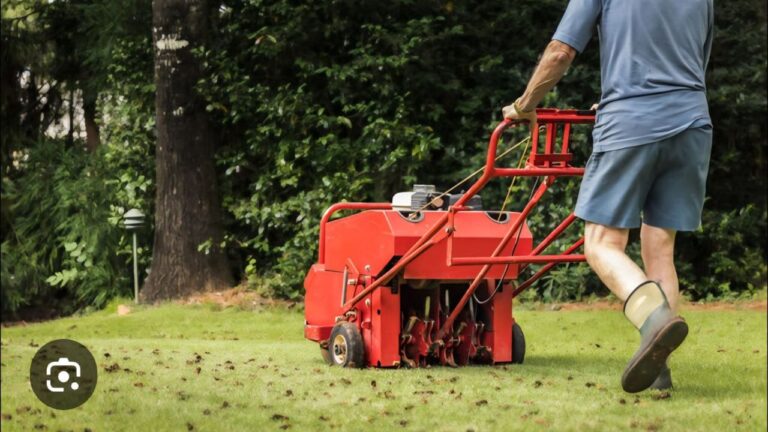
This question sometimes gets a confused pause before an answer, but it’s worth asking because most homeowners have noticed the relevant detail without realizing it mattered. Does the lawn feel hard and packed underfoot, or does it have some give to it?
A “hard, almost like walking on a path” answer points strongly toward soil compaction, which is the most common underlying cause behind chronically struggling Sudbury lawns. A “soft” or “squishy” answer, especially if it’s localized to one area, points more toward a drainage problem or excess moisture retention in that spot. Neither answer is a definitive diagnosis on its own, but combined with everything else on the call, it meaningfully narrows the range of likely causes before I’ve even seen the property.
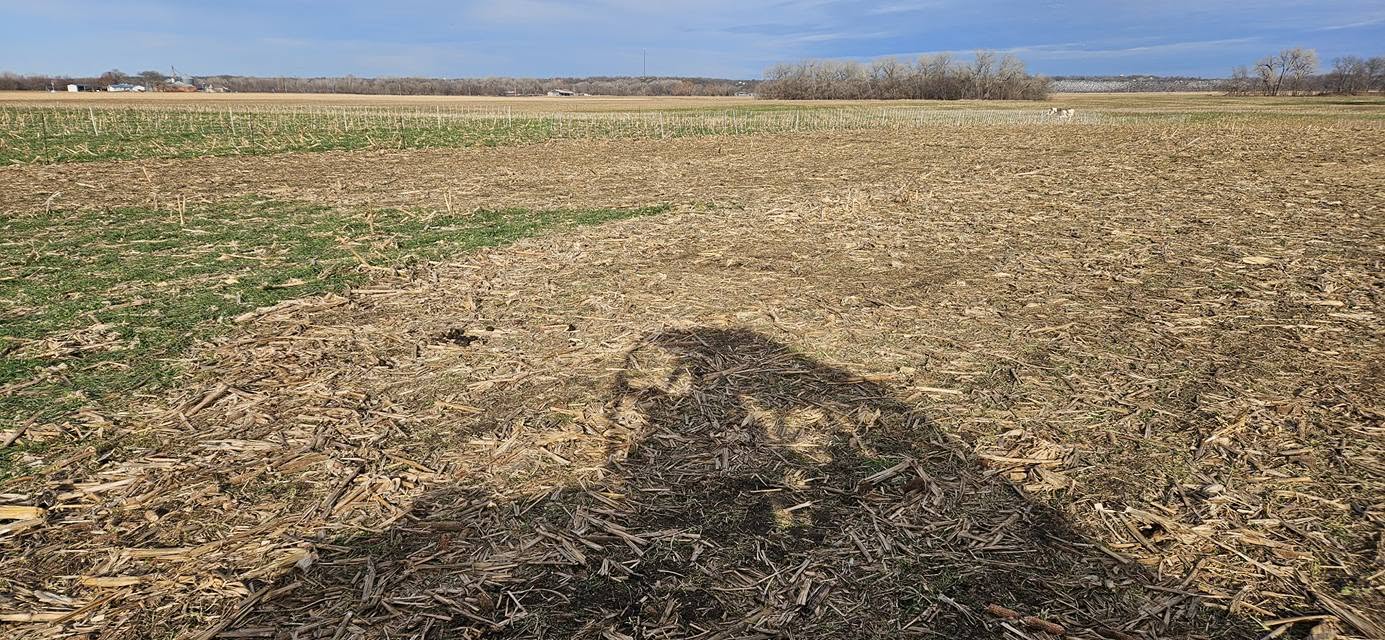
On Sudbury’s clay-heavy soil specifically, compaction is common enough that I’m already half-expecting that answer on most calls — the screwdriver test I do on every actual visit usually confirms what the homeowner described over the phone, just with a precise number attached to it. I went into why this specific soil condition matters so much in this climate in the clay soil guide here.
“Has Anything Changed Recently — Construction, a New Pet, a New Tree, Anything?”
This is the question that catches the causes most homeowners wouldn’t think to mention unprompted, because they don’t necessarily connect the recent change to the lawn problem they’re calling about.
If there’s been construction or renovation activity on the property or next door, I’m thinking about compaction along a property line, drainage changes from regrading, or chemical exposure from concrete dust — exactly the pattern I covered in the construction damage article here. A new dog points toward urine spot patterns. A newly installed pool points toward splash-out or backwash chemical exposure in a specific zone. A tree planted or removed in the last year or two changes shade and root competition patterns that can take a season or more to fully show up in the surrounding grass.
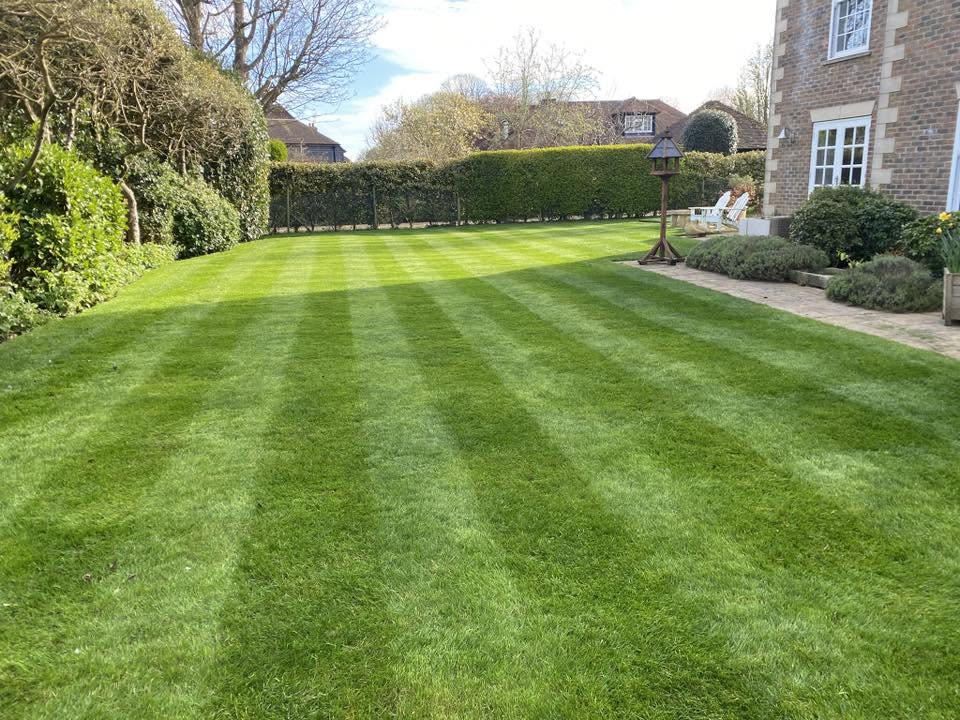
Homeowners often don’t volunteer this information because the change and the lawn problem don’t feel connected in their mind — the construction finished months ago, or the tree’s been there for two seasons already. But a lot of lawn damage shows up on a delay, and asking specifically about recent changes surfaces causes that would otherwise take a confusing site visit to eventually trace back.
What This Actually Adds Up To
None of these four questions individually gives me a complete diagnosis, and I still walk every property before giving a final number or recommendation — a phone call narrows the range of likely explanations, it doesn’t replace actually looking at the soil, the grass, and the specific damage in person. But by the time I hang up, I usually have a reasonably confident sense of whether I’m walking into a straightforward maintenance situation, a specific localized problem with an identifiable cause, or something closer to a full restoration.
If you’re calling any lawn care company in Sudbury, having rough answers to these same four things ready — how long since it’s been maintained, whether it’s the whole lawn or a section, what the soil feels like, and whether anything’s changed recently — will get you a much more useful initial conversation, regardless of who you’re calling. It’s the difference between a company guessing in the dark and one who already has a reasonable idea of what they’re going to find.
If you want to walk through this for your own property, give me a call. I’ll ask you these same questions, tell you honestly what I think is going on before I ever see it, and then confirm or correct that once I actually walk it.
📞 705-507-6787
🔗 Get a Free Quote
📍 Serving Greater Sudbury — Garson, Val Caron, Hanmer, Lively, Chelmsford, Azilda, Capreol
— Ryan
Frequently Asked Questions
What information should I have ready before calling a lawn care company in Sudbury?
Four things make the call significantly more productive: how long it’s been since the lawn was last cut or maintained, whether the issue affects the whole lawn or a specific section, what the soil feels like underfoot in the affected area (hard and packed versus soft and squishy), and whether anything has recently changed on or near the property — construction, a new pet, a new pool, or recent tree work. These four answers narrow down the likely cause significantly before anyone ever sees the property.
Can a lawn care company diagnose a problem accurately over the phone in Sudbury?
A phone conversation can narrow down the likely cause and give a reasonably confident initial picture, but it can’t replace an in-person assessment for anything beyond routine maintenance. Soil compaction, drainage patterns, and the specific appearance of damaged grass all require direct observation to confirm. A good phone conversation sets up an accurate expectation for the site visit; it doesn’t substitute for one.
Why does it matter if a lawn problem affects the whole lawn or just one section?
Whole-lawn issues and localized section issues point toward almost entirely different causes. Problems affecting the entire lawn uniformly usually trace back to maintenance practices — mowing height, watering pattern, overall soil compaction, or fertilizer timing. A problem confined to one section while the rest of the lawn is healthy usually points to something specific to that location — drainage, shade and root competition, a compaction hot spot, or wildlife activity. Identifying which category applies focuses the diagnosis significantly.
Why does soil compaction matter so much for diagnosing Sudbury lawn problems?
Sudbury’s clay-heavy soil compacts severely under our freeze-thaw winters, and compaction is the underlying cause behind a large share of chronically struggling lawns in this region. A simple description of how the soil feels underfoot — hard and packed versus having some give — gives a useful early indicator of whether compaction is likely involved before any formal testing, like the screwdriver test, confirms it during an actual site visit.
Why does a lawn care company ask about recent changes near the property?
Many causes of lawn damage take weeks or months to fully show up, so a recent change — nearby construction, a new pool, a new pet, or tree work — that happened a while ago often doesn’t feel connected to a problem appearing now. Asking specifically about recent changes surfaces causes the homeowner might not think to mention, since the timeline gap between the change and the visible symptom can otherwise make the connection hard to spot.
Ryan Lingenfelter is the owner of Cutting Edge Lawn & Landscaping in Garson, Ontario. Since 2020, his crew has provided full lawn care services across Greater Sudbury — Garson, Val Caron, Hanmer, Lively, Chelmsford, Azilda, and Capreol. Cutting Edge is licensed, insured, BBB A+ rated, and ThreeBest Rated for lawn care services in Sudbury.
📞 Phone: 705-507-6787
📍 Service Area: Greater Sudbury, Ontario
🔗 Free Quote: cuttingedgelawn.ca/quote
Helpful Lawn Care Services in Sudbury
- Grass Cutting Services
- Core Aeration for Healthy Lawns
- Property Cleanup Services
- Sod Installation in Sudbury
- Mulch & Decorative Stone
- Hedge Trimming Services
Continue Reading
- What Happens to Your Lawn If You Skip One Full Season of Maintenance in Sudbury
- How to Fix Clay Soil in Your Sudbury Lawn (Without Replacing It)
- What Happens to a Sudbury Lawn During a Construction or Renovation Project Next Door