
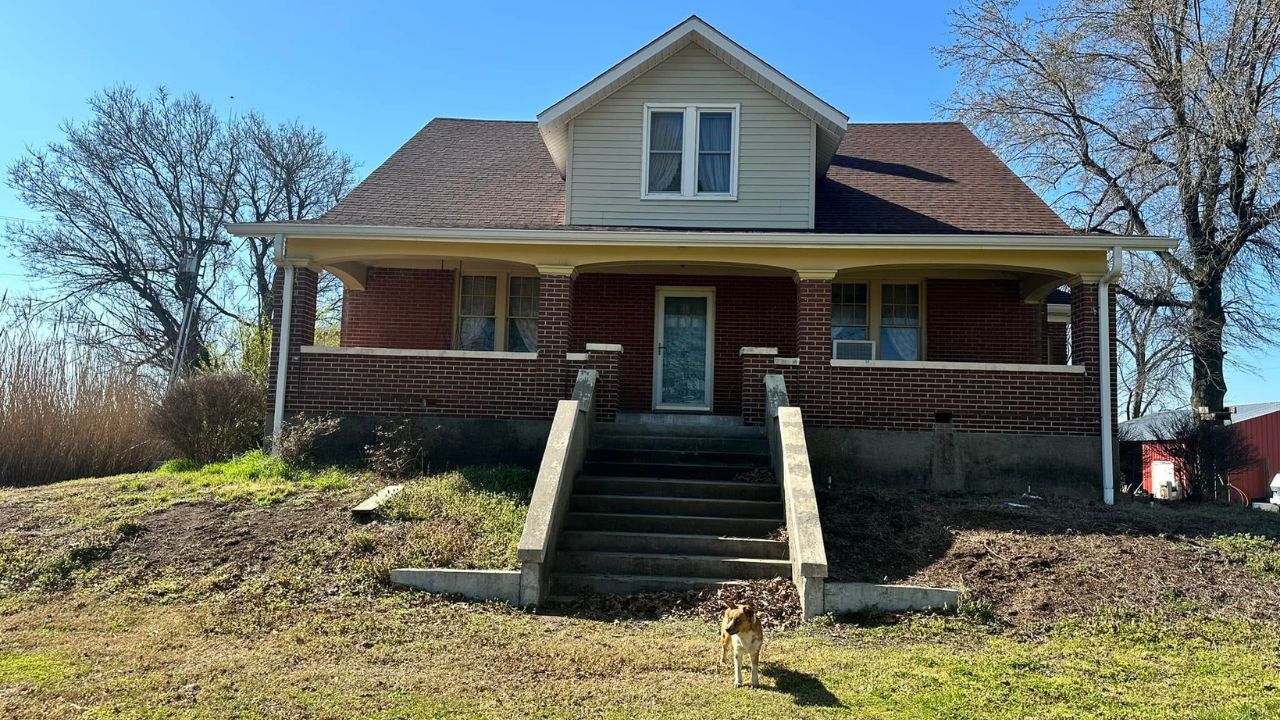
I worked on a property near Copper Cliff a few seasons ago where the homeowner had been fighting the same stubborn soil issue for years — grass that never quite established the way it did at her son’s house in Val Caron, despite using the same products and the same approach. When I tested the soil, the pH told most of the story before I’d even finished walking the lawn.
What she was dealing with wasn’t a mistake she’d made. It was a faint, lingering echo of something that happened to this region’s soil over a century of mining and smelting — and even though Sudbury’s regreening effort is one of the most successful environmental recovery stories in the country, the legacy of that history still shows up in specific, identifiable ways on certain properties today.
I’m Ryan Lingenfelter, owner of Cutting Edge Lawn & Landscaping in Garson, Ontario. Since 2020, I’ve worked on properties across Greater Sudbury — Garson, Val Caron, Hanmer, Lively, Chelmsford, Azilda, Capreol, and some closer to the older industrial core around Copper Cliff. Here’s what’s actually going on with soil in this region’s history, and what it means for growing a healthy lawn today.
What Actually Happened to the Soil Here
For anyone not from the area or newer to Sudbury, a brief version of the history is genuinely necessary to understand why this matters for lawns specifically.
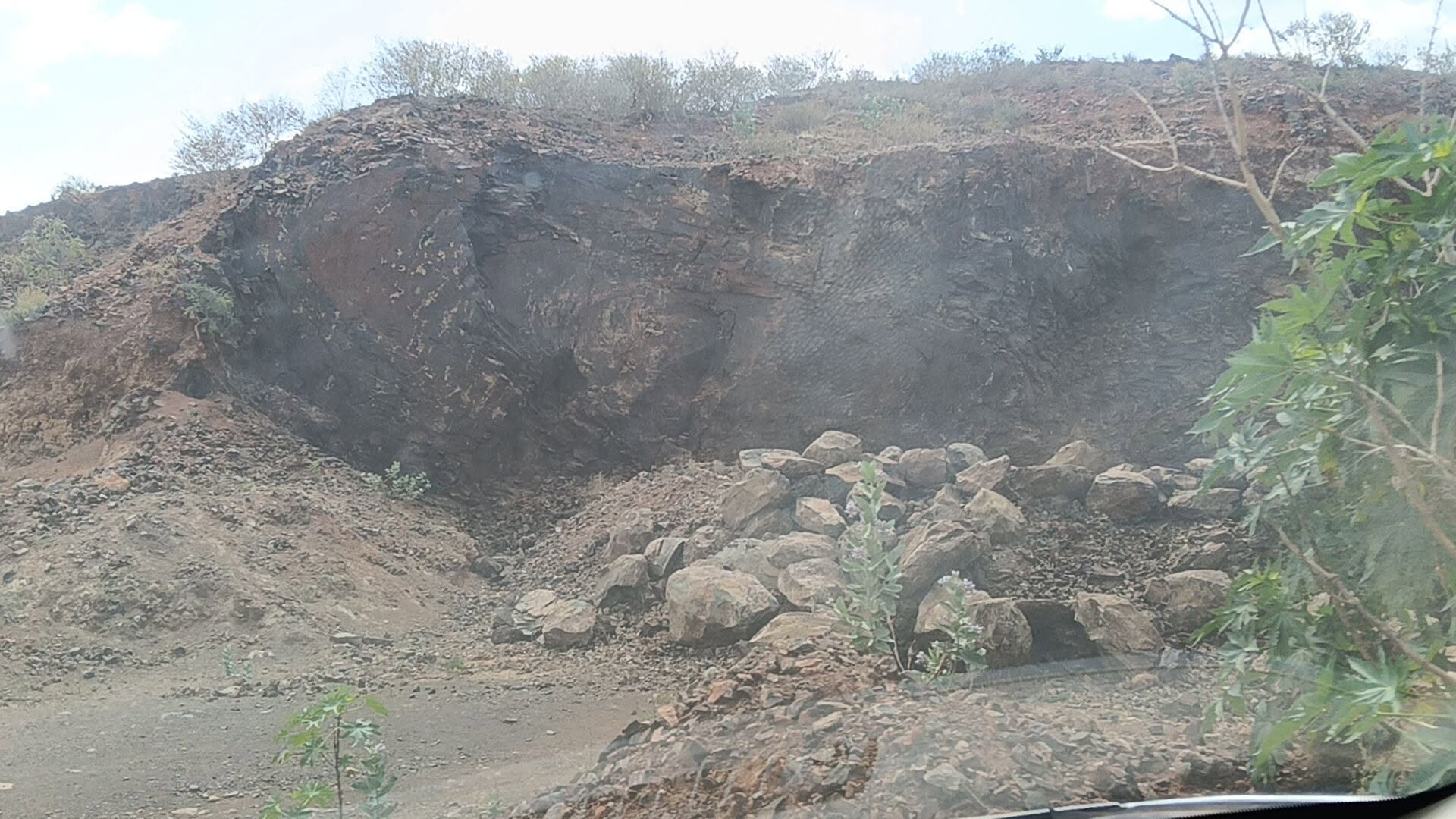
For much of the early twentieth century, nickel and copper smelting in the Sudbury area released enormous quantities of sulphur dioxide into the air, particularly from the open roast bed era before more modern processing methods. That sulphur dioxide combined with moisture to form sulphuric acid, which fell on the surrounding land and acidified the soil over a wide area around the smelting operations. The result, by the mid-twentieth century, was a landscape often described at the time as resembling a moonscape — vegetation killed off, topsoil eroded away on slopes once the plant cover that held it in place was gone, and soil chemistry altered in ways that made it extremely difficult for most plants to grow.
Starting in the 1970s, a community-wide regreening effort began, centred on a process of liming large tracts of land to neutralize the acidity, followed by seeding and tree planting. This program, run with government, corporate, and community involvement over decades, is genuinely one of the most successful land reclamation efforts documented anywhere — by most measures, the visible transformation from blackened, barren ground to green, vegetated landscape across thousands of hectares is considered a major environmental success story for the city.
Why Some Lawns Still Behave Differently Today
The regreening program worked at a landscape scale — reclaiming vast tracts of previously barren land across the wider Sudbury basin. What it didn’t necessarily do is bring every individual residential lot in the historically affected zone to a perfectly neutral, uniform soil condition. This is where the practical, lawn-specific reality comes in.
On some properties closer to the older industrial core — areas like Copper Cliff and certain pockets nearer the historic smelting operations — the soil can still carry a lower pH than what’s typical for grass elsewhere in Greater Sudbury, along with elevated levels of certain metals in the upper soil layers. The severity varies enormously by specific location and depends heavily on what reclamation work, if any, has been done on that individual lot over the decades since the regreening program began.
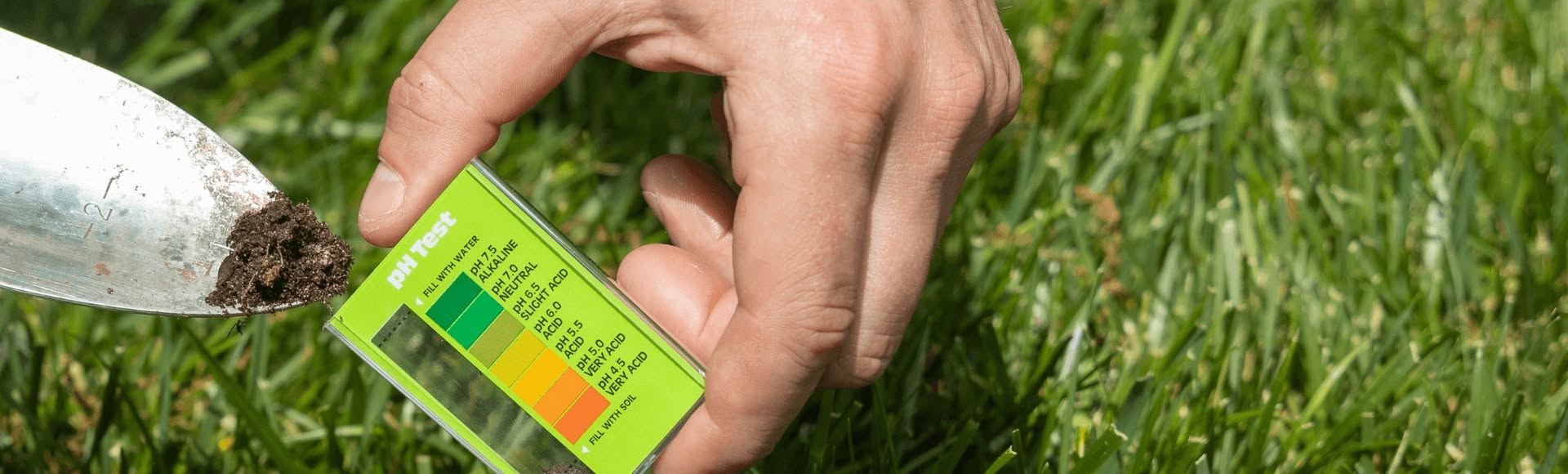
Most cool-season grasses prefer a slightly acidic to neutral soil pH, generally in the 6.0 to 7.0 range. Soil that’s meaningfully more acidic than that — which can still occur in pockets closer to the historic smelting areas even after decades of regional recovery — makes it harder for grass to take up certain nutrients properly, even when the nutrients are technically present in the soil. The grass can look thin, pale, or slow to establish in a way that resembles a nutrient deficiency, but the actual cause is the pH preventing the plant from accessing what’s already there.
This is genuinely a different situation from the typical Sudbury lawn problem I deal with day to day, which is almost always clay-heavy compaction rather than soil chemistry. I want to be clear that the overwhelming majority of struggling lawns across Garson, Val Caron, Hanmer, and most of Greater Sudbury have nothing to do with this history — they’re standard compaction and maintenance issues I cover in detail in the clay soil guide here. This specific pH legacy is a more localized factor that mainly shows up on certain older properties closer to the historic industrial areas.
How to Tell If This Is Affecting Your Property
A simple soil pH test is the most direct way to find out, and it’s worth doing before assuming any persistent lawn struggle in this part of the city is related to this history specifically — most of the time, it isn’t, and it’s worth ruling out the much more common causes first.
If you’re in or near one of the older neighbourhoods closer to the historic smelting operations and you’ve genuinely tried the standard fixes — aeration, proper mowing height, consistent watering — without the improvement you’d normally expect on a comparable Sudbury property, a soil pH test is a reasonable next step. A home soil test kit gives a rough reading, while a lab test through a soil testing service gives more precise results, including specific nutrient and metal content if you want that level of detail.
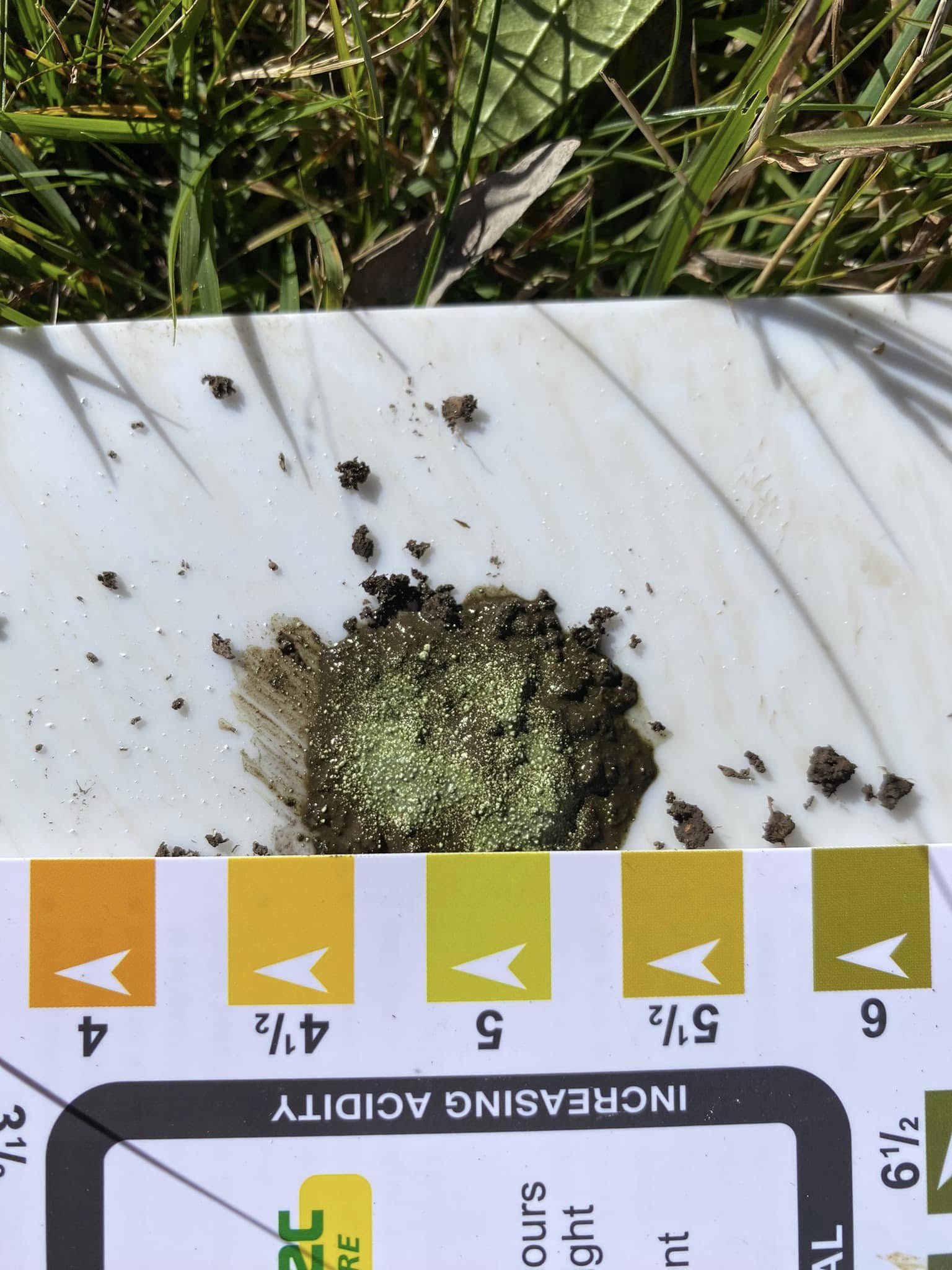
The property near Copper Cliff I mentioned at the start tested at a noticeably lower pH than what I typically see across Garson or Val Caron. That single piece of information explained years of frustration the homeowner had with products and approaches that work perfectly well on more typical Sudbury soil but were never going to fully succeed without addressing the pH issue underneath first.
What Actually Helps — Liming, Done Properly and Patiently
The fix for acidic soil is the same basic principle the city-wide regreening program used at scale, just applied at the residential lot level: agricultural lime, which raises soil pH gradually as it breaks down and reacts with the soil over time.
This isn’t a fast fix, and I want to be honest about that rather than overselling it. Lime application typically needs to be done based on the specific pH reading and soil type, applied in the appropriate season — usually fall or early spring on a Sudbury property — and it takes months, not days, to meaningfully shift the soil’s pH. Significant pH correction can take a full season or more, and on soil that’s been acidic for a long time, sometimes longer than that. The amount needed depends entirely on how acidic the soil actually is and how much soil volume needs to be affected, which is why getting an actual pH reading first matters more here than on a typical Sudbury lawn project.
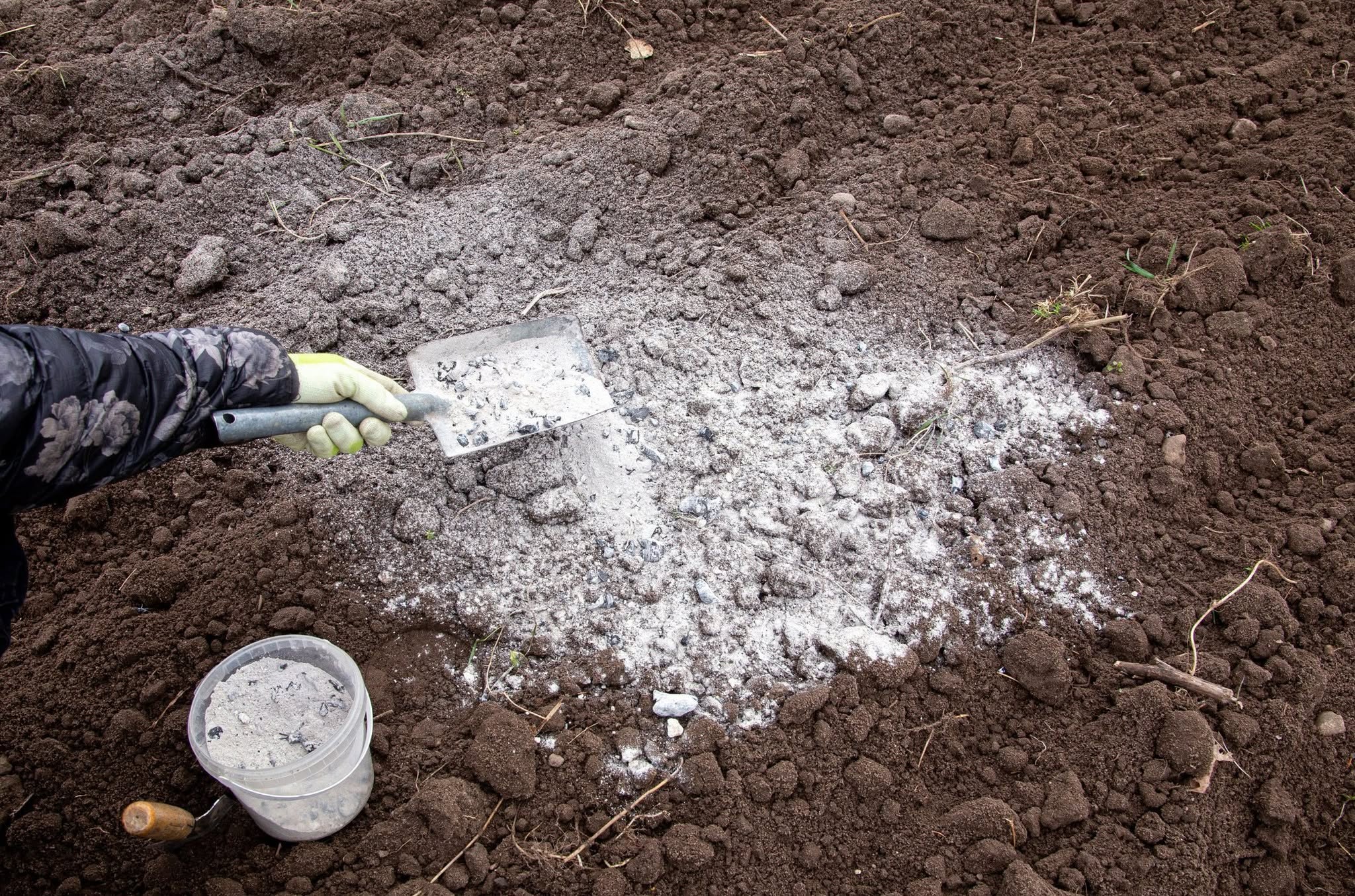
Once the pH is in a healthier range, the rest of standard Sudbury lawn care — aeration, proper mowing height, overseeding with a quality grass blend — works the way it normally would. The pH correction isn’t a replacement for those other steps; it’s what makes them actually effective on soil that’s been working against you from underneath the whole time. For properties where soil testing reveals genuinely elevated heavy metal content rather than just pH, that’s a more involved situation, and depending on the levels found, may be worth discussing with a soil remediation specialist rather than addressing through standard lawn care alone.
The Bigger Picture
I want to end on the same note I started with, because it’s the most important context for any of this. The regreening of Sudbury is a genuine, internationally recognized success story — a region that was once compared to a lunar landscape is now green across the vast majority of its land area, and the air quality and overall environmental health of this city have improved enormously over the past five decades.
What I’ve described in this article affects a relatively small number of specific properties, mostly closer to the historic industrial core, not the city broadly. If you live in Garson, Val Caron, Hanmer, Lively, Chelmsford, Azilda, or Capreol, this history is almost certainly not the reason your lawn is struggling — standard Sudbury clay compaction is overwhelmingly the more likely cause, and I’d check that first. But if you’re on an older lot closer to Copper Cliff or the historic smelting areas and you’ve ruled out the usual suspects without success, this is a real, documented piece of the region’s history that’s worth testing for directly.
If you want help figuring out which situation applies to your property, give me a call. I’ll walk the lawn, and if a pH test seems warranted based on what I see, I’ll tell you that honestly rather than just applying standard treatments that won’t address the actual cause.
📞 705-507-6787
🔗 Get a Free Quote
📍 Serving Greater Sudbury — Garson, Val Caron, Hanmer, Lively, Chelmsford, Azilda, Capreol
— Ryan
Frequently Asked Questions
Does Sudbury’s mining history still affect lawns today?
For most Sudbury properties, no — the city’s regreening program since the 1970s has been a major environmental success at the landscape scale. However, some individual lots closer to the historic industrial core, particularly near Copper Cliff and the older smelting areas, can still have soil with a lower pH or elevated metal content than what’s typical elsewhere in Greater Sudbury. This is a localized factor affecting specific properties, not a general condition across the region.
How do I know if acidic soil from historic smelting is affecting my Sudbury lawn?
A soil pH test is the most direct way to check. If you’re on an older property near the historic smelting areas and you’ve tried standard lawn care fixes — aeration, proper mowing height, consistent watering — without the improvement you’d normally expect, a pH test is worth doing. Most cool-season grass prefers a pH between 6.0 and 7.0; readings noticeably below that suggest acidic soil may be limiting the grass’s ability to take up nutrients, even when those nutrients are present.
How do you fix acidic soil on a Sudbury lawn?
Agricultural lime applied based on an actual soil pH reading is the standard fix, the same basic principle used in the city’s large-scale regreening program. Lime is typically applied in fall or early spring and works gradually as it reacts with the soil — meaningful pH change usually takes a full season or longer, depending on how acidic the soil is to start. Once pH is corrected, standard lawn care practices like aeration and overseeding become significantly more effective.
Is it safe to grow grass on soil near Sudbury’s old smelting areas?
Decades of regional regreening and reclamation work have dramatically improved soil and air conditions across the Sudbury basin. For specific concerns about heavy metal content on an individual property, a proper soil test that includes metal content, not just pH, gives a clear answer, and significantly elevated readings may be worth discussing with a soil remediation specialist rather than addressing through standard lawn care alone.
Why does my lawn near Copper Cliff struggle even though I follow proper Sudbury lawn care advice?
Standard Sudbury lawn care advice is built around the region’s typical clay-heavy compaction issue, which is the most common cause of struggling lawns across the city. On some older properties closer to the historic industrial core, a lower soil pH from the area’s smelting history can be the actual limiting factor instead, or in addition to compaction. A soil pH test will tell you whether this applies to your specific property before you spend more time and money on approaches aimed at the wrong cause.
Ryan Lingenfelter is the owner of Cutting Edge Lawn & Landscaping in Garson, Ontario. Since 2020, his crew has provided full lawn care services across Greater Sudbury — Garson, Val Caron, Hanmer, Lively, Chelmsford, Azilda, and Capreol. Cutting Edge is licensed, insured, BBB A+ rated, and ThreeBest Rated for lawn care services in Sudbury.
📞 Phone: 705-507-6787
📍 Service Area: Greater Sudbury, Ontario
🔗 Free Quote: cuttingedgelawn.ca/quote
Helpful Lawn Care Services in Sudbury
- Core Aeration for Healthy Lawns
- Grass Cutting Services
- Property Cleanup Services
- Sod Installation in Sudbury
- Mulch & Decorative Stone
- Hedge Trimming Services
Continue Reading
- How to Fix Clay Soil in Your Sudbury Lawn (Without Replacing It)
- 3 Things Lawn Experts Get Wrong About Sudbury Soil
- The 60-Second Phone Call That Tells Me Exactly What a Sudbury Lawn Actually Needs
