I get asked some version of this question constantly, usually from someone who’s nervous about a letter they received, or someone who’s annoyed at a neighbour’s yard and wants to know if they can actually do something about it.
“Ryan, is there an actual rule about how tall my grass can be? My neighbour says the city will fine me. Is that true?”
I want to be upfront about something before I get into the details: I’m a lawn care company, not a lawyer or a bylaw officer. What I can tell you is what the rule actually says, based on the City of Greater Sudbury’s own published bylaw, and what I’ve seen play out on properties I work on across the city.
I’m Ryan Lingenfelter, owner of Cutting Edge Lawn & Landscaping in Garson, Ontario. Since 2020, I’ve maintained properties across Greater Sudbury — Garson, Val Caron, Hanmer, Lively, Chelmsford, Azilda, Capreol. Here’s exactly what the bylaw says, when it applies, and what actually happens if a property doesn’t comply.
The Actual Rule — What the Bylaw Says in Plain Language
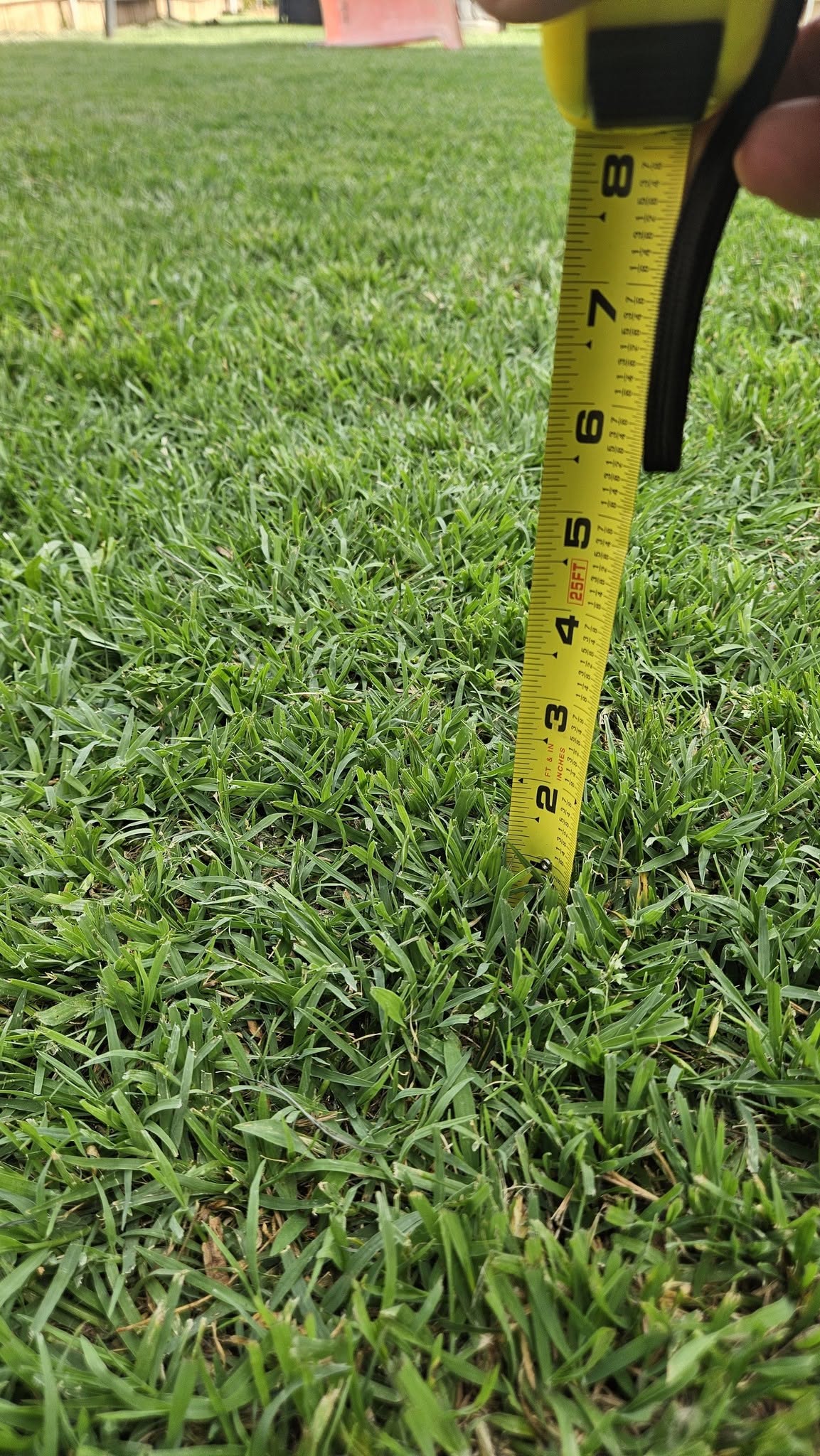
Greater Sudbury’s relevant rule is the Clearing of Yards Bylaw, and it’s more specific than most homeowners realize. The bylaw states that no owner shall fail to cut any grass, weeds, or wild vegetation growing on their yard that exceeds 20 centimetres in height — that’s roughly 7.9 inches, just under 8 inches.
That’s the entire core of the rule. There’s no separate “subdivision” or “HOA” layer to it the way there might be in some U.S. jurisdictions — Ontario doesn’t generally have homeowners’ associations enforcing private covenants on lawn height the way that’s common in parts of the United States. In Greater Sudbury, the height requirement comes from the municipal bylaw itself, and it applies the same way whether you’re in a brand new subdivision in Hanmer or an older established neighbourhood in Garson.
Some newer subdivisions do have additional architectural or landscaping covenants registered on title through the developer — these are different from a homeowners’ association and typically govern things like fence style, exterior colour, or whether you can build certain structures. Lawn height specifically is governed by the city bylaw, not by a private subdivision association, in the overwhelming majority of Sudbury properties. If you’re in a condominium corporation specifically — a townhouse complex with shared grounds — that’s a different situation, and the condo corporation’s own rules and the property management company are who actually enforces grounds standards there, separate from the municipal bylaw.
When the Rule Actually Applies — The Seasonal Window
This is the part that surprises a lot of homeowners, and it’s a relatively recent change worth knowing about specifically.
The height limit only applies from June 1 to December 1 each year. Outside that window — December through May — there’s no enforced height requirement under this bylaw. This changed in March 2023, when the City of Greater Sudbury amended the bylaw specifically to support pollinators, allowing residents to let their lawns grow through the early part of spring without being in violation, often referred to locally as participating in “No Mow May.”
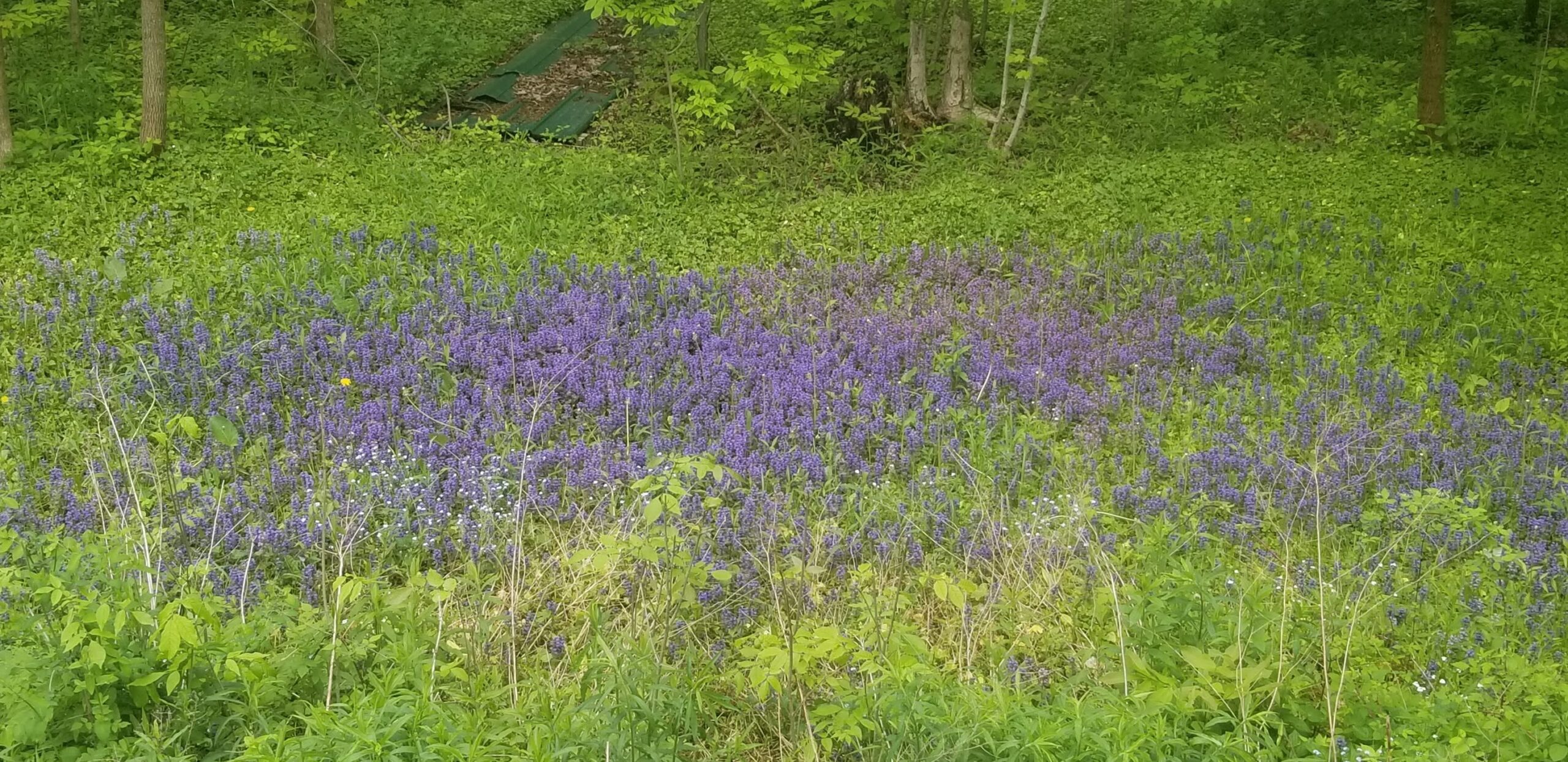
The reasoning behind the change is straightforward — early spring flowers and lawn vegetation that bloom before most gardens are active provide food for pollinators at a time when there’s not much else available. Letting lawns grow a bit longer through April and into May supports bees, butterflies, and other pollinators during that window.
What this means practically: if your lawn is a bit long in April, that’s not a bylaw issue regardless of what a neighbour might say. Once June 1 arrives, the 20 centimetre limit is back in effect and stays in effect through December 1. For most Sudbury homeowners on a regular mowing schedule — cutting every 7 to 10 days through the growing season at the recommended 3-inch height — this limit is never close to becoming a concern. 20 centimetres is roughly 8 inches, well beyond the height most maintained lawns ever reach between cuts.
Where it does become relevant is for properties that go several weeks without any maintenance — a vacant property, a homeowner away for an extended period, or a lawn that’s been neglected for a season. I’ve written about what actually happens to a lawn over a skipped season in the skipped season article here — a lawn that goes untouched through June and July can exceed the 20 centimetre limit well before the underlying lawn health issues even become the bigger problem.
What Counts as a Violation and What’s Exempt
The bylaw covers grass, weeds, and wild vegetation generally, but there are meaningful exceptions that matter if you’re trying to do something other than a standard maintained lawn.
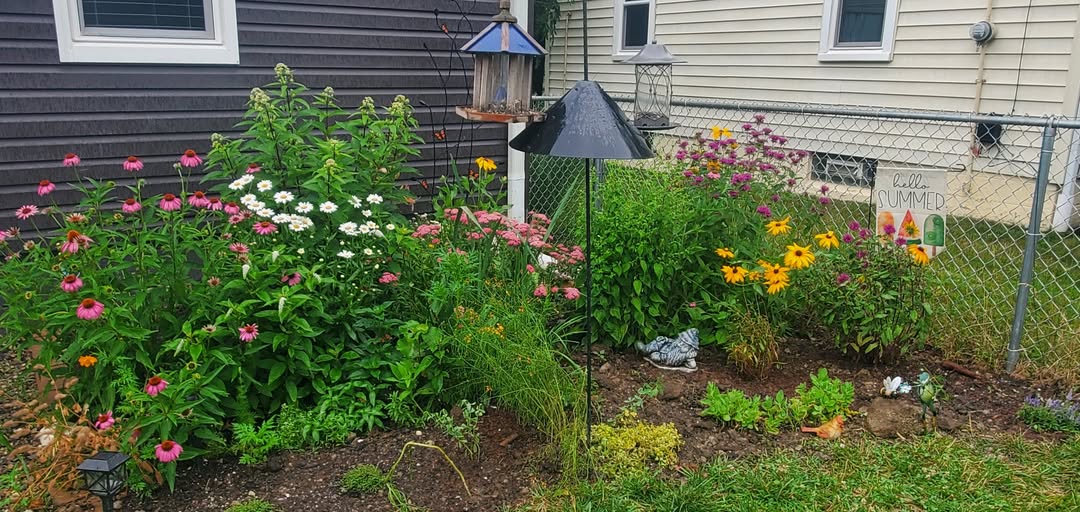
Designated naturalized or pollinator gardens. A homeowner can designate a portion of their property as a wildflower or pollinator garden, and that section is treated differently from a neglected lawn — provided the rest of the property is maintained according to the bylaw. The distinction the city draws is between an intentional, designed naturalized area and a yard that’s simply not being maintained. This has actually been a point of friction in recent years — some residents have received bylaw complaints over wildflower gardens that were mistaken for neglect, which prompted city councillors to push for clearer language distinguishing the two.
Agricultural and rural exemptions. Properties zoned or used for agricultural purposes have different considerations than a standard residential subdivision lot. If you’re on a larger rural property outside the more densely developed parts of the city, the practical enforcement reality is different — bylaw complaints overwhelmingly come from neighbours in closer proximity, which is rare on larger rural lots.
What’s not exempt. A lawn that’s simply overgrown because nobody got around to cutting it doesn’t qualify as a naturalized garden just because it’s full of dandelions and creeping Charlie. If you want a section of natural growth that won’t draw a complaint, the city’s guidance points toward an intentionally designed area — visibly different from the rest of the maintained lawn, not just an extension of neglect.
What Actually Happens If a Property Is in Violation
I want to address this honestly because there’s a lot of assumption and exaggeration in how people talk about bylaw enforcement.
The process typically starts with a complaint — Greater Sudbury logs over a thousand yard-related complaints in a typical year, though only a portion of those are specifically about grass height rather than other property issues like debris or litter. A bylaw officer responds to the complaint, and if the property is genuinely in violation — vegetation over 20 centimetres during the June to December window with no designated naturalized exemption — the owner typically receives a notice or order to comply within a set period.
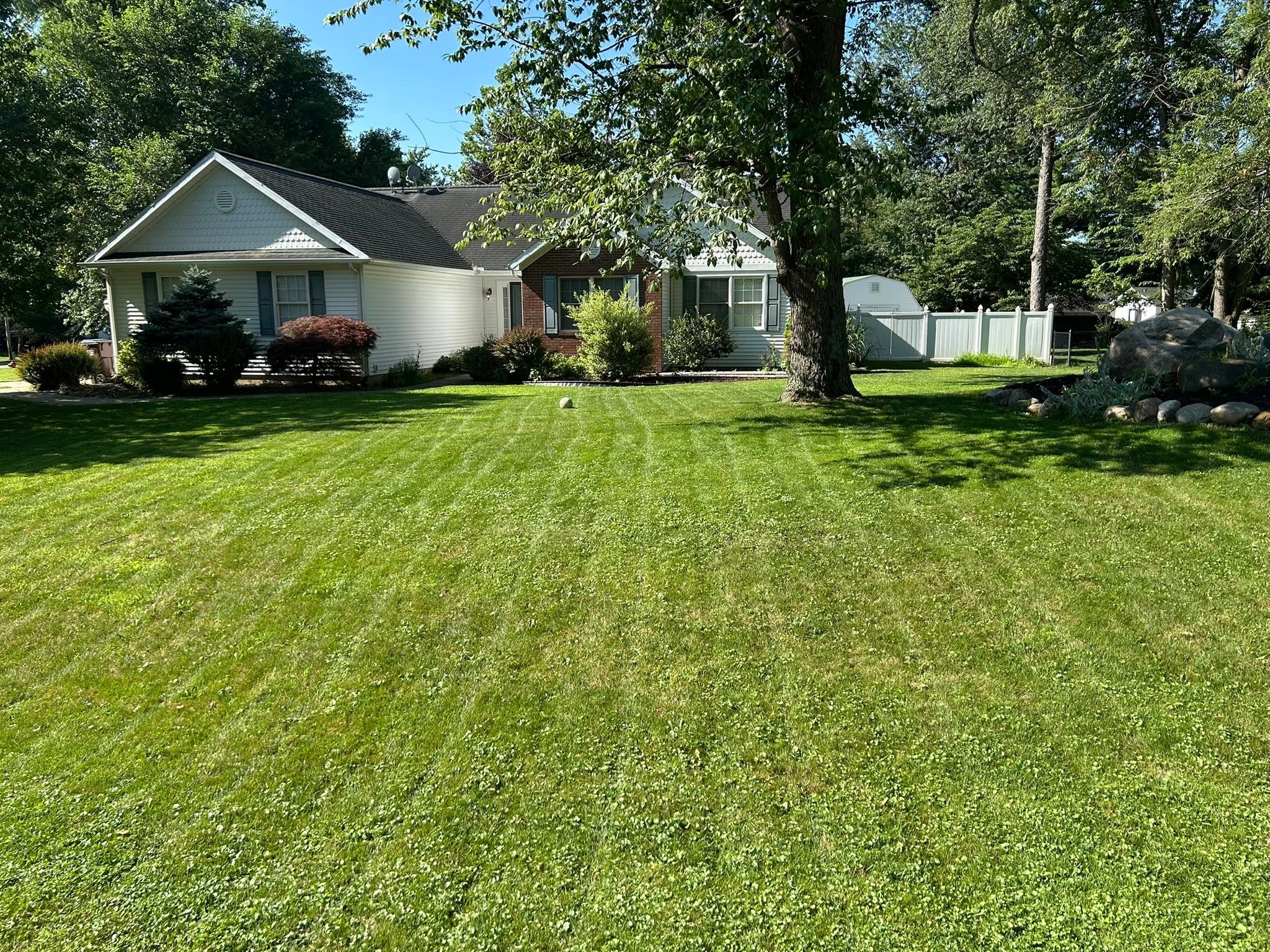
If the property owner doesn’t address it within that period, the city can have the work done and bill the cost back to the property owner — this is the more common outcome rather than a punitive fine in most first-time situations. Repeated or ongoing non-compliance can escalate to actual fines under the Provincial Offences Act, but the first step for most homeowners is simply a notice giving them a window to cut the grass themselves or hire someone to do it.
For a property going through a temporary situation — an extended absence, a health issue, a family emergency — the practical solution is almost always simpler than worrying about the bylaw process. A one-time cut or a regular maintenance schedule while the situation resolves keeps the property compliant and avoids the whole question becoming relevant in the first place.
What This Means for Most Sudbury Homeowners
For the overwhelming majority of properties I work on across Greater Sudbury, this bylaw is essentially a non-issue. A lawn cut every 7 to 10 days at the recommended 3-inch height never gets remotely close to 20 centimetres before the next scheduled cut. The rule exists for the genuinely neglected properties, not for anyone keeping up with normal seasonal maintenance.
Where I’d actually pay attention to this: if you’re planning to be away from the property for an extended stretch in summer, if you’re managing a property for a family member who can’t maintain it themselves, or if your lawn has already gotten significantly overgrown and you’re trying to figure out the smartest way to bring it back into shape without violating the height rule mid-process.
On that last point — bringing an overgrown lawn back down to a normal height isn’t a one-pass job. The one-third rule applies regardless of bylaw concerns: never cut more than a third of the blade height in a single pass, or you risk scalping and stressing the lawn. If a property has gotten well past 20 centimetres, getting it back into compliance and back into good health takes a couple of passes over several days, not one aggressive mow.
If you’ve got a property that’s gotten away from you, or you’re managing a place for someone else and want it handled properly and promptly, give me a call. We can get it cut down safely and get it onto a regular schedule so this never becomes something you have to think about again.
📞 705-507-6787
🔗 Get a Free Quote
📍 Serving Greater Sudbury — Garson, Val Caron, Hanmer, Lively, Chelmsford, Azilda, Capreol
— Ryan
Frequently Asked Questions
How tall can grass legally be in Greater Sudbury?
Under the city’s Clearing of Yards Bylaw, grass, weeds, and wild vegetation cannot exceed 20 centimetres (roughly 7.9 inches) in height between June 1 and December 1 each year. There is no enforced height limit from December through May, which allows residents to participate in “No Mow May” and similar early-season practices that support pollinators.
Does Greater Sudbury have an HOA rule about lawn height?
Generally no. Ontario doesn’t have homeowners’ associations in the way they exist in parts of the United States. Lawn height in Greater Sudbury is governed by the municipal Clearing of Yards Bylaw, which applies city-wide regardless of subdivision. Some newer developments have separate architectural covenants registered through the original developer covering things like exterior appearance, but lawn height specifically falls under the city bylaw. Condominium corporations with shared grounds are a separate case, governed by their own corporation rules and property management.
What happens if my lawn violates the Sudbury height bylaw?
Enforcement typically starts after a neighbour complaint. A bylaw officer investigates, and if the property exceeds 20 centimetres during the June to December window without a qualifying naturalized garden exemption, the owner usually receives a notice to comply within a set timeframe. If the work isn’t done, the city can have it completed and bill the cost to the property owner. Escalating fines under the Provincial Offences Act are possible for repeated or ongoing non-compliance, but a notice to comply is the typical first step.
Can I leave a wildflower or pollinator garden in my Sudbury yard without violating the bylaw?
Yes, provided it’s a designated, intentionally maintained naturalized area rather than simply an unmowed section of lawn. The city distinguishes between cultivated pollinator gardens and general neglect, though this distinction has been a point of friction — some residents with legitimate wildflower gardens have received complaints mistaken for neglected yards. If you’re planning a naturalized garden section, keeping the rest of your property visibly maintained helps establish the intentional nature of that space.
How often should I cut my grass to avoid bylaw issues in Sudbury?
A standard residential lawn cut every 7 to 10 days through the growing season, maintained at the recommended 3-inch height, never comes close to the 20 centimetre bylaw limit. The rule is realistically only a concern for properties that go several weeks or longer without any maintenance — an extended absence, a neglected property, or a lawn that’s been let go for a season. Staying on a regular cutting schedule makes this bylaw a non-issue for the vast majority of Sudbury properties.
Ryan Lingenfelter is the owner of Cutting Edge Lawn & Landscaping in Garson, Ontario. Since 2020, his crew has provided full lawn care services across Greater Sudbury — Garson, Val Caron, Hanmer, Lively, Chelmsford, Azilda, and Capreol. Cutting Edge is licensed, insured, BBB A+ rated, and ThreeBest Rated for lawn care services in Sudbury.
📞 Phone: 705-507-6787
📍 Service Area: Greater Sudbury, Ontario
🔗 Free Quote: cuttingedgelawn.ca/quote
Helpful Lawn Care Services in Sudbury
- Grass Cutting Services
- Property Cleanup Services
- Core Aeration for Healthy Lawns
- Sod Installation in Sudbury
- Mulch & Decorative Stone
- Hedge Trimming Services
Continue Reading
- What Happens to Your Lawn If You Skip One Full Season of Maintenance in Sudbury
- The May Mistake That’s Killing Sudbury Lawns by July
- How Much Does Lawn Care Actually Cost in Sudbury? (2026 Honest Pricing Guide)