I want to say something upfront that a lawn care company probably isn’t supposed to say: not everything in your yard needs a professional. Some of it genuinely doesn’t, and paying for professional help on jobs you can competently handle yourself is money that could go toward the work that actually does benefit from proper equipment and expertise.
At the same time, some yard work in Greater Sudbury specifically — because of our soil type, our climate, and our compressed season — produces worse results when done without the right equipment or knowledge, even when the homeowner is capable and willing to put in the effort.
I’m Ryan Lingenfelter, owner of Cutting Edge Lawn & Landscaping in Garson, Ontario. Here’s my honest breakdown of what’s worth outsourcing and what isn’t, based on five years of working on lawns across Greater Sudbury.
The 4 Jobs Worth Outsourcing — And Why Each One Specifically
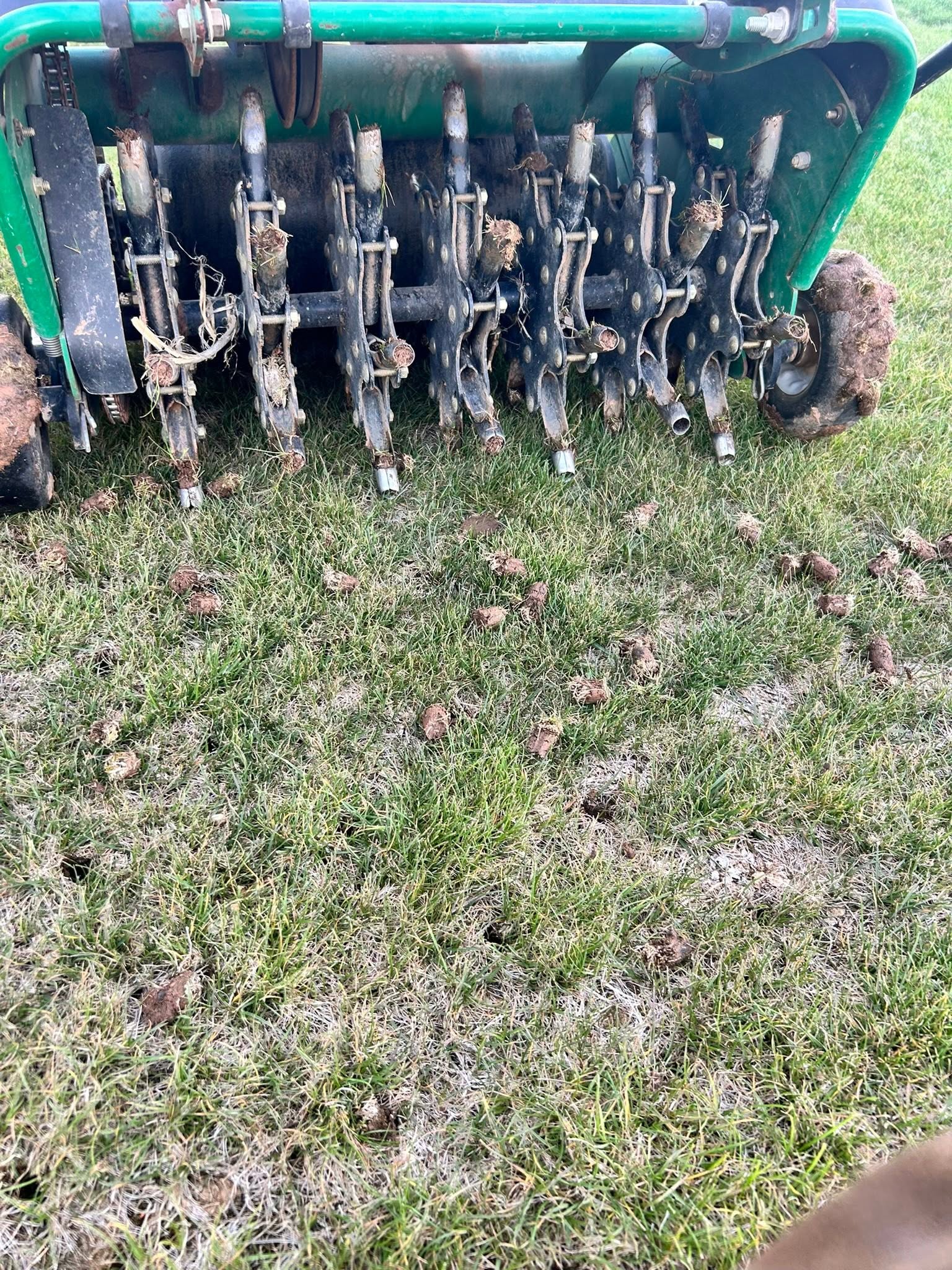
The common thread in these four is that they either require equipment that produces meaningfully different results than the consumer version, require diagnostic knowledge that takes real time to develop, or involve technical decisions where a mistake is expensive to fix.
Job 1 — Core Aeration
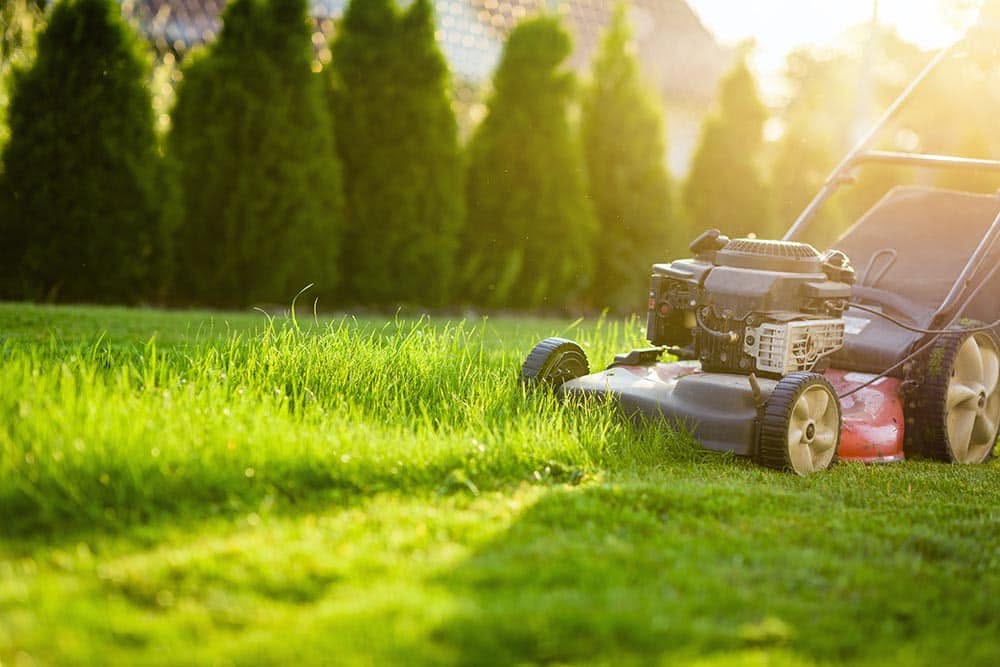
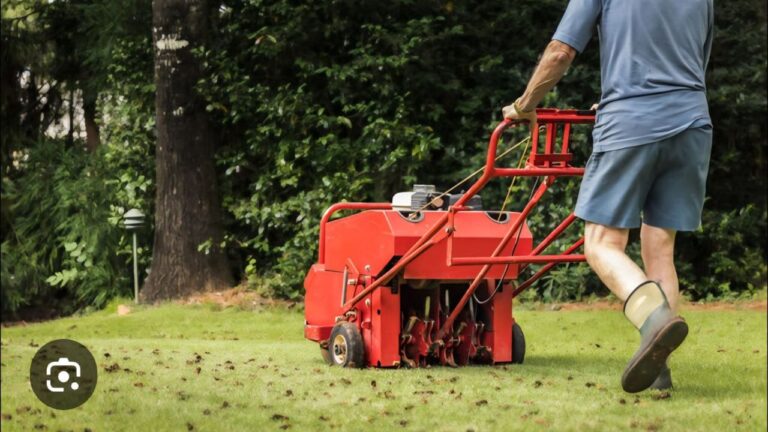
This is the clearest outsource recommendation I can make for any Sudbury homeowner, and I say it knowing it directly benefits my business. Aerate every year, and hire someone with a proper commercial core aerator to do it.
Here’s why the equipment matters specifically. Consumer-grade spike aerators — the kind you strap to your feet or push along the ground — poke holes in the soil surface. Commercial core aerators pull actual plugs of soil out, removing material and leaving a channel. These are not equivalent processes. Spike aeration on Sudbury’s clay-heavy soil can actually increase compaction by compressing the soil laterally as the spike pushes in. Core aeration removes material and genuinely opens the soil structure.
I’ve covered why annual aeration is the single most important maintenance task for Sudbury lawns specifically in the most common thing I find under dead Sudbury lawns — compaction is the central issue on the vast majority of struggling properties here, and core aeration is the primary tool for addressing it. The equipment gap between consumer and commercial is real enough that it’s worth hiring out every time.
Job 2 — Sod Installation (Anything Beyond a Small Patch)
For a small patch repair — a square foot or two where sod died — a motivated homeowner can do this themselves. For anything larger, the soil preparation work that determines whether sod actually establishes properly is genuinely skill- and equipment-dependent in ways that produce worse results when done without the right approach.
Proper tilling to the right depth, grade correction, topsoil incorporation, and getting sod delivered and installed same-day — all of this is achievable by a homeowner with significant effort and the right equipment rentals, but the failure rate on DIY sod installation is meaningfully higher than professional installation because the prep steps get simplified or skipped. And failed sod costs as much to redo as to have done right the first time, which makes the savings on DIY less compelling when you factor in the realistic failure rate.
I’ve described what proper soil preparation actually involves in how I replaced a Sudbury homeowner’s dead lawn in 4 days — the specific sequence matters and it’s harder to get right without experience and equipment than it looks from the outside.
Job 3 — Drainage Correction
This one is worth outsourcing because getting it wrong is expensive. A drainage grade correction that doesn’t actually redirect water the way it needs to go means you’ve moved soil around without solving the problem — and in some cases, made it worse by creating new low spots that didn’t exist before.
Proper drainage assessment — understanding where water is coming from, where it needs to go, and what the grade needs to look like to get it there — takes some knowledge of how water moves across a specific site. The visible symptom (pooling water in a corner, wet patches that stay wet) is easy to identify. Correctly diagnosing the cause and fixing it so it holds through Sudbury’s freeze-thaw cycles is where experience genuinely makes a difference.
I’ve explained why drainage problems are the most persistent underlying cause of recurring lawn failure in Greater Sudbury in the Val Caron homeowner I turned down three times — the pattern of treating surface symptoms without fixing drainage is one of the most reliably expensive mistakes I see homeowners make.
Job 4 — Grub Treatment and Pest Diagnosis
Timing is everything with grub treatment in Sudbury, and getting the timing wrong means the treatment doesn’t work — not because the product is bad, but because grub larvae are only vulnerable at a specific stage of their development. Treatment applied too early misses the window. Treatment applied after the grubs have grown past the vulnerable stage also misses it. And different pest issues require different diagnoses.
The broader lawn health diagnostic work that identifies whether a problem is grubs, disease, compaction, drainage, pH, or something else — is worth getting professional help with specifically because treating the wrong cause wastes money and time while the actual problem continues. I’ve covered the specific pattern of misdiagnosis I see most often in the Sudbury lawn that looked fine in May and was half dead by August — grub damage in particular is reliably missed by homeowners until it’s too late in the season to treat effectively.
The 3 Jobs Most Homeowners Can Handle Themselves
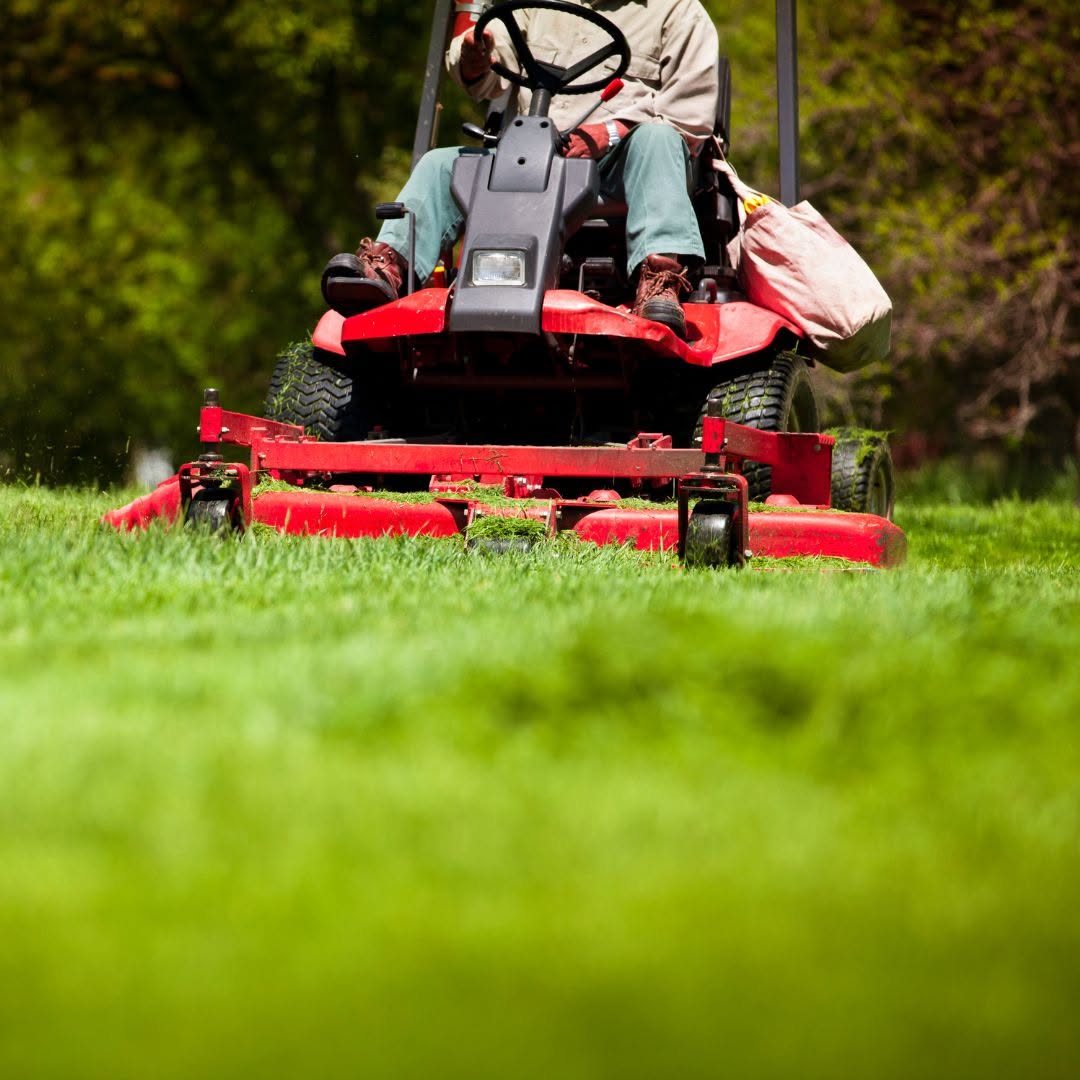
These three have lower equipment requirements, lower skill thresholds, and lower consequences for imperfect execution. A competent, willing homeowner who follows the right principles gets results that are close to professional quality on these tasks.
DIY Job 1 — Regular Mowing
Most homeowners with a decent self-propelled mower and the right height setting can mow their own lawn to a good standard. The key variables are height — 3 inches through most of the Sudbury season, 3.5 inches in July and August — and consistency. Mowing at the wrong height consistently is genuinely harmful, but that’s easy to fix by adjusting the deck. Mowing at the right height consistently is completely achievable with a consumer mower and basic attention.
The reason homeowners often consider outsourcing mowing isn’t usually quality — it’s time and reliability. If your schedule makes consistent weekly mowing during the growing season difficult, outsourcing makes sense for those reasons. But if the question is whether a homeowner can produce a good result themselves, the answer is yes, assuming they follow the height guidance.
Where this changes: if the lawn has significant slopes, obstacles, or complexity that makes mowing physically difficult or time-consuming; or if the homeowner is physically limited in a way that makes mowing a genuine hardship rather than an inconvenience.
DIY Job 2 — Watering
Watering your own lawn is completely manageable once you understand what “good watering” actually means — which turns out to be different from what most people assume. The principles I described in detail in the Val Caron homeowner watering story apply here: deep and infrequent rather than shallow and frequent, morning timing rather than evening, checking soil moisture depth rather than just watching the surface get wet.
A homeowner who understands those principles and applies them with a basic oscillating sprinkler or hose setup can water their lawn as effectively as any professional service arrangement. The technique is learnable and the equipment threshold is low.
DIY Job 3 — Basic Seasonal Cleanup
Spring cleanup — raking up winter debris, clearing any remaining leaves, basic surface tidying — and fall cleanup — clearing leaves before snow, removing seasonal debris — are straightforwardly within what most homeowners can do themselves without professional help. The technique requirements are low and the equipment is basic.
Where this gets harder is at the physical effort end. I’ve talked about this specifically in the context of senior homeowners in lawn care for Sudbury seniors when mowing gets hard — the bending, raking, and hauling involved in cleanup work is often the first type of yard work that becomes physically difficult, and for homeowners where that’s the case, outsourcing specifically the cleanup work while continuing to handle mowing themselves is a completely sensible partial arrangement.
The One Job That Goes Either Way
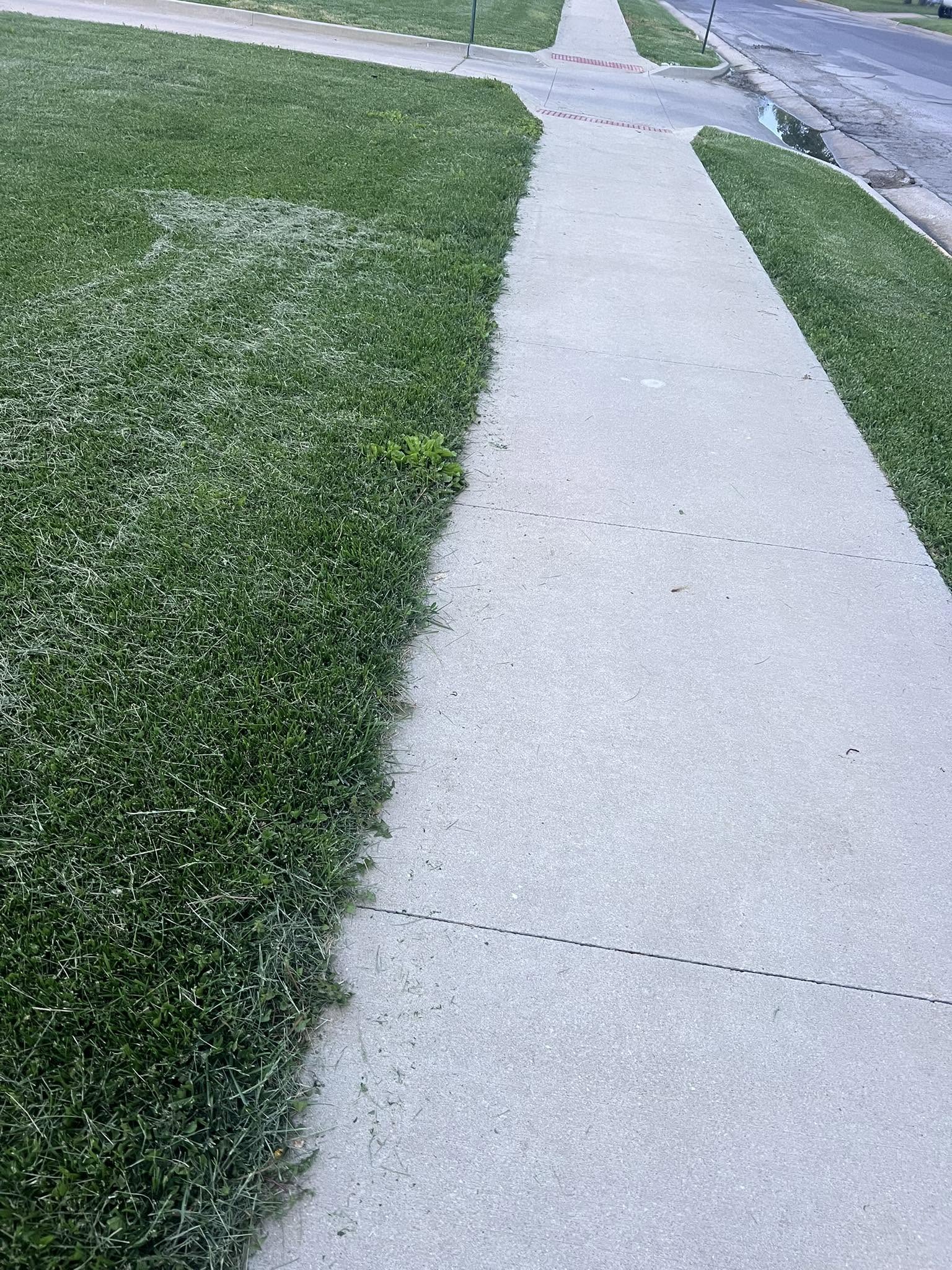
Edging and trimming sits in the middle of this spectrum and the right answer depends on the specific homeowner.
Done well, edging has a disproportionately large visual impact on how a lawn reads — the difference between a maintained property and a neglected-looking one is often in the edging detail rather than the mowing quality. I’ve described this effect specifically in what professional lawn care actually looks like in Sudbury.
A homeowner with a good string trimmer and the technique to use it properly along hard edges can produce results close to professional quality. The learning curve is real but not steep — it takes a few sessions to develop the consistency of line that makes the result look intentional rather than ragged.
For homeowners who find trimming tedious or time-consuming, or who struggle to get a clean vertical edge along driveways and walkways, outsourcing specifically the edging work — either as part of a full mowing service or as a separate add-on — is worth the cost for the visual payoff.
The Honest Decision Framework
Here’s the simplest way I’d frame the outsource vs DIY decision for any specific yard task in Greater Sudbury:
Outsource if: the equipment makes a meaningful difference in result quality; a mistake is expensive to fix; timing precision matters and you might miss the window; or the task is physically difficult enough to be a genuine hardship.
DIY if: the technique is learnable from straightforward guidance; consumer equipment produces results close to professional quality; mistakes are cheap and easy to correct; and the time commitment fits your schedule.
Applied to Sudbury specifically: aeration, sod installation (at scale), drainage correction, and pest diagnosis fall clearly in the outsource category. Regular mowing, watering, and basic cleanup fall clearly in the DIY category. Edging and trimming depends on the individual.
If you want help with the outsource jobs — or if you’d rather hand off everything and have someone handle the full picture — reach out.
📞 Call or text me: 705-507-6787
Or fill out the free quote form here — I get back to everyone same day.
— Ryan Lingenfelter
Owner, Cutting Edge Lawn & Landscaping
Garson, Ontario
Related Articles
- The One Thing I Always Find Under a Dead Sudbury Lawn
- I Replaced a Sudbury Homeowner’s Dead Lawn in 4 Days
- The Sudbury Lawn That Looked Fine in May and Was Half Dead by August
- A Sudbury Homeowner Asked Me to Watch Her Water the Lawn
- Lawn Care for Sudbury Seniors — When Mowing Gets Hard
- What Professional Lawn Care Actually Means in Sudbury