
By Ryan Lingenfelter — Owner, Cutting Edge Lawn & Landscaping · Garson, Ontario · Serving Greater Sudbury since 2020
June is the busiest month for questions. Not just for work — for questions from homeowners who are watching their lawns closely for the first time since winter and noticing things they don’t understand or that don’t match what they expected.
This past June I decided to actually write them down. Every question a customer, a neighbour, or someone who found me online asked me about their lawn. Every single one, over four weeks.
By the end of the month I had thirty-one questions. Some were one-offs. Some came up so many times from different people that they were clearly the thing Greater Sudbury was collectively worried about in June. The patterns that emerged were genuinely interesting — and a few of them surprised me.
Here are the questions that came up most, and my honest answers to each one.
The Questions That Came Up Most — And What They Actually Mean

“Why is my lawn green in some spots and pale in others?”
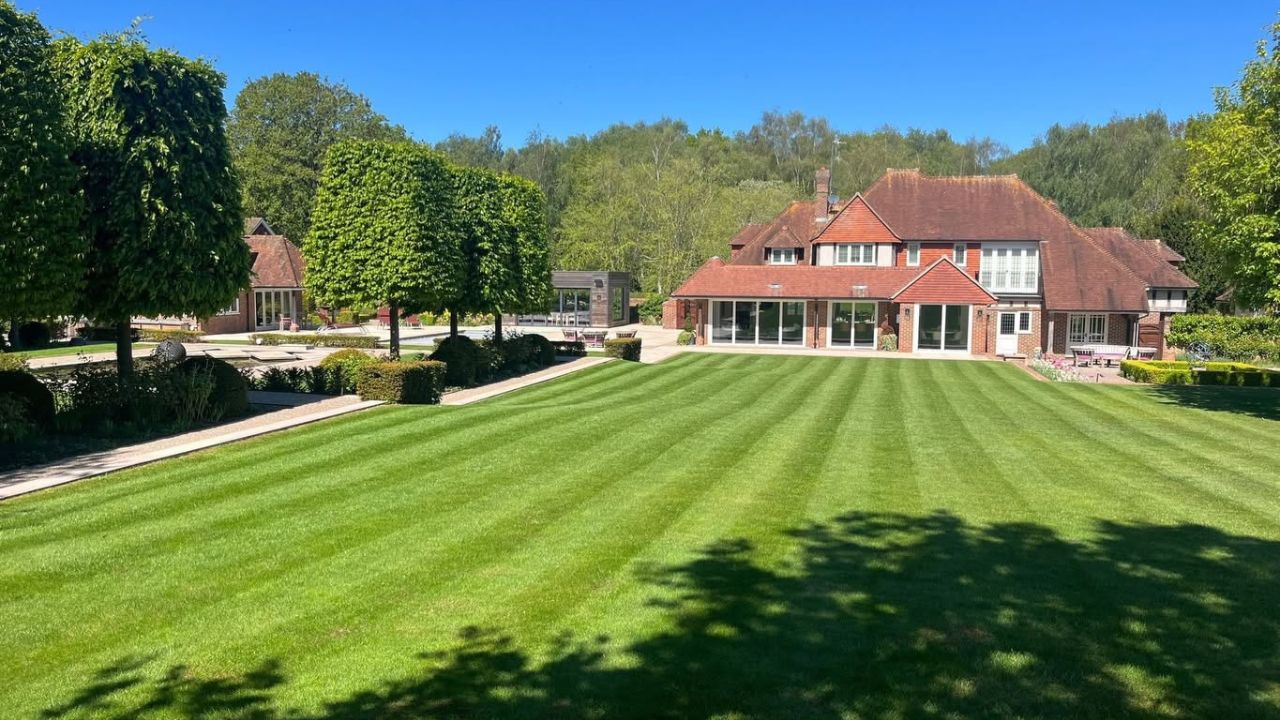
This was the most common question — some version of it came up eight times in June from eight different homeowners. The lawn looks uneven. Some sections healthy green, others pale or yellowish, with no obvious pattern to which is which.
The answer is almost always one of three things. Soil compaction varies across the property — sections over higher compaction get less water and nutrient penetration and show it in the colour. Previous fertilizer applications that weren’t evenly spread leave concentration differences that show up in June growth. Or cut height variation — sections that get scalped by the mower on grade changes or corners are showing stress from the cut rather than a soil problem.
The fix depends on which cause. If it’s compaction: core aeration before next season addresses it at the source. If it’s fertilizer unevenness: calibrate spreader settings more carefully next application. If it’s cut height: adjust the mower and check the deck level. In most cases it’s compaction, and aeration is the answer.
“Is it too late to aerate now that it’s June?”
This came up six times. Homeowners who’d read that spring aeration was the right timing and were now wondering if they’d missed the window.
The honest answer: aeration in June is not ideal but it’s not useless either. Late May is the best window in Sudbury — soil has firmed up from snowmelt, growing season is ahead. By June the soil is typically workable but the summer heat is coming, which gives the lawn less time to recover from the disturbance before heat stress arrives. If you’re deciding between aerating in June and not aerating until next spring — do it in June. If you have the option to wait for fall — late August to mid-September is a good secondary window. Skipping aeration entirely costs more than imperfect timing.
“My new sod is going yellow at the edges — is this normal?”
Four homeowners asked this. New sod installed in spring that’s showing yellow or browning at the seam edges by mid-June.
Edge yellowing on new sod is usually one of two things: the edges dried out faster than the interior during the establishment period and didn’t root as well, or the seams were joined too tightly and the edges are under physical stress. Neither is necessarily catastrophic. Keep the edge sections specifically watered during hot or dry stretches — they’re more vulnerable than the interior. If the yellowing is progressing to brown and the sod is lifting, that’s failed establishment and needs to be addressed. If it’s staying yellow but rooted, it usually recovers as the season progresses and roots develop.
Questions About Watering — The Most Consistent Source of Confusion
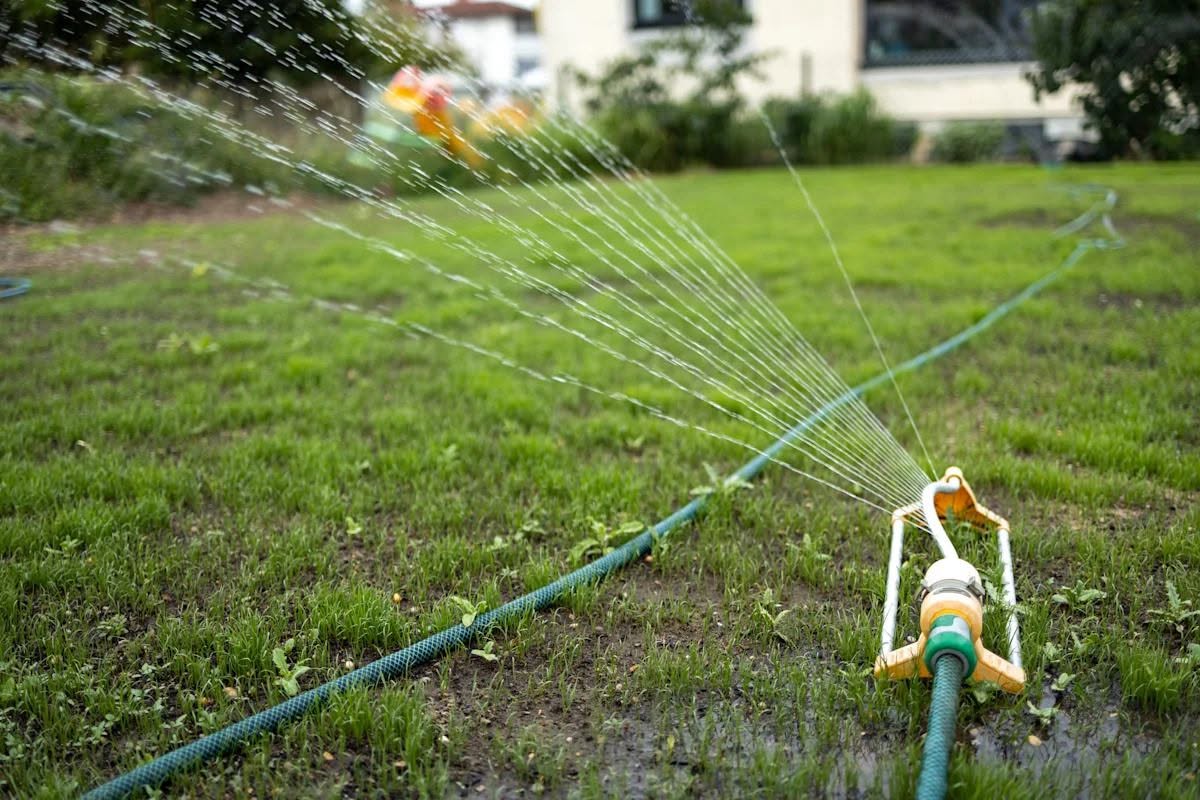
Watering questions came up constantly in June — not always about the same specific thing, but watering was the underlying topic in about a third of everything I was asked.
“How often should I water in June?”
The standard answer I give: twice a week, deep. Long enough each session that you’re pushing moisture four to five inches into the soil. Not daily, not a little bit every evening. The daily light watering habit produces shallow roots that will fail in July when the surface dries between waterings. Deep twice-weekly watering builds root depth through June that protects the lawn in summer. What your lawn needs in July depends almost entirely on what happened in June.
“It rained all week, do I still need to water?”
No. Skip the scheduled watering after significant rainfall. The goal is soil moisture at four to five inches depth — if rain has delivered that, adding more water doesn’t help and can encourage fungal conditions. Press a screwdriver into the soil the day after significant rain. If it goes in easily to four or five inches, the soil is adequately moist. If it meets resistance earlier, supplement with watering.
“I’ve been watering every day and the lawn still looks stressed — why?”
This is the watering paradox that trips up a lot of Sudbury homeowners. Daily watering that’s light keeps the surface moist but trains roots to stay shallow. When those surface-zone roots encounter a few days without water — from skipped watering, from your schedule changing, from rain that doesn’t penetrate — they have no depth reserve to draw on. The lawn stresses faster than it should because the watering habit has been producing the wrong root profile. Switch to deep twice-weekly watering and within two to three weeks you’ll see the difference in how the lawn responds to brief dry periods.
Questions About Cutting — Things People Assumed They Knew
“My lawn looks fine after I cut it but then looks rough two days later — what’s happening?”
This came up three times and it’s an interesting one. The lawn looks clean and even right after cutting, then develops an uneven or rough appearance within a couple of days.
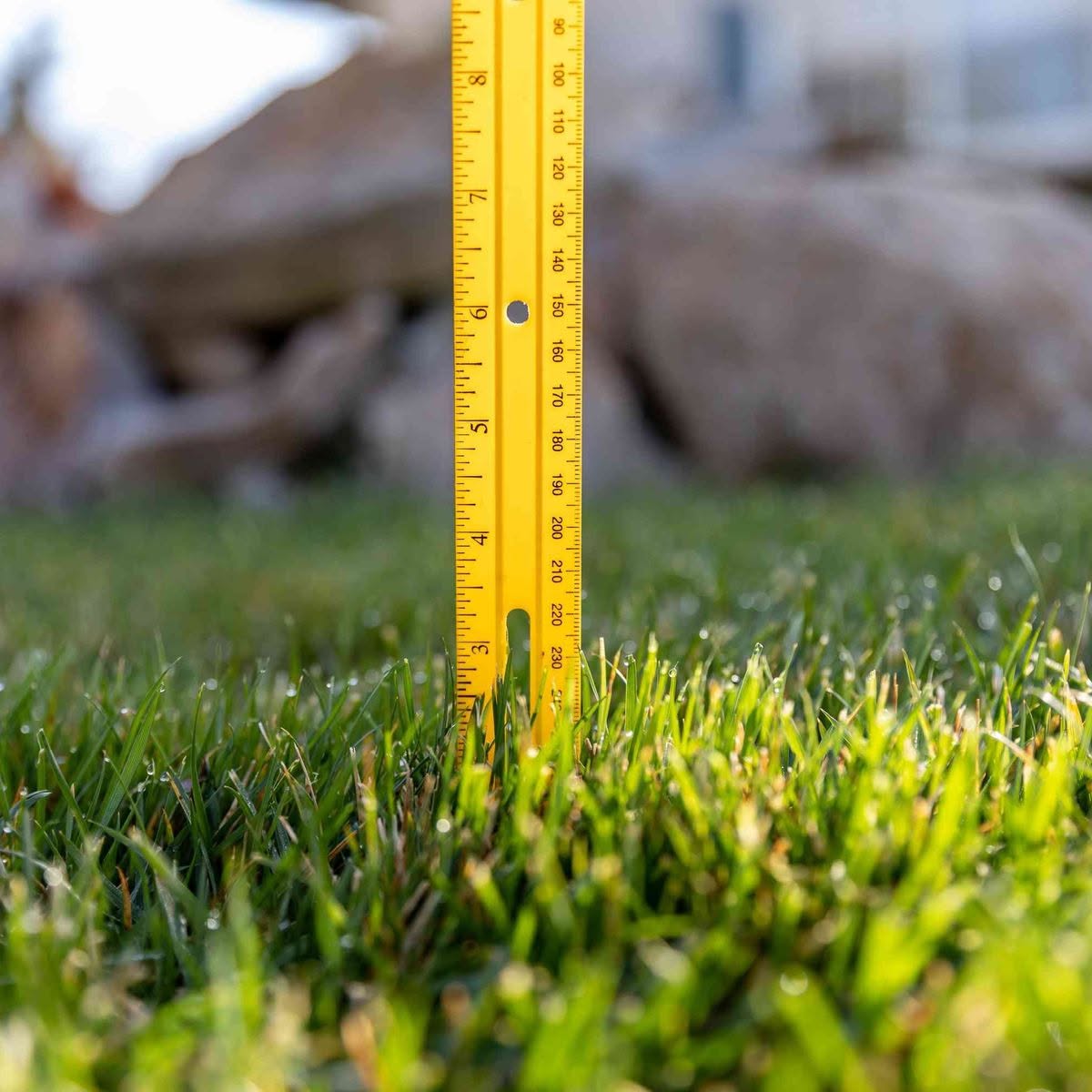
Usually this means the cut height is at or near the crown of the grass plant — cutting close to the base rather than the blade tip. At that height, the cut exposes the crown and stem, which are pale and rough-looking compared to the green blade. As the cut surface is what’s visible for the first day or two, the lawn looks fine. Once the plant starts showing the exposed pale stem and crown material more prominently, the appearance degrades quickly.
The fix is raising the cut height. At three inches, you’re cutting blade tips — the grass looks clean after cutting and stays looking reasonably consistent as the cut surface is uniformly green. The “rough after two days” problem is almost always a cut height problem. It’s one of those things that becomes obvious once you understand it, and that proper mowing height resolves immediately.
“Should I cut it shorter before a long weekend when I won’t be around to mow?”
No. This is a common instinct — cut it short now so it has more time to grow before the next cut. The problem is that cutting short is one of the most stressful things you can do to a lawn, and the days immediately after a short cut are when the plant is most vulnerable to heat and drought stress. Cutting short before a long weekend, then leaving the lawn without attention through several hot days, is the opposite of what the lawn needs.
If you’re going to miss a cut, let the lawn grow slightly longer than normal during that period — it handles the extra growth better than it handles the short cut. When you return, use the one-third rule: only cut off one third of the current blade height in any single cut. If it’s gotten long, take it down in two cuts spaced a few days apart rather than one dramatic reduction.
“Do I need to cut it weekly or can I go every ten days?”
In June, weekly is the right frequency for most Sudbury lawns. June is peak growth — grass is growing faster than any other month of the season. Going to ten-day intervals in June almost guarantees taking off too much in a single cut, which stresses the plant. Weekly cuts that remove only a small amount maintain the right cutting rhythm. In August when growth slows, you can stretch to ten days without the same consequence.
The Question That Surprised Me Most
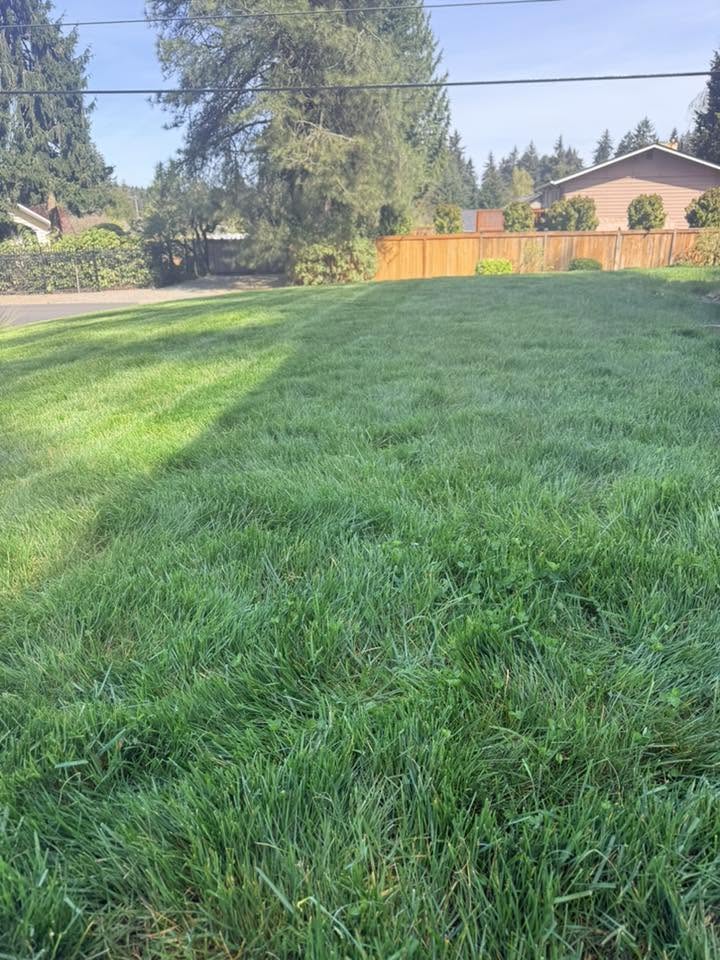
The question I wasn’t expecting to hear four times in one month: “Is it worth starting to look after the lawn properly now, or should I just wait until next spring?”
It came from homeowners who’d let the season start without doing the foundation work — no spring cleanup, no aeration, maybe an inconsistent cutting schedule through May — and were now in June wondering whether there was any point in improving their approach mid-season.
My answer every time was the same: yes, now is worth it, and here’s why.
Anything you do correctly from June forward still benefits the lawn this season. Raising the cut height now produces measurable improvement in July colour compared to continuing to cut short. Switching to deep watering now builds root depth that matters in August. Aerating in June, though not optimal timing, is still meaningful. The fall — September and October — is one of the best windows for overseeding and soil recovery, and making improvements now means the lawn is in better condition to take advantage of fall work.
The homeowners who wait for “next spring” to start doing things right often find that next spring arrives with the same starting conditions — or worse — because the current season’s problems went unaddressed. Two seasons of neglect produces a specific and predictable pattern of soil and grass decline. Stopping that pattern mid-season is always better than continuing it until a more convenient time.
The best time to start looking after your Sudbury lawn properly was in May. The second-best time is now — whatever month it currently is when you’re reading this.
If you have a question about your Sudbury lawn that I haven’t answered here — reach out. I’m happy to take a look and give you a straight answer on your specific situation.
— Ryan Lingenfelter
Cutting Edge Lawn & Landscaping, Garson, Ontario
📞 705-507-6787
Serving all of Greater Sudbury — Garson, Hanmer, Val Caron, Lively, Chelmsford, Azilda, Capreol, and Sudbury proper. We offer grass cutting, core aeration, property cleanup, sod installation, and full lawn maintenance. Free quotes, no pressure.
Get a Free Quote |
Call 705-507-6787
