

Mowing seems like the simplest part of lawn care. Show up, run the mower over it, done. And in one sense, yeah — it is straightforward. But the way you mow, how often you mow, and the habits you build around it have a bigger impact on the long-term health of your lawn than most people realize.
I’ve been cutting grass across Greater Sudbury for a few years now, and I can tell within one season whether a lawn has been mowed properly or not. The signs are subtle at first — a bit more thinning here, some stress browning there — but over two or three seasons they add up to a lawn that looks rough and can’t quite recover no matter what else you do to it.
Most of it is avoidable. Here’s what actually matters.
Cut Height — The One Setting That Affects Everything Else
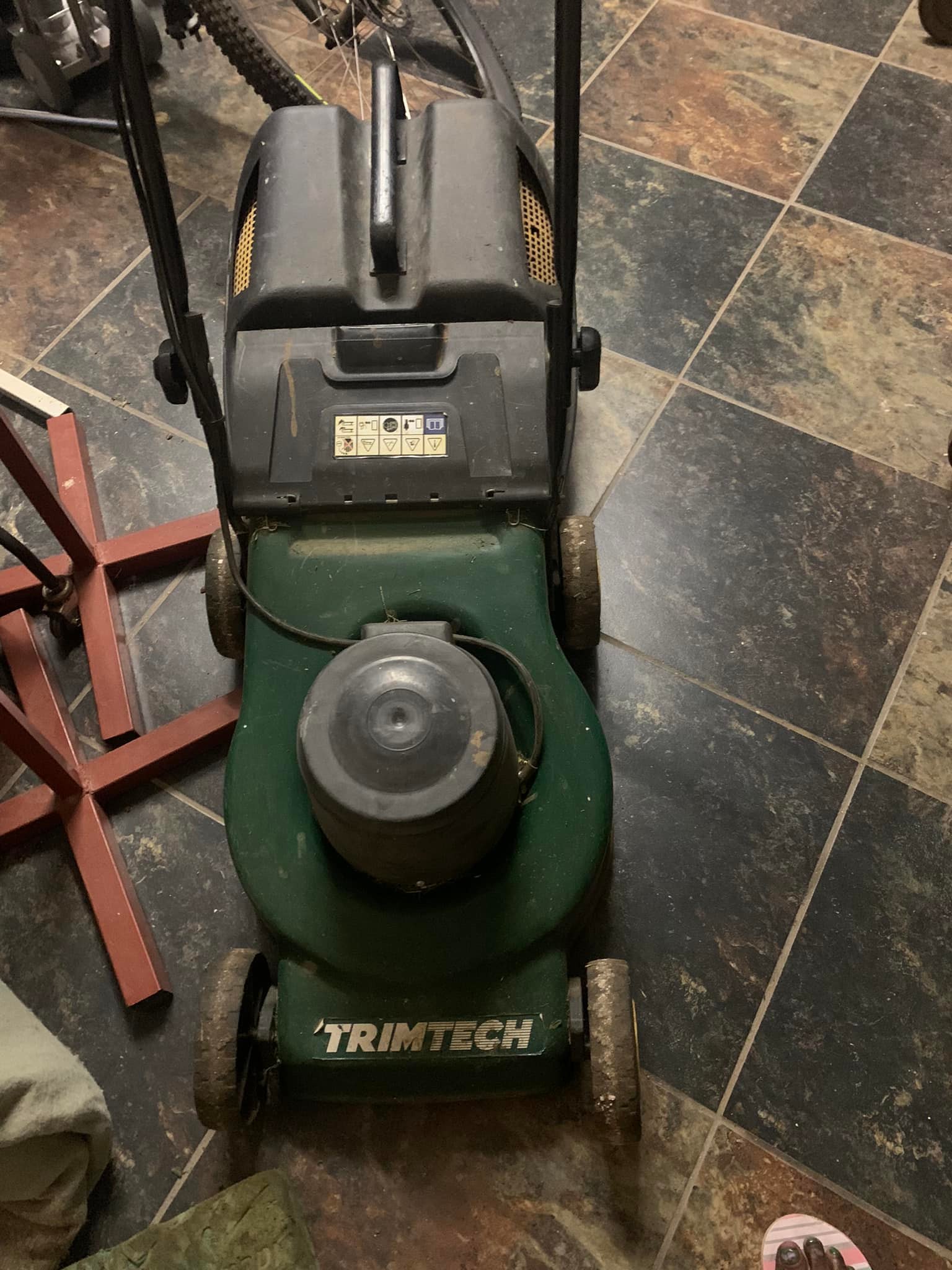
If I could only give one piece of mowing advice to every Sudbury homeowner, it would be this: cut higher than you think you should.
The instinct most people have is to cut short. Short grass looks tidy. It takes longer to grow back, which means fewer mows. It feels like you’re on top of it. I understand the logic — but here’s what’s actually happening when you cut too short.
Grass needs leaf area to photosynthesize — to make the energy that fuels root growth and recovery. When you cut the grass down to an inch or an inch and a half, you’re taking away most of that capacity. The grass plant goes into survival mode, puts its energy into regrowing the blade rather than deepening the roots, and stays in a constant state of stress.
Stressed grass doesn’t compete well with weeds. It dries out faster because the soil surface is exposed to direct sun. It’s more susceptible to disease. And it recovers slowly from any additional stress — a dry week, a hot spell, foot traffic — because the root system is shallow and depleted.
For Sudbury lawns, the height I recommend is 2.5 to 3 inches for regular season mowing, and 3 to 3.5 inches during hot or dry periods in July and August. At that height, the grass shades its own soil surface, retains more moisture, develops deeper roots, and has the leaf area it needs to stay healthy and dense.
Taller grass also naturally crowds out weeds — not perfectly, but a thick, well-maintained lawn at three inches is significantly harder for weeds to establish in than a thin, scalped lawn at an inch and a half. The cut height is probably the single biggest lever you have on the long-term health of your lawn.
Frequency — How Often Is Actually Right
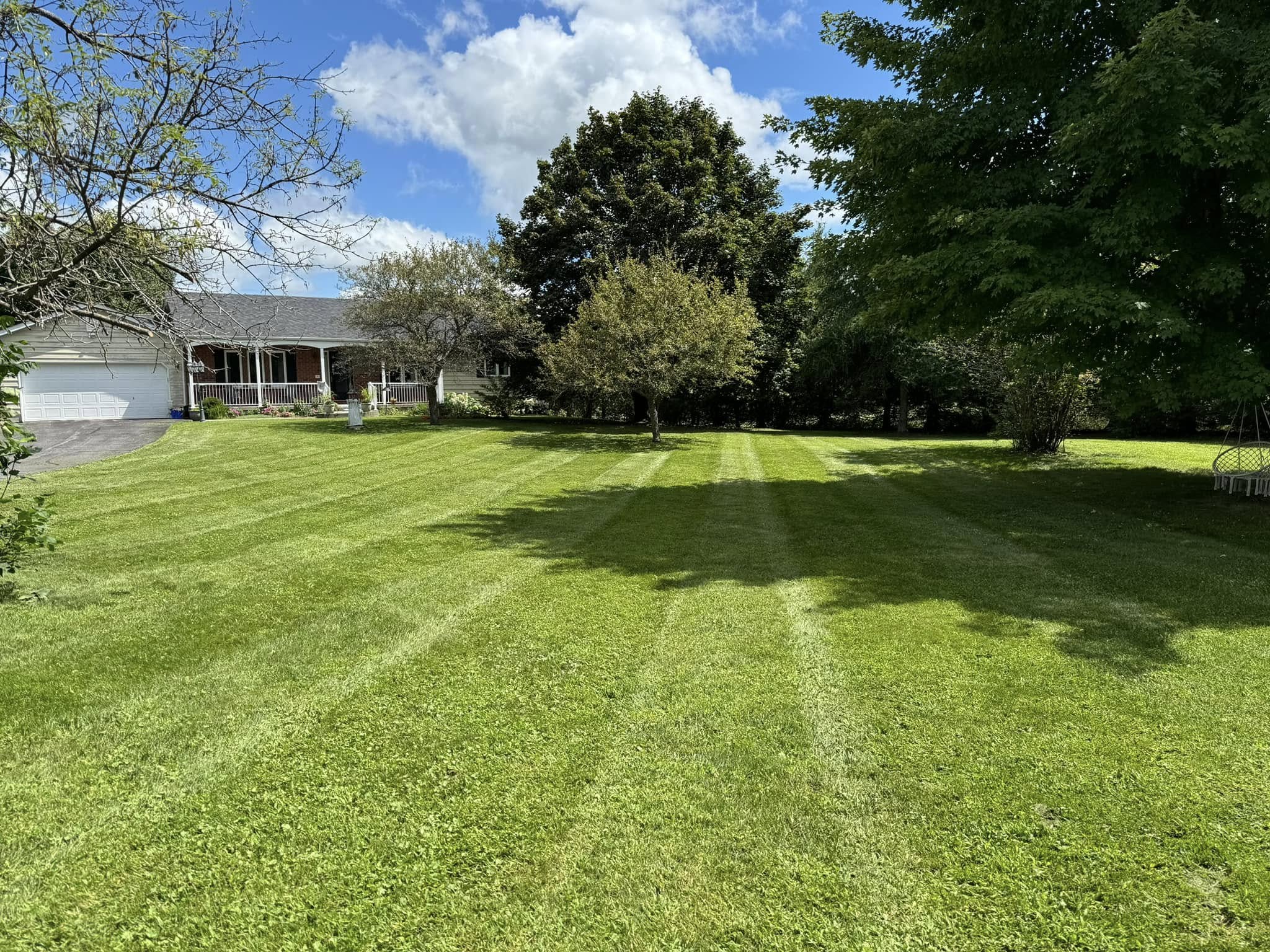
The right mowing frequency depends on the time of year and how fast the grass is growing — but the principle that guides it is always the same: never remove more than one third of the grass blade in a single mow.
This rule matters more than people give it credit for. When you cut off more than a third of the blade at once, the plant goes into shock. It has to redirect all its energy into regrowing the leaf rather than maintaining the root system. The lawn looks stressed for days afterward, and if you’re doing this repeatedly through the season, the cumulative damage to the root system is significant.
In practical terms for Sudbury:
Spring — late April through June. This is the fastest growth period of the year. The grass is pushing hard and weekly mowing is usually necessary to stay within the one-third rule. Some properties in May might need cutting every five or six days during the peak growth flush. If you let it go two weeks in spring, you’re almost certainly taking off too much in one cut.
Summer — July and August. Growth slows in the heat. Depending on rainfall, you might be mowing every seven to ten days rather than every week. During a genuine drought stretch where the grass has gone dormant, you can skip mowing entirely — cutting dormant grass adds stress without any benefit. Let it rest.
Fall — September through October. Growth picks up again as temperatures cool. Weekly mowing returns. The last cut of the season should bring the lawn down to about two and a half inches — slightly shorter than your summer height — which reduces the risk of snow mould over winter.
If you’re using a grass cutting service, ask them specifically whether they adjust frequency and height through the season or whether they just run the same schedule and setting all year. The answer tells you a lot about how much they’re actually paying attention to your lawn.
The Mistakes That Quietly Do the Most Damage
Beyond cut height and frequency, there are a few specific habits that damage lawns slowly and consistently — and most people don’t realize they’re doing them.
Mowing in the same direction every time. If you always mow north to south, the grass starts to lean in that direction, the soil gets compacted in the same wheel tracks each week, and the cut becomes uneven over time. Alternate your mowing pattern — north-south one week, east-west the next, diagonal after that. The lawn looks better, wears more evenly, and the grass stands upright rather than leaning.
Mowing wet grass. Wet grass clumps. The clippings don’t distribute evenly — they come off the mower in chunks that sit on the lawn surface and smother the turf underneath if they’re heavy enough. Wet grass also tears rather than cutting cleanly, which browns the tips and leaves the lawn looking rough. Wait until the surface is dry, even if it means adjusting your schedule.
Never sharpening the blade. This one is underrated. A dull mower blade doesn’t cut grass — it beats it. The torn tips fray, brown at the ends, and are more vulnerable to disease than a cleanly cut blade. You can see the difference up close — a freshly cut blade has a clean, horizontal edge; a dull-cut blade has a ragged, whitish tip that desiccates quickly. Sharpen your blade at least once per season, or twice if you’re mowing a large property regularly.
Bagging clippings every single mow. Grass clippings are free fertilizer. When grass is cut at the right height and on a consistent schedule, the clippings are short enough to filter down into the lawn where they decompose and return nutrients to the soil. Bagging removes those nutrients every week — over a full season, that’s significant. Only bag when the clippings are heavy and clumping, such as after a period of fast spring growth or after mowing slightly overdue grass.
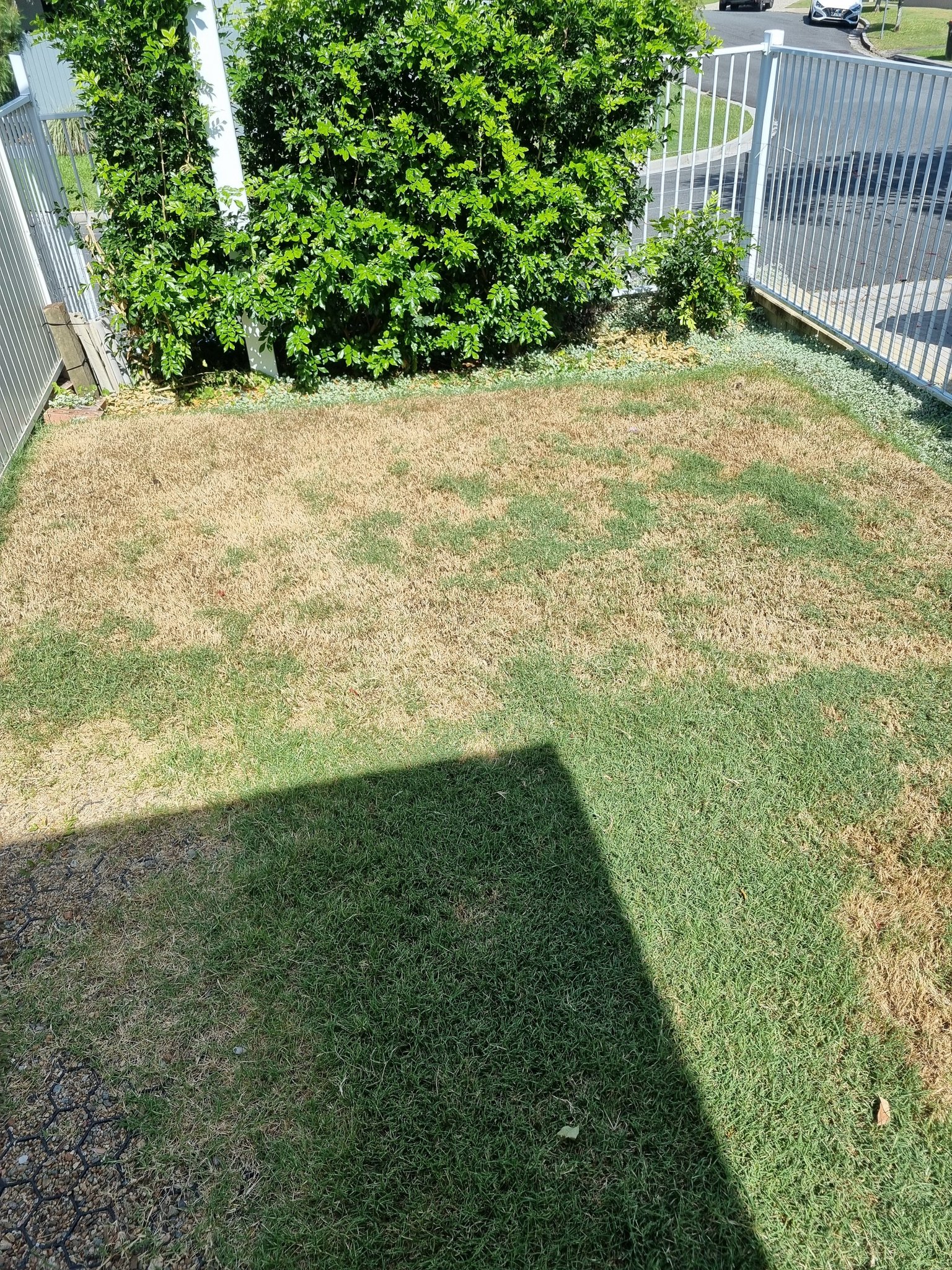
Cutting the lawn when it’s heat-stressed. During a dry, hot stretch in July, if your lawn has gone brown or dormant, mowing it adds stress without doing anything useful. The grass isn’t growing, the mowing doesn’t achieve anything for appearance, and the physical stress of cutting pushes the lawn further into dormancy. Let it rest. It’ll come back when the heat breaks or the rain returns.
A Note on Lawn Mowing Services in Sudbury
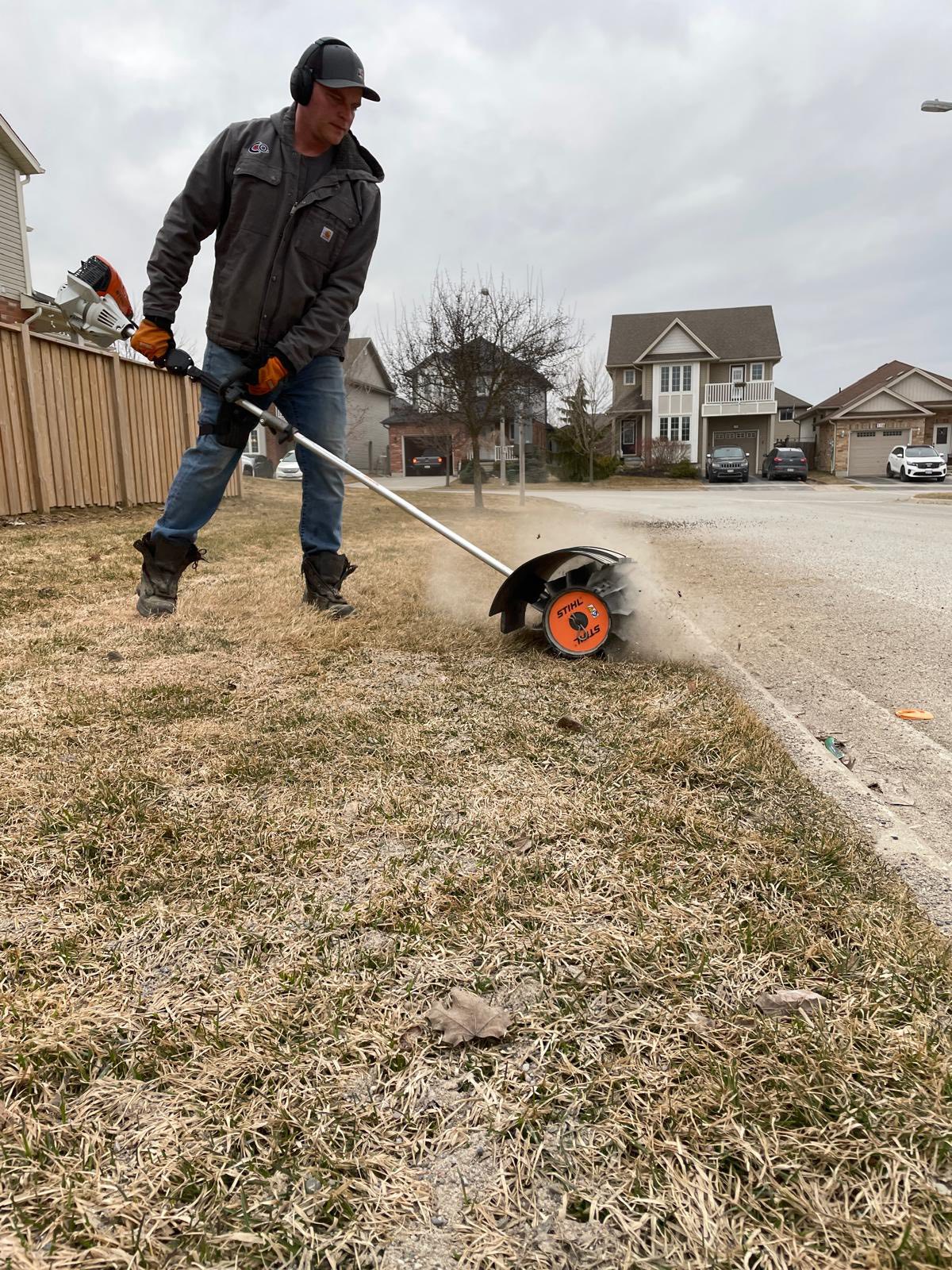
If you’re hiring someone to cut your grass rather than doing it yourself, everything above still applies — it’s just someone else making those decisions on your behalf. Which means it’s worth asking the right questions before you hire.
Ask what height they cut at. If the answer is “whatever the customer wants” without any pushback on low cut heights, that’s a sign they’re not thinking about what’s actually good for the lawn. Ask whether they adjust their schedule and cut height through the season. Ask how they handle blade maintenance.
The answers tell you whether you’re hiring someone who cuts grass or someone who knows how to take care of a lawn. Those are different things, and the difference shows up in how your lawn looks in September compared to June.
Beyond mowing, the other thing that makes a real difference in how Sudbury lawns hold up through the season is core aeration — especially on lawns with compacted soil. Mowing properly keeps the top of the plant healthy. Aeration gives the root system the conditions it needs to support that healthy top growth. The two work together.
If you want to talk through your lawn specifically — mowing routine, seasonal approach, what else might help — give me a call. Happy to have that conversation.
— Ryan Lingenfelter
Cutting Edge Lawn & Landscaping, Garson, Ontario
📞 705-507-6787
Serving all of Greater Sudbury — Garson, Hanmer, Val Caron, Lively, Chelmsford, Azilda, Capreol, and Sudbury proper. We offer grass cutting, core aeration, and full lawn maintenance. Free quotes, no pressure.
Get a Free Quote |
Call 705-507-6787
