A homeowner in Azilda called me a couple of summers ago describing a smell coming from her backyard that she couldn’t place — not unpleasant exactly, but distinctly off, like something sour mixed with cut grass. She was worried it meant something was rotting underneath the lawn.
It wasn’t. It was a completely normal byproduct of a heavy rain followed by a hot stretch, and I was able to tell her that over the phone before I even walked the property. Smell is something most homeowners never think to use as a diagnostic tool, but a lawn tells you a lot through what it puts in the air, not just what it looks like.
I’m Ryan Lingenfelter, owner of Cutting Edge Lawn & Landscaping in Garson, Ontario. Since 2020, I’ve walked properties across Greater Sudbury — Garson, Val Caron, Hanmer, Lively, Chelmsford, Azilda, Capreol — where what I smelled before I even started looking told me a lot about what I was about to find. Here are the five smells that actually come up most often, and what each one means.
1. Sweet, Slightly Sour Smell After a Hot, Humid Stretch — Decomposing Organic Matter
This is the smell that prompted the call from Azilda, and it’s the one I get asked about most often through a Sudbury summer. It has a faintly sweet, almost fermented quality to it — not rotten exactly, but clearly something is breaking down.
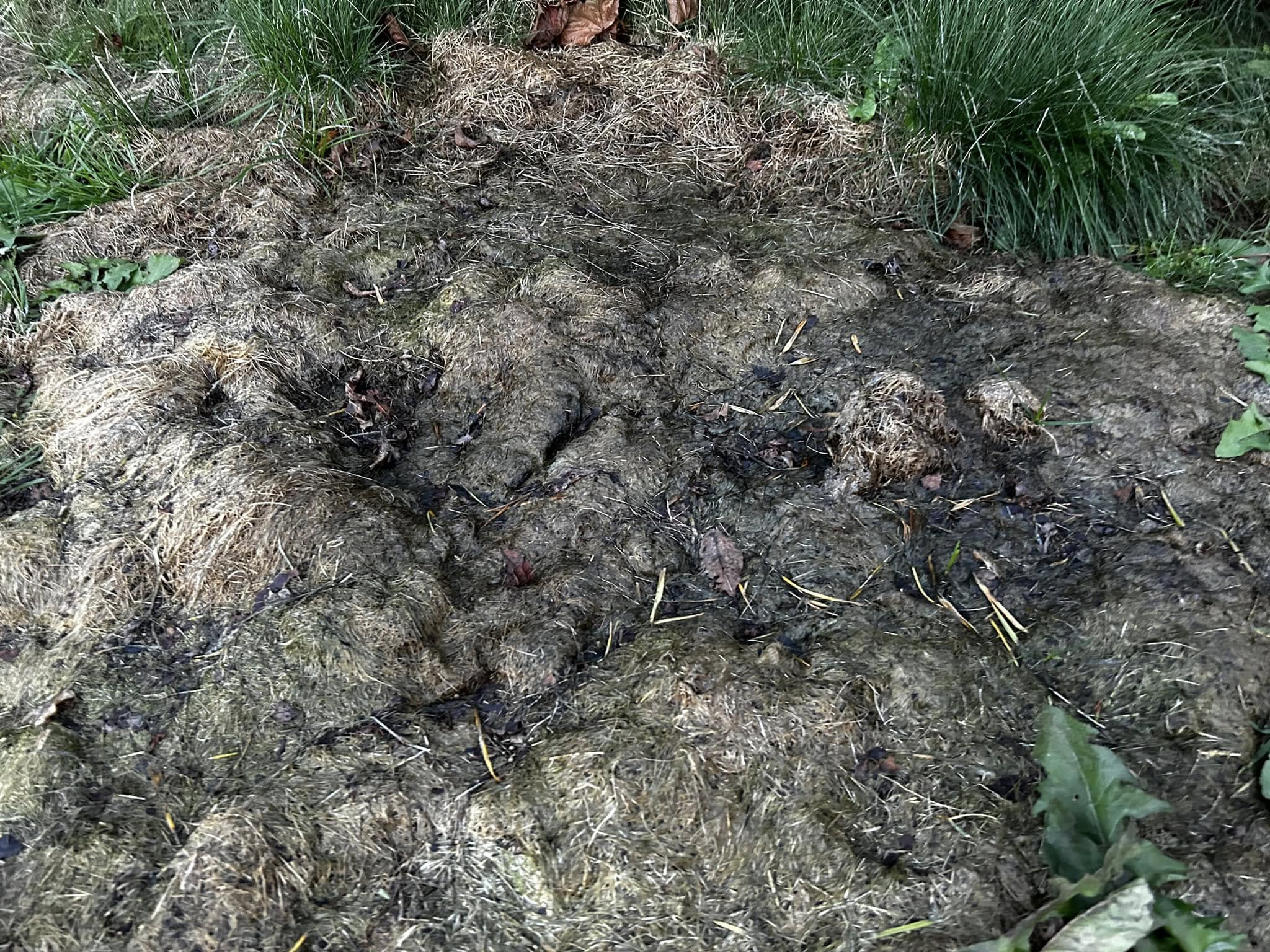
This smell is almost always thatch and grass clippings decomposing faster than usual because of heat and moisture together. A heavy rain followed by hot, humid weather — a pattern that happens regularly in a Sudbury July — accelerates microbial activity in the thatch layer and any clippings left on the surface. That accelerated breakdown produces a noticeable smell, especially in the morning when humidity is highest and the air is still.
This is generally a normal seasonal smell and not a sign of a problem, provided it fades within a day or two after the weather dries out. Where it becomes worth paying attention to is if the smell persists for many days in a row or seems to be getting stronger rather than fading — that can indicate thatch that’s built up well past the healthy half-inch layer and is staying consistently wet underneath because air isn’t circulating through it properly. Heavy thatch buildup is something I cover in detail in the clay soil and lawn maintenance guide here — clearing it through dethatching and aeration resolves both the smell and the underlying problem at the same time.
2. Sewer or Rotten Egg Smell — Almost Never the Lawn Itself
This is the smell that genuinely alarms people, and reasonably so, because it suggests something is wrong with plumbing rather than just the grass. I want to be straightforward about this one because it’s outside what a lawn care service actually fixes, but it’s worth understanding the connection.
A persistent sewer or rotten egg smell coming from a yard is most commonly linked to one of a few specific things. A dry plumbing trap somewhere on the property — a floor drain or an outdoor hose bib connection that hasn’t been used in a while — can allow sewer gas to escape, and depending on airflow, that smell can seem like it’s coming from the yard rather than the house. A cracked or improperly sealed sewer line running under the property can also produce this smell at the surface, sometimes accompanied by an unusually lush or dark green patch of grass directly above the leak, since the escaping waste acts as an unintended fertilizer.
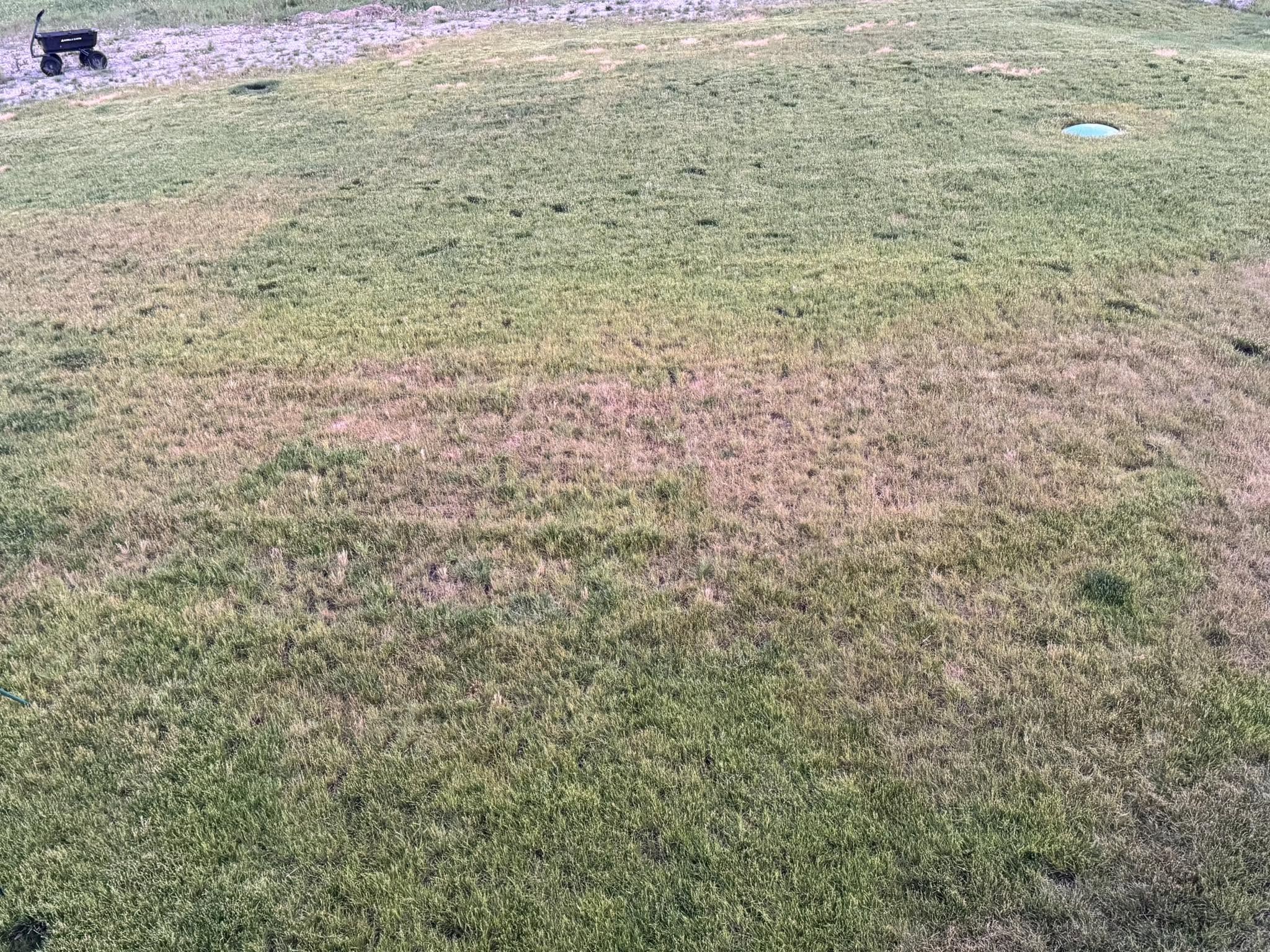
If you’re noticing this smell along with a specific patch of grass that’s noticeably greener and more vigorous than the rest of the lawn, that combination is worth taking seriously and having a licensed plumber investigate rather than assuming it’s a lawn issue. I’ve walked Sudbury properties where exactly this pattern led the homeowner to discover a cracked sewer line well before it became a much larger and more expensive problem. This is the one item on this list where the right call is a plumber, not a lawn care company — but knowing the pattern helps you know which professional to call.
3. Musty, Earthy Smell in a Specific Shaded Section — Fungal Activity
This smell has a distinct character — damp, earthy, almost like a basement or a forest floor after rain — and it’s usually localized to one part of the lawn rather than spread evenly across the whole property.
This pattern points to fungal activity, which thrives in exactly the conditions that produce this smell: persistent shade, poor air circulation, and surface moisture that doesn’t dry out quickly. Common Sudbury lawn fungal issues like red thread and dollar spot, along with the more serious snow mould that shows up after winter, all have this kind of musty quality when conditions are active. A section of lawn under heavy tree canopy, along a fence line with restricted airflow, or in a low spot that stays damp longer than the rest of the property is the classic location for this smell to concentrate.
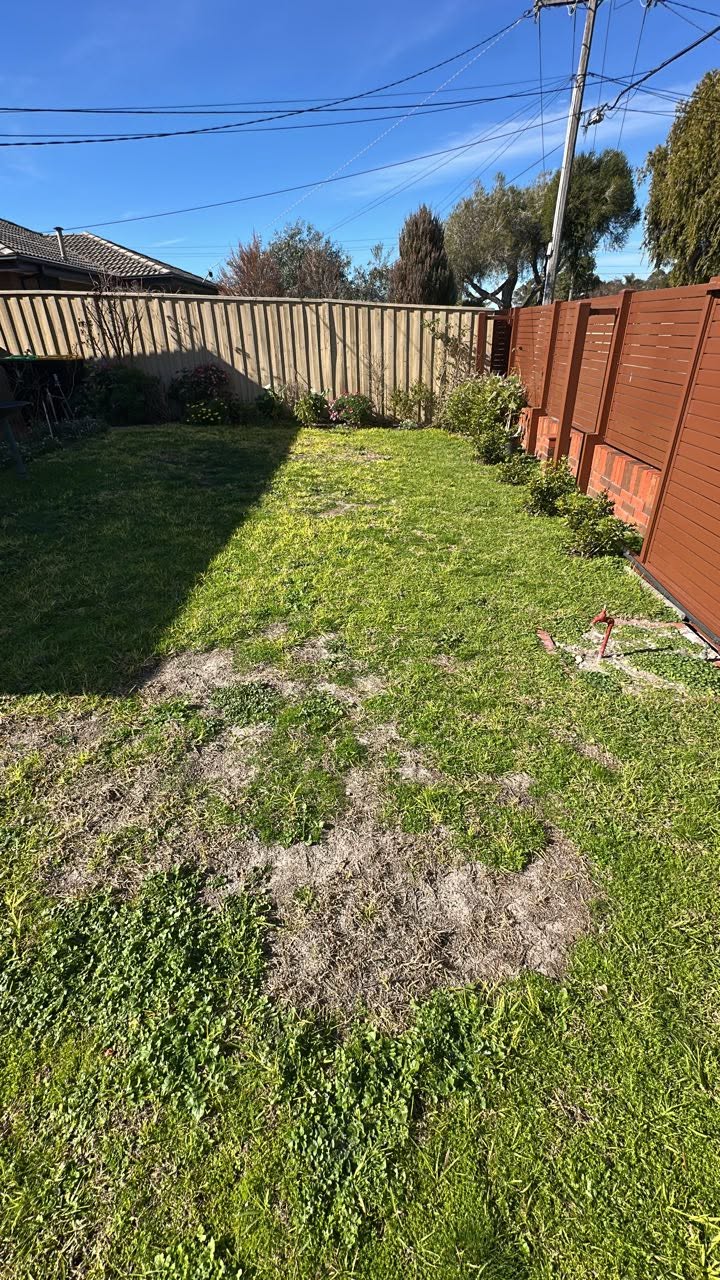
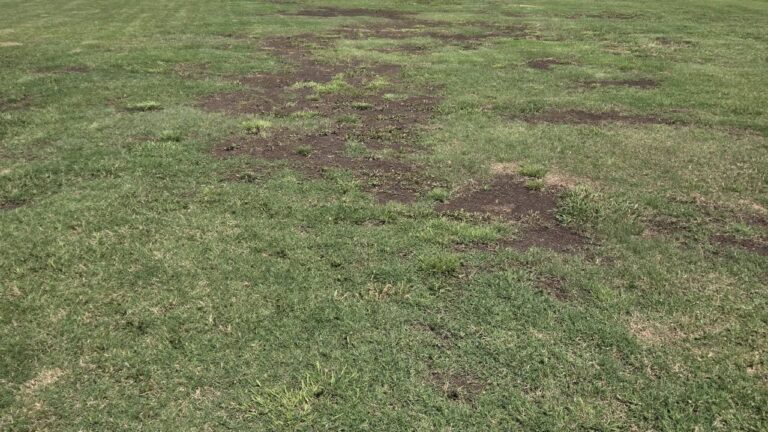
If the smell is accompanied by visible patches with unusual colouring — bleached or straw-coloured circles, a reddish tint, or a slightly slimy texture to the grass blades in the morning — that confirms an active fungal issue rather than just normal dampness. The fix depends on the severity, but improving air circulation by addressing what’s restricting it, avoiding evening watering in that zone, and not mowing the area while it’s wet are the first steps before considering a targeted fungicide treatment.
4. Sharp, Chemical or Bleach-Like Smell — Recent Pesticide or Pool Chemical Exposure
This smell is distinct from the others because it tends to be sharper and more immediate rather than a slow, ongoing odour. It usually shows up shortly after a specific event rather than building gradually.
The most common source on Sudbury properties is recent application of a weed or pest control product, particularly if it was applied at a higher concentration than recommended or without adequate dilution. The second common source, particularly relevant for properties with a pool, is chlorine from splash-out or backwash discharge — a sharp, almost bleach-like smell concentrated near the pool area is a strong indicator of this. I covered exactly how pool chemicals affect surrounding grass in the pool owners article here, including what to do about backwash discharge specifically.
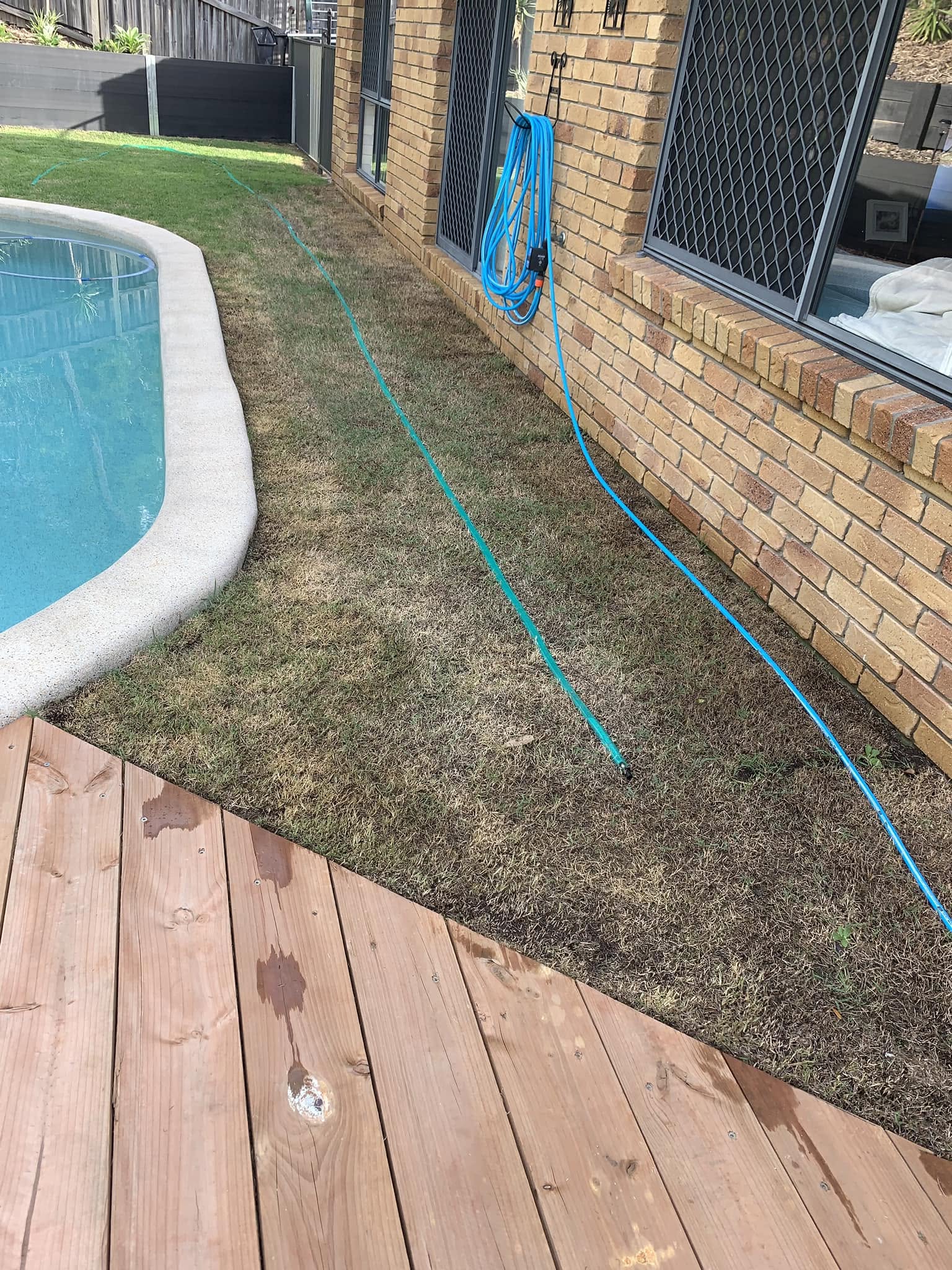
If you’re noticing this smell and you didn’t apply anything yourself, it’s worth checking with neighbours about recent treatments on adjacent properties, since spray drift on a windy day can carry onto a neighbouring lawn. This smell is usually temporary and dissipates within a day or two, but if grass in that area starts showing stress or discolouration afterward, that confirms enough product or chemical contact occurred to actually affect the turf, not just create a passing smell.
5. Strong Animal or Ammonia Smell — Wildlife or Pet Activity
This one has a sharper, more biological quality than the others — distinctly animal rather than plant or chemical — and it’s usually concentrated in a small area rather than spread across the lawn.
Concentrated dog urine produces a sharp ammonia smell along with the small circular brown patches with green rings that are the visual signature of urine damage. If you don’t have a dog, a neighbouring dog using a corner of your yard regularly, or wildlife activity, can produce the same effect. Skunks digging for grubs leave both a smell and small cone-shaped holes in the lawn surface where they’ve been foraging — if you’re getting both a skunk-adjacent odour and divots in the turf, that combination points toward grub activity attracting the wildlife as much as it points toward the wildlife itself.
Raccoons rolling back sections of sod looking for grubs produce a more general musty, animal smell along with the much more obvious sign of lifted turf. In both cases, the smell is really a symptom of an underlying grub population that’s attracting the animals in the first place — addressing the grubs, which I walked through in detail in the lawn grubs article here, removes both the wildlife’s reason to dig and the smell that comes with it.
What to Do With This Information
Smell is a genuinely useful diagnostic tool precisely because it often shows up before the visual damage does. A musty fungal smell in a shaded corner can alert you to a developing problem before the patches are clearly visible. A sharp ammonia smell tells you exactly where to look for a urine spot before it’s fully browned out. Even the sewer smell, while not a lawn issue itself, is worth not ignoring just because it’s coming from the yard rather than the house.
The general rule: a smell that fades within a day or two after a specific weather event or activity is usually nothing to worry about. A smell that persists, intensifies, or comes with a visual change in the grass is worth investigating further, either by walking through the relevant section of this article or by having someone take a direct look.
If you’re noticing something specific in your yard and you’re not sure which of these it matches, give me a call and describe it. Often I can narrow it down before I even walk the property, and tell you whether it’s a quick fix, something that needs a proper treatment, or something outside what lawn care actually addresses.
📞 705-507-6787
🔗 Get a Free Quote
📍 Serving Greater Sudbury — Garson, Val Caron, Hanmer, Lively, Chelmsford, Azilda, Capreol
— Ryan
Frequently Asked Questions
Why does my yard smell sour or sweet after it rains in Sudbury?
This is usually thatch and grass clippings decomposing faster than normal due to heat and humidity working together, a common pattern after a heavy Sudbury summer rain followed by hot, still air. It’s generally normal and fades within a day or two as conditions dry out. If the smell persists for many days or keeps intensifying, it may indicate thatch buildup well beyond the healthy half-inch layer, which benefits from dethatching and core aeration to resolve.
What does it mean if my yard smells like sewage in Sudbury?
A persistent sewer or rotten egg smell from a yard is rarely a lawn issue itself. It’s most often caused by a dry plumbing trap allowing sewer gas to escape, or in more serious cases, a cracked sewer line running under the property. If the smell is paired with an unusually lush, dark green patch of grass in a specific spot, that combination suggests escaping waste acting as fertilizer above a damaged line — worth having a licensed plumber investigate directly rather than treating it as a lawn problem.
Why does part of my lawn smell musty or earthy in Sudbury?
A musty, earthy smell concentrated in a specific shaded or poorly ventilated section of a lawn typically indicates fungal activity. Common Sudbury lawn fungal issues like red thread, dollar spot, and snow mould all thrive in persistent shade, restricted airflow, and surface moisture that doesn’t dry quickly. If the smell comes with visible bleached or discoloured patches, that confirms active fungal growth, and improving air circulation along with adjusting watering timing is usually the first step before considering treatment.
Does pool chemical exposure cause a smell in the lawn around the pool in Sudbury?
Yes. A sharp, bleach-like smell concentrated near a pool is a strong indicator of chlorine exposure from splash-out during regular use or from backwash water discharge during filter cleaning. This smell is usually temporary, but if grass in that specific zone shows stress or discolouration afterward, it confirms enough chemical contact occurred to actually affect the turf. Redirecting backwash discharge away from open lawn and rinsing splash-out zones with plain water reduces both the smell and the underlying damage.
What animal smell and lawn damage usually go together in Sudbury?
A strong ammonia smell paired with small circular brown patches with green rings indicates dog urine, either from a household pet or a neighbouring dog. A skunk-like odour combined with small cone-shaped holes in the turf usually means skunks digging for grubs. A more general musty animal smell along with sections of sod lifted or rolled back points toward raccoons doing the same thing. In the latter two cases, the smell and digging are both symptoms of an underlying grub population — treating the grubs removes the wildlife’s reason to dig in the first place.
Ryan Lingenfelter is the owner of Cutting Edge Lawn & Landscaping in Garson, Ontario. Since 2020, his crew has provided full lawn care services across Greater Sudbury — Garson, Val Caron, Hanmer, Lively, Chelmsford, Azilda, and Capreol. Cutting Edge is licensed, insured, BBB A+ rated, and ThreeBest Rated for lawn care services in Sudbury.
📞 Phone: 705-507-6787
📍 Service Area: Greater Sudbury, Ontario
🔗 Free Quote: cuttingedgelawn.ca/quote
Helpful Lawn Care Services in Sudbury
- Core Aeration for Healthy Lawns
- Grass Cutting Services
- Property Cleanup Services
- Sod Installation in Sudbury
- Mulch & Decorative Stone
- Hedge Trimming Services
Continue Reading
- Lawn Grubs in Sudbury — How to Spot Them Before They Kill Your Lawn
- Sudbury Pool Owners: The Lawn Damage You’re Causing Without Realizing
- How to Fix Clay Soil in Your Sudbury Lawn (Without Replacing It)