
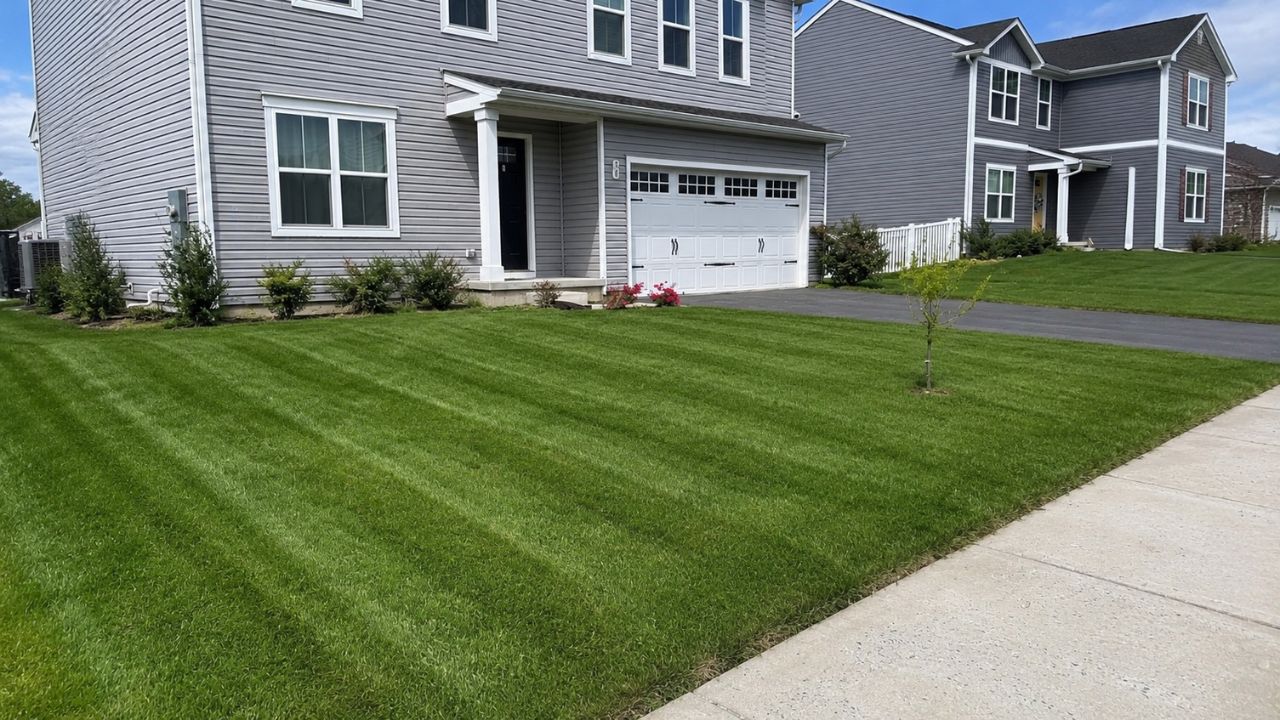
Hey, I’m Ryan Lingenfelter — owner of Cutting Edge Lawn & Landscaping in Garson, Ontario. Since 2020, my crew and I have worked on lawns all across Greater Sudbury — Garson, Val Caron, Hanmer, Lively, Chelmsford, Azilda, Capreol.
And every July and August, I get the same panicked call.
“Ryan, half my lawn just died. I don’t know what happened. It looked fine in June and now there are these huge brown patches I can literally lift up like a carpet.”
Nine times out of ten, when a homeowner describes lifting up dead grass like a carpet, I already know what they’re going to find when they pull it back. White grubs. Sometimes a dozen of them. Sometimes hundreds.
Grubs are probably the single most destructive lawn pest in Sudbury, and they’re also one of the most misunderstood. Homeowners treat the symptoms (the brown patches) without ever realizing what’s causing them. They water more. They fertilize. They reseed. None of it works because the grubs are still down there eating roots.
So let me walk you through this the way I would if you called me asking about your lawn today. What grubs actually are, how to tell if you have them, what actually kills them, and what to do when the damage is already done.
What Are Lawn Grubs and Why Sudbury Has So Many
Let’s start with what we’re actually dealing with. When I say “grubs,” I’m talking about the larval stage of beetles — most commonly in Sudbury, European chafer beetles and June bugs (also called May beetles). The adults are the brown beetles you see flying around your porch light in early summer.
Here’s the life cycle that matters for your lawn:
The adult beetles fly around in late May, June, and early July. The females lay their eggs in the soil — and they specifically love laying eggs in healthy, irrigated lawns. That’s the irony. The better your lawn looks in June, the more attractive it is to beetles looking for a good place to raise their young.
The eggs hatch underground a few weeks later. Now you’ve got white C-shaped larvae sitting two to four inches under your grass. From late July through October, those grubs do one thing — they eat. And what they eat is the roots of your lawn.
This is why grub damage hits in August. The eggs that were laid in June have hatched, the grubs have grown, and now they’re at peak feeding stage. Your lawn looks fine through July because the roots are still intact. By mid-August, those roots have been eaten away, and the grass on top dies all at once.
Sudbury has a couple of things working against it. Our clay-heavy soil holds moisture well, which beetles love. Our lawns are mostly Kentucky bluegrass and fescue, which grub larvae feed on heavily. And we don’t have the brutal southern Ontario summer heat that sometimes stresses grub populations. So they thrive here.
The 3 Signs Your Sudbury Lawn Has Grubs
If you’re trying to figure out whether you have a grub problem or something else entirely, here’s what I look for on every property where the homeowner suspects grubs.
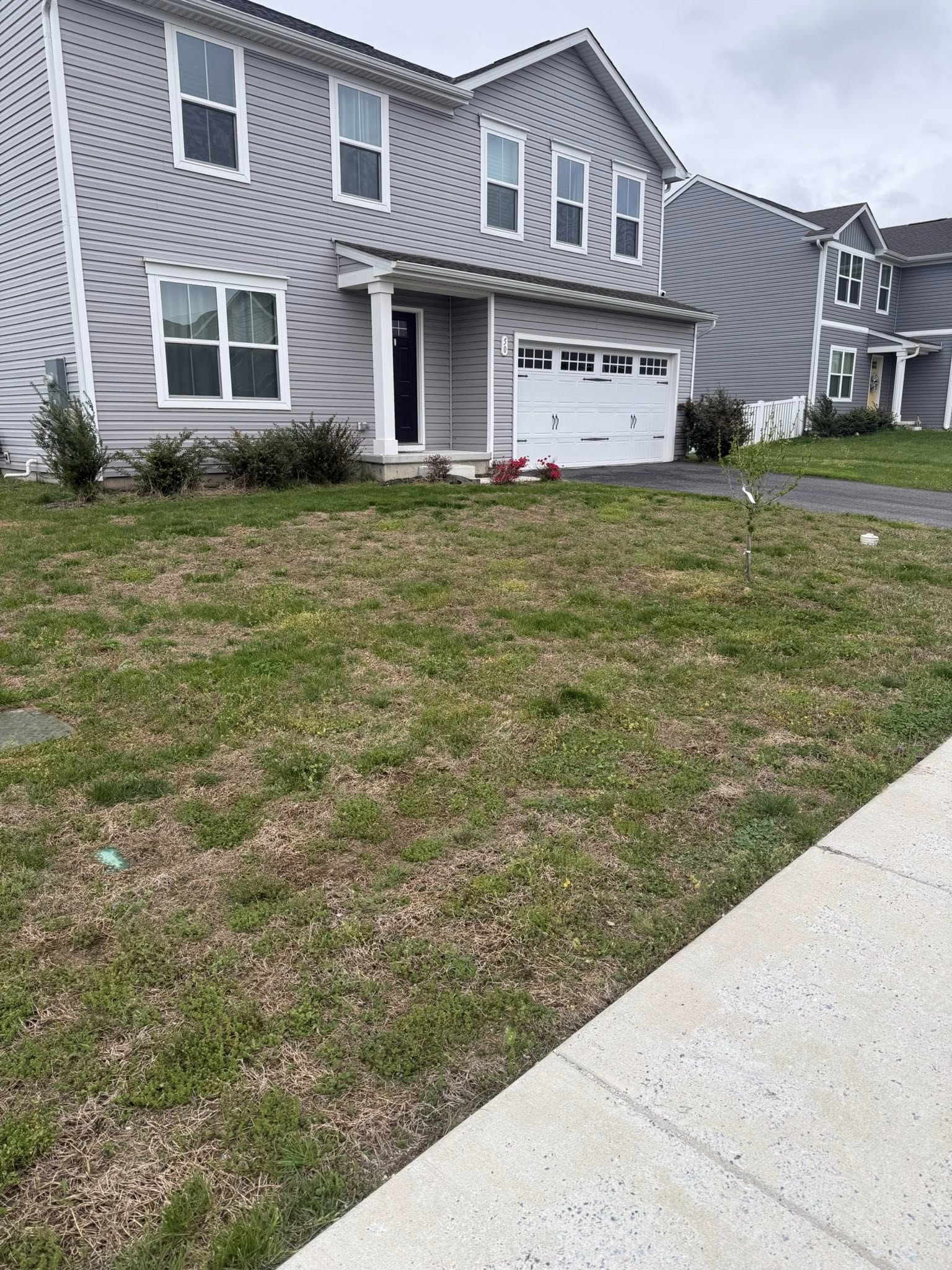
Sign 1: Irregular, expanding brown patches that look like drought damage but won’t respond to watering. This is the biggest one. Grub damage and drought damage look similar at first glance, but drought-damaged grass turns brown evenly across the lawn. Grub damage shows up in irregular patches that grow over a week or two, and watering doesn’t help because the roots are gone.
Sign 2: The grass lifts up like a carpet. This is the smoking gun. Take a piece of brown grass and gently pull on it. If the roots are healthy, it’ll resist. If the roots have been eaten by grubs, the grass comes up easily with no roots attached — it literally peels back like a piece of carpet. When I see this on a property, I don’t even need to dig to confirm the diagnosis.
Sign 3: Animals digging up your lawn at night. Skunks, raccoons, crows, and even bears in some Sudbury neighbourhoods all love grubs. They’re protein-rich and easy to dig up. If you’re waking up to fresh dig holes in your lawn — small holes a few inches across, often in the brown patch areas — your wildlife is telling you something. They’ve found the grubs and they’re feeding.
One sign that’s worth knowing about but isn’t reliable on its own — beetles around your porch light in June doesn’t necessarily mean you have grubs. Plenty of properties have beetles flying around without having a population issue in the lawn itself. The signs above are what actually matter for diagnosis.
How to Actually Test Your Lawn for Grubs
If you suspect grubs, here’s the test I’d tell you to do yourself before calling anyone. It takes 10 minutes and costs nothing.
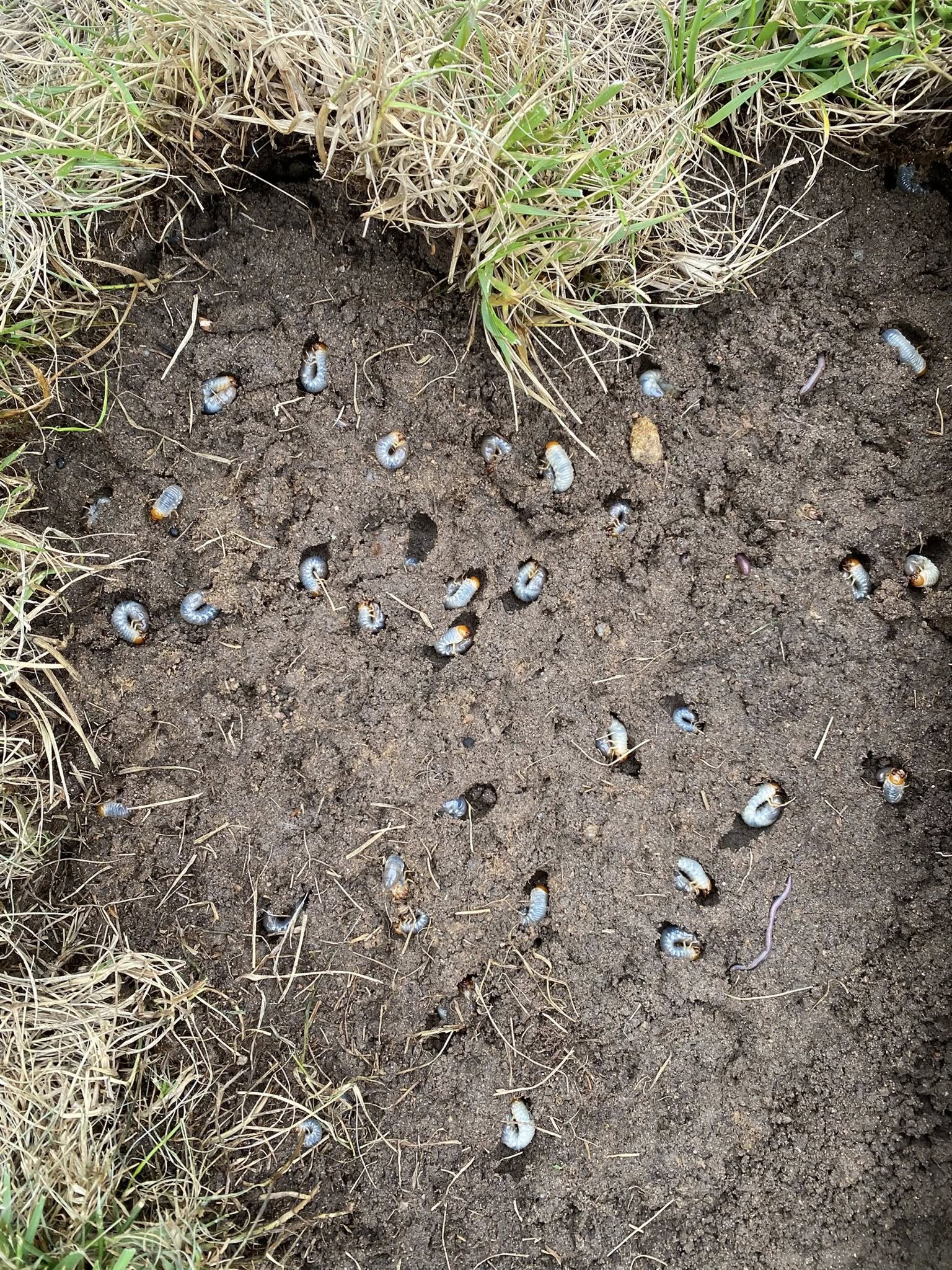
Pick a section of lawn near the edge of a brown patch — not in the dead centre. The edges are where the active feeding is happening. Using a sharp spade, cut a square about one foot by one foot, and about three inches deep. Pull the whole square up like a piece of sod.
Now flip it over and look at the underside, and also check the soil where the square came from.
You’re looking for white, C-shaped larvae with brown heads and visible legs near the head end. They range from about half an inch to a full inch long depending on how mature they are. They curl up into a C-shape when disturbed — that’s the most identifiable feature.
The thresholds I use:
- Fewer than 5 grubs per square foot: Normal background population. Most lawns have some grubs. No treatment needed.
- 5 to 10 grubs per square foot: Threshold zone. Worth treating proactively, especially if you’ve seen damage in past years.
- 10+ grubs per square foot: Active infestation. You need to act now. Damage is either already happening or about to.
One thing to be careful about — make sure you’re putting the test square back in properly. Press it back down firmly and water it well for the next few days to help the roots reconnect. A test cut on healthy lawn shouldn’t cause permanent damage if you handle it right.
The Window When Treatment Actually Works
This is the part that frustrates homeowners more than anything else. The right time to treat grubs is not when you see the damage. It’s months before.
By the time you’re looking at brown patches in August, the grubs are already large, well-established, and harder to kill. Worse, the damage to your lawn is already done — even if you kill every grub today, the roots they ate aren’t growing back this season.
The effective treatment window in Sudbury is late June through July. This is when the eggs have just hatched and the grubs are still small, soft, and vulnerable. Hit them in this window and you can wipe out a population before they cause serious damage.
Treating in August or September when you see damage? It works for prevention next year, but it won’t bring this year’s lawn back. The grubs you kill in September are the ones that would have continued feeding into October, and yes, killing them helps next spring. But you can’t undo August damage.
This is the conversation I have every August with frustrated homeowners. The treatment they need now should have happened six weeks ago. The lesson is always the same: plan grub treatment in June, not when you see the damage.
What Actually Works for Grub Control in Sudbury
Now the practical part. Once you’ve confirmed you have grubs, here’s what I’ve seen actually work over five years of dealing with this across Greater Sudbury.
Nematodes — the biological option. Beneficial nematodes are microscopic worms that hunt and kill grub larvae naturally. They’re applied as a soil drench. They work, but they’re picky. The soil needs to be warm (around 15°C minimum), consistently moist for two weeks after application, and applied at the right time — late June through early August. Most garden centres in Sudbury carry them. They’re the safer option if you have kids, pets, or pollinator-friendly gardens.
Granular grub control products. These contain ingredients that target the grubs through the root zone. They’re widely available and effective when applied in the right window — typically June into July. They need to be watered in deeply right after application to carry the active ingredient down into the soil where the grubs live. Ontario has restrictions on certain lawn pesticides, so always read the label and confirm the product is legal for residential use here.
Strong lawn health as long-term defence. This is what nobody likes to hear because it’s slow. But the truth is, a deeply rooted, well-maintained lawn handles grub populations way better than a stressed lawn. Lawns that are aerated annually, mowed at proper height, watered deeply, and fed appropriately can tolerate moderate grub populations without showing significant damage. The reverse is also true — a thin, stressed lawn will get devastated by the same grub population that a healthy lawn would shrug off.
I’ve written about most of these maintenance fundamentals in other guides — when to aerate, how to water properly, and the mowing height that protects your roots. Get those right and you’ve already done most of the work to defend against grubs without ever buying a product.
What DOESN’T Work — Myths I Hear Every Year
Just as important as knowing what works is knowing what doesn’t. Here are the grub control myths I have to talk customers out of every summer in Sudbury.
Dish soap drench. You’ll find this online — mix dish soap with water and pour it on your lawn. It does almost nothing to grubs at the depth they live, and it can damage your grass. Skip it.
Coffee grounds. Won’t hurt your lawn, won’t help with grubs. Use them in your compost instead.
Cutting your lawn shorter to “expose” grubs. Grubs live two to four inches under the soil surface. Your mower doesn’t reach them. All this does is stress your lawn further and make grub damage worse.
Watering more. Counterintuitive but worth knowing — heavily watered lawns are actually more attractive to egg-laying beetles in June. You don’t want to underwater, but excessive watering during egg-laying season can make your lawn a target.
Generic insecticide spray on the surface. Surface sprays don’t penetrate to where grubs live. You need a product designed to be watered into the soil, or biological treatment like nematodes.
If a product or method sounds too easy or too cheap, it probably is. Real grub control requires the right product, applied at the right time, watered in correctly.
When the Damage Is Too Bad — Lawn Replacement Time
Sometimes by the time I get the call, the conversation isn’t about treatment anymore. It’s about replacement. And I’d rather be honest with you about that than sell you on a treatment that won’t fix what’s already gone.
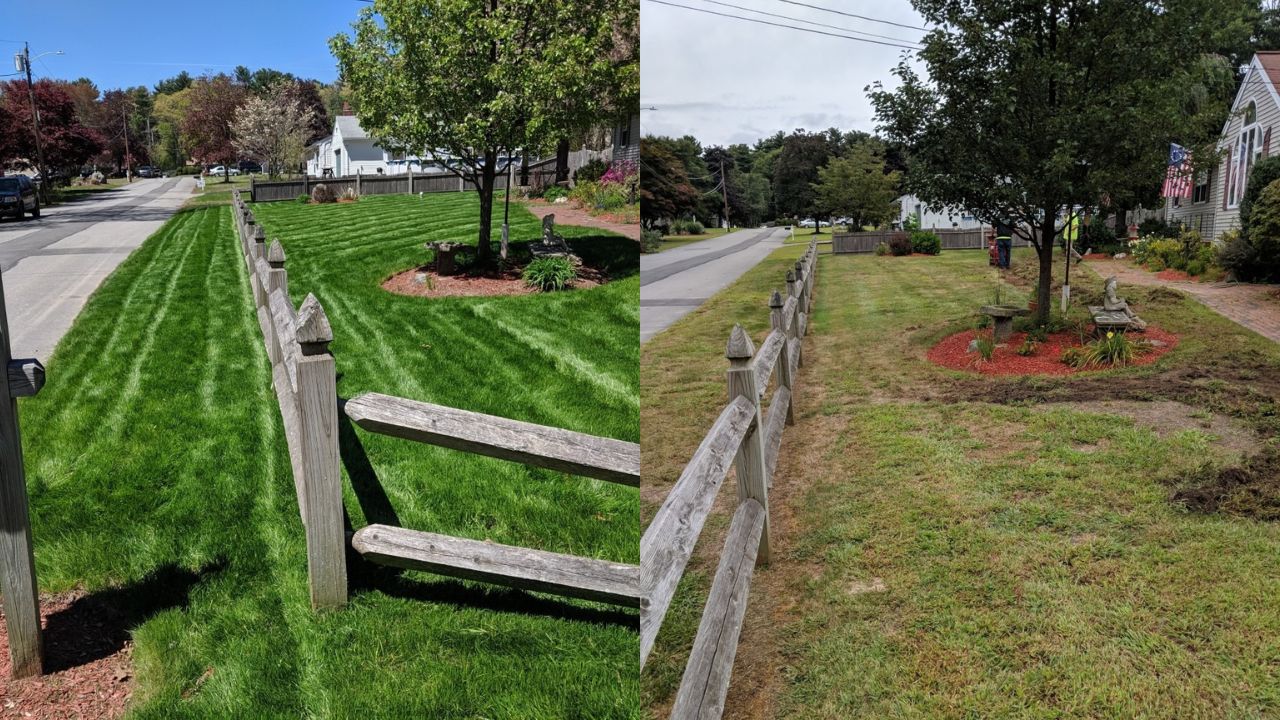
If less than 30% of your lawn is damaged by grubs, treatment plus overseeding in the fall can usually bring it back. The healthy grass spreads, new seed fills the gaps, and by next summer the lawn is back to normal.
If 30% to 50% of your lawn is damaged, you’re in a grey area. Sometimes overseeding works. Sometimes patch sod over the worst areas combined with treatment is the better call. This is a property-by-property decision.
If more than 50% of your lawn is dead from grub damage, we’re usually looking at full sod installation for the affected areas. I’ve covered the full process in detail in my complete Sudbury sod installation guide — timing, soil prep, pricing, the whole conversation.
The good news with sod replacement after grub damage is that you can address two problems at once. We treat the grubs in the soil during the installation, prepare proper topsoil and grading, and lay fresh sod that’s grub-free. Done right, you can have a healthy new lawn within a few weeks and protection against next year’s grub cycle.
The cost depends on the scope. Spot sod replacement on a damaged area might be a few hundred dollars. Full lawn replacement runs in the range I covered in my pricing guide — $2.50 to $4.50 per square foot fully installed for most Greater Sudbury properties.
Prevention for Next Year — What to Do This Fall and Spring
If you’ve dealt with grubs this season, here’s what I’d put on your calendar for next year to avoid going through the same thing.
September aeration. Aerated soil drains better, supports deeper roots, and creates a healthier lawn that handles grub pressure better. We do a lot of fall aeration on Sudbury properties for exactly this reason.
Fall overseeding. Thicker lawns are more grub-resistant. Overseeding in September fills in any thin areas before next spring.
Proper fall watering. Don’t shut off the hose at the first cool week. Sudbury lawns benefit from continued deep watering through September and into October if the weather is dry. Strong roots going into winter mean strong recovery in spring.
Don’t mow too short in fall. Same rule as summer. Keep the deck at 3 inches. Taller grass means deeper roots, which means more resilience against grubs.
Plan June treatment. Set a calendar reminder for late June 2027. Order nematodes or schedule professional grub treatment for the right window. Don’t wait until you see damage.
When to Call a Professional vs Handle It Yourself
Here’s my honest take. Grub control is one of those things where DIY can work, but the margin for error is small.
DIY makes sense if you’ve got a small lawn, you’ve confirmed grubs with a test cut, and you’re going to apply treatment in the right window (June-July). Nematodes from a garden centre, applied correctly, can handle most residential grub problems.
Hire a professional if you’ve got a large property, recurring grub problems year over year, damage that already needs repair, or you’re not sure what you’re looking at. Mis-timed or wrongly applied treatment is worse than no treatment — you’ve spent money and the grubs are still there.
Cutting Edge Lawn & Landscaping handles grub damage diagnosis, treatment timing recommendations, lawn replacement when grubs have gone too far, and the full year-round maintenance — grass cutting, core aeration, sod installation, and property cleanup — across Greater Sudbury, including Garson, Val Caron, Hanmer, Lively, Chelmsford, Azilda, and Capreol.
If you’re seeing damage you think might be grubs, or you want to be proactive before they show up, give me a call. I’ll come out, do the test cut myself, look at the rest of the property, and tell you honestly what’s going on.
Call 705-507-6787 for a free on-site assessment, or send your property details through the Get A Free Quote page.
Hope this helped you figure out what’s going on with your lawn. If you’ve got a question I didn’t cover, just call. Happy to walk through it.
Helpful Related Reading for Sudbury Homeowners
- My Sudbury Lawn Has Brown Patches — Here’s Exactly What’s Causing It
- Complete Sod Installation Guide for Sudbury 2026
- Spring or Fall — When Should You Actually Aerate Your Sudbury Lawn?
- How to Water Your Sudbury Lawn Through the Summer
Frequently Asked Questions
What are lawn grubs and where do they come from?
Lawn grubs are the larval stage of beetles — most commonly European chafer beetles and June bugs in Greater Sudbury. Adult beetles lay their eggs in healthy lawns during late May through early July. The eggs hatch underground a few weeks later, and the white C-shaped larvae feed on grass roots from late July through October.
How do I know if my Sudbury lawn has grubs?
The three reliable signs are irregular brown patches that won’t respond to watering, dead grass that lifts up like a carpet because the roots are gone, and animals (skunks, raccoons, crows) digging up your lawn at night searching for grubs. To confirm, cut a one-foot square of turf three inches deep near a brown patch and look for white C-shaped larvae underneath.
When is the best time to treat lawn grubs in Sudbury?
Late June through July is the effective treatment window in Greater Sudbury. This is when the grubs have just hatched, are small and vulnerable, and treatment can wipe out a population before significant damage occurs. Treating in August or September when you see brown patches works for next year’s prevention but won’t bring this year’s lawn back.
How many grubs are too many for a Sudbury lawn?
Most lawns have some background grub population. Under 5 grubs per square foot is normal and doesn’t require treatment. 5 to 10 grubs per square foot is the threshold where proactive treatment makes sense. More than 10 grubs per square foot means active infestation and immediate action is needed.
Will my Sudbury lawn recover from grub damage?
It depends on severity. Lawns with less than 30% damage can usually recover with treatment plus fall overseeding. Lawns with 30 to 50% damage may need patch sod combined with treatment. Lawns with more than 50% damage typically need full sod installation in the affected areas because the roots are too far gone to recover.
Ryan Lingenfelter is the owner of Cutting Edge Lawn & Landscaping in Garson, Ontario. Since 2020, his crew has provided full lawn care and pest damage assessment across Greater Sudbury — Garson, Val Caron, Hanmer, Lively, Chelmsford, Azilda, and Capreol — including grub damage diagnosis, lawn repair, sod installation, and full property maintenance. Licensed, insured, BBB A+ rated, and ThreeBest Rated for lawn care services in Sudbury.
📞 Phone: 705-507-6787
📍 Service Area: Greater Sudbury, Ontario
🔗 Free Quote: cuttingedgelawn.ca/quote
