
I’m going to tell you something I don’t usually lead with when I’m on a quote call.
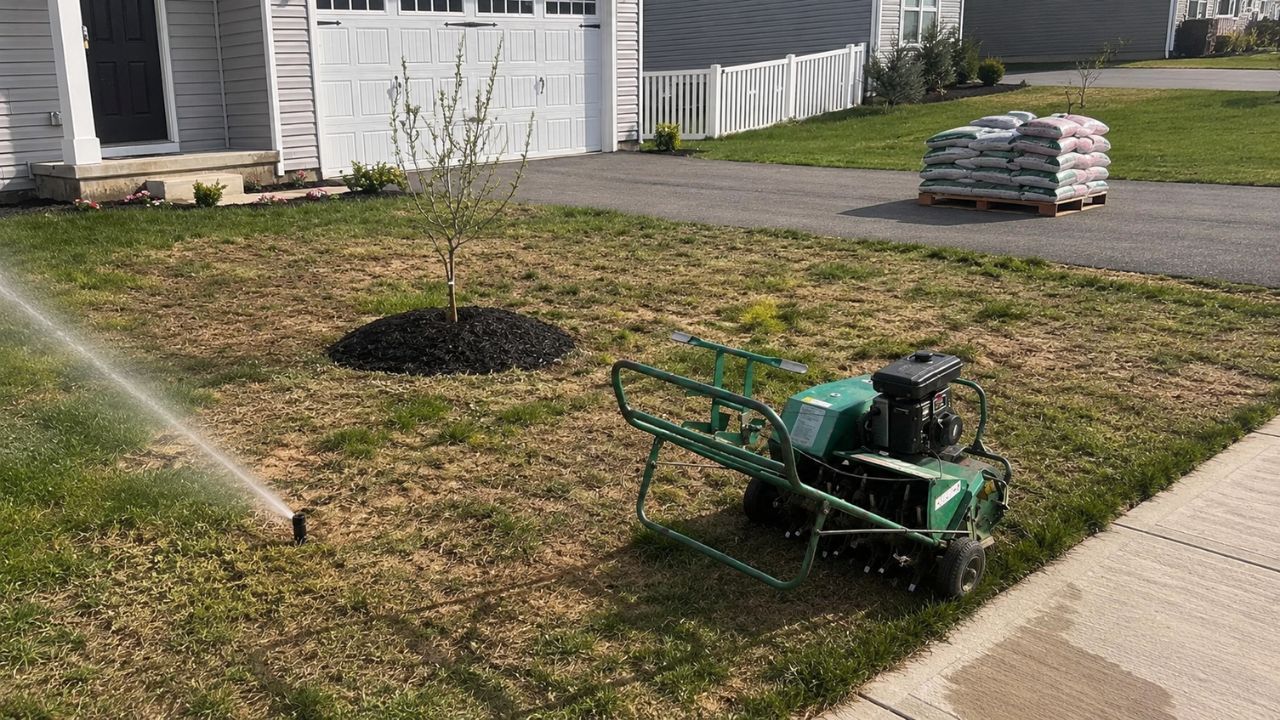
Before I started Cutting Edge Lawn & Landscaping, I had a lawn that looked embarrassing. Not a little rough around the edges. Actually bad. Thin in patches, weeds everywhere, brown stretches through July that I couldn’t explain. I tried everything I could think of to fix it. For three years in a row, I’d put in the work every spring and end up in the same place by August.
I’m Ryan Lingenfelter, owner of Cutting Edge Lawn & Landscaping in Garson, Ontario. I’ve been maintaining properties across Greater Sudbury since 2020 — Garson, Val Caron, Hanmer, Lively, Chelmsford, Azilda, Capreol. And the reason I’m telling you this is because what I learned from failing on my own lawn is exactly what I now use on every property I work on.
So here’s the honest story. What I tried. What didn’t work. What finally did. And what it taught me that no YouTube video or bag of lawn fertilizer ever explained properly.
Year One — The Fertilizer Phase
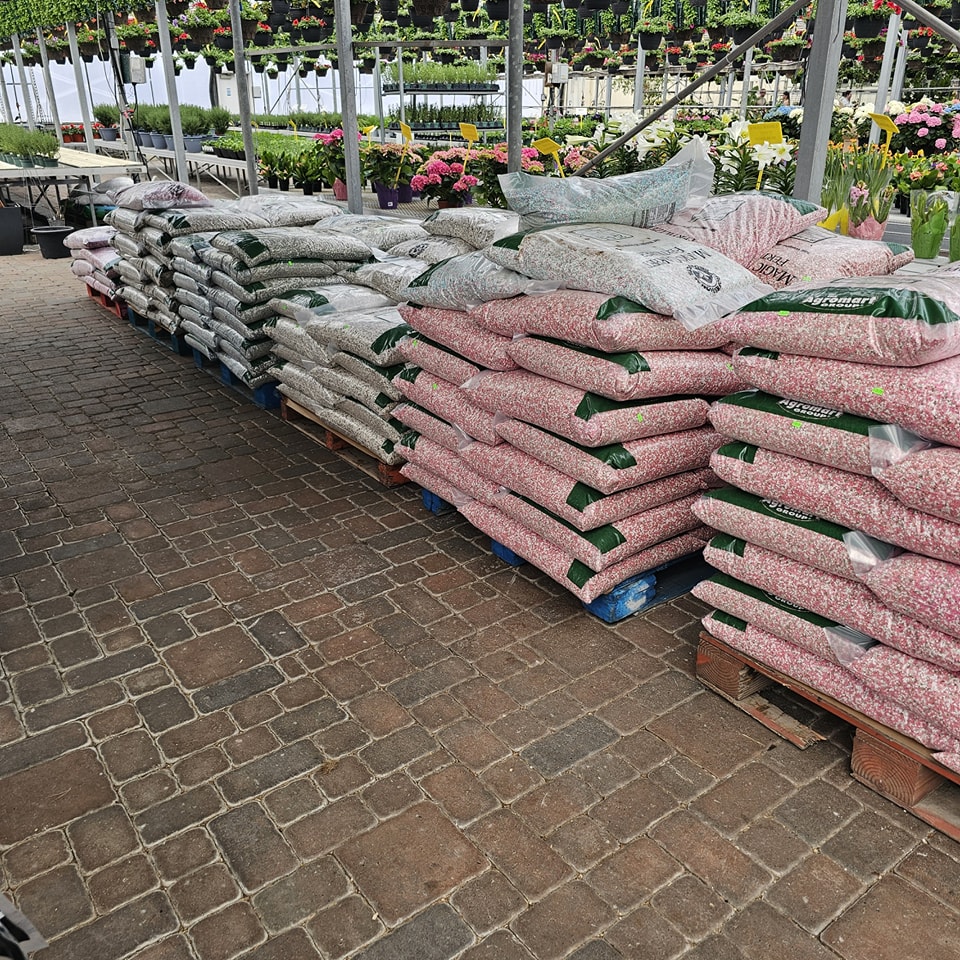
The first thing most people reach for when their lawn looks bad is fertilizer. I did the same thing. Made sense to me — the lawn looks thin and yellow, it must need food. So I went to the garden centre, bought a bag of granular fertilizer with a high nitrogen number on the front, and put it down in early May.
The lawn greened up. I felt like a genius for about three weeks.
Then July came. Same brown patches as the year before. Same thin spots that wouldn’t fill in no matter what I did. Same weeds pushing through in the areas that weren’t growing properly.
Here’s what I didn’t understand yet. Fertilizer feeds grass that’s already healthy and growing well. It doesn’t fix grass that’s struggling because of a different problem underneath. Putting fertilizer on a lawn with compacted soil, the wrong mowing height, or poor root structure is like giving vitamins to someone with a broken leg. It’s not useless — but it’s not addressing the actual problem either.
I put fertilizer down three times that first year. The lawn looked okay in May and June. By August it was back to being a mess. I’d spent money and time and ended up exactly where I started.
Year Two — The Watering Phase
Second year, I decided the problem was water. Not enough in summer, obviously. So I set up sprinklers and ran them religiously. Every other day. Sometimes every day when it got dry. The lawn is going to be green this year, I told myself. I’m going to out-water the problem.
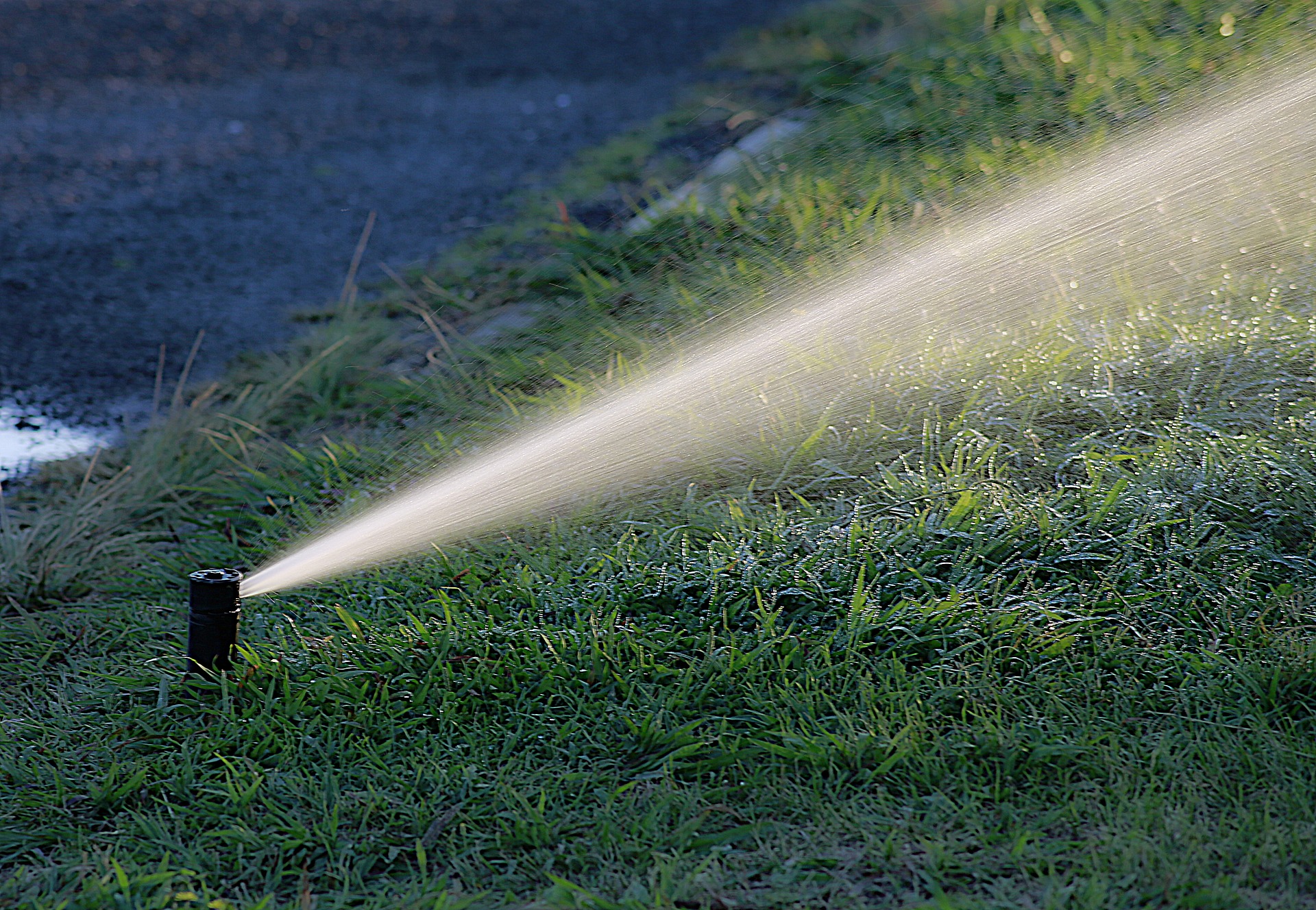
The lawn stayed greener longer that summer. I’ll give myself that. But the brown patches were still there. The thin spots were still thin. The weeds had actually spread — turns out frequent shallow watering is pretty much perfect for weed germination, which I didn’t know at the time.
And then we hit a stretch in late July where Sudbury had water restrictions and I couldn’t run the sprinklers on my usual schedule. The lawn went brown within a week. Faster than my neighbour’s lawn, faster than I expected. I couldn’t figure out why the grass was so fragile even after all that watering.
What I didn’t understand was that frequent shallow watering trains grass roots to stay near the surface. The roots don’t need to go deep because there’s always water available up top. When the watering stops, those shallow roots have nothing to pull from and the lawn browns out immediately. I was creating a dependent lawn, not a resilient one.
Deep watering twice a week builds roots that go down looking for moisture. Those roots can handle a dry stretch. Daily light watering builds roots that can’t survive a week without you.
I’d been watering all summer and making the underlying problem worse.
Year Three — The Overseeding Phase
By year three I’d done enough reading to know that overseeding was supposed to fix thin lawns. Spread new seed over the existing grass, water it in, new grass fills the gaps. Simple enough.
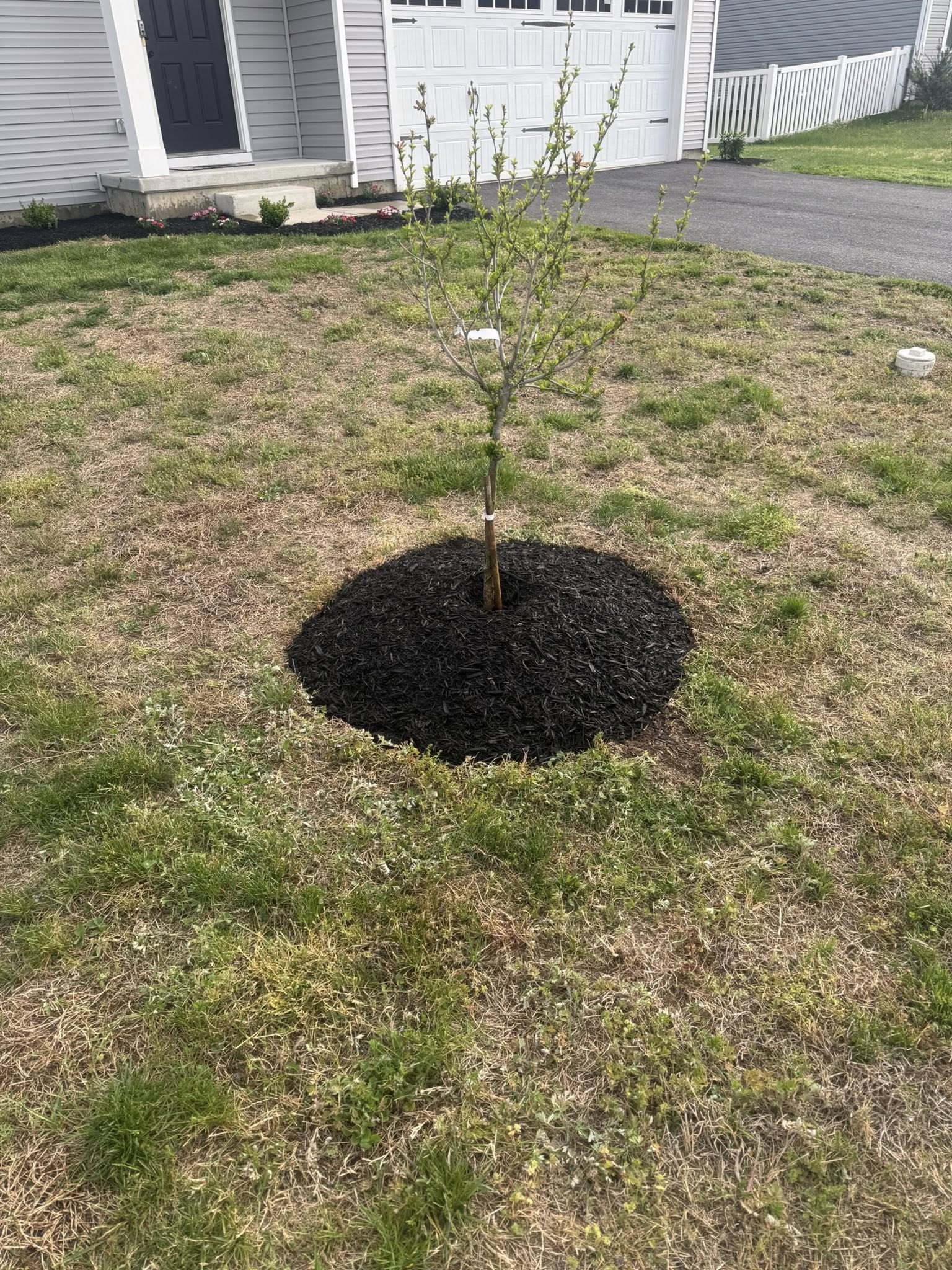
I overseeded in late May. I watered carefully. Some of the seed germinated. The thin spots looked marginally better for a few weeks.
By July, those new seedlings were struggling. By August, half of them were gone. The lawn looked about the same as it had for the past two years.
Here’s what I finally started to understand. The seed wasn’t the problem and the watering wasn’t the problem. The soil was the problem. I was trying to grow grass in compacted soil that couldn’t support proper root development. New seedlings germinate fine in compacted soil. They just can’t establish deep roots. So they survive for a few weeks and then the first dry stretch or heat wave takes them out.
I’d been treating symptoms for three years. Fertilizer for yellow grass. More water for dry grass. New seed for thin grass. None of it addressed what was actually happening underneath.
What Finally Fixed It — And Why It Worked
The thing that finally turned my lawn around wasn’t a product. It was understanding the actual problem and addressing it directly.
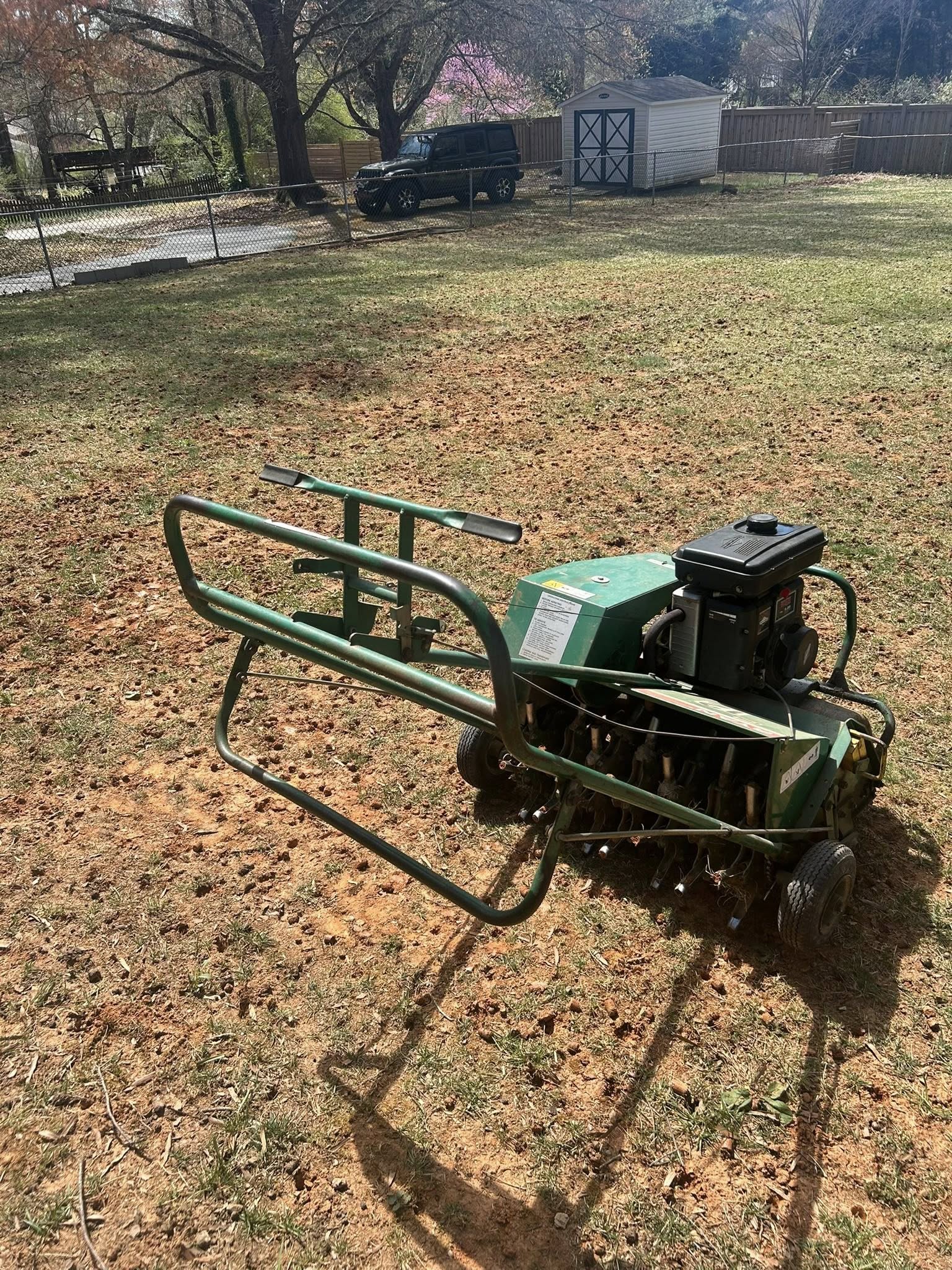
I had the lawn core aerated in late May. Proper core aeration — hollow tines pulling plugs out of the ground across the entire lawn, not just a pass with a spike aerator. The plugs came up and I could see immediately how compacted the soil was. They were dense, hard, barely any air pockets. No wonder the roots couldn’t go anywhere.
Then I overseeded — but this time after aeration, with the seed falling into the plug holes and making direct contact with the soil. And I changed my watering to deep twice a week instead of light every day.
Then I raised my mowing height. I’d been cutting at whatever the mower defaulted to, which was too short. I brought it up to 3 inches and left it there.
By the end of that first season with aeration, the difference was visible. The thin spots started filling in — not just germinating, actually filling in and staying. The brown patches in July were less severe. The lawn felt different underfoot — less like packed dirt, more like actual turf with some give to it.
By the following spring, I had a lawn I wasn’t embarrassed about for the first time in four years.
What Those Three Years Actually Taught Me
I wouldn’t trade those three years of failure because they’re the reason I approach every property the way I do now. Here’s what I actually learned.
Most lawn problems in Sudbury start with the soil, not the grass. The grass is just showing you what’s happening underneath. Yellow, thin, patchy, weedy — these are symptoms. Compacted soil, wrong mowing height, shallow root development — these are causes. Treat the cause and the symptoms usually resolve on their own.
Sudbury winters do real damage that most homeowners don’t account for. Six months of snow load and freeze-thaw cycles compacts Sudbury soil significantly every year. A lawn that looked fine in October is starting from a disadvantaged position in May. Core aeration every spring isn’t overkill here — it’s maintenance.
The order of operations matters. Aerate first, then overseed, then adjust your watering. Not the other way around. Overseed without aeration and you’re planting into compacted soil. Aerate and overseed and you’re giving the seed a real chance.
Mowing height is the most underrated factor in lawn health. I’ve written about this in more detail in the mowing height article here, but the short version is this: grass cut too short has shallow roots and can’t handle stress. Three inches minimum in Sudbury. Every cut, every season.
Patience is part of it. I wanted to fix the lawn in one season. It took more than one. A lawn that’s been struggling for years doesn’t fully recover in a single spring no matter what you do. The right approach produces results — but it produces them over a full season, not a month.
What I’d Tell Someone Starting From the Same Place I Was
If your lawn looks the way mine did — thin, patchy, weeds everywhere, browning out every July — here’s exactly what I’d do if I was starting over.
First, get a proper spring cleanup done. Get the debris, dead material, and thatch cleared off the surface so everything you do after that actually reaches the soil.
Second, book core aeration for late May. Not a spike aerator from the rental place — proper core aeration that pulls plugs. This is the single most impactful thing you can do for a struggling Sudbury lawn.
Third, overseed right after the aeration while the plug holes are open. Late May through early June is the window for spring overseeding in Sudbury. Use a quality seed blend appropriate for your sun conditions.
Fourth, switch your watering to deep twice a week. Long slow watering that soaks down 4 to 6 inches. Stop the daily light sprinkling. Your roots will thank you by August.
Fifth, raise your mower deck to 3 inches and leave it there. Don’t drop it for the “last cut of the season” or because the lawn looks long. Three inches minimum, all season.
Do those five things consistently and your lawn will look different by the end of the first season. Not perfect — it takes more than one season to fully recover from years of struggling. But noticeably, meaningfully better.
When to Call Someone Instead of Doing It Yourself
I’ll be honest — I did eventually hire help, and I should have done it sooner. Not because I couldn’t do the work myself, but because having someone walk the property and tell me what they actually saw would have saved me two years of guessing.
If you’ve been at this for more than one season and you’re not seeing improvement, it’s worth having someone take a look. Not to sell you something — just to tell you what they see. Sometimes there’s a drainage issue. Sometimes the soil needs amendment beyond what aeration alone can fix. Sometimes the lawn has gotten past the point where repair makes sense and replacement is the honest answer.
I do free property assessments for homeowners across Greater Sudbury. I’ll walk the property, tell you what I see, and give you a straight opinion on what it needs — whether that’s a service we offer or just advice you can act on yourself. No pressure, no pitch.
Call me at 705-507-6787 or fill out the free quote form here. If your lawn looks the way mine did, let’s figure out what’s actually going on before you spend another season throwing fertilizer at a soil problem.
— Ryan
📞 705-507-6787
🔗 Get a Free Quote
📍 Serving Greater Sudbury, Ontario
Frequently Asked Questions
Why does my Sudbury lawn look bad even after fertilizing and watering?
Fertilizer and water address symptoms, not causes. Most struggling Sudbury lawns have compacted soil from harsh winters — and compacted soil prevents proper root development regardless of what you put on the surface. Core aeration addresses the underlying compaction and is usually the missing piece for lawns that don’t respond to standard treatments.
What is the most effective way to fix a thin patchy lawn in Sudbury?
The most effective sequence is: spring cleanup first, then core aeration in late May, then overseeding directly after aeration, then switching to deep watering twice a week and raising the mowing height to 3 inches. Doing these in the right order matters — aeration before overseeding dramatically improves seed establishment.
How long does it take to fix a bad lawn in Greater Sudbury?
A lawn that’s been struggling for several years typically takes one full season to show significant improvement and two seasons to fully recover. The first season after proper aeration and overseeding produces visible results — thicker coverage, fewer bare patches, better drought resistance — but full recovery takes consistent maintenance through at least one complete growing cycle.
Is core aeration really necessary every year in Sudbury?
For most Sudbury properties, yes — annual spring aeration is maintenance, not a luxury. Sudbury winters cause significant soil compaction every year through snow load and freeze-thaw cycles. A lawn that isn’t aerated annually is starting each growing season with increasingly compacted soil, which progressively weakens the root system.
When is the best time to overseed a lawn in Sudbury?
Right after spring core aeration in late May is a good window — seed falls into the plug holes and makes direct soil contact, which dramatically improves germination. Late August to early September is the other ideal window, as cooler temperatures favour germination and the seedlings don’t face summer heat stress during establishment. Avoid overseeding in the heat of July — germination rates are low and new seedlings rarely survive.
Should I hire someone to fix my lawn or do it myself?
If you’ve been working on the lawn for more than one season without improvement, having someone walk the property and give you an honest assessment is worth the call — even if you end up doing the work yourself. Sometimes what looks like a maintenance problem is actually a soil or drainage issue that changes the approach entirely. A free assessment costs nothing and can save you from another season of treating the wrong problem.
Ryan Lingenfelter is the owner of Cutting Edge Lawn & Landscaping in Garson, Ontario. Since 2020, his crew has provided full lawn care services across Greater Sudbury — Garson, Val Caron, Hanmer, Lively, Chelmsford, Azilda, and Capreol. Cutting Edge is licensed, insured, BBB A+ rated, and ThreeBest Rated for lawn care services in Sudbury.
📞 Phone: 705-507-6787
📍 Service Area: Greater Sudbury, Ontario
🔗 Free Quote: cuttingedgelawn.ca/quote
Helpful Lawn Care Services in Sudbury
- Core Aeration for Healthy Lawns
- Grass Cutting Services
- Sod Installation in Sudbury
- Property Cleanup Services
- Mulch & Decorative Stone
- Hedge Trimming Services
Continue Reading
- My Sudbury Lawn Has Brown Patches — Here’s Exactly What’s Causing It
- Spring or Fall — When Should You Actually Aerate Your Sudbury Lawn?
- When Does a Sudbury Lawn Need to Be Replaced? (And When Can It Be Saved)
