
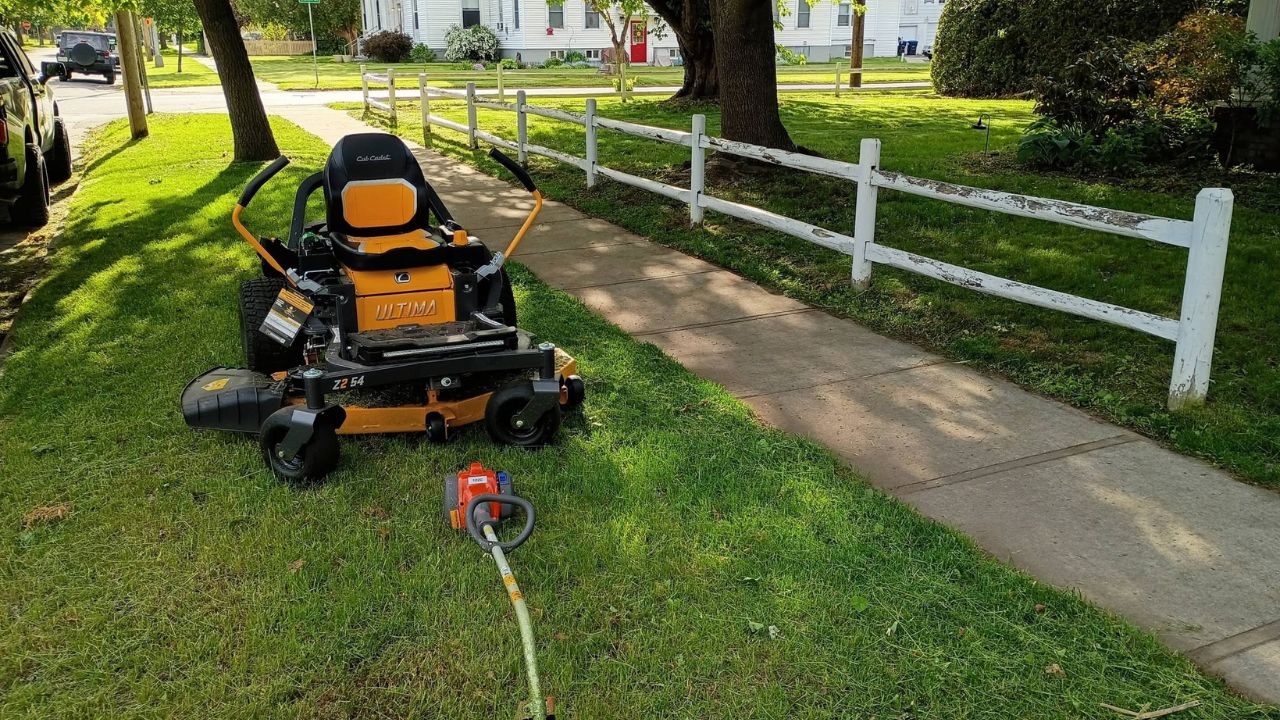
I want to be careful with how I frame this, because I’m obviously not a neutral party — I run a small, owner-operated company, so of course I think there’s value in that model. But rather than make a general argument about it, I want to give you three specific, real situations from the last couple of seasons where being small actually changed the outcome for the customer. Not in theory. In the actual sequence of events.
I’m Ryan Lingenfelter, owner of Cutting Edge Lawn & Landscaping in Garson, Ontario. Since 2020, I’ve personally handled or directly overseen every job we’ve taken on across Greater Sudbury — Garson, Val Caron, Hanmer, Lively, Chelmsford, Azilda, Capreol. Here are three examples of what that structure actually makes possible, compared to how a larger operation is typically set up to respond to the same situation.
Example 1 — Same-Day Schedule Change Without a Phone Tree
A homeowner in Hanmer called me on a Thursday morning, genuinely apologetic, asking if there was any way to move her cut from the following Tuesday to that same afternoon. Her in-laws were arriving a week earlier than planned for a visit, and she wanted the lawn looking right before they pulled in the driveway.
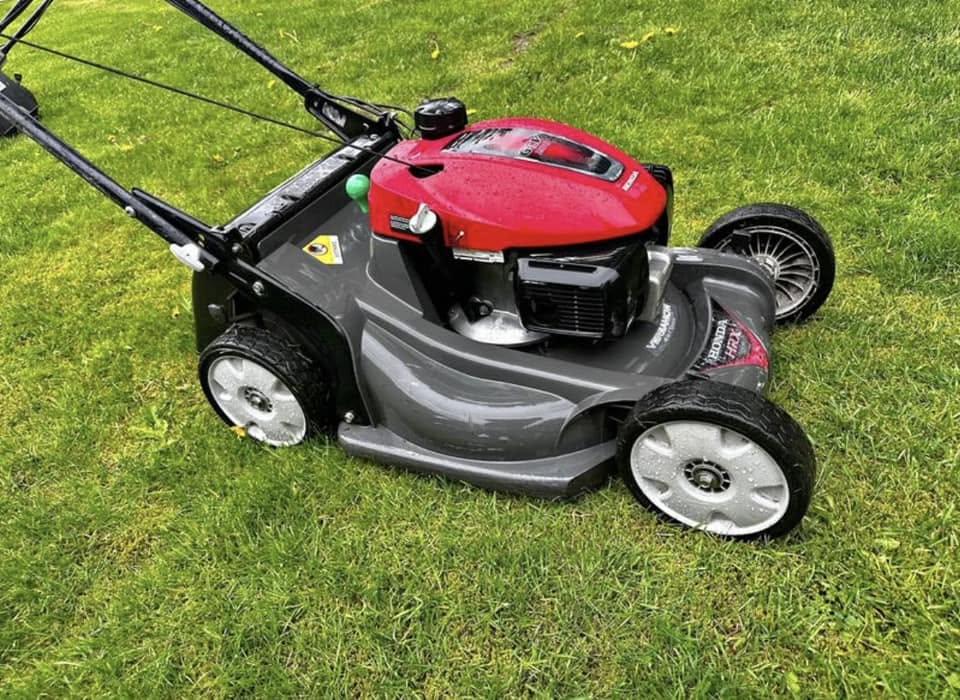
Because I’m the one who answers the phone, knows the day’s route, and makes the scheduling decisions myself, I looked at where I already was that afternoon, saw I could reasonably fit her property in between two other stops without throwing off anyone else’s appointment, and told her I’d be there by 3pm. I was.
At a larger company, this same request typically goes through a different structure — a call centre or office staff member who takes the message, then has to check with a dispatcher or route manager about whether a same-day change is even possible given the crews already out in the field, then call the customer back once that’s confirmed, sometimes hours later. None of that is anyone being incompetent. It’s just what happens when there’s a layer between the person answering the phone and the person who actually controls the schedule. With one person doing both, that layer doesn’t exist, and a same-day favour that would otherwise require several phone calls and a wait just happens.
Example 2 — Noticing a Developing Problem Before It Became Expensive
I’ve maintained a property in Val Caron on a regular schedule for three seasons now. On a routine visit in early June, I noticed a section near the back fence that looked slightly different from how it had looked two weeks earlier — not dramatically, just a subtle change in colour and texture that I happened to catch because I’ve been looking at that exact property, in that exact condition, every two weeks for three years.
I mentioned it to the homeowner before I left that day, we walked the spot together, and I did a quick pull test that confirmed early-stage grub activity — caught well before the damage had spread or become visually obvious to someone who wasn’t already familiar with what normal looked like on that specific lawn.
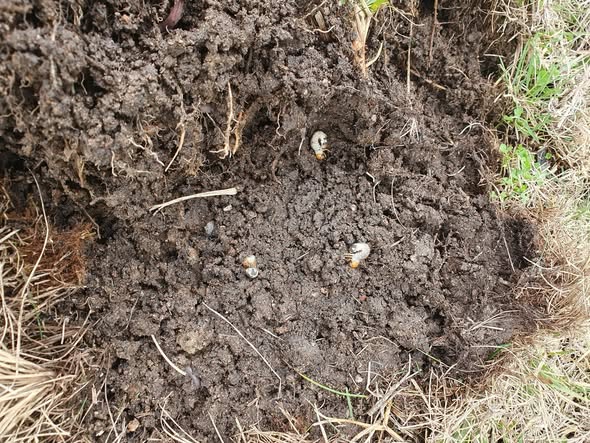
This is the kind of catch that depends on continuity — the same person seeing the same property repeatedly, building a working memory of what’s normal for that specific lawn. At a larger operation with rotating crews, the person mowing a property this week is often not the same person who was there two weeks ago, and even when it is the same person, they’re frequently covering a high volume of different properties without the chance to build that specific familiarity with any one of them. A subtle change that I caught because I know exactly what that corner of that yard normally looks like is much easier to miss when you’re seeing dozens of different properties on rotation rather than the same ones repeatedly. I covered what this specific situation looks like once it’s progressed further in the lawn grubs article here — catching it at the early stage this homeowner did meant a simple treatment rather than the reseeding or sod work that would have been needed a few weeks later.
Example 3 — A Direct, Honest Answer About Something Outside the Original Quote
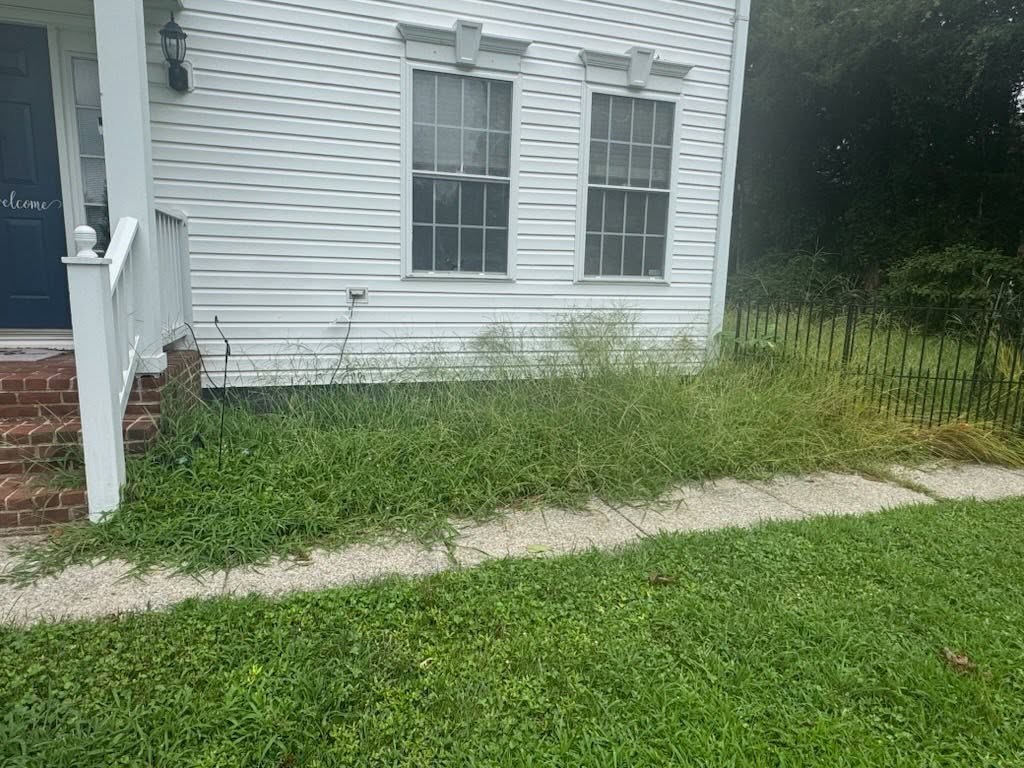
A homeowner in Lively called about a fairly standard property cleanup, and when I walked the property to put together the quote, I noticed something that had nothing to do with what she’d called about. A section of fence at the back corner of the property was leaning noticeably, and the post looked like it had rotted at the base — likely from water pooling against it.
This wasn’t part of the cleanup job and I wasn’t going to charge her to point it out. I just mentioned it before I left — told her what I saw, why it was probably happening, and that she might want to get a fence company to look at it before the post failed completely and the section came down.
This kind of unprompted observation tends to happen more naturally when the person walking the property is the same person who’s going to be back next visit, has a personal relationship with the customer, and has no internal process they need to follow to flag something outside the scope of the original job. At a larger company, an employee on a crew is generally focused specifically on the task they were assigned, and raising something unrelated to that task — even something genuinely useful to the homeowner — isn’t necessarily part of what they’re there to do or what they’re being evaluated on. It’s not that crew members at bigger companies don’t notice things or don’t care. It’s that the structure doesn’t naturally route that kind of observation back to the customer the way a direct owner-operator relationship does.
What This Means — And What It Doesn’t Mean
I want to be fair about the other side of this. Larger companies have real advantages too — more equipment capacity for bigger jobs, more crew availability during peak season when a small operation might be booked solid, and sometimes more specialized equipment for things like large-scale hardscaping or commercial properties that genuinely need that scale.
What these three examples actually demonstrate isn’t that small is universally better. It’s that a specific structural difference — one person handling scheduling, maintenance, and customer relationships directly rather than those functions being split across different people and departments — produces specific, real advantages around responsiveness, continuity, and the kind of unprompted attention that’s hard to build into a larger organization’s process. I wrote more generally about what professional service actually looks like in this article, but these three situations are the concrete version of that — actual moments where the structure of how the business is run changed what happened for the customer.
If you’re choosing between a larger company and a smaller owner-operated one for a standard residential property, the practical question worth asking either way is who specifically will be doing the work, how consistently the same person or crew will be on your property, and how scheduling changes and unexpected issues actually get handled in practice — not just whether the company calls itself professional, but what the answer actually looks like when something needs to happen quickly or something unexpected comes up.
If you want that kind of direct, consistent relationship with whoever’s maintaining your property, give me a call. I answer the phone, I do the walks, and I’m the one who’ll notice if something’s changed on your lawn before it becomes a bigger problem.
📞 705-507-6787
🔗 Get a Free Quote
📍 Serving Greater Sudbury — Garson, Val Caron, Hanmer, Lively, Chelmsford, Azilda, Capreol
— Ryan
Frequently Asked Questions
Is a small lawn care company better than a large one in Sudbury?
It depends on what matters most for your situation. Small, owner-operated companies tend to offer faster scheduling flexibility, more continuity since the same person works your property repeatedly, and more direct communication without layers of office staff or dispatchers. Larger companies often have more capacity for big jobs and more crew availability during peak season. For a standard residential property where consistency and direct communication matter most, a well-run small operation often has structural advantages that are hard for a larger company to replicate.
Why does the same person maintaining my lawn matter in Sudbury?
Continuity allows whoever’s working your property to build a working memory of what’s normal for that specific lawn — making it easier to catch subtle changes like early grub damage, a developing drainage issue, or thinning in a specific section before it becomes a bigger, more expensive problem. Rotating crews at larger companies, even competent ones, don’t always have the same chance to build that property-specific familiarity, since they’re often covering a higher volume of different properties.
Can a small lawn care company in Sudbury handle scheduling changes quickly?
Often yes, specifically because there’s no separate dispatching layer between the person answering the phone and the person controlling the day’s route. Owner-operated companies can frequently accommodate same-day or short-notice schedule changes by directly assessing their own route in real time, whereas larger companies typically route such requests through office staff and a dispatcher before confirming back with the customer, which takes longer.
Do small lawn care companies in Sudbury have proper insurance and equipment?
It varies, and this is worth confirming directly with any company regardless of size. Many legitimate small operations carry full commercial liability insurance and use professional-grade equipment, while operating with lower overhead than a larger company. Ask any company — large or small — whether they’re insured, what equipment they use, and who specifically will be doing the work on your property. The size of the company isn’t itself a reliable indicator of insurance or equipment quality; the specific answers to those questions are.
What should I ask a small landscaping company before hiring them in Sudbury?
Ask who specifically will be on your property for each visit and whether that’s consistent over time, how scheduling changes and unexpected issues get handled in practice, and whether they carry commercial liability insurance with proof available. A direct, specific answer to each of these — rather than a vague reassurance — is a good sign regardless of how large or small the company is.
Ryan Lingenfelter is the owner of Cutting Edge Lawn & Landscaping in Garson, Ontario. Since 2020, his crew has provided full lawn care services across Greater Sudbury — Garson, Val Caron, Hanmer, Lively, Chelmsford, Azilda, and Capreol. Cutting Edge is licensed, insured, BBB A+ rated, and ThreeBest Rated for lawn care services in Sudbury.
📞 Phone: 705-507-6787
📍 Service Area: Greater Sudbury, Ontario
🔗 Free Quote: cuttingedgelawn.ca/quote
Helpful Lawn Care Services in Sudbury
- Grass Cutting Services
- Core Aeration for Healthy Lawns
- Property Cleanup Services
- Sod Installation in Sudbury
- Mulch & Decorative Stone
- Hedge Trimming Services
Continue Reading
- What “Professional Lawn Care” Actually Means in Sudbury — And How to Spot It
- Lawn Grubs in Sudbury — How to Spot Them Before They Kill Your Lawn
- How Much Should You Pay for Lawn Mowing in Sudbury? 2026 Price Guide
