By Ryan Lingenfelter — Owner, Cutting Edge Lawn & Landscaping · Garson, Ontario · Serving Greater Sudbury since 2020
I cut grass for a living. Which means that when I get home from a full day of lawn care across Greater Sudbury, the last thing I feel like doing is spending an hour on my own lawn.
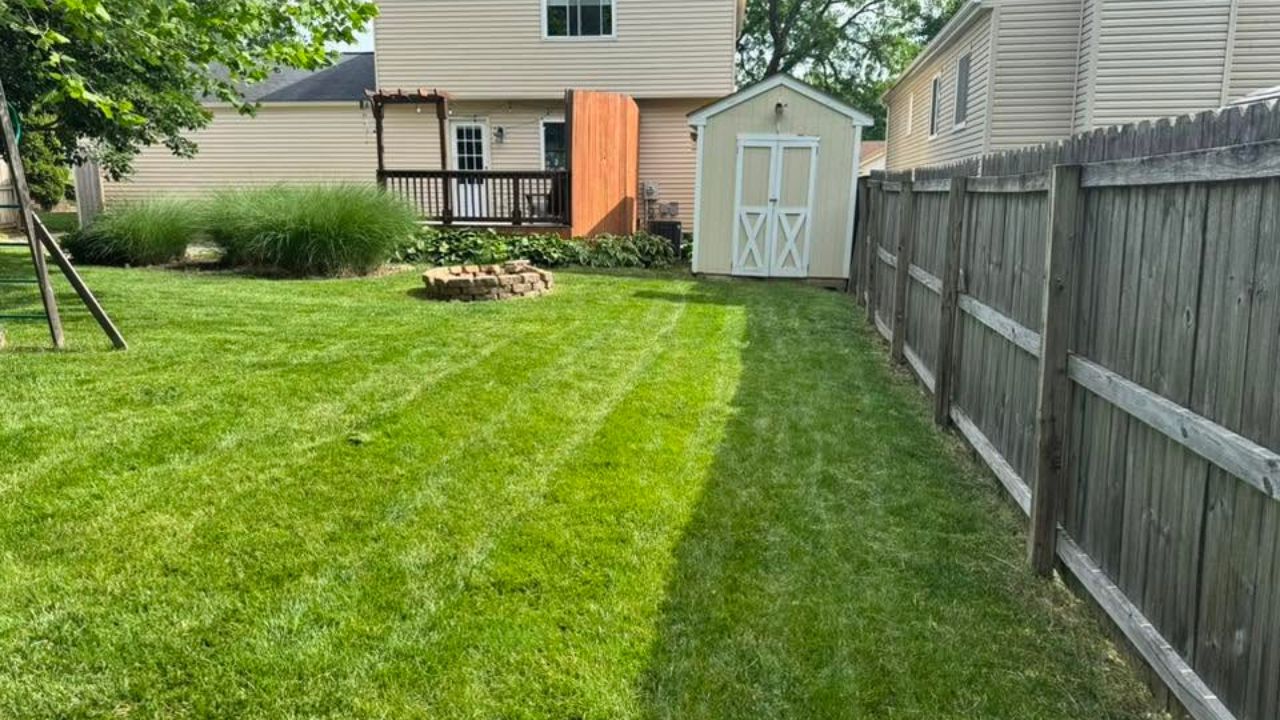
And I don’t. My own lawn in Garson looks good — honestly, it looks better than most of the properties I service, which I think is only fair given what I do for work. But I spend significantly less time maintaining it than most homeowners spend on properties half the size.
The difference is three specific shortcuts I’ve developed over five years of doing this professionally. These aren’t corners I cut that hurt the lawn — they’re adjustments to when and how I do things that eliminate time without eliminating results. I’ve thought carefully about which of these are genuinely replicable for Sudbury homeowners doing their own lawn care, and these three made the cut.
Shortcut 1 — Leave the Clippings. Every Single Cut.
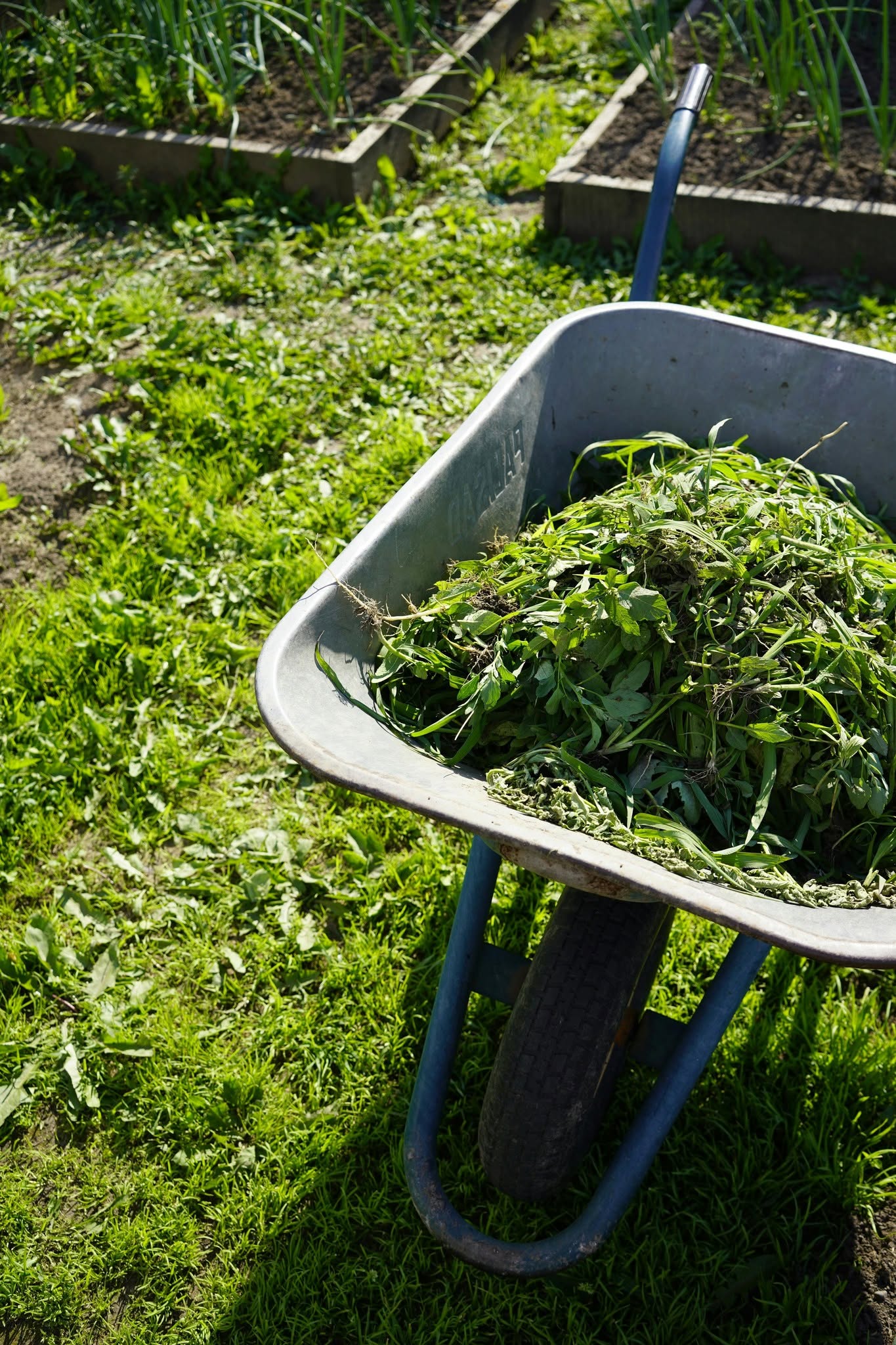
The single biggest time drain on most DIY lawn care isn’t the cutting — it’s the bagging. Attaching the bag, stopping to empty it, hauling it to the compost, reattaching, continuing. On a medium-sized Sudbury property, bagging can add thirty to forty-five minutes to every single cut through the growing season. Over a full season from May to October, that’s five to seven hours of time spent dealing with clippings.
I haven’t bagged a single cut on my own lawn in four years. The clippings go right back on the lawn every time.
This isn’t a compromise — it’s actually better for the lawn than bagging. Grass clippings are roughly 80 percent water and break down within a few days into the surface of the lawn. They return nitrogen, potassium, and organic matter to the soil without any cost or effort. They shade the soil surface slightly, which reduces evaporation in summer. On my own lawn, I estimate the clippings return the equivalent of one fertilizer application per season — for free, automatically, every cut.
The concern most homeowners have is clumping — visible rows of clippings sitting on top of the lawn that look messy and can smother the grass underneath. This happens when you cut too infrequently and the volume of clippings is too high to disperse properly. The fix is simple: cut on a consistent weekly schedule and never take off more than a third of the blade height at once. On that schedule, clippings from a weekly cut disappear into the lawn within a day or two. No bagging, no mess, no extra time.
If you’ve been bagging every cut, try stopping for one month. You’ll notice the time savings immediately and the lawn impact — if your schedule is weekly — will be positive rather than negative.
Shortcut 2 — One Deep Watering Session, Not Daily Light Watering
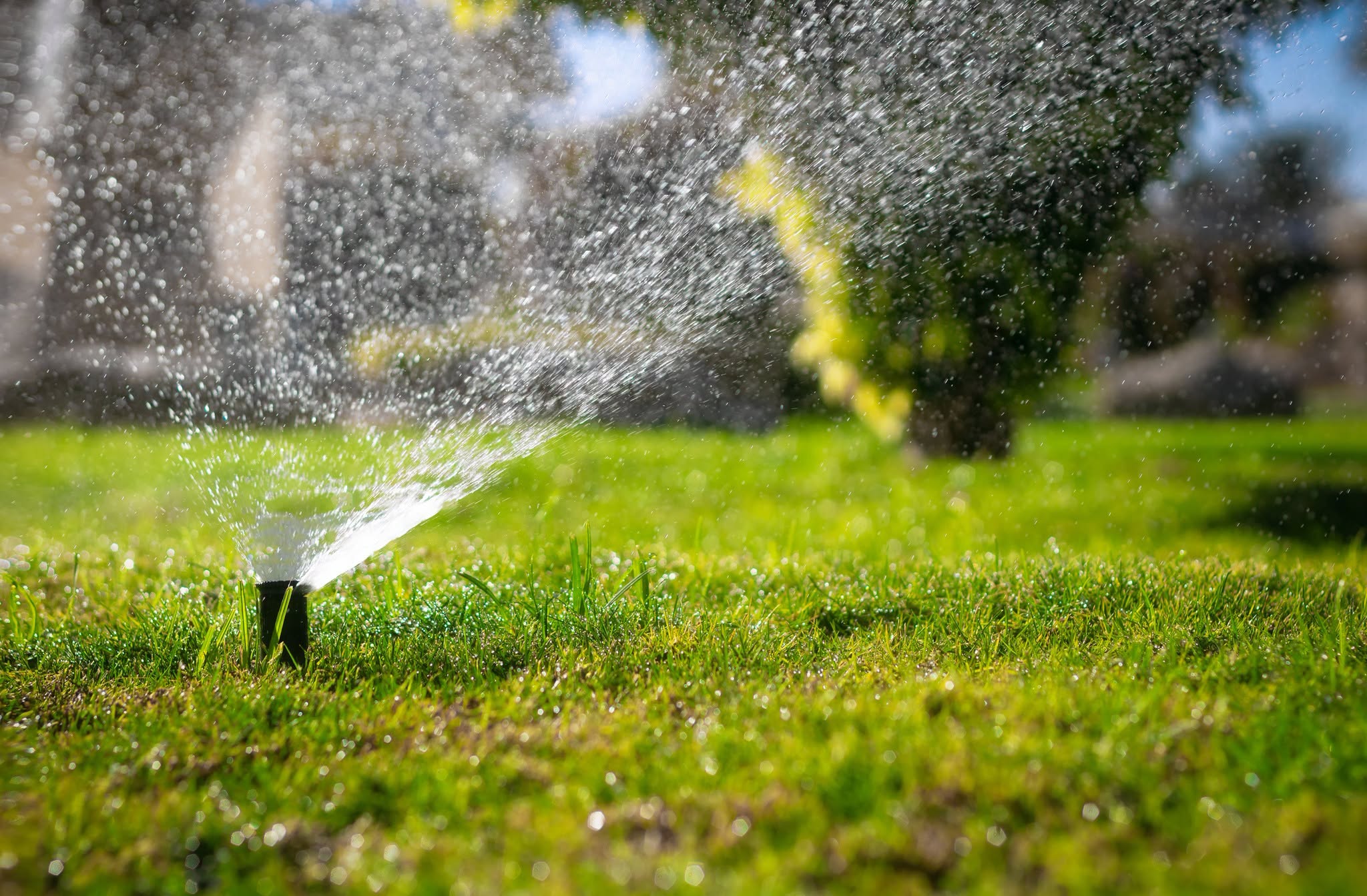
The watering routine most Sudbury homeowners follow — run the sprinkler for fifteen or twenty minutes every evening — is more time-consuming and less effective than the alternative I use on my own lawn.
I water my lawn once a week. One long session — long enough to push moisture four to five inches into the soil. That’s it. No daily watering, no checking whether it rained enough, no moving a sprinkler around the yard multiple times a week.
The time saving is obvious — one session versus seven. But the lawn benefit is also better, which is what makes this a proper shortcut rather than just a lazy compromise. Deep infrequent watering builds root depth by training grass roots to follow moisture down rather than staying near the surface. By mid-June on my own lawn, the root depth from consistent deep watering is significantly better than on comparable properties getting daily light watering — and that root depth is what carries the lawn through the dry weeks in July without needing emergency intervention.
July lawn stress in Sudbury is almost always a rooting depth problem before it’s a rainfall problem. The lawns that hold colour in dry July stretches have roots deep enough to access moisture that shallow-rooted lawns can’t reach. One deep watering per week builds that depth faster than daily surface watering ever will.
The practical setup on my own lawn: I have a stationary sprinkler positioned to cover the main areas. I set a timer, let it run for forty-five minutes, move it once to cover the rest of the yard, let it run another forty-five minutes. Total active time: maybe five minutes to set up and move. Total passive time: ninety minutes of water going into the ground. Then nothing for a week.
During rainy weeks, I skip entirely. During dry weeks, I might do it twice. But the default is once, and the lawn on that schedule looks better in August than lawns getting daily watering through July.
Shortcut 3 — Let the Spring Do the Cleanup Slowly

This one will sound counterintuitive from someone who sells spring cleanup services. Bear with me.
Most homeowners — and most lawn care companies — do a big full spring cleanup in May. Rake everything, bag everything, completely clear the surface before the season starts. It takes hours. On my customer properties, I do a proper spring cleanup because that’s the service they’re paying for and it produces the right starting conditions for the season.
On my own lawn, I do it differently. In early May I do a light rake of the worst accumulation — the sections where leaves or debris have matted over winter in a way that blocks light. That takes twenty minutes. Then I let the first two or three cuts handle the rest. The mower mulches the remaining debris and light dead material into the lawn surface. By the third cut, the surface looks clean without any additional hand raking.
The reason this works is that most spring debris — light dead grass, scattered leaves, small twigs — breaks down fine when mulched by the mower. What needs hand removal is the heavy stuff: thick matted leaf accumulation, branches, any material dense enough to smother the grass underneath. A twenty-minute selective rake to address the worst sections, then let the mower handle the rest, produces essentially the same result as a full spring cleanup for a fraction of the time.
The caveat: this doesn’t work if you had heavy leaf fall and didn’t address it in autumn. A proper fall cleanup prevents the situation where spring cleanup is a two-hour job rather than a twenty-minute one. On my own lawn I do a thorough fall cleanup every October — which is why I can get away with a minimal spring cleanup in May. The two are connected.
This also doesn’t replace core aeration — which I still do in May on my own lawn every year. The aeration is the foundation work that’s non-negotiable. The surface cleanup is where I take the shortcut.
What These Three Things Have in Common
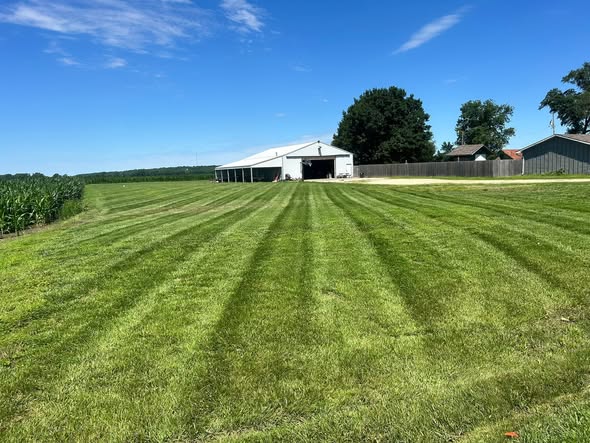
Looking at these three shortcuts together, there’s a pattern: they all eliminate time spent on things that don’t directly improve the lawn, while keeping the time spent on things that do.
Bagging clippings doesn’t improve the lawn — it removes organic matter that would have gone back in for free. Eliminating it saves time without costing results. Daily light watering doesn’t build root depth — it maintains surface moisture without improving the lawn’s resilience. Switching to deep weekly watering saves time and improves results simultaneously. Intensive spring raking on every section of the lawn doesn’t improve most of it — selective attention to the worst areas and letting the mower handle the rest produces the same clean surface in a fraction of the time.
The foundation work — aeration every spring, consistent cut height all season, fall cleanup before winter — I don’t shortcut. Those are the things that actually build a good Sudbury lawn and they don’t have equivalent shortcuts. But the time savings from the three adjustments above — somewhere between three and five hours a month depending on lawn size — come entirely from the parts of the routine that weren’t adding value anyway.
Following a smart seasonal approach through the Sudbury growing season means knowing which activities matter and which are habit rather than necessity. These three are habit. Dropping them costs nothing and gives back meaningful time.
If you want to talk through what your own Sudbury lawn routine could look like — what to keep, what to drop, what would actually make a difference — reach out. I’m happy to take a look and give you a straight read on where your time is and isn’t well spent.
— Ryan Lingenfelter
Cutting Edge Lawn & Landscaping, Garson, Ontario
📞 705-507-6787
Serving all of Greater Sudbury — Garson, Hanmer, Val Caron, Lively, Chelmsford, Azilda, Capreol, and Sudbury proper. We offer grass cutting, core aeration, property cleanup, sod installation, and full lawn maintenance. Free quotes, no pressure.
Get a Free Quote |
Call 705-507-6787