

I’m Ryan Lingenfelter — owner of Cutting Edge Lawn & Landscaping in Garson, Ontario.
If you’ve ever searched for sod installation advice online and tried to apply it to a Sudbury property, you’ve probably noticed something. The results don’t match. The timelines are off. The establishment is slower than promised. The watering advice doesn’t produce what it’s supposed to produce. The soil prep recommendations feel inadequate for what you’re actually working with.
There’s a reason for that. Most sod installation content — including the content produced by GTA-based companies with large online presences — is written for conditions in southern Ontario. Loamy soil with reasonable depth. Milder winters. Shorter freeze-thaw cycles. Properties where the topsoil is actually topsoil.
Sudbury is not those conditions. Sudbury is Canadian Shield. And the differences matter in every step of a sod installation — from what the soil needs before the sod goes down, to what variety establishes reliably here, to how long the rooting process takes, to what kills new sod on Sudbury properties that wouldn’t kill it in Mississauga.
I’ve been installing sod across Greater Sudbury since 2020. Here’s the honest comparison between what works in the GTA and what actually works here.
The Soil Difference — The Foundation of Everything
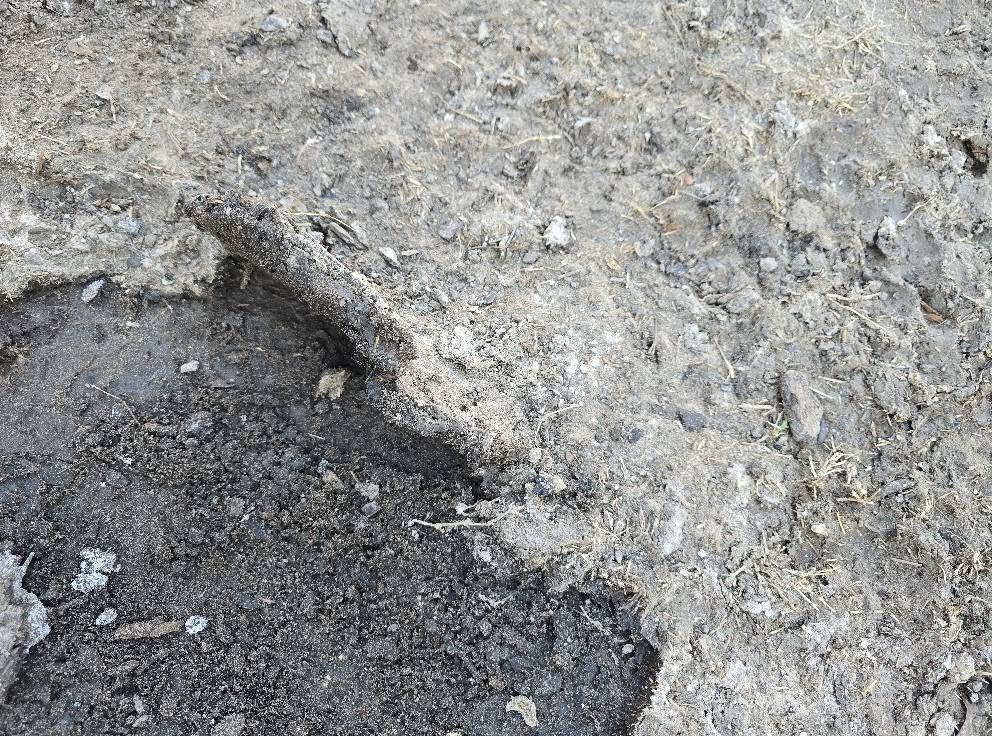
This is where the GTA comparison breaks down most fundamentally.
The GTA sits on deep glacial till — a mix of clay, silt, sand, and organic material deposited during glaciation that typically has workable topsoil to a depth of 8 to 18 inches or more. Even where GTA clay is heavy, there’s usually soil depth to work with and a soil biology that has been developing for thousands of years. Roots can go somewhere. Water can move through the profile. The soil, while imperfect, has baseline workability.
Sudbury sits on the Canadian Shield — some of the oldest exposed bedrock on the planet. The soil here is thin, clay-heavy, and in many areas sits directly over granite or basalt with very little depth. In newer subdivisions across Garson’s east end, parts of Val Caron, and sections of Hanmer and Chelmsford, topsoil was scraped during construction and what exists now is 3-4 inches of material over dense clay subsoil. Some properties have less.
What this means for sod installation:
**GTA soil prep standard:** Loosen the surface, add topsoil if needed, grade, lay sod. Works adequately because there’s existing soil depth for roots to move into.
**Sudbury soil prep requirement:** Till to 4-6 inches to break the compaction that clay-heavy soil accumulates every winter. Bring in quality topsoil and work it into the existing base to improve the root environment. Grade properly. Only then lay sod.
On Sudbury properties where I’ve skipped or rushed the soil prep step — early in my work, before I understood the soil well — the sod established slowly, rooted shallowly, and struggled through the first summer. On properties where the soil prep was done properly, the same sod from the same supplier established reliably and performed well through the season.
The GTA prep standard isn’t wrong for GTA soil. It’s insufficient for Sudbury soil. That distinction is why sod installations on Sudbury properties that follow generic advice often underperform. I covered the detailed soil differences area by area across Greater Sudbury in my neighbourhood lawn problems guide here.
The Climate Difference — What Sudbury Winters Do That GTA Winters Don’t
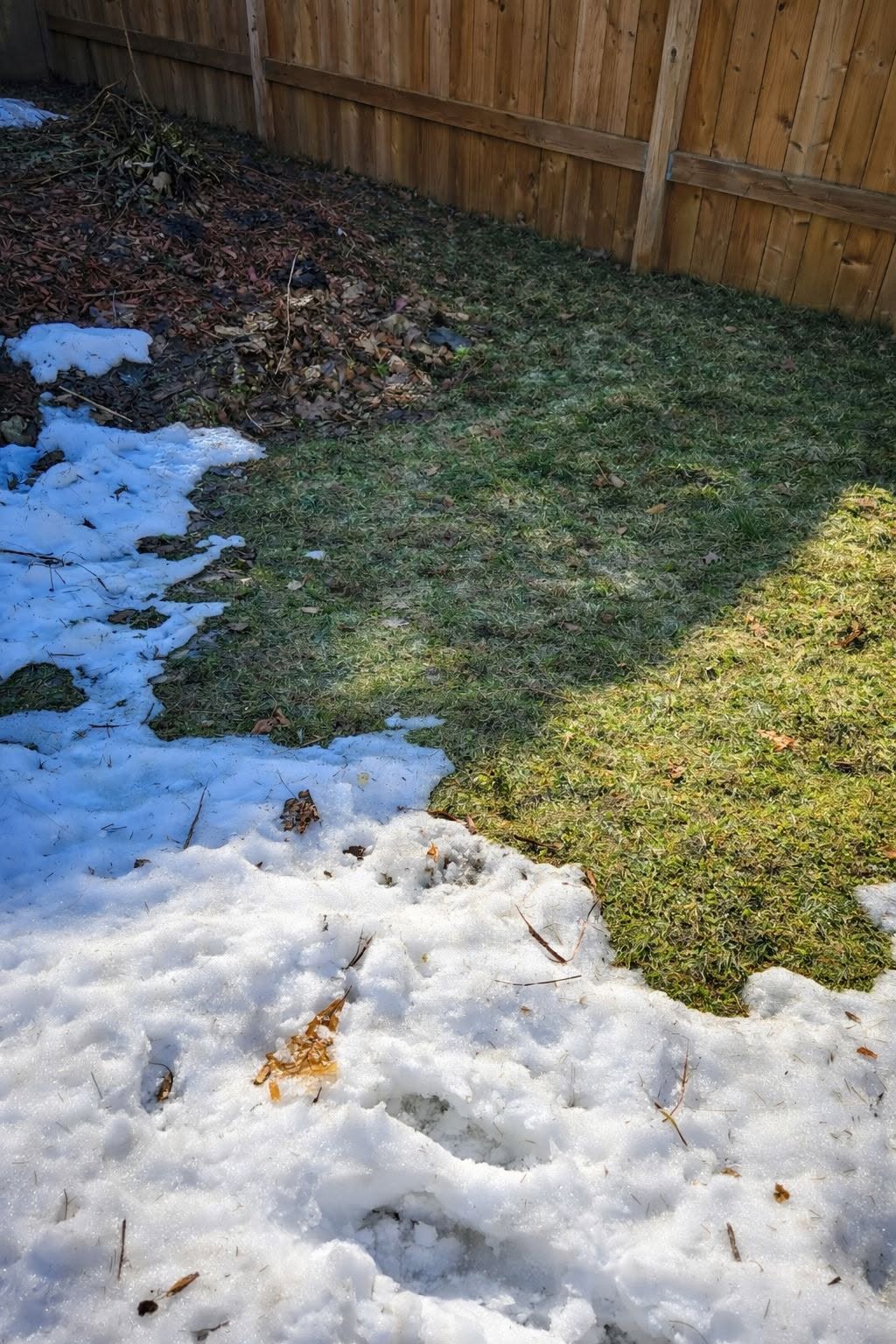
Greater Sudbury averages temperatures that go from -30°C in deep winter to above freezing multiple times in a single winter. These freeze-thaw cycles — which happen significantly more frequently in Sudbury than in the GTA — press the clay soil progressively harder every season.
The GTA sees cold winters but more moderated freeze-thaw cycling. Toronto averages around -5°C as a January mean. Sudbury averages around -14°C, with regular extremes to -25°C and -30°C. The swing between frozen ground and thaw conditions is both more extreme and more frequent.
What this does to sod installation:
**Timing window is narrower in Sudbury.** The GTA sod season runs from approximately mid-April through October or even November in mild years. Sudbury’s reliable installation window is late May through mid-September — maybe 16 weeks versus the GTA’s 26-28 weeks. Fall sod in Sudbury must happen by early-to-mid September to allow enough establishment before the ground freezes. GTA fall sod in October is still workable. Sudbury fall sod in October is a risk.
**Post-installation winter survival is harder.** Sod installed in Sudbury needs to have developed a root system strong enough to survive freeze-thaw cycles that are more extreme than what new sod faces in the GTA. This is why the watering discipline in the first three weeks is more consequential here — sod that hasn’t rooted properly going into a Sudbury winter has a significantly higher failure rate than inadequately rooted sod going into a GTA winter.
**Spring compaction is more severe.** After a Sudbury winter, the clay soil comes out of the ground at its most compacted point of the year. A GTA lawn coming out of winter has some compaction but nothing like what Sudbury’s repeated -30 freeze cycles produce. This is why I recommend annual aeration on Sudbury properties as maintenance — not optional. The GTA lawn care advice that suggests aerating every 2-3 years doesn’t account for what our winters do. I wrote about this in detail in my spring vs fall aeration guide here.
The Sod Variety Difference — Not All Kentucky Bluegrass Is the Same
The GTA sod market is supplied primarily by southern Ontario farms — large operations in the Holland Marsh area and surrounding regions — growing Kentucky Bluegrass varieties optimized for the GTA’s climate. These are good products for their intended market. They’re not the right product for Sudbury.
Valley Nursery Sod near Chelmsford has been growing Elite Series Kentucky Bluegrass specifically for Northern Ontario since 1959. Their variety has been selected and developed over six decades for performance in Sudbury’s climate — the freeze-thaw extremes, the short growing season, the clay-heavy Canadian Shield soil. It’s not the same variety as what GTA farms grow, even though it’s the same grass type.
When GTA-sourced sod has been used on Sudbury properties — which happens occasionally — the results are typically worse than Northern Ontario-adapted varieties. The turf that performs well in the GTA’s longer, milder season with deeper soil doesn’t handle Sudbury’s conditions as well as sod bred specifically for this climate. I covered sod sourcing for Sudbury in detail in my Sudbury sod sourcing guide here.
The Watering Difference — Clay Doesn’t Behave Like Loam
The standard GTA watering advice for new sod — water twice daily for the first week, then taper down over three weeks — is directionally correct for Sudbury but needs specific modification for clay soil behaviour.
Clay soil absorbs water more slowly than loamy GTA soil. When you apply water to new sod on Sudbury clay at the same rate you would on GTA loam, the water runs off the surface or pools rather than soaking through to the soil. The sod backing gets wet. The soil underneath stays dry. The roots that need to be reaching into soil moisture are reaching into dry clay.
The modification that works on Sudbury clay is cycle-and-soak — two shorter watering sessions with 45-60 minutes between them rather than one long session. The first pass wets and softens the clay surface. The second pass penetrates into the soil profile. This approach gets meaningfully more moisture to the root zone on Sudbury clay than a single long session producing the same total volume.
This is not something GTA sod advice addresses because GTA loam doesn’t have this problem. The water absorbs through loamy southern Ontario soil without the cycle-and-soak workaround. On Sudbury clay, skipping the cycle-and-soak approach and following standard single-session watering advice consistently produces underwatered sod even when the homeowner is doing everything else right.
I had a customer call me in a panic about her new sod looking stressed — she was following the watering schedule precisely. The issue was exactly this — single-session watering on heavy clay wasn’t penetrating. Once she switched to cycle-and-soak, the situation resolved. Full story in my new sod establishment guide here.
The Compaction Difference — Why Aeration Before Sod Matters More Here
GTA sod installation guides sometimes mention aeration as optional preparation before laying sod. On Sudbury properties, it’s not optional.
The compaction level on a Sudbury residential lot that hasn’t been aerated is significantly higher than on a comparable GTA property. The screwdriver test — push a standard flathead screwdriver into the soil — typically stops at 1-2 inches on an un-aerated Sudbury clay lot. On a GTA property with similar treatment history, it typically goes 3-4 inches.
Laying sod on Sudbury clay without first tilling and aerating to break the compaction produces a sod installation where the roots reach the interface between the sod backing and the clay surface and stop. The clay is too dense for the roots to push through without the pathways created by proper mechanical loosening. The sod may look fine for 2-3 weeks while surviving on the moisture in the sod itself, and then decline as the roots fail to establish into the soil beneath.
This is the most common cause of sod failure on Sudbury DIY installations — the homeowner followed GTA-standard prep and didn’t account for what Sudbury clay actually requires. I covered the prep process step by step in my 4-day lawn transformation article here — the soil work is what made each installation succeed.
What This Means if You’re Planning a Sod Installation in Sudbury
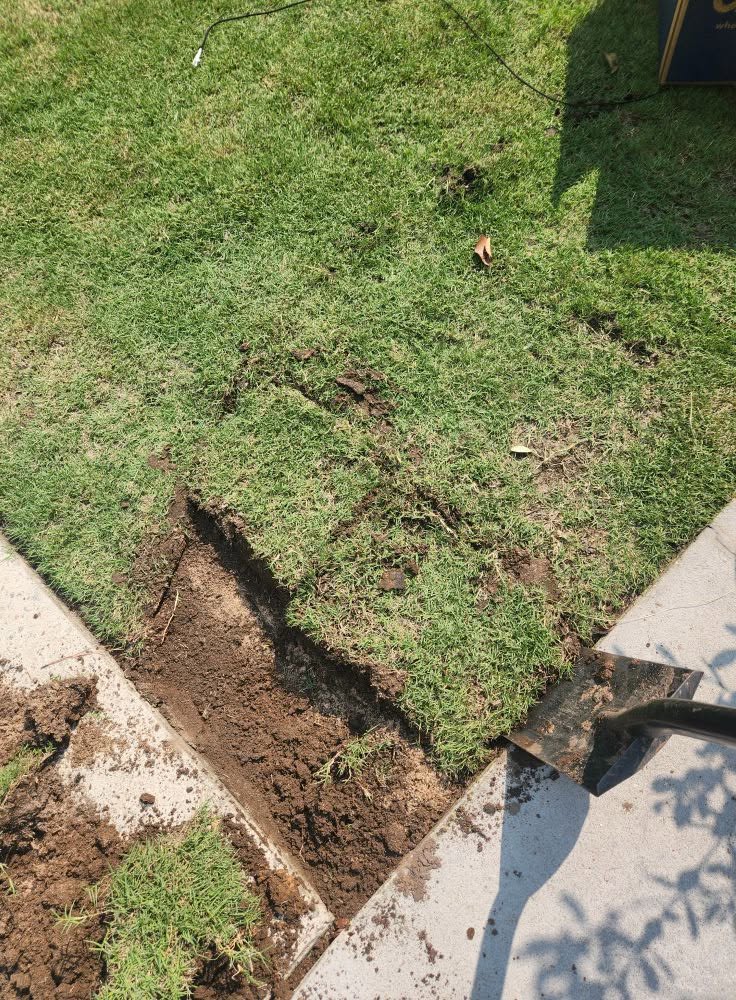
If you’re planning sod installation in Greater Sudbury — whether DIY or hiring a contractor — here’s the checklist that reflects what Sudbury’s specific conditions actually require.
Soil prep is non-negotiable on Sudbury clay. Till to 4-6 inches. Bring in quality topsoil and work it into the existing clay base. Grade properly. Don’t skip this because generic advice suggests lighter prep. Sudbury clay doesn’t allow shortcuts here.
Use Northern Ontario-adapted sod variety. Valley Nursery Sod’s Elite Series Kentucky Bluegrass near Chelmsford is the right product for Greater Sudbury properties — bred for this climate over 60 years. GTA-sourced varieties are not equivalent.
Install same day as delivery. Sod deteriorates fast in summer heat. In Sudbury’s warm June-August installation season, same-day installation is essential. I covered why in my sod survival after delivery guide here.
Use cycle-and-soak watering. Two shorter sessions with 45-60 minutes between them rather than one long session. Sudbury clay absorbs water slowly — single-session watering produces surface wetness without root-zone penetration.
Time your installation within the Sudbury window. Late May through early September is the reliable window. Fall installation must happen by early-to-mid September — not October, as is workable in the GTA.
Plan for annual spring aeration after establishment. Sudbury winters compact clay harder than GTA winters. Annual aeration isn’t optional here — it’s the maintenance that keeps the established lawn performing well year after year.
If you want someone who understands these specific requirements to walk your Sudbury property and give you a straight assessment — that’s exactly what the quote call is for.
📞 Call or text me directly: 705-507-6787
Or fill out the free quote form here and I’ll get back to you same day.
We service Garson, Val Caron, Hanmer, Lively, Chelmsford, Azilda, Capreol, and all of Greater Sudbury.
— Ryan Lingenfelter
Owner, Cutting Edge Lawn & Landscaping
Garson, Ontario
Frequently Asked Questions
Why is sod installation in Sudbury different from the GTA?
Sudbury sits on the Canadian Shield with clay-heavy soil that is typically 3-4 inches deep over hard bedrock or dense clay subsoil — significantly shallower and harder than the deep glacial till common in the GTA. Sudbury also experiences more extreme freeze-thaw cycles, a shorter installation window, and more severe post-winter compaction than southern Ontario. These conditions require more intensive soil preparation before sod installation, Northern Ontario-adapted sod varieties, modified watering techniques for clay soil absorption, and a narrower seasonal installation window than GTA standard advice accounts for.
Can I use GTA sod installation advice for a Sudbury property?
GTA sod advice is directionally correct but insufficient for Sudbury properties in several key areas. The soil prep standard for GTA loam underestimates what Sudbury clay requires — tilling to 4-6 inches and topsoil amendment is necessary here, not optional. The watering advice for loamy southern Ontario soil needs modification for Sudbury clay’s slower absorption — cycle-and-soak rather than single-session watering. The seasonal window is significantly shorter. And GTA-sourced sod varieties are not equivalent to Northern Ontario-adapted varieties bred for Sudbury’s climate.
What sod variety works best in Sudbury?
Elite Series Kentucky Bluegrass from Valley Nursery Sod near Chelmsford is the right product for Greater Sudbury. Valley Nursery has been growing and selecting this variety specifically for Northern Ontario’s climate since 1959 — the freeze-thaw extremes, clay-heavy Canadian Shield soil, and shorter growing season that distinguish Sudbury’s conditions from southern Ontario. GTA-sourced varieties grown for the milder, longer southern Ontario season are not equivalent performers in Sudbury’s conditions.
When is the right time to install sod in Sudbury?
The reliable installation window in Greater Sudbury is late May through early September — approximately 14-16 weeks. This is significantly shorter than the GTA’s installation window of mid-April through October. Fall sod installation in Sudbury must happen by early-to-mid September to allow sufficient root establishment before the ground freezes. October installation, which is workable in the GTA, is too late in Sudbury in most years.
Why does aeration matter more for sod installation in Sudbury than the GTA?
Sudbury’s clay soil compacts significantly harder through winter than GTA soil — the freeze-thaw cycles here are more extreme and more frequent, pressing the clay progressively denser every season. An un-aerated Sudbury clay surface is too dense for sod roots to penetrate reliably. Without tilling and breaking the compaction before installation, sod roots reach the soil surface and stop rather than establishing into the soil below. Annual aeration after installation is also maintenance rather than optional in Sudbury — the winter compaction that re-occurs every year in our climate would progressively undermine an established sod lawn without it.
How does watering new sod on Sudbury clay differ from watering on GTA soil?
Clay soil absorbs water significantly more slowly than the loamy glacial till common in the GTA. Single-session watering on Sudbury clay — even long, thorough sessions — often produces surface wetness without penetrating to the root zone, because the water runs off or pools on the dense clay surface before soaking through. The cycle-and-soak approach — two shorter sessions with 45-60 minutes between them — softens the clay surface in the first pass and allows the second pass to penetrate to the root zone. This produces meaningfully better root-zone moisture than equivalent-volume single-session watering on Sudbury clay.
Ryan Lingenfelter is the owner of Cutting Edge Lawn & Landscaping in Garson, Ontario. Since 2020, his crew has provided full lawn care and landscaping services across Greater Sudbury — Garson, Val Caron, Hanmer, Lively, Chelmsford, Azilda, and Capreol. Licensed, insured, BBB A+ rated, and ThreeBest Rated for lawn care services in Sudbury.
📞 Phone: 705-507-6787
📍 Service Area: Greater Sudbury, Ontario
🔗 Free Quote: cuttingedgelawn.ca/quote
Related Services
Continue Reading
- Where Sudbury Homeowners Actually Buy Sod
- Dead Lawn to Green Sod in 4 Days — How We Did It
- A Customer Called Me at 7am in a Panic About Her New Sod
- How Long Can Sod Survive After Delivery in Sudbury?
- Every Sudbury Neighbourhood Has a Different Lawn Problem
- Spring or Fall Aeration in Sudbury — Which Is Better?
