
By Ryan Lingenfelter — Owner, Cutting Edge Lawn & Landscaping · Garson, Ontario · Serving Greater Sudbury since 2020
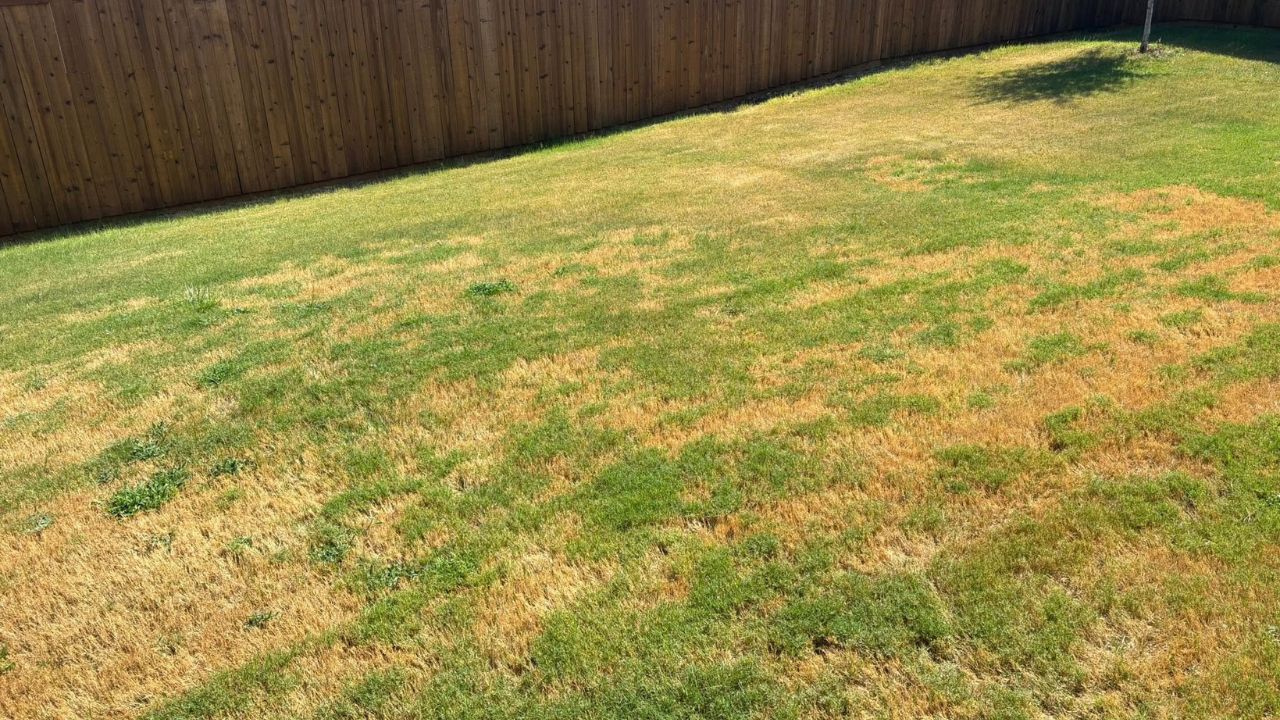
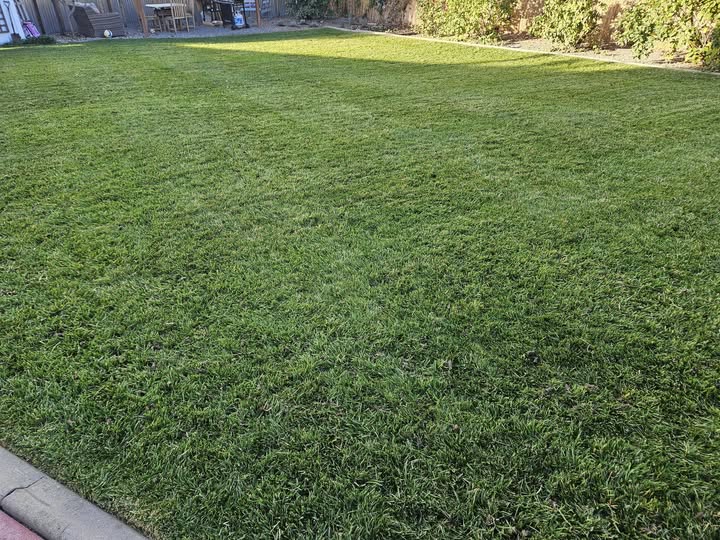
From the street, it was one of the best-looking lawns on the block. Even, green, no obvious bare patches, the kind of property that makes you think the homeowner has it figured out. I’d driven past it for two seasons before the call came in.
The homeowner wasn’t calling about a problem. He was calling because he wanted to upgrade his maintenance — add aeration and a more thorough seasonal program to a lawn he was already happy with. A nice problem to have, I thought, driving over.
I walked it expecting a routine assessment on a healthy property. Within about ninety seconds I knew this wasn’t going to be a routine visit at all.
What the Street View Was Actually Showing Me
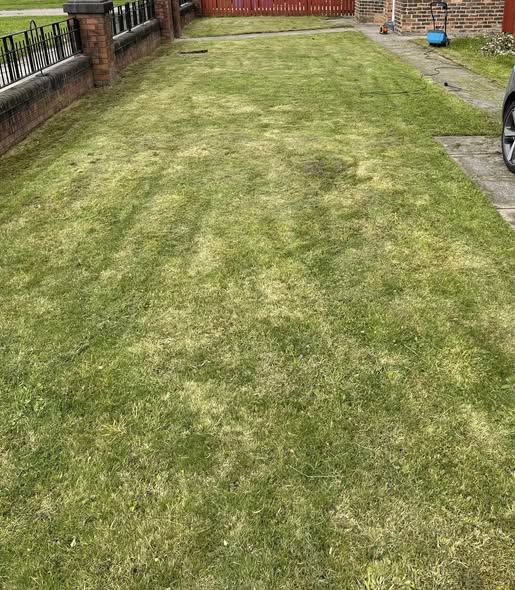
The colour was even and green, which is what I’d seen from the street. But the moment I crouched down and pushed my fingers through the surface, the picture changed completely.
The lawn was floating. Not literally, but close — there was a thick, dense thatch layer beneath the visible green blades, and the actual living root system underneath that thatch was sparse, thin, and in large sections simply not there. What I was seeing from the street wasn’t a healthy lawn. It was a green surface layer of thatch and a thin top growth of grass sitting on top of soil that had very little living root structure connecting to it.
This is one of the more deceptive lawn conditions I’ve encountered in five years of doing this work across Greater Sudbury, and it’s worth explaining clearly because what I usually read in the first sixty seconds on a property is colour and texture from a distance — and on this lawn, that read would have told me everything was fine. It wasn’t fine. The deception was specific and it had a specific cause.
How a Lawn Gets Like This Without Anyone Noticing
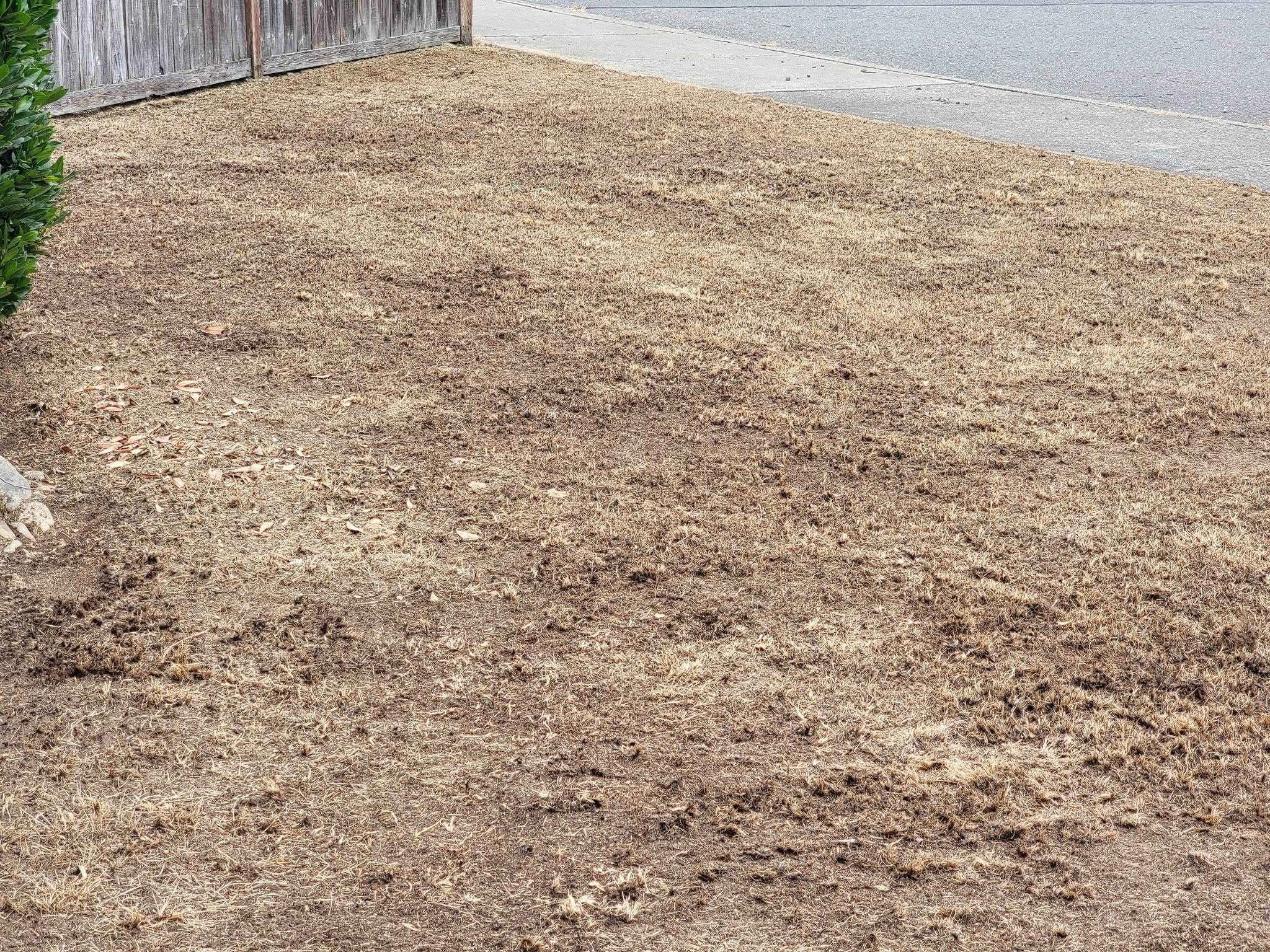
The homeowner told me his routine: weekly mowing through the season, done by himself, set to a fairly low height because he liked the “manicured” look. Light watering most evenings. No aeration, ever, in the eleven years he’d owned the house. No real soil work of any kind — just consistent, careful mowing and watering.
That consistency was actually the problem, in a specific and ironic way. Eleven years of mowing without ever lifting the thatch or aerating the soil had allowed an unusually thick thatch layer to accumulate — more than two inches in places, well beyond the half-inch or so that’s normal and even beneficial. That thatch had become its own growing medium. Surface-level grass roots had been establishing in the thatch itself rather than in the actual soil underneath, because the thatch was where the moisture and accessible nutrients were concentrated from years of light, frequent watering.
The grass that was visible from the street was rooted into thatch, not soil. It looked green because it was getting enough surface moisture and the thatch itself held some nutrient value. But it had almost no connection to the actual mineral soil beneath, which meant almost no access to deeper water reserves, almost no resilience to drought stress, and — critically — almost no real root depth holding the lawn together structurally.
I’ve seen something related to this before — a Garson property where the real cause of a persistent problem was hidden well enough that it took two seasons to find. This was the inverse situation: a lawn that looked completely fine and was concealing the same kind of fundamental problem. Both taught me the same lesson — you cannot fully trust what a lawn looks like from a distance. You have to get down and check what’s underneath.
What Was Actually Happening Below the Surface
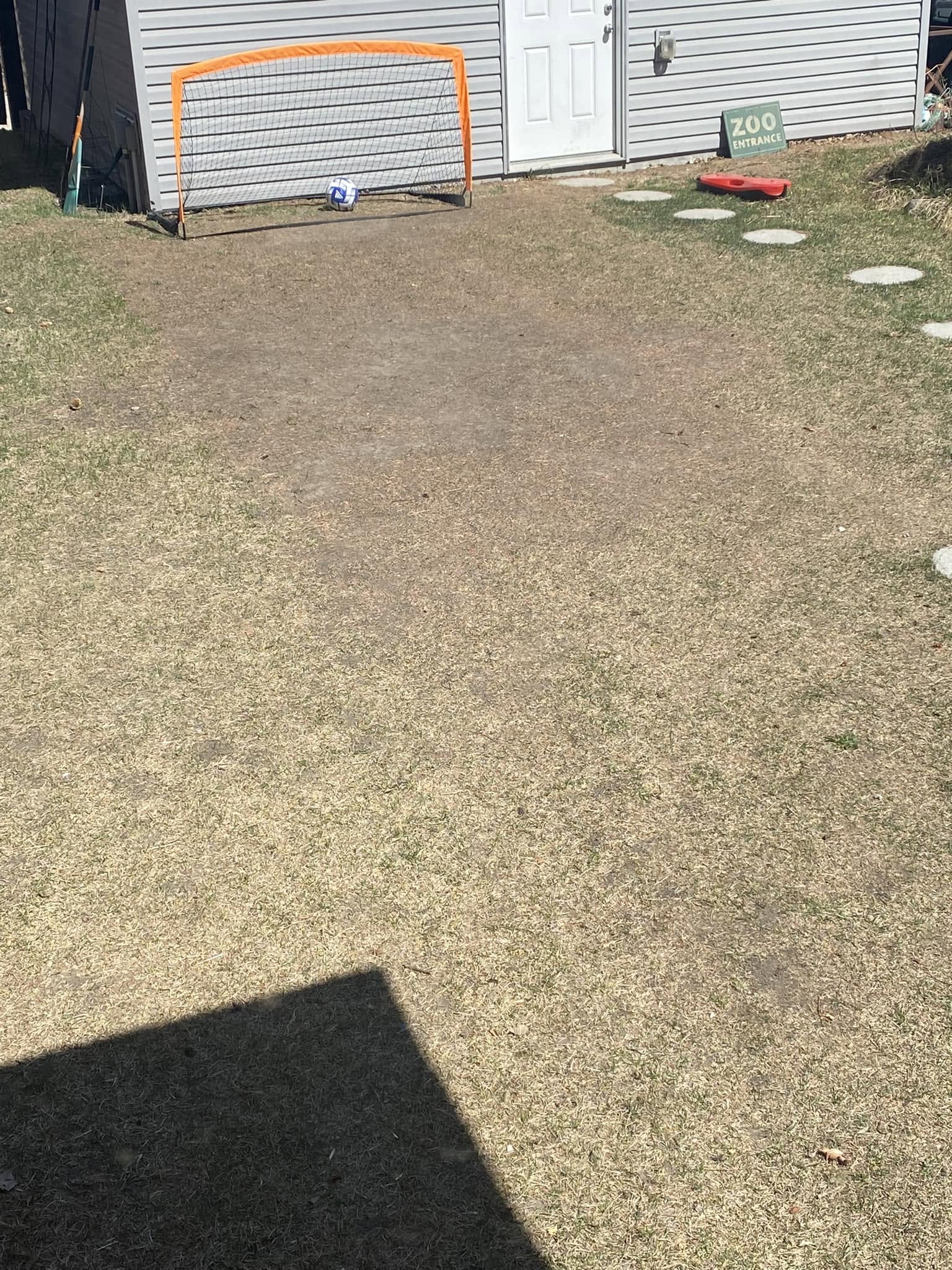
When I dug a small test section to look at the soil profile directly, the picture got worse before it got better.
Beneath the thick thatch layer, the actual soil was significantly compacted — not surprising given eleven years with no aeration, but more severe than I’d expected given how healthy the surface looked. The compaction meant that even if the grass had been trying to root into the actual soil rather than the thatch, it would have struggled badly to do so. Root penetration into the soil itself was minimal across most of the test areas — a few inches at best, where a healthy Sudbury lawn root system should be reaching considerably deeper.
This combination — thick thatch acting as a false growing medium, and severely compacted soil underneath that wouldn’t have supported real roots even without the thatch — meant this lawn was structurally one bad summer away from catastrophic failure. A genuinely dry stretch, the kind that pushes shallow-rooted lawns into real stress, would have been devastating to a lawn whose entire root system existed in a thin organic layer with no real connection to soil moisture reserves below.
The homeowner had been lucky, essentially. Eleven years of relatively normal Sudbury summers — none catastrophically dry — had allowed this structurally fragile situation to persist without ever producing the visible failure that the underlying conditions should have caused. This is exactly the kind of property where the regret of never aerating was building quietly for over a decade, waiting for the wrong summer to reveal it.
What We Did — and the Warning Sign Every Sudbury Homeowner Should Check For
This wasn’t a standard aeration upgrade conversation anymore. I told him exactly what I’d found and why the lawn, despite how it looked, needed significant intervention rather than incremental improvement.
We started with thorough dethatching — mechanically removing the bulk of that excess thatch layer rather than just lifting it lightly, which exposed the soil surface for the first time in years. Then double-pass core aeration to address the severe compaction, followed by overseeding directly into the aeration holes with a cold-hardy mix suited to Sudbury’s growing conditions. We adjusted his cut height up from what he’d been running to three inches, and shifted his watering from light daily to deep twice-weekly to start building real root depth into actual soil rather than thatch.
The lawn looked rougher for several weeks after the dethatching — that’s expected and necessary, removing a problem that’s been building for over a decade doesn’t look pretty in the short term. By the following season, the difference in resilience was significant. The lawn held its colour through a dry stretch the following July in a way it likely wouldn’t have survived with the old root structure.
Here’s the warning sign I’d tell any Sudbury homeowner to check for, regardless of how good their lawn looks from the street: push your fingers down into the grass at the soil surface. If you feel a thick, spongy, mat-like layer before you reach actual dirt — more than half an inch or so — that’s excess thatch, and it’s worth getting a proper assessment regardless of how the lawn looks above it. A lawn can look perfect right up until the season it doesn’t, and by then the fix is considerably bigger than it would have been if caught early.
If you’ve never aerated and you’re not sure what’s actually happening under your Sudbury lawn’s surface — even if it looks fine — reach out. I’ll come take a look, get down and check what’s really there, and tell you honestly whether what you’re seeing from the street matches what’s actually going on underneath.
— Ryan Lingenfelter
Cutting Edge Lawn & Landscaping, Garson, Ontario
📞 705-507-6787
Serving all of Greater Sudbury — Garson, Hanmer, Val Caron, Lively, Chelmsford, Azilda, Capreol, and Sudbury proper. We offer core aeration, property cleanup, grass cutting, sod installation, and full lawn maintenance. Free quotes, no pressure.
Get a Free Quote |
Call 705-507-6787
