I want to tell you about a call I got in my second year of running Cutting Edge — a call that turned into one of the more uncomfortable afternoons I’ve had on a job site, and that changed something specific about how I approach quoting work from that point on.
It wasn’t uncomfortable because anything went wrong with the job itself. It was uncomfortable because someone showed up and said something that made me realize I’d been thinking about a category of work too narrowly — that there was a whole dimension of what homeowners in these situations actually needed that I hadn’t been properly accounting for in how I quoted and scoped the job.
Here’s what happened.
The Property and the Call That Started It
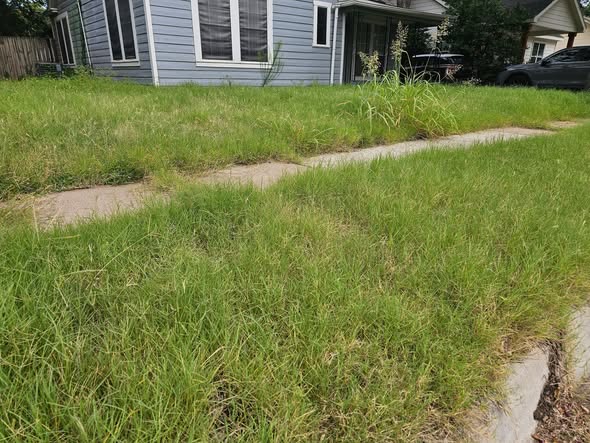
The call came from a woman I’ll call Margaret. She was in her mid-seventies, living alone on a property in the south end of Sudbury that her late husband had maintained carefully for most of their marriage. He’d passed two years before. In the time since, the property had fallen significantly behind — not because she didn’t care about it, but because the physical ability to maintain it simply wasn’t there anymore and the arrangements she’d made with neighbours and family to help out hadn’t been reliable.
By the time she called me, the lawn hadn’t been mowed in close to six weeks. There was a section along the fence line that had gone entirely to tall weeds. The garden beds along the front of the house were overgrown with dead annual material from the previous fall that had never been cleared. A section of hedge along the side of the property had grown out significantly. And there was a tree branch — medium sized, not dangerous but visually significant — that had come down over winter and was still sitting on the lawn.
She described all of this apologetically when she called. She kept saying she knew it was a lot. She kept saying she was sorry for the state of it. I told her what I always tell people in that situation: she didn’t need to apologize for anything, and that’s what I was there for.
I went out to quote the work two days later.
What the Bylaw Officer Said — and Why It Stopped Me
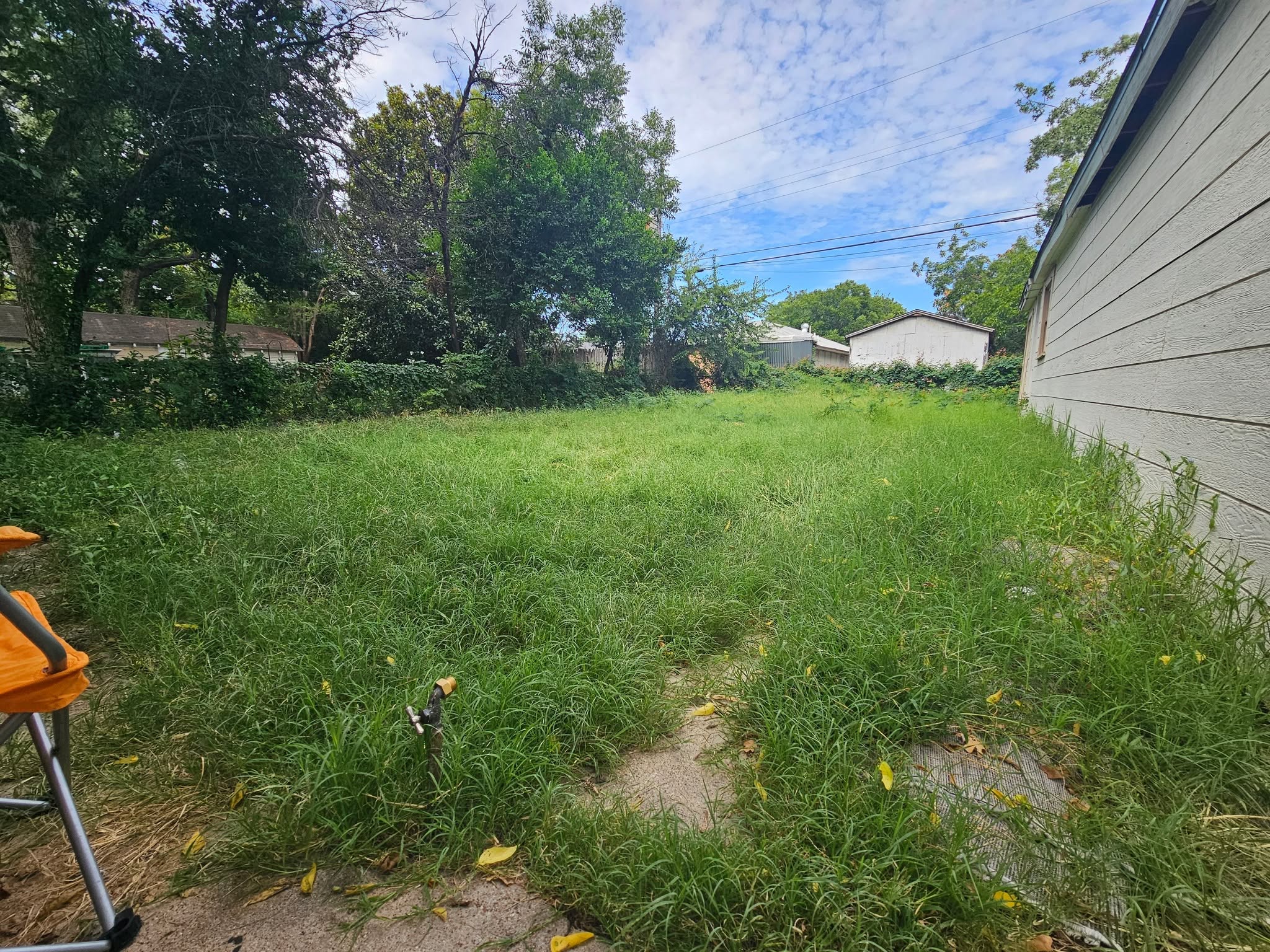
I pulled up to Margaret’s property and got out of the truck. I was doing the visual walk I always do before talking numbers — looking at the scope, estimating hours, thinking about what equipment I’d need. About ten minutes into that, a City of Sudbury vehicle pulled up in front of the property.
A bylaw enforcement officer got out. He introduced himself, asked if I was the homeowner or associated with the property. I told him I was there to give a quote for cleanup and maintenance. He said he was there because the property had received a complaint — a neighbour had reported the overgrown state of the lawn and weeds — and that he was there to assess whether a property standards order was warranted.
We talked for a few minutes. He was professional and not unkind about it. He explained that the City of Greater Sudbury has property maintenance standards that address things like lawn height, weed control in certain contexts, and general property condition. When a property falls below those standards significantly — which, he said, this one was approaching — the City can issue a formal order requiring remediation within a specific timeframe, and if that order isn’t complied with, the City can arrange to have the work done and bill the property owner.
He said he wasn’t issuing an order that day — he was noting the visit and giving a reasonable window for the situation to improve. He also said, genuinely and without it sounding threatening, that if the property showed meaningful improvement within a few weeks, the file would be closed.
After he left, I stood in Margaret’s driveway for a minute before going inside to talk to her.
I already knew I was going to quote the cleanup. But the bylaw conversation had just added a dimension I hadn’t been thinking about: there was now a specific timeline attached to the work, a compliance element, and a consequence for Margaret if the work didn’t happen. What I quoted and when I could schedule it had just become more significant than a standard cleanup job.
How It Changed the Way I Scope and Bid Work
Before that afternoon, I’d been thinking about cleanup quotes the way most companies do — in terms of what the work costs and when I could fit it in. Hours of labour plus equipment plus disposal, scheduled based on my current workload.
The bylaw encounter added a question I hadn’t been asking: what is the consequence for the homeowner if this work doesn’t happen in a reasonable timeframe, and am I taking that seriously in how I’m prioritizing and communicating?
For Margaret, the answer was clear — there was a property standards concern, there was a compliance clock running, and a quote that said “I can fit you in sometime in the next few weeks” was not adequate to the situation.
But the same question applied beyond bylaw situations. I started asking it on every cleanup quote where a property was significantly behind:
What happens to this homeowner if this work takes another month?
Sometimes the answer is nothing particularly urgent — the lawn looks rough but there’s no pressing consequence. Those jobs get quoted and scheduled normally.
But sometimes the answer is significant. An elderly person living alone who’s getting pressure from family about the property state. A homeowner who’s had a health issue and the property has fallen behind in ways that are adding real stress to an already difficult time. Someone getting ready to sell and realizing the yard is materially affecting the property’s presentation. A rental property owner getting calls from tenants about the overgrown common areas.
In those situations, the priority conversation is part of the quote. Not “here’s what it costs, we can get to it in two or three weeks” but “here’s what it costs, I understand there’s some urgency here, let me tell you specifically when I can have someone there.”
That shift sounds small but it changes the quality of the conversation and — more importantly — the quality of the service. Treating a cleanup as urgent when it’s urgent to the homeowner, and treating it as routine when it isn’t, is better service than treating every job as a line item in a schedule.
I’ve written about the conversation I have with every new customer in the hardest conversation piece — the commitment to honest expectation setting before work starts. The bylaw afternoon extended that: it’s not just about what’s realistic to achieve, it’s about what’s urgent to the homeowner and whether my scheduling reflects that reality.
What Sudbury Homeowners Should Know About Property Standards
I want to be useful here rather than just telling a story, so here’s the practical context that the bylaw officer gave me that day, as I understood it.
The City of Greater Sudbury maintains property standards bylaws that cover residential properties. These address things like lawn and weed height — grass and weeds that significantly exceed normal maintenance expectations, especially visible from the street — as well as general property condition including debris, derelict materials, and similar concerns.
Complaints are typically neighbour-initiated. The bylaw process usually starts with a visit, a note of the condition, and a reasonable window for remediation before any formal action. The formal action — a property standards order with a compliance deadline and potential cost recovery if the City arranges the work — is not typically the first step.
Most homeowners who end up in this situation aren’t neglecting their properties out of indifference. They’re in situations where the physical ability to maintain the property has been reduced — illness, age, an absence, a life change — and the gap between what they can do and what the property needs has grown. That’s a common story in Sudbury and it’s not a story that comes with easy judgment.
What matters practically: if a property has fallen significantly behind and there’s any concern about a bylaw situation — or even just about a deteriorating relationship with a neighbour over the property’s condition — the right move is to get someone in to assess and schedule the work specifically, with a clear timeline, rather than leaving it vague. The difference between “we’ll get to it” and “we’ll be there Thursday” is a real difference in terms of how a compliance situation resolves.
What Happened With Margaret’s Property
I went inside and talked to Margaret after the bylaw officer left. I told her what he’d said, straightforwardly, because she needed to know. I also told her it was completely manageable — this wasn’t a crisis, it was a situation with a clear solution.
We scheduled the cleanup for three days later. I moved another job to make the timing work, because after that conversation I understood the priority differently than I had before I’d arrived.
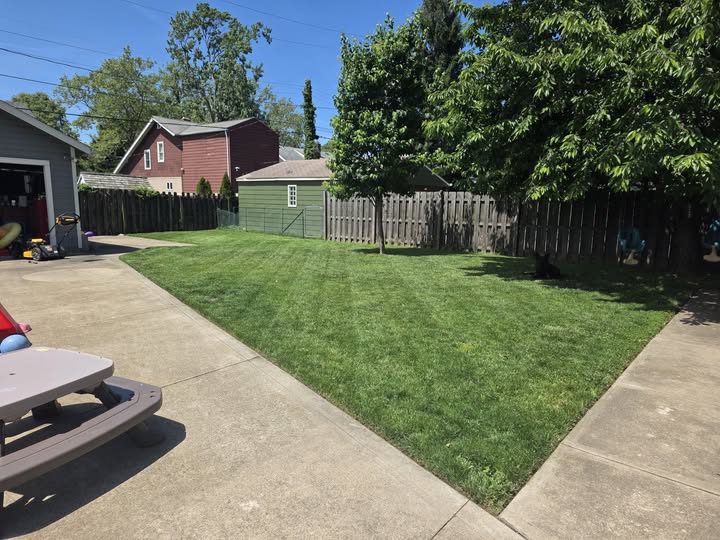
The work took a full day — mow, string trimmer, bed cleanup, hedge trim, branch removal and chip, debris disposal. When I left, the property looked the way Margaret remembered it looking when her husband was maintaining it. She cried a little when she saw it, which I was not entirely prepared for.
She called me the following spring for a quote on ongoing maintenance. She’s been a regular customer since. The property hasn’t been behind since.
That afternoon changed how I quote. But it also reminded me of something the work can mean to people that goes beyond the lawn itself — that a property that looks cared for reflects the person living in it, and that for someone like Margaret who cared deeply about that connection, the work was doing more than cleaning up overgrown grass.
I’ve written about a similar feeling in the Christine story
I’ve also thought about the practical skill set that makes these assessments accurate from the start — the five-check method I described in the reading a lawn like a pro article. That method applied to Margaret’s property on the day I quoted it is what gave me an accurate scope and a realistic timeline rather than something I was making up as I went.
And for anyone whose property has gotten behind this fall or this season — don’t wait until there’s a notice. The fall cleanup piece covers what happens when cleanup is deferred too long and how recoverable different situations are. Most of them are more recoverable than they look from the driveway.
For everything we do, the complete service breakdown covers the full range.
Call or text: 705-507-6787
Or fill out the free quote form on the site. We’ll tell you specifically when we can be there.
We cover Garson, Val Caron, Hanmer, Lively, Chelmsford, Azilda, Capreol, and surrounding areas.
— Ryan Lingenfelter
Cutting Edge Lawn & Landscaping
Garson, Ontario
705-507-6787