
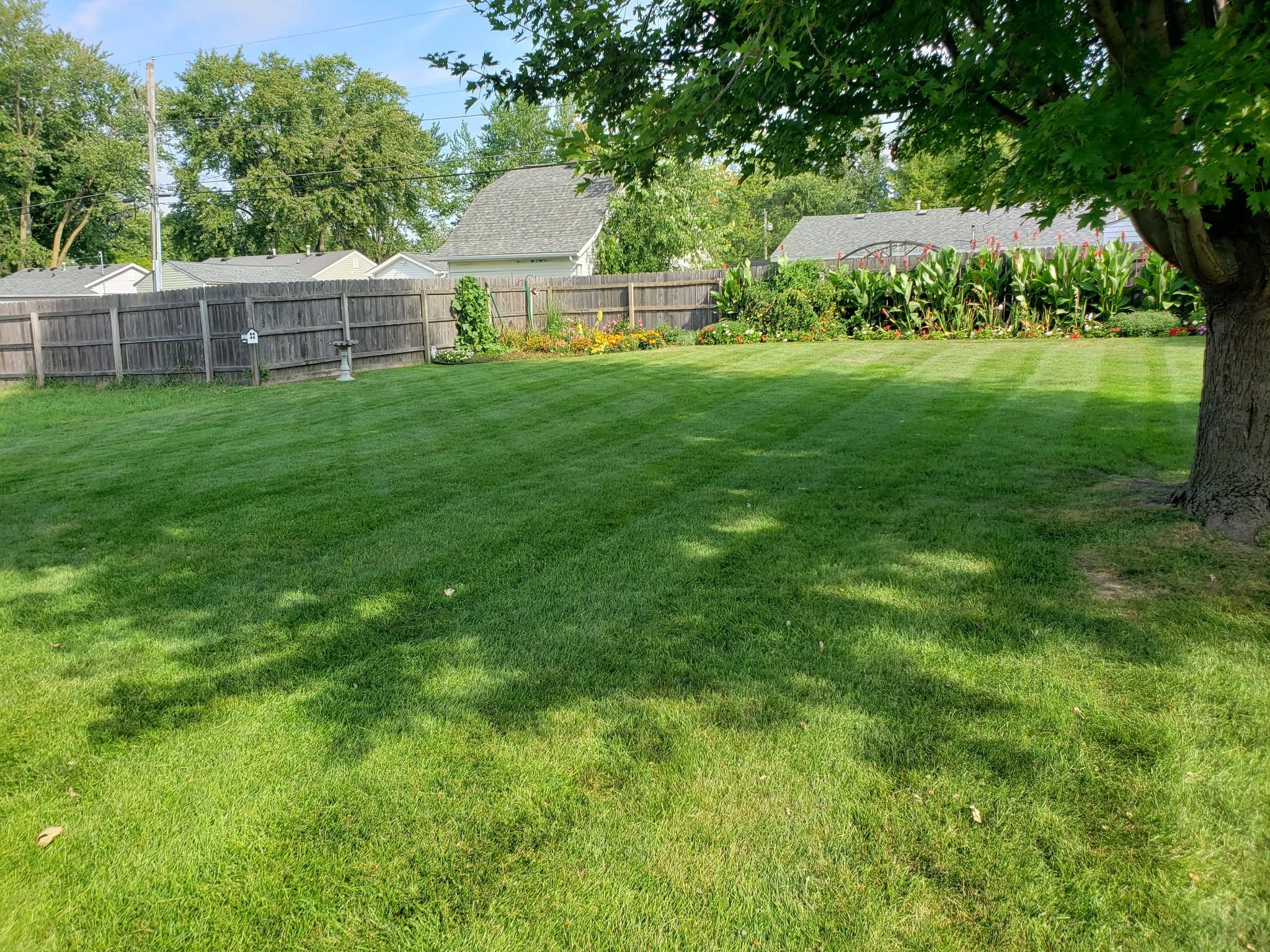
By the time most Sudbury homeowners call me, they’ve already formed an opinion about what’s wrong with their lawn and what needs to be done about it. Sometimes that opinion is correct. Often it isn’t — and the misunderstanding isn’t random. The same wrong conclusions show up across different properties, different neighbourhoods, different homeowners, with remarkable consistency.
The misunderstandings come from a combination of generic lawn care advice that doesn’t account for Sudbury conditions, the natural human tendency to reach for the simplest explanation, and the fact that lawn problems usually look similar at the surface regardless of what’s causing them underneath.
Here are the six mistakes I see most consistently — the things Sudbury homeowners have gotten wrong about their lawn before they ever pick up the phone.
Mistake 1 and 2 — The Diagnosis Mistakes That Set Everything Else Off
Mistake 1: Assuming Dead Grass Means Permanent Damage
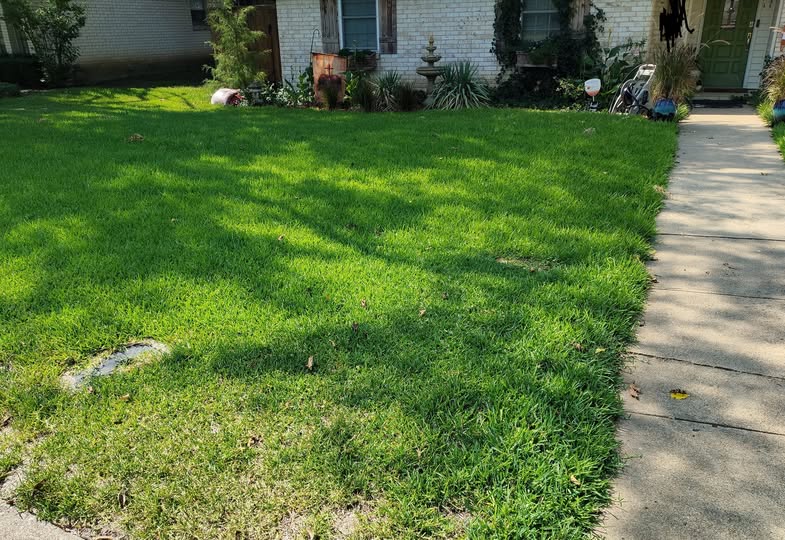
This is the most common and most consequential misunderstanding I encounter. A homeowner sees brown, matted, lifeless-looking grass — especially in spring after winter, or in August after a dry stretch — and concludes the lawn is dead and needs to be replaced.
Most of the time, it isn’t dead. It’s dormant.
Grass has a survival mechanism where it shuts down visible growth and goes brown in response to cold or drought stress, preserving the crown — the growing point at the base of the plant — while sacrificing the visible blade. That dormant grass looks, from the driveway, identical to dead grass. But pull it gently and feel the crown: firm, slightly white or greenish, resistant to pulling. That’s a grass plant that’s alive and will come back with the right conditions.
The consequence of misreading dormancy as death: homeowners reseed or sod sections that were going to recover on their own. They spend money on seed that competes with the recovering existing grass rather than filling a genuine gap. They sometimes apply herbicide to “clear the dead grass” and kill the very plants they were hoping to recover.
I’ve written about how to make the dormant vs dead distinction correctly in the winter damage reading article — the tug test and crown inspection take thirty seconds and prevent this mistake entirely. It’s the first thing I do on any spring assessment, and it’s something any homeowner can do themselves before they call anyone.
Mistake 2: Treating the Surface When the Problem Is Underground
When a section of lawn is thin, yellow, or failing to respond to treatment, the instinct is to address what’s visible — put down more seed, more fertilizer, more water. Sometimes that’s right. Often it’s not, because the problem isn’t at the surface.
Compaction, grub damage, thin soil over bedrock, hardpan, drainage problems — these are underground conditions that produce surface symptoms but don’t respond to surface treatments. A homeowner who’s been overseeding the same thin section every spring for three years without lasting improvement is almost certainly dealing with an underground condition that the overseeding isn’t reaching.
The Canadian Shield soil that underlies most of Sudbury makes this mistake particularly common here, because the variation in soil depth and composition across a single property creates sections that behave completely differently from each other for reasons that aren’t visible at the surface. Two sections that look identical from above may have radically different root zone depth, drainage, and compaction profiles — and treating them the same way produces different results that seem inexplicable unless you know what’s underneath.
Before spending money on another surface treatment for a section that hasn’t responded, probe the soil. The answer is usually 4 to 6 inches down.
Mistake 3 and 4 — The Timing Assumptions That Keep Not Working
Mistake 3: Believing “Spring” and “Fall” Are Specific Enough as Timing Guidance
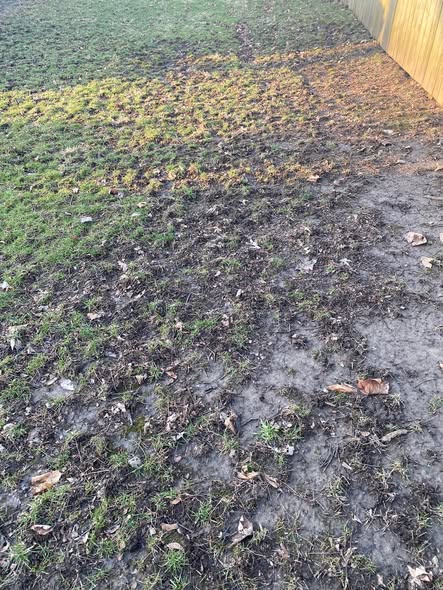
Generic lawn care advice says to aerate in spring or fall. Fertilize in spring and fall. Overseed in fall. The advice is technically correct but so vague for Sudbury conditions that it routinely produces poor results.
“Spring” in Sudbury for aeration can mean anywhere from early May to mid-June — a range of six weeks. The difference between aerating in early May (wet, cold soil, muddy plugs, sealed holes, minimal benefit) and aerating in the last week of May through mid-June (firm soil, clean plugs, open channels, maximum benefit) is not subtle. It’s the difference between a service that works and a service that costs money without producing results.
The same specificity matters for fall seeding. “Fall” seeding in October — which is the most common time homeowners get around to it — is past the effective window for Sudbury in most years. The soil temperature threshold for reliable germination closes around mid-October in Greater Sudbury. Seed applied after that point doesn’t establish before the ground freezes. I wrote a full piece on the most expensive October lawn mistake — it’s specifically about this timing misunderstanding and it comes up in almost every fall customer call I take.
The right timing for Sudbury is specific: late May through the second week of June for spring aeration and overseeding, as I’ve described in the aeration window article. Late August through mid-September for fall overseeding, not October. These windows exist because of Sudbury’s specific soil temperatures and seasonal patterns, not because of generic lawn care calendar logic.
Mistake 4: Doing the Right Thing at the Wrong Stage of the Problem
This one is subtler than the timing window mistake, but it comes up consistently. Homeowners apply the correct treatment but at the wrong point in the problem’s development — either too early, before the problem is diagnosable, or too late, after it’s advanced past the stage where that treatment is most effective.
Grub treatment is the clearest example. Nematodes — the right treatment for European chafer grubs in Sudbury — are most effective in late July and August when the grub generation is young, small, and near the surface. Applying them in October, after the grubs have matured and gone deeper for winter dormancy, produces minimal results. But homeowners who discover grub damage in October, after the lawn comes out of summer looking rough, naturally want to treat it immediately — and applying nematodes at that point wastes money.
The same principle applies to overseeding after severe drought stress. The instinct when sections go brown in July is to reseed immediately. But reseeding drought-stressed soil in July — before it’s recovered, before soil temperatures are favourable for germination, before the existing grass has had a chance to come back — produces poor germination and often fails. Waiting for early September gives the seeding a significantly better chance of establishing before winter.
The problem has a right time to treat it. That time isn’t always when the problem becomes obvious.
Mistake 5 and 6 — The Product and Solution Mistakes
Mistake 5: Using the Same Product for Every Problem
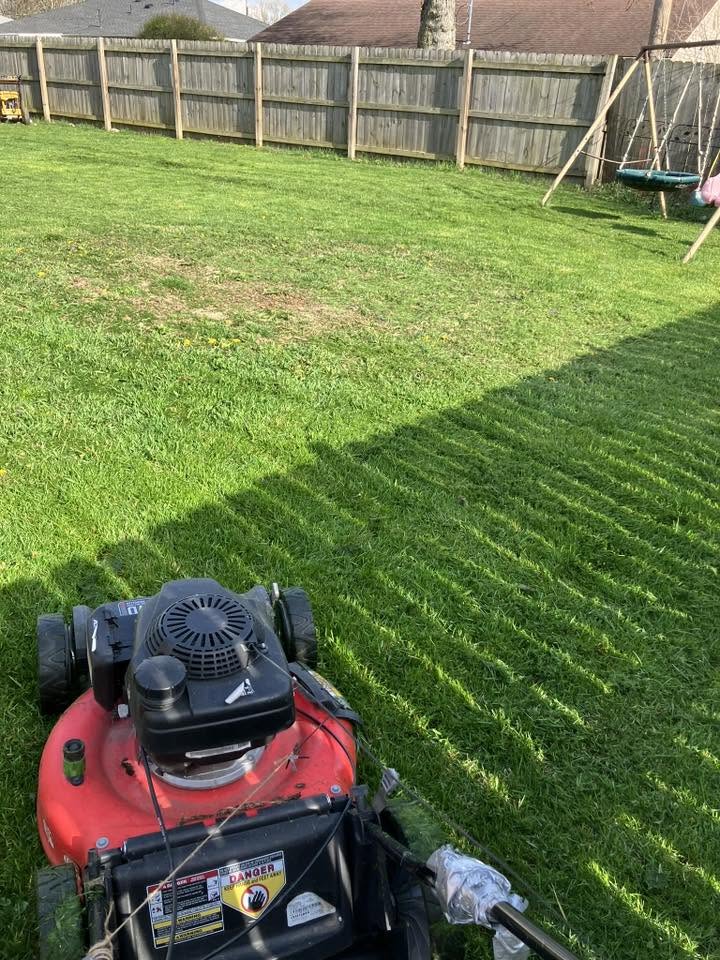
This one I see in the physical evidence on properties when I arrive — a lawn that’s been fertilized repeatedly with the same product regardless of season, soil test results, or what the lawn actually needs at that point in the year. Or a lawn that’s received the same seed mix every year regardless of what’s actually dying and what conditions are causing it.
Fertilizer needs change across the season. A high-nitrogen spring formula that pushes blade growth is the wrong product for fall, when the goal is root-building and cold hardiness. A starter fertilizer appropriate for new seed is the wrong product for an established lawn that needs slow-release nutrition over months. A full-sun grass seed blend is the wrong product for a shaded section under a maple canopy.
Generic products applied generically produce generic results — which, on a Sudbury property with specific soil conditions and specific seasonal challenges, often means results that are disappointing rather than results that are wrong for obvious reasons.
I’m not suggesting homeowners need to be specialists in soil chemistry. But asking “is this the right product for this specific situation right now” before buying anything is a discipline that saves more money than it costs over a season.
Mistake 6: Treating the Lawn as a Separate System From the Soil
This is the foundational mistake that all the others connect back to. A lot of homeowners think about their lawn as what’s growing above the surface — the grass blades, the colour, the height, the visible density. They measure its health by those visible indicators and they treat it by applying things to the surface.
The soil is not a medium the lawn sits in. The soil is part of the lawn system, and it’s the part that’s most consequential for long-term performance. The microbial activity in the soil. The compaction profile that determines root depth. The moisture retention capacity that determines drought resilience. The pH that affects nutrient availability. The organic matter content that determines structure and drainage.
On Sudbury’s Canadian Shield soil, this distinction is more consequential than in most of Ontario because the soil is thinner, more variable, and more easily disrupted by compaction than the deep soils further south. A lawn that’s been treated only at the surface — fed, seeded, watered — without addressing the soil conditions underneath will always underperform relative to what’s possible on that property.
Annual aeration is the simplest intervention that addresses the soil rather than just the surface. Opening the soil, improving root zone oxygen exchange, reducing compaction — these changes at the soil level carry through to every surface metric the homeowner can see. It’s why I think about core aeration as the foundation of Sudbury lawn care rather than an optional add-on to a surface treatment program.
Why These Mistakes Keep Happening — and What Fixes Them
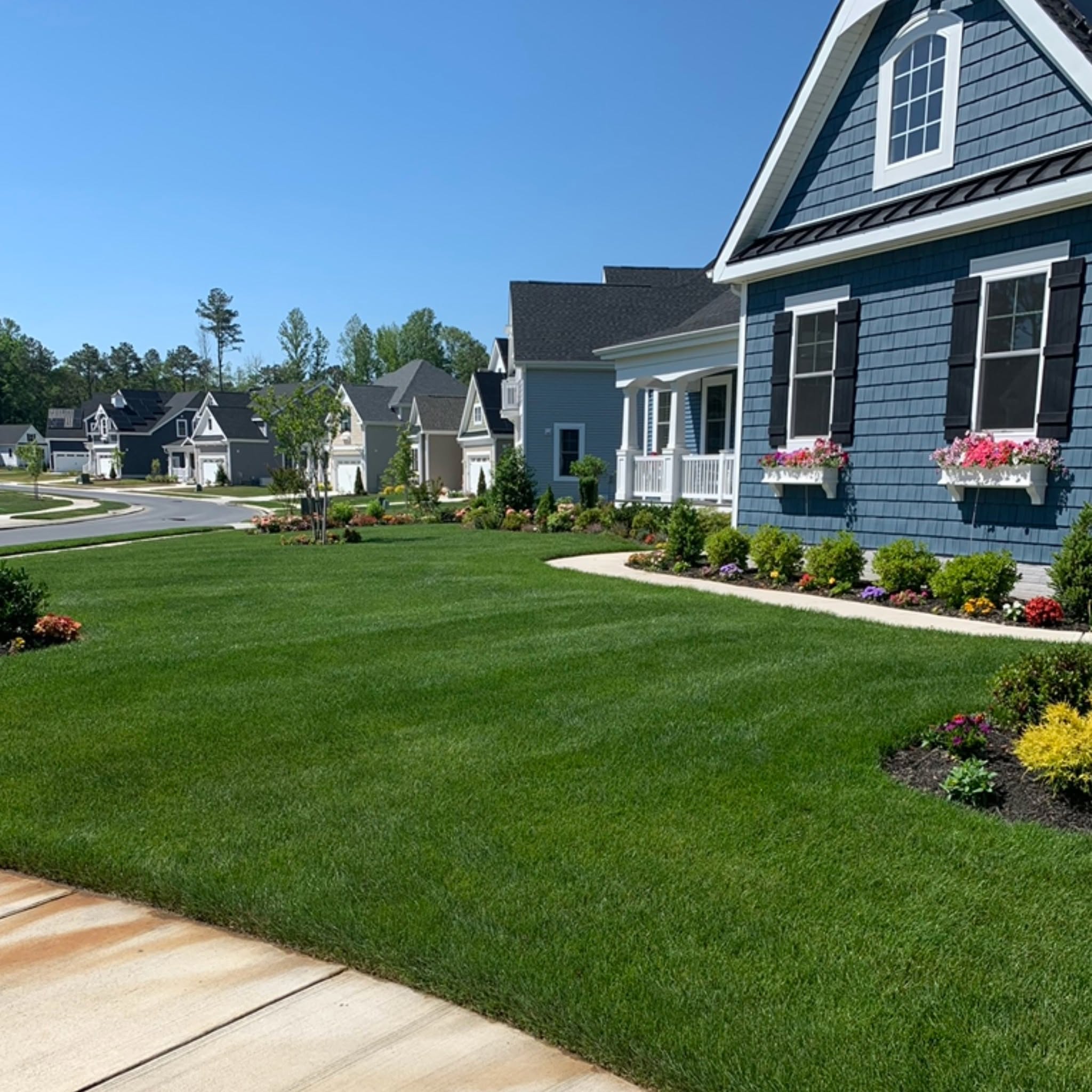
These six mistakes are consistent across Sudbury properties not because homeowners aren’t paying attention or don’t care. They’re consistent because the information available to most homeowners — generic lawn care content, product packaging, hardware store advice — is written for conditions that are different from Sudbury’s.
Southern Ontario deep soil. Milder winters. Longer fall growing windows. Fewer grub pressure issues from undeveloped land adjacent to suburban properties. Different freeze-thaw cycle severity. That’s the context most lawn care advice is written for, and it’s not the context most Sudbury homeowners are working in.
The fix isn’t complicated. It starts with the right diagnosis before any treatment decision — which is exactly what I described in the one question before quoting piece. Knowing what you’re trying to achieve, understanding what’s actually wrong versus what it looks like is wrong, and timing the treatment to Sudbury’s specific windows rather than generic seasonal advice — those three things, applied consistently, change the trajectory of a property over a season.
If you’re looking at your Sudbury lawn right now and wondering whether you’ve been making any of these six mistakes, the honest answer is probably yes to at least one of them. Most properties I assess have at least one of these misunderstandings built into the history of how the lawn has been treated. That’s not a judgment — it’s just what happens when specific conditions meet generic advice.
The good news: every one of these mistakes is correctable. The treatment just has to match the actual problem, be applied at the right time, and address the soil as well as the surface.
If you want to walk through what’s actually happening on your property before deciding what to do about it — that’s the conversation I’m set up for. For the full picture of what we offer, the complete service breakdown covers it all.
Call or text: 705-507-6787
Or fill out the free quote form on the site.
We cover Garson, Val Caron, Hanmer, Lively, Chelmsford, Azilda, Capreol, and surrounding areas.
— Ryan Lingenfelter
Cutting Edge Lawn & Landscaping
Garson, Ontario
705-507-6787
