
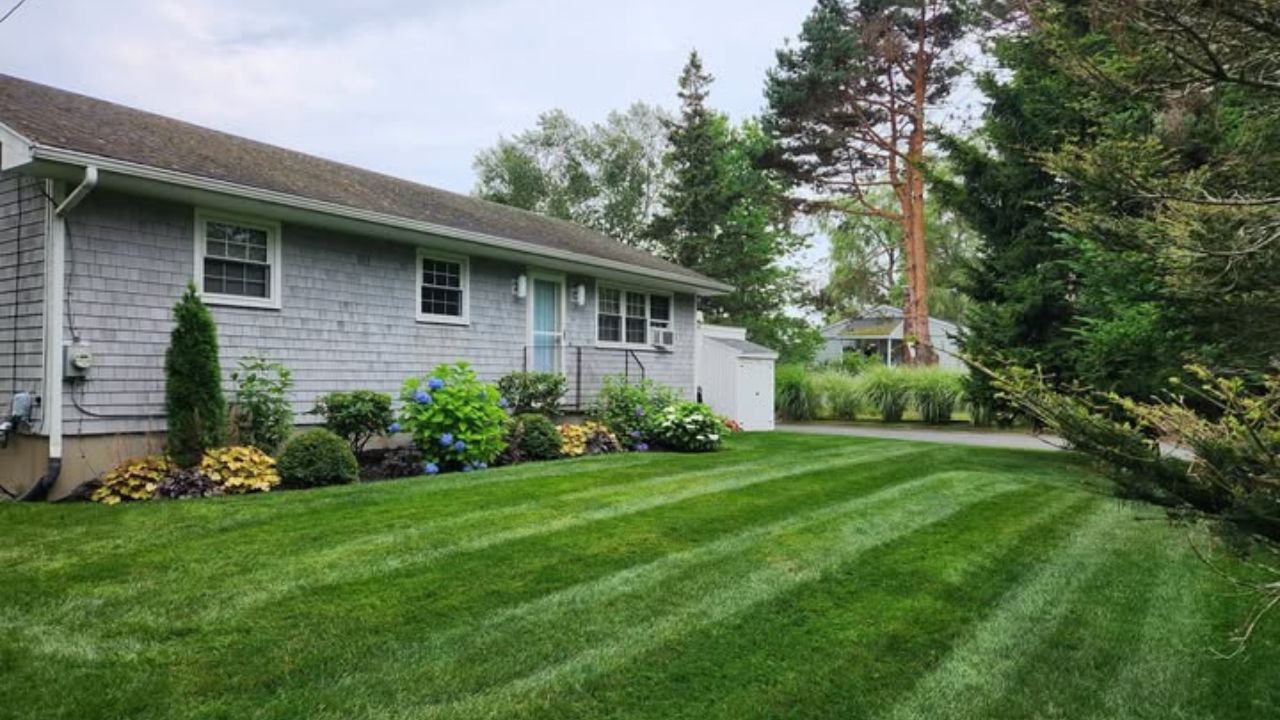
I’ve been doing this since 2020. Six years, hundreds of properties across Garson, Hanmer, Val Caron, Chelmsford, Lively, Azilda, Capreol, and Sudbury proper. And there’s a conversation I have with every single new client before I start any work — before I pull the mower off the truck, before I book anything, before I quote anything.
Most people are surprised by it. Not because it’s complicated. Because nobody’s had it with them before.
The companies they hired previously showed up, cut the grass, sent an invoice, and left. Which is fine as far as it goes. But it means they’ve been paying for a service that was never actually calibrated to their property, their situation, or what they’re actually trying to get out of their lawn.
Here’s exactly what I ask, why I ask it, and what the answers change about how I approach the work.
The First Question: What Does “Good” Actually Look Like for You?
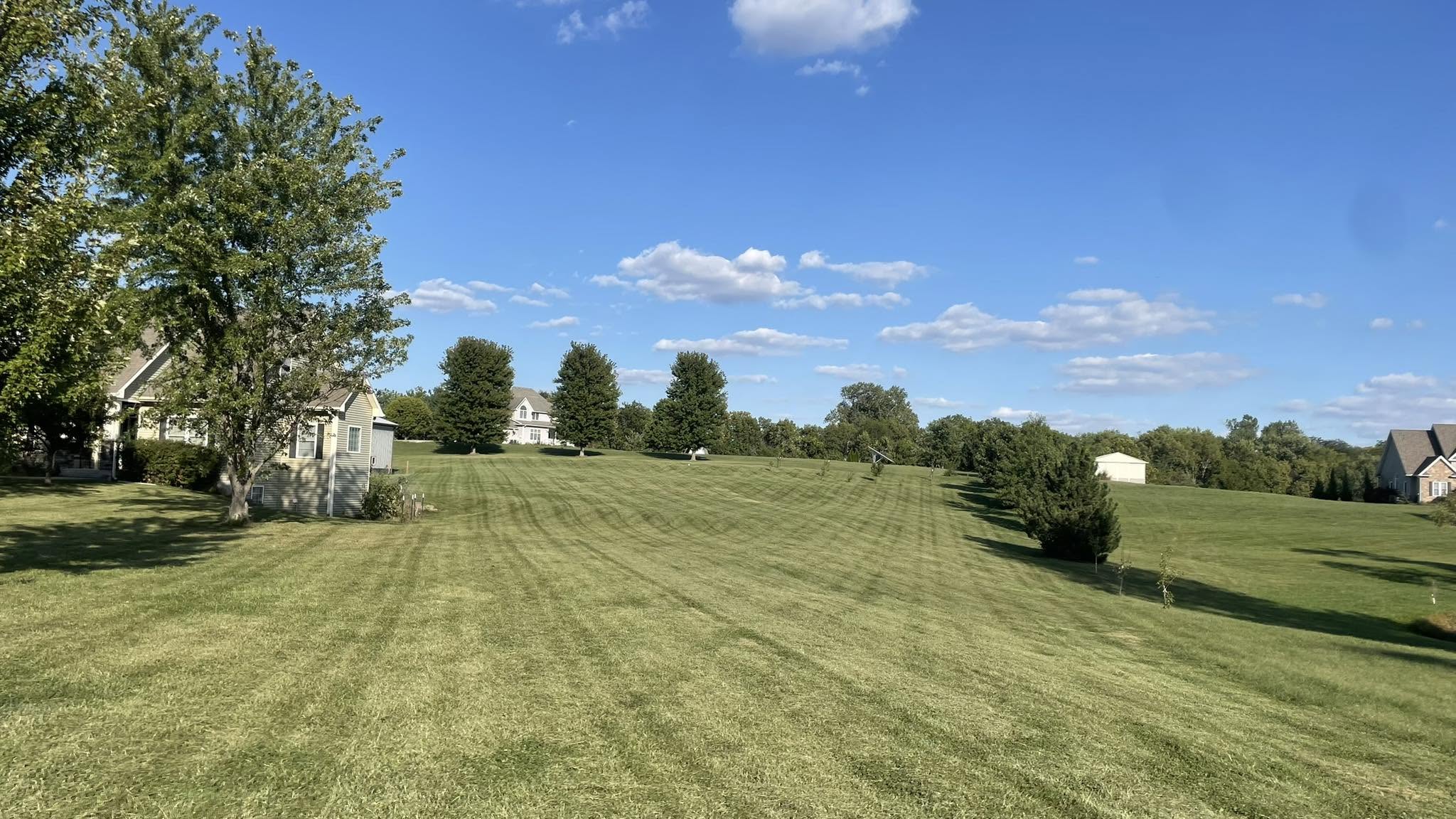
I ask this before anything else, and it sounds simple until you actually sit with it.
Because “good” means completely different things to different people. I’ve had clients who wanted a lawn that looked immaculate from the street — no weeds, consistent colour, clean edges, the kind of lawn that people slow down to look at when they drive past. I’ve had clients who just wanted it to not embarrass them when guests came over. I’ve had clients who had young kids and dogs and just wanted a safe, soft surface that could take a beating. I’ve had seniors who wanted something low-maintenance that they didn’t have to think about.
None of those are wrong answers. But they’re completely different briefs, and they lead to completely different approaches.
If someone wants a showpiece front lawn in Sudbury, I’m going to talk about a structured fertilization program, annual core aeration, consistent mowing height discipline, and what a realistic timeline looks like to get from where their lawn is to where they want it to be. That’s a different conversation than someone who wants reliable weekly cuts and doesn’t want to think about it further.
The reason I ask this first is simple: I don’t want to sell you a program you don’t need, and I don’t want to under-deliver on a result you actually care about. Both of those things happen when the service provider never asked what you actually wanted in the first place.
The Second Question: What Has and Hasn’t Worked Here Before?
This one opens up more than people expect.
Sometimes the answer is straightforward — they’ve never had professional lawn care before, so there’s no history to reference. But more often, there’s a pattern. They tried something. It worked, or it didn’t, or it worked for one season and then stopped working. And that pattern tells me something important about the property.
If someone says “we overseeded twice and it never held” — that’s not a seed problem. That’s almost always a soil problem. Either compaction that seed can’t penetrate, a pH level that’s too acidic for the seed to establish, shallow topsoil over bedrock, or a drainage issue that waterlogged the germinating seed before it could root. Sudbury soil is genuinely more challenging than most of Ontario, and overseeding without addressing the underlying soil condition is one of the most common ways people spend money here with nothing to show for it.
If someone says “we fertilized every year and the lawn never really improved” — that usually points to pH. Fertilizer doesn’t perform in acidic soil the way it does in balanced soil. You’re applying nutrients through a filter that’s blocking most of them. I’ve walked properties in Garson where the soil pH was sitting at 5.2 and the homeowner had been fertilizing for three years wondering why nothing was changing. The answer wasn’t the fertilizer brand or the timing. The answer was lime, which nobody had ever suggested.
If someone says “it looks great in June and then goes brown every July” — that’s a watering and root depth conversation. Shallow Sudbury topsoil means grass roots can’t go deep, which means the lawn runs out of moisture reserve during July heat faster than a lawn with deeper soil. The fix isn’t more watering — it’s deeper, less frequent watering combined with aeration to give roots the best chance of going as deep as the soil allows.
The history of what’s been tried is some of the most useful diagnostic information I can get before I walk the property. It tells me where to look and what to rule out before I’ve pushed a screwdriver into the ground.
The Third Question: Are There Any Parts of the Property I Should Know About Before I Start?
This one sounds administrative. It’s actually one of the most practically important questions I ask.
Because there is always something. On virtually every property I’ve ever started on, there’s been something that would have caused a problem if I hadn’t known about it ahead of time.
Sprinkler heads that sit just below the surface and are invisible until a mower blade hits them. A buried drainage pipe running through the lawn in a place that makes no obvious sense. A property boundary that’s different from where the fence is. A soft spot near a downspout that looks like solid ground and isn’t. A section of lawn that was resodded last fall and hasn’t fully established yet. A garden bed edge that’s flush with the lawn and impossible to see in longer grass.
These aren’t problems unique to Sudbury, but some of them are more common here. Canadian Shield properties often have drainage solutions that were put in years ago — sometimes by previous owners — that aren’t documented anywhere. Frost heave moves things. Freeze-thaw cycles push objects to the surface that weren’t visible the season before.
I ask this question because a good operator learns a property before they work it, not after something goes wrong. And the homeowner almost always knows something about their property that I can’t see from a walk. Giving them a direct invitation to tell me what that is before I start is just common sense — and it protects their property and mine.
The Fourth Question: What’s Your Honest Expectation for This Season?
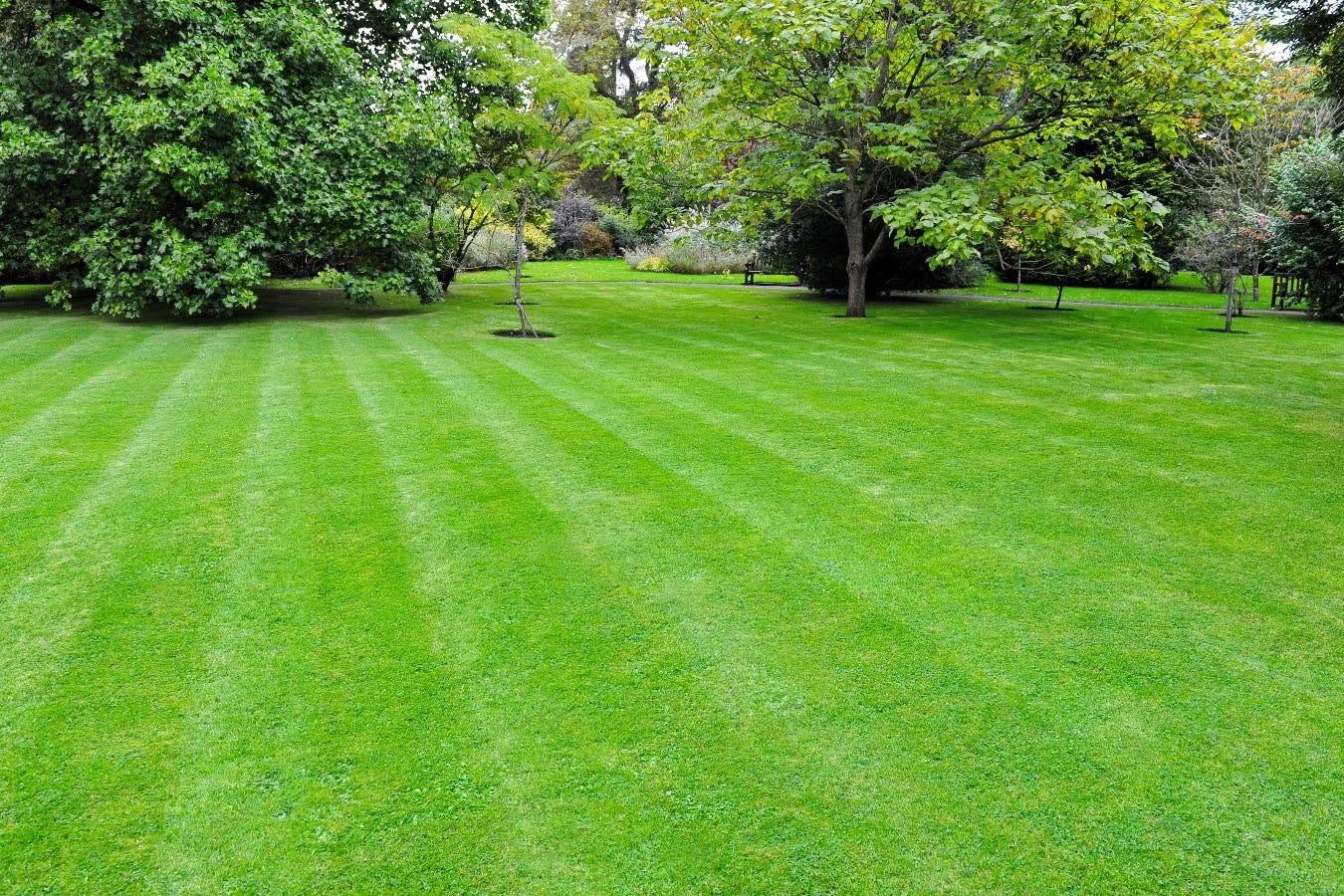
This is the question most people haven’t thought about before I ask it, and it’s the most important one for making sure the relationship actually works.
A lot of the frustration people have with lawn care companies comes from misaligned expectations. The company promised something vague, the homeowner heard something optimistic, and what actually happened didn’t match what either of them had in their head. I’ve seen this from the other side too — clients who switched to us from other companies not because the other company did bad work, but because nobody ever had an honest conversation with them about what was realistic.
So I’m direct about this. If someone has a lawn that’s been neglected for three seasons in Sudbury — thin grass, compacted soil, weed pressure, bare patches — I’m not going to let them expect a showpiece result by August. That’s not how lawn recovery works here. A seriously neglected Sudbury lawn takes two full seasons to recover properly. Year one is foundation work — aeration, overseeding, pH correction, getting the soil to a place where improvement is possible. Year two is when the lawn starts looking the way they hoped it would look after year one.
That honesty sometimes costs me the job. People hear “two seasons” and decide to call someone who’ll tell them they can fix it in one summer. Those people often call back the following year, because the one-summer promise didn’t deliver. But I’d rather tell someone the truth upfront than take their money and have them disappointed.
On the other side, I’ve had clients with lawns that were in decent underlying shape who came in expecting a slow process, and I could tell them honestly that with the right program they’d see meaningful improvement by September. Being able to say that credibly — and have it actually happen — is what builds the kind of client relationship where someone calls me back seven years in a row.
The expectation conversation also covers timing. Our season in Sudbury runs roughly May through October, with the most critical windows being late May for aeration and overseeding, and September for the fall treatment cycle. If someone calls me in July wanting to start a program from scratch, I tell them what’s realistic to accomplish in the back half of the season and what has to wait until spring. That’s a conversation worth having before any money changes hands.
What Happens After the Conversation

After we’ve talked through those four questions, I walk the property. Every time, without exception. I don’t quote off a satellite image. I don’t take square footage from a description over the phone and build a number around it.
I walk it because Sudbury properties have variations that matter. Two houses on the same street in Hanmer can have completely different soil depths, drainage patterns, and sun exposure. A problem that looks obvious from the surface often has a cause that’s invisible until you push a screwdriver into the ground in the right spot. A drainage issue that’s driving repeat failures in the same corner of a lawn isn’t apparent from the edge of the property — you have to stand in the corner after a rain and watch where the water goes.
The walk also gives me a chance to confirm or revise what I heard in the conversation. Sometimes people describe a problem and the property shows me something different. Sometimes the lawn is in better shape than they thought, and I can tell them that. Sometimes it’s worse, and I need to have a different version of the expectation conversation than the one we just had.
By the time I quote anything, I’ve had the conversation and walked the property. The number I give reflects what I actually found, not what a generic pricing formula produces. And the client knows exactly what we’re trying to accomplish, what it’s going to take to get there, and what a realistic season looks like.
That’s the conversation. It takes about fifteen minutes. And it’s the reason most of my clients have been with me for more than one season — because we started from an honest, shared understanding of what we were doing and why.
If you want that conversation about your property in Greater Sudbury, give me a call. I’ll come out, walk the lawn, and tell you what I actually see — including the parts that are good news and the parts that aren’t.
— Ryan Lingenfelter
Owner, Cutting Edge Lawn & Landscaping
Garson, Ontario
📞 705-507-6787
🌐 Free Quote — No Obligation
Serving all of Greater Sudbury — Garson, Hanmer, Val Caron, Lively, Chelmsford, Azilda, Capreol, and Sudbury proper.
Frequently Asked Questions
What should I tell a lawn care company before they start?
Tell them what result you’re actually hoping for, what’s been tried on the lawn before, anything unusual about the property they won’t be able to see from a surface walk — sprinkler locations, buried pipes, soft spots, property boundaries — and what your honest expectation is for the season. A company that asks you these questions before quoting is a better sign than one that gives you a price without having the conversation.
Why does a lawn care company need to walk my property before quoting?
Because Sudbury properties vary in ways that satellite images and square footage numbers don’t capture. Soil depth, drainage patterns, compaction levels, shade coverage, and existing problem areas all affect what the work will actually involve and what results are realistic. A quote built on a phone description is a guess. A quote built on a property walk is an honest number. I covered the specific variables that make Sudbury lawns different in the Sudbury soil and climate guide here.
How long does it take to see results after starting professional lawn care in Sudbury?
It depends on the starting condition. A lawn that’s in decent shape with good underlying soil can show meaningful improvement within one season on the right program. A lawn that’s been neglected for several years — compacted soil, low pH, bare patches — realistically takes two full seasons to recover properly in Sudbury’s climate. Year one is foundation work. Year two is when the visible transformation happens. Anyone who promises dramatic results on a neglected Sudbury lawn in a single summer is either optimistic or not being straight with you. I walked through what realistic recovery actually looks like in the neglected lawn restoration guide here.
What’s the difference between hiring an owner-operated company versus a larger lawn care company in Sudbury?
The main difference is accountability and knowledge of your property. In an owner-operated setup like ours, the person you talk to is the person doing the work — I know your property, I know its history, and when something goes wrong I’m one phone call away from fixing it. In larger operations, the person you talk to and the person cutting your grass may have no direct connection, and accumulated knowledge of your property doesn’t carry over when crew members change. I went into this in more detail in the professional lawn care guide here — the signals that actually tell you whether a company is operating at a professional standard rather than just calling itself one.
Do I need a soil test before starting lawn care in Sudbury?
For most Sudbury properties, yes — particularly if the lawn has been struggling consistently despite standard care. Sudbury soil runs naturally acidic, and below a pH of 6.0 fertilizer doesn’t perform the way it should regardless of how much you apply. A soil test tells you whether lime is needed and in what quantity before you spend money on seed and fertilizer that can’t work properly in acidic conditions. It’s inexpensive and takes the guesswork out of the foundational work.
Ryan Lingenfelter is the owner of Cutting Edge Lawn & Landscaping in Garson, Ontario. Since 2020, his crew has provided full lawn care services across Greater Sudbury — Garson, Val Caron, Hanmer, Lively, Chelmsford, Azilda, and Capreol. Licensed, insured, BBB A+ rated, and ThreeBest Rated for lawn care services in Sudbury.
📞 Phone: 705-507-6787
📍 Service Area: Greater Sudbury, Ontario
🔗 Free Quote: cuttingedgelawn.ca/quote
Services We Provide Across Greater Sudbury
- Grass Cutting Services
- Core Aeration
- Property Cleanup
- Sod Installation
- Mulch & Decorative Stone
- Hedge Trimming
Continue Reading
- What I’d Do If I Moved Into a Sudbury House With a Neglected Lawn Tomorrow
- What “Professional Lawn Care” Actually Means in Sudbury — And How to Spot It
- Sudbury Climate and Soil: Why Lawn Care Is Harder Here Than Anywhere in Ontario
- Lawn Fertilization Cost in Sudbury 2026 — Real Prices and Local Tips
