

One of the most common questions I get after a sod installation job is some version of this: “So how long is this actually going to last?”
It’s a fair question. Sod is an investment. You’ve just paid to have a proper lawn put down — you want to know what you’re getting for that money and what to expect going forward.
I’m Ryan Lingenfelter, owner of Cutting Edge Lawn & Landscaping in Garson, Ontario. Since 2020, I’ve installed sod on properties across Greater Sudbury — Garson, Val Caron, Hanmer, Lively, Chelmsford, Azilda, Capreol. I’ve also gone back to those same properties one year, three years, and five years later. I’ve seen what holds up and what doesn’t — and the difference almost never comes down to the sod itself.
Here’s the honest picture of what to expect at each stage.
The Short Answer First
Sod, when installed correctly and maintained properly, doesn’t have a lifespan in the way a product does. It becomes your lawn. A properly established sod lawn in Sudbury — mowed at the right height, aerated annually, watered correctly — will look good indefinitely. There’s no expiry date on a healthy lawn.
What does have a timeline is the establishment period — the window between installation and the point where the sod has rooted deeply enough to function like a mature lawn. That period matters more than most homeowners realize, and what you do during it determines everything that comes after.
The failures I’ve seen on Sudbury sod installations — the ones where someone calls me two years later saying the lawn looks worse than before — are almost always rooted in what happened in the first season. Not the sod quality. Not bad luck. What happened in the first 60 days.
Year 1 — The Establishment Window

The first year after sod installation is the most important year. Not because the sod is fragile — it isn’t — but because this is when the root system either establishes properly into your Sudbury soil or doesn’t.
When sod goes down, the roots are about an inch long. They’re sitting on top of your prepared soil, held in place by the sod’s existing root mat. For the sod to actually work — to become a drought-tolerant, wear-tolerant, healthy lawn — those roots need to push down into the soil below and establish at depth. In Sudbury’s clay-heavy soil, that process takes longer than it does in loamier soil. Plan for 6 to 8 weeks before the sod is genuinely rooted, and a full growing season before it’s performing like a mature lawn.
What year 1 should look like: By the end of the first summer, your sod should be uniformly green, rooted firmly enough that you can’t pull up a corner without resistance, and handling normal foot traffic without visible damage. The seams where the sod pieces were laid should be invisible. The lawn should be performing like a real lawn — not a carpet sitting on top of the soil.
What goes wrong in year 1:
- Underwatering in the first 3 weeks. New sod needs consistent moisture to root. In a Sudbury summer, that means watering twice a day in the first two weeks — short sessions, just enough to keep the top inch of soil moist. Homeowners who go on vacation two weeks after installation and skip watering come back to dead sod. It’s the most common first-year failure I see and it’s completely avoidable.
- Mowing too early or too short. First mow should happen when the sod reaches about 4 inches and the roots are established enough to hold. Mow at 3 inches and stay there. Homeowners who mow at 1.5 or 2 inches in the first season stress the new grass before it’s established and the lawn never gets the root depth it needs.
- Heavy foot traffic before rooting. Kids, dogs, parties — normal life. But heavy traffic on sod that hasn’t rooted yet compresses the root zone and creates bare spots. Try to keep traffic light for the first 4 to 6 weeks.
If you do year 1 right — watering correctly, mowing at 3 inches, light traffic during establishment — your sod will be fully established by September and ready to come out of its first Sudbury winter in good shape.
Year 3 — What a Properly Maintained Sudbury Sod Lawn Looks Like
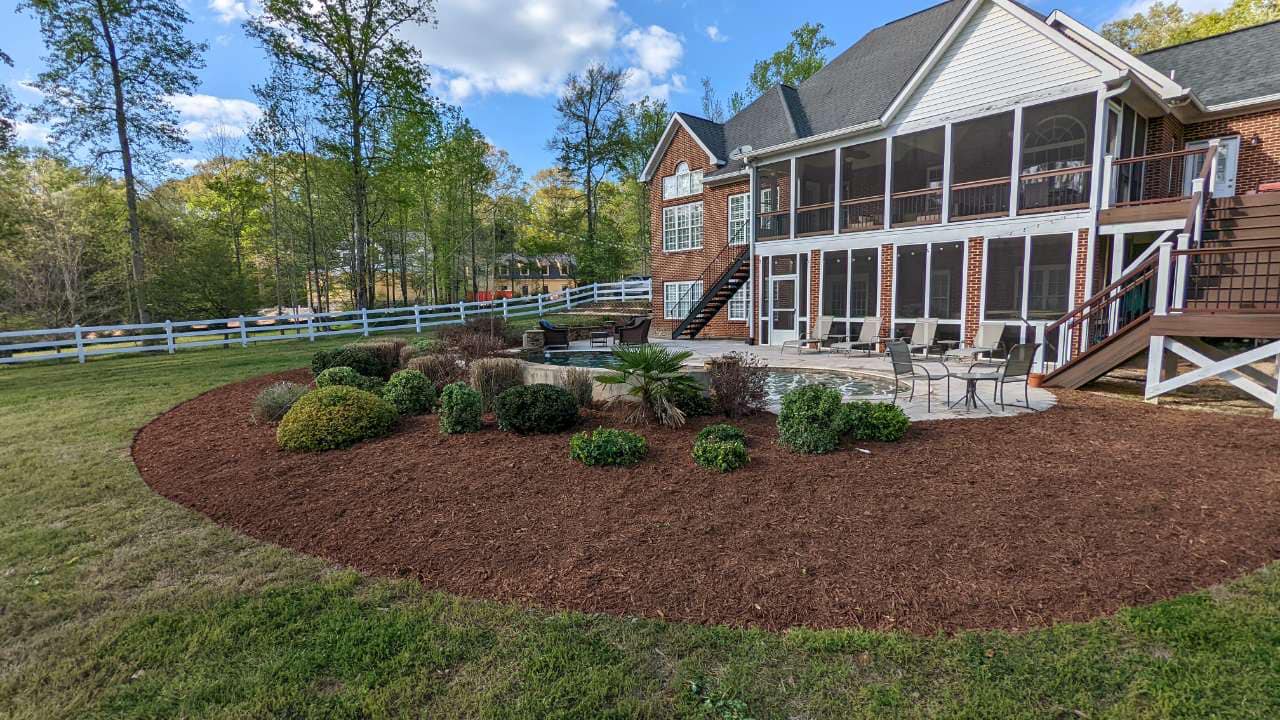
By year 3, the sod has been through three Sudbury winters. Three freeze-thaw cycles. Three summers of heat. If it’s been maintained properly, year 3 is when most homeowners tell me the lawn is performing better than they expected.
Root systems on a properly maintained Sudbury sod lawn at year 3 should be 4 to 6 inches deep — sometimes deeper on properties that have been aerated annually. That root depth is what keeps the lawn green in July when the clay surface dries out. It’s the difference between a lawn that holds its colour through a heat wave and one that browns out and goes dormant after five days without rain.
What year 3 looks like if maintenance has been right: Dense, even turf. Seams from installation completely undetectable. Lawn handling normal family use — foot traffic, kids, dog activity — without visible wear patterns. Colour consistent from spring through fall. July heat not causing the kind of browning you see on neglected lawns.
What year 3 looks like if maintenance has been wrong: Thin spots where the grass has been cut too short over multiple seasons. Weed encroachment in areas where the turf has thinned. Compaction from never aerating — Sudbury’s clay soil packs down hard every winter and without aeration the roots hit a ceiling. A lawn that looked great in year 1 and has been slowly deteriorating since.
The single most important maintenance step between installation and year 3 is annual core aeration. Sudbury clay compacts hard. New sod installed in great soil prep will start struggling by year 2 or 3 if the soil isn’t being opened up annually. Aeration keeps the root zone accessible, lets water penetrate instead of running off, and is the main reason some Sudbury sod lawns look better at year 5 than they did at year 1.
Year 5 — The Honest Picture

Five years is when I can tell clearly which sod installations were done right and maintained right — and which ones weren’t.
Properties where the installation was done properly, the first season watering was correct, and the lawn has been aerated annually and mowed at 3 inches consistently: the lawn at year 5 is excellent. Dense, deep-rooted, handling everything Sudbury throws at it. These are the lawns that stay green in August while neighbours’ lawns go brown. The sod investment paid off completely and the lawn looks like it’s always been there.
Properties where something went wrong early or maintenance has been inconsistent: year 5 often shows real problems. Thinning, weed coverage in bare spots, compaction issues that have been building for years. At this point the lawn may need significant intervention — aeration and overseeding at minimum, partial sod replacement in the worst areas.
The most common year 5 problem I see on Sudbury sod lawns: compaction that was never addressed. The homeowner watered correctly in year 1, the sod established well, the lawn looked great in year 2. Then life got busy, aeration never happened, and by year 5 the clay has packed back down and the grass has been slowly thinning. Weeds moved into the thin spots. The lawn looks older than it is.
This is completely reversible. A year 5 lawn with compaction and weed issues that gets aerated, overseeded, and put on a proper mowing schedule will recover significantly within one season. But it requires recognizing that the problem is compaction and maintenance — not the sod itself.
What Determines Whether Your Sod Lasts in Sudbury

After doing this work across Greater Sudbury for five years, here’s what I know determines whether a sod installation delivers long-term results or slowly deteriorates.
Soil preparation before installation. Sod laid on poor soil — compacted clay with no organic matter, inadequate depth — will struggle from day one. Proper soil prep means at least 4 inches of quality topsoil, graded correctly, with any drainage issues addressed before a single roll goes down. Cutting corners on soil prep is the most expensive mistake in sod installation because you pay for it every year after.
First season watering. What happens in the first 60 days is disproportionately important. Consistent moisture during root establishment sets the depth the roots grow to — and that depth determines drought performance for years. Under-water in the first season and you’ve limited the root depth permanently until the lawn is renovated.
Mowing height from day one. Three inches and stay there. Every season. Homeowners who cut their sod lawn to 1.5 or 2 inches because “it looks neater” are slowly destroying the root system they paid to have installed. I’ve written about why mowing height matters so much in the May mowing mistake article here.
Annual core aeration. Non-negotiable on Sudbury clay. Every year, ideally late May or early June before the summer heat. This single service is the difference between a sod lawn that improves with age and one that slowly compacts and thins out. I see this pattern on property after property across Greater Sudbury.
Addressing problems early. A bare patch that appears in year 2 is a $50 overseeding job. The same bare patch ignored until year 4 when weeds have colonized it is a more involved fix. Small problems caught early stay small. Ignored, they compound.
When to Replace vs. When to Restore
If your sod lawn is a few years old and not looking the way it should, the question is always: do we restore it or replace it?
For most Sudbury lawns that are struggling at year 3 or 5, restoration is the right call — and it produces better long-term results than ripping everything out and starting over. Aeration, overseeding, weed treatment, getting on a proper mowing schedule. A struggling lawn that still has 50 percent or more live grass is a restoration candidate, not a replacement candidate.
Full sod replacement makes sense when large areas are completely bare, when there’s a drainage or grading problem that needs to be fixed before any grass will survive there, or when the lawn has deteriorated past the point where restoration is practical. In those situations, doing the soil prep properly and starting fresh is the right answer.
If you’re not sure which situation you’re in, that’s exactly what a property walk is for. I’ll tell you honestly what I see and what the right approach is — restoration or replacement — before anything gets priced or scheduled.
📞 705-507-6787
🔗 Get a Free Quote
📍 Serving Greater Sudbury — Garson, Val Caron, Hanmer, Lively, Chelmsford, Azilda, Capreol
— Ryan
Frequently Asked Questions
How long does sod take to root in Sudbury Ontario?
In Sudbury’s clay-heavy soil, expect 6 to 8 weeks for the sod to root firmly enough to handle normal use. The rooting process is slower in clay than in loamier soil because the roots have to push through a denser medium. Consistent watering in the first 3 weeks is the most important factor — without it, the roots don’t develop the depth they need and the lawn will struggle through its first summer.
How long does a sod lawn last in Greater Sudbury?
Properly installed and maintained sod doesn’t have a fixed lifespan — it becomes your permanent lawn. Sod lawns in Sudbury that are aerated annually, mowed at 3 inches consistently, and watered correctly look better at year 5 than they did at year 2. The lawns that deteriorate do so because of compaction from never aerating, damage from cutting too short, or problems that weren’t addressed when they were small. The sod itself isn’t the limiting factor — maintenance is.
When should I aerate a new sod lawn in Sudbury?
Wait until the sod is fully established — typically the second spring after installation. Aerating too early, before the roots have set properly, can disturb the sod. From the second year on, annual aeration in late May or early June is the most important ongoing maintenance on any Sudbury sod lawn. Sudbury’s clay soil compacts hard every winter and without annual aeration the root zone closes up and the lawn slowly deteriorates.
Why is my Sudbury sod lawn thinning out after a few years?
The most common cause on Greater Sudbury properties is compaction from never aerating, combined with cutting the grass too short. Clay soil packs down hard under freeze-thaw cycles and without annual aeration the roots hit a ceiling and stop deepening. Thin grass in compacted soil leaves gaps for weeds. The fix is core aeration, raising the mowing height to 3 inches, and overseeding any thin or bare areas. Most Sudbury sod lawns that are struggling at year 3 or 4 respond well to this approach within one season.
How often should I water new sod in Sudbury?
Twice daily for the first two weeks — morning and early afternoon, short sessions just enough to keep the top inch of soil moist. After the first two weeks, transition to once daily as the roots begin to establish. After 6 to 8 weeks when the sod is rooted, shift to deep infrequent watering — one or two long sessions per week that push moisture 4 to 6 inches into the soil. That deep watering schedule trains the roots to grow downward, which is what gives the lawn its long-term drought tolerance.
Does sod in Sudbury survive the winter?
Yes — cool-season grass sod is well suited to Sudbury winters when installed correctly and properly established before freeze-up. Sod installed in spring or early summer has the entire growing season to establish before winter. The key is that the sod is rooted firmly before the ground freezes in October. Sod installed too late in fall — after mid-September in most Sudbury years — may not establish before freeze-up and carries more winter risk. Spring installation is the most reliable timing in Greater Sudbury.
Ryan Lingenfelter is the owner of Cutting Edge Lawn & Landscaping in Garson, Ontario. Since 2020, his crew has provided full lawn care services across Greater Sudbury — Garson, Val Caron, Hanmer, Lively, Chelmsford, Azilda, and Capreol. Cutting Edge is licensed, insured, BBB A+ rated, and ThreeBest Rated for lawn care services in Sudbury.
📞 Phone: 705-507-6787
📍 Service Area: Greater Sudbury, Ontario
🔗 Free Quote: cuttingedgelawn.ca/quote
Helpful Lawn Care Services in Sudbury
- Sod Installation in Sudbury
- Core Aeration for Healthy Lawns
- Grass Cutting Services in Sudbury
- Property Cleanup Services
- Mulch & Decorative Stone
- Hedge Trimming Services
Continue Reading
- Sod Installation in Sudbury: What 5 Years on the Ground Taught Me
- The May Mistake That’s Killing Sudbury Lawns by July
- The Worst Sudbury Lawn I’ve Ever Seen — And How We Brought It Back
