
I want to write this one with urgency because the timing is real and the window is genuinely narrow.
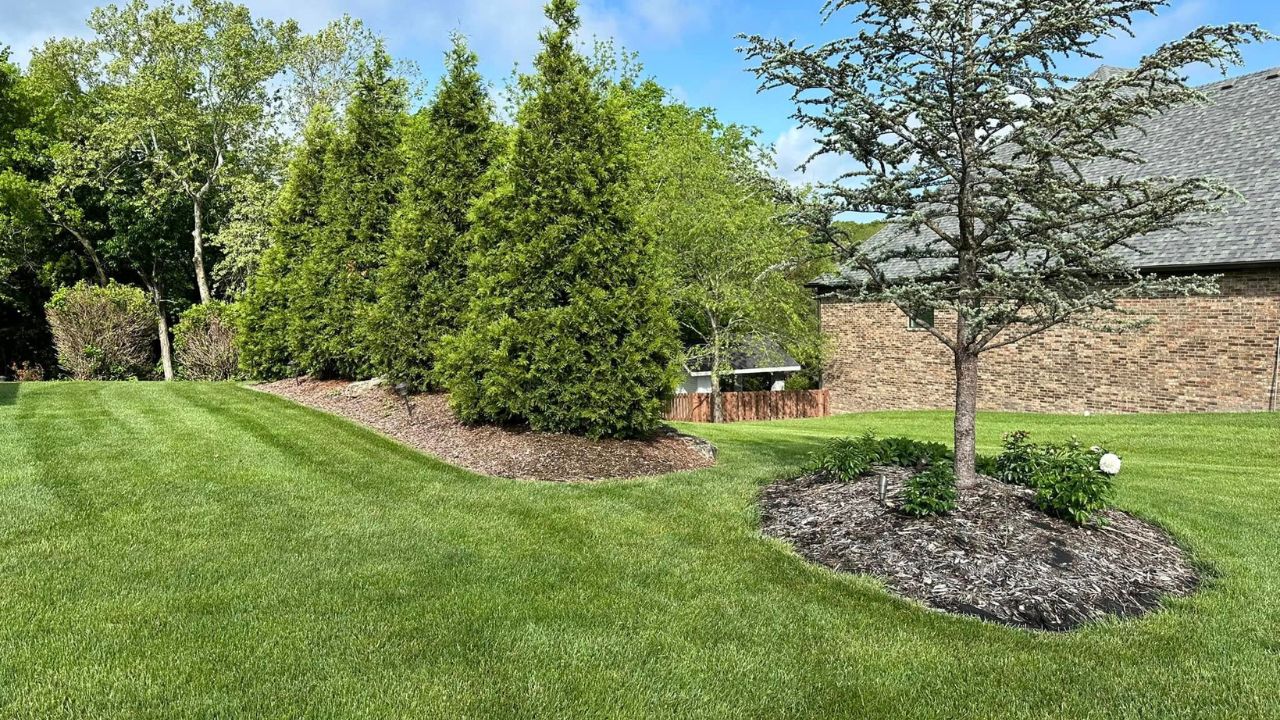
Every summer, by the time August arrives and Sudbury goes through its dry stretch — the weeks in late July and August when rain gets scarce and afternoon temperatures push into the low thirties — I can look at a lawn and tell, almost immediately, whether the right things were done in June. Not July. Not even late June. Specifically the last week of May through the second week of June.
The lawns that hold up through August heat — that stay green when the neighbours’ lawns are going brown and crispy — almost always had something specific done during that window. The lawns that fail visibly in August — that look rough and stressed and don’t recover quickly when rain returns — almost always missed it.
Here’s exactly what those 7 days are, what needs to happen during them, and why missing them is so costly.
Why June — Not July or August — Is When August Is Actually Decided
To understand why a specific window in June determines August performance, you need to understand what grass is actually doing in each month of the Sudbury growing season.
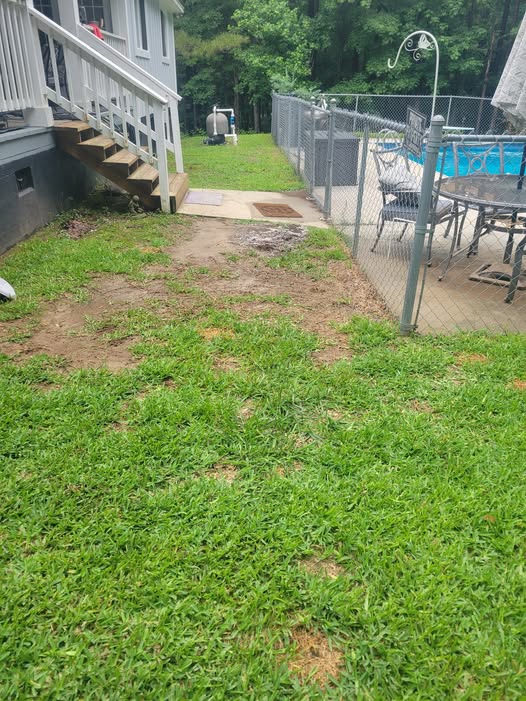
In May, the lawn is coming out of dormancy. Soil temperatures are rising, roots are beginning to grow again after winter, and the grass is in a recovery and establishment phase. The ground is still moist from snowmelt. Growth is vigorous but the root system is rebuilding from whatever the winter did to it.
In July and August, the lawn shifts into summer stress mode. Soil moisture decreases. Temperatures at root depth rise. The grass slows its blade growth and puts energy into surviving heat and dry conditions. A lawn with a deep, well-established root system going into this period can draw on moisture from lower in the soil profile and tolerate the stress. A lawn with a shallow or compromised root system hits the heat with nothing in reserve and starts to fail.
June is the bridge between those two states. It’s when the root system that was rebuilding in May either gets the conditions it needs to go deep — or doesn’t, and stays shallow.
What determines whether roots go deep in June? Two things: whether the soil is open enough for roots to penetrate, and whether there’s enough moisture and nutrient availability at depth to give roots a reason to go there. Compacted soil gives roots nowhere to go. Soil that’s been opened up and has available nutrients at depth pulls roots downward.
The window where Sudbury soil conditions, soil temperatures, and grass growth rates all align to make this possible is about 7 to 10 days in late May to mid-June. That’s the window. After that, soil temperatures start rising toward summer levels where root growth slows. Before that, the ground is too wet and cool from snowmelt for the treatment to be as effective as it should be.
I’ve described the mechanics of this in detail elsewhere, but the reason I’m framing it as “7 days in June that decide August” is because that’s genuinely how it feels on the ground — when you’ve worked on as many Sudbury properties as I have across multiple seasons, the correlation between what happened in that specific window and what the lawn looks like in August is consistent enough that it’s not a coincidence.
What Happens During Those 7 Days and Why the Timing Is That Specific
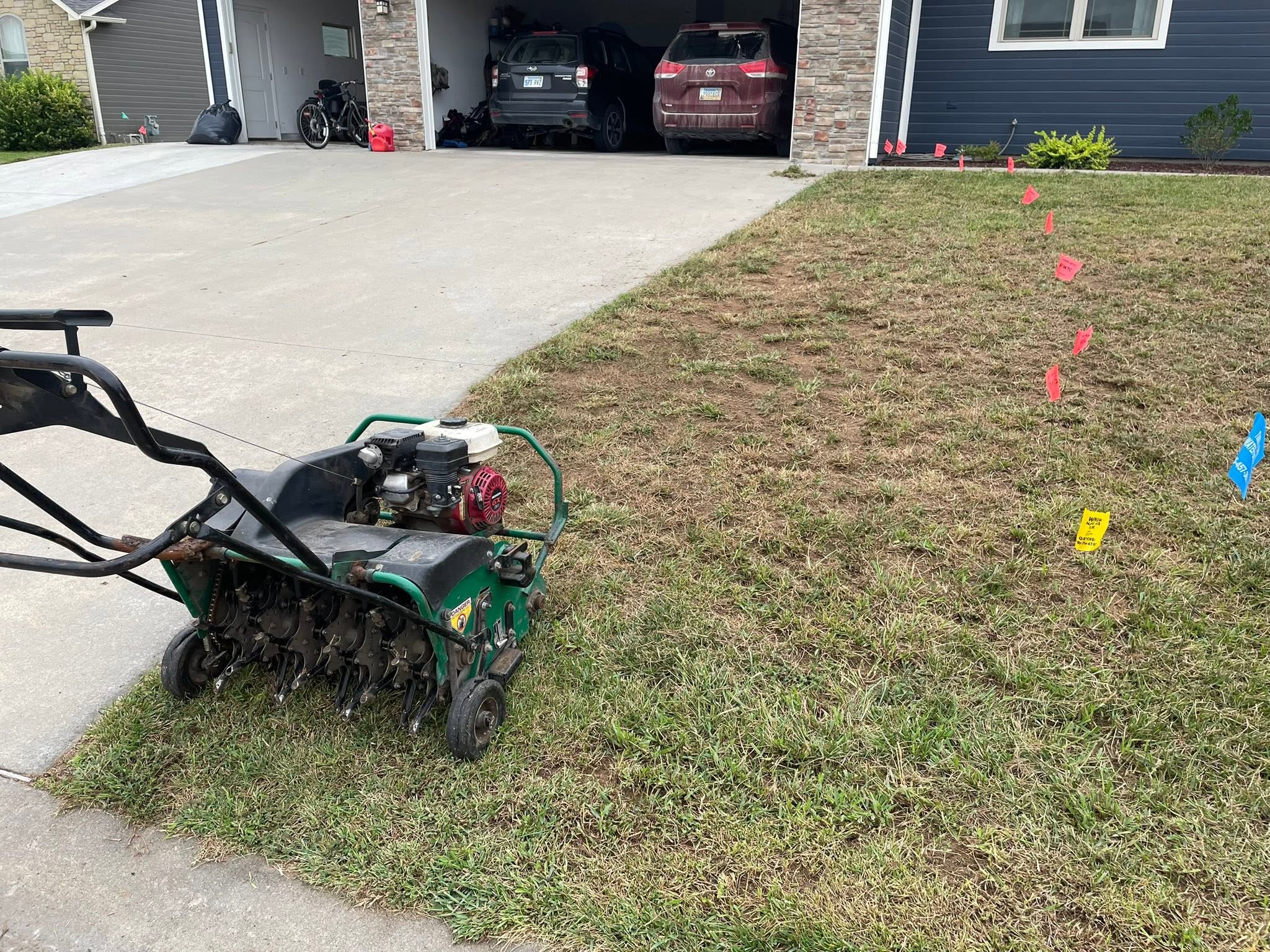
The specific window I’m talking about for most of Greater Sudbury is the last week of May through roughly the 10th to 12th of June, varying slightly by year depending on when the ground conditions hit the right state.
Here’s why that window is that specific, rather than “sometime in spring.”
Soil Temperature at Root Depth
Core aeration — the primary tool for opening soil and enabling root penetration — is most effective when soil temperatures at root depth are in the range of 10 to 18 degrees Celsius. Below that, the grass isn’t actively growing and won’t fill in the aeration holes efficiently. Above that, and the surface starts drying faster than the roots can take advantage of the opened channels.
In Sudbury, that temperature range at root depth typically occurs in a window that starts in late May and closes by mid-June in most years. It’s not a wide window. Two weeks, maybe three in a slow spring. Aeration done outside this window — either too early when the ground is still cold and wet, or too late when it’s warming toward summer temperatures — delivers a fraction of the benefit.
Grass Active Growth Phase
Grass plants in late May and early June are in their most active growth phase of the year in Sudbury. They’re putting on new blade growth rapidly, roots are extending, and the plant’s metabolic rate is high. This is exactly when you want to give the roots the best possible conditions — open soil, available nutrients, consistent moisture — because the grass will respond more aggressively to good conditions during this phase than at any other time of the season.
Do the right things during this phase and the root development you get will carry the lawn through July and August. Miss it and you’re doing the same things later in the season when the grass is less responsive and the results are proportionally smaller.
Moisture Balance
Late May and early June in Sudbury typically have the best natural moisture balance of the growing season — the ground isn’t saturated from snowmelt anymore, but the summer dry pattern hasn’t set in yet. This natural moisture availability means that aeration and any overseeding done during this window gets free irrigation from the weather rather than depending entirely on manual watering. The germination and establishment rates for seed dropped into aeration holes during this window are significantly higher than for seed applied later in the summer when natural moisture is less reliable.
The Three Things That Have to Happen in Those 7 Days
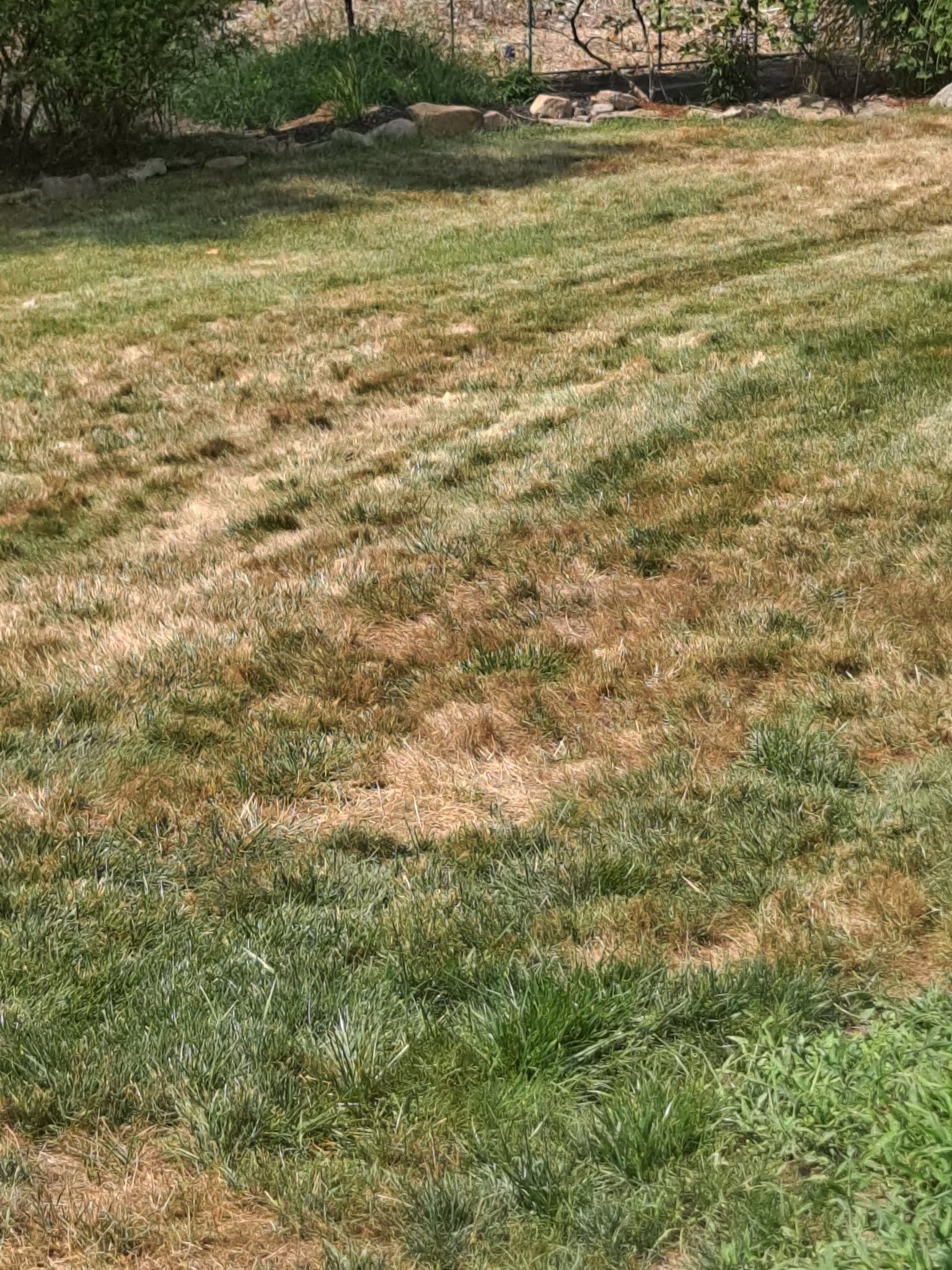
The window isn’t just for aeration — though that’s the anchor of it. There are three things that work together during this period, and all three together produce noticeably better August results than any one of them alone.
One: Core Aeration
This is the non-negotiable. I’ve said this in various forms across many articles on this site, and I’ll say it again here because it’s the single most leveraged thing you can do for a Sudbury lawn in this window: core aeration opens the compacted soil that Sudbury’s freeze-thaw cycles and thin Canadian Shield topsoil create every winter. Without it, the next two steps are significantly less effective because the soil isn’t open enough to take full advantage of them.
The tines pull plugs of soil out of the ground and leave channels that roots can grow into, water can penetrate, and nutrients can reach the root zone directly. A lawn that gets aerated in this window and one that doesn’t will look different in August — measurably, visibly different — even if everything else done to them is identical.
Two: Overseeding Immediately After
The aeration holes are the best seed bed the lawn will have all year. Seed dropped into those holes gets direct soil contact, warmth, and moisture in the same spot. Germination rates in aeration holes are dramatically higher than surface seeding. Overseeding immediately after aeration — same day or within 24 hours — takes advantage of the holes before they start to close up.
For thin sections, bare spots, or areas that struggled through winter, this is when to address them. The grass planted in these holes during this window will have its roots several inches deep by the time August heat arrives. Grass planted in July has roots that are barely established. The difference in August performance between those two is significant.
Three: Slow-Release Fertilizer
With the soil channels open from aeration, a slow-release fertilizer applied immediately after — same day or within a day or two — reaches the root zone directly rather than sitting on a compacted surface. Slow-release means it feeds the lawn gradually through June and July rather than spiking growth now and dropping off. The timing during this window, specifically, means the nutrients are available at root depth during the period when the grass is most actively growing and building the root reserves it’ll need to survive August.
These three things together — aeration, overseeding, slow-release fertilizer — in that 7 to 10 day window — are what I’d describe as the highest-leverage combination you can apply to a Sudbury lawn in a single year. I’ve seen struggling lawns turn their trajectory around in one season when these three things were done correctly and at the right time. I’ve also seen lawns where the same three things were done two weeks too early or two weeks too late, and the result was noticeably less dramatic.
The window is real. The timing matters more than most people expect.
What Lawns Look Like in August When Those 7 Days Were Used Right
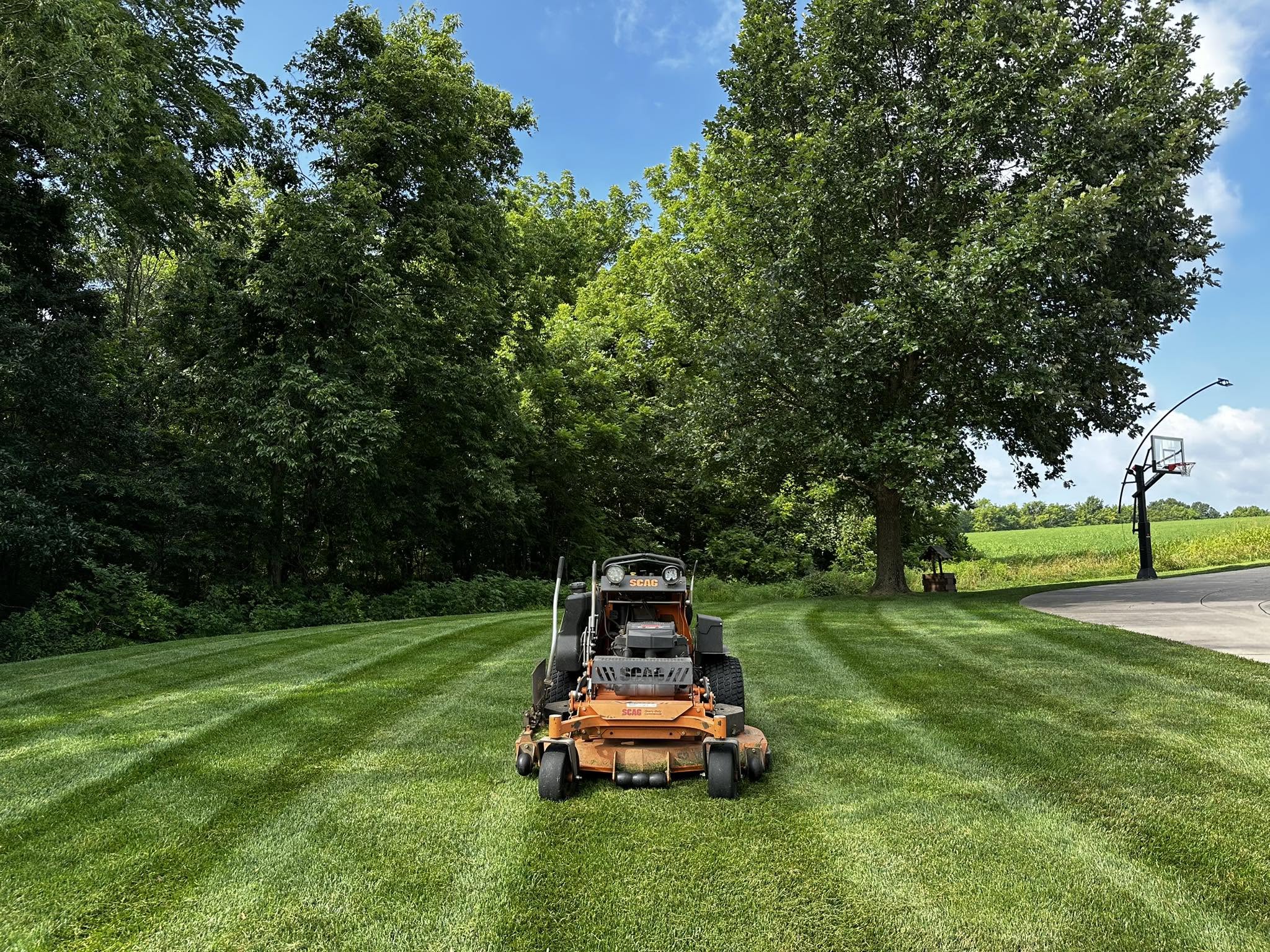
I want to give you a concrete picture of what the difference actually looks like, because I think it’s the most useful thing I can say to close this out.
On a property where the June window was used correctly — aeration, overseeding, slow-release fertilizer, all done in the right week — here’s what August typically looks like.
The lawn holds its colour through the dry stretches longer than the untreated lawn next door. When a dry week hits in late July and you’re watching lawns on the street start to go dull and brownish, the treated lawn stays greener for noticeably longer. This isn’t magic — it’s roots that go deeper and can access moisture from lower in the soil profile while shallow-rooted lawns are already stressed at the surface.
When August rain finally comes after a dry stretch, the treated lawn greens back up faster. The shallow-rooted lawn takes longer to recover because the roots have to rebuild from stress. The deep-rooted lawn was stressed too, but it recovers in days rather than weeks.
And by September, when the fall growing season starts and the lawn has one more chance to build reserves before winter, the treated lawn goes into that period from a position of strength rather than exhaustion. That matters for what the lawn looks like the following May — which is where I started the conversation in the article about why some Sudbury lawns never seem to recover after winter. The lawns that never recover are almost always the ones that go into every winter from a position of exhaustion rather than strength.
I’ve talked to enough new customers about their lawn history to see the pattern clearly. The ones who describe a lawn that just keeps getting worse year after year are almost always describing a lawn that’s been missing the June window consistently — either because nobody told them it existed, or because the lawn care they hired didn’t prioritize it. The connection between what happens in June and what happens in August and the following May is direct, even if it’s not obvious to the homeowner experiencing it.
That’s exactly the kind of thing I talk about in the conversation I have with every new Sudbury customer — setting up the actual understanding of how the lawn works before any service starts, so the customer knows what to watch for and why the timing matters. It’s also what I described in detail for Christine’s property in Lively — a lawn that looked beyond saving but wasn’t, because the underlying issues were diagnosable and the right sequence of treatment in the right windows could fix them.
Where We Are Right Now — and Why I’m Writing This Today
I’m writing this on June 20th, 2026. In most years, the window I’ve described is either open right now or closing within the next few days, depending on how the spring has gone and what soil temperatures are doing.
If you’re in Greater Sudbury and your lawn hasn’t had aeration done this spring — and you care about what it looks like in August — this is the week to act. Not next week. Not when it’s more convenient. The window is genuinely time-limited in a way that most lawn care decisions aren’t.
Call me today and I’ll tell you whether the window is still open for your area and what we can get scheduled. If we’re past the window, I’ll tell you that honestly and we’ll talk about what the right next step is — whether that’s a modified approach now or planning for fall and next spring.
I’ve written before about how we check our work and the standard we hold every job to — if you book with us for this window, that’s what you’re getting. Work done at the right time, done right, with a straight answer about what to expect and when.
For everything we do across the season, the complete service breakdown has it all in one place.
Call or text right now: 705-507-6787
Or fill out the free quote form on the site.
We cover Garson, Val Caron, Hanmer, Lively, Chelmsford, Azilda, Capreol, and surrounding areas.
— Ryan Lingenfelter
Cutting Edge Lawn & Landscaping
Garson, Ontario
705-507-6787
