
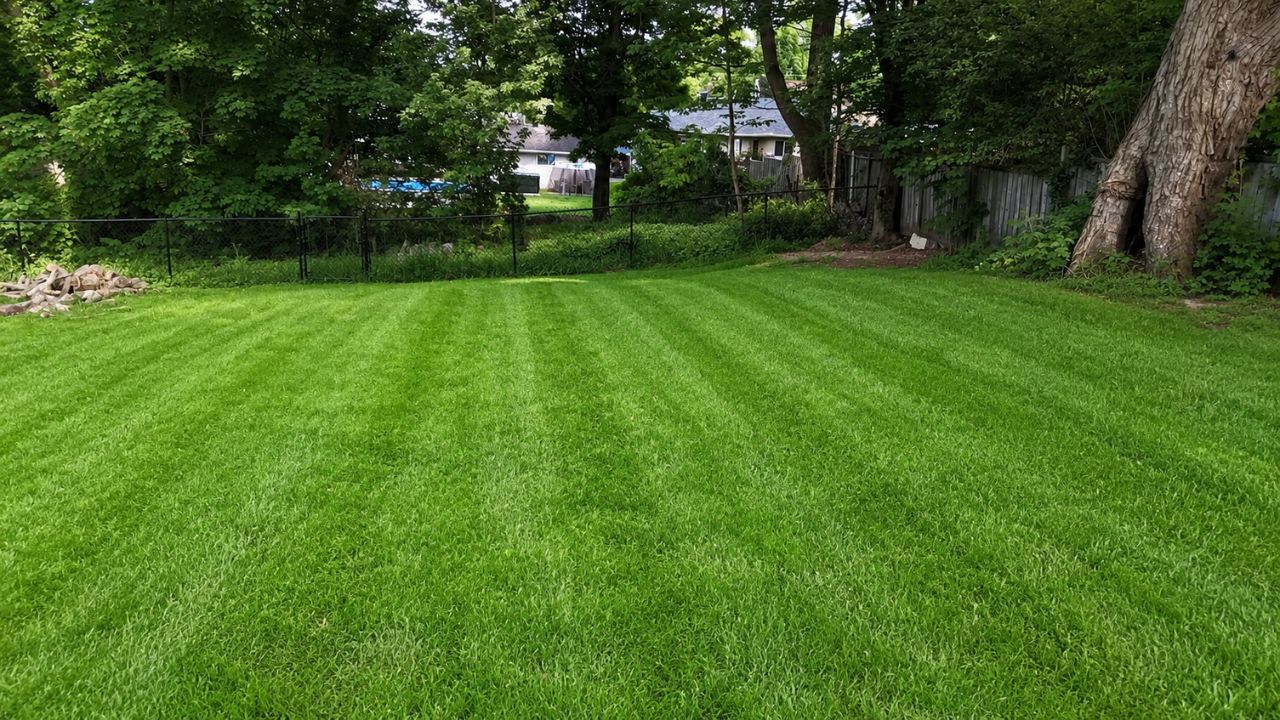
There’s a street in Greater Sudbury — I won’t name it specifically, but it’s a residential road with about a dozen properties on it — where I’ve been cutting multiple lawns since I started this business. Same street, same climate, same soil type, same everything.
Three years ago, those lawns all looked roughly the same. Standard Sudbury residential lawns — decent coverage, a few thin spots, nothing remarkable in either direction. If you’d driven down that street in May of 2022 and looked at the front yards, you wouldn’t have noticed much difference between them.
Drive down it today and the difference is noticeable. Some of those lawns look genuinely excellent — thick, consistently green, holding up through summer heat better than most properties I service. Others have declined — thinner than they were, more bare patches, struggling through July in ways that the better-looking ones don’t.
Same street. Same conditions. Three years apart. The difference isn’t luck.
What the Better-Looking Lawns Have in Common
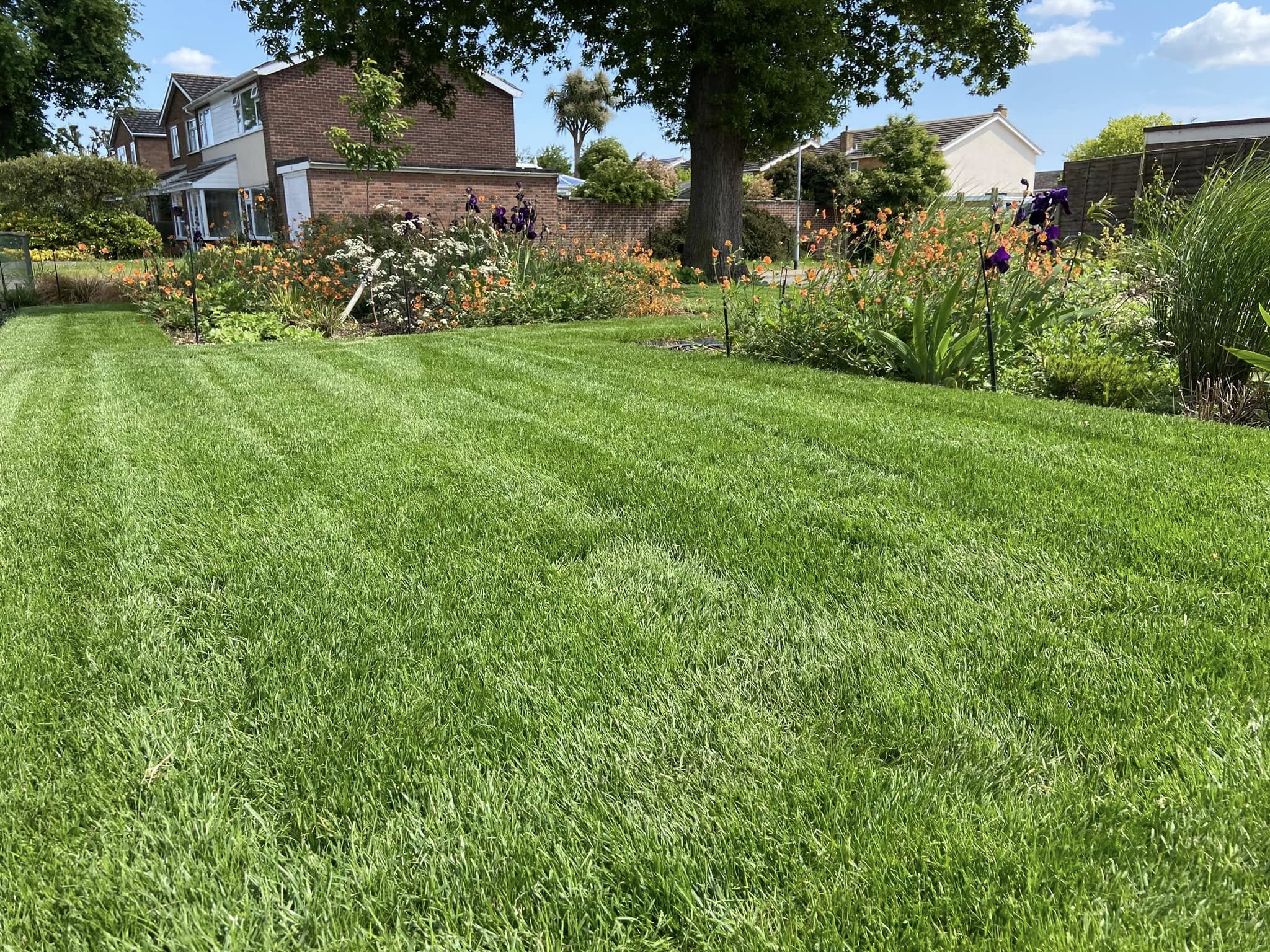
I’ve thought about this a lot over the past year or so, because the pattern is consistent enough to be meaningful. The lawns that look significantly better now than they did three years ago share a few specific things.
They got aerated — and kept getting aerated. Every single lawn on that street that looks noticeably better today has had core aeration at least once, and most of them twice — spring and fall. The lawns that declined or stayed flat are almost all ones where aeration hasn’t happened. I can see the difference in how they respond to rain, how they hold colour in July, how quickly they recover from stress. Aeration is the foundation, and the three-year comparison makes that case better than anything I could say.
They’re cut at the right height. The best-looking lawns on this street are cut at three inches through the regular season, slightly higher in July and August. I know because I’m the one cutting them. The lawns that are struggling — most of those are properties where the homeowner cuts it themselves or has a different service, and they’re consistently cutting short. I can see the scalp lines from the street. I know what short cutting does to a Sudbury lawn over three summers, and I’m looking at the result every time I drive that road.
Consistent weekly schedule. The lawns that improved are ones where the cutting has been weekly, on schedule, without gaps. No “I’ll get to it when I can” stretches in June that let it get away. Consistent grass cutting on a proper schedule means you’re never taking off too much at once, you’re never stressing the lawn with an overdue cut, and the grass is growing in a rhythm that keeps it healthy rather than reactive.
At least one proper spring cleanup. The lawns that look best have had the debris cleared, the thatch lifted, and the surface properly prepared at the start of each season. It sounds basic, but a thorough spring property cleanup sets the tone for the whole year. Lawns that start May with thatch sitting on them, debris blocking airflow, matted grass from winter — they start behind and stay behind.
What the Declining Lawns Have in Common
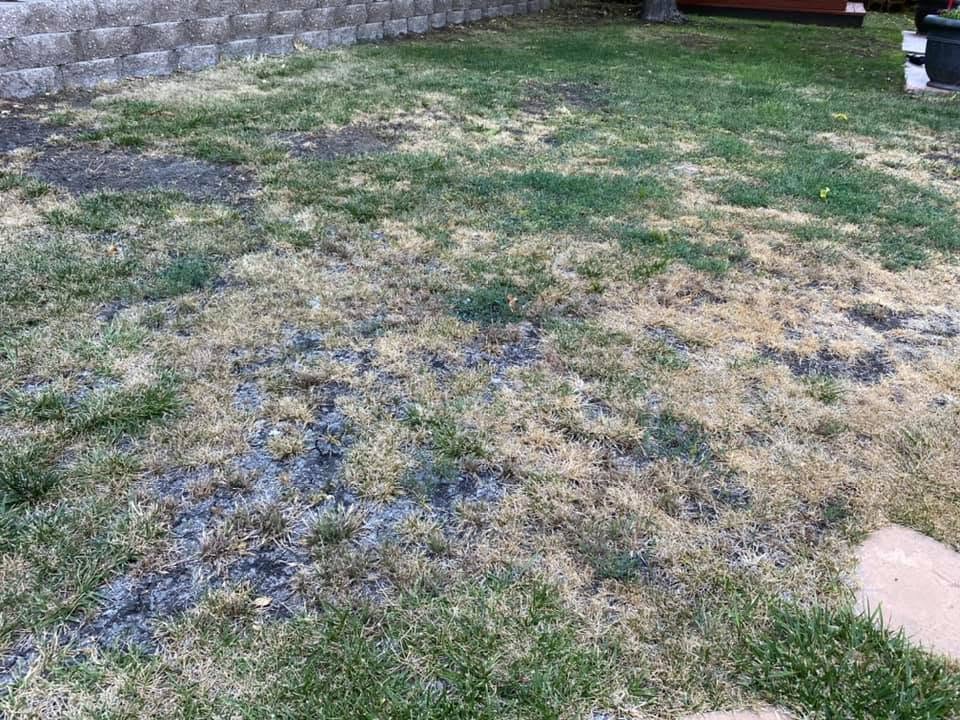
The other side of this is equally clear. The lawns on this street that have declined or stayed flat over three years share their own consistent patterns.
Cut too short, too often or inconsistently. This is the most visible thing from the street. You can see it — the lawn looks scalped in spots, the colour is lighter because the roots are shallow and stressed, and by mid-July it goes brown faster than the properties next to it. I’ve written about the right way to mow a Sudbury lawn in detail, and everything I see on this street every week confirms it. Cut height is one of the highest-leverage things in lawn care, and it’s one of the most consistently gotten wrong.
No soil work at all. The declining lawns haven’t had aeration. You can feel it when you walk them — the soil is harder, there’s less give underfoot. Water pools on these lawns longer after rain. They dry out faster when it stops. The root systems are shallow because compacted soil doesn’t let them go anywhere. And three years of no intervention on compacted soil means it’s gotten harder, not better, while the aerated properties next door have been improving their soil structure season after season.
Irregular or skipped service. Some of the declining properties have had a consistent pattern of inconsistent service — different people cutting it at different times, gaps of two or three weeks in June, then cutting it short to compensate for how long it got. That cycle is genuinely damaging to a lawn over a full season. Missing cuts in spring and then scalping it to catch up is one of the fastest ways to stress grass into thinning. Following a consistent seasonal approach matters enormously over multiple years.
Random interventions without addressing the real issue. A couple of the declining properties have had seed thrown on them, fertilizer applied, attempts to patch the bare spots — but without dealing with the underlying compaction first. I understand the impulse. But seed on compacted soil doesn’t establish well. Fertilizer on sealed soil doesn’t get where it needs to go. The soil has to be fixed first, or everything else is working against a problem that’s still there.
The Observation That Surprised Me Most
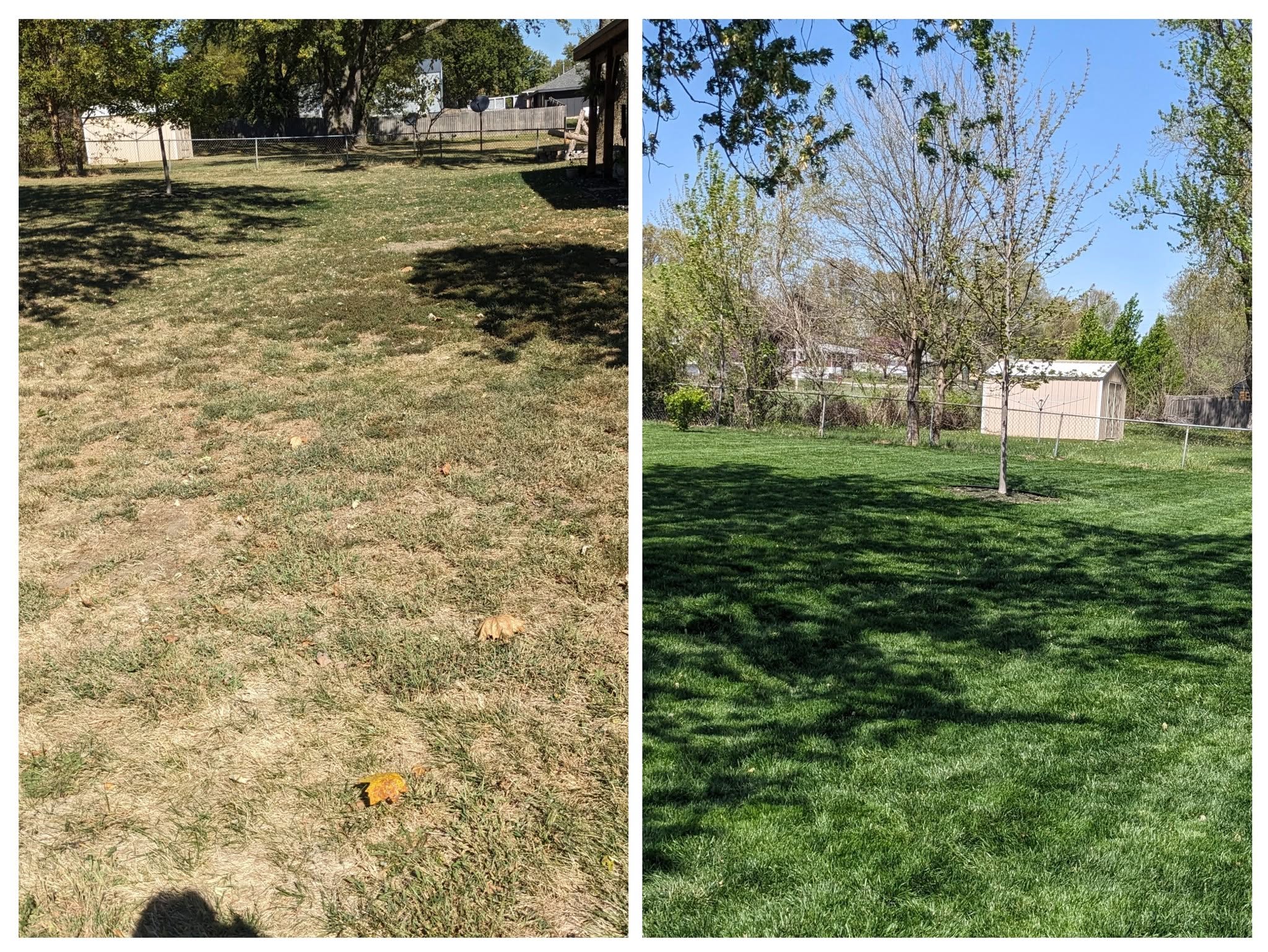
What surprised me most about watching this street over three years wasn’t any of the things I expected to see. I expected the aerated lawns to look better — I’ve believed that for years. I expected cut height to matter. I expected consistency to compound over time.
What I didn’t fully anticipate was how quickly the gap became visible, and how visible it became.
By the end of year one, the differences were subtle. You’d have to know what to look for. By the end of year two, it was noticeable to anyone paying attention. By the end of year three, it’s genuinely striking. Properties that were indistinguishable in 2022 now look like they’re in different conditions entirely — and the only meaningful differences between them are the three things I described above: aeration, cut height, and consistency.
This is what people mean when they talk about lawn care compounding. The individual effects of any one thing — one aeration, one good season of cutting — are real but not dramatic. String together three seasons of doing the right things consistently, and the cumulative effect becomes significant enough that your neighbours start asking questions.
I wrote about something similar when I described the Garson homeowner who had the best lawn on his street. Same principle — simple things, done consistently, over time. The street I’m describing here just shows it across multiple properties side by side, which makes the pattern impossible to miss.
What This Means If You’re Starting From Behind
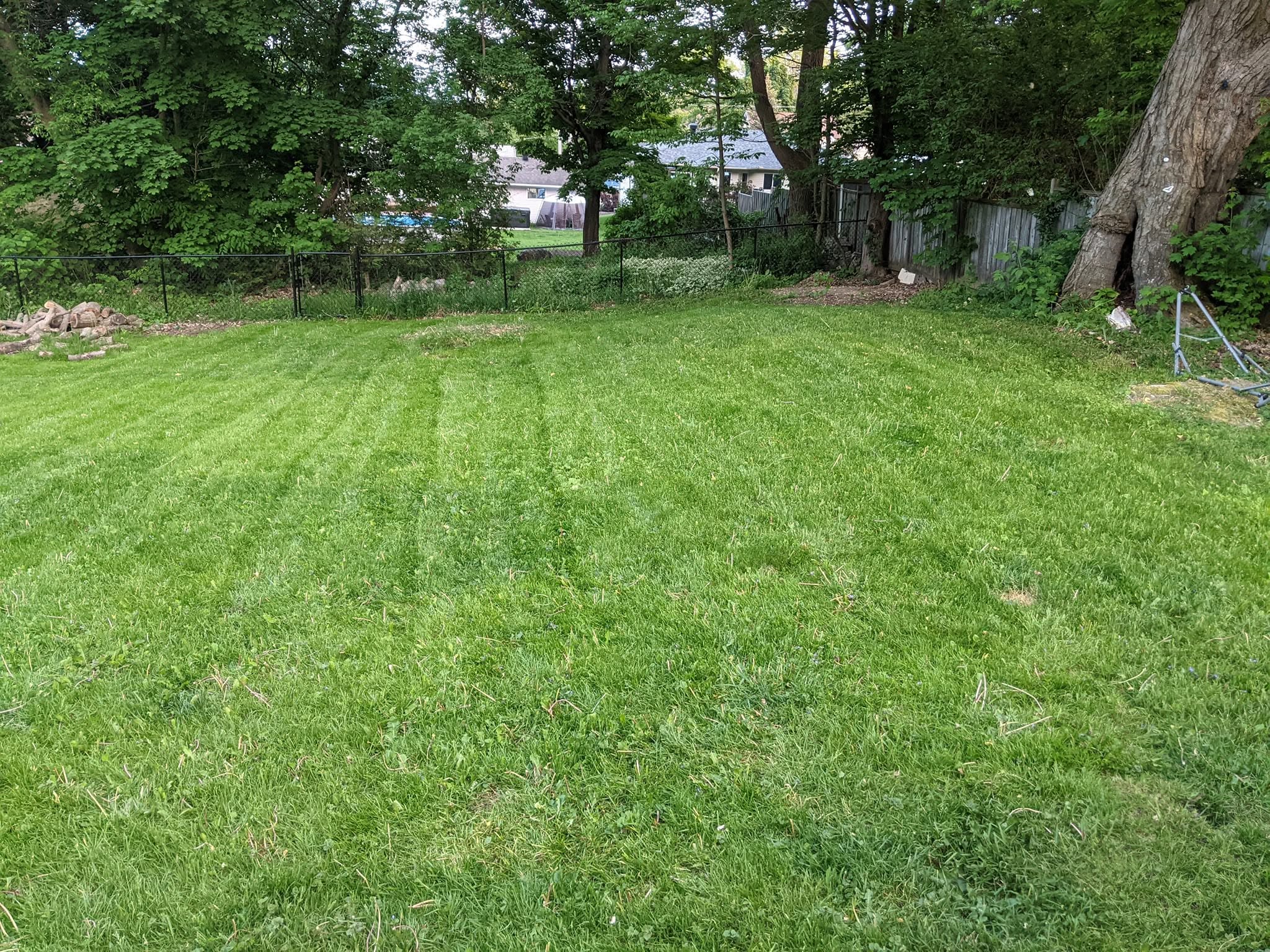
If you’re looking at a lawn right now that’s on the declining side of this pattern — thin, struggling through summer, not recovering the way you’d expect — the good news is that three years of decline doesn’t take three years to reverse.
In my experience, one full season of doing things right — proper spring aeration, consistent cut height, weekly schedule, good seed going into the right conditions — produces visible improvement. Not perfection, not an immediate transformation, but a lawn that’s clearly heading in the right direction by October rather than continuing the decline.
The soil takes a few seasons to fully recover. The root depth takes time to build. But the response to proper care is often faster than people expect, especially on lawns that have been struggling primarily because of compaction and cut height rather than fundamental soil problems. A first-time aeration on a lawn that’s never had one often produces a noticeably different lawn within the same season — better colour, better water retention, more resilience to summer stress.
Sudbury’s conditions make lawn care harder than most places in Ontario — I’ve been direct about that. But harder doesn’t mean hopeless. The properties on this street that look excellent right now started from the same place as the ones that are struggling. The only difference is what happened over the past three years.
If you want to talk through what your property would need to start moving in the right direction, reach out. I’ll come take a look and give you an honest read on where you’re starting from and what realistic improvement looks like for your specific situation.
— Ryan Lingenfelter
Cutting Edge Lawn & Landscaping, Garson, Ontario
📞 705-507-6787
Serving all of Greater Sudbury — Garson, Hanmer, Val Caron, Lively, Chelmsford, Azilda, Capreol, and Sudbury proper. We offer core aeration, grass cutting, property cleanup, sod installation, and full lawn maintenance. Free quotes, no pressure.
Get a Free Quote |
Call 705-507-6787
