
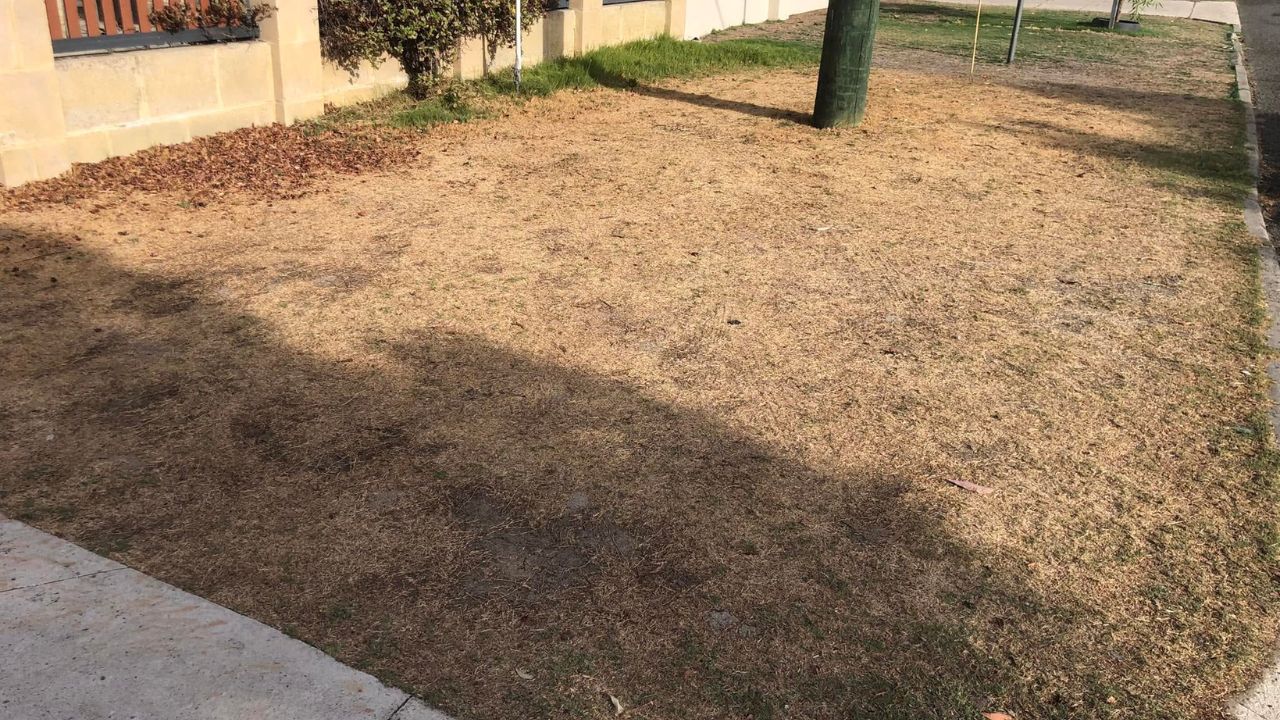
Every few months I get a call from a homeowner who just moved into a new build in one of Sudbury’s newer subdivisions — Falconbridge, South End, the newer sections out toward Chelmsford or Hanmer — and they’re frustrated with their lawn in a specific way. They did everything the builder told them to do. They watered on the schedule the landscaping crew left. They didn’t walk on it for the first few weeks. They waited. And the lawn that grew in is thin, uneven, and in several sections barely grew at all despite weeks of careful attention.
I understand the frustration completely, because the advice they were given wasn’t wrong. It just wasn’t designed for what’s actually underneath their lawn, and what’s underneath a new subdivision lawn in Sudbury is one of the most difficult starting points for grass that I work with anywhere across Greater Sudbury.
Here’s what’s actually happening on those properties, why it’s specific to new construction in this region, and what it actually takes to get a new subdivision lawn in Sudbury to establish properly.
What Happens to the Soil When a Subdivision Gets Built
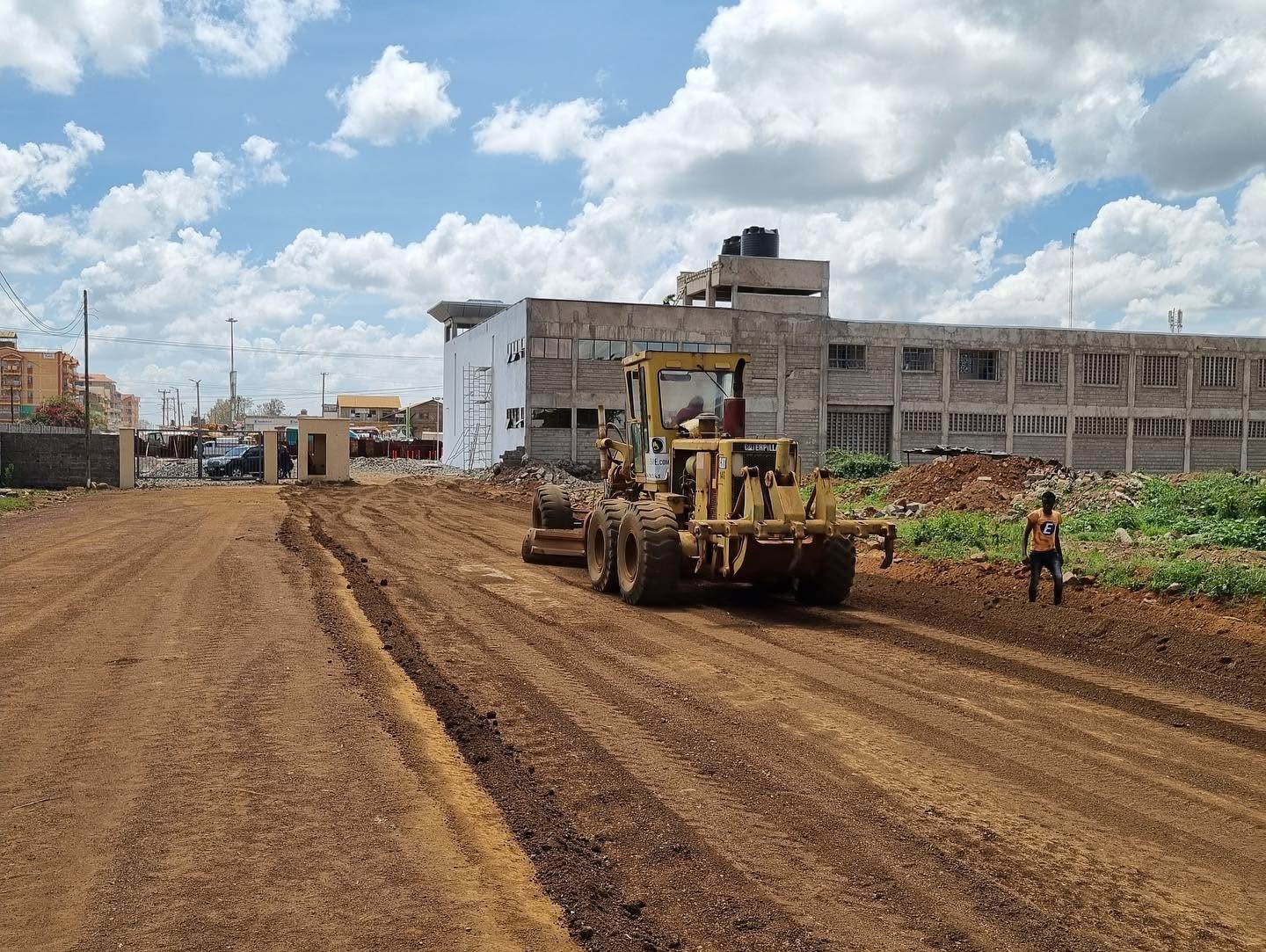
Building a subdivision requires moving a lot of heavy equipment across every lot for an extended period. Excavators, dump trucks, concrete trucks, grading equipment — all of it passes over and across the lots repeatedly over a construction timeline that runs months or years depending on the size of the development. Every pass of heavy equipment over bare ground compacts the soil underneath. By the time the last trade has finished and the landscaping crew arrives to put down topsoil and seed, the soil underneath has been compressed by months of construction traffic into a density that’s closer to hardpack than to the loose, aerated growing medium that grass needs.
This happens everywhere construction occurs, not just in Sudbury. But in Sudbury it’s significantly worse for a reason that is specific to our geology. The Canadian Shield bedrock that underlies most of Greater Sudbury means there is less soil depth available to absorb compaction forces before those forces are transmitted to the bedrock and reflected back upward. On a deep-soil property in southern Ontario, compaction from heavy equipment affects the top layer of soil, and the deeper layers below are less affected. On a Sudbury property with three to six inches of topsoil over bedrock or dense clay, heavy equipment compacts the entire available soil profile — there’s no depth below to buffer the compression. The soil that construction crews are working on after months of equipment traffic is, in many cases, so compacted that a standard penetrometer — the tool used to measure soil compaction — can barely enter the surface.
The foundational reason this matters so much in Sudbury compared to elsewhere in Ontario is the same reason every soil-related challenge is more consequential here — I described it in full in the why Sudbury is different piece. Less soil depth means less buffer, and less buffer means every input into the soil — including compaction — has a more direct and more lasting effect than it would on a deep-soil property.
The Topsoil That Gets Put Back — and What’s Actually in It
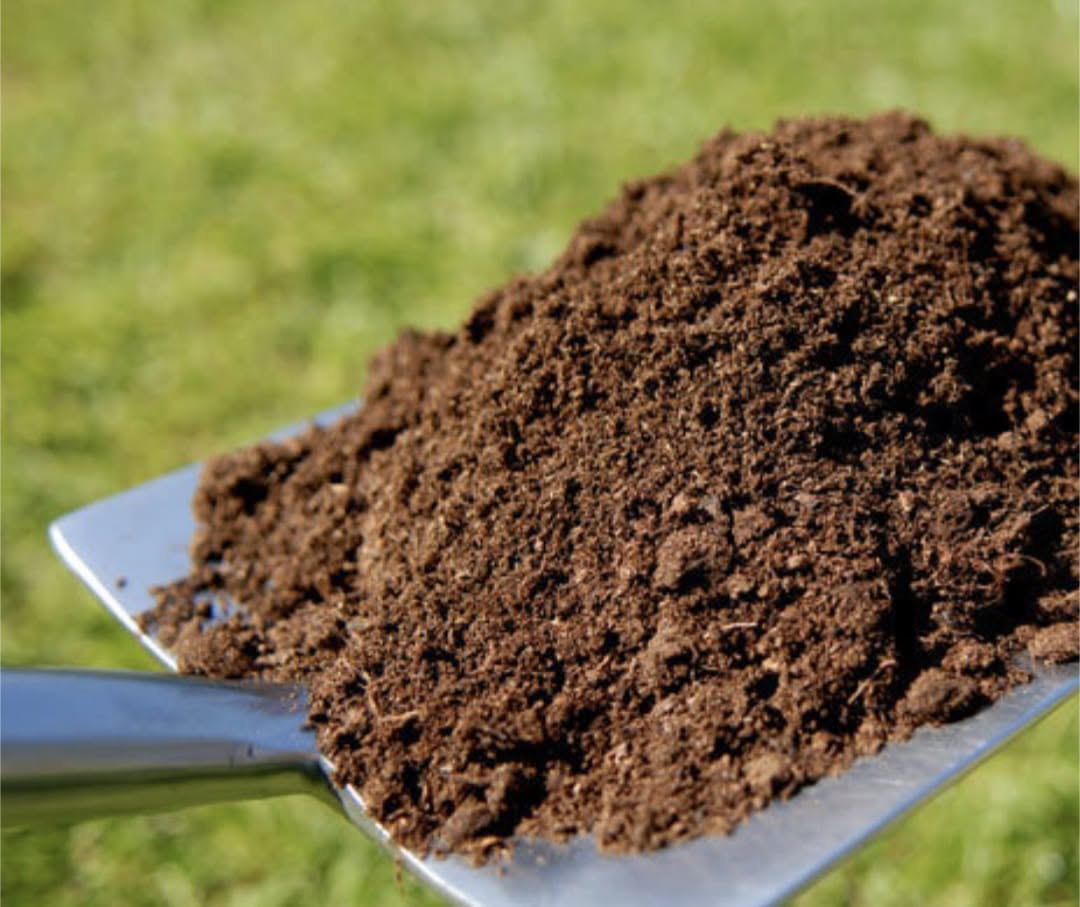
After construction is complete, the standard practice is to spread a layer of topsoil over the compacted subgrade before seeding. On a new Sudbury subdivision, this topsoil layer is typically two to four inches deep — enough to grow seed, not enough to develop a functional root system or to decouple the growing environment from the compacted subgrade underneath.
The first problem with this layer is its depth. Two to four inches of topsoil over highly compacted subgrade gives grass roots a thin, workable zone before they hit the compaction layer below. On an established Sudbury property with natural topsoil, even three to five inches over bedrock represents soil that has developed structure over decades — organic matter, biological activity, pore spaces for air and water. The two to four inches of imported topsoil on a new build has none of that structure. It’s been brought in from somewhere else, spread to a minimum depth, and seeded immediately. The biological ecosystem that makes topsoil functional for root development hasn’t had time to establish.
The second problem is the interface between the imported topsoil and the compacted subgrade underneath it. That interface — the line where two to four inches of loose topsoil meets highly compacted subgrade — is a barrier. Water that moves down through the topsoil layer hits the compacted subgrade and can’t penetrate efficiently, pooling at the interface and creating a wet zone at the bottom of the topsoil while the surface dries out. Roots that push down through the topsoil hit the compaction layer and are redirected horizontally rather than continuing downward. The lawn that develops is growing in a shallow zone above a barrier — which in Sudbury summer heat behaves almost identically to the shallow-soil-over-bedrock dynamic that affects established properties, but with the added problem that the barrier is compacted subgrade rather than bedrock, which means it can theoretically be addressed over time in a way that bedrock cannot.
What the seed mix that comes with the build actually contains
The seed mix applied by most new construction landscaping crews is a standard germination mix selected for fast visible coverage rather than for long-term performance on challenging soil. Fast-germinating ryegrass varieties show green quickly, which looks like success at the builder handoff stage, but ryegrass is not the best performer on Sudbury’s thin, dry-prone soil over the long term. The fine fescue and Kentucky bluegrass varieties that perform better on established Sudbury properties take longer to germinate and don’t show results at the timeline that matters for a builder handing over a completed lot.
The homeowner receives a lawn that looks reasonably green at possession, a care sheet that tells them to water daily for the first few weeks, and an implicit assumption that what they see at possession is close to what they’ll have going forward. In most cases, what they have at possession is a surface of fast-germinating ryegrass over a compaction barrier over a thin topsoil layer — and that combination behaves very differently through the first full season than the appearance at handoff suggests it will.
Why the Standard New-Build Lawn Care Advice Fails on Sudbury Subdivisions
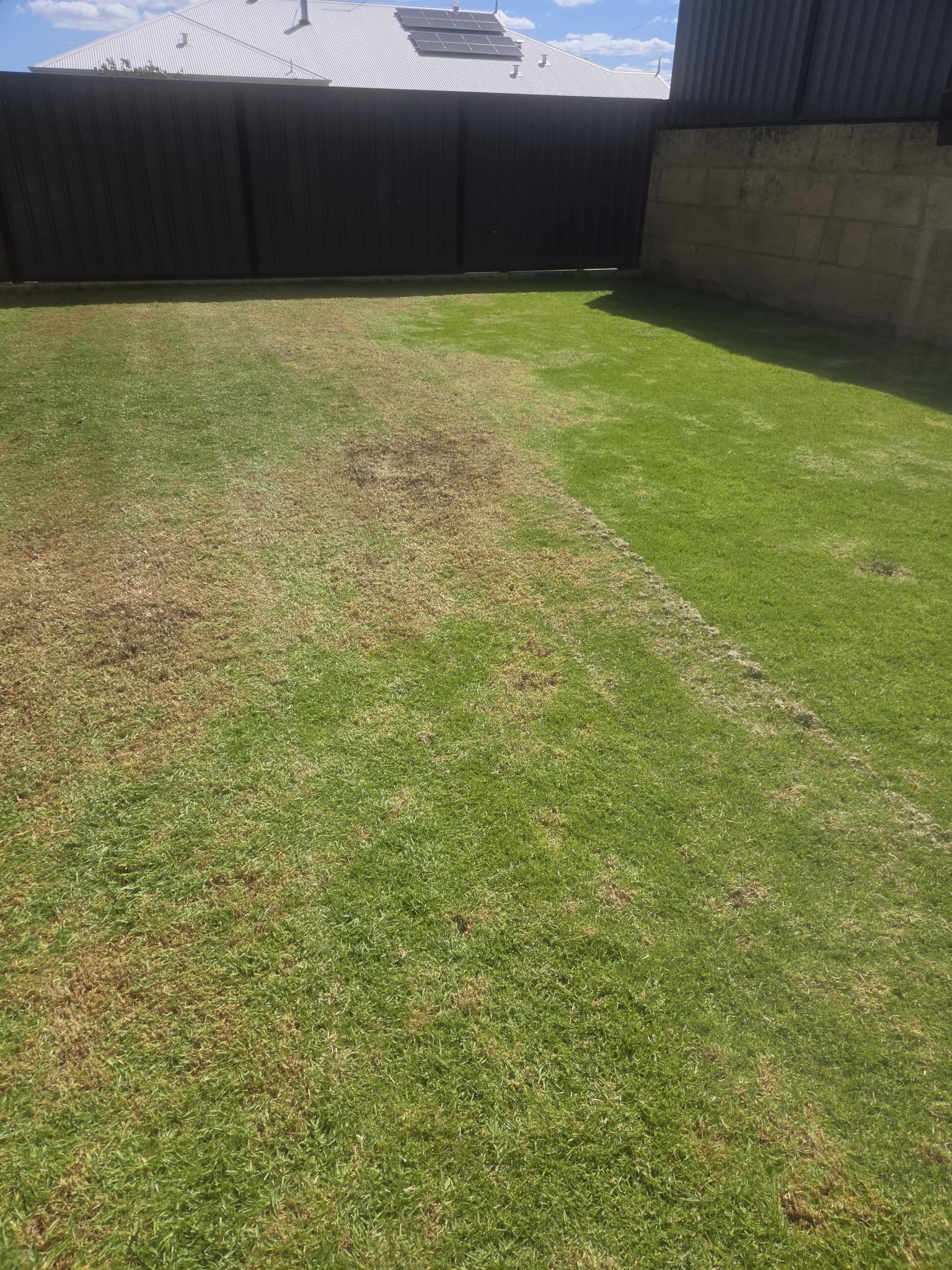
The care sheet that most new build homeowners receive in Sudbury tells them to water daily, avoid heavy foot traffic for several weeks, and mow when the grass reaches a certain height. That advice is not wrong for the first two to three weeks of germination. It becomes counterproductive when followed past establishment because it’s written for a standard soil profile that new Sudbury subdivisions don’t have.
Daily watering past the germination period keeps the thin topsoil layer saturated, which encourages roots to stay concentrated in that layer rather than pushing through it toward the compacted subgrade below. Roots in saturated topsoil over compacted subgrade have nowhere productive to go — the topsoil is wet enough that they don’t need to push deeper, and the compaction barrier below is dense enough that they can’t penetrate efficiently even when they try. The result is a lawn with a root system entirely contained in two to four inches of topsoil, which behaves in exactly the way I described in the daily watering piece — shallow roots with no buffer, highly vulnerable to any variation in surface moisture, and unable to survive even a brief dry stretch without going dormant or dying.
The mowing height guidance that accompanies most builder care sheets is similarly generic. “Mow when it reaches four inches, cut to two and a half.” On a thin-topsoil new build in Sudbury, cutting to two and a half inches removes most of the blade length that the grass needs to photosynthesize enough energy to push roots through a compaction barrier. Three to three and a half inches is the minimum on any Sudbury property for the reasons I’ve described in other pieces — on a new build with a compaction barrier to push through, the case for correct height is even stronger because the grass needs every energy advantage available to establish roots in difficult conditions.
What New Subdivision Homeowners in Sudbury Actually Need to Do
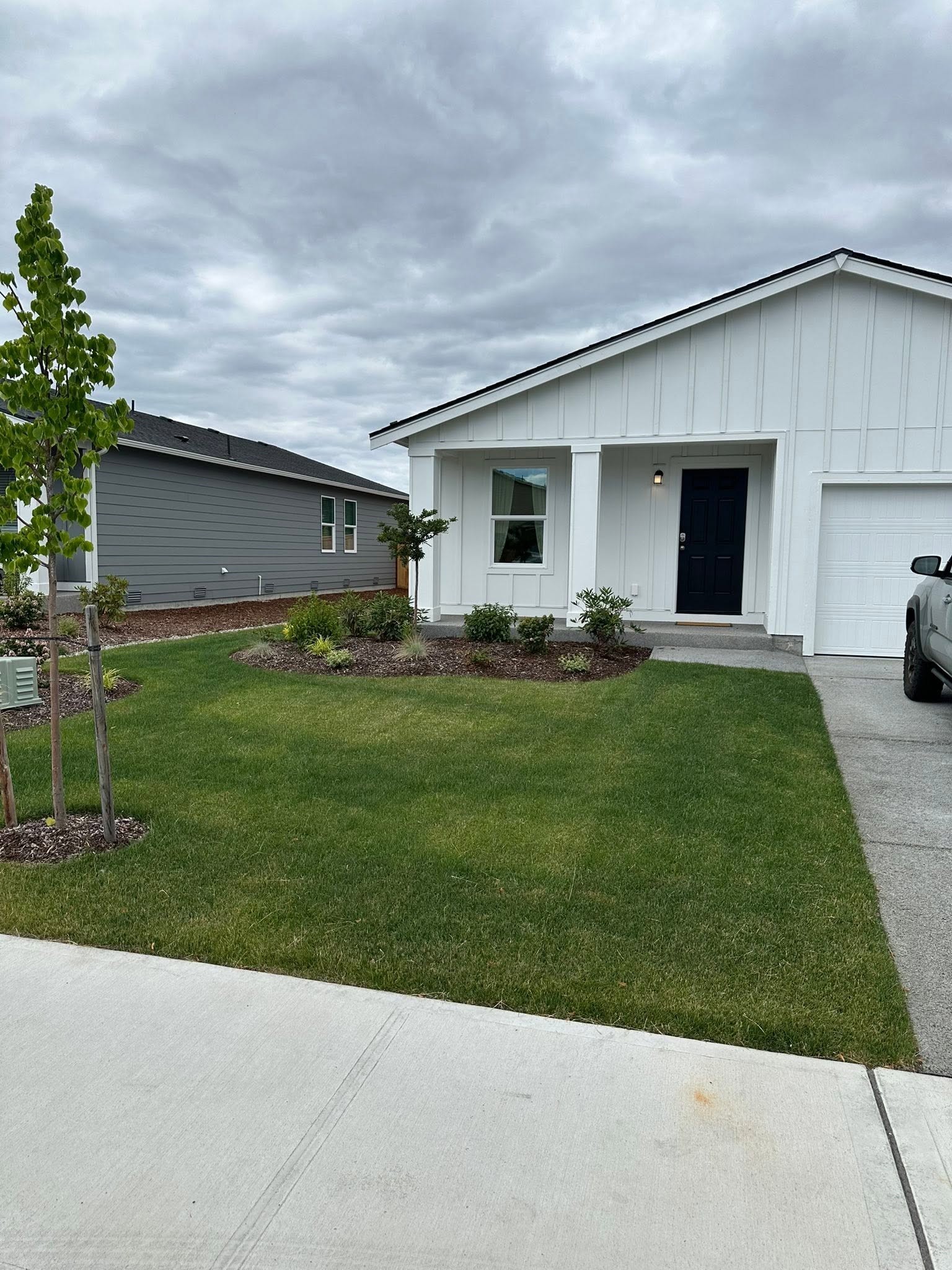
The good news about new subdivision lawns in Sudbury is that the compaction barrier, unlike bedrock, can be partially addressed. Not fully — heavy construction compaction takes years to fully recover through natural biological processes — but significantly enough in the first season that the lawn’s root system can begin to penetrate and the topsoil interface problem starts to resolve. The interventions that do this are specific and need to be done in the right order.
Core aeration in the first spring after possession
The most important single thing a new subdivision homeowner in Sudbury can do in their first spring is core aerate the entire property. Not the light aeration pass that an established lawn needs annually — a thorough, multiple-direction pass that physically opens channels through the thin topsoil and into the compaction layer underneath. Those channels do two things: they allow water and air to penetrate through the topsoil-subgrade interface that’s currently acting as a barrier, and they create physical pathways that roots can follow into the subgrade rather than being redirected horizontally by the compaction surface.
On a new build with heavy construction compaction, a single aeration pass in multiple directions is more effective than the standard single-direction pass on an established lawn. The core aeration page covers the technical details of why this works on Sudbury’s clay-heavy compacted soil — the mechanism is the same on new builds as on established properties, just the degree of compaction and the need for more thorough coverage is different.
Overseed with the right mix after aeration
After the aeration, overseeding with a mix that includes drought-tolerant fine fescue varieties rather than relying on the ryegrass-heavy germination blend from the build. Fine fescue establishes more slowly but develops a deeper, more drought-resistant root system that performs significantly better on Sudbury’s thin, dry-prone soil over the long term. Seeding into the aeration channels gives the new seed direct soil contact and the best germination conditions available on a new build property. The sequencing principle I described in the 4 services in one week piece applies here — aeration always before overseeding, and the two services done together in the same window rather than separately.
Switch to deep infrequent watering immediately after germination
The daily watering schedule from the builder care sheet serves the germination period. Once germination is established — typically two to three weeks after seeding — the schedule needs to shift to deep and infrequent. This is the change that most new build homeowners in Sudbury don’t make, because the care sheet doesn’t tell them to and the lawn still looks like it needs daily attention. The shift to deep infrequent watering is what starts pushing roots past the topsoil layer and toward the compaction channels opened by aeration. Without that shift, the root system stays in the surface layer indefinitely.
Raise the mowing height and hold it
Three and a half inches from the first mow. Not negotiable on a new Sudbury build with a compaction barrier to establish through. The blade length determines the energy available to push roots where they need to go. Cut short on a new build and the grass is managing both the compaction challenge and the energy deficit from short mowing simultaneously — it can’t do both and the result is the thin, patchy lawn that stays thin and patchy regardless of how carefully it’s watered.
The full first-season approach for a new homeowner in Sudbury — not just subdivision-specific but covering the complete ninety-day picture from possession through the first full growing season — is in the 90-day new homeowner plan. That piece covers the sequencing of what to observe, what to fix, and what routine to establish in a way that applies whether you’re on a new build with a compaction problem or on an established property with a history of management issues.
If you’re in a newer Sudbury subdivision and your lawn hasn’t established the way you expected after doing everything the builder told you, the problem almost certainly isn’t what you’ve done since possession. It’s what the soil looked like at possession and what the care sheet didn’t account for. That’s a fixable problem, and the fix is specific enough that a property walk is worth doing before committing to another season of the same approach. For everything we offer, the complete 2026 service breakdown is the right starting point.
Call or text: 705-507-6787
Or fill out the free quote form on the site.
We cover Garson, Val Caron, Hanmer, Lively, Chelmsford, Azilda, Capreol, and surrounding areas.
— Ryan Lingenfelter
Cutting Edge Lawn & Landscaping
Garson, Ontario
705-507-6787
