
I work on rental properties across Greater Sudbury. Single-family rentals, duplexes, small multi-unit properties — all of them have one thing in common during summer, and it’s not the lawn condition. It’s the conversation happening between the person who owns the property and the person who lives in it about whose job the lawn is.
I’ve been on properties where I’ve spoken to both the landlord and the tenant in the same visit and gotten completely different versions of what was agreed to. I’ve watched lawns go an entire summer without being mowed because neither side would make the first move. I’ve gotten calls from landlords who are furious about a tenant who “won’t maintain the lawn” and calls from tenants who are equally furious about a landlord who “won’t fix a lawn that was already destroyed before they moved in.” Both of them are usually telling the truth about their version of the situation. The problem is that the two versions don’t intersect anywhere.
Here’s what’s actually happening, why it keeps happening every summer, and the arrangement that I’ve watched resolve this disagreement permanently on every property where someone was willing to implement it.
The Argument I Keep Watching Play Out Across Sudbury Every Summer
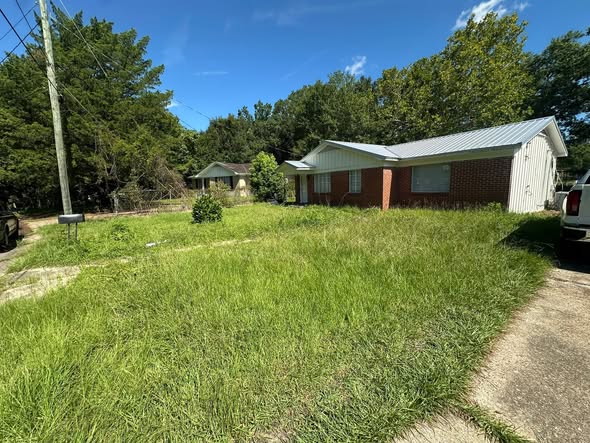
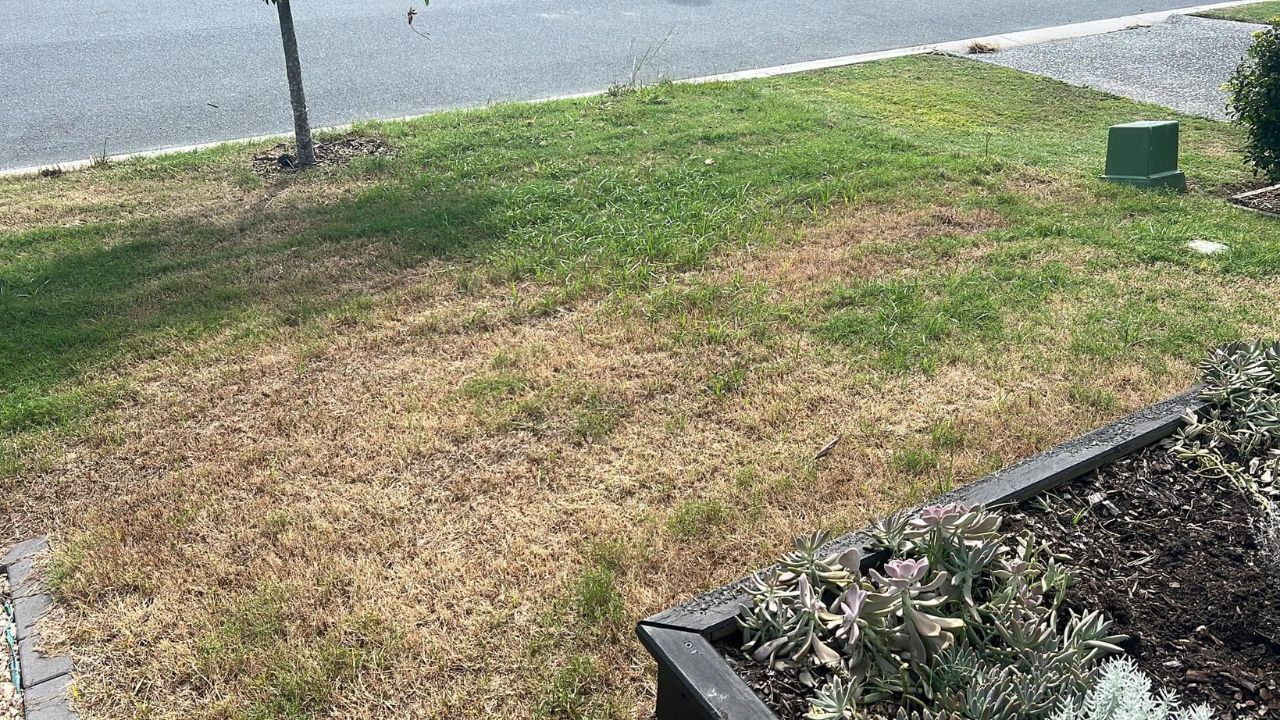
The argument always has the same basic shape, even when the specific details vary. The lease says the tenant is responsible for lawn maintenance. The tenant mows when the grass gets long. The landlord’s definition of adequate maintenance and the tenant’s definition of adequate maintenance are not the same definition. By mid-July the lawn is overgrown, or patchy, or has a section that’s been ignored since May, and the landlord is looking at it from the street while the tenant is looking at it from inside the house, and they’re looking at completely different things.
The landlord sees a property that reflects on them as an owner — on the neighbourhood, on the other tenants if it’s a multi-unit, on the condition of their asset. A lawn that’s visibly unmaintained is a landlord problem in ways it isn’t always a tenant problem. The tenant sees a lawn that isn’t their property and isn’t going to be their lawn when they move out, maintained to a standard that’s adequate for their use of it. Neither of those perspectives is unreasonable. They’re just incompatible when the only agreement between them is a lease clause that says “tenant is responsible for lawn maintenance” without defining what that means.
On a Sudbury rental property, this incompatibility has specific consequences that go beyond the aesthetic disagreement. Sudbury’s soil — thin over bedrock, clay-heavy, compacted by winter every year — requires specific maintenance interventions that tenants are almost never equipped or motivated to perform. Annual spring aeration. Correct mowing height. Appropriate watering rhythm for our soil type. A tenant who mows every two weeks at whatever height the mower came with and waters occasionally is not maintaining a Sudbury lawn — they’re managing its appearance while the underlying soil condition deteriorates steadily. By the time the lease ends and the landlord retakes possession, the lawn that needs work isn’t just unmowed. It has two or three years of accumulated compaction, a root system weakened by sustained short mowing, and possibly a persistent bare patch that developed because nobody was paying attention to what the soil was doing underneath.
Why This Disagreement Keeps Happening — What Both Sides Are Missing
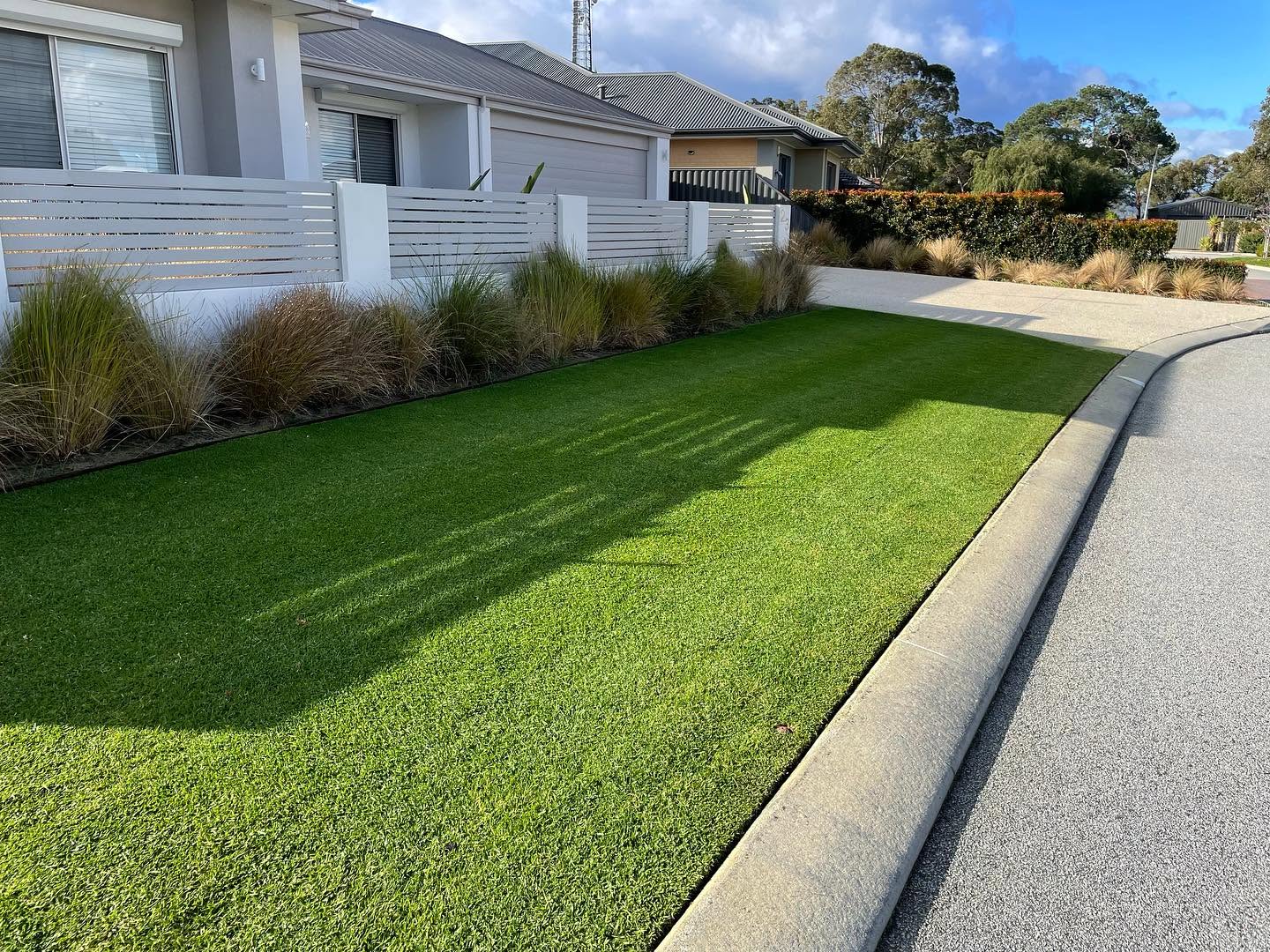
The reason this argument repeats every summer on the same properties, with the same frustration, is that both sides are approaching a maintenance problem as a responsibility problem. The landlord wants the tenant to take responsibility. The tenant believes they are taking responsibility. The lawn continues to deteriorate because the actual maintenance the lawn needs — on a Sudbury property with specific soil conditions — isn’t being done by either side, and the argument about who should do it is taking the place of anyone actually doing it.
What both sides are missing is that “lawn maintenance” on a Sudbury property is not one thing. It’s two separate things that require different levels of knowledge, equipment, and commitment, and conflating them in a lease clause is the source of most of the disagreement.
The first thing is routine maintenance: mowing, edging, basic watering. This is the kind of maintenance that a tenant can reasonably perform. It requires a mower, occasional time, and enough care to do it consistently. Most tenants can do this. Some do it well. Some do it adequately. Some don’t do it consistently enough. But it’s within the reasonable scope of what a lease clause can ask of a tenant.
The second thing is structural maintenance: annual core aeration, overseeding thin sections, soil pH correction, addressing compaction damage from winter. This is not tenant work. Not because tenants are incapable but because it requires equipment and knowledge that a tenant has no reasonable obligation to own or develop, and because the benefit of doing it accrues to the long-term health of a property the tenant doesn’t own. Asking a tenant to perform structural maintenance on a landlord’s property through a generic lease clause is asking them to improve an asset that isn’t theirs, using equipment they don’t have, following a schedule they haven’t been told. The fact that this rarely happens is not tenant negligence. It’s an unreasonable expectation built into a clause that was never specific enough to be reasonable.
In Sudbury specifically, structural maintenance matters more than it does in most of Ontario. I described exactly why in the why Sudbury is different piece — our winters compact the soil more severely each year, our thin topsoil over Shield has less depth to absorb that compaction, and the maintenance interventions that address it don’t happen by accident. A rental property where the structural maintenance has been missed for two or three tenant cycles is carrying years of compaction that shows up as increasingly thin, patchy grass that no amount of mowing and watering can improve. I see this exact situation regularly when I’m called to assess a property — the same pattern of persistent deterioration that keeps returning to the same sections year after year that I described in the piece about the lawn a previous contractor missed for three full years.
What the Lawn Actually Looks Like by End of Summer When Nobody Wins the Argument
I walked a property in Hanmer last September that had been through this cycle for three consecutive tenancies — four years total. Each lease said the tenant was responsible for lawn maintenance. Each tenant mowed, more or less. Nobody aerated. Nobody overseeded thin sections. Nobody adjusted mowing height. Nobody caught the compaction building along the driveway edge from annual plowing or the bare patch developing in the full-sun corner where the topsoil was thinnest over the Shield.
The landlord called me because the fourth tenant had just moved out and the lawn was in the worst condition it had been since she’d bought the property. Thin across the main sections. A persistent bare patch in the full-sun corner that had been expanding by about two square feet per season for three years. A compacted strip along the driveway that hadn’t recovered from a single winter in four years. The grass that had managed to survive across the main sections was pale and shallow-rooted from years of mowing at whatever height the succession of tenant mowers had been set to.
When I walked the property using the initial assessment I described in the 300 Sudbury quotes piece, all three indicators were showing problems simultaneously. Wrong mowing height history, overgrown edges from inconsistent tenant attention, and a persistent problem spot in the full-sun corner that had been there long enough to have a clear shape. The soil in the bare corner was compacted to a depth that required significant aeration before any overseeding would hold, and the underlying cause — shallow bedrock in that specific section — meant the fix needed to include a topsoil depth correction, not just seed on top of inadequate soil.
Four years of tenant turnover and a generic lease clause had produced a lawn that now needed a full structural intervention — aeration, topsoil correction, overseeding, and a corrected mowing height protocol — that would cost significantly more than four years of annual aeration would have cost the landlord if she’d simply included it in her property maintenance budget rather than assuming the lease clause covered it. The structural maintenance that tenants don’t do and can’t reasonably be asked to do doesn’t disappear because the lease says they’re responsible. It accumulates and shows up as a larger repair bill when the property eventually turns over.
The Arrangement That Actually Works — What I’ve Seen Solve This Permanently
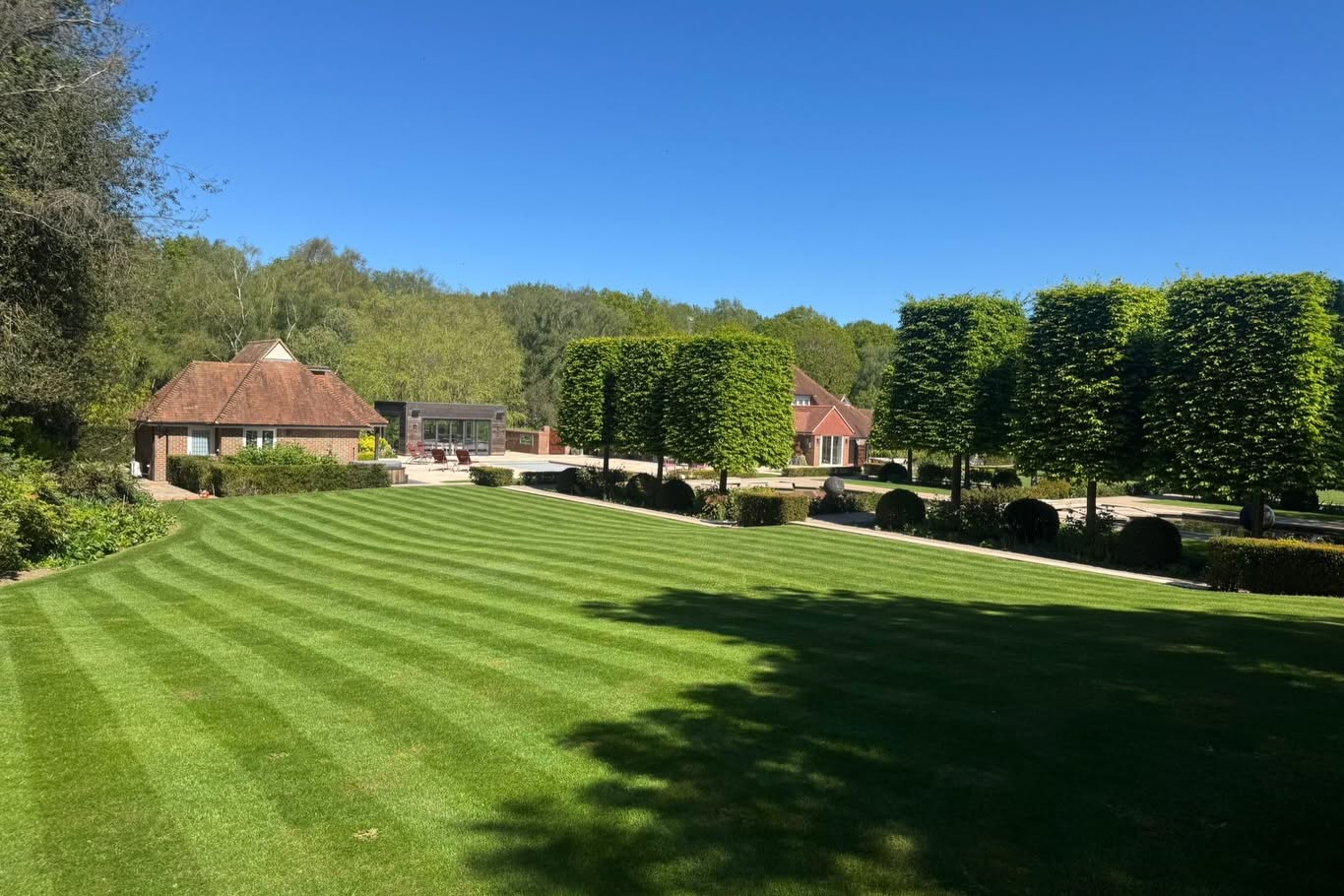
The arrangement that resolves this disagreement permanently on every Sudbury rental property where I’ve seen it implemented is a clear split of responsibilities that matches what each party can actually do, rather than a single clause that asks one party to do everything.
Tenant responsibility: routine maintenance only
The lease defines routine maintenance specifically — mowing frequency, mowing height, edging schedule — rather than generally. “Lawn maintenance” means different things to different people. “Mow every seven to ten days at a minimum height of three inches, edge along the driveway and walkway monthly” is a clause that can be assessed and verified. A tenant who receives a specific instruction rather than a general obligation knows what they’re agreeing to. A landlord who provides a specific instruction rather than a general clause has a basis for conversation if it isn’t being met, rather than a vague grievance about standards that were never defined.
The mowing height specification is specifically important on a Sudbury property. Three inches minimum, written into the lease, means the lawn isn’t being scalped by a tenant who set the deck low because they thought shorter meant less frequent mowing. That one specific detail — mowing height in writing — prevents one of the most common forms of structural damage that accumulates on rental properties in Sudbury over a tenancy.
Landlord responsibility: structural maintenance on schedule
Annual spring aeration comes out of the landlord’s maintenance budget, not the tenant’s lease obligation. So does overseeding thin sections, soil pH correction if needed, and any topsoil depth correction on sections showing compaction damage. These are property maintenance costs in the same category as furnace servicing or roof inspection — they maintain the long-term condition of an asset that belongs to the landlord and whose value depends on that maintenance being done regardless of who’s living in the property.
The core aeration page covers why annual aeration specifically is non-optional on Sudbury’s Shield-derived soil — winter compacts the soil every year and structural maintenance reverses that compaction every year, and the cost of doing it annually is a fraction of the cost of addressing the accumulated compaction after three or four years of skipping it.
One practical note on the structural maintenance split: a landlord who schedules annual spring aeration on their rental properties doesn’t need to depend on being there to oversee it or on tenant cooperation to make it happen. It’s a scheduled service, done once a year in spring, on a property the landlord controls during the service window. It doesn’t require the tenant to do anything except move their car. The friction of making it happen is minimal. The cost of not making it happen shows up in the lawn condition at every subsequent tenancy and in the repair bill when the property eventually needs structural work rather than maintenance.
What to do about a watering dispute
Watering is the most contested part of the routine maintenance split because it’s invisible — a landlord can’t verify whether a tenant is watering on the right schedule the way they can verify whether the grass has been mowed. The most practical resolution on a rental property is a simple timer system on the outdoor tap that runs a deep infrequent schedule automatically, removing the variable of whether the tenant remembers to water and how long they run it when they do. A timer set to deep twice-weekly watering costs almost nothing and eliminates the most common source of tenant overwatering damage — I described exactly what daily watering does to a Sudbury lawn in the daily watering piece. A timer prevents that outcome regardless of the tenant’s understanding of proper watering rhythm.
The summer argument between Sudbury renters and landlords is almost always resolvable, and the resolution is almost always the same: specificity on the routine maintenance side and ownership on the structural maintenance side. The lease clause that causes the argument is the one that asks one party to cover both. Split them correctly and the lawn gets the maintenance it actually needs, both parties know what they’re responsible for, and the argument stops having anything to argue about.
If you own rental properties in Greater Sudbury and the lawn condition has been a recurring issue across tenancies, a property assessment is the right starting point. I’ll walk the property, tell you honestly what the soil condition is and what structural maintenance it needs, and give you a clear picture of what a properly split maintenance arrangement looks like for that specific property. For everything we offer, the complete 2026 service breakdown is the right place to start.
Call or text: 705-507-6787
Or fill out the free quote form on the site.
We cover Garson, Val Caron, Hanmer, Lively, Chelmsford, Azilda, Capreol, and surrounding areas.
— Ryan Lingenfelter
Cutting Edge Lawn & Landscaping
Garson, Ontario
705-507-6787
