By Ryan Lingenfelter — Owner, Cutting Edge Lawn & Landscaping · Garson, Ontario · Serving Greater Sudbury since 2020
I’ve written before about the question every Sudbury homeowner should ask before planting a tree. This is the more specific follow-up — the actual species I see causing the most damage to the grass around them, across hundreds of properties in Greater Sudbury.
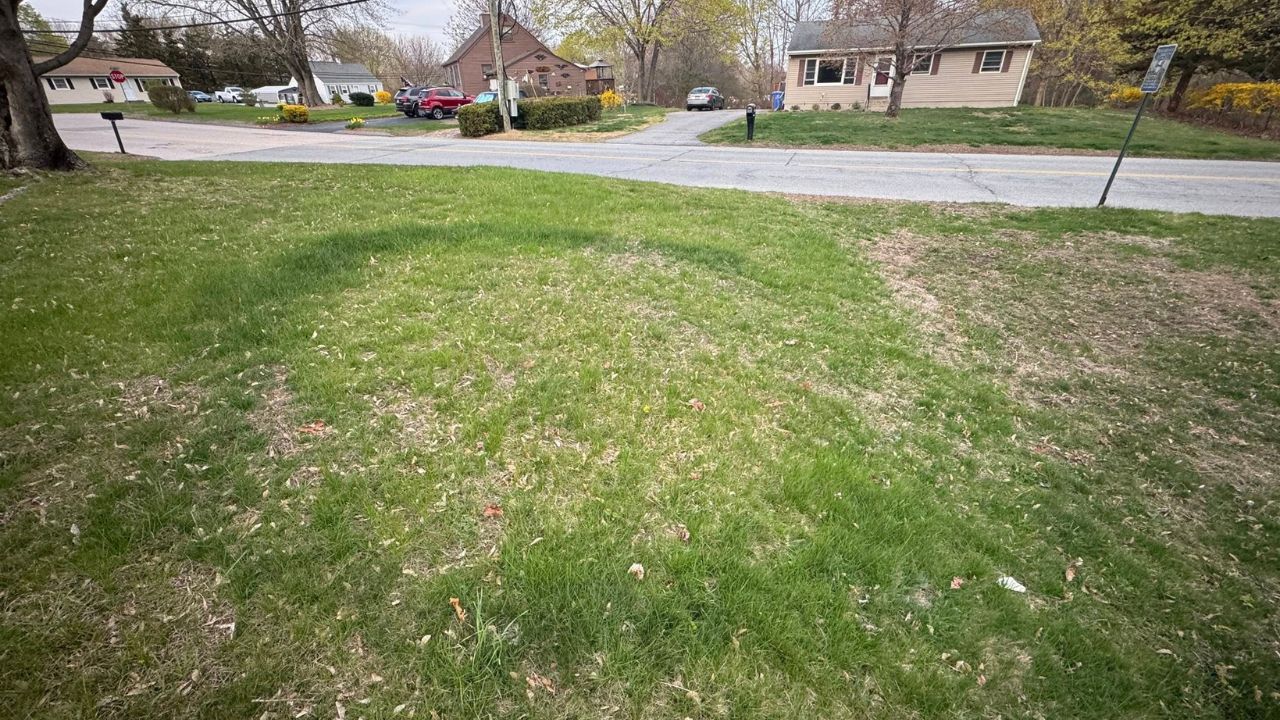
If you have one of these three trees in your yard, you probably already have a section of struggling or dead lawn somewhere near it, and you may have spent money trying to fix that section without understanding why nothing has worked. Here’s exactly which trees, why they do this, and what’s actually realistic for the lawn around them.
Tree 1 — Manitoba Maple (Box Elder)
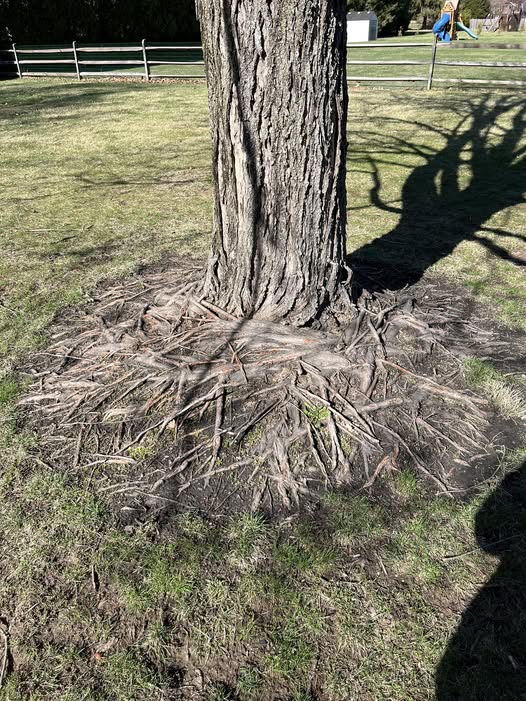
This is the most common offender I see across Greater Sudbury, and it’s not close. Manitoba Maple — sometimes called Box Elder — is widespread here, grows fast, and develops one of the most aggressive surface root systems of any tree common to our region.
In Sudbury’s shallow Canadian Shield topsoil, this tree’s roots can’t go deep — there isn’t enough soil depth for them to. So they spread laterally and surface, often visibly breaking the soil line within ten to fifteen years of planting. Those surface roots compete directly with grass for the same shallow soil zone that grass roots need, and they win that competition consistently because the tree’s established root system has priority access to whatever water and nutrients are available.
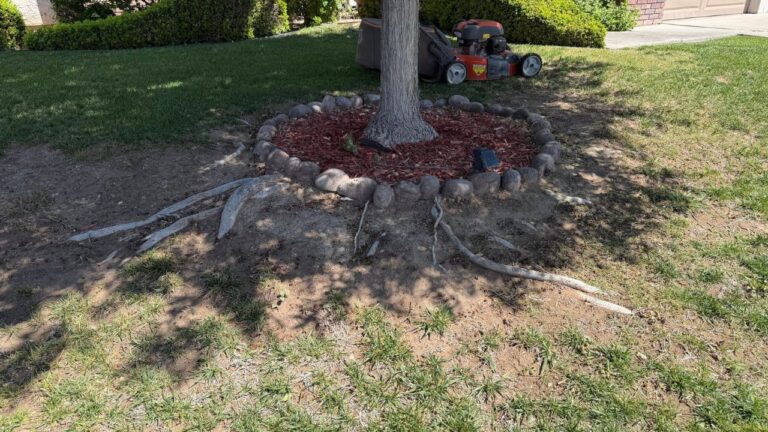
The pattern is predictable: a ring of struggling grass that starts at the trunk and expands outward year by year as the root system grows. By the time a Manitoba Maple is mature on a Sudbury property, it’s common to see thirty to forty percent of a moderate-sized yard affected by root competition that makes lawn maintenance there genuinely difficult.
This tree also produces heavy seed drop — the helicopter seeds — and dense shade from its canopy, both of which compound the lawn struggle in the affected zone. Manitoba Maple is often a volunteer tree too, meaning it wasn’t deliberately planted — it seeded itself and was allowed to grow, which means a lot of Sudbury homeowners are dealing with this problem without ever having chosen the tree in the first place.
Tree 2 — Willow Species
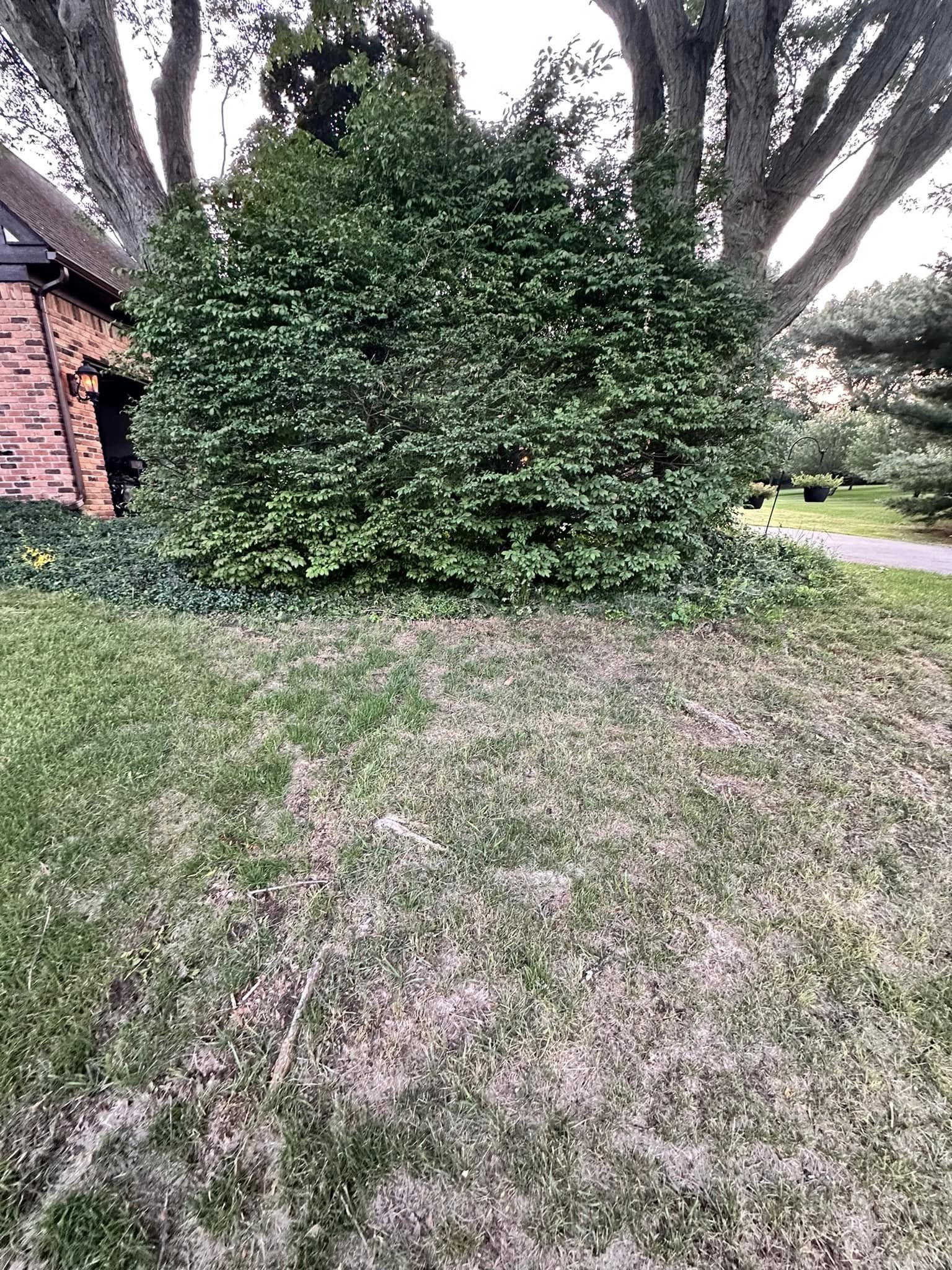
Willows are popular in Sudbury for their fast growth and distinctive look, but they’re notorious among anyone who works with soil and roots for being among the most aggressive root systems in any common landscape tree.
Willow roots actively seek out moisture — this is part of why they’re sometimes planted near water features or low spots, and it’s exactly why they cause problems for surrounding lawn. The root system will extend well beyond the canopy’s edge in search of water, meaning the affected lawn zone is often significantly larger than what the tree’s visual footprint would suggest. A willow that looks contained from above can have roots affecting lawn quality twenty or thirty feet from the trunk.
In Sudbury’s freeze-thaw conditions, willow roots that have surfaced create an additional problem beyond grass competition: they become a tripping hazard and a mowing obstacle, forcing the mower to navigate around exposed root sections, which itself creates uneven cutting and additional stress on the grass in that area.
Willows are also known for seeking out and infiltrating drainage systems and weeping tile, which is a separate concern from the lawn issue but often discovered around the same time — a homeowner dealing with persistent lawn struggle near a willow sometimes also discovers drainage problems that trace back to the same root system.
Tree 3 — Norway Maple
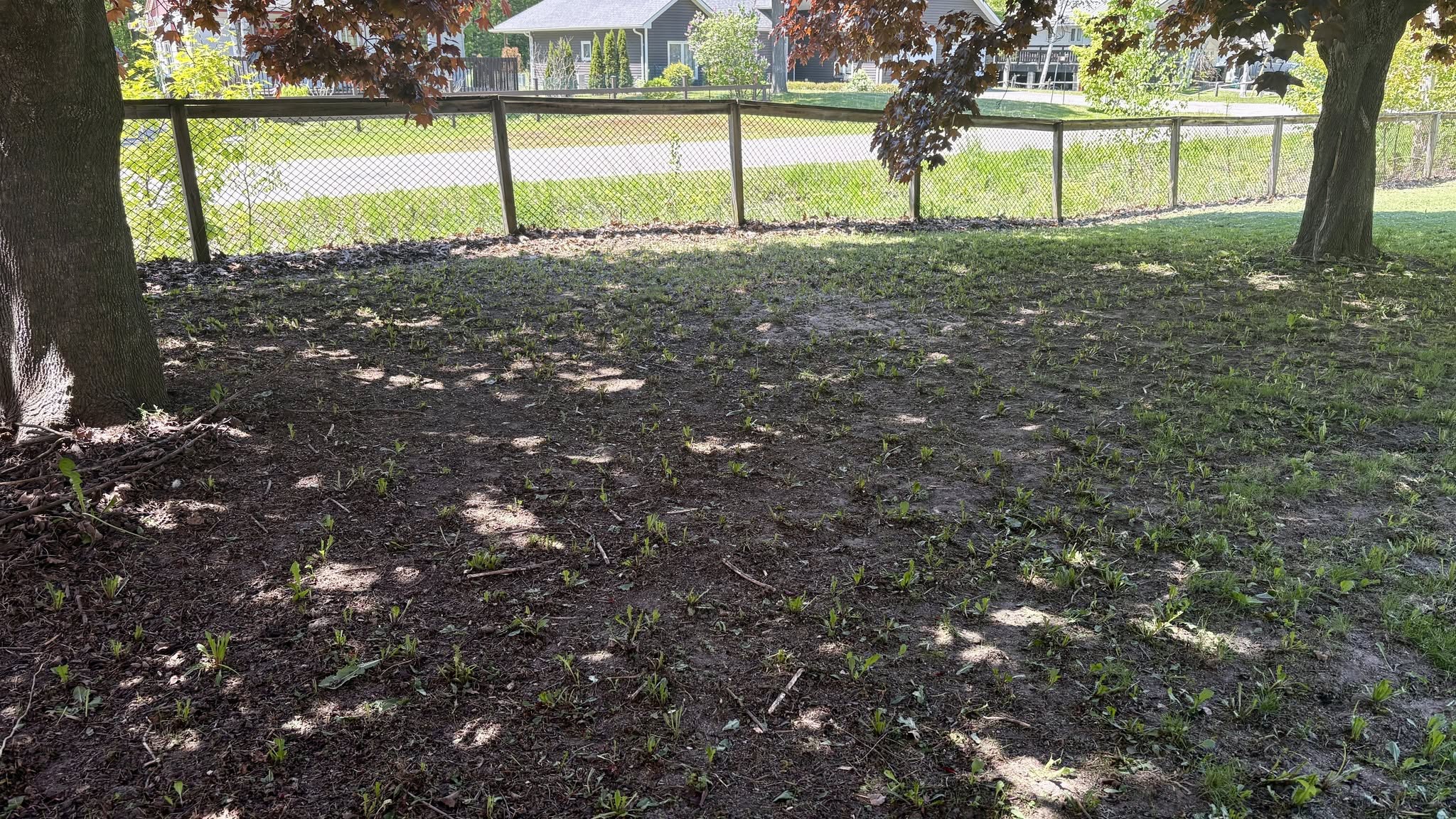
Norway Maple is a different kind of problem than the first two — it’s less about root aggression and more about the combination of dense canopy shade and a particularly effective shallow root mat that the species is known for.
Norway Maples develop a dense, fibrous root system close to the surface specifically because the species evolved to be highly competitive — that shallow root mat is extremely efficient at capturing surface moisture and nutrients before they reach anything growing underneath, including grass. Combined with one of the densest canopy shade patterns of common landscape trees, the area under a mature Norway Maple often struggles with both root competition and severe light limitation simultaneously.
This is the tree most likely to produce a section of yard where grass simply won’t establish regardless of what seed mix or care approach is used — not because the homeowner is doing anything wrong, but because the combination of root competition and deep shade exceeds what grass can tolerate. Shaded corners are challenging enough on their own in Sudbury; a Norway Maple’s combination of shade and root density is often beyond what even shade-tolerant grass can handle.
Norway Maple is also classified as invasive in parts of Ontario due to its aggressive seeding and competitive advantage over native species — worth knowing if you’re considering planting one or deciding whether to keep a volunteer seedling that’s established itself.
What Actually Works in the Affected Zone
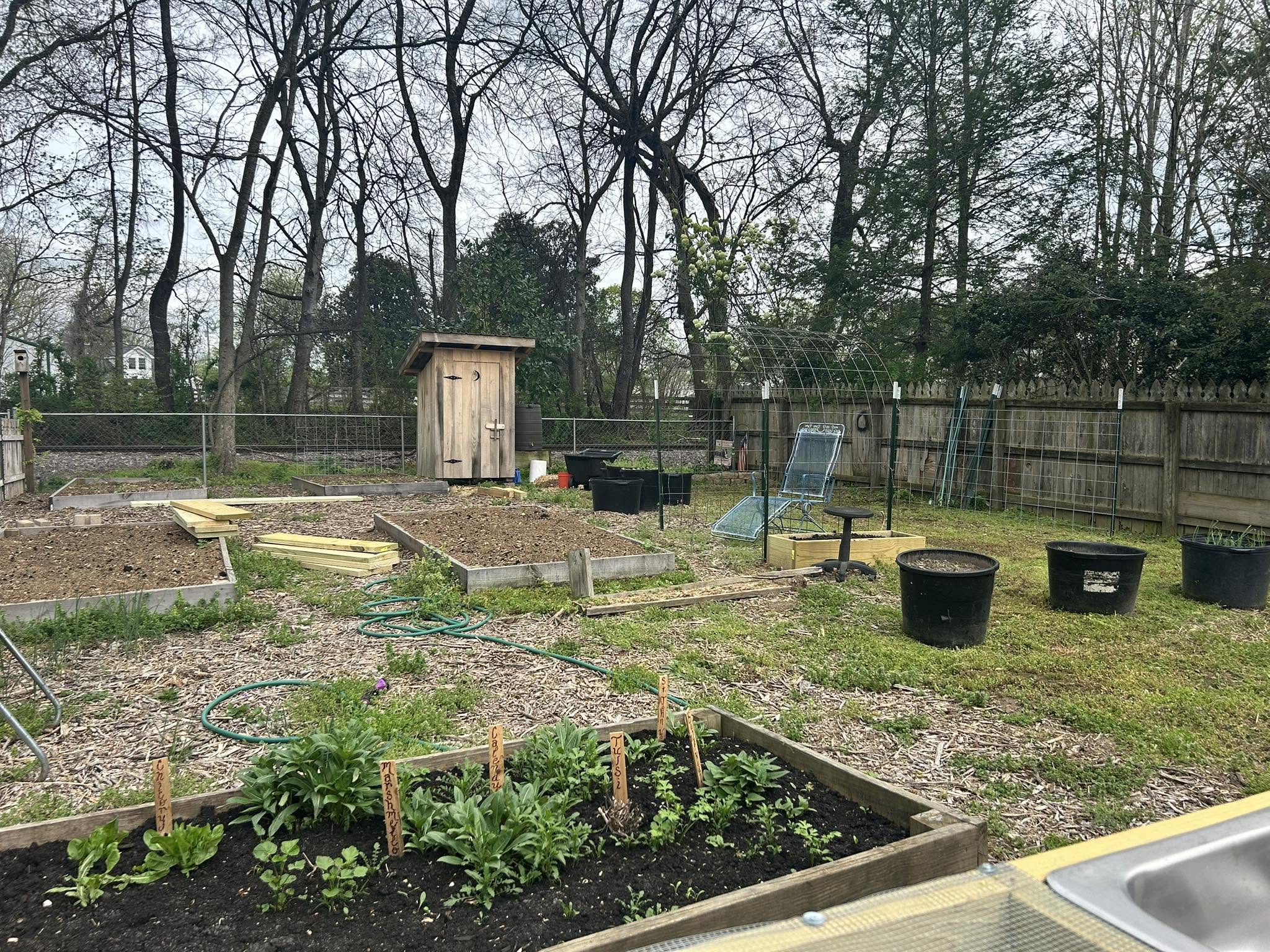
If you have one of these three trees and a section of struggling lawn around it, here’s the honest breakdown of what’s realistic — because I’d rather tell you the truth than sell you on overseeding that’s destined to fail again.
The inner zone — close to the trunk, where shade and root competition are most severe: stop trying to grow grass here. Transition to mulch, three to four inches of wood chips extending to roughly the drip line. This protects the tree’s root zone, eliminates a maintenance battle you’re not going to win, and typically improves the overall appearance of the property by making the tree feature look intentional rather than the surrounding lawn looking neglected.
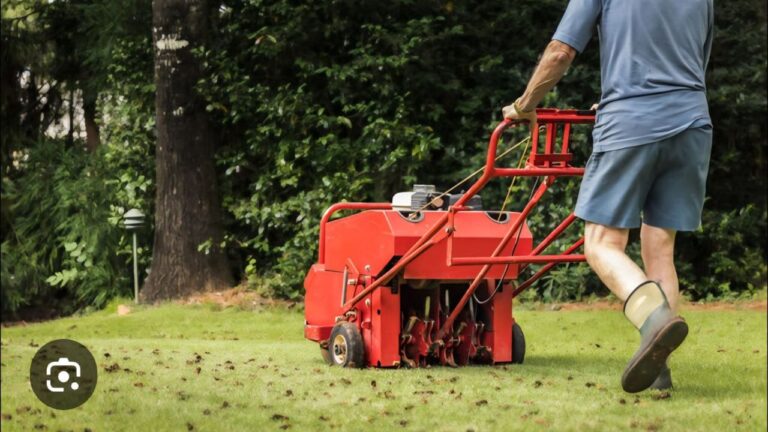
The transition zone — where root presence is moderate and some light reaches the ground: switch to a shade-tolerant grass mix. Creeping red fescue is the most shade-tolerant cool-season grass available for Sudbury conditions and it has a better chance than Kentucky bluegrass of holding ground in moderate root competition. Annual aeration in this specific zone — done carefully to avoid damaging visible surface roots — helps the grass compete by keeping what soil is accessible as open as possible.
The outer zone, beyond meaningful root influence: maintain normally. This is where standard core aeration, overseeding, and regular care apply without modification. The goal is identifying accurately where the tree’s actual influence ends, rather than assuming the whole yard needs special treatment because of one tree.
If the tree is a volunteer and you’re not attached to it: removing a young Manitoba Maple before its root system matures is far easier than managing the lawn consequences for the next twenty years. This is a legitimate option worth considering, particularly for volunteer trees that weren’t deliberately planted in the first place.
If you’re not sure what’s affecting a specific section of your Sudbury lawn — whether it’s tree roots, shade, soil, or something else — reach out. I’ll come take a look and give you a straight read on what’s actually causing the problem and what’s realistic to do about it.
— Ryan Lingenfelter
Cutting Edge Lawn & Landscaping, Garson, Ontario
📞 705-507-6787
Serving all of Greater Sudbury — Garson, Hanmer, Val Caron, Lively, Chelmsford, Azilda, Capreol, and Sudbury proper. We offer core aeration, property cleanup, grass cutting, sod installation, and full lawn maintenance. Free quotes, no pressure.
Get a Free Quote |
Call 705-507-6787