

There’s almost always one spot in a Sudbury yard that nobody knows what to do with. It’s usually in a corner, often under a big tree or along a fence line — permanently shaded, perpetually damp, and covered in a thick green carpet of moss that refuses to budge no matter what you throw at it.
I see it on almost every property I work on. And the conversation is usually the same: the homeowner has tried reseeding it, raked the moss out, maybe dumped some lime on it — and it just comes back. Every time.
Here’s the thing: that’s not bad luck. There’s a reason moss grows where it grows, and until you address that reason, you’re going to keep fighting a losing battle. Let me explain what’s actually happening — and then give you the real options for dealing with it.
Why Moss Grows There in the First Place
Moss doesn’t take over a lawn by accident. It moves into spots where grass can’t compete — and it thrives specifically because the conditions favour it over turf grass. In Sudbury yards, the usual culprits are:
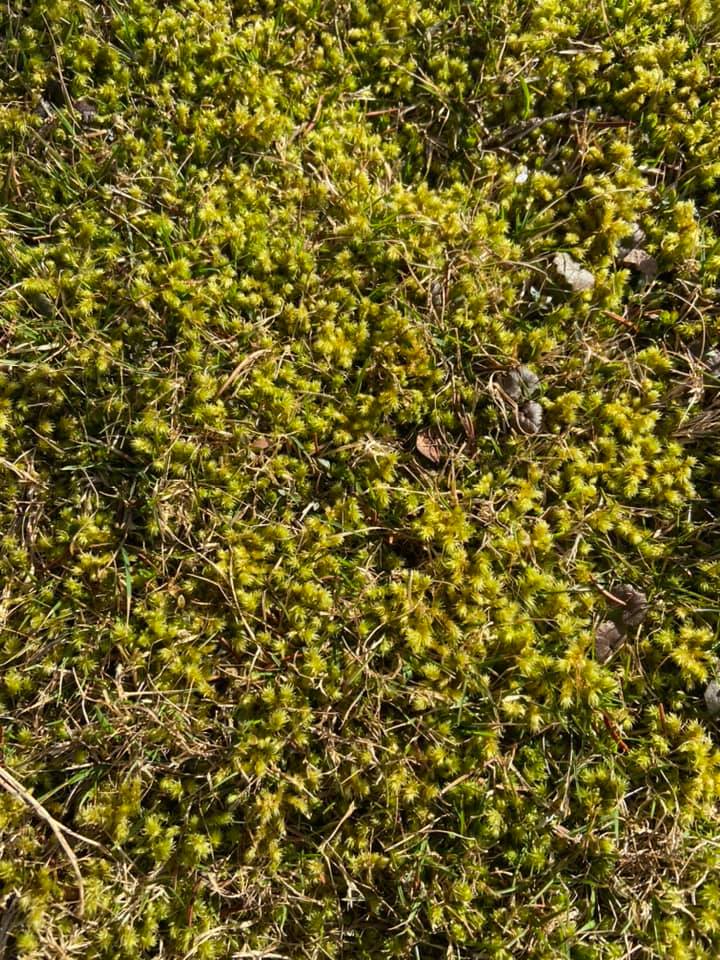
- Shade. Grass needs a reasonable amount of sunlight to grow thick and healthy. Dense shade from trees, fences, or buildings blocks that light. Moss, on the other hand, does just fine without it.
- Moisture retention. Shaded areas dry out slowly. Combined with Sudbury’s clay-heavy soils in a lot of neighbourhoods, you end up with ground that stays damp longer than grass roots like. Moss loves that environment.
- Compacted, acidic soil. Our soil in this part of Ontario tends to run on the acidic side naturally — and the Canadian Shield influence doesn’t help. Compacted, acidic soil is exactly what moss prefers and exactly what grass struggles in.
- Poor drainage. Low spots that collect water, areas where runoff settles — these become moss territory fast.
- Thin or stressed grass. Once grass thins out from any of the above, moss has an opening and it takes it. After that, it’s hard for grass to re-establish on its own.
The reason your reseeding attempts haven’t worked is probably because none of these underlying conditions were changed. You can seed into a shaded, compacted, acidic corner all day — the seed either won’t germinate properly or the seedlings won’t survive long enough to establish.
Option 1 — Actually Fix It and Grow Grass There
If you want grass in that spot — real, lasting grass — here’s what it actually takes. I won’t pretend it’s a quick fix, but it is doable if the shade isn’t completely overwhelming.
Step 1: Deal with the shade if you can. If the shade is coming from tree branches, thinning them out or removing lower limbs lets more light reach the ground. Even getting from deep shade to partial shade makes a meaningful difference for grass establishment. If the shade is from a fence or structure, there’s not much you can do there — keep that in mind when choosing your approach.
Step 2: Address the soil. This is where most DIY attempts fall short. You need to actually fix what the soil is doing, not just seed over the top of it. That means:
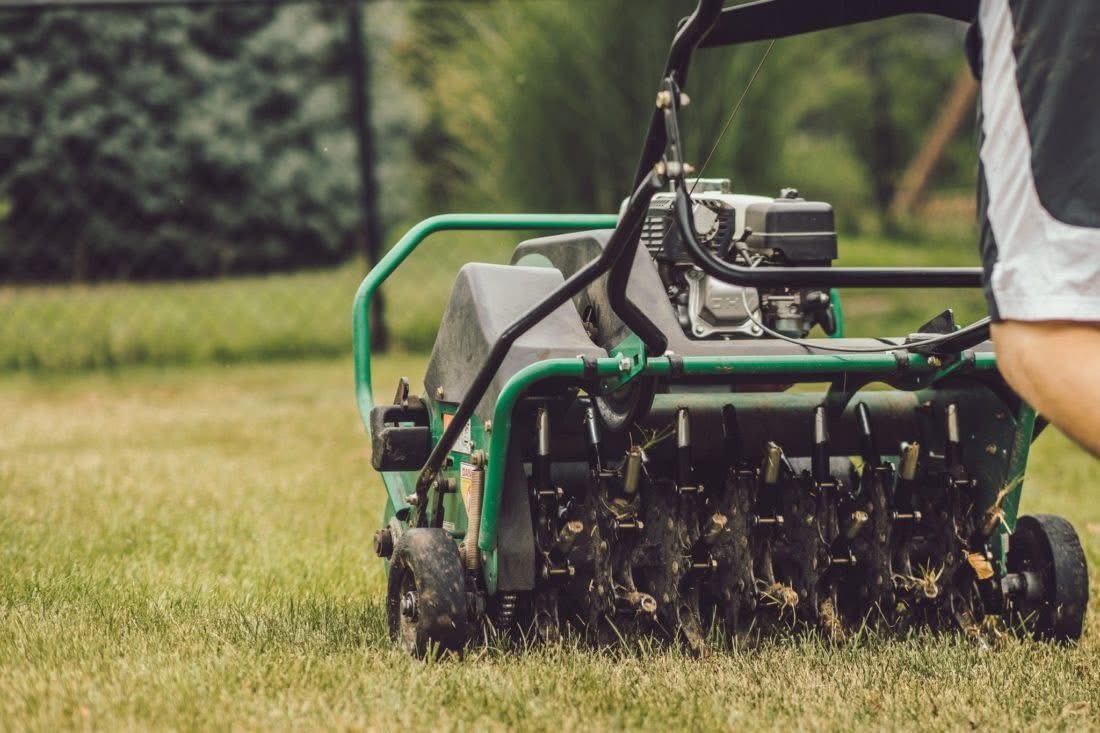
- Core aeration to break up compaction and open the soil up. This alone makes a noticeable difference in how well the area drains and how well seed establishes.
- Lime application to raise the soil pH if it’s testing acidic. Grass prefers a pH of roughly 6.0 to 7.0. Moss thrives below that. A simple soil test — available at most garden centres — tells you where you’re at.
- Topdressing with compost to improve the organic matter and give new seed something better to root into.
Step 3: Use the right seed. Not all grass seed handles shade the same way. For Sudbury’s climate, I recommend a mix with a high percentage of creeping red fescue — it’s the best cold-hardy, shade-tolerant option we have access to. Avoid mixes that are heavy on Kentucky bluegrass for these spots; it needs too much sun.
Step 4: Be consistent with watering. New seed in a shaded area needs moisture but not waterlogging. Light, consistent watering until germination — then back off as it establishes. Don’t let it sit soaked.
Even with all of this done right, heavily shaded areas may only ever support a thin stand of grass. If the shade is genuinely dense all day, you’re working against biology. Which brings me to the next option.
Option 2 — Stop Fighting It and Work With It
Honestly? Sometimes the best move is to stop trying to grow grass where grass doesn’t want to grow — and turn that corner into something that actually looks intentional.
There are a few ways to do this well:
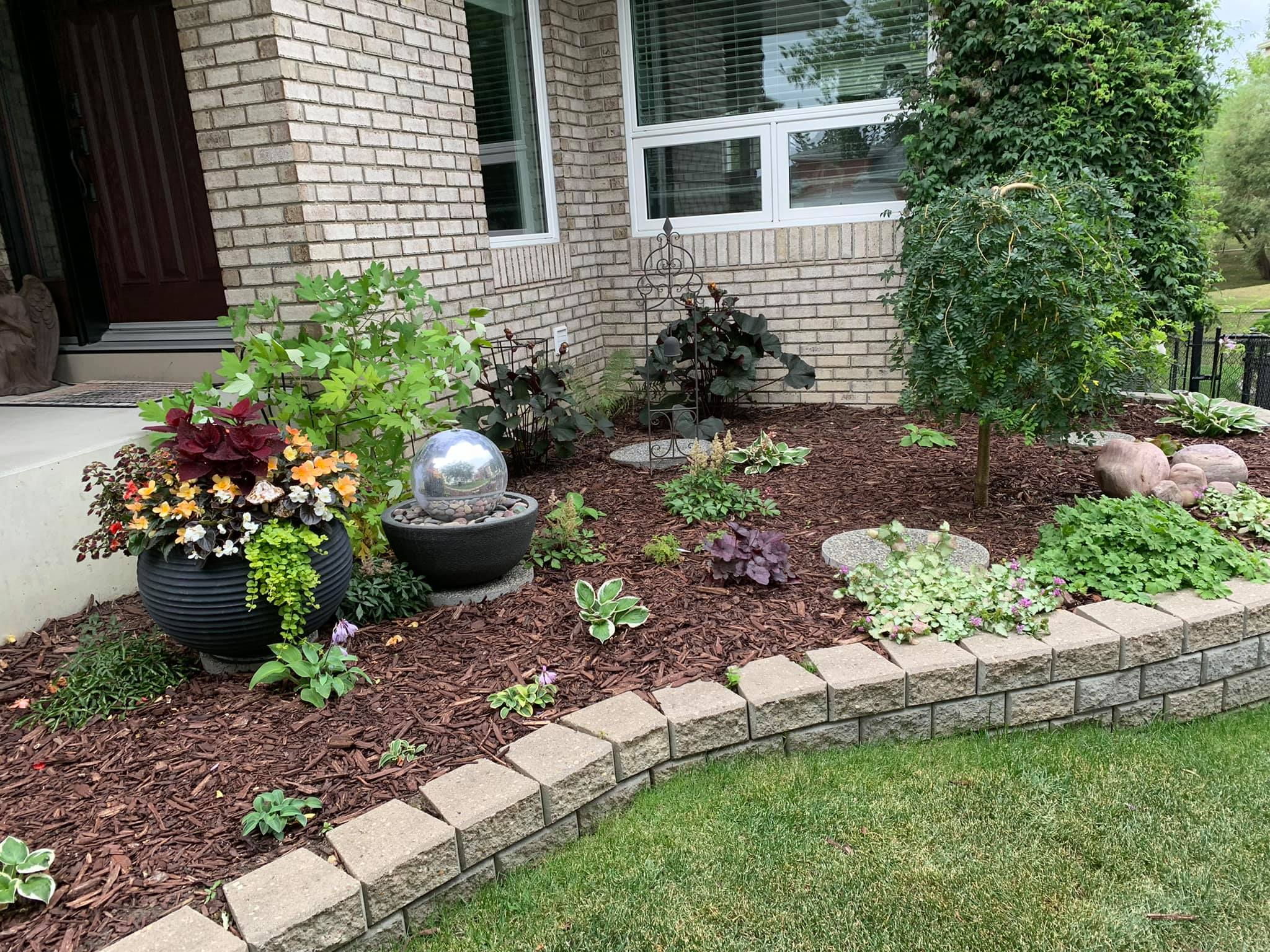
- Shade-tolerant ground covers. Plants like hostas, wild ginger, pachysandra, or creeping jenny grow well in shaded, moist conditions and fill in nicely over a season or two. They look deliberate, they’re low maintenance once established, and they actually suit the Sudbury climate.
- Mulched garden bed. Define the shaded area with a simple edge, clear out the moss and debris, add a layer of quality mulch, and plant a few shade-tolerant perennials. This turns a problem corner into a feature. It looks clean, it suppresses weeds, and it doesn’t require you to fight nature every spring.
- Let the moss stay — intentionally. This sounds like giving up, but it isn’t. Moss is actually a low-maintenance, visually interesting ground cover when it’s managed and framed properly. Some people deliberately cultivate it. If the area is in a back corner that nobody really uses, a healthy moss patch surrounded by a clean edge can look fine.
- Decorative stone or gravel. If the spot is genuinely too shaded and too wet for anything to grow well, a gravel or river stone ground cover with a weed barrier underneath is a practical, clean-looking solution that requires almost no upkeep.
The key with any of these is to make the decision intentional — clear the area properly with a thorough cleanup, define the edges, and do it right rather than half-heartedly. A poorly done garden bed looks worse than the original problem.
What I Usually Recommend for Sudbury Properties
When I walk a property and someone points out their mossy corner, my first question is always: how much shade are we actually dealing with, and what do you want this space to do?

If it’s partial shade and the homeowner really wants grass, I’ll walk them through the aeration, lime, and shade-seed approach — and be honest about the realistic outcome. Sometimes it works great. Sometimes it gives them a decent stand of grass that needs a bit more attention than the sunny parts of the yard. Either way, they go in with accurate expectations.
If it’s deep, all-day shade under a big spruce or maple — I’m going to steer them toward a landscaped bed or ground cover solution. Trying to force grass to grow in those conditions is an ongoing battle that most people eventually get tired of fighting.
The good news is that either path gives you a yard that looks better and requires less frustration going forward. You just need to pick the right one for your actual situation.
If you want me to come take a look at your yard and give you a straight answer on what makes sense, reach out. No pressure, no upsell — just an honest assessment of what you’re working with.
— Ryan Lingenfelter
Cutting Edge Lawn & Landscaping, Garson, Ontario
📞 705-507-6787
Dealing with lawn problems across your Sudbury property this season? We offer core aeration, sod installation, property cleanup, and full lawn maintenance across all of Greater Sudbury. Free quotes, honest advice.
Get a Free Quote |
Call 705-507-6787
